Snapshot
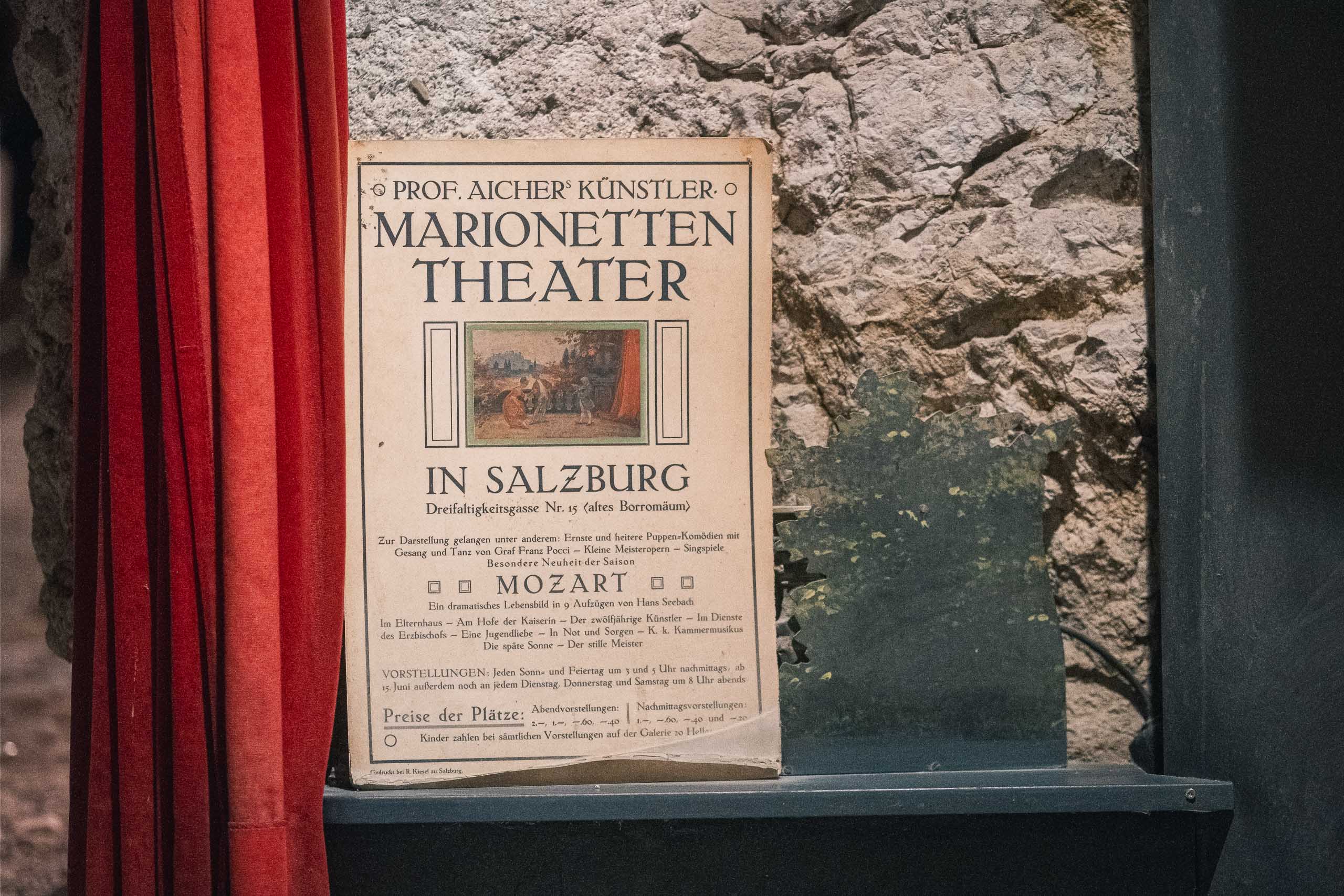
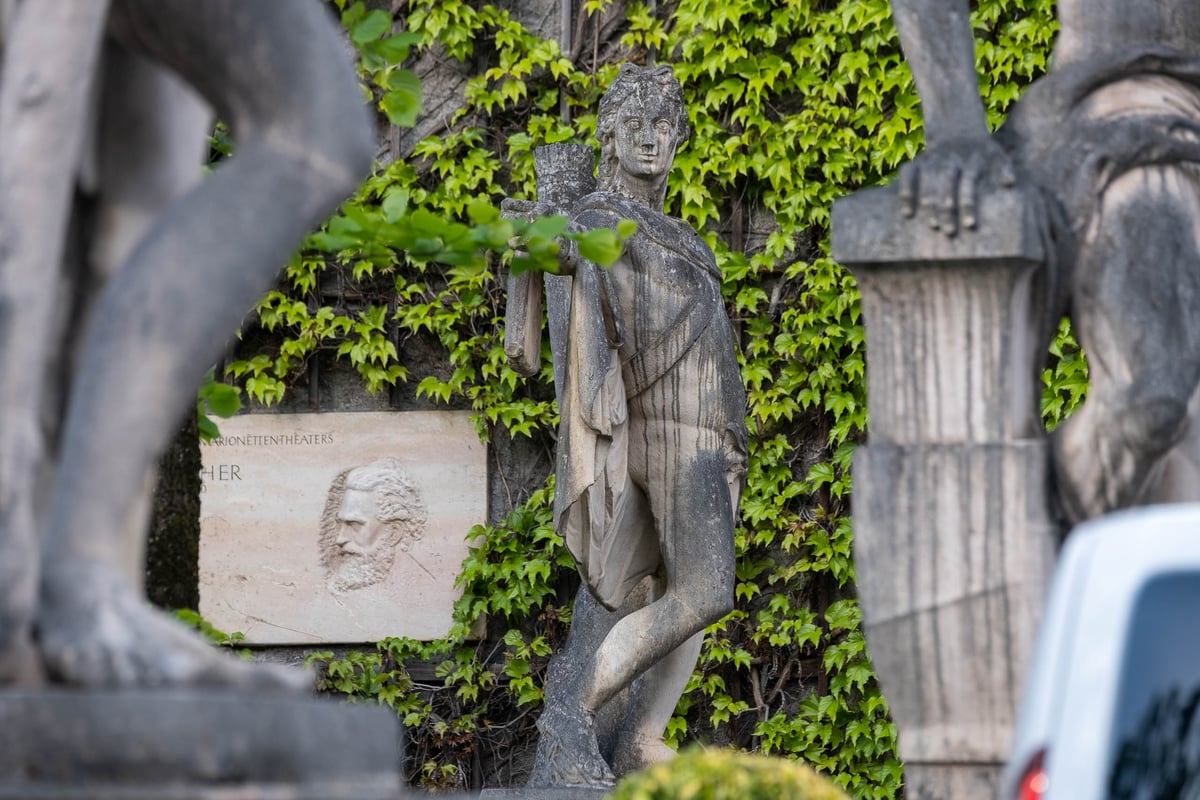
Anton Aicher founded the Salzburger Marionettentheater in 1913 with a single Mozart opera, a borrowed gymnasium, and a wood-carving technique refined over a lifetime. The Aicher family ran it for three generations, and it remains one of Salzburg’s most durable cultural institutions.
The Story
Aicher grew up in Salzburg and trained as a wood-carver, learning the craft through church altar-making before travelling to Munich to study marionette construction under the masters of the German puppet tradition. He brought that technical precision back to Salzburg, combining it with the city’s Mozart identity, and on 27 February 1913 he opened the Salzburger Marionettentheater in the gymnasium of the Borromaeum seminary, charging two Schillings a seat and staging Mozart’s Bastien und Bastienne with marionettes he had carved himself.
What separated Aicher’s work from folk puppetry was the technique. He developed the “Salzburg cross” system, a stringing method that allows the puppeteer to control head, arms, and legs simultaneously, giving the figures a fluidity that can sustain a full operatic performance without the illusion breaking down. The theatre performs Mozart’s operas with recorded orchestras and trained singers, and the marionettes move as though they are inhabiting the music rather than illustrating it. The technique is now listed as UNESCO Intangible Cultural Heritage.
Aicher died in 1930, but the family continued. His son Hermann developed the workshop further; the family maintained the repertoire, toured to Carnegie Hall and to Moscow, and expanded the stage while keeping the craft in-house. Every puppet is still hand-carved and hand-painted in the theatre’s own workshop. His granddaughter Gretl Aicher led the theatre until her death in 2012, after which leadership passed out of the family. In a city full of institutions that invoke Mozart’s name, the Salzburger Marionettentheater does something distinct: it makes the music visible.