One of Leopold Mozart's most trusted friends. Bullinger's correspondence with Leopold and Wolfgang is among the most candid in the entire Mozart documentary record. Leopold wrote to him in tones of absolute frankness that he used with almost no one else.
Mozart's first love, and the woman who rejected him. He met her in Mannheim in 1778 and became deeply infatuated. Her younger sister Constanze later became Mozart's wife. Aloysia became a successful soprano at the Vienna court. She died in Salzburg in 1839, three years before Constanze.
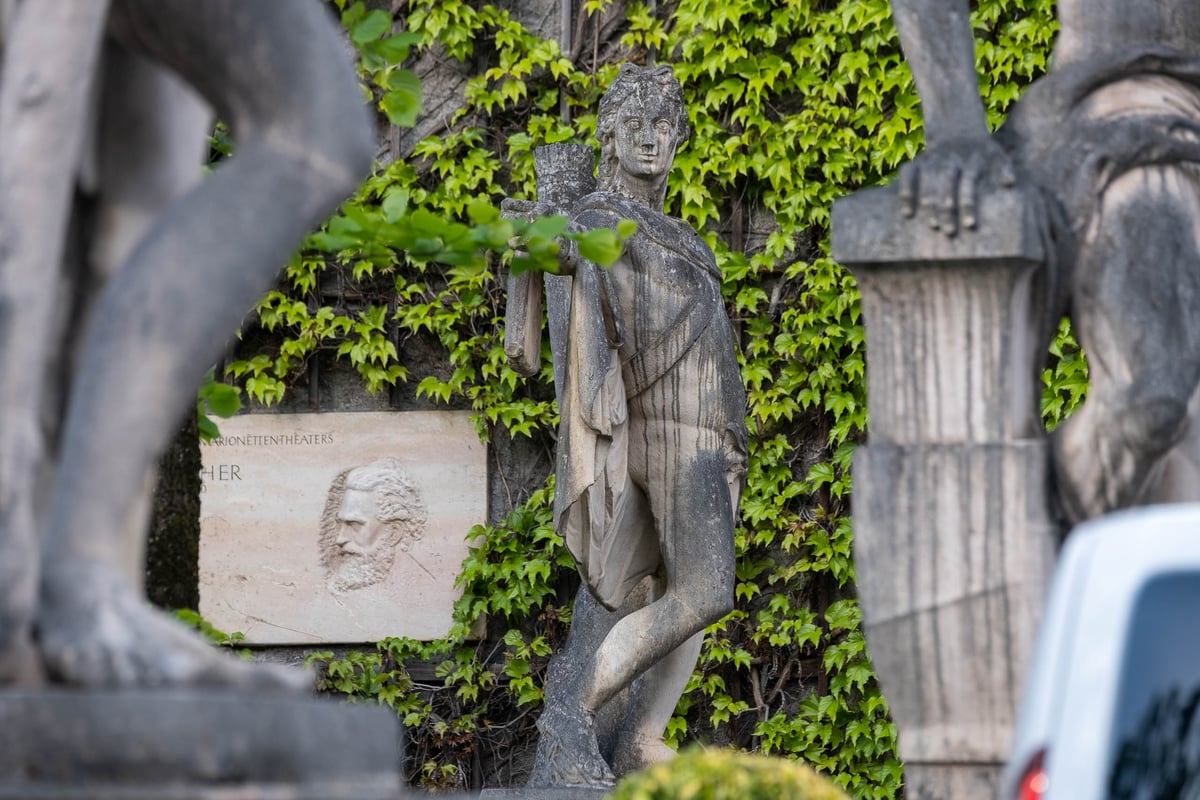
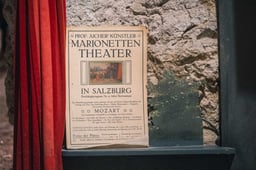
Styrian-born puppeteer who founded the Salzburger Marionettentheater in 1913, one of the most celebrated puppet theatres in the world. His family ran the theatre for three generations, until his granddaughter Gretl Aicher died in 2012; it is now led by non-family directors.
Court organist in Salzburg from 1750, colleague of Leopold Mozart and Michael Haydn. He collapsed and died while playing the organ at Salzburg Cathedral during a service on 22 December 1777, at the age of 48. One of the more dramatic exits in music history.
Imperial Kapellmeister in Vienna for 36 years and Mozart's most famous rival. The legend of his poisoning Mozart, dramatised in Peter Shaffer's Amadeus, is almost certainly false. He taught Beethoven, Schubert, and Liszt.
The archbishop Mozart famously fell out with. Colloredo's reforming austerity drove Mozart to leave Salzburg permanently for Vienna in 1781. Under his rule, Salzburg's temporal authority as a prince-archbishopric effectively ended with secularisation in 1803.
Mozart's first employer. Far more benevolent than his successor Colloredo, Schrattenbach allowed Leopold Mozart repeated extended leaves of absence for the family's European concert tours, effectively subsidising the education of a genius.
The painter who created the most widely reproduced image of Mozart. Her 1819 posthumous portrait, painted nearly three decades after Mozart's death, became the face most people picture when they think of Mozart.
One of Mozart's most gifted piano students. Mozart composed two of his greatest concertos specifically for her: Piano Concerto No. 14 (K. 449) and No. 17 (K. 453), both in 1784. K. 453 is among his finest, and Ployer gave its premiere. Her Salzburg origins make her a genuine point of connection.
The Viennese aristocrat who reshaped Mozart's late style. In 1782, van Swieten introduced Mozart to Bach and Handel, fundamentally redirecting his late compositional style. The contrapuntal depth of the Jupiter Symphony, the late string quintets, and the Requiem all bear van Swieten's fingerprints.
The man who shaped the Mozarteum and the early Salzburg Festival more durably than almost anyone else. Director of the Mozarteum for over four decades (1917-1959), bridging the Festival's founding generation and the Karajan era.
The decisive bridge between Mozart and Wagner. Weber's Der Freischutz (1821) established German national opera. Richard Strauss, co-founder of the Salzburg Festival, grew up within a tradition Weber had fundamentally shaped.
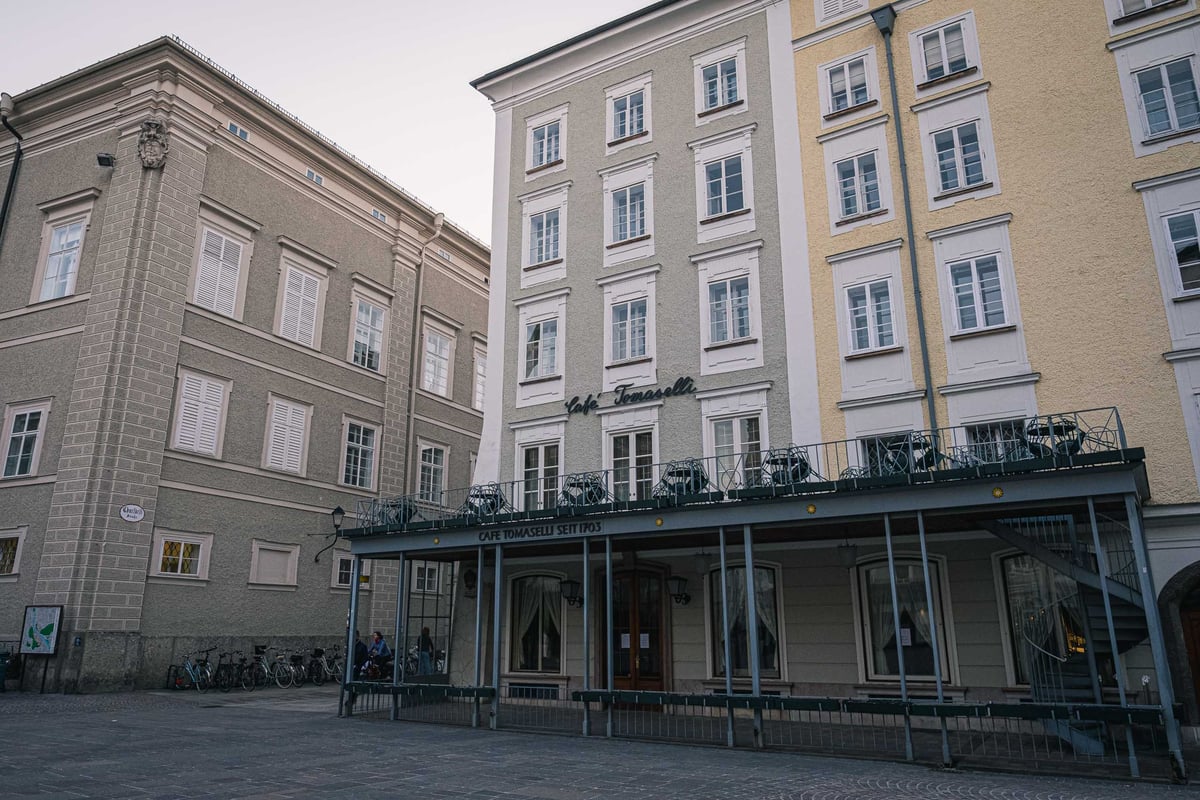
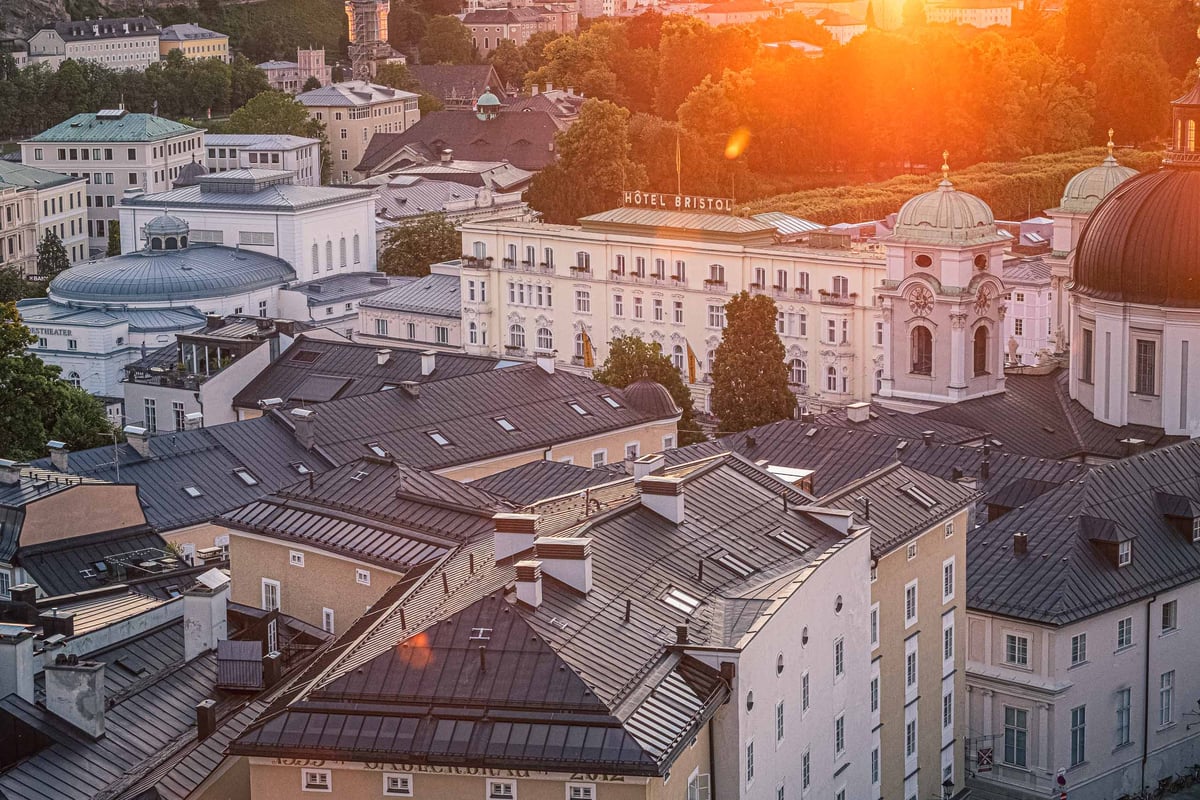
The man whose name Salzburg's most famous cafe still carries. When Carl Tomaselli took over the cafe on Alter Markt in the mid-18th century, it became Cafe Tomaselli, the oldest cafe in Salzburg. Mozart was a customer. The cafe remains in the same location today, a direct living link to 18th-century Salzburg.
Wife of Wolfgang Amadeus Mozart, whom she married in Vienna in 1782. After his death, Constanze dedicated decades to preserving his legacy. She returned to Salzburg in later life, where she died in 1842 and is buried in St. Sebastian's Cemetery.
The man who kicked Mozart out the door. In June 1781, Count Arco, chief steward of Archbishop Colloredo's household in Vienna, literally kicked Mozart when Mozart sought to resign. The rupture ended Mozart's employment in Salzburg permanently. A minor figure who achieved lasting fame through a single act at a critical moment.
Son of Lorenz Hagenauer, Mozart's landlord and Leopold Mozart's closest friend. When Dominicus celebrated his first solemn mass at St. Peter's in 1769, the seventeen-year-old Wolfgang Amadeus Mozart composed the Missa solemnis in C major (K. 66) for the occasion, known ever since as the "Dominicus Mass."
The man who wrote the libretto for Mozart's Die Zauberflote (The Magic Flute) and played Papageno at the premiere. Schikaneder managed the city theatre in Salzburg in the early 1780s, where he personally knew the Mozart family. The Salzburg connection is the starting point of a relationship that ended in Vienna with a masterpiece.
Son of Empress Maria Theresia, Enlightenment reformer, and the emperor who commissioned Mozart's Die Entfuhrung aus dem Serail and Le nozze di Figaro. Archbishop Colloredo was deeply aligned with his reformist ideology.
The greatest Habsburg ruler of the 18th century. In October 1762, the six-year-old Wolfgang Amadeus Mozart and his sister Nannerl performed for her at Schonbrunn Palace in Vienna, famously charming her entirely. The first royal patron of Mozart's genius.
The physician whose private garden theatre gave the twelve-year-old Mozart his first operatic premiere. In 1768, Mozart's Bastien und Bastienne received its premiere in Mesmer's Vienna garden. His name entered the language as "to mesmerise."
The greatest piano virtuoso in history. In 1856, the centenary year of Mozart's birth, Liszt came to Salzburg to participate in the Mozart celebrations, conducting and performing in the city. A lifelong champion of Mozart and a musical grandchild of the Viennese school that formed Mozart's world.
The man who finished Mozart's Requiem. When Mozart died in December 1791 leaving the work incomplete, Constanze asked Sussmayr to complete it. Every performance of the Mozart Requiem is partly Sussmayr's work, whether the programme notes say so or not.
Mozart's younger son, born just weeks before his father's death. Had a modest career as a pianist and composer, overshadowed by his father's name. A founding member of the Dommusikverein und Mozarteum, predecessor of the Mozarteum Foundation.
Danish diplomat who married Constanze Mozart in 1809. He compiled the first comprehensive Mozart biography, published posthumously in 1828. Buried at Sebastiansfriedhof, the same cemetery that holds Leopold Mozart's grave. Without his patient documentary work and Constanze's cooperation, much of what is known about Mozart's private life would have been lost.
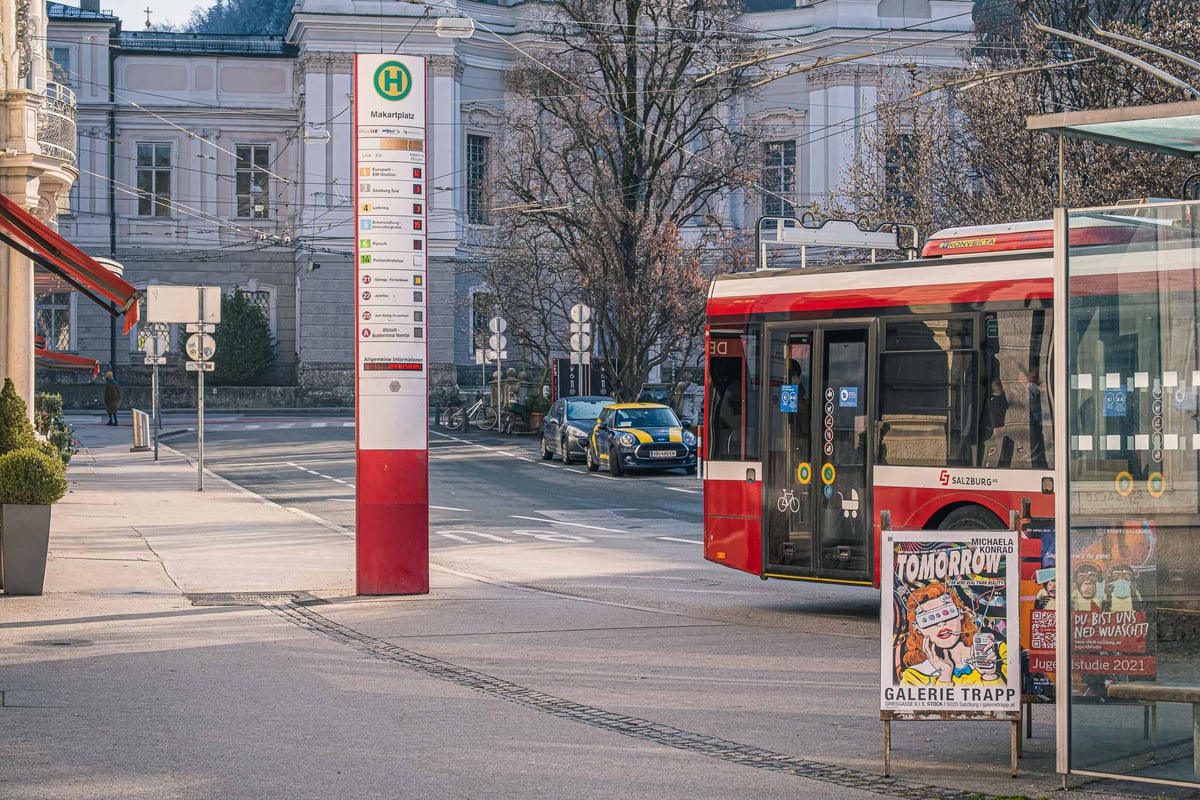
One of the most celebrated painters of 19th-century Europe, born in Salzburg. So dominant was his influence that the term Makart-Stil entered the language. Makartplatz (where Mozart's Residence stands) was named in his honour. He died in Vienna at just 44.
The greatest violinist of the 17th century and one of the most important composers of the baroque era. Biber spent almost his entire career at the Salzburg court, rising to Hofkapellmeister in 1684. His Mystery (Rosary) Sonatas are among the most technically and spiritually demanding pieces in the baroque repertoire.
The stage director who shaped the visual identity of the Salzburg Festival's Mozart productions for nearly two decades. Working with Karl Bohm and Karajan, his stagings were filmed and broadcast worldwide. He died after collapsing at the Festival during rehearsals in 1988.
Sculptor and son of Lorenz Hagenauer, the Mozart family's landlord and Leopold's closest friend. He grew up in the same house as the young Mozart family (Getreidegasse 9) and created works that are still seen in Nonnberg Abbey and Salzburg Cathedral.
Leopold Mozart's direct professional superior and the central musical figure in Salzburg in the generation immediately before the Mozarts. Court Kapellmeister from 1749, Eberlin contributed over 6,000 works to the Salzburg court repertoire. Almost entirely forgotten today, but the young Wolfgang studied several of his works.
Mozart's most famous private student. From 1786 to 1788, the seven-year-old Hummel lived in the Mozart household in Vienna, studying directly with Mozart as his teacher and guardian. The most direct musical heir of the composer whose name defines Salzburg.
Germany's greatest writer. Goethe passed through Salzburg in September 1786 during the Italian journey he immortalised in Italienische Reise. He and Mozart were near-exact contemporaries: Goethe heard the boy Mozart play in Frankfurt in 1763 and never forgot it.
One of the greatest composers of the Classical era and elder brother of Michael Haydn. His warm friendship with Wolfgang Amadeus Mozart is one of the most celebrated artistic bonds of the 18th century. Haydn famously told Leopold Mozart that Wolfgang was "the greatest composer known to me."
The finest bel canto tenor of his generation and the face of Mozartwoche in Salzburg. His connection to Mozart's birthplace city is deep and ongoing. In 2007 at La Scala, he became the first singer in 74 years to be granted an encore mid-performance.
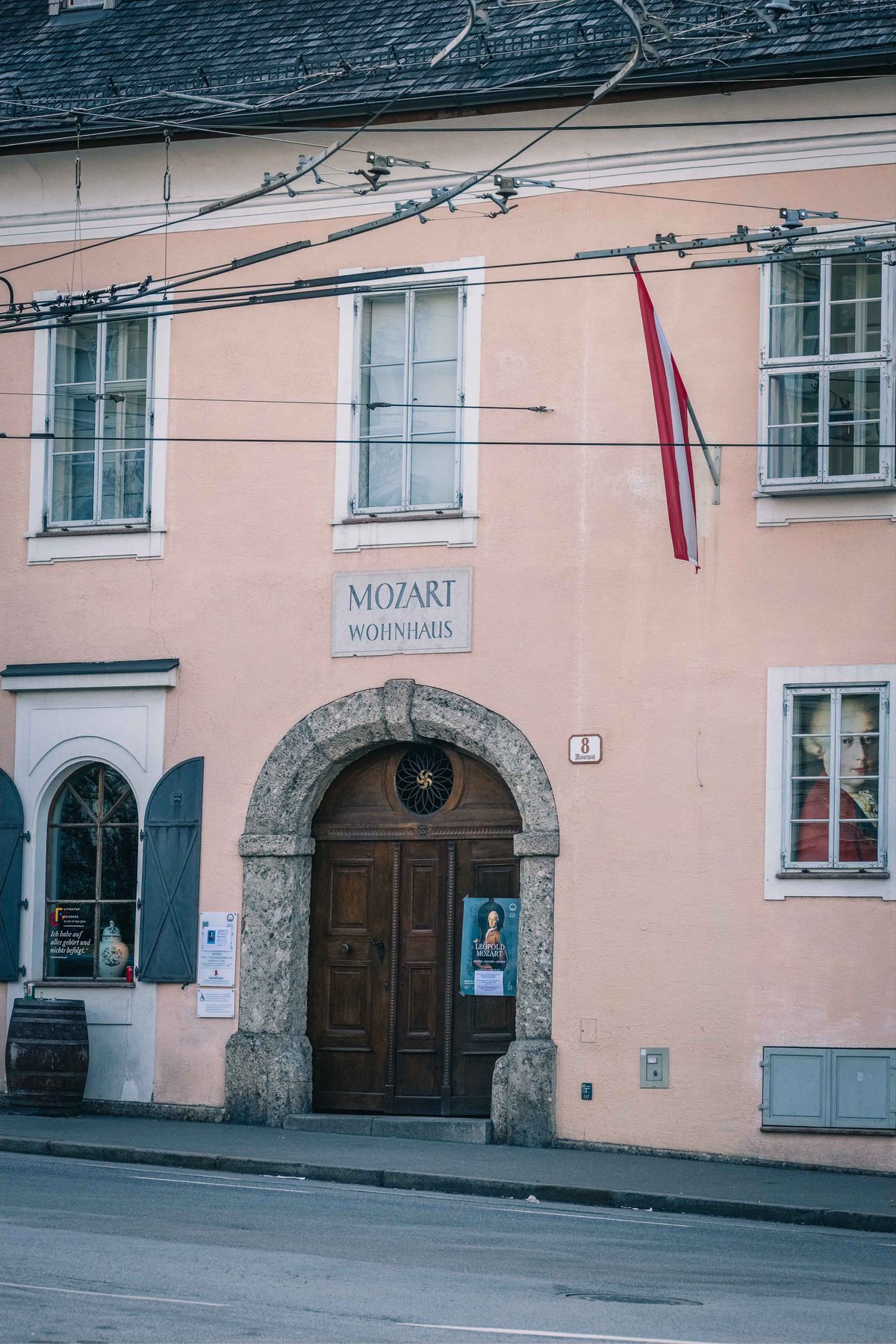
Court musician, Vice Kapellmeister, and the father and first teacher of Wolfgang Amadeus Mozart. Author of the influential Versuch einer grundlichen Violinschule (1756). Lived with his family at Getreidegasse 9 and later at Makartplatz 8. Buried in St. Sebastian's Cemetery.
The single most important figure in the prehistory of the Salzburg Festival. Not to be confused with Lotte Lehmann. From 1901, Lilli Lehmann organised the Salzburg Mozart Week, the annual series that directly laid the groundwork for the permanent Festival that Hugo von Hofmannsthal, Max Reinhardt, and Richard Strauss would formally establish in 1920.
The Mozart family's landlord at Getreidegasse 9 and Leopold Mozart's closest friend. The extensive correspondence between Leopold and Lorenz is one of the most important primary sources for Mozart biography. Father of Abbot Dominicus Hagenauer and cousin of sculptor Johann Baptist Hagenauer.
Mozart's librettist for Le nozze di Figaro, Don Giovanni, and Cosi fan tutte. He gave Mozart the words; Mozart gave those words immortality. Da Ponte eventually emigrated to the United States, where he became the first Professor of Italian at Columbia University.
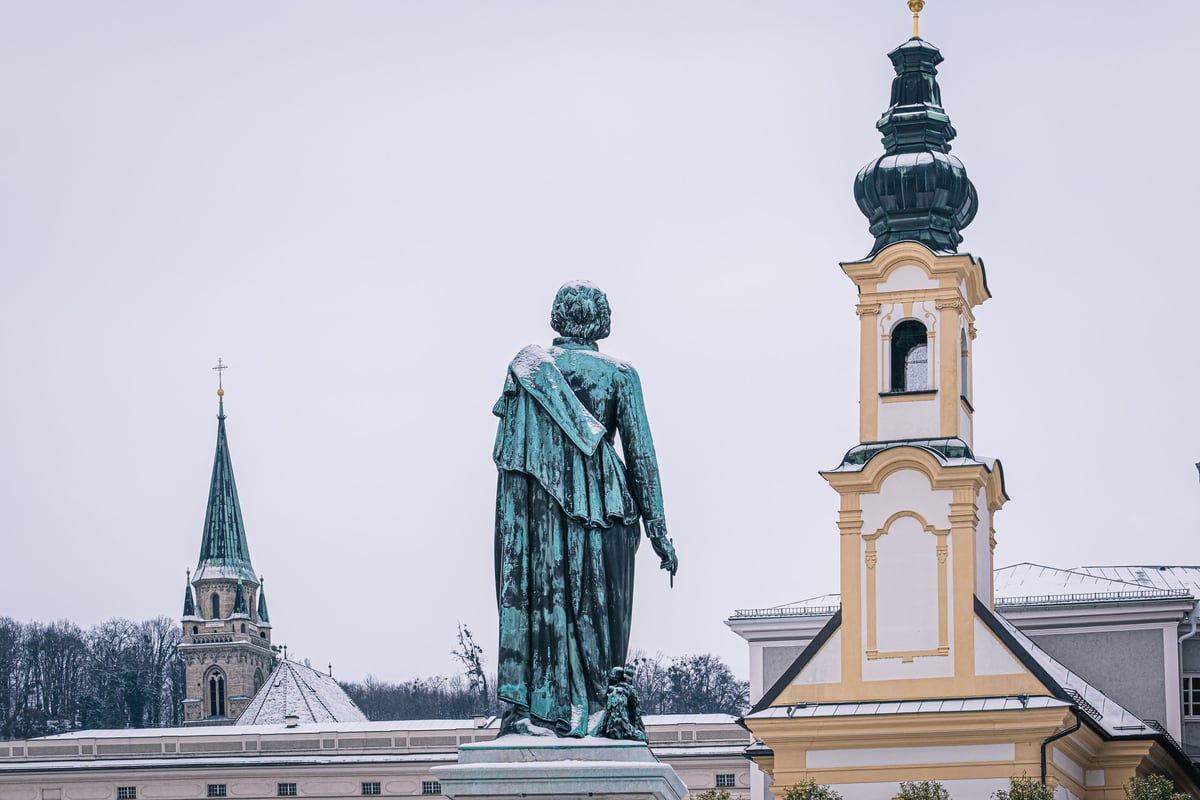
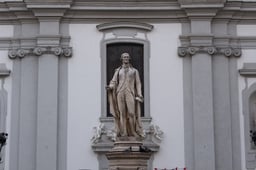
The Bavarian sculptor who created the bronze Mozart statue at the centre of Mozartplatz. Unveiled in 1842, 51 years after Mozart's death, in the presence of Mozart's two surviving sons. One of the first major public statues erected in honour of a composer anywhere in the world.
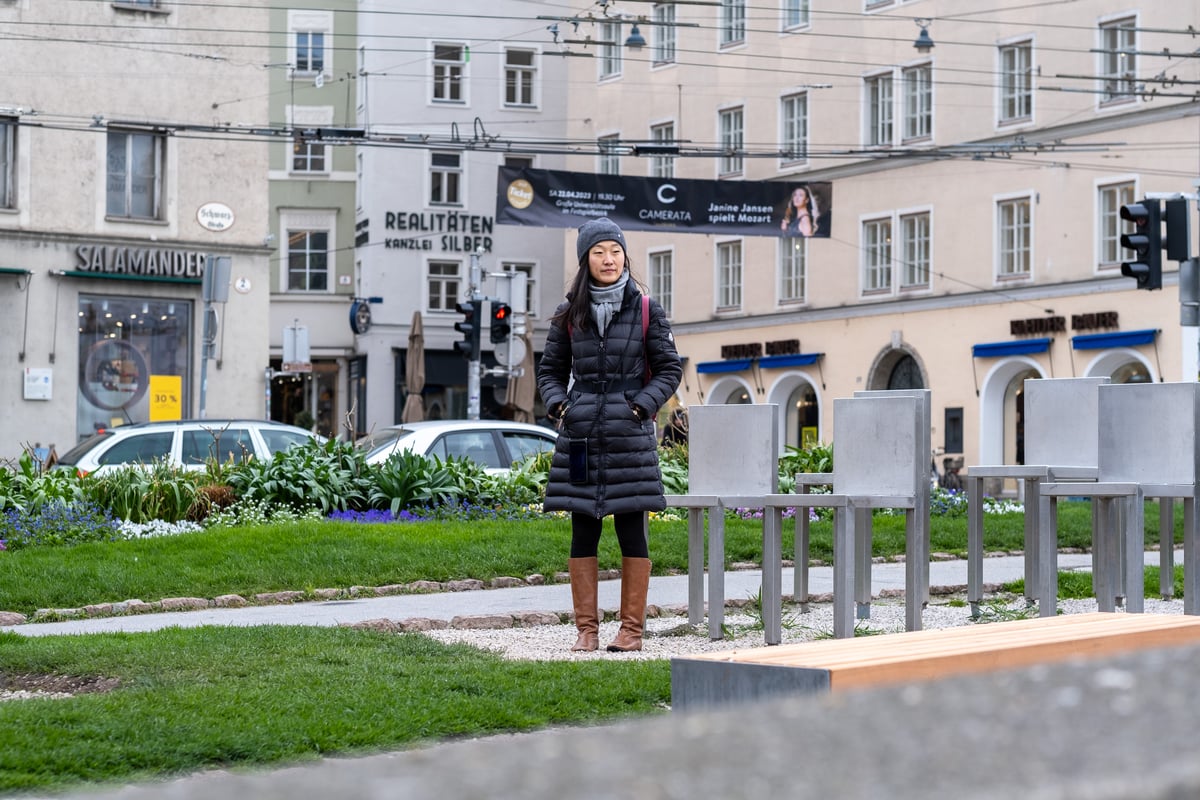
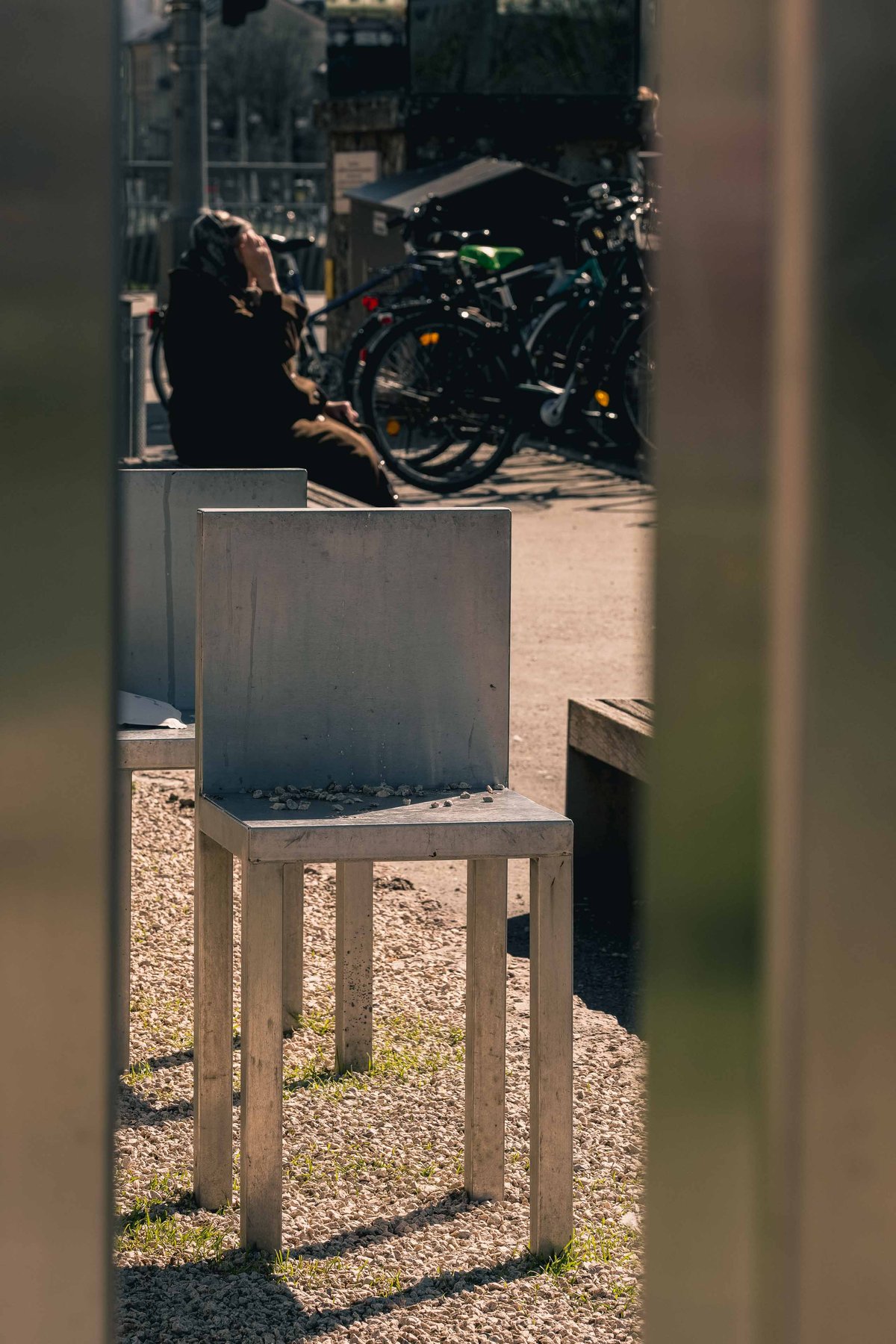
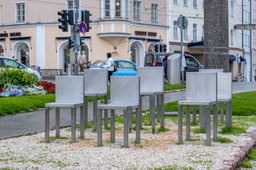
The godmother of performance art. Marina Abramovic's Spirit of Mozart (2004) is a stainless-steel chair sculpture at the northern bridgehead of the Staatsbrucke, a tall central chair ringed by smaller ones for quiet contemplation, honouring the city's most famous son through an artist whose practice is built on presence, duration, and the invisible.
German Neo-Expressionist whose Homage to Mozart (2005) at Ursulinenplatz depicts Mozart in a loose, semi-abstract style that departs entirely from the idealised portrait tradition. The most aggressively modernist Mozart monument in the city.
Younger brother of Joseph Haydn, Michael Haydn spent most of his career in Salzburg as court musician and organist. A friend and colleague of Leopold and Wolfgang Mozart, he composed over 800 works and is buried in the crypt of St. Peter's Abbey.
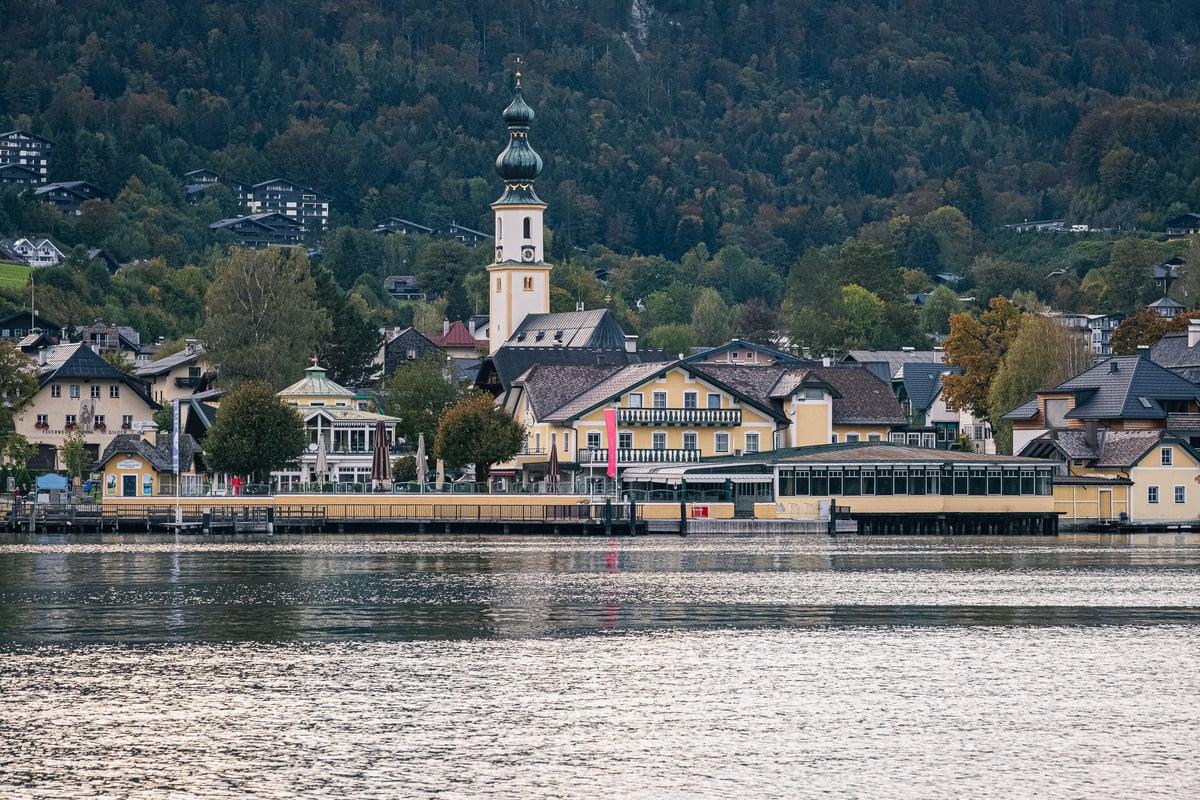
Wolfgang's elder sister, herself a child prodigy who toured Europe to enormous acclaim. Her talent was considered equal to Wolfgang's in their early years. Convention curtailed her performing career. She married and moved to St. Gilgen, returned to Salzburg, outlived Wolfgang by nearly 38 years, and is buried at St. Peter's Cemetery.
The conductor who changed how the world plays and hears baroque and classical music. Harnoncourt founded the Concentus Musicus Wien in 1953 and was a defining presence at the Salzburg Festival and Mozartwoche for decades. He died in St. Georgen im Attergau, a few kilometres from the Attersee.
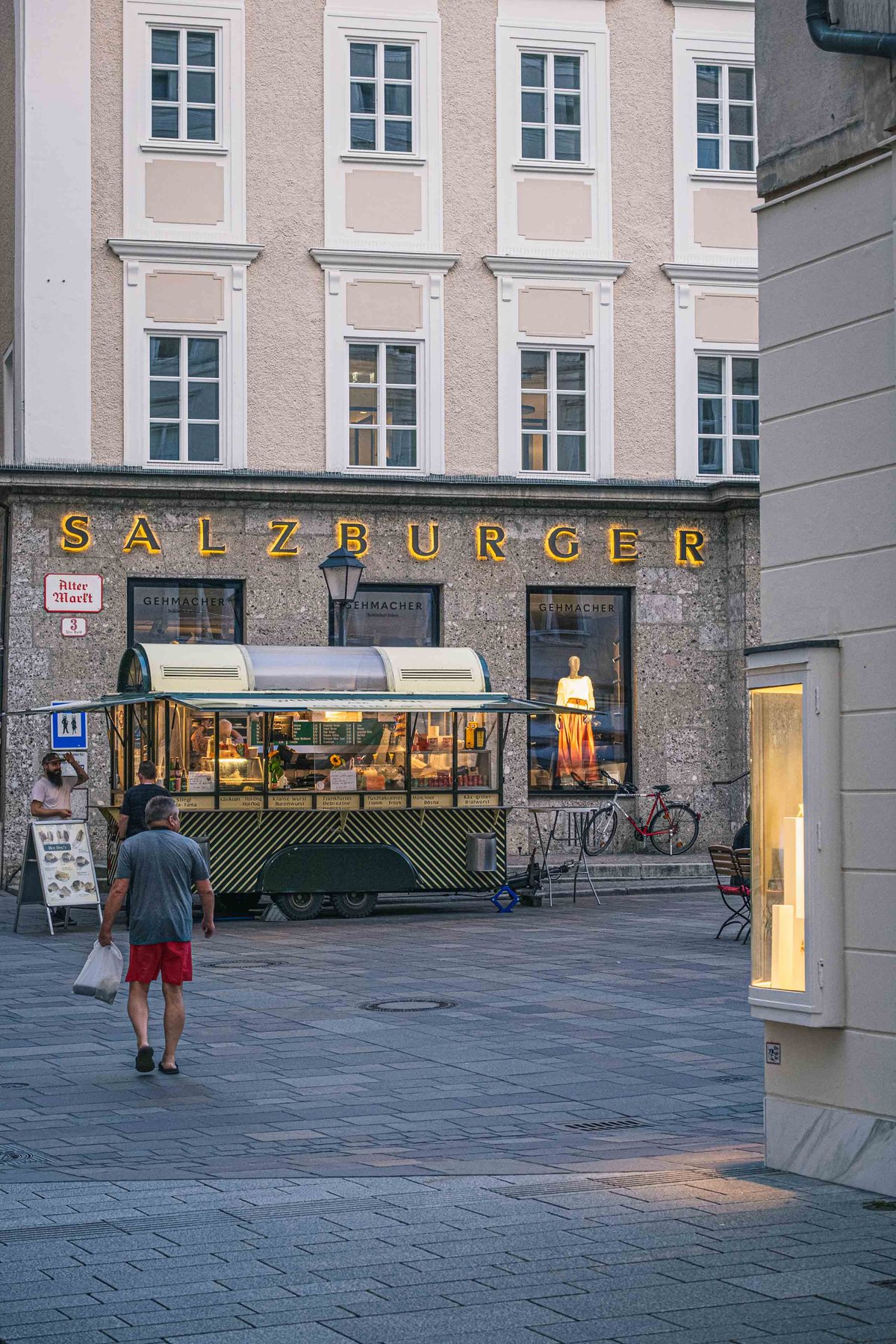
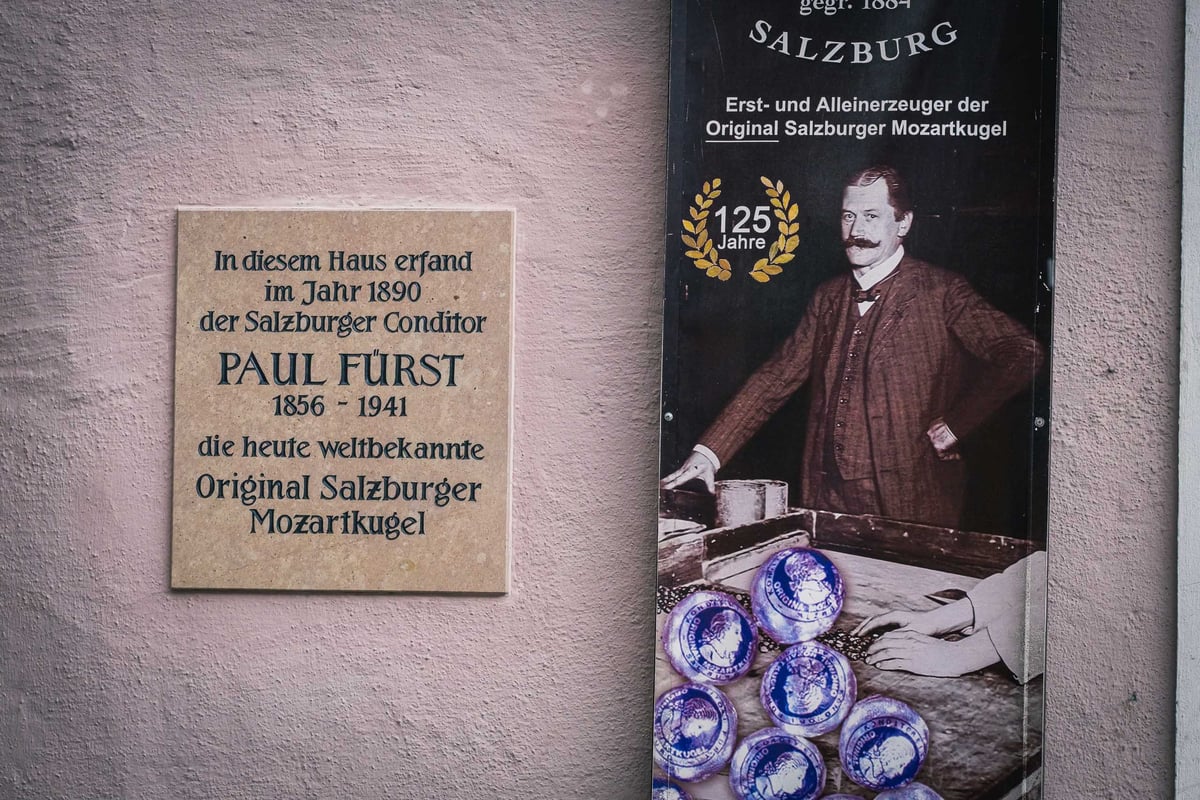
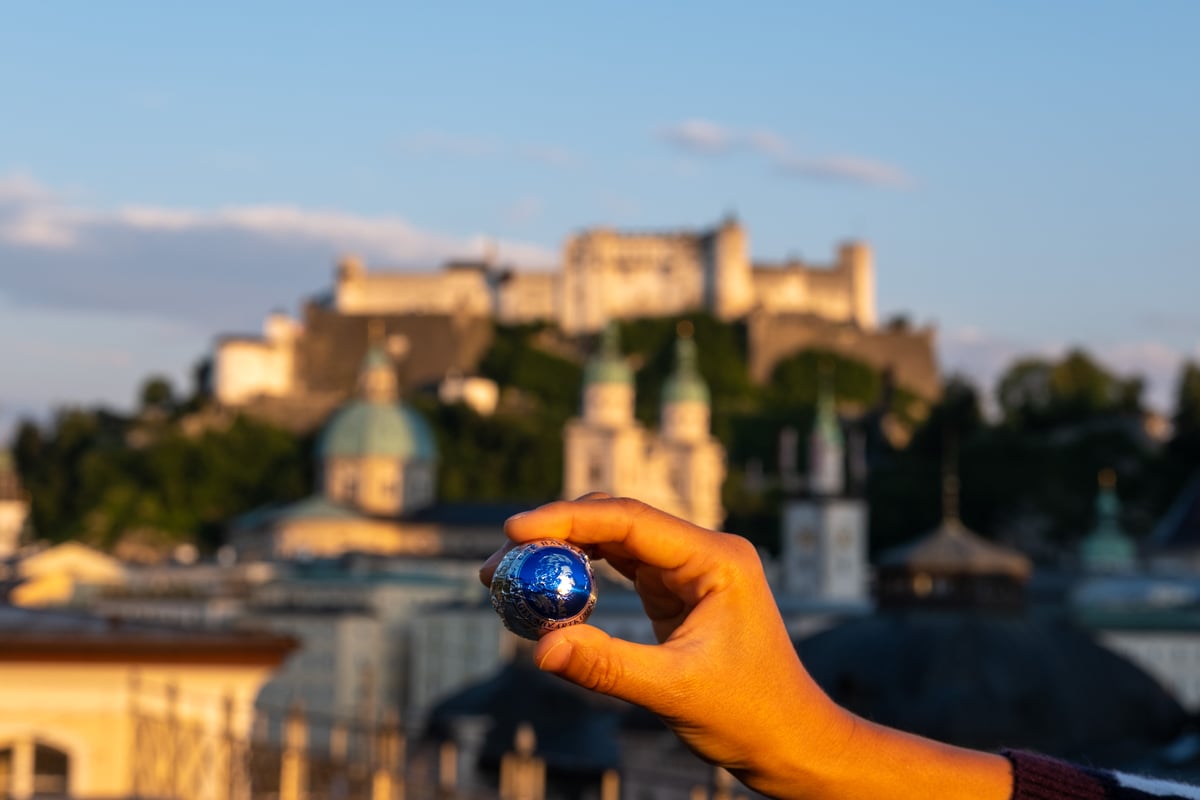
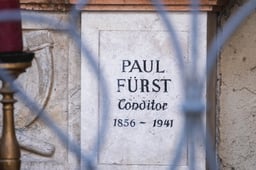
The Salzburg confectioner who invented the Mozart Kugel in 1890. The original hand-made version, still produced by Konditorei Furst on Alter Markt, is distinct from the mass-produced variants. Arguably the most successful culinary product ever associated with Salzburg.
One of the most important conductors of the late 20th and early 21st century. Muti has conducted at the Salzburg Festival across many decades, leading the Vienna Philharmonic in opera and concert programmes that have become part of the Festival's core identity. Known especially for Verdi, Mozart, and Cherubini.
Munich architect who designed the Mozarteum main building on Schwarzstrasse (completed 1914), the physical centre of Salzburg's concert life and music education for over a century.
The most influential opera composer in history. Wagner's operas became central to the Salzburg Festival's identity from the postwar era onwards. Herbert von Karajan's legendary Ring cycle productions made Salzburg a Wagner city as much as a Mozart city. Richard Strauss, Festival co-founder, directly built upon the tradition Wagner established.
Wealthy Salzburg merchant and close acquaintance of the Mozart family. For the wedding of his daughter in 1776, Wolfgang Amadeus Mozart composed the Haffner Serenade (K. 250). His family name is permanently attached to two major Mozart compositions.
Son of Sigmund the Elder. For his ennoblement in 1782, Leopold Mozart requested from Wolfgang a new symphony at short notice. Mozart composed the Haffner Symphony (K. 385) in a matter of days. Sigmund Jr. died at 30, but the symphony bearing his name remains in the standard repertoire.
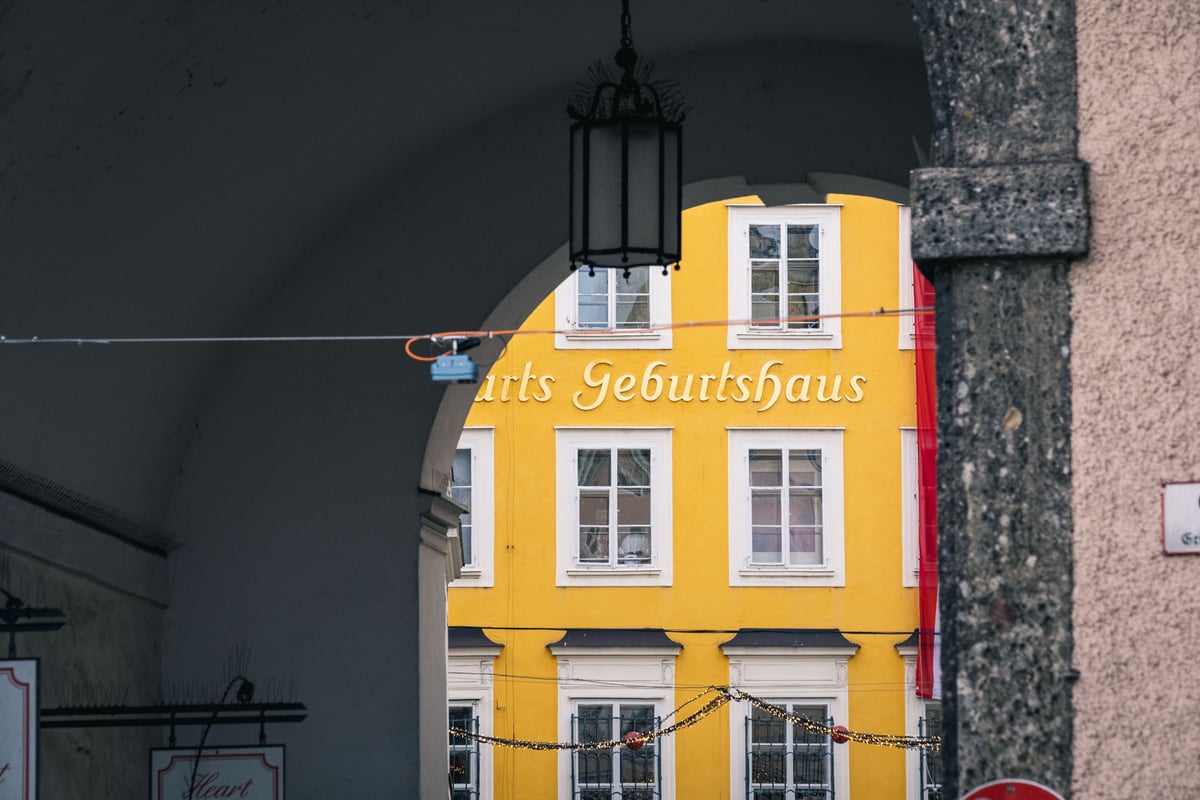
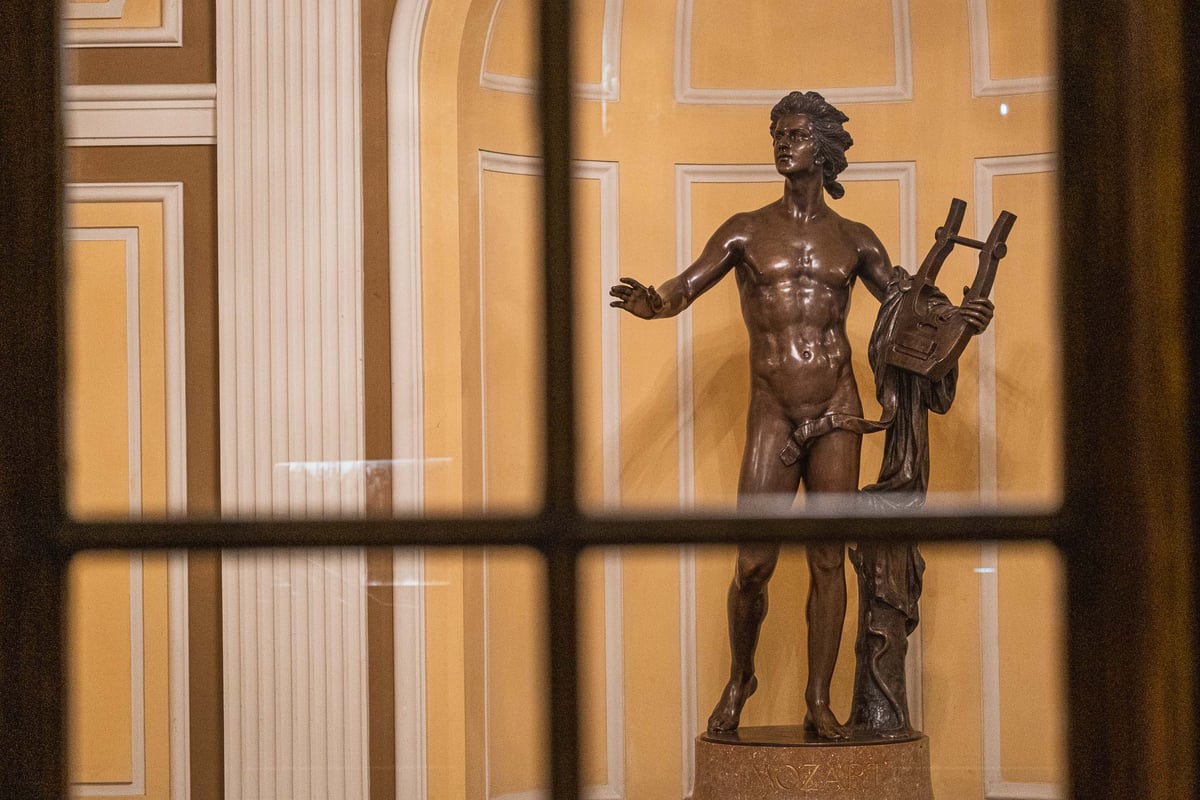
One of the most celebrated composers in the history of Western music. Born at Getreidegasse 9 in Salzburg's Altstadt on 27 January 1756. Salzburg's entire cultural identity is shaped around his legacy.