
 Worth it
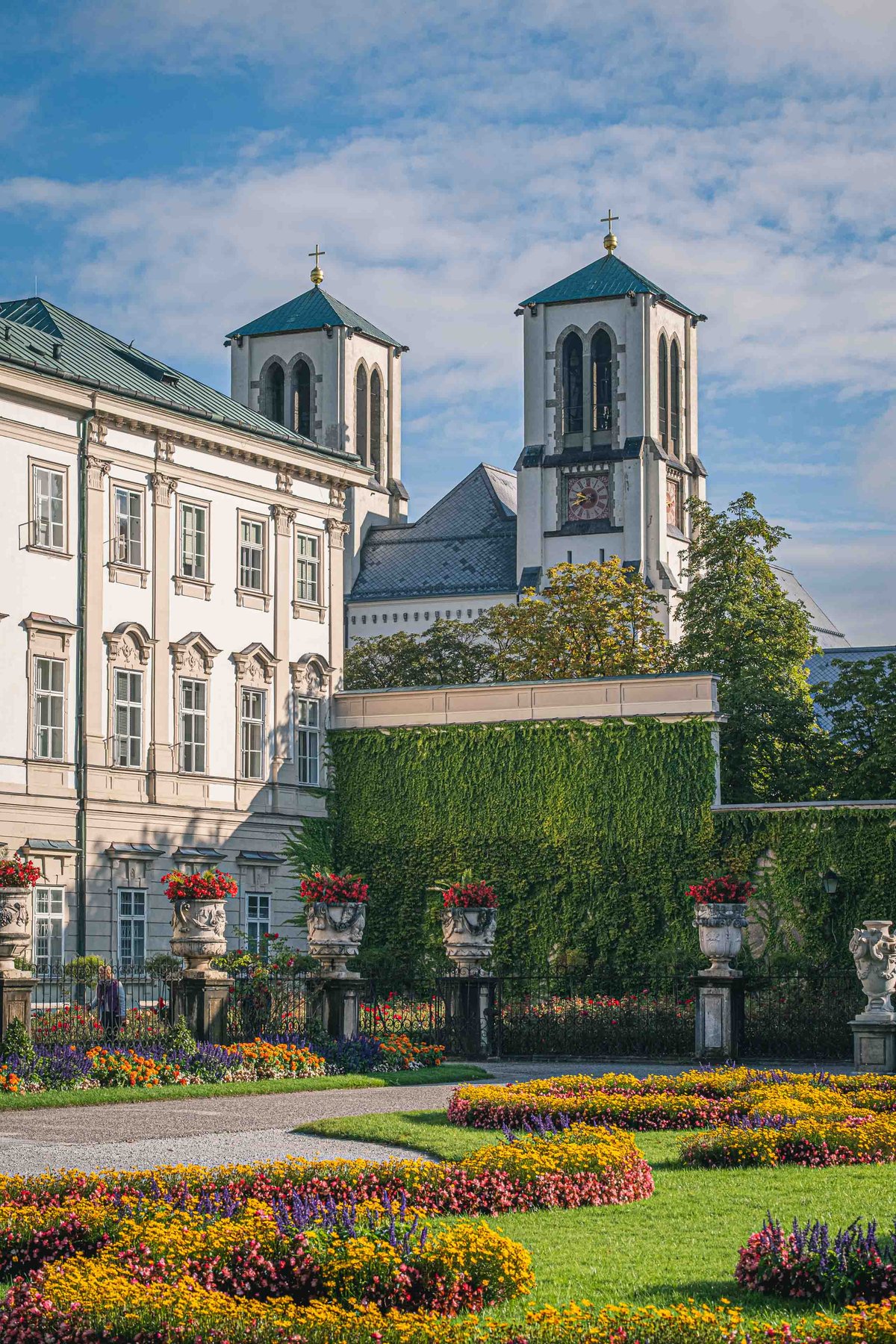
Mirabell Gardens
The Do-Re-Mi steps and the Pegasus fountain. The single most recognisable stop, and genuinely lovely at opening time before the buses. A real baroque garden first, film set second.
Free, open daily. Go at opening.
Salzburg, honestly
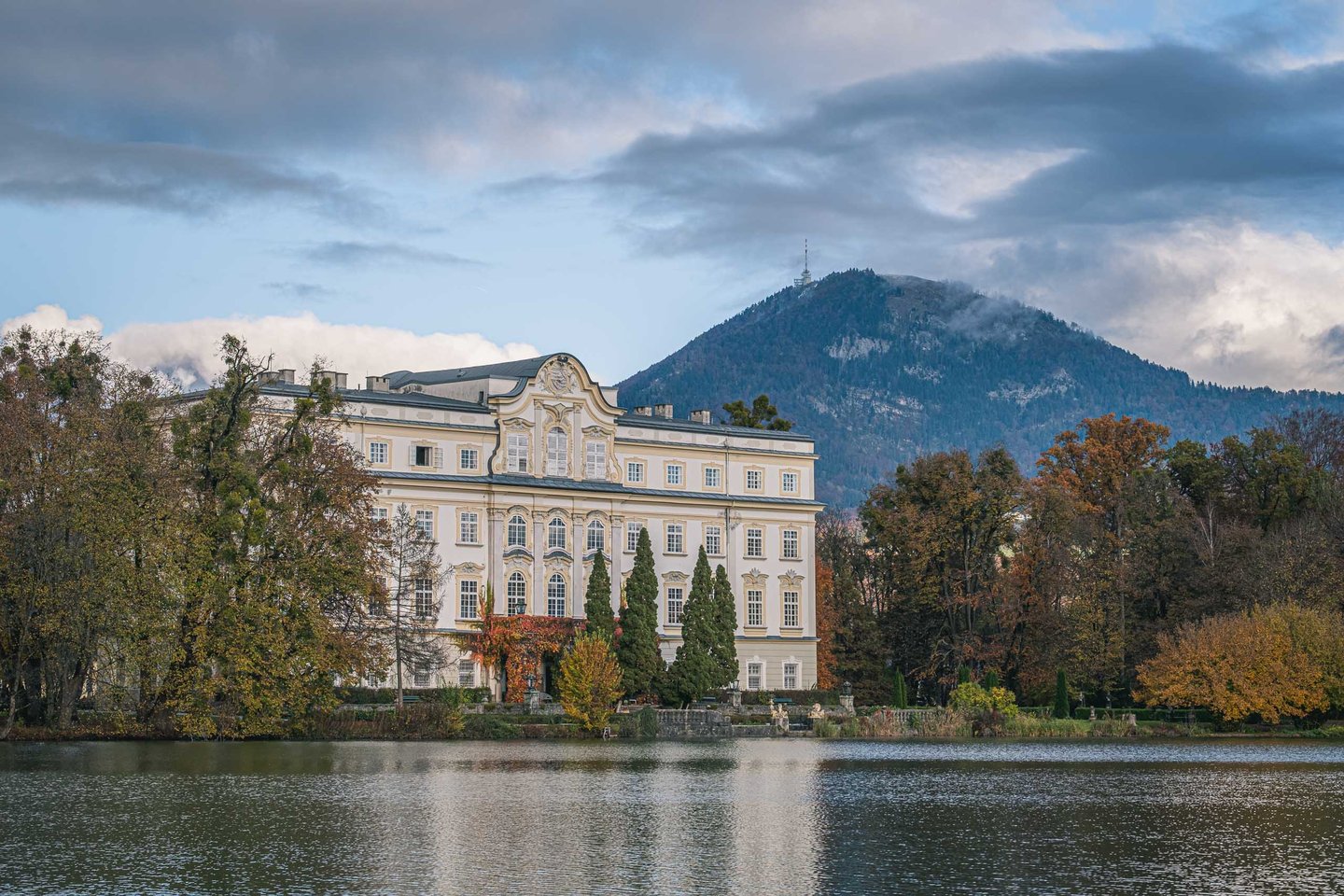
I have walked these film locations for fourteen years, usually with a tour bus parked behind me. Here is the honest version: which stops are the real Salzburg, which are a Hollywood composite stitched together from three different buildings, and which ones I would skip. The hills are real. Some of the rest is set dressing.
The true story
Georg von Trapp was a decorated submarine commander who lost his fortune in a bank collapse, not a cold widower with a whistle. Maria came down from Nonnberg Abbey to tutor one sick child, not the whole brood. They left Austria by train to Italy with a music contract in hand, not over a moonlit mountain into Switzerland, which would have walked them straight into Germany. The film compressed all of it.
None of that ruins the locations. It just changes how you stand in front of them. When you reach the Mirabell steps you are on a real seventeenth-century garden that happened to host one afternoon of filming. When you reach Leopoldskron you are looking at a private hotel that lent its reflection to the screen. Knowing the seam is there makes the whole thing more interesting, not less. You stop hunting for a film set and start seeing Salzburg.
The film, in numbers
Eleven weeks of filming
1964
Released March 1965. Most Austrians have still never seen it.
Palaces play one house
2
Frohnburg for the front, Leopoldskron for the lake terrace. You see the gate from the road and the terrace from across the lake.
A standard coach tour
4 hrs
Before you have walked anything yourself.
Nights fled over the mountains
0
They took a train.
The locations, ranked by honesty
This is the self-guided trail I would actually walk, in the order that makes sense on foot and by car. Each note tells you what the film used the place for, and whether I think it earns the detour.
Worth itThe Do-Re-Mi steps and the Pegasus fountain. The single most recognisable stop, and genuinely lovely at opening time before the buses. A real baroque garden first, film set second.
Free, open daily. Go at opening.
 View from the path
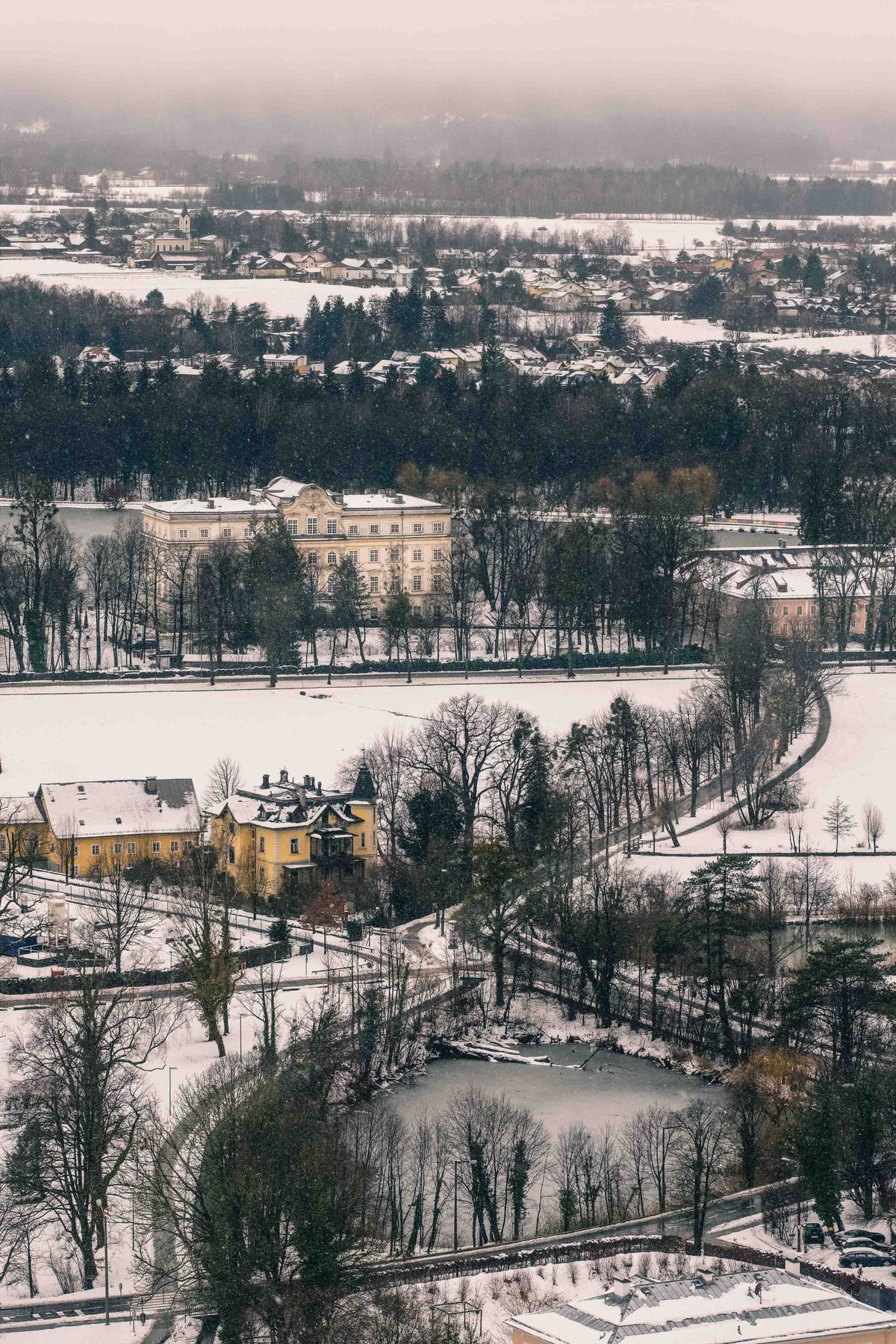
The lake terrace that stood in for the back of the house. It is a private hotel now, so you see it from the public path across the Weiher. Beautiful, and only hotel guests get in.
Leopoldskron-Moos, exterior only.
 Smaller than you think
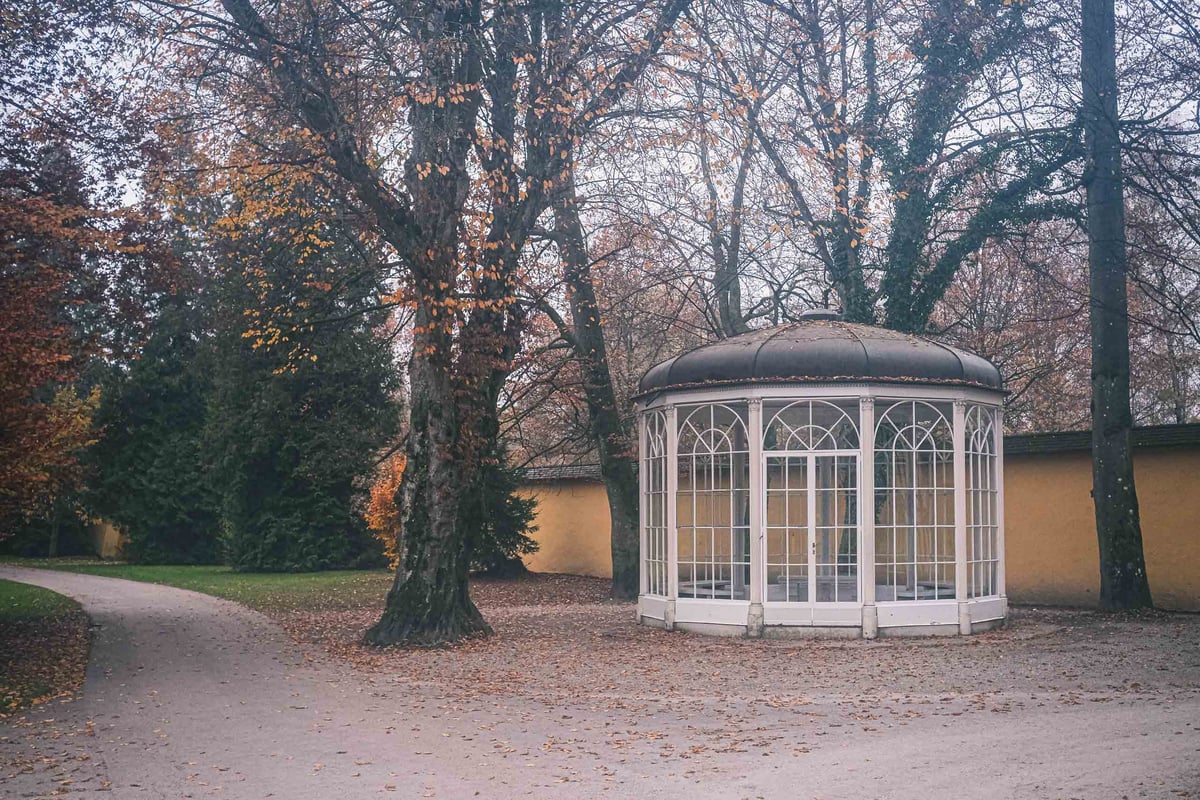
Where Liesl danced in the rain. The pavilion was moved here and fenced off after too many visitors twisted ankles re-enacting the scene. Honest truth: it is tiny. Two minutes, then see the fountains.
Hellbrunn park, fenced.
The family's actual home, now a small hotel, out in quiet Aigen. It looks nothing like the film house because the film never used it. For the real story rather than the set, this is the one.
Aigen, hotel and grounds.
Not the opening scene: Julie Andrews spins on a private meadow across the German border that you cannot visit. This one is the Do-Re-Mi picnic, with Hohenwerfen Castle behind, on a 1.4 kilometre trail Werfen opened for the film's 50th anniversary. A marketing gag, but a great day out with the ice caves. Without them, skip it.
Werfen, 40 minutes by train.
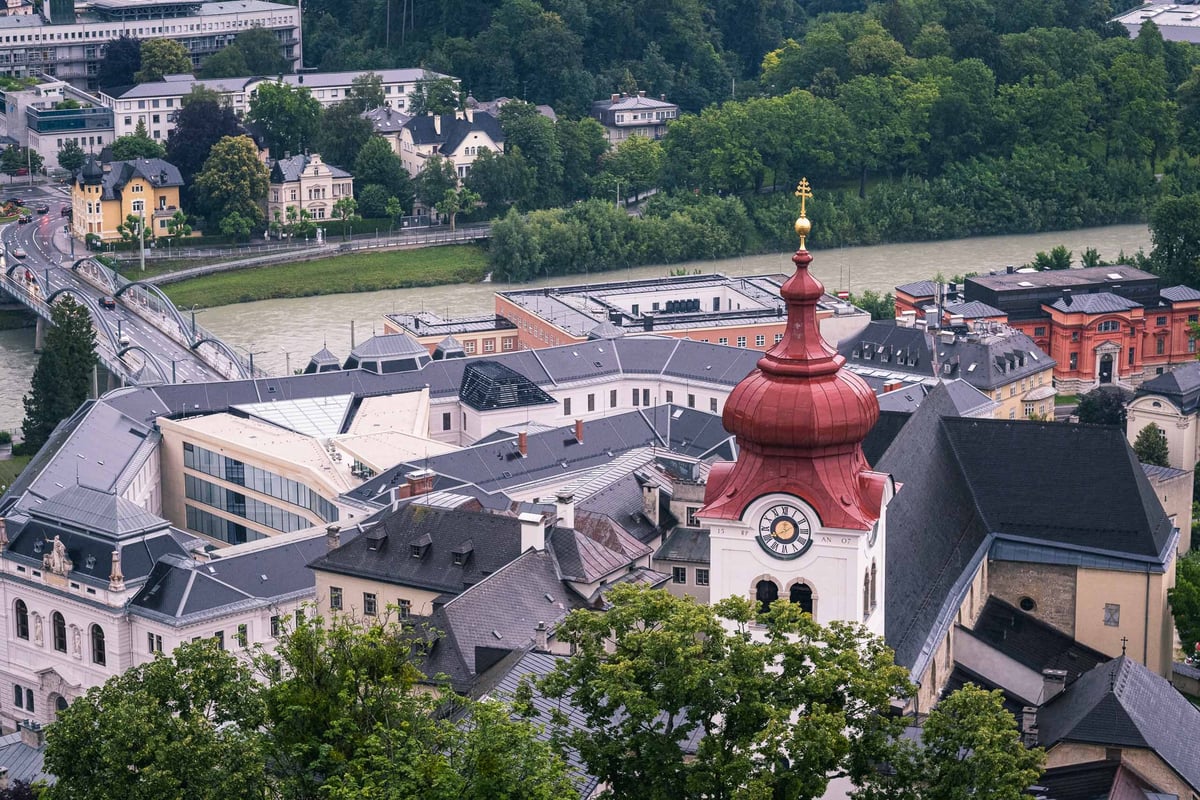 The real abbey
Climb the Nonnbergstiege to Stift Nonnberg, the working convent where the real Maria was a novice and where she married. The film only used the gate. The place itself is the oldest continuously run nunnery north of the Alps.
Nonntal, climb the steps.
Every stop, in order
The six above are my short list. These are the full routes, grouped by how you get there.
15 stops, 2 to 4 hours
The half the bus tours miss: the old town, from the Do-Re-Mi steps to the gate of Nonnberg Abbey.
4 stops, bus 25
Leopoldskron, Frohnburg, the gazebo at Hellbrunn and the Untersberg cable car.
5 stops, two days
Wolfgangsee, the Schafbergbahn and the wedding church in Mondsee, then the meadow and the ice caves in Werfen.
The honest verdict
My honest verdict, after fourteen years of standing in front of these places.
Worth your time
Mirabell at opening
Empty steps, low light, the whole garden to yourself. Skip the midday crush.
Werfen, with the ice caves
The Do-Re-Mi meadow on its own is a marketing trail. Add the ice caves above the village and it is a great day out.
Nonnberg Abbey
Real history, a real working convent, free, and almost nobody on the tour bothers to climb up.
The Hellbrunn fountains
Not in the film, but you are already there for the gazebo. Four hundred years of practical jokes.
I would skip
The gazebo as a destination
Fenced, tiny, two minutes. Worth a glance, never the reason to come to Hellbrunn.
Hunting the von Trapp house
There is no single house. Two palaces: a music school you see from the road and a hotel you see from across the lake. Manage the expectation before you go.
The sing-along add-ons
If you do not already love the film, the bus singalong will not convert you. Walk it yourself instead.
Souvenir edelweiss
It does not grow on the Mirabell steps. It never did. Buy a real one in the mountains if you must.
If you take the bus
The standard four-hour Sound of Music tour does one thing well: it drives you to Mondsee and the lake district that you cannot easily reach without a car, and it does it with the soundtrack playing. That part is genuinely useful. The in-town stops, Mirabell and Leopoldskron, you can walk yourself in a morning for free. So my honest take is to take the bus for the lakes, and keep the city for your own two feet. Book it direct, not through a markup reseller.
Take the bus for the lakes. Keep the city for your own feet.
While you are here
The same honest treatment, for the other two reasons people come to Salzburg. Built to walk, not to sell.
Half a day on foot
The Mozart sites worth walking, with honest notes on which are essential and which are tourist filler. The birthplace is the famous one; the Wohnhaus across the river is the better museum.
Built around getting wet
The stops that keep a family day from falling apart in a baroque museum-city. Trick fountains, a funicular, a zoo, and a puppet opera that genuinely works.
One last thing
If the film is why you came, walk the real trail and let the composites be composites. If it is not, you are still standing in one of the most filmable cities in Europe, and you get the gardens, the lake, the abbey and the meadow regardless of whether you ever hum a note. Either way, do it early, do it on foot where you can, and let the bus take the strain only for the bits that are genuinely far. That is the whole honest version.
Keep reading
This page is the master list. When you know how long you have or what you are after, these go deeper.
Guide
Salzburg is smaller than most visitors expect. You can cross the old town in twenty minutes, and everything worth seeing is packed so tight you trip over history on every corner. Most people give it half a day, then wish they had given it two. I have guided this city for over a decade. Here is what actually earns...
Guide
One day in Salzburg is enough, if you start early, skip the wrong things, and trust that everything worth seeing sits inside a twenty-minute walk. This is the route a local guide actually walks: one river crossing, one native street food, one attraction you pay for, and a four-hundred-year-old beer garden at the...
Guide
Salzburg is small. Two days and you have seen it. The good news: you are standing at the foot of the Alps, ringed by lakes and one border, and the best of this trip might be the days you spend outside the city. These are the day trips I actually send friends on, ranked by whether they are worth your time, not by...
Gerhard, licensed Salzburg guide since 2012