Snapshot
Dietrich Mateschitz found a cheap Thai energy drink in Bangkok in 1982, spent five years reformulating it, and launched Red Bull in Austria in 1987. He died at his home on Fuschl am See in October 2022. Between those two dates, he built the most globally recognised Austrian brand in history and put Salzburg’s doorstep on the map of international sport, aviation, and culture.
The Story
Mateschitz was born in rural Styria and worked in marketing for years before the Thailand trip that changed everything. He met Chaleo Yoovidhya, the owner of a Thai pharmaceutical firm that made Krating Daeng, a cheap caffeinated tonic favoured by factory workers and truck drivers. The drink cleared Mateschitz’s jet lag. He saw the gap: a functional beverage reformulated for European tastes, with a brand story built around extreme sport rather than productivity.
He invested his own savings, partnered with Yoovidhya, and spent years adapting the formula. Red Bull launched in Austria in 1987 in its distinctive silver-blue can. Market research at the time called it off-putting. By the mid-1990s it was redefining the drinks category across Europe and eventually the world.
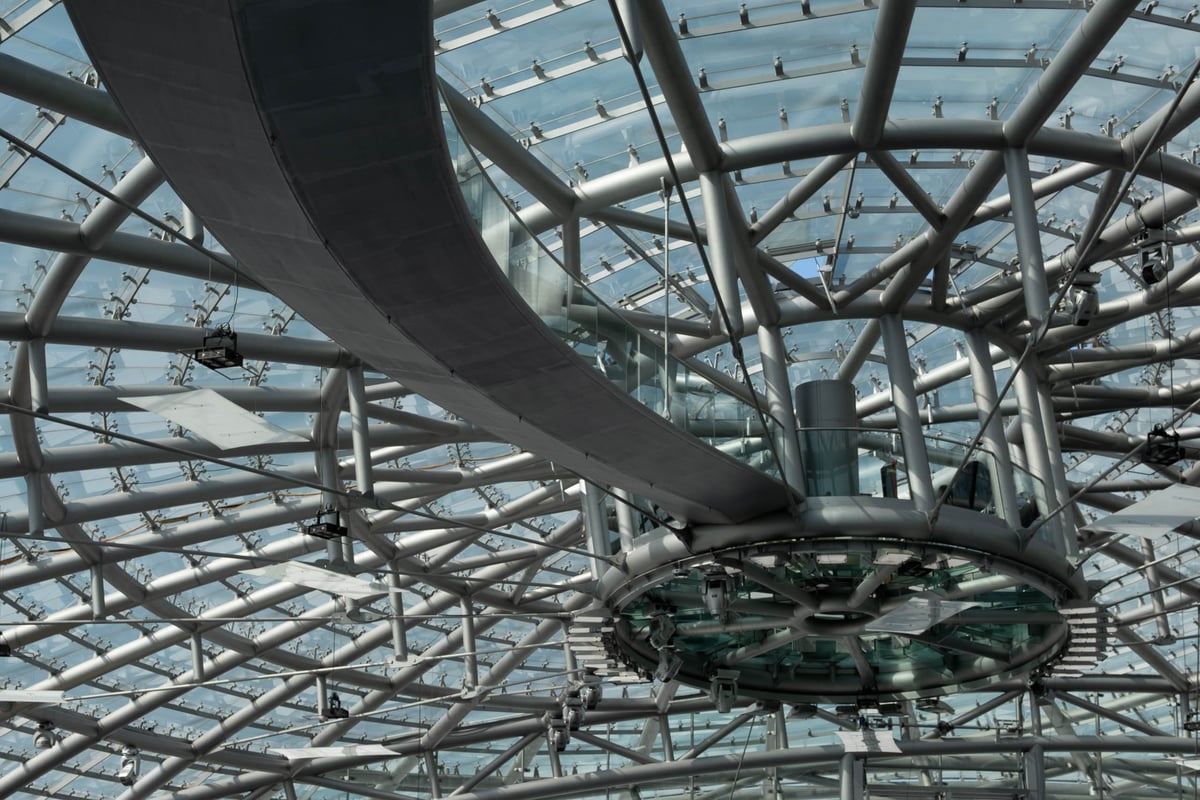
The Salzburg region was his base of operations and his home. Fuschl am See, where Red Bull’s global headquarters sit in a converted schloss, was where he lived on weekends and where he died. He built Hangar-7 at Salzburg Airport, a glass-and-steel structure housing a museum of vintage aircraft, rotating contemporary art exhibitions, and one of Austria’s most celebrated restaurants. He bought FC Red Bull Salzburg and built the Red Bull Arena in Wals-Siezenheim. He founded ServusTV. He co-founded Wings for Life, a spinal-cord research charity headquartered in Salzburg that has distributed over sixty million euros to research projects worldwide.
By the time he died in October 2022, Red Bull’s valuation exceeded twenty billion euros. The largest monument to that success is a glass hangar at the edge of Salzburg Airport.