Fuschlsee-Ellmaustein Half Day
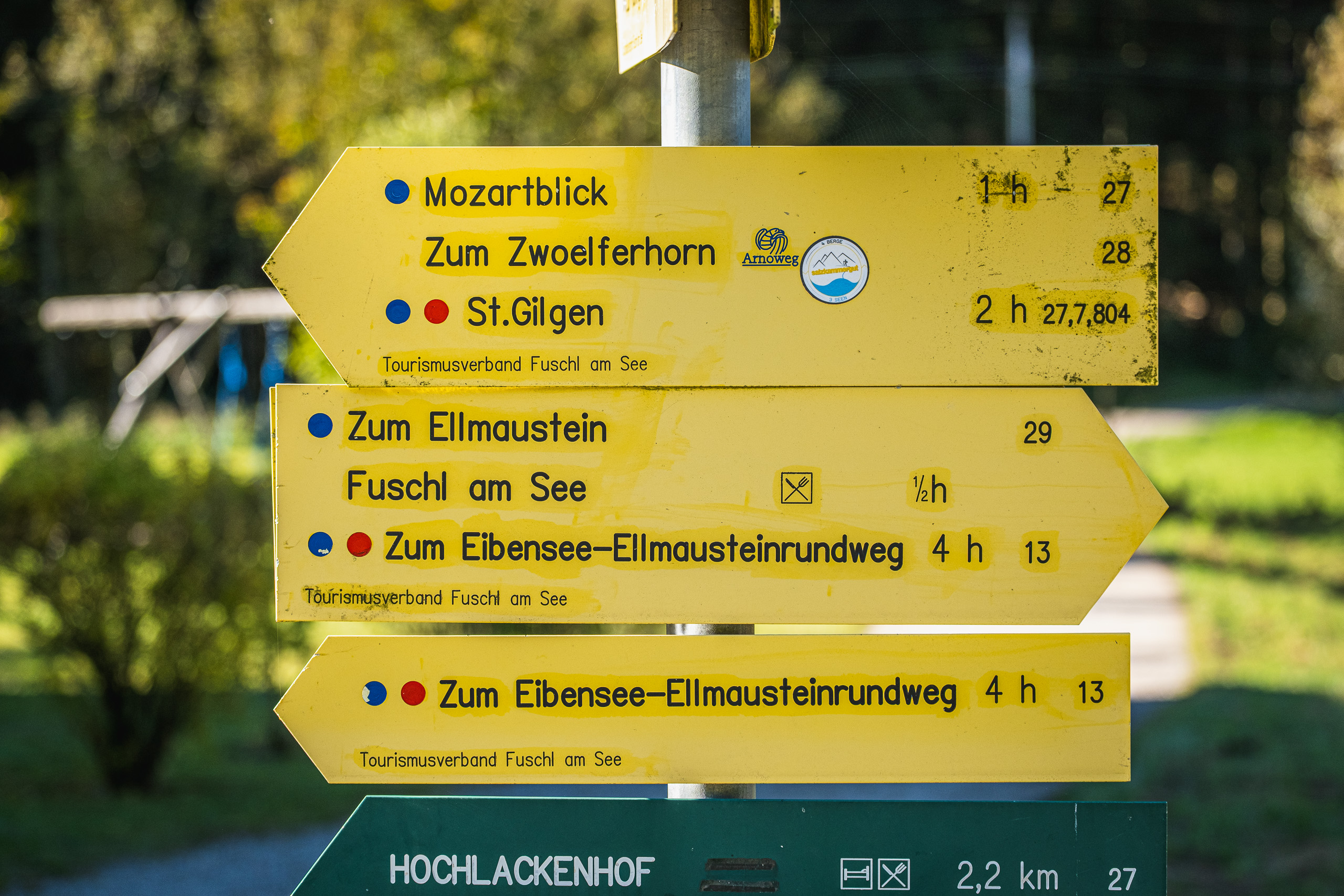
Car-free half-day: bus 150 to Fuschl am See (30 min), hike Ellmaustein (<1 hr to summit), swim in the Fuschlsee, bus back. Optional: Schober (1,328 m, 2-3 hrs) for a full mountain day.
Village / Austria
4 places1 experience
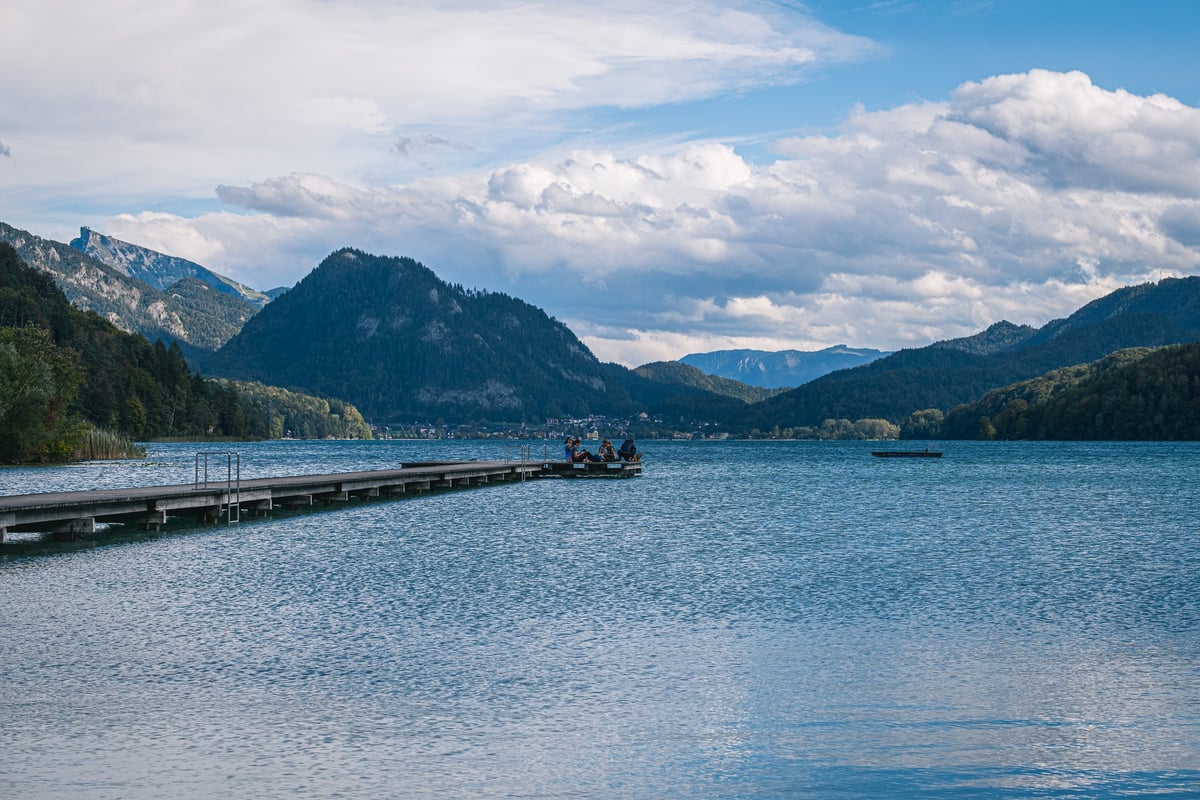
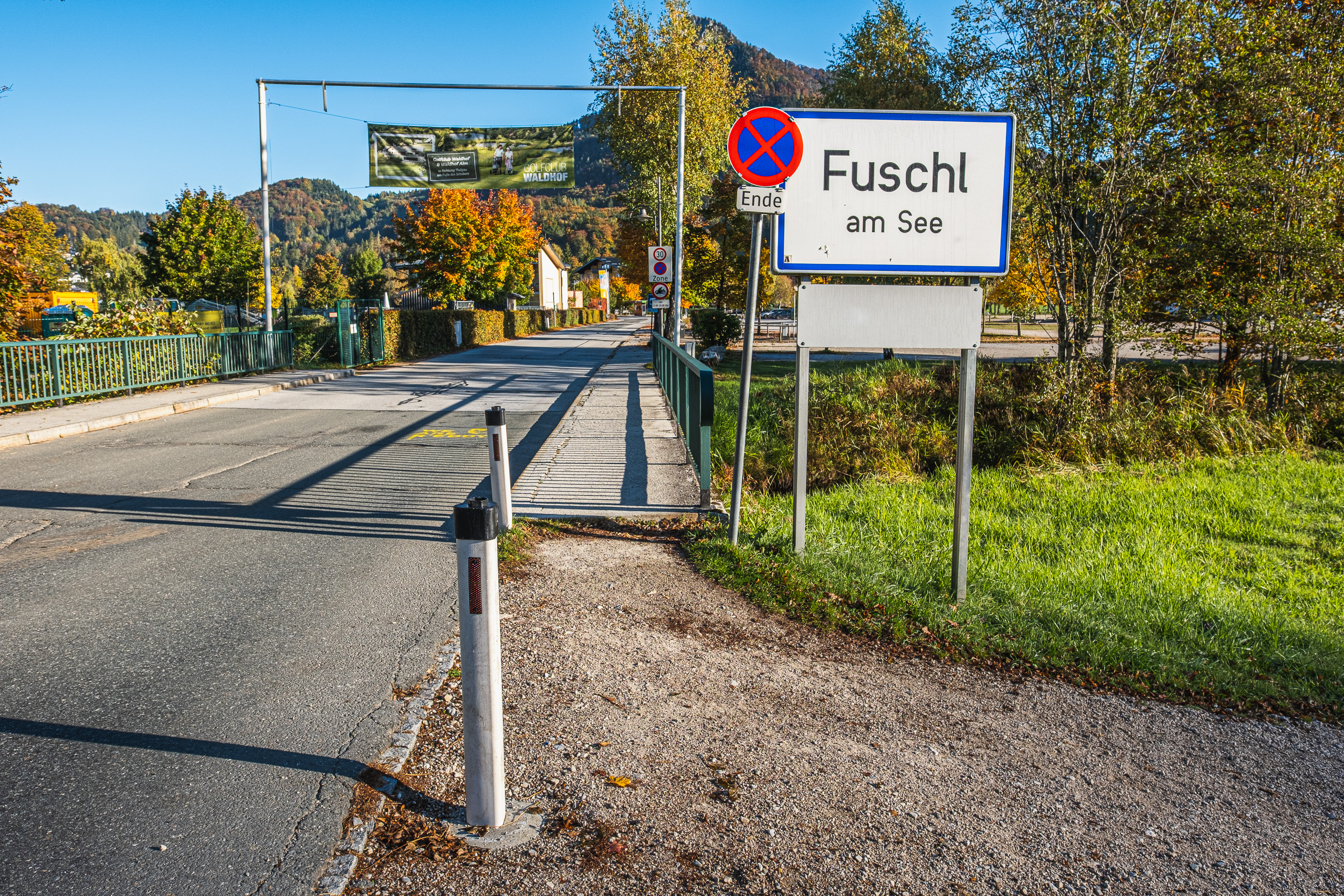
A small, exclusive village on the crystal-clear Fuschlsee, 20 km east of Salzburg. Schloss Fuschl commands a promontory over the water; Red Bull’s global headquarters sits in the village below. The lake is protected, the swimming excellent, and the hiking circuit above it underused.
The road east from Salzburg toward Bad Ischl passes through a chain of small lakes before entering the Salzkammergut proper. The Fuschlsee is the first of these, and Fuschl am See is its lakeside village: compact, quiet, and carrying an unusual combination of old prestige and modern commercial power.
Schloss Fuschl anchors the northern shore, a hunting castle built in the fifteenth century that served various aristocratic owners before passing to the Austrian state and eventually becoming a luxury hotel. Its wartime chapter is less promoted: Joachim von Ribbentrop, the Nazi Foreign Minister, used it as a residence and requisitioned its considerable wine cellar. Today the castle operates as a five-star property with boats on the lake and a reputation that attracts the kind of guests for whom Salzburg proper is too urban.
A few kilometres away, Red Bull GmbH runs its global headquarters from a purpose-built campus. Dietrich Mateschitz, who co-founded Red Bull and built it into one of the world’s most recognisable brands, lived in Fuschl for many years and died here in October 2022. The juxtaposition of a medieval hunting castle and a hypermodern global brand headquartered in the same small village is genuinely strange, and genuinely Fuschl.
The lake itself is the constant. The Fuschlsee is protected from heavy development under regional environmental rules; its water clarity is among the best in the Flachgau. Kayaking and swimming are the main activities on the water. Above the village, the Ellmaustein ridge and the Schober mountain offer half-day hiking with Salzburg panoramas.
Getting there: about 20 km from Salzburg by car via the B158 (Wolfgangsee road). Bus connections from Salzburg exist (Postbus routes toward Bad Ischl) but services are infrequent. Car is the comfortable choice.
Combining: the natural route continues east to Wolfgangsee (St. Gilgen is roughly 10 km further) or all the way to Bad Ischl. Fuschl makes a good first stop on a Flachgau lakes day.
When to visit: May to October for swimming and hiking. The Schloss Fuschl grounds and the lakeside paths are pleasant year-round, but the lake experience is seasonal.
Practical: Schloss Fuschl hotel requires booking well in advance for peak periods. The village itself has limited dining and accommodation outside the castle. Lake access is free at the public swimming area.
Things to do
Car-free half-day: bus 150 to Fuschl am See (30 min), hike Ellmaustein (<1 hr to summit), swim in the Fuschlsee, bus back. Optional: Schober (1,328 m, 2-3 hrs) for a full mountain day.
Sleep
Late Gothic / Baroque
A 15th-century hunting lodge on a lake promontory, 30 kilometres from Salzburg, now operating as one of Austria's most celebrated luxury hotels. The setting is genuinely spectacular.
Mapped places
Every card is assigned directly to this destination or one of its canonical child destinations.
A compact rocky peak directly above Fuschl am See. Summit achievable in under an hour. Suitable for children. Fuschlsee view arrives suddenly at the top. Accessible by bus from Salzburg (150 line, every 30 minutes). Near-perfect half-day mountain.
The Fuschlsee is the smallest and perhaps the clearest of the accessible Salzburg-region lakes, 2.7 km long and up to 67 meters deep with drinking water quality.
Late Gothic / Baroque
A 15th-century hunting lodge on a lake promontory, 30 kilometres from Salzburg, now operating as one of Austria's most celebrated luxury hotels. The setting is genuinely spectacular.
The Schober is a 1,328-meter summit east of Mondsee in the Salzkammergut, offering one of the best combined panoramas of Mondsee and Attersee from a single high point. The two lakes are separated by a ridge, and the Schober summit sits high enough above that ridge to show both basins simultaneously.
Editorial connections