
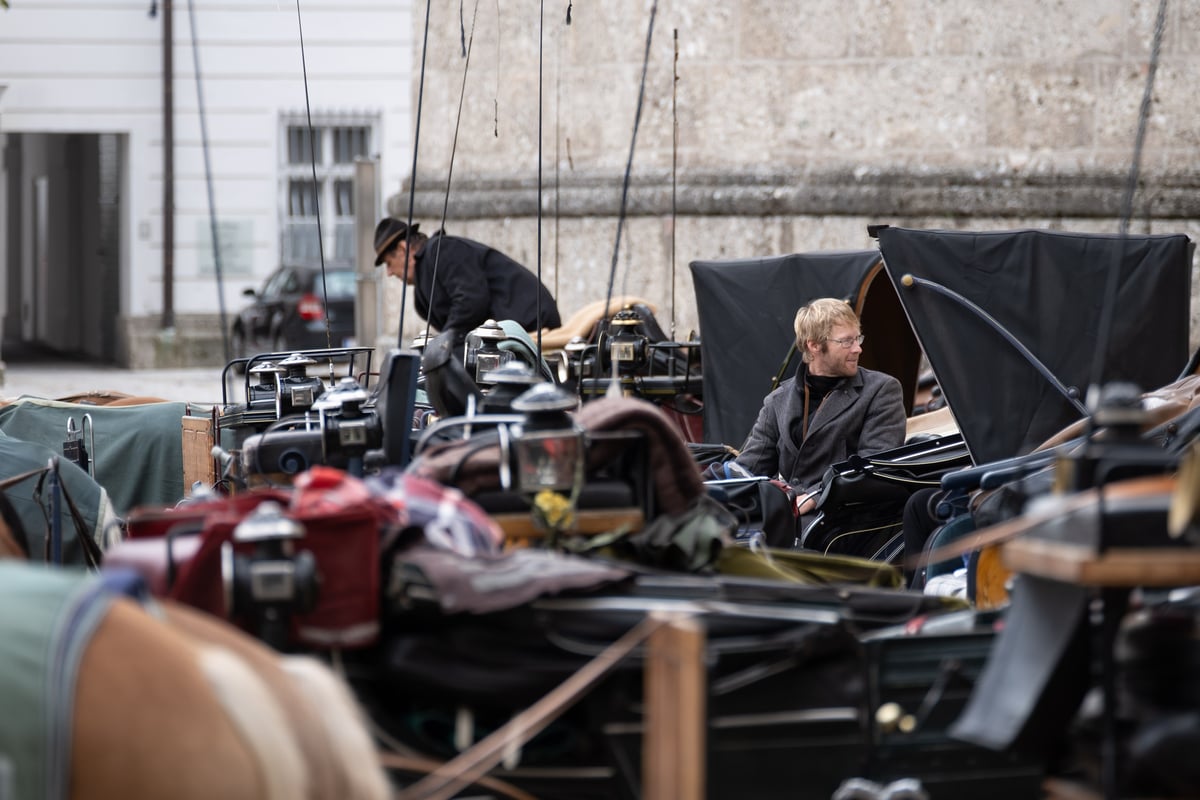
Domplatz
The square directly in front of the Salzburg Cathedral, flanked by the Cathedral arches and the DomQuartier buildings. Site of the famous annual Jedermann performance during the Salzburg Festival.
Actor
2 April 1879, Durres, Albania - 23 March 1935, Vienna
Alexander Moissi was the first man to stand on Domplatz and cry out “Jedermann!” in August 1920, inaugurating both a play and a festival that has defined Salzburg ever since. No other actor’s single performance had more lasting consequence for the city’s identity.
Born in Trieste in 1879, Moissi grew up across three languages and two cultures, his Albanian father’s trade routes running from the Adriatic to Vienna. When he arrived in the German-speaking theatre world, his accent got him rejected from the Hofburgtheater as “unsuitable for spoken roles.” He spent a year as a silent stage hand before Josef Kainz, watching him during a rehearsal of Moliere’s Tartuffe, declared him the future of acting and pushed through his contract. From that point, Moissi’s career under Reinhardt at the Deutsches Theater in Berlin made him the most celebrated stage actor of the era: Hamlet, Oedipus, Romeo, Faust. The very accent that had blocked him became the thing critics treasured most.
When Reinhardt conceived the Salzburg Festival, he chose Moissi to carry the weight of the inaugural performance. On 22 August 1920, with the city still raw from the war, Moissi played Jedermann, the arrogant rich man summoned to account by Death, in the open air on Domplatz. Four performances ran across four days; two were reserved free for Salzburg residents. Archbishop Ignatius Rieder had given permission to use the cathedral facade as a backdrop, and Moissi’s voice filled the square in a way no theatre wall could contain.
The play has returned to Domplatz every summer since, with Death still called from the fortress walls and the rooftops around the square. Moissi’s original interpretation, the combination of moral weight and Mediterranean intensity that surprised audiences expecting conventional German diction, is the root from which all later productions grew. He had created not just a performance but a civic ritual.
Locations
Organizations
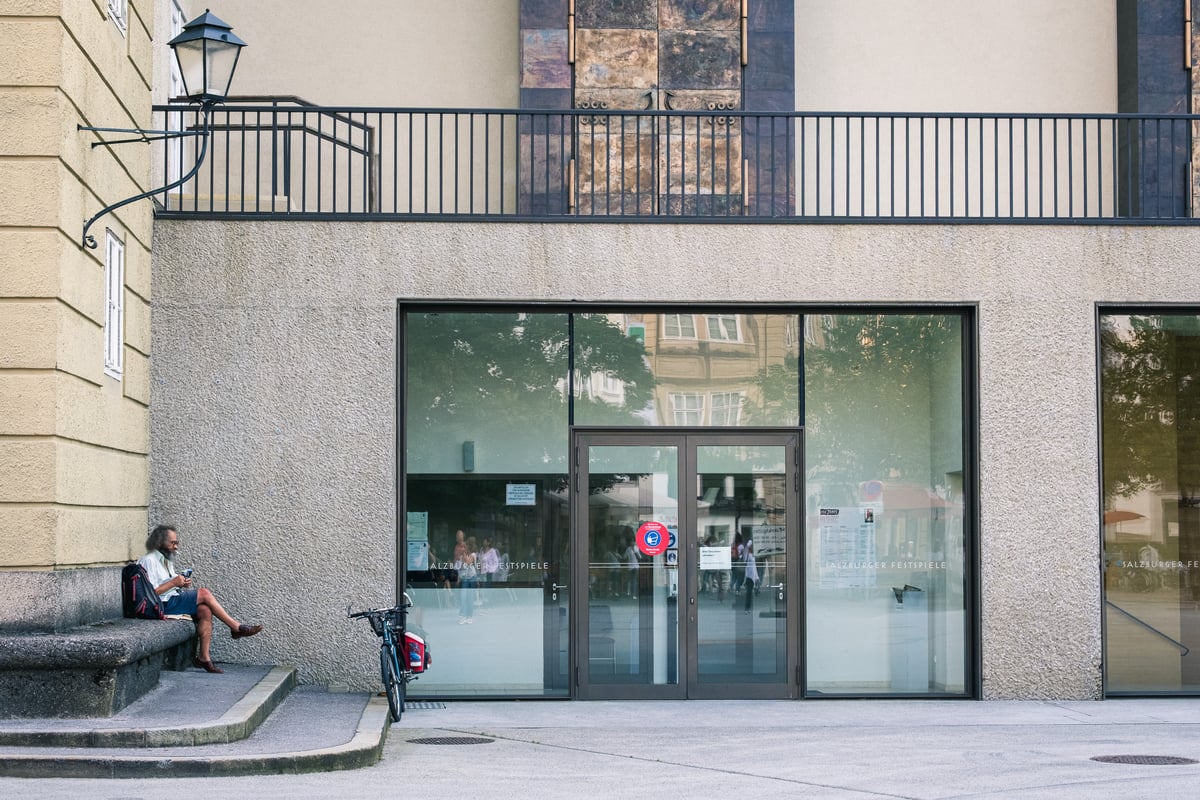
One of the world's most prestigious performing arts festivals. Held annually late July to end of August. Founded 1920 by Hugo von Hofmannsthal, Max Reinhardt, Richard Strauss, Franz Schalk, and Alfred Roller. Inaugural event: Jedermann on Domplatz. Herbert von Karajan defined the postwar era. Opera, drama, concerts.