Snapshot
Pavarotti had the more famous voice, but Placido Domingo was the complete musician. He sang over 150 operatic roles across every major style and period, conducted orchestras, and performed at the Salzburg Festival across four decades. No other operatic career of the 20th century has the same combination of breadth and longevity.
The Story
Placido Domingo was born in Madrid in 1941 and grew up in Mexico, where his family had emigrated. He made his professional debut in Mexico in the early 1960s and built his reputation across the full Italian and Spanish lyric repertoire before expanding into the dramatic German and French roles that few tenors of his generation attempted.
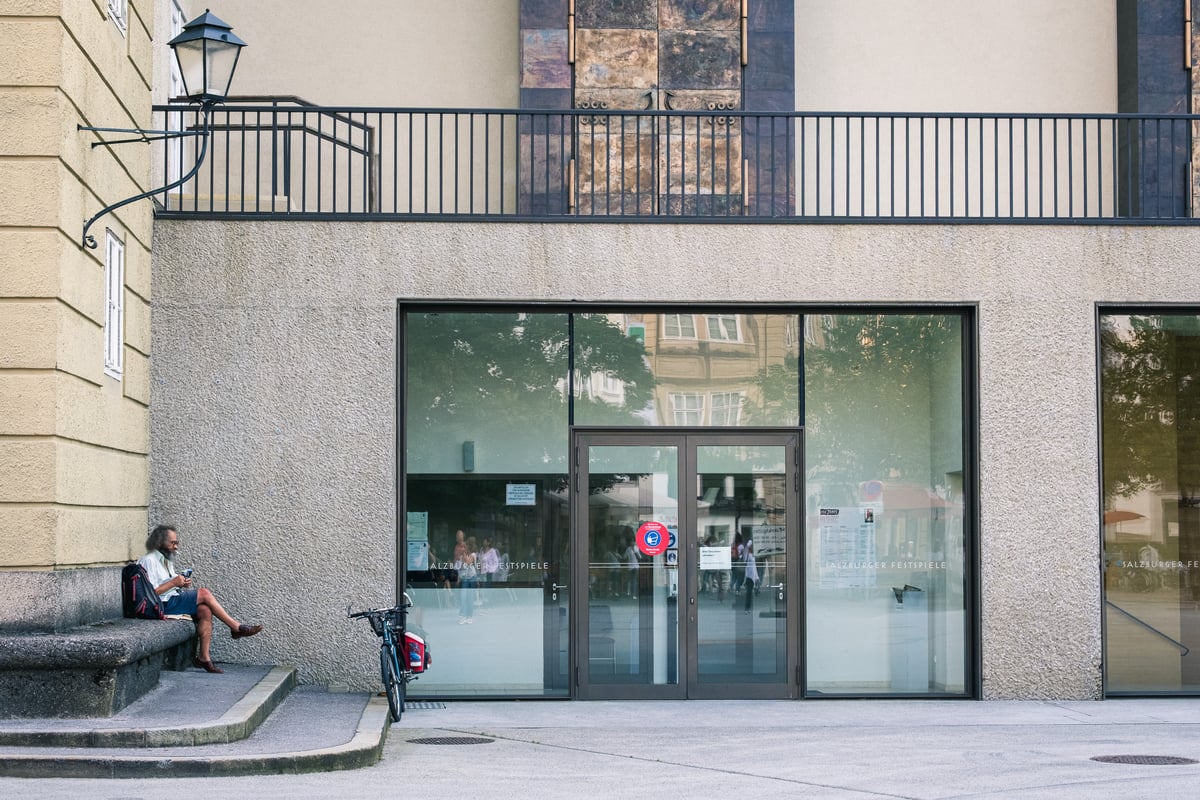
His connection to the Salzburg Festival extended across four decades of appearances, from the high period of his dramatic tenor roles through his later career conducting and performing in baritone repertoire. The Festival’s combination of musical seriousness and international prestige matched Domingo’s own profile: he was never content to be merely a voice, and Salzburg was never content to be merely a tourist attraction.
He was one third of the Three Tenors phenomenon alongside Pavarotti and Jose Carreras, with their 1990 World Cup concert conducted by Zubin Mehta generating the best-selling classical album of all time. But Domingo’s career before and after that moment was built on musical substance rather than spectacle: over 150 roles, serious conducting work, and a sustained seriousness about the repertoire that distinguished him even in the company of the greatest singers of his era.
In 2019 he resigned from the Los Angeles Opera following sexual harassment allegations from numerous accusers. The artistic record stands; the full picture requires both.