Topic
Music History
111 entries tagged Music History on Introducing Salzburg.
Felsenreitschule
Built 1693
The Felsenreitschule is a theater carved directly into the Moenchsberg cliff face, which means the backstage wall is living rock and three tiers of 17th-century arcades form the auditorium. It was originally built in 1693 as a summer riding school for the Archbishop's horses.
Festungskonzerte
Chamber music in the candlelit Prince's Chamber of Hohensalzburg Fortress. Mozart, Haydn, and contemporaries. Year-round, near-nightly in summer. 900-year-old fortress room by candlelight. No concert hall can replicate it.
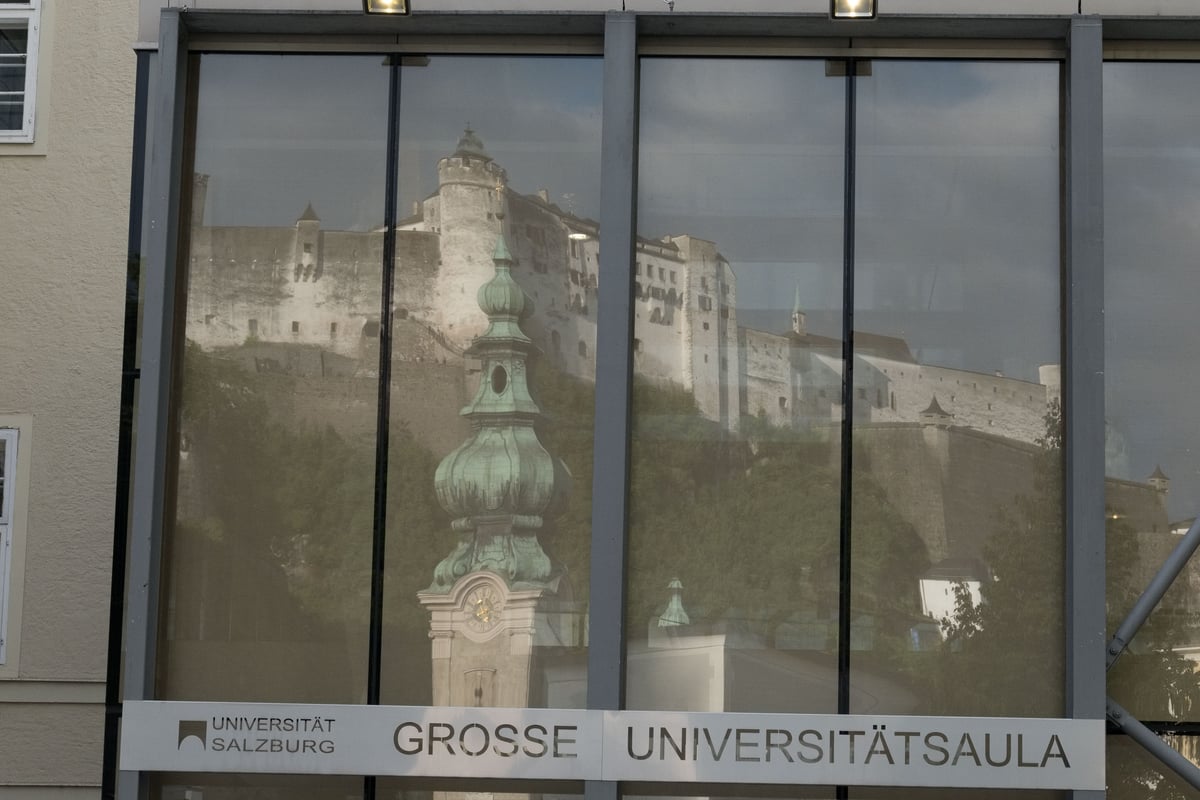
Furtwänglerpark
A small park between the Festival halls and the Mönchsberg cliff face, named after Wilhelm Furtwängler. Home to the Gurken sculpture and AEIOU pavilion. A breathing space in a dense part of the city.
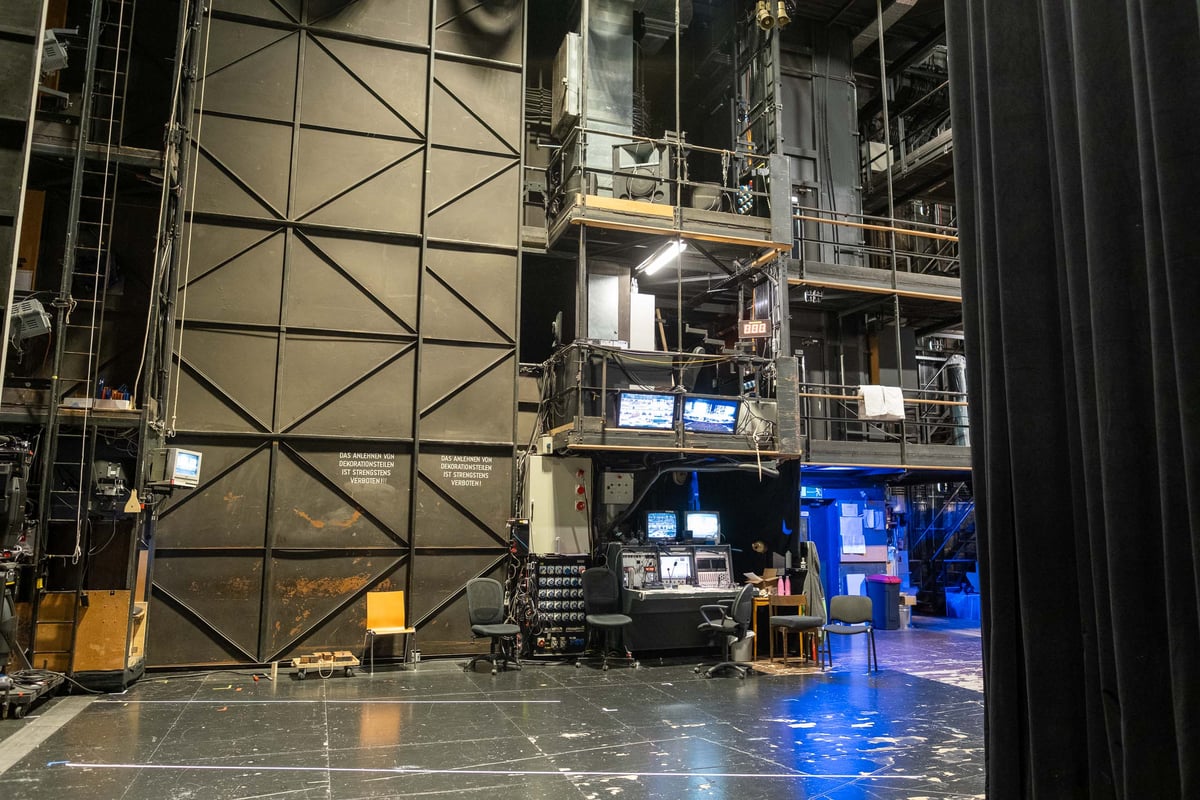
Großes Festspielhaus
Completed 1960
The Grosses Festspielhaus (Large Festival Hall) opened in 1960 as a major expansion of Salzburg's Festspielhaus complex, carved in large part from the Moenchsberg cliff face to achieve its 2,179-seat auditorium. Architect Clemens Holzmeister cut the main stage directly into the rock, creating one of the widest stages in the world at 100 meters.
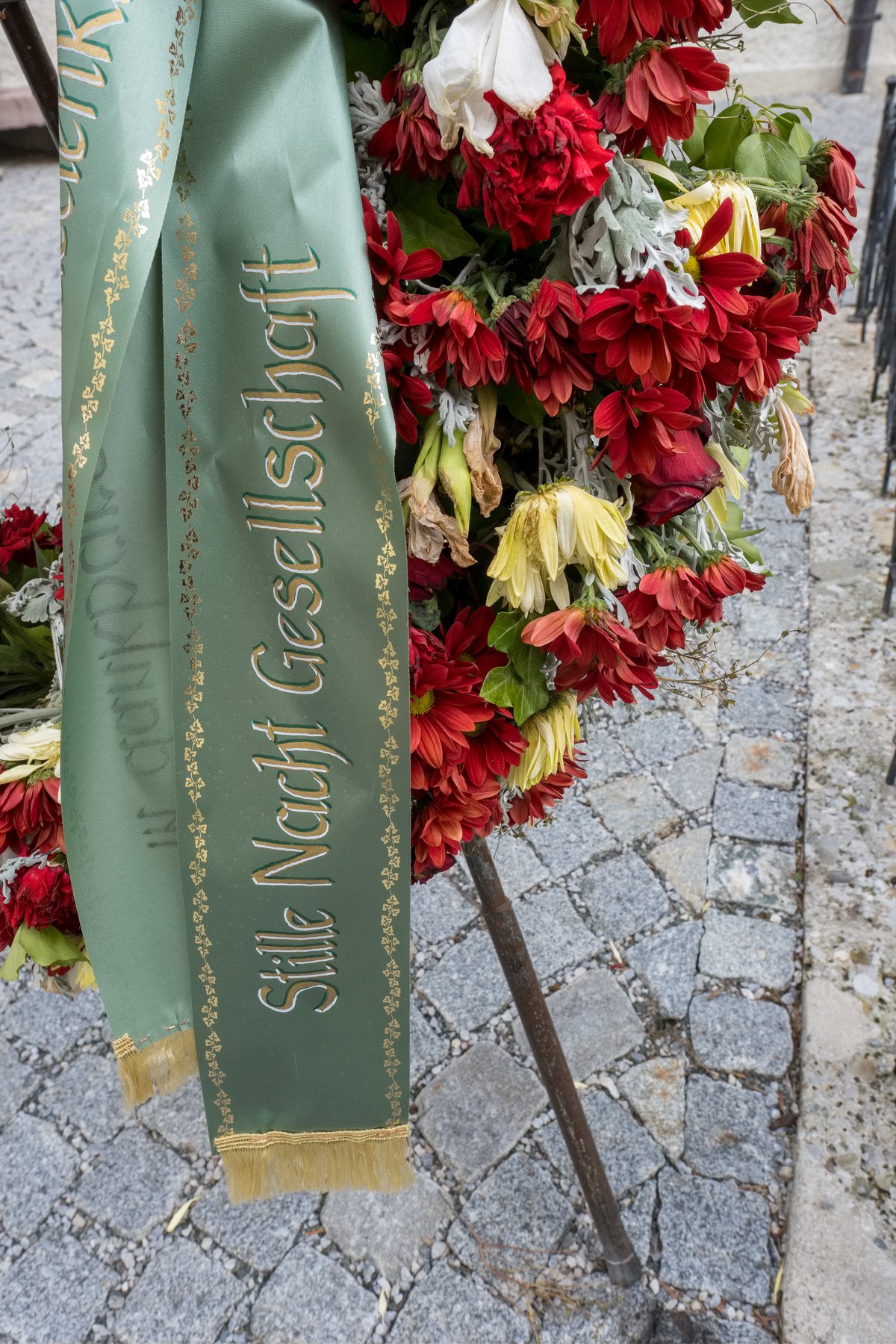
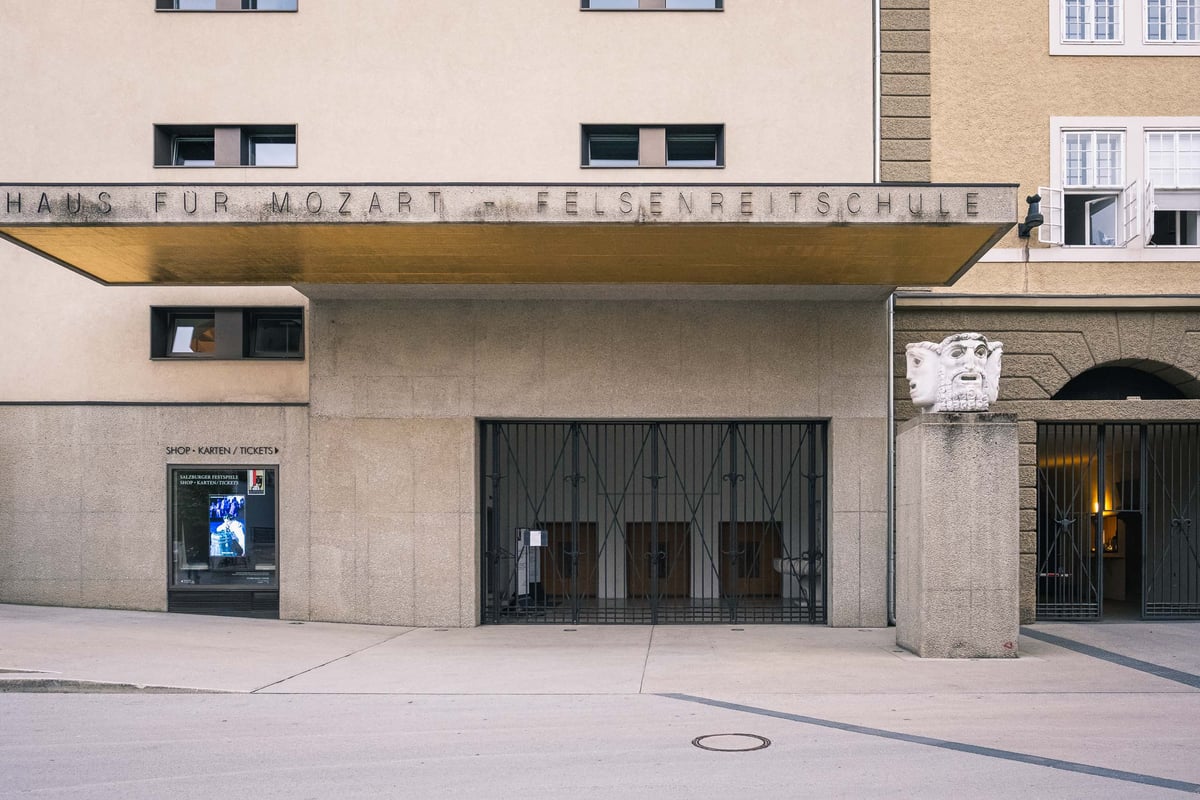
Haus für Mozart
Renamed 2006
Formerly the Kleines Festspielhaus, renamed "Haus für Mozart" in 2006 after major renovation. Primarily used for Mozart operas during the Salzburg Festival. Acoustically designed for the scale and intimacy of Mozart's operatic works.
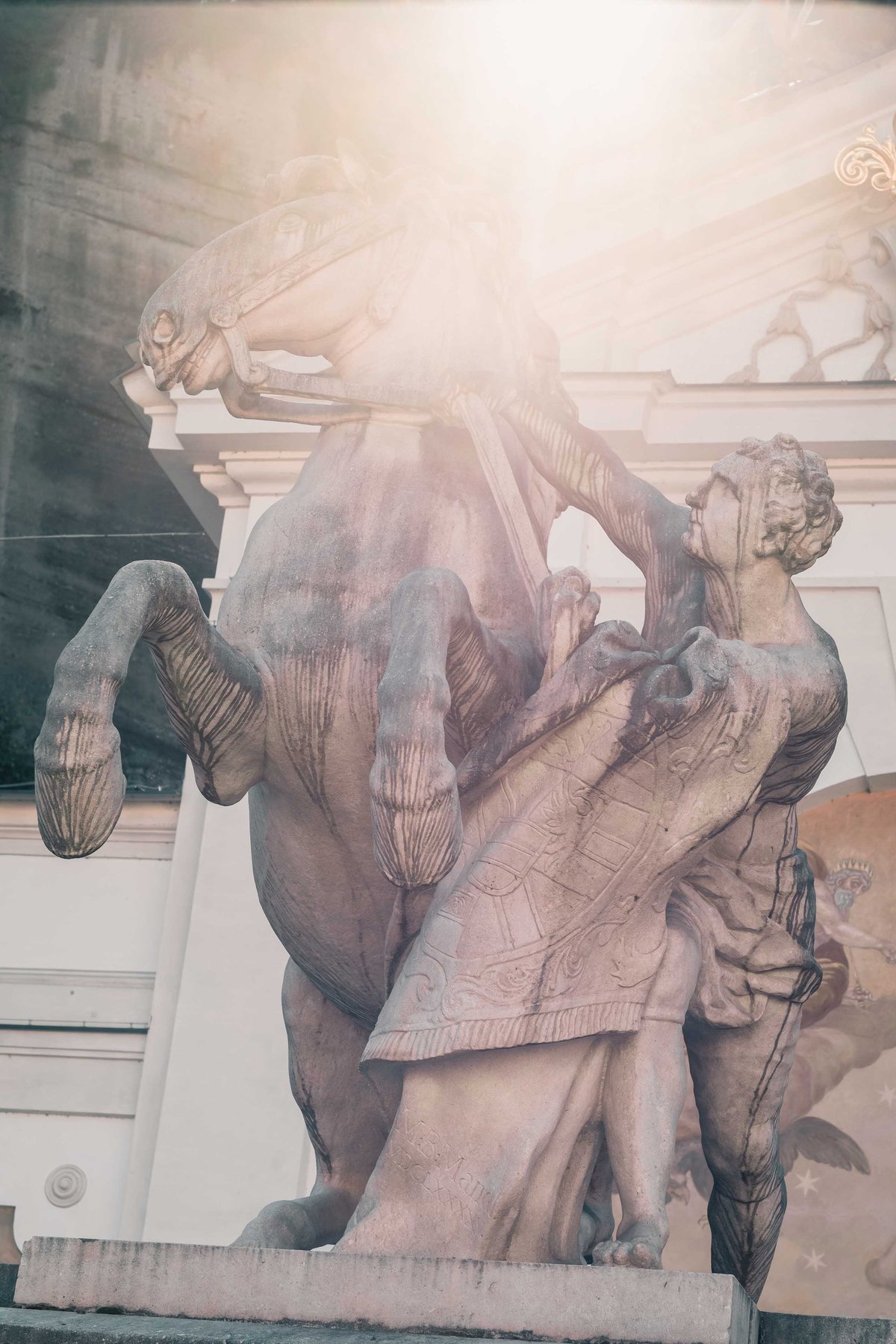
Herbert-von-Karajan-Platz
The square in front of the Grosses Festspielhaus, named after Herbert von Karajan. Central gathering point during the Festival. Home to the Pferdeschwemme (baroque horse trough). The Mönchsberg cliff face forms its dramatic backdrop.
Internationale Sommerakademie des Mozarteums
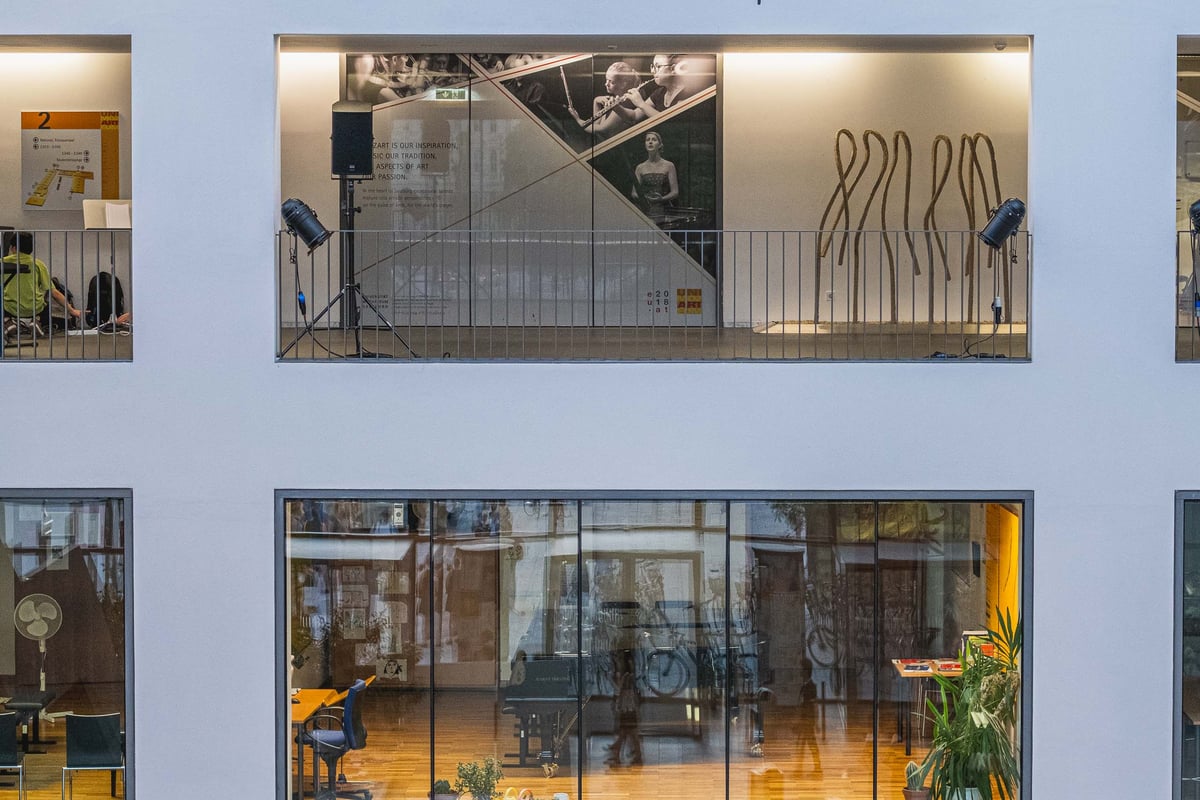
One of Europe's oldest summer arts academies. Founded 1953 by Oskar Kokoschka ("School of Vision"). Under Universität Mozarteum. 70+ courses. Music, visual arts, composition. July-August. Adds emerging talent to Festival atmosphere.
Jazz & the City
Annual October jazz festival. Vast majority of performances free. Baroque squares become jazz stages. Four days. More local and intimate than the classical Festival. One of the most accessible events in the Salzburg calendar.
Jazzit Salzburg
Salzburg's dedicated jazz club and the heartbeat of the city's jazz scene year-round. Natural home base for the annual Jazz & the City festival each October.
Karajan-Statue
Contemporary
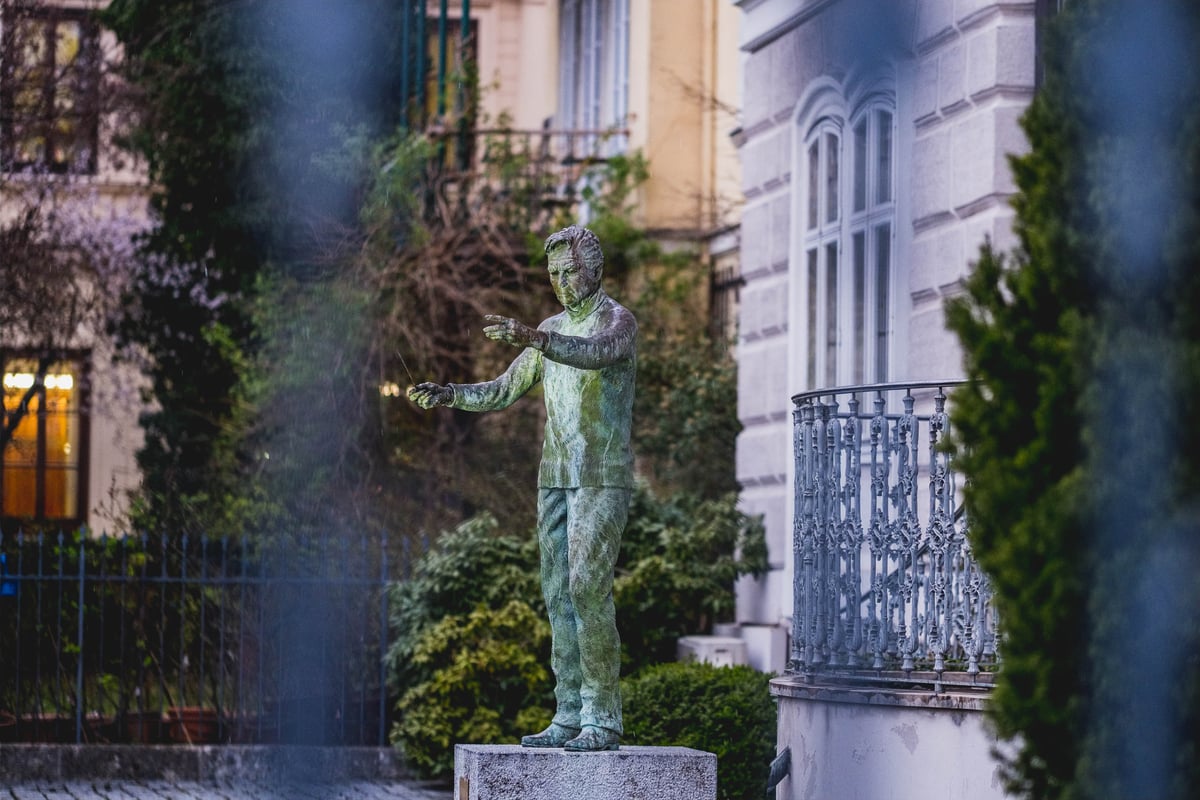
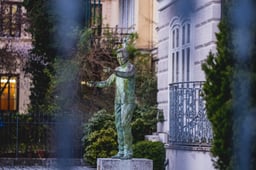
A life-size bronze of Herbert von Karajan caught mid-rehearsal, both arms forward, baton in his right hand, standing in the garden of the Makartplatz house where the conductor grew up. The popular label calls this his birthplace, but Karajan was actually born in a sanatorium on Franz-Josef-Strasse in 1908. The house is where the family lived.
Lehárvilla Bad Ischl
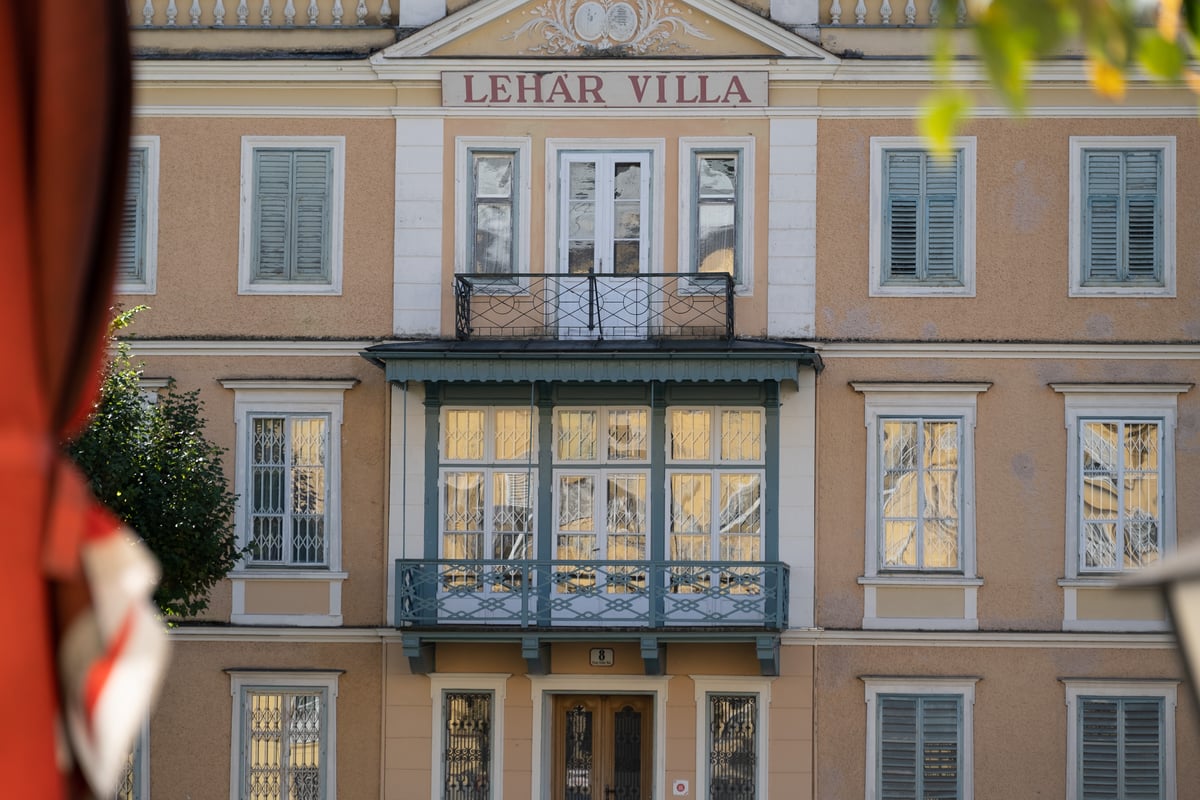
The villa where Franz Lehar lived and died in 1948, preserved as a museum. Lehár spent his summers in Bad Ischl and composed many operettas here, including revisions to The Merry Widow.
Makartplatz
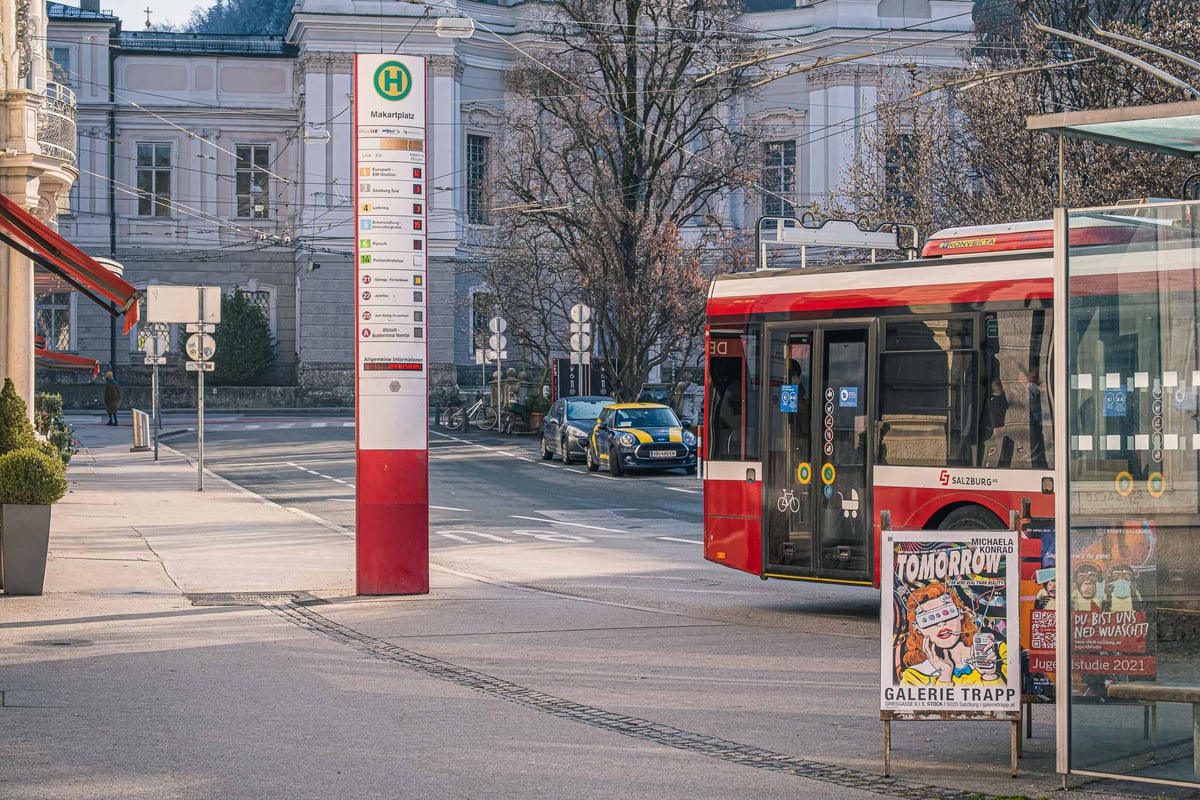
The principal square of the Neustadt, named after Hans Makart. Home to Mozarts Residence at No. 8 and dominated by the Dreifaltigkeitskirche. The cultural heart of the right bank.
Mirabell Palace
Built 1606
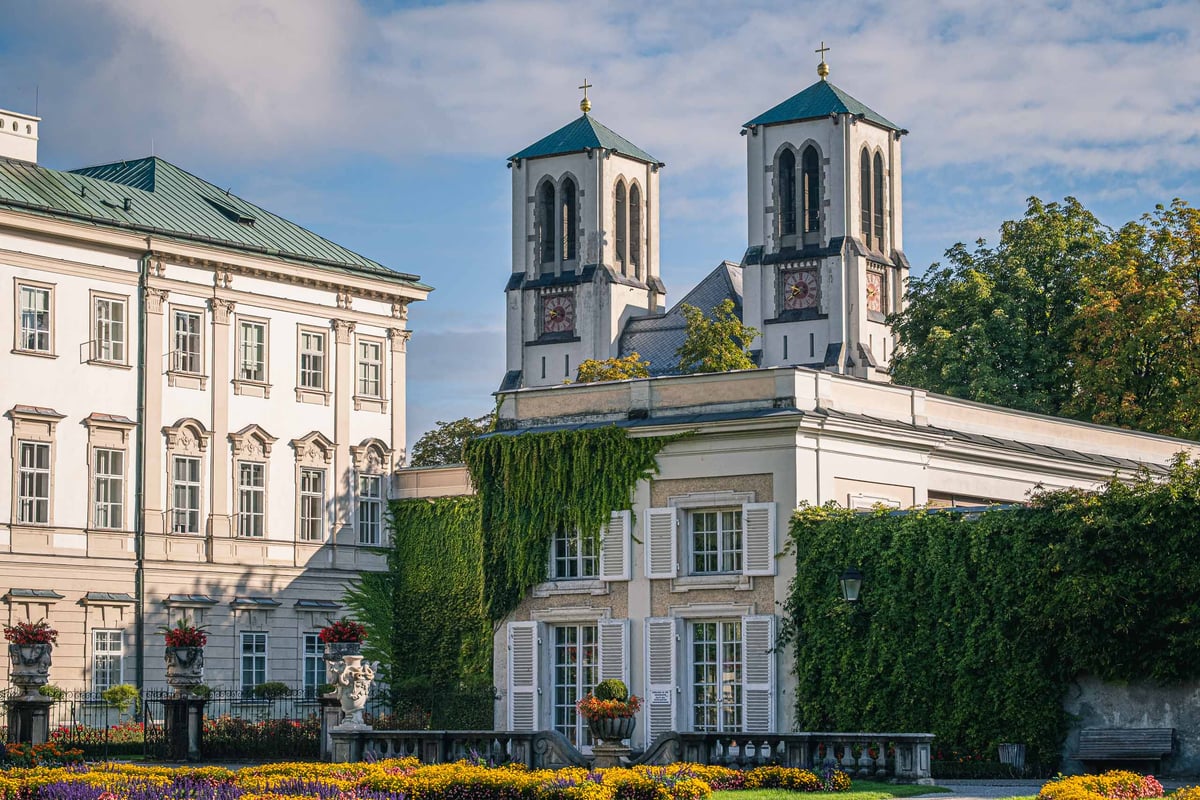
Built in 1606 by Wolf Dietrich von Raitenau as "Altenau," a palace for his mistress Salome Alt. Renamed "Mirabell" by Markus Sittikus. The current baroque building is largely the work of Johann Lukas von Hildebrandt (1721). Today it serves as Salzburg's city hall. The Marble Hall is one of the finest baroque rooms in Austria.
Mozart Dinner Concert
The Mozart Dinner Concert takes place in the Baroque Hall of Stiftskeller St Peter, a restaurant operating since 803 AD and the oldest in the world. Three-course dinner, costumed performers, arias from Don Giovanni, Marriage of Figaro, and The Magic Flute, by candlelight.
Mozart's Birthplace
Baroque
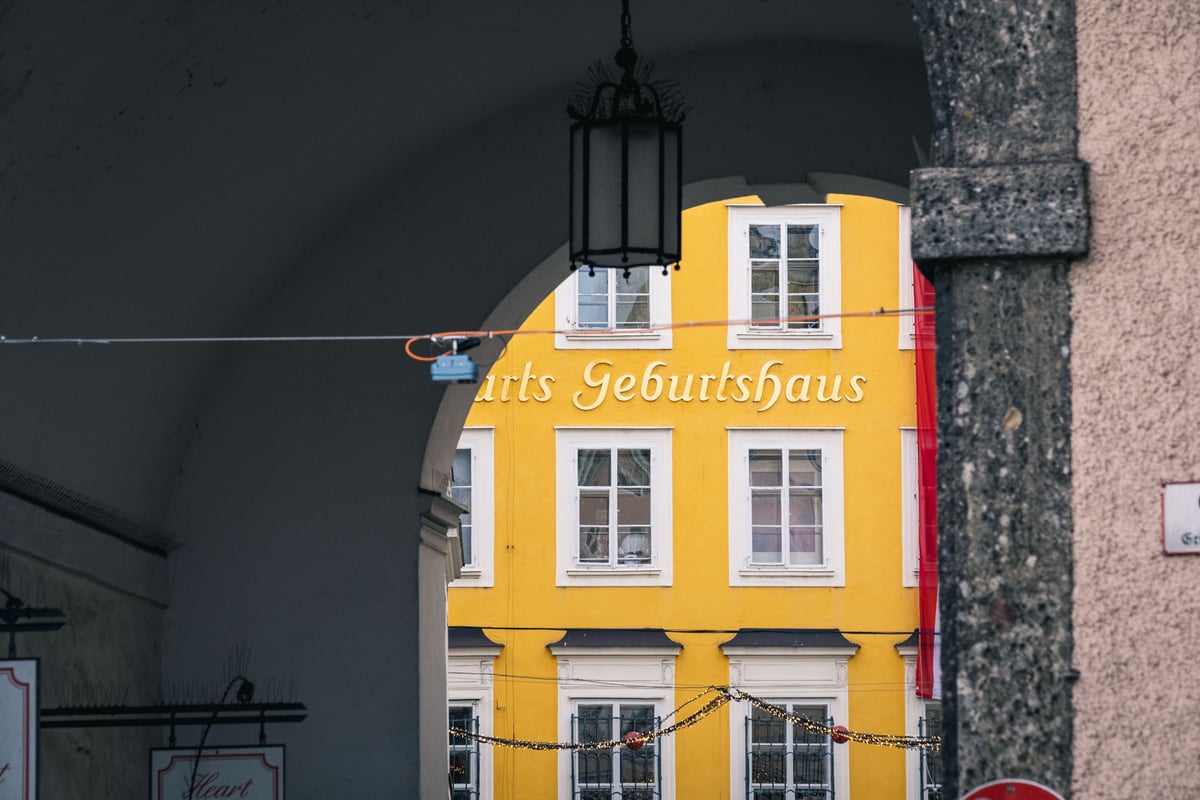
The third floor of Getreidegasse 9 is where Wolfgang Amadeus Mozart was born on 27 January 1756, and where he spent the first seventeen years of his life.
Mozart's Residence
1773
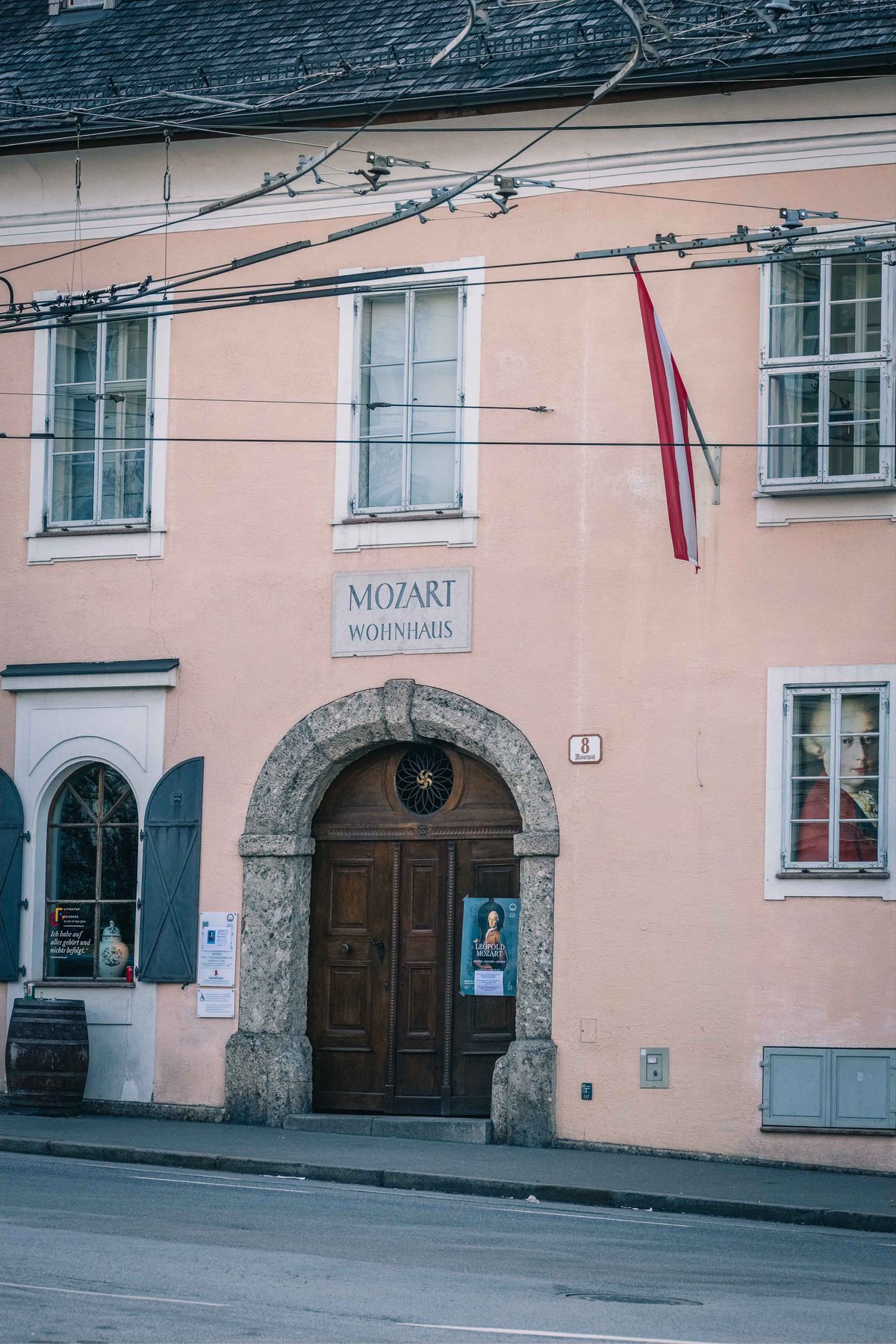
The larger apartment on Makartplatz where the Mozart family moved in 1773. Leopold Mozart lived here until his death in 1787. Wolfgang Amadeus Mozart lived here until his permanent departure for Vienna in 1781.
Mozarteum
Built 1910-1914
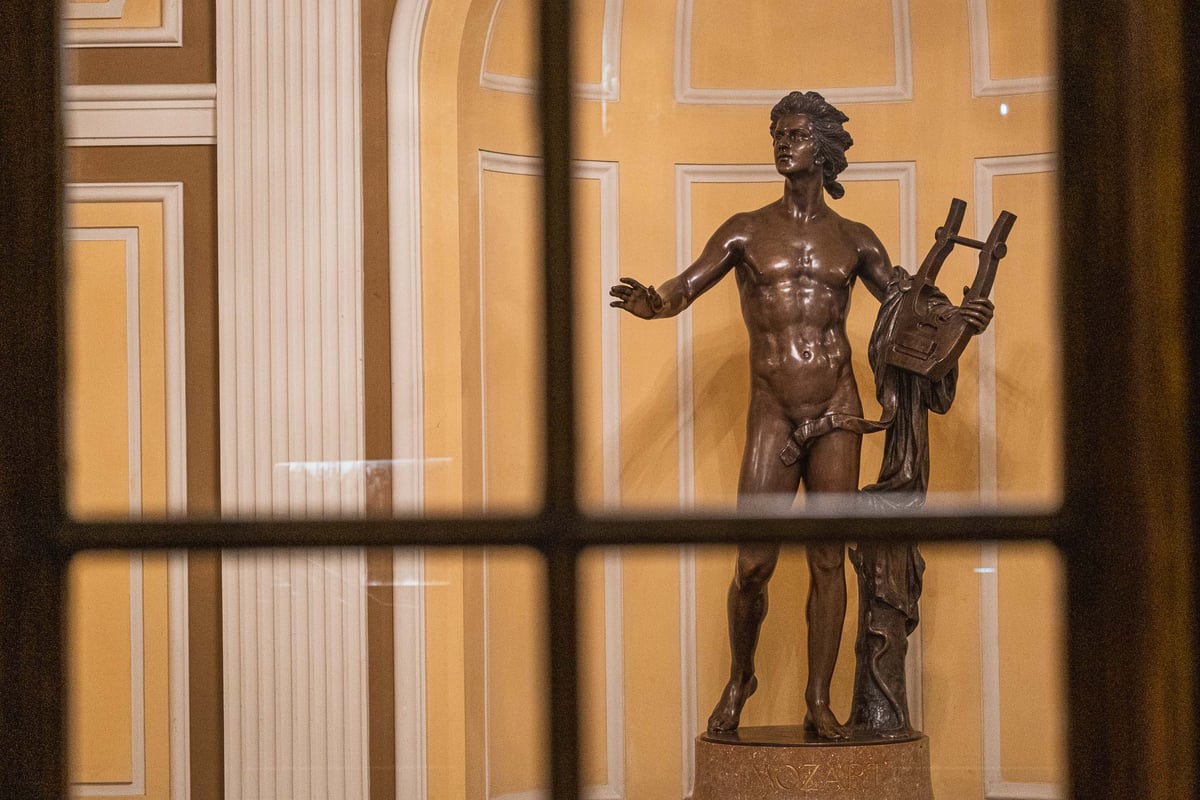
The Mozarteum Foundation is the institution that runs both of Salzburg's Mozart museums, organizes the Mozart Week festival each January, and operates the concert hall on Schwarzstrasse where major chamber and orchestral programming happens outside the Salzburg Festival.
Mozarteumorchester Salzburg
Salzburg's civic orchestra. Distinct from the Vienna Philharmonic. Performs year-round. House orchestra for the Mozartwoche. For visitors outside Festival season, the primary way to hear live orchestral music in Salzburg.
Mozartwoche
One of the world's great chamber music festivals, entirely Mozart, each January around his birthday (27 January). Organised by the Stiftung Mozarteum. January is low season in Salzburg: a genuine insider reason to visit outside the crowds.
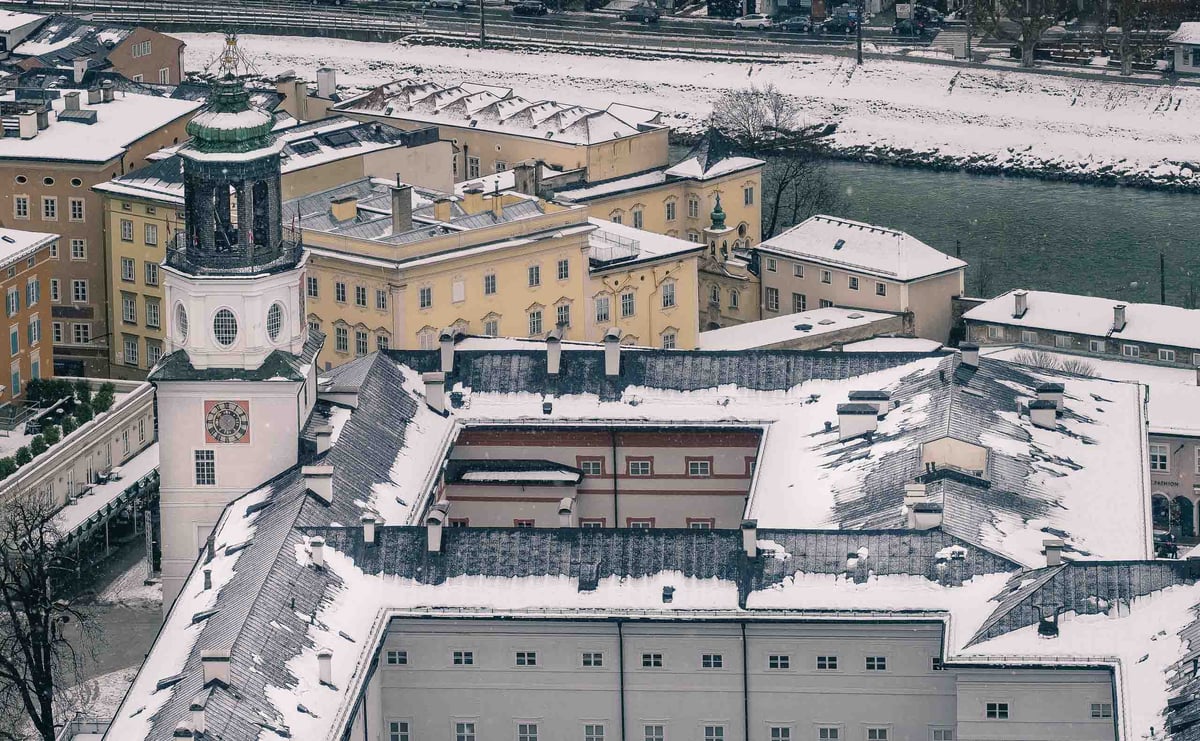
Neue Residenz & Glockenspiel
Built 1592-1602
The Glockenspiel plays three times a day from the Neue Residenz tower: at 7:00, 11:00, and 18:00. Thirty-five bells, cast in Antwerp in 1702, perform a rotating repertoire of pieces. The carillon is pleasant.
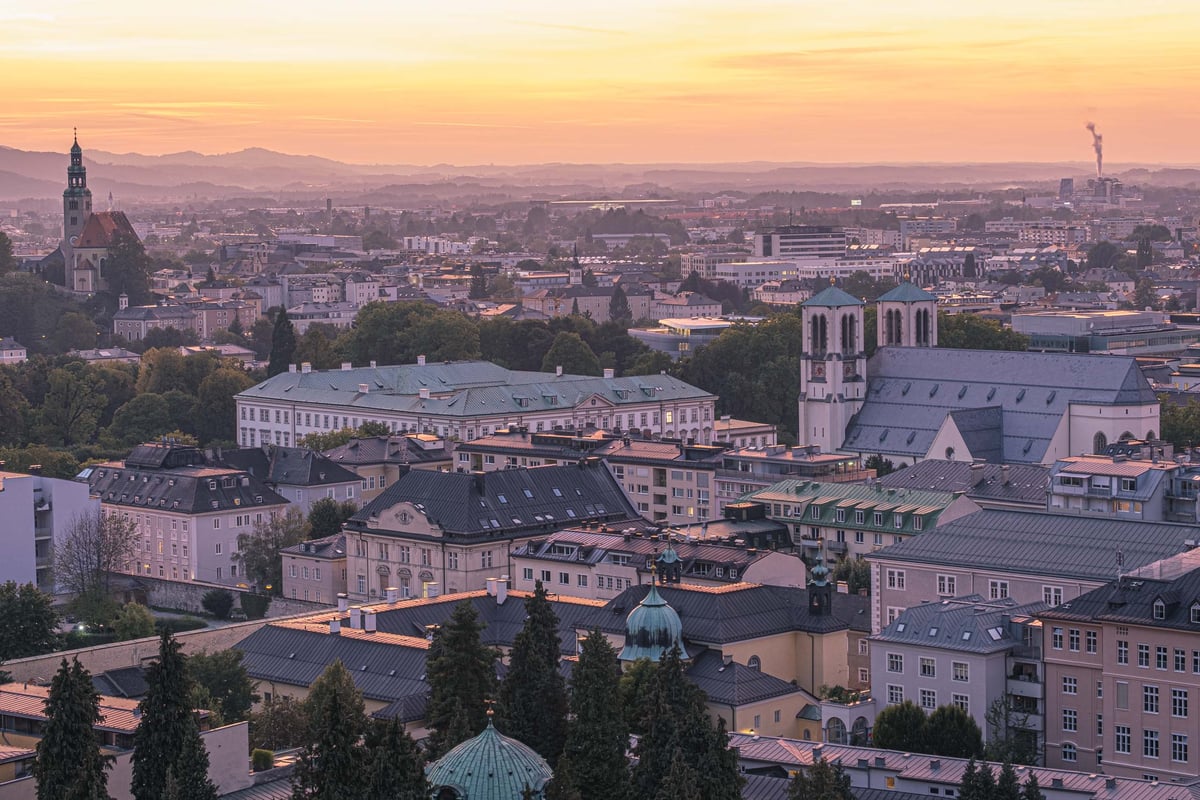
Rockhouse Salzburg
Founded 1994
Salzburg's primary venue for rock, pop, metal, electronic, and alternative live music. Founded in 1994. The essential counterweight to the city's classical dominance.
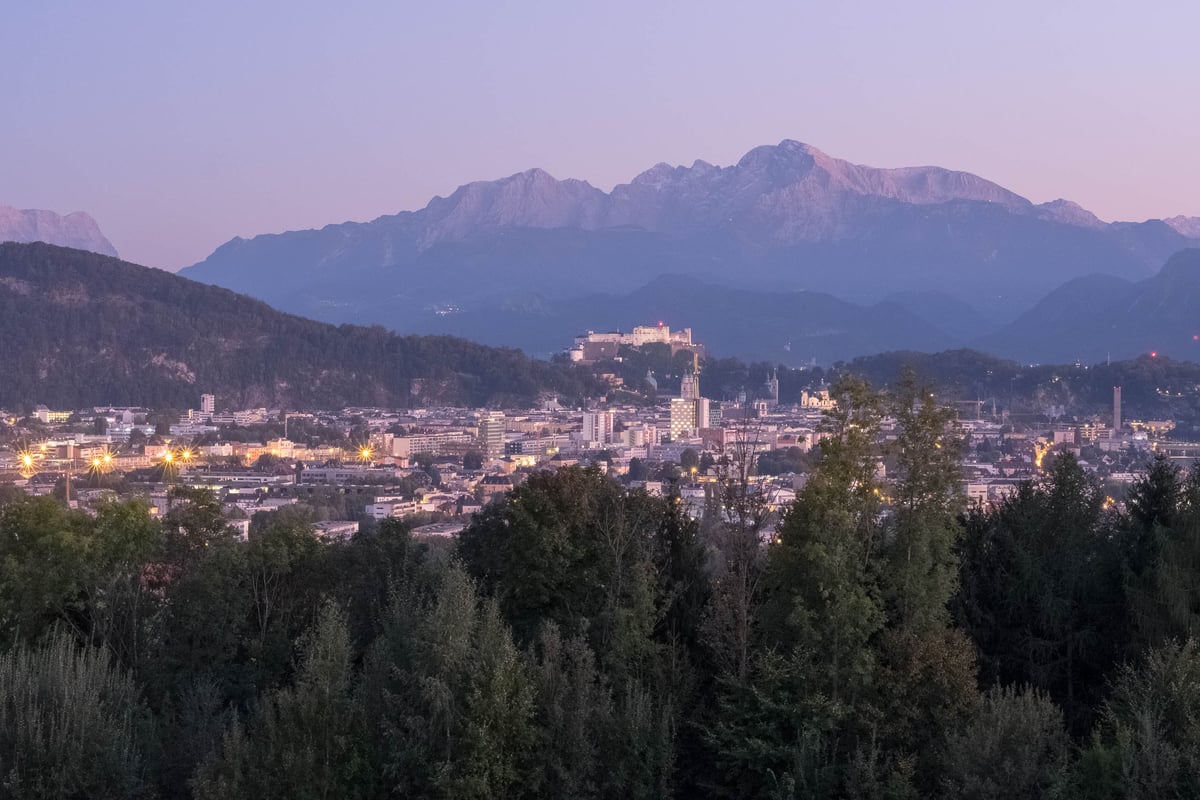
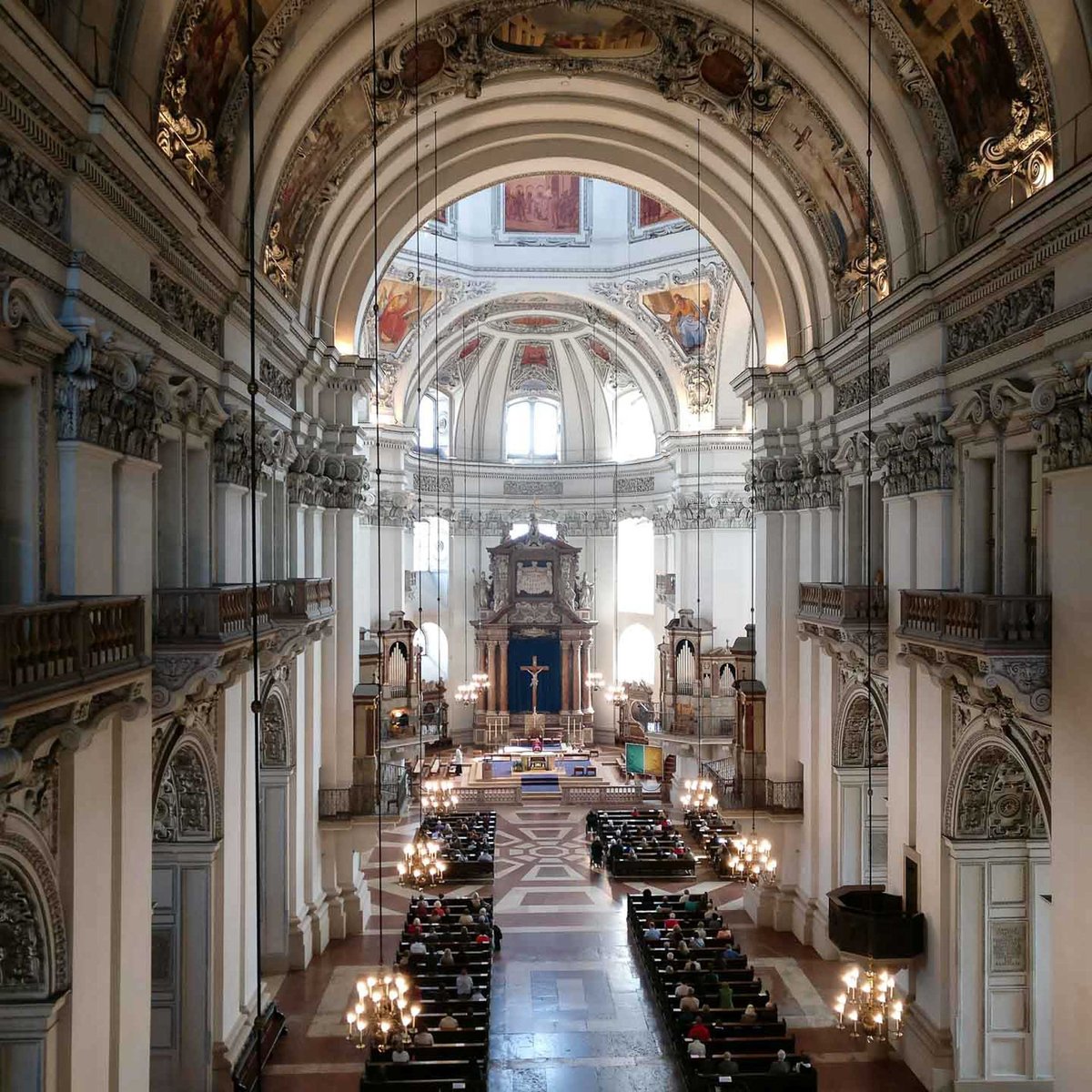
Salzburg Cathedral
Consecrated 1628
The first baroque cathedral built in the German-speaking world, and the dominant church at the heart of Salzburg's Altstadt. Wolfgang Amadeus Mozart was baptised here on 28 January 1756. The site has held a cathedral since 774, when Saint Virgil of Salzburg consecrated the first one.
Salzburg Easter Festival
Prestigious Easter classical music festival. Founded 1967 by Herbert von Karajan with the Berlin Philharmonic. Now associated with Christian Thielemann and the Staatskapelle Dresden. One major opera plus concerts and recitals.
Salzburg Festival
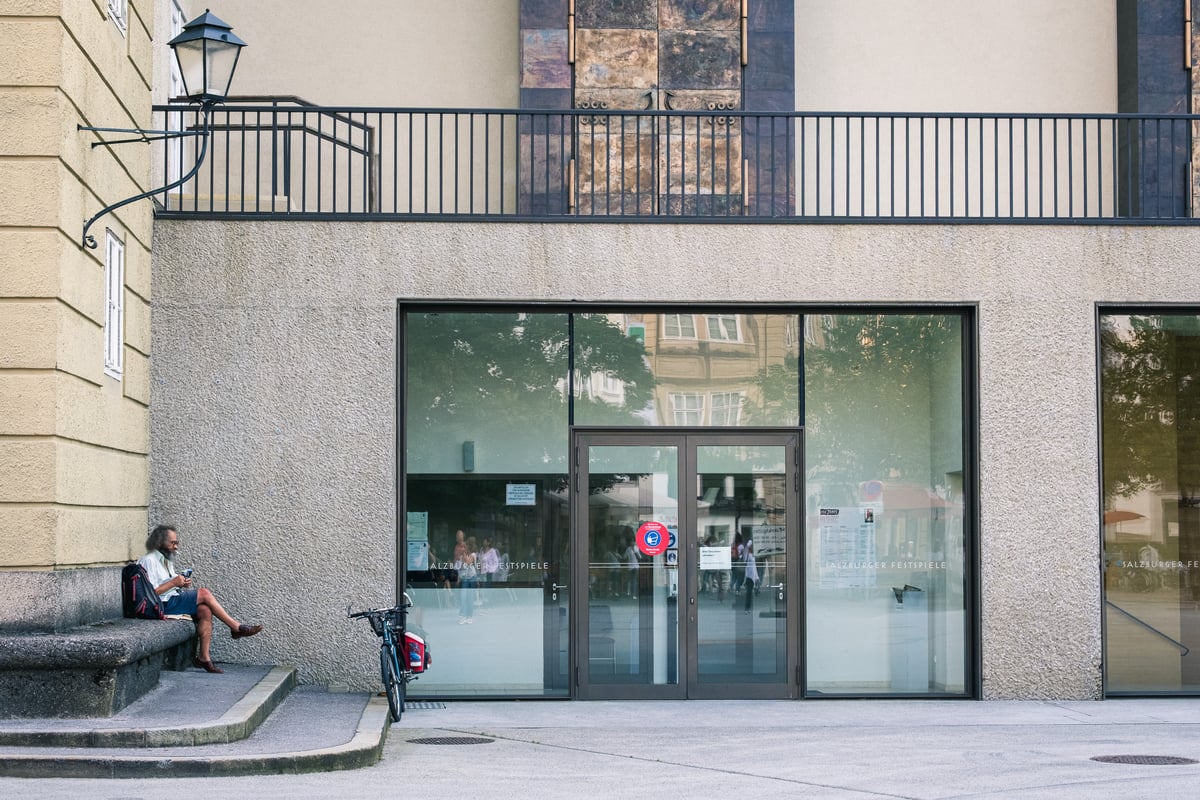
One of the world's most prestigious performing arts festivals. Held annually late July to end of August. Founded 1920 by Hugo von Hofmannsthal, Max Reinhardt, Richard Strauss, Franz Schalk, and Alfred Roller. Inaugural event: Jedermann on Domplatz. Herbert von Karajan defined the postwar era. Opera, drama, concerts.
Salzburg Whitsun Festival
Compact Whitsun weekend festival. Directed since 2012 by Cecilia Bartoli. Historically informed performance, Baroque opera, rare repertoire. Intimate, focused, stylistically adventurous.
Salzburger Landestheater
Built 1893
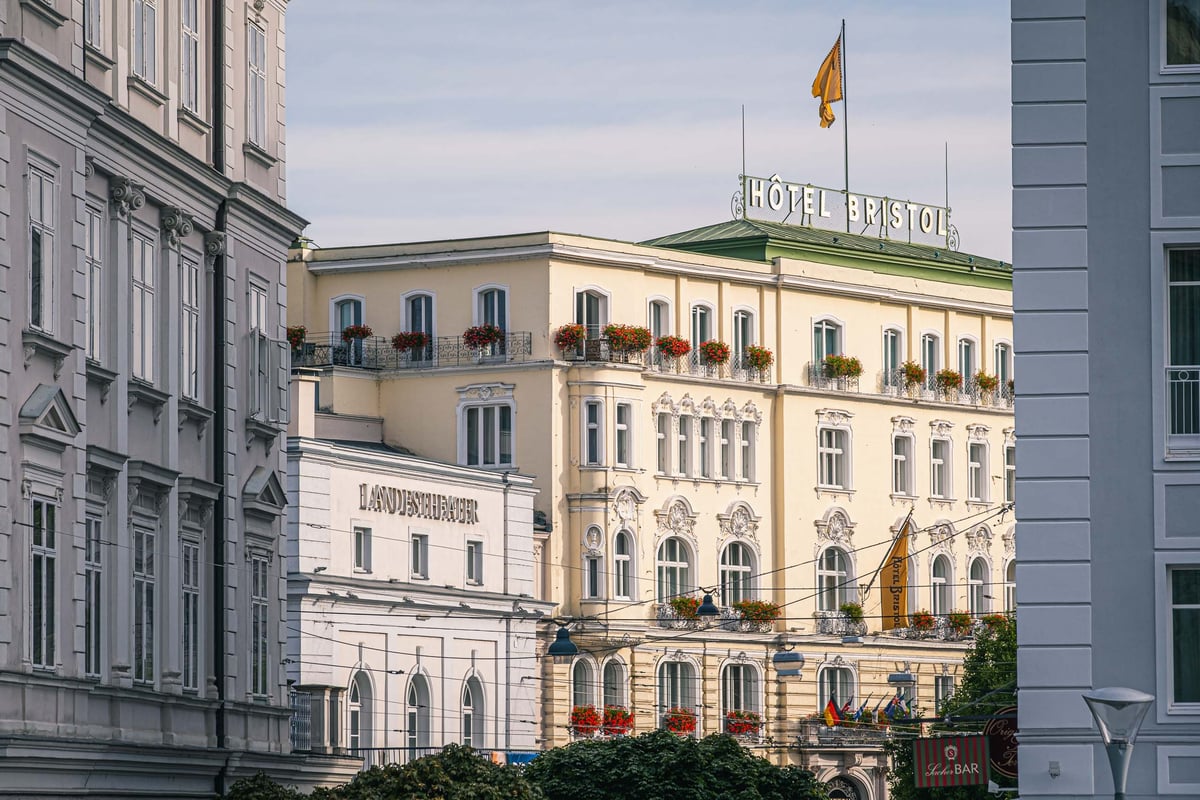
Salzburg's main permanent theatre for opera, drama, and ballet, operating a full season year-round. Built in 1893 by Ferdinand Fellner and Hermann Helmer. Located on Schwarzstraße as part of the cultural cluster.
Salzburger Landestheater
Salzburg's permanent state theatre company. Year-round opera, operetta, musicals, drama, dance. The counterpart to the summer Salzburg Festival. Resident ensemble. Associated Salzburger Philharmoniker orchestra.
Salzburger Marionettentheater
Founded 1913
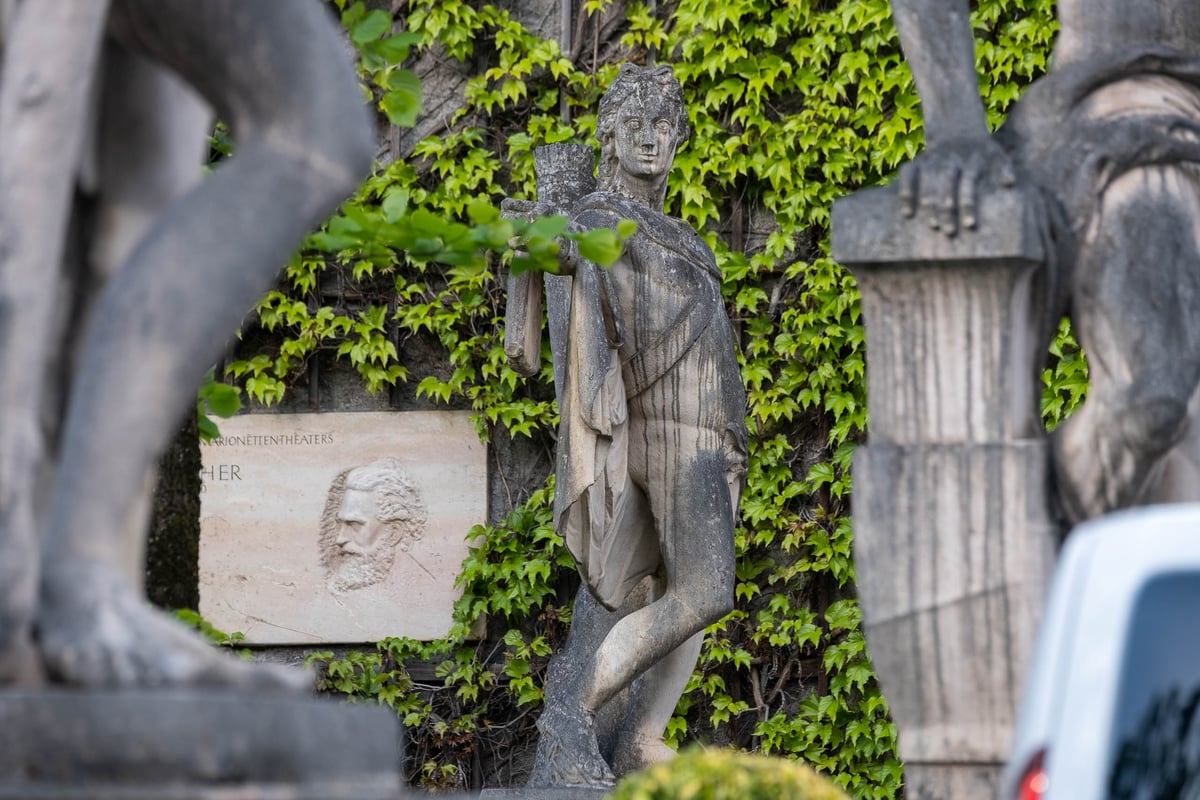
One of the world's most celebrated puppet theatres, founded in 1913 by Anton Aicher and still run by his descendants. Performs elaborately staged Mozart operas and classics using intricately crafted marionettes. A UNESCO-recognised form of intangible cultural heritage.
Schafbergbahn
Opened 1893
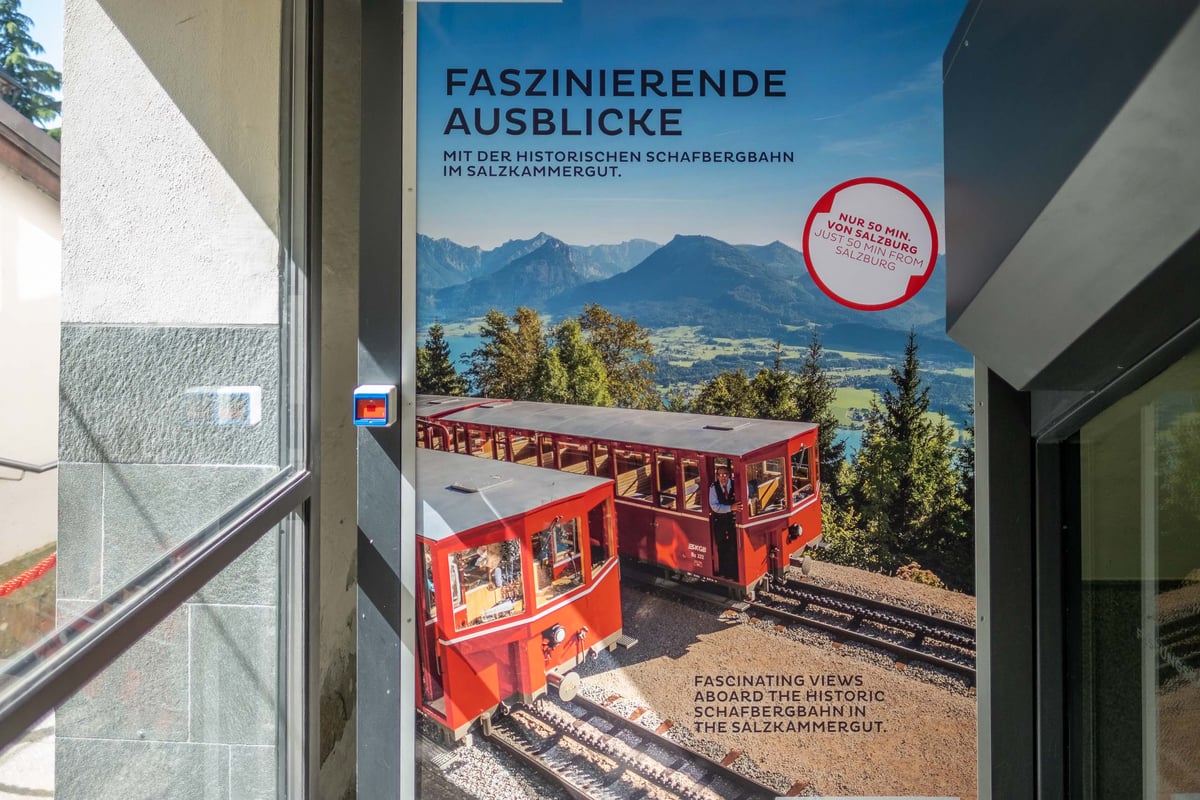
The Schafbergbahn steams out of St. Wolfgang at a gradient that qualifies it as the steepest rack railway in Austria, climbing from the Wolfgangsee shore to the summit at 1,783 meters in 35 minutes. At the top, you can see thirteen Salzkammergut lakes simultaneously on a clear day.
Schwarzstraße
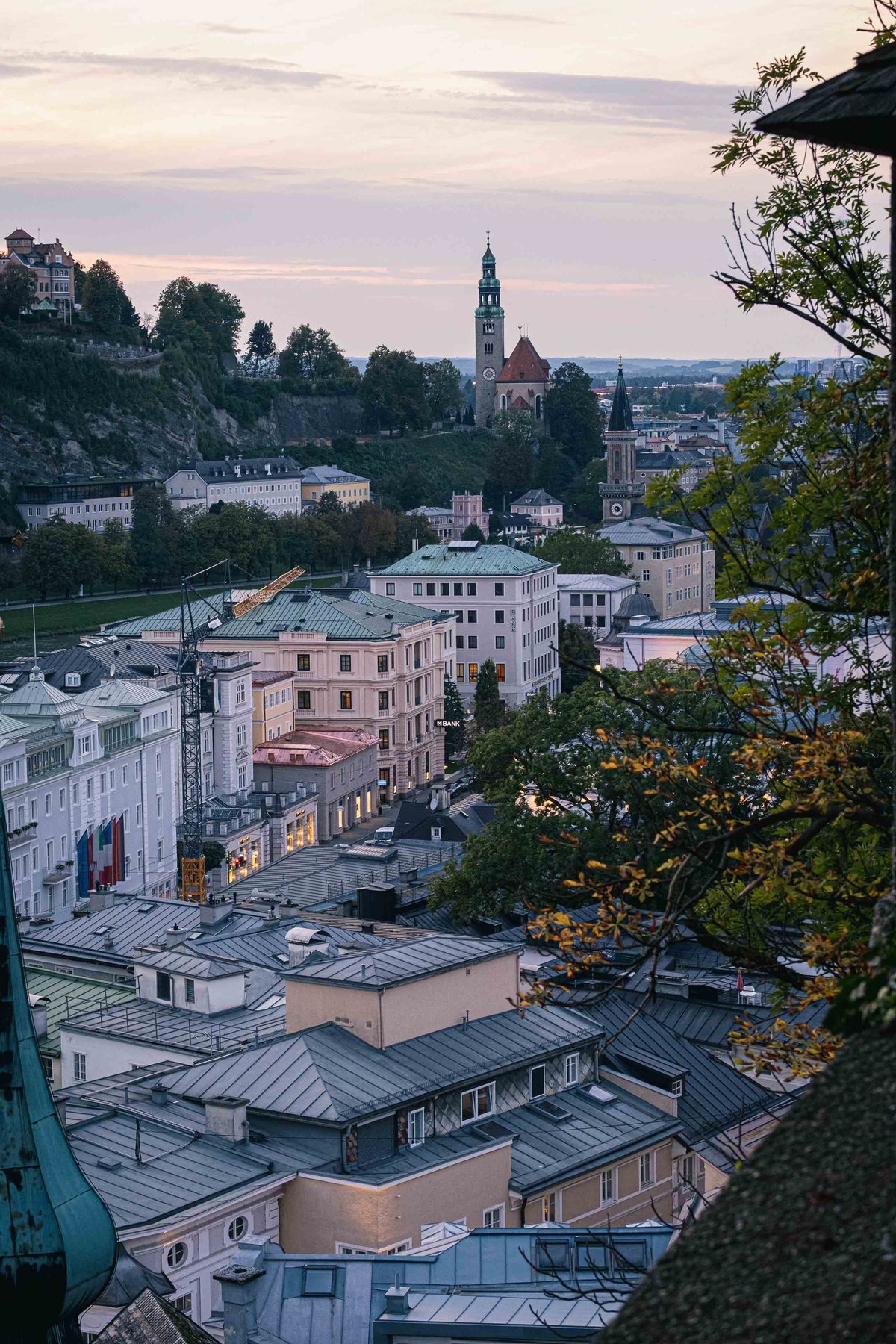
The principal cultural boulevard of the right bank, densely packed with the Salzburger Landestheater, Mozarteum, Marionettentheater, Cafe Bazar, and Hotel Sacher Salzburg. During Festival season, one of the most animated streets in the city.
Steingasse
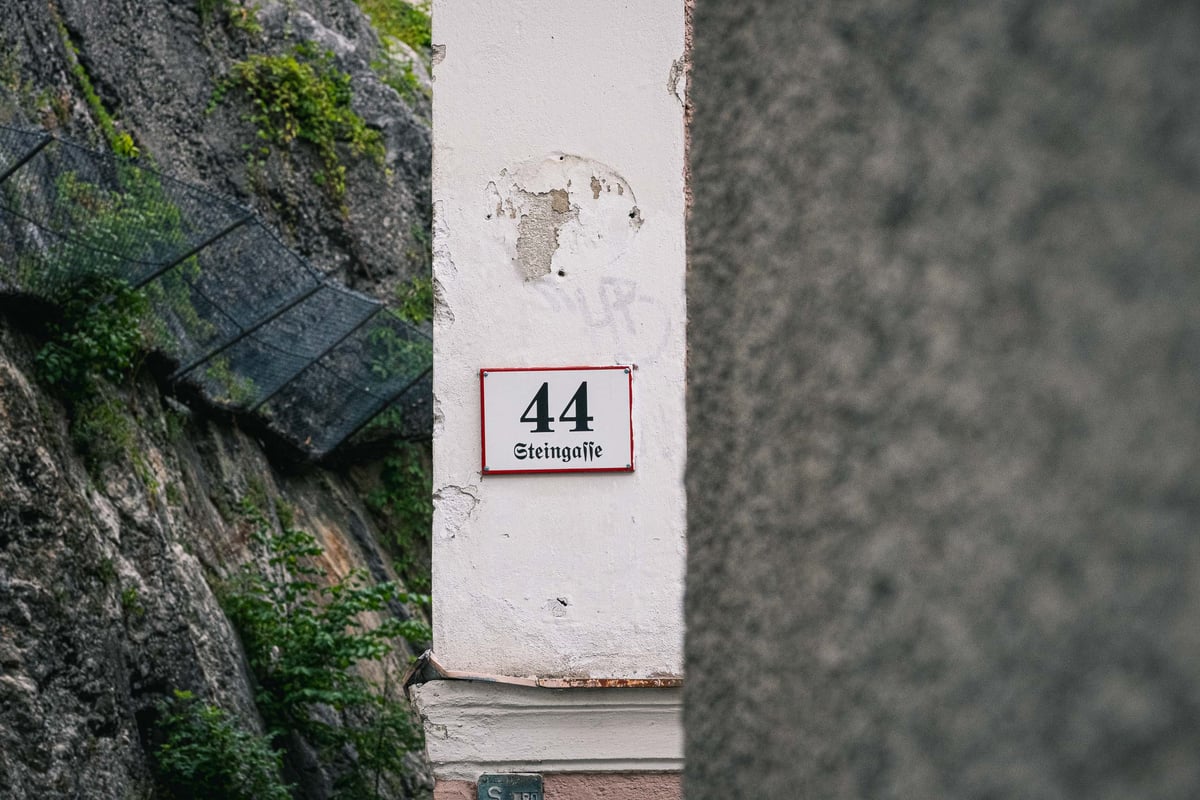
The Steingasse is the narrow medieval lane on Salzburg's right bank that most visitors miss entirely because everyone crosses to the left bank for the cathedral and the Getreidegasse. That is their mistake.
Steintheater Hellbrunn (Stone Theater)
Built c. 1612-1615
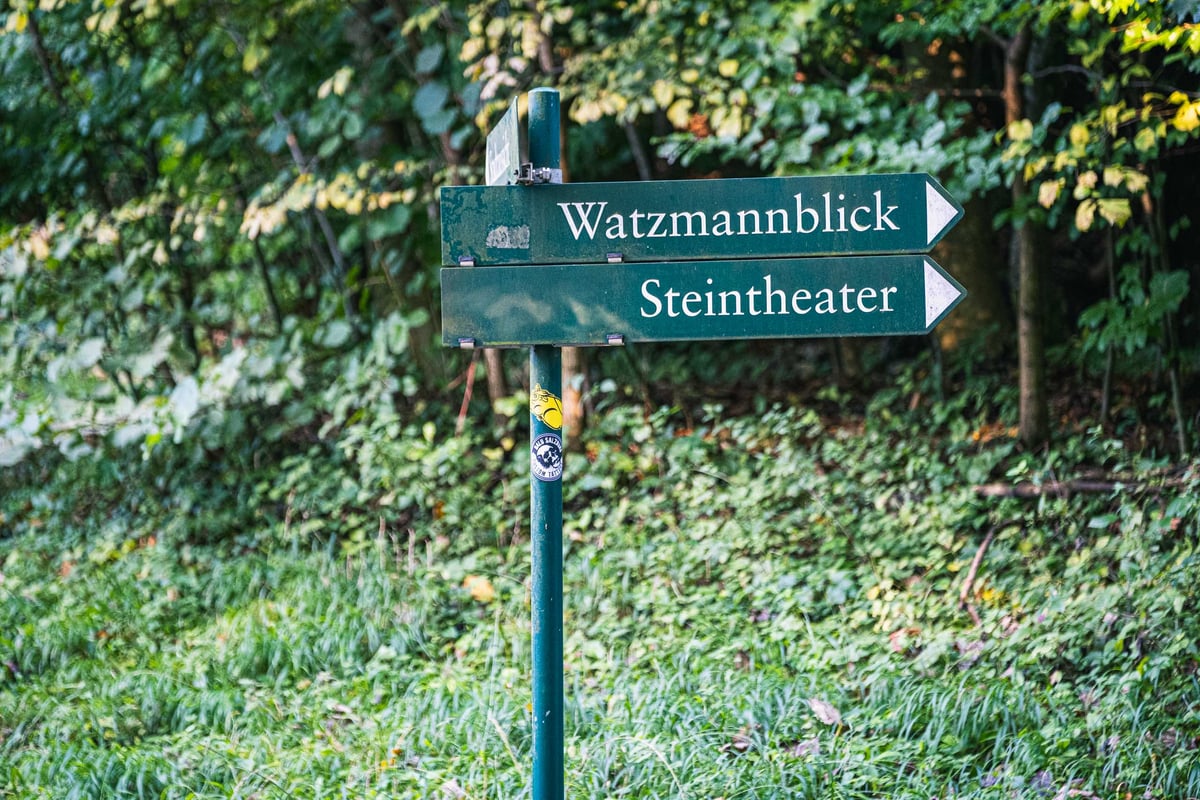
Believed to be the oldest existing open-air stone theatre north of the Alps. The first Italian opera north of the Alps was performed here in 1617, under the patronage of Markus Sittikus. A natural rock grotto shaped into a theatre at the edge of the Hellbrunn park.
Stift St. Peter (St. Peter's Abbey)
Founded c. 696 AD
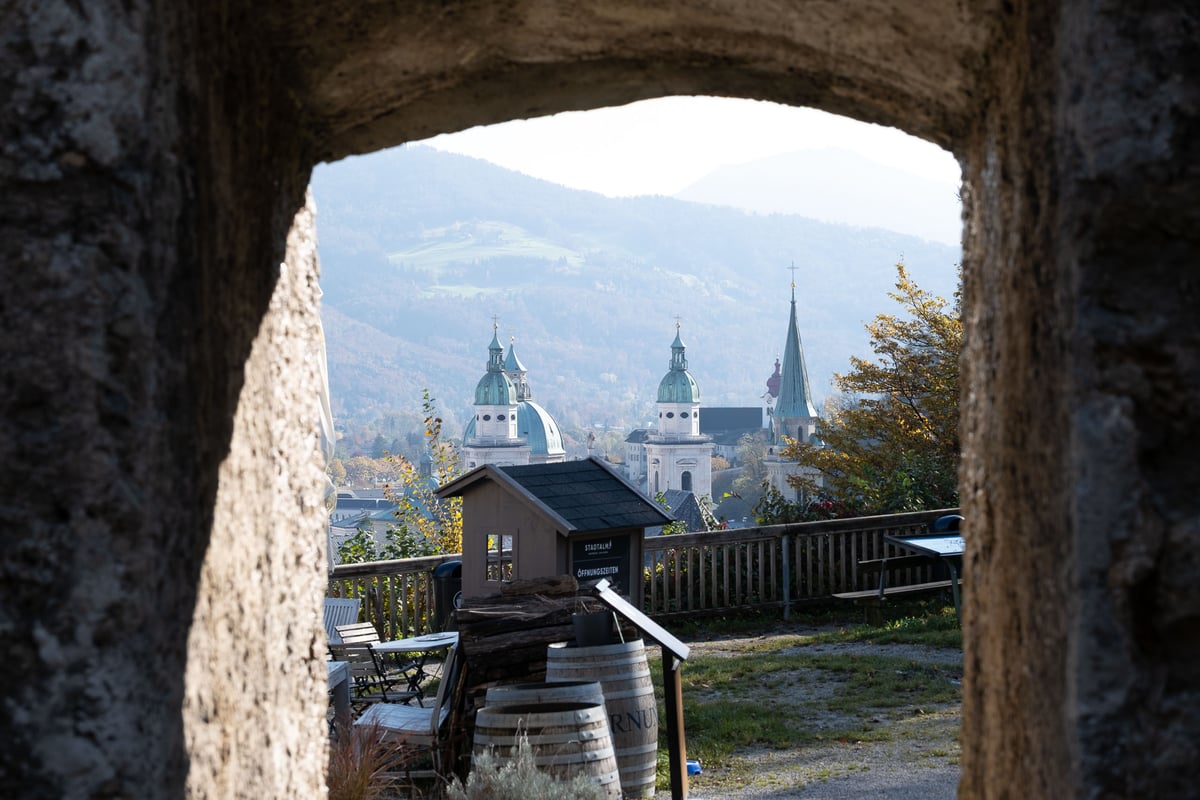
The oldest continuously existing monastery in the German-speaking world. Founded by Saint Rupert of Salzburg around 696 AD. The church interior is the work of Beda Seeauer (rococo redecoration, 1760-1782). Michael Haydn is buried in the crypt. Altomonte's altar paintings enrich the abbey church. The Stiftskeller St.
Stiftung Mozarteum
Custodian of Mozart's legacy. Founded 1841. Manages Mozarts Birthplace and Mozarts Residence. World's most important Mozart archive. Organises the annual Mozartwoche. Bernhard Paumgartner shaped its identity for decades.
Stille Nacht Konzert
Annual Christmas Eve concert at the Stille Nacht Kapelle in Oberndorf bei Salzburg. On the site where Joseph Mohr and Franz Xaver Gruber first performed Silent Night on 24 December 1818. Intimate, atmospheric, genuinely moving. ~30 minutes from Salzburg by S-Bahn.
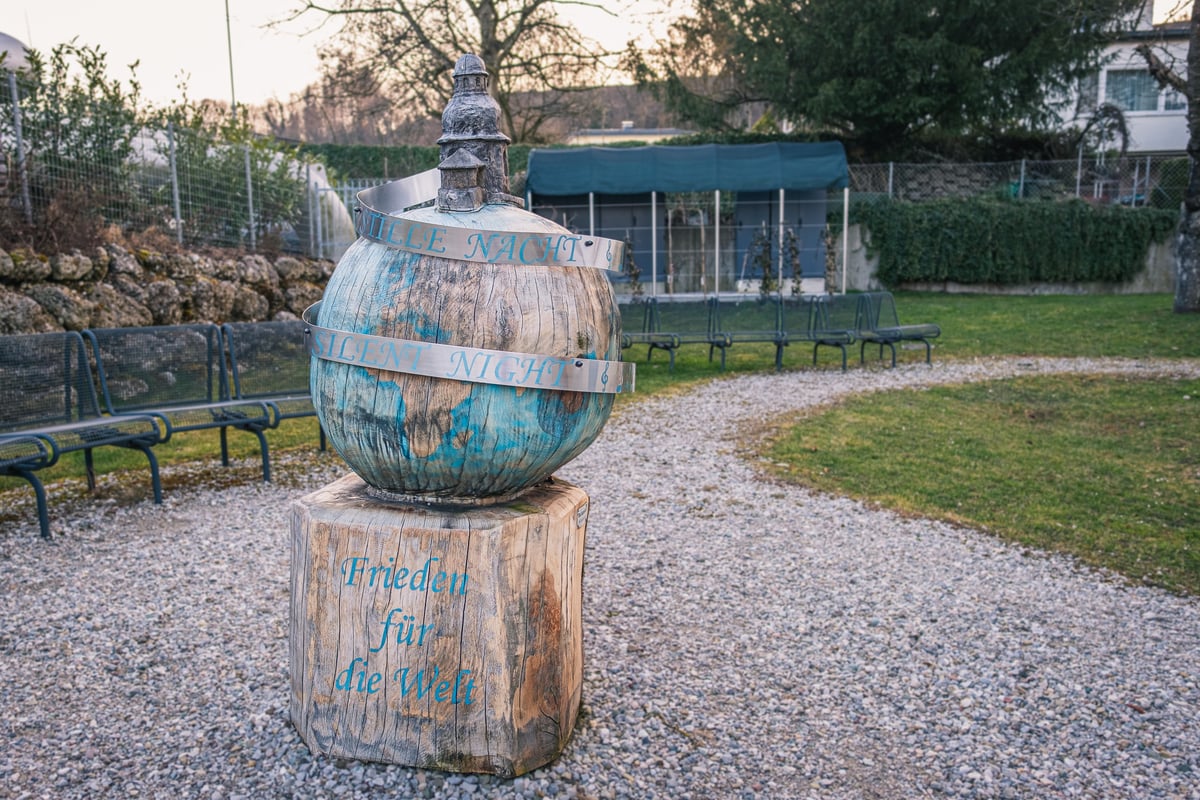
Stille-Nacht-Kapelle
Built 1937
A memorial chapel on the site of the former St. Nikolaus Church where Silent Night (Stille Nacht, Heilige Nacht) was first performed on Christmas Eve 1818. The original church was demolished after flood damage. The chapel is a pilgrimage site, especially during Advent. A small museum adjacent documents the song's creation and global spread.
Universität Mozarteum
One of the world's leading conservatoires. Founded 1841, university status 1970. Musicians, conductors, stage directors, visual artists. Oskar Kokoschka's "School of Vision" runs under its auspices as the Internationale Sommerakademie.
Vienna Philharmonic
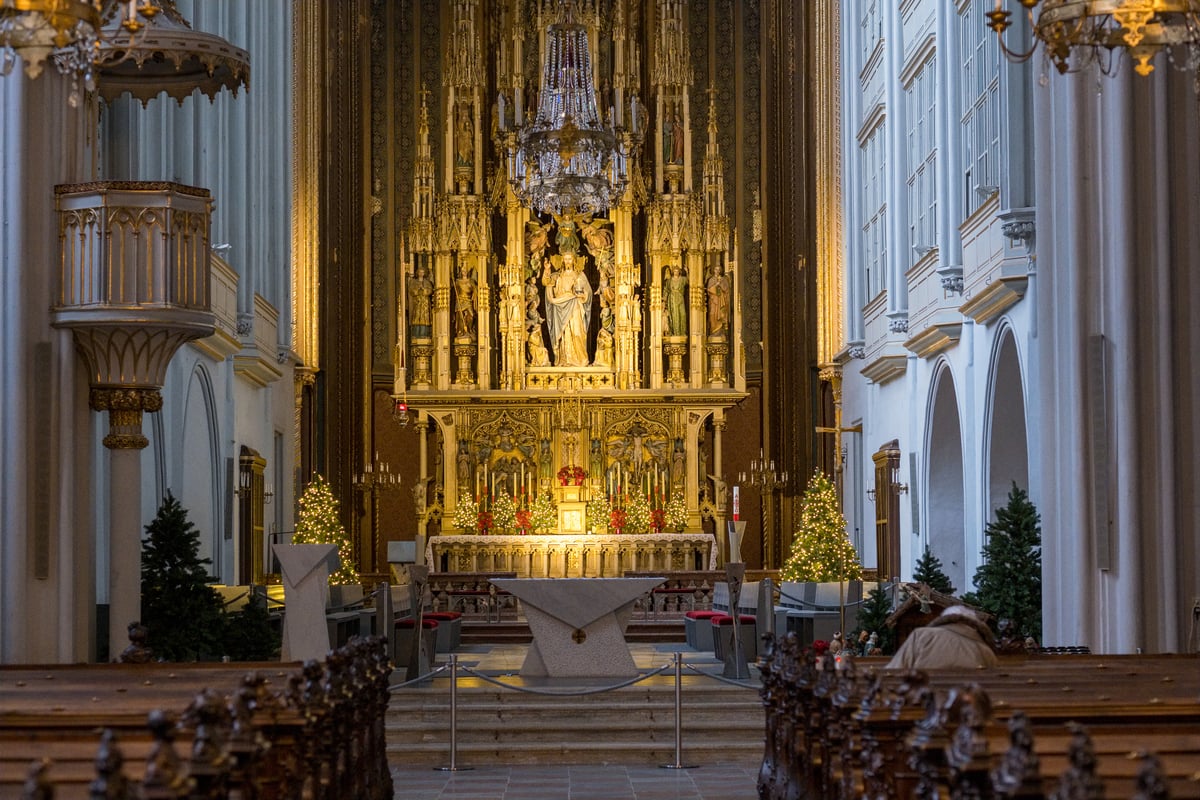
Resident orchestra of the Salzburg Festival. Playing every summer Festival since 1925. Self-governing. The musical foundation on which the Festival's prestige rests. Warm, blended strings, particular weight in brass: the sound most associated with the Festival.
Weißes Rössl
The most famous inn in the Salzkammergut, on the Wolfgangsee at St. Wolfgang. Documented since the 14th century. World fame through Benatzky's 1930 operetta Im weißen Rößl. Still operating as hotel and restaurant.
The records
People tagged Music History
Alma Mahler
composer1879 - 1964
Composer, muse, diarist, and the magnetic centre of European modernism. She married Gustav Mahler (who insisted she stop composing), had a passionate affair with Oskar Kokoschka, then married the Bauhaus architect Walter Gropius, then the novelist Franz Werfel. As Mahler's wife she was present at the Salzburg Festival's founding era.
Aloysia Weber
singer1760 - 1839
Mozart's first love, and the woman who rejected him. He met her in Mannheim in 1778 and became deeply infatuated. Her younger sister Constanze later became Mozart's wife. Aloysia became a successful soprano at the Vienna court. She died in Salzburg in 1839, three years before Constanze.
Anna Netrebko
singerb. 1971
The soprano who defined the Salzburg Festival's public face for the first two decades of the 21st century. Her 2002 Donna Anna in Mozart's Don Giovanni was the international breakthrough. No singer since Maria Callas has been so completely identified with a single festival house.
Anton Cajetan Adlgasser
composer1729 - 1777
Court organist in Salzburg from 1750, colleague of Leopold Mozart and Michael Haydn. He collapsed and died while playing the organ at Salzburg Cathedral during a service on 22 December 1777, at the age of 48. One of the more dramatic exits in music history.
Anton Diabelli
composer1781 - 1858
Born in Mattsee, a small Salzburg Flachgau town. Diabelli circulated a waltz theme to 51 composers asking each for one variation. Beethoven responded not with one but with 33, producing the Diabelli Variations (Op. 120), widely considered the greatest variation work in the piano repertoire.
Antonio Salieri
composer1750 - 1825
Imperial Kapellmeister in Vienna for 36 years and Mozart's most famous rival. The legend of his poisoning Mozart, dramatised in Peter Shaffer's Amadeus, is almost certainly false. He taught Beethoven, Schubert, and Liszt.
Arturo Toscanini
conductor1867 - 1957
The conductor who made Salzburg the unquestioned summit of the musical world. Toscanini conducted at the Salzburg Festival from 1934 to 1937. He reportedly called Salzburg "the most perfect musical event in the world." When Austria was annexed by Nazi Germany in 1938, he refused to return.
Barbara von Ployer
musicianb. 1765
One of Mozart's most gifted piano students. Mozart composed two of his greatest concertos specifically for her: Piano Concerto No. 14 (K. 449) and No. 17 (K. 453), both in 1784. K. 453 is among his finest, and Ployer gave its premiere. Her Salzburg origins make her a genuine point of connection.
Bernhard Paumgartner
conductor1887 - 1971
The man who shaped the Mozarteum and the early Salzburg Festival more durably than almost anyone else. Director of the Mozarteum for over four decades (1917-1959), bridging the Festival's founding generation and the Karajan era.
Bruno Walter
conductor1876 - 1962
A devoted disciple of Gustav Mahler and one of the foundational conductors of the Salzburg Festival. Walter gave the world premieres of Mahler's Das Lied von der Erde and the Ninth Symphony. Alongside Arturo Toscanini and Furtwangler, he formed the triumvirate that defined the young Festival's artistic identity. Forced to flee after the 1938 Anschluss.
Carl Maria von Weber
composer1786 - 1826
The decisive bridge between Mozart and Wagner. Weber's Der Freischutz (1821) established German national opera. Richard Strauss, co-founder of the Salzburg Festival, grew up within a tradition Weber had fundamentally shaped.
Carlos Kleiber
conductor1930 - 2004
Widely regarded by musicians as the greatest conductor of the latter 20th century. Carlos Kleiber conducted perhaps 96 concerts in his entire career, compared to hundreds per year for his contemporaries. What he did conduct he performed with an incandescence that left audiences stunned.
Cecilia Bartoli
singerb. 1966
One of the most celebrated mezzo-sopranos of her generation, and Artistic Director of the Salzburg Whitsun Festival (Pfingstfestspiele) since 2012. One of the few singers whose connection to Salzburg is both personal (as performer) and institutional (as director).
Christian Thielemann
conductorb. 1959
Artistic Director of the Salzburg Easter Festival from 2013, taking over from Seiji Ozawa. One of the foremost interpreters of Wagner, Brahms, and Richard Strauss of his generation. In the conducting lineage of Furtwangler and Bohm.
Claudio Abbado
conductor1933 - 2014
One of the supreme conductors of the late 20th century. Chief Conductor of the Vienna Philharmonic and then the Berlin Philharmonic, Abbado shaped the sound of the two most important orchestras in the German-speaking world and brought both repeatedly to the Salzburg Festival.
Clemens Krauss
conductor1893 - 1954
The man who built the Salzburg Festival from a promising young institution into the most prestigious music event in the world. Artistic Director 1926-1934, close friend of Richard Strauss, and co-librettist of Capriccio. Arturo Toscanini then crowned the foundations Krauss had laid.
Constanze Mozart
singer1762 - 1842
Wife of Wolfgang Amadeus Mozart, whom she married in Vienna in 1782. After his death, Constanze dedicated decades to preserving his legacy. She returned to Salzburg in later life, where she died in 1842 and is buried in St. Sebastian's Cemetery.
Dietrich Fischer-Dieskau
singer1925 - 2012
The greatest baritone of the 20th century and the supreme interpreter of the German Lied. Fischer-Dieskau performed at the Salzburg Festival across four decades. His Lieder recitals there, especially Schubert's Winterreise, are among the most celebrated performances in Festival history. The voice of the German-Austrian musical tradition made audible.
Elisabeth Schwarzkopf
singer1915 - 2006
One of the supreme sopranos of the 20th century and a defining voice of the Salzburg Festival. She studied with Lotte Lehmann, placing her in direct lineage with Salzburg's interwar golden tradition. Her interpretations of the Marschallin in Der Rosenkavalier under Herbert von Karajan remain the reference against which all successors are measured.
Felix Mendelssohn
composer1809 - 1847
One of the great Romantic composers. Mendelssohn travelled through Salzburg in 1831 on his celebrated Italian journey, writing to his family in enthusiastic terms about the city and the alpine landscape. He died at only 38, having already transformed German musical life.
Franz Lehár
composer1870 - 1948
The greatest operetta composer of the early 20th century. Lehar spent his summers in Bad Ischl for decades, as part of the same tradition as Emperor Franz Joseph I. His summer villa, the Leharvilla Bad Ischl, is now a museum. He died there in 1948.
Franz Liszt
composer1811 - 1886
The greatest piano virtuoso in history. In 1856, the centenary year of Mozart's birth, Liszt came to Salzburg to participate in the Mozart celebrations, conducting and performing in the city. A lifelong champion of Mozart and a musical grandchild of the Viennese school that formed Mozart's world.
Franz Schalk
conductor1863 - 1931
One of the five co-founders of the Salzburg Festival (1920), alongside Hofmannsthal, Reinhardt, Strauss, and Roller. A pupil of Bruckner and long-serving director of the Vienna State Opera, Schalk brought institutional authority and conducting leadership to the fledgling Festival.
Franz Schubert
composer1797 - 1828
The greatest composer of Lieder and one of the supreme masters of the symphony. Born in Vienna in 1797, died there in 1828 at 31.
Franz Xaver Gruber
composer1787 - 1863
The schoolteacher and church organist who composed the melody of Stille Nacht, Heilige Nacht (Silent Night) after Joseph Mohr brought him the lyrics on Christmas Eve 1818. One of the most consequential premieres in the history of popular music. Gruber later moved to Hallein, where he died in 1863 and is buried.
Franz Xaver Süssmayr
composer1766 - 1803
The man who finished Mozart's Requiem. When Mozart died in December 1791 leaving the work incomplete, Constanze asked Sussmayr to complete it. Every performance of the Mozart Requiem is partly Sussmayr's work, whether the programme notes say so or not.
Franz Xaver Wolfgang Mozart
composer1791 - 1844
Mozart's younger son, born just weeks before his father's death. Had a modest career as a pianist and composer, overshadowed by his father's name. A founding member of the Dommusikverein und Mozarteum, predecessor of the Mozarteum Foundation.
Georg Muffat
composer1653 - 1704
A crucial bridge between Italian baroque and the German-Austrian tradition. Muffat studied in Rome with Corelli and in Paris with Lully, then brought the Italian concerto grosso style to the Salzburg court (1678-1690) under Max Gandolph von Kuenburg. His Armonico Tributo (1682) is a landmark of early baroque chamber music.
Georg Solti
conductor1912 - 1997
One of the supreme conductors of the 20th century. Solti's Ring Cycle recordings with the Vienna Philharmonic remain the standard against which all subsequent recordings are measured. A major presence at the Salzburg Festival.
Gustav Mahler
composer1860 - 1911
One of the great late-Romantic composers and supreme conductors of his era. Mahler composed his 2nd and 3rd symphonies at Steinbach am Attersee in the Salzkammergut (1893-1896). The Mahler tradition is deeply embedded in the Salzburg Festival through his influence on conductors from Bruno Walter to Harnoncourt.
Heinrich Ignaz Franz Biber
composer1644 - 1704
The greatest violinist of the 17th century and one of the most important composers of the baroque era. Biber spent almost his entire career at the Salzburg court, rising to Hofkapellmeister in 1684. His Mystery (Rosary) Sonatas are among the most technically and spiritually demanding pieces in the baroque repertoire.
Herbert von Karajan
conductor1908 - 1989
Born in Salzburg, died near Salzburg. Widely regarded as one of the greatest conductors of the 20th century. Artistic director of the Salzburg Festival for much of the postwar period. The square in front of the Grosses Festspielhaus bears his name. His legacy dominates the classical music world to this day.
Johann Ernst Eberlin
composer1702 - 1762
Leopold Mozart's direct professional superior and the central musical figure in Salzburg in the generation immediately before the Mozarts. Court Kapellmeister from 1749, Eberlin contributed over 6,000 works to the Salzburg court repertoire. Almost entirely forgotten today, but the young Wolfgang studied several of his works.
Johann Nepomuk Hummel
composer1778 - 1837
Mozart's most famous private student. From 1786 to 1788, the seven-year-old Hummel lived in the Mozart household in Vienna, studying directly with Mozart as his teacher and guardian. The most direct musical heir of the composer whose name defines Salzburg.
Johann Strauss II
composer1825 - 1899
"The Waltz King." Composer of The Blue Danube, the sonic symbol of Austria. Strauss spent his summers in Bad Ischl in the same imperial spa circle as Brahms, Emperor Franz Joseph I, and Empress Elisabeth.
Johannes Brahms
composer1833 - 1897
One of the supreme composers of the 19th century. Brahms spent sixteen consecutive summers in Bad Ischl from 1880 onwards, composing his Symphony No. 4, the Clarinet Sonatas, the late piano intermezzi, and the Double Concerto. His close friend Theodor Billroth joined him at Attersee to play chamber music by the lake.
Jonas Kaufmann
singerb. 1969
The defining dramatic tenor of his generation. Kaufmann's appearances at the Salzburg Festival include landmark productions that define what the Festival can be at its most ambitious. He is the tenor the Festival returns to when it wants an event rather than a performance.
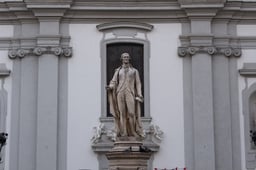
Joseph Haydn
composer1732 - 1809
One of the greatest composers of the Classical era and elder brother of Michael Haydn. His warm friendship with Wolfgang Amadeus Mozart is one of the most celebrated artistic bonds of the 18th century. Haydn famously told Leopold Mozart that Wolfgang was "the greatest composer known to me."
Joseph Mohr
priest1792 - 1848
The man who wrote the words to Stille Nacht, Heilige Nacht (Silent Night). Born illegitimate at Steingasse 9 in Salzburg's historic right-bank quarter, Mohr brought the poem to Franz Xaver Gruber in Oberndorf bei Salzburg, and the two performed it together for the first time on Christmas Eve 1818.
Juan Diego Flórez
singerb. 1973
The finest bel canto tenor of his generation and the face of Mozartwoche in Salzburg. His connection to Mozart's birthplace city is deep and ongoing. In 2007 at La Scala, he became the first singer in 74 years to be granted an encore mid-performance.
Karl Böhm
conductor1894 - 1981
One of the greatest conductors of the 20th century, deeply associated with the Salzburg Festival across four decades. Richard Strauss himself chose Bohm to conduct premieres of Daphne and Die schweigsame Frau. He died in Salzburg, the city to which he returned again and again.
Leonard Bernstein
conductor1918 - 1990
One of the most charismatic musicians of the 20th century. Bernstein's 24 December 1989 performance of Beethoven's 9th Symphony, with Freiheit (Freedom) substituted for Freude (Joy) to celebrate the fall of the Berlin Wall, is one of the most watched concerts in television history. The Salzburg Festival was a recurring stage throughout his career.
Leopold Mozart
composer1719 - 1787
Court musician, Vice Kapellmeister, and the father and first teacher of Wolfgang Amadeus Mozart. Author of the influential Versuch einer grundlichen Violinschule (1756). Lived with his family at Getreidegasse 9 and later at Makartplatz 8. Buried in St. Sebastian's Cemetery.
Lilli Lehmann
singer1848 - 1929
The single most important figure in the prehistory of the Salzburg Festival. Not to be confused with Lotte Lehmann. From 1901, Lilli Lehmann organised the Salzburg Mozart Week, the annual series that directly laid the groundwork for the permanent Festival that Hugo von Hofmannsthal, Max Reinhardt, and Richard Strauss would formally establish in 1920.
Lotte Lehmann
singer1888 - 1976
One of the greatest sopranos of the 20th century and one of the most significant personalities in Salzburg Festival history. Richard Strauss wrote several roles with her voice in mind. She fled the Nazi regime in 1938 and founded the Music Academy of the West in Santa Barbara. She also played a documented role in launching the Trapp Family Singers.
Luciano Pavarotti
singer1935 - 2007
The most famous operatic tenor in history. Pavarotti made opera accessible to hundreds of millions of people. He performed at the Salzburg Festival on multiple occasions, including a debut recital in 1976 and a celebrated 1983 Idomeneo at the Grosses Festspielhaus. One of the Three Tenors, alongside Domingo and Carreras, conducted by Zubin Mehta.
Maria Callas
singer1923 - 1977
The defining soprano of the 20th century. Despite her famous partnership with Herbert von Karajan, Callas never actually performed at the Salzburg Festival: the Karajan productions sometimes linked to Salzburg, above all their Lucia di Lammermoor, took place elsewhere (a La Scala staging taken to Berlin in 1955 and Vienna in 1956).
Michael Haydn
composer1737 - 1806
Younger brother of Joseph Haydn, Michael Haydn spent most of his career in Salzburg as court musician and organist. A friend and colleague of Leopold and Wolfgang Mozart, he composed over 800 works and is buried in the crypt of St. Peter's Abbey.
Nannerl Mozart (Maria Anna Mozart)
musician1751 - 1829
Wolfgang's elder sister, herself a child prodigy who toured Europe to enormous acclaim. Her talent was considered equal to Wolfgang's in their early years. Convention curtailed her performing career. She married and moved to St. Gilgen, returned to Salzburg, outlived Wolfgang by nearly 38 years, and is buried at St. Peter's Cemetery.
Nikolaus Harnoncourt
conductor1929 - 2016
The conductor who changed how the world plays and hears baroque and classical music. Harnoncourt founded the Concentus Musicus Wien in 1953 and was a defining presence at the Salzburg Festival and Mozartwoche for decades. He died in St. Georgen im Attergau, a few kilometres from the Attersee.
Plácido Domingo
singerb. 1941
The most versatile of the Three Tenors and one of the greatest singers of the 20th century. Has sung over 150 operatic roles across every major style. Performed at the Salzburg Festival across four decades. His range, intelligence, and longevity across over sixty years are without parallel.
Riccardo Muti
conductorb. 1941
One of the most important conductors of the late 20th and early 21st century. Muti has conducted at the Salzburg Festival across many decades, leading the Vienna Philharmonic in opera and concert programmes that have become part of the Festival's core identity. Known especially for Verdi, Mozart, and Cherubini.
Richard Rodgers
composer1902 - 1979
Composer of The Sound of Music (1959) with Oscar Hammerstein II. Rodgers wrote every note of the music that millions of visitors now hum as they walk through Mirabell Gardens, up to Nonnberg Abbey, and across the hills outside the city. Indirectly, one of the greatest contributors to Salzburg's modern identity.
Richard Strauss
composer1864 - 1949
Co-founder of the Salzburg Festival (1920) alongside Hugo von Hofmannsthal and Max Reinhardt. One of the great composers of the late Romantic and early modern era, celebrated for Der Rosenkavalier, Salome, and Elektra. His relationship with the Festival and with Salzburg remained central to his life.
Richard Wagner
composer1813 - 1883
The most influential opera composer in history. Wagner's operas became central to the Salzburg Festival's identity from the postwar era onwards. Herbert von Karajan's legendary Ring cycle productions made Salzburg a Wagner city as much as a Mozart city. Richard Strauss, Festival co-founder, directly built upon the tradition Wagner established.
Seiji Ozawa
conductor1935 - 2024
One of the first Asian conductors to lead major Western orchestras, and a protege of Karajan whose Salzburg connection ran for decades: he made his Salzburg Festival debut in 1966 and returned for some four dozen performances. From 2002 to 2010 he was Music Director of the Vienna State Opera.
Wilhelm Furtwängler
conductor1886 - 1954
One of the supreme conductors of the 20th century, and perhaps the most controversial. Furtwangler's decision to remain in Germany during the Nazi period made him a figure of perpetual moral debate. His post-war Salzburg Festival performances in the early 1950s are among the most legendary in recording history.
Wolfgang Amadeus Mozart
composer1756 - 1791
One of the most celebrated composers in the history of Western music. Born at Getreidegasse 9 in Salzburg's Altstadt on 27 January 1756. Salzburg's entire cultural identity is shaped around his legacy.
Zubin Mehta
conductorb. 1936
The conductor who brought classical music to genuinely global audiences. Music Director of the Israel Philharmonic for over fifty years and one of the Vienna Philharmonic's most beloved conductors. Conducted the legendary Three Tenors concert in Rome (1990), watched by an estimated 800 million people.