
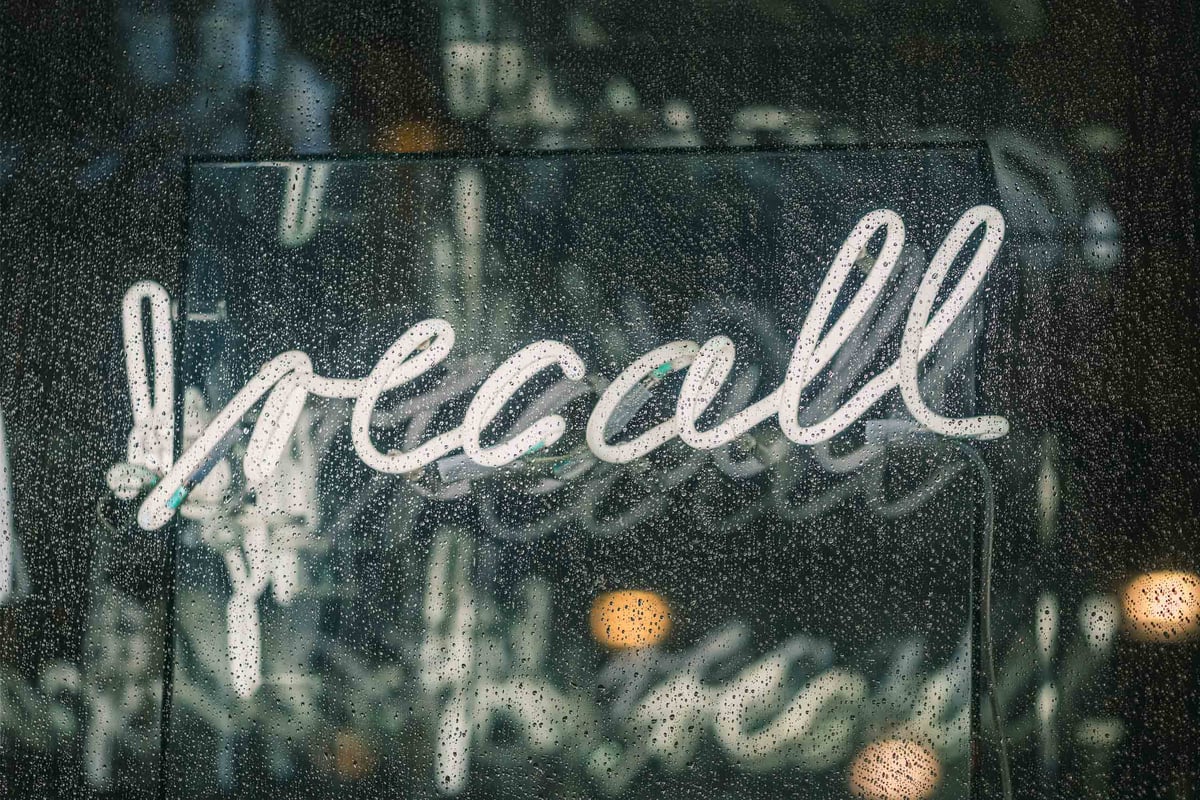
Walk of Modern Art
The Walk of Modern Art is a self-guided trail of 15 permanent public sculptures installed across Salzburg by the Salzburg Foundation since 2002.
Public Art
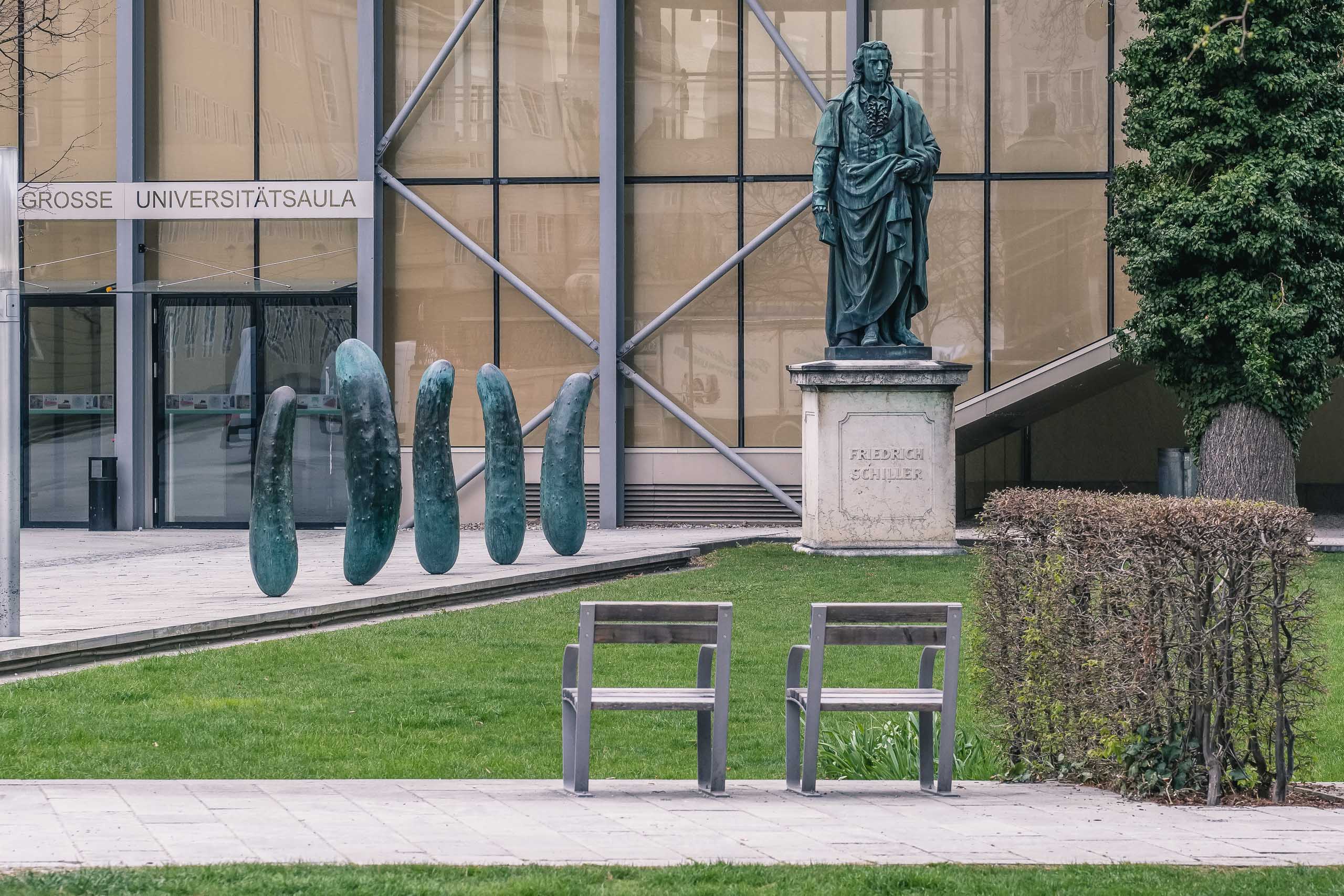
Giant cucumbers stand in Furtwänglerpark, between the Festival Halls and the Monchsberg cliff. They are the work of Erwin Wurm, installed in 2011 as the 10th and final project in the Salzburg Foundation’s Walk of Modern Art. They are exactly as absurd as they sound, and that is the idea.
Erwin Wurm is one of Austria’s best-known contemporary artists internationally, famous for works in which humour and conceptual rigour arrive in the same object. His One Minute Sculptures ask people to assume awkward poses with everyday props. His Fat Car series deforms vehicles into rounded, bloated shapes. The cucumbers in Furtwänglerpark work on the same principle: take an object with no cultural pretension, scale it to the size of a monument, and place it somewhere freighted with significance.
The location in Furtwänglerpark earns its share of the meaning. The park sits between the Festival Halls to the south and the sheer face of the Monchsberg to the north. The Kollegienkirche dome is visible from the benches. This is one of the most architecturally charged open spaces in the Altstadt, and Wurm has put cucumbers in it.
The piece is the 10th and final commission in the Walk of Modern Art, the Salzburg Foundation’s programme of placing permanent public sculpture across the city. It was installed in 2011. Of all the Walk’s ten projects, this is reportedly the most photographed, and the one most likely to provoke a genuine laugh rather than a respectful pause.
Do it here
These experiences include this place in their authored route.
The Walk of Modern Art is a self-guided trail of 15 permanent public sculptures installed across Salzburg by the Salzburg Foundation since 2002.
People
artistb. 1954
Austrian conceptual artist best known for his One Minute Sculptures. His Gurken (2011), a cluster of oversized cucumber sculptures in Furtwanglerpark, is a characteristic provocation that places the comic in a formal baroque garden context.
Curated routes
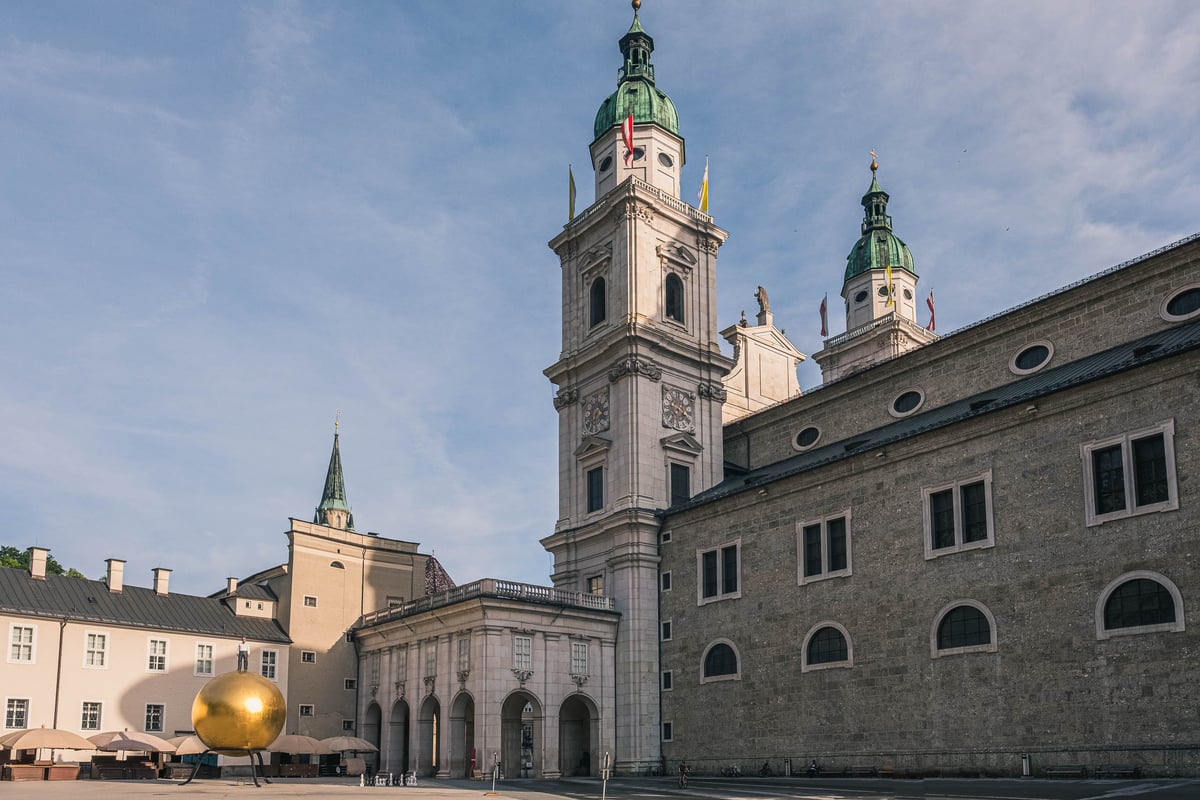
The Salzburg Foundation's thirteen artworks in the order that also makes a tour of the old town, from the free tour's meeting point on the main bridge to a steel wave by the Mozartsteg. I don't like modern art. These grew on me anyway.