City / Austria

Salzburg

Also known as Salzburg City

294 places17 destinations within28 experiences

Snapshot

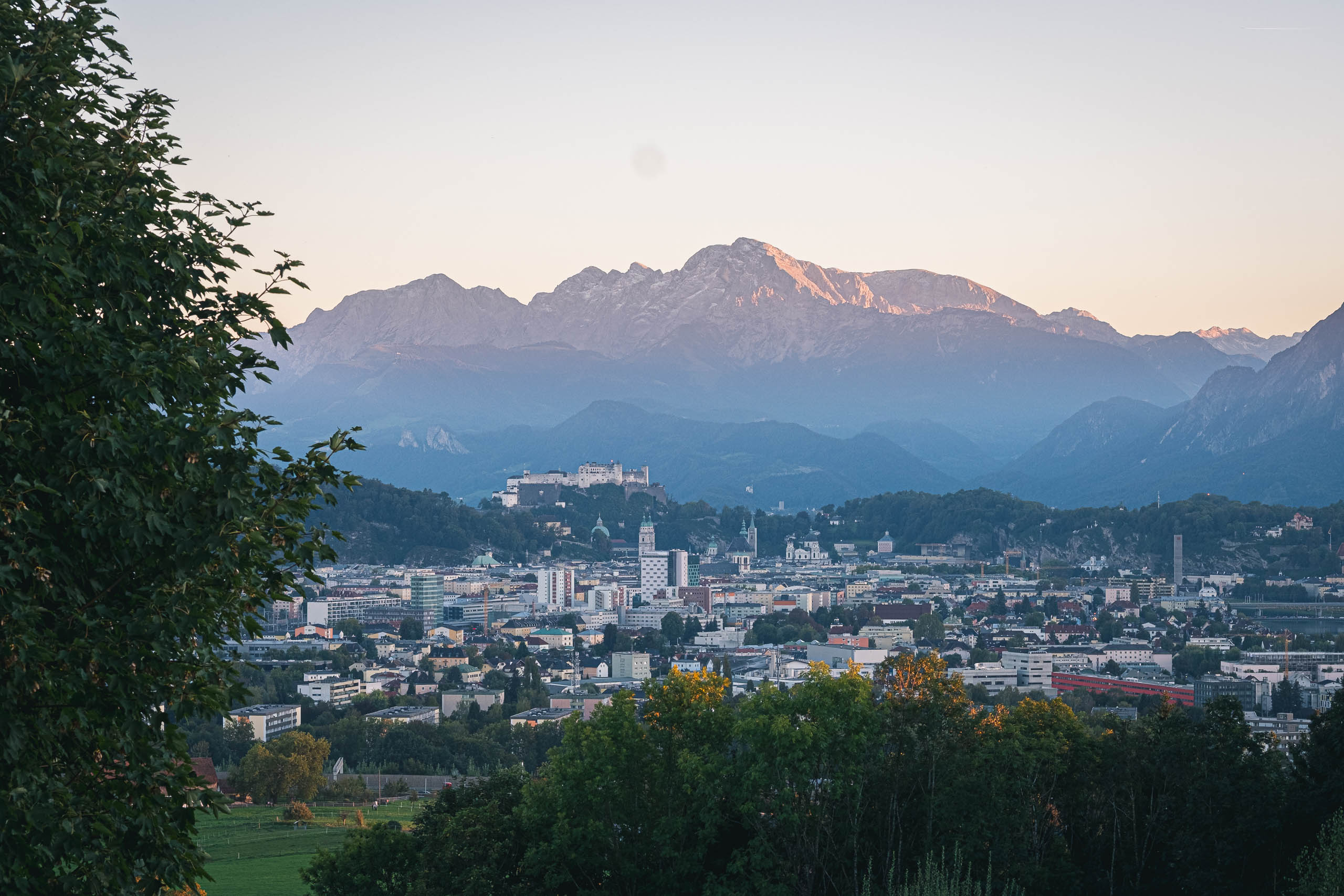
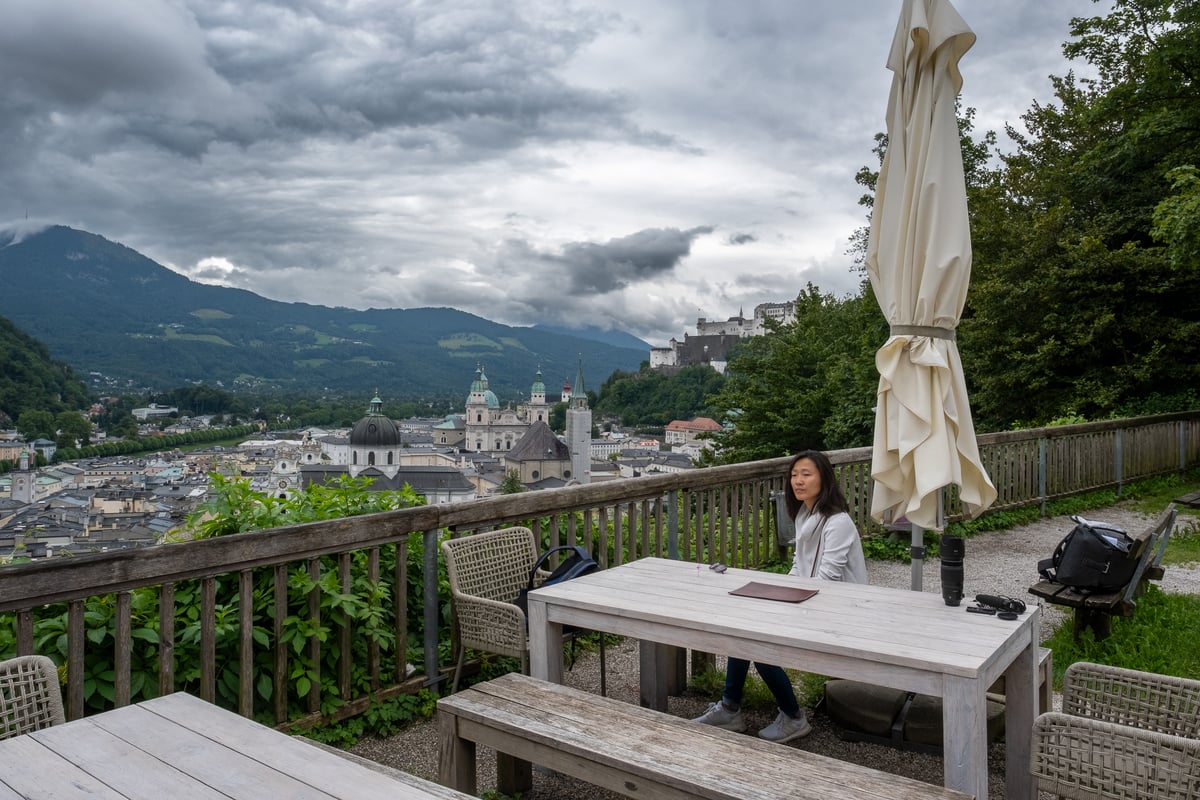
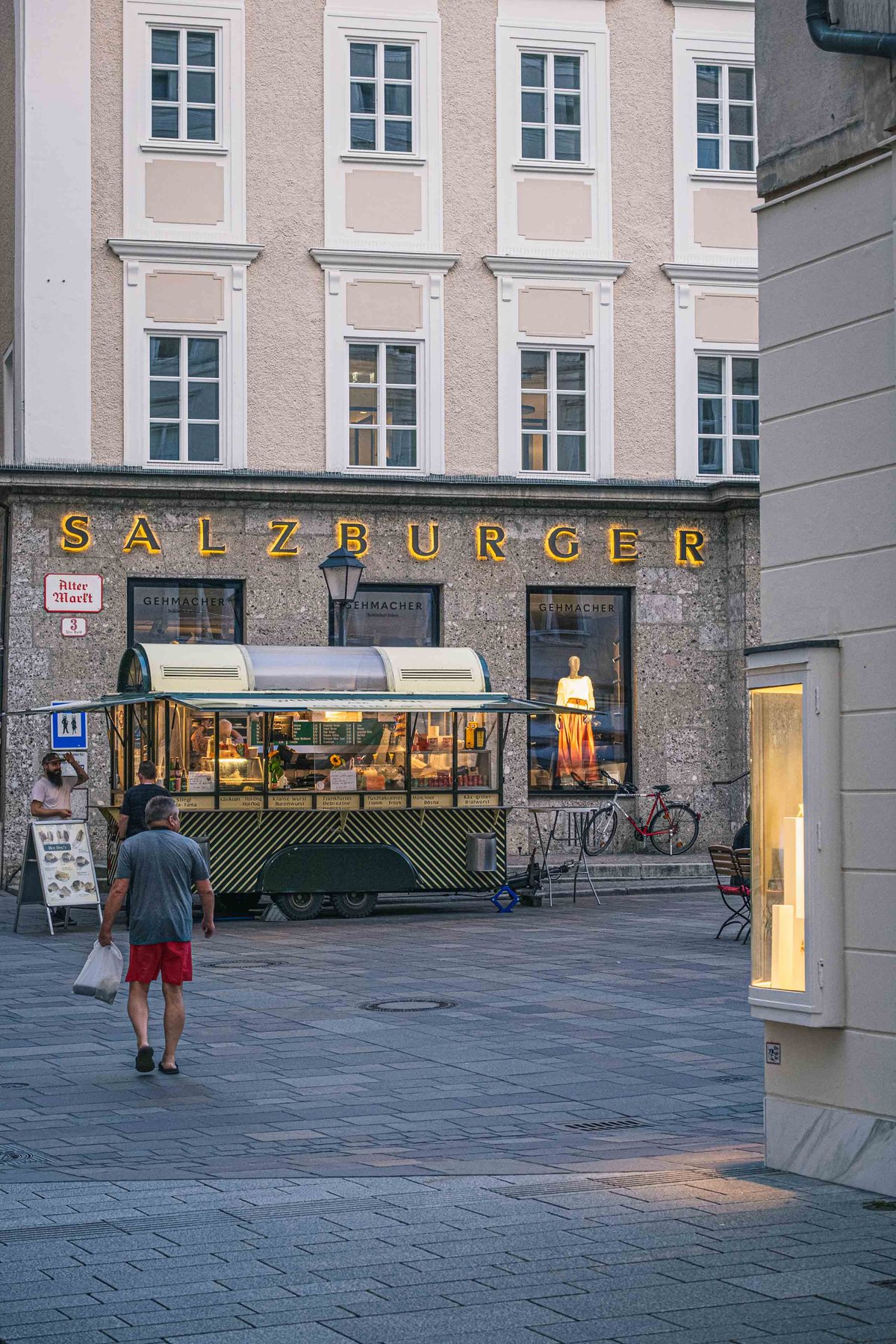
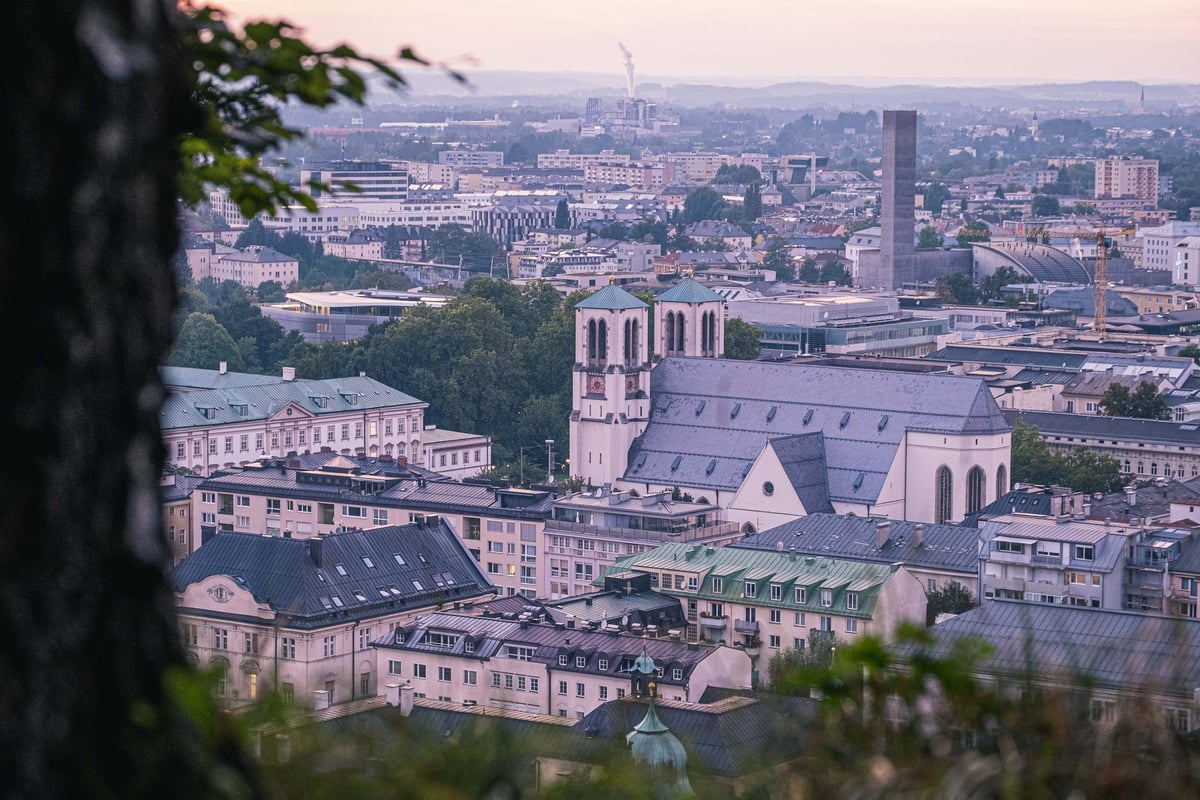
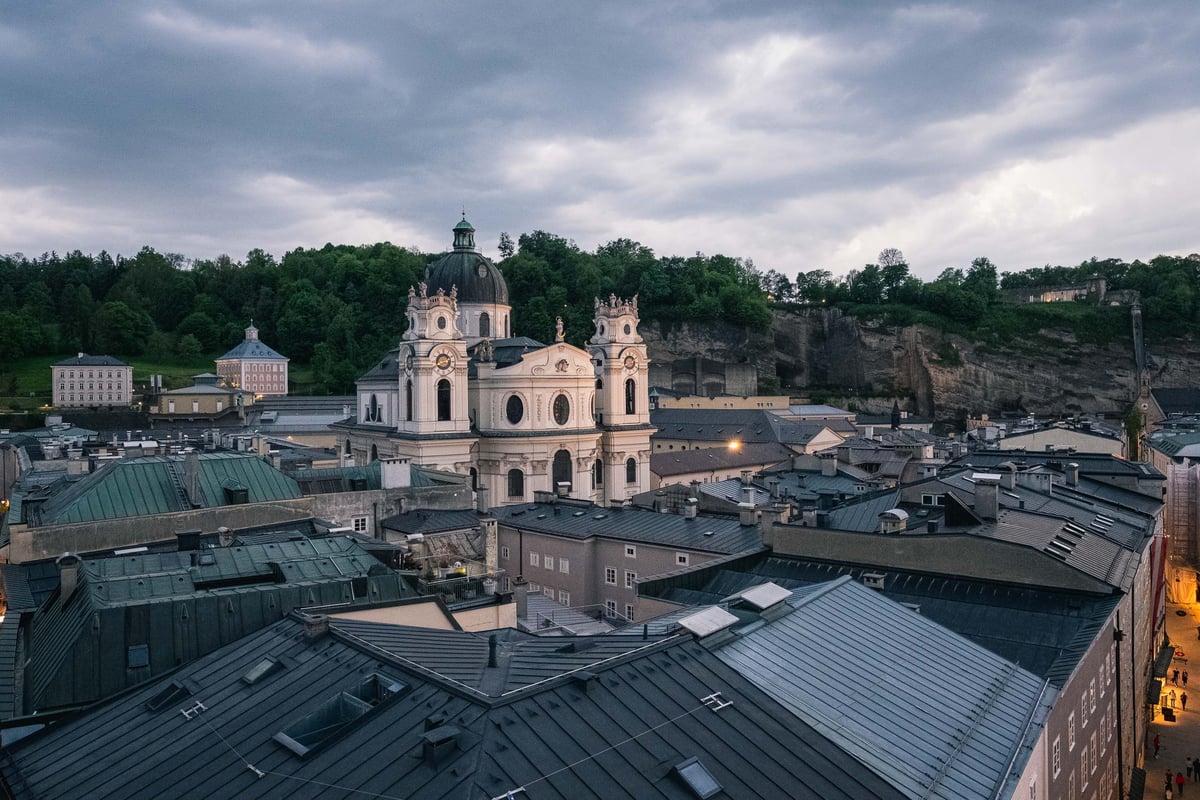
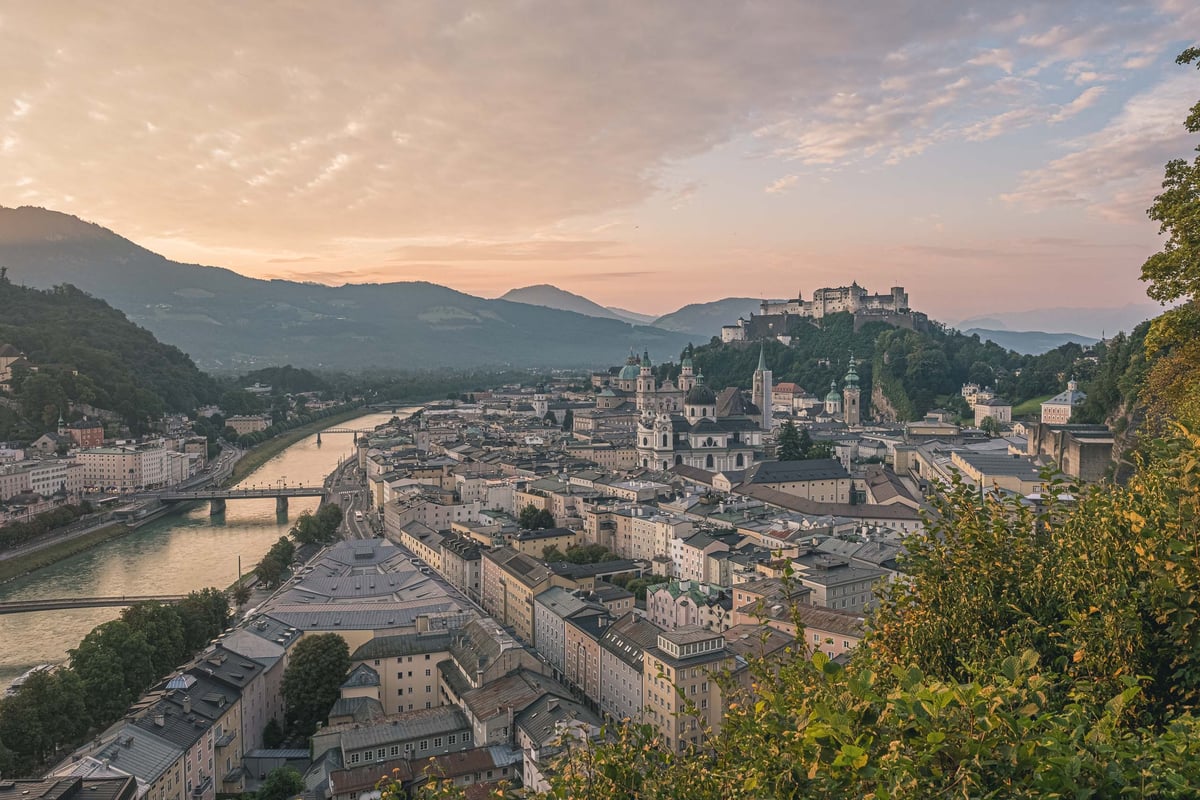
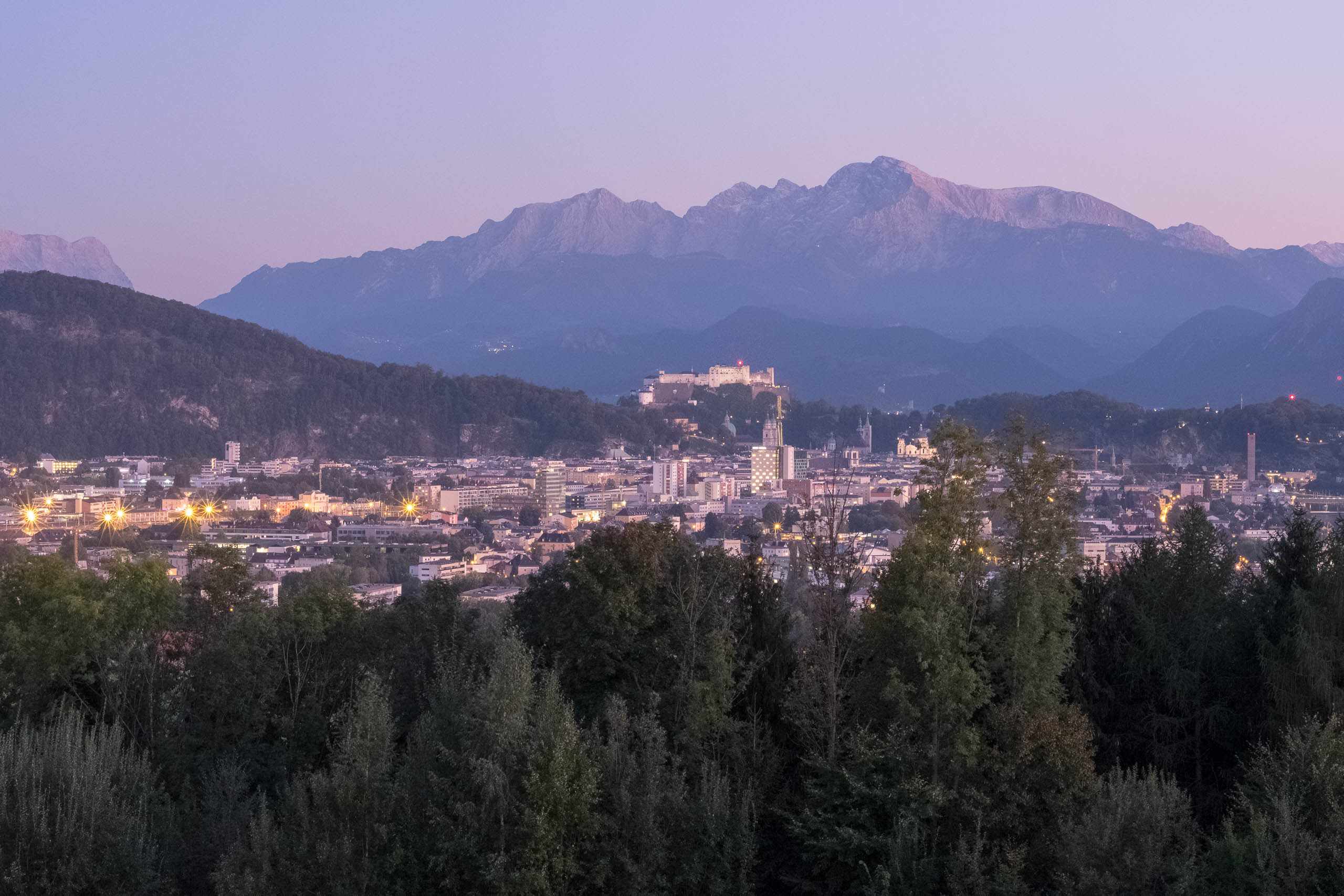
Salzburg is a small city, about 155,000 people, built on a geological accident: two limestone hills pressing a Baroque townscape against a fast river in the northern Alps. It was the capital of a church state for six centuries, financed by salt, rebuilt by Italian architects, and later claimed by Mozart tourism and a summer festival that redefined what the city is for. The old town is genuine, not a reconstruction, and the concentration of significant buildings within walking distance of each other is difficult to match anywhere in the German-speaking world.

The Story

The Romans arrived around 15 BC and found a Celtic settlement on Monchsberg already trading in salt from the mines at Hallein and Dürrnberg. They established the garrison town of Iuvavum, built a stone bridge over the Salzach River, and laid out a street grid that still underlies the Altstadt today. When Roman authority collapsed in the 5th century, the salt trade continued, and it was the economic logic of salt that eventually brought Saint Rupert of Salzburg here in 696 AD to found the Benedictine abbey of Stift St. Peter and begin the Christianisation of the region.

Salzburg became an archbishopric in 798, and the institution grew steadily in power over the following centuries. By 1213 the Archbishop held the rank of prince of the Holy Roman Empire, making him both a spiritual and temporal ruler. This arrangement, the prince-archbishops who ruled Salzburg as a church state, lasted until Napoleon’s armies reached the city in 1803 and secularisation ended the theocracy. The city then passed briefly to Bavaria and was absorbed into the Habsburg Austrian Empire in 1816. A very old and self-contained political entity had spent just over a thousand years under ecclesiastical rule, and the physical city that resulted from that history is the one visitors walk through today.

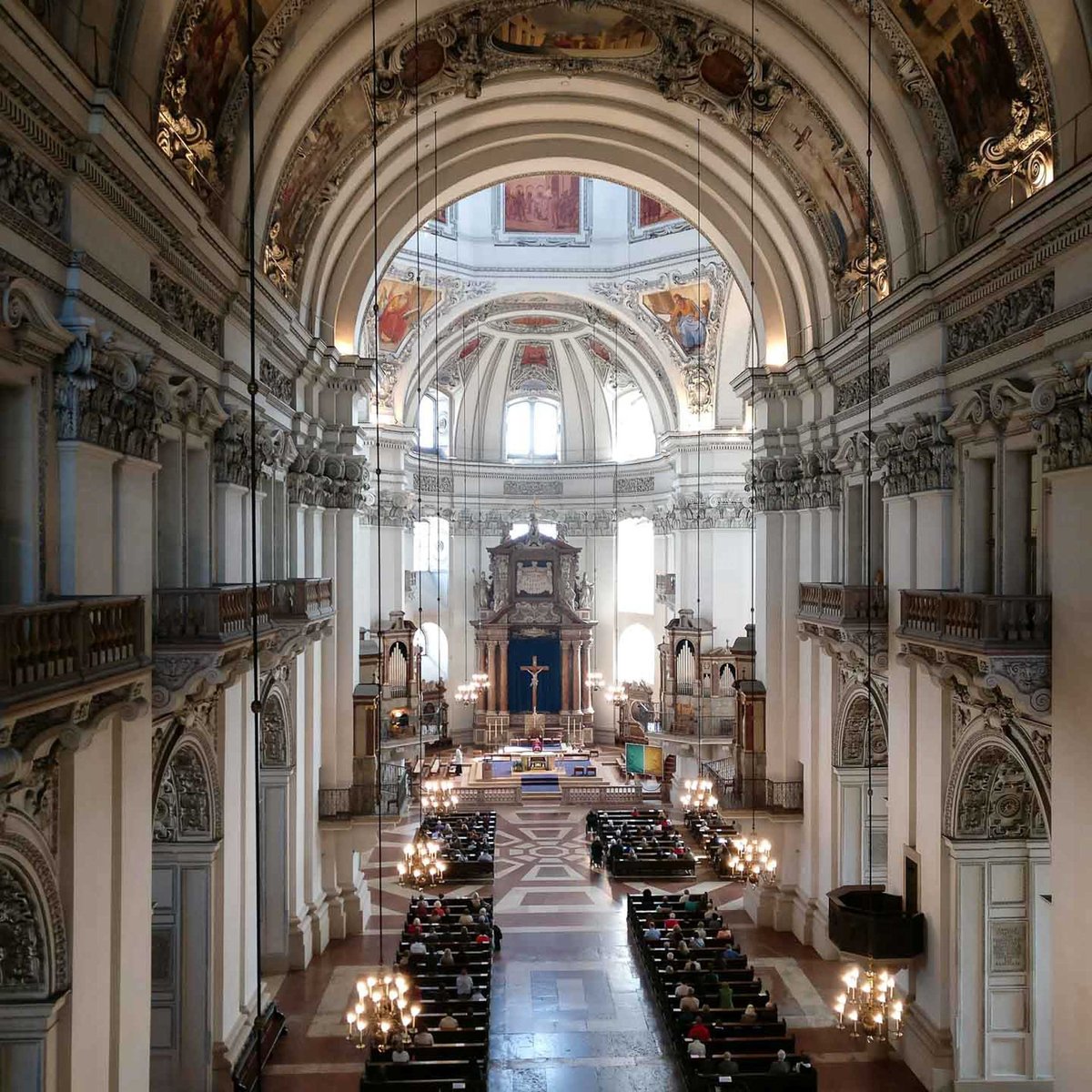
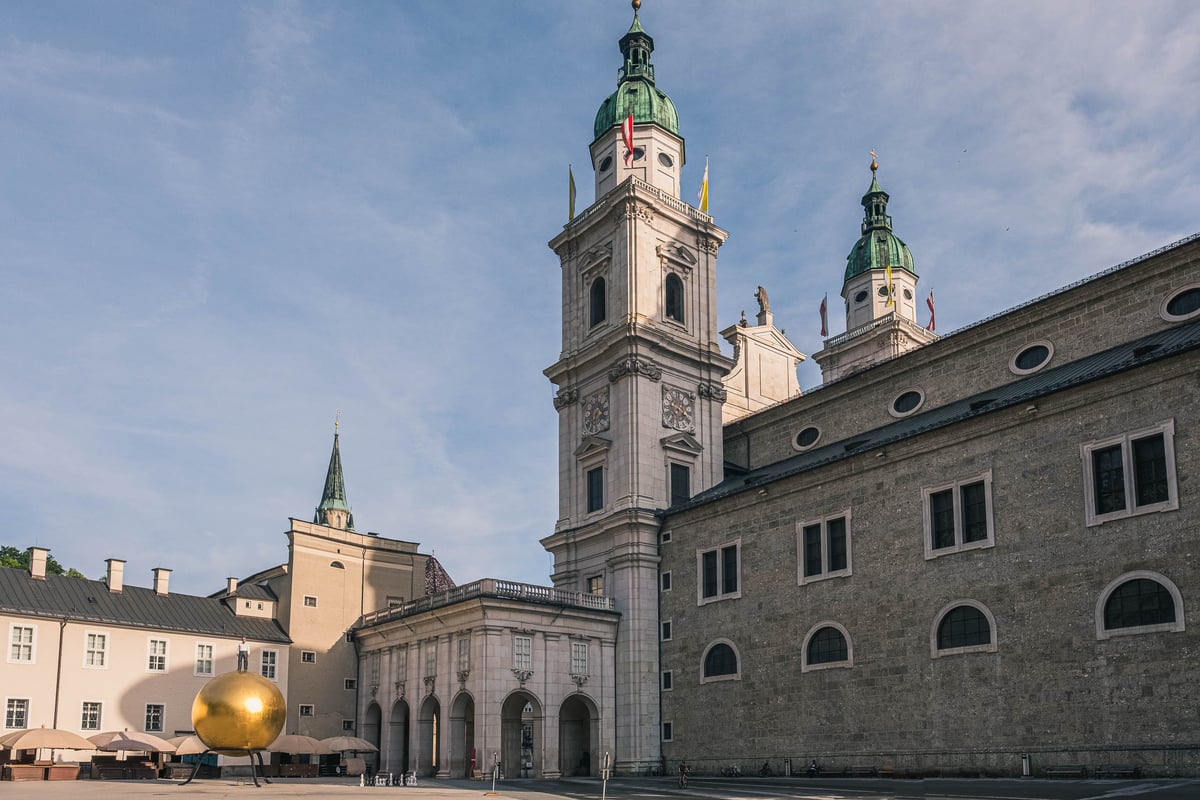
The Baroque rebuilding that gave Salzburg its character was largely the work of five successive prince-archbishops between roughly 1587 and 1700. Wolf Dietrich von Raitenau, who became archbishop in 1587, had been educated in Rome and wanted his city to look like one. After a fire destroyed the old medieval cathedral in 1598, he commissioned the Venetian architect Vincenzo Scamozzi to design a new one and ordered the demolition of dozens of medieval buildings around it to create the open piazzas that now define the city centre. His successor Markus Sittikus brought in the Swiss-Italian architect Santino Solari, who completed the Salzburg Cathedral in 1628 and designed the water-garden palace at Hellbrunn Palace. The archbishops who followed continued the programme through the end of the 17th century. All of it was paid for by salt revenue from Hallein.

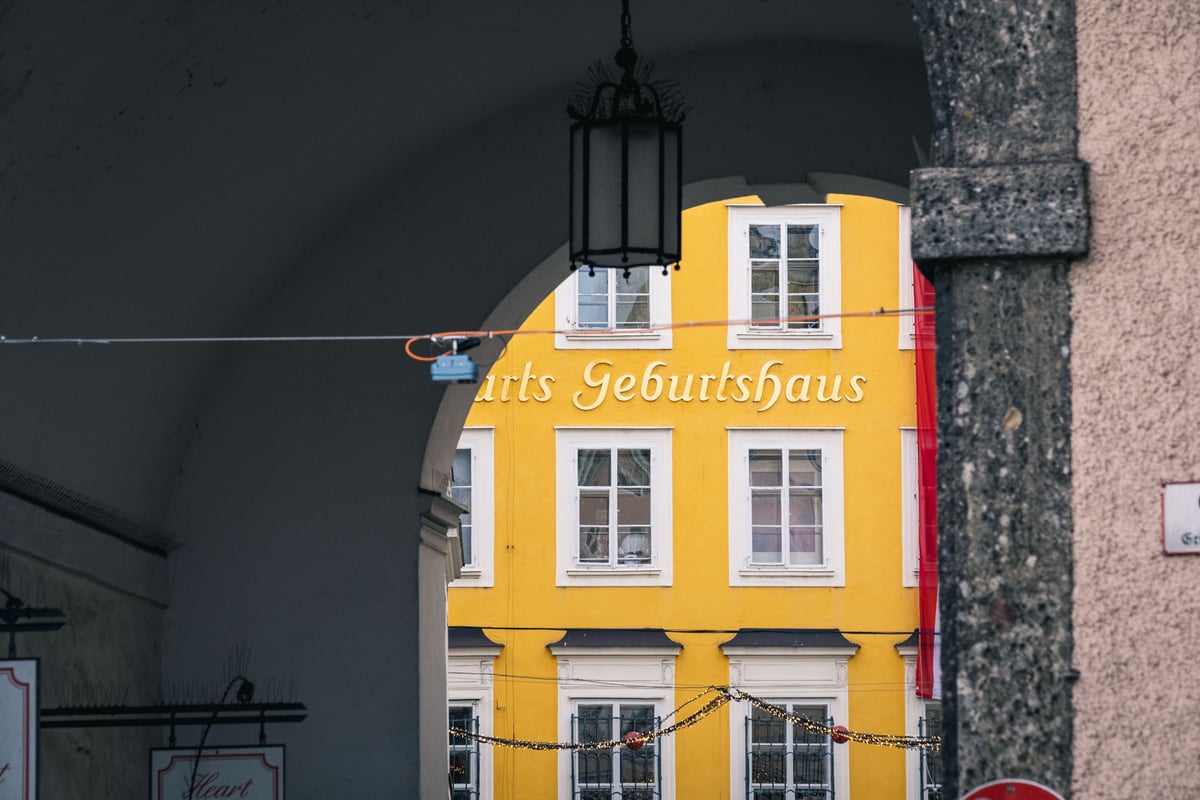
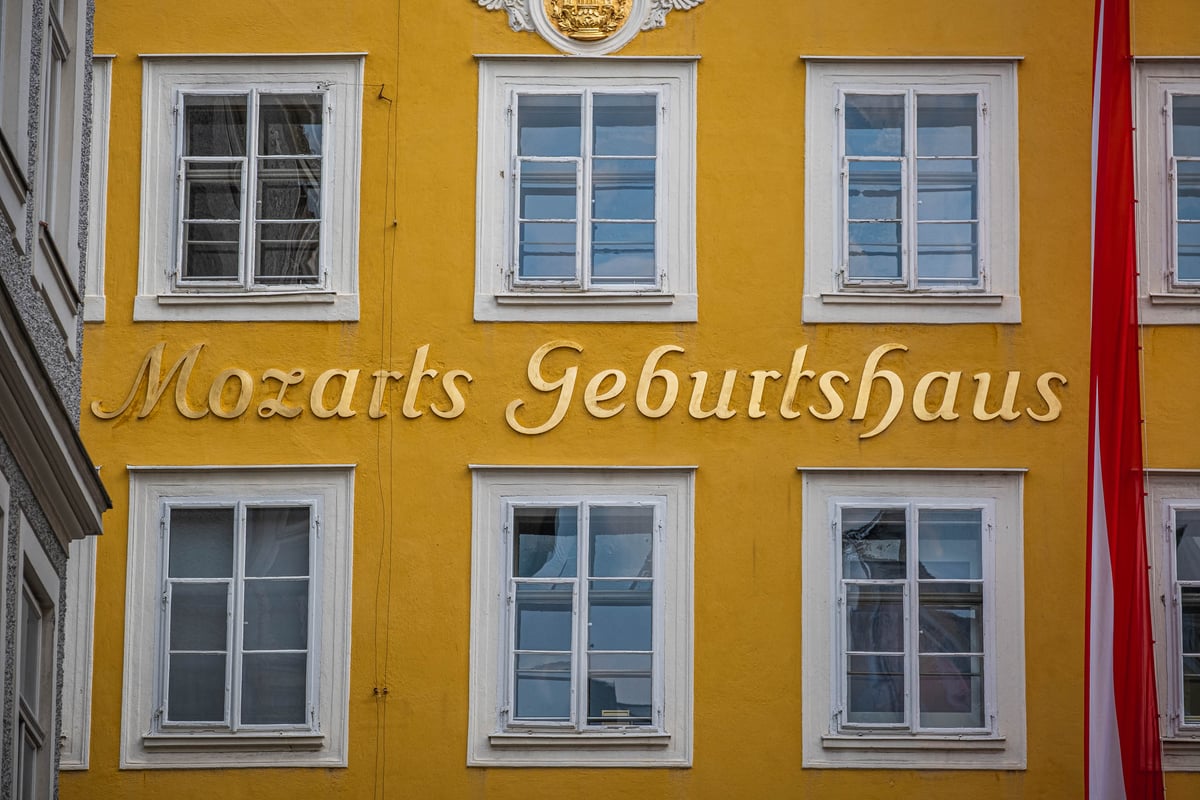
Wolfgang Amadeus Mozart was born at Getreidegasse 9 on 27 January 1756. His father Leopold was a court musician for the Archbishop, and Wolfgang grew up in a city that employed his family but never fully appreciated him. He left for Vienna in 1781 after a final confrontation with Archbishop Colloredo, and his letters from Vienna describe Salzburg with undisguised relief at having escaped. The enormous tourist apparatus built around his name, the birthplace museum, the Mozarteum, the Mozartwoche, the Mozartkugeln in their foil wrappers, came into being after his death and accelerated through the 19th and 20th centuries. The tension between Mozart’s actual relationship with the city and the city’s commercial relationship with his name is one of the more candid things Salzburg can offer a curious visitor.

The Salzburg Festival was founded in 1920 by the playwright Hugo von Hofmannsthal, the composer Richard Strauss, the theatre director Max Reinhardt, the designer Alfred Roller, and the conductor Franz Schalk. The first production, Hofmannsthal’s morality play Jedermann, was performed on the steps of the Salzburg Cathedral, where it has been staged almost every year since. The festival was conceived partly as a project of cultural renewal after the dissolution of the Habsburg Empire in 1918, a way of asserting that German-language culture had a future. It ran through the 1930s, paused during the war years, and resumed in 1946. Today it occupies five weeks in July and August, filling the city’s three principal stages, the Grosses Festspielhaus, the Felsenreitschule, and the Haus für Mozart, with opera, drama, and concerts.

In 1997 UNESCO inscribed the Historic Centre of Salzburg as a World Heritage Site. The inscription covers the Altstadt on both banks of the Salzach River, the Mirabell Palace and gardens, and the surrounding topographic frame of Festungsberg, Monchsberg, and Kapuzinerberg. The criteria cited were the city’s illustration of an ecclesiastical city-state of extraordinary completeness, the synthesis of northern and southern European architectural traditions, and the association with Mozart. The core zone is 236 hectares. New construction within or adjacent to the protected area must demonstrate that it does not compromise the historic skyline, which is why Salzburg’s silhouette looks today almost exactly as it does in 18th-century paintings.

Planning

Two days cover the main sites at a reasonable pace. Three days, with one used for a day trip, begins to feel like an actual stay rather than a checklist. Four days is the right length if you intend to see Hallein and its salt mine, take the Salzkammergut lake circuit, or go to Berchtesgaden.

The Altstadt is walkable and compact. Most of what matters, from Hohensalzburg Fortress on Festungsberg to Mirabell Palace on the Neustadt bank, is within 20 minutes on foot. Base yourself in or immediately adjacent to the Altstadt if the budget allows. Neustadt is quieter and slightly cheaper; the Staatsbrucke bridge connects the two banks in a five-minute walk.

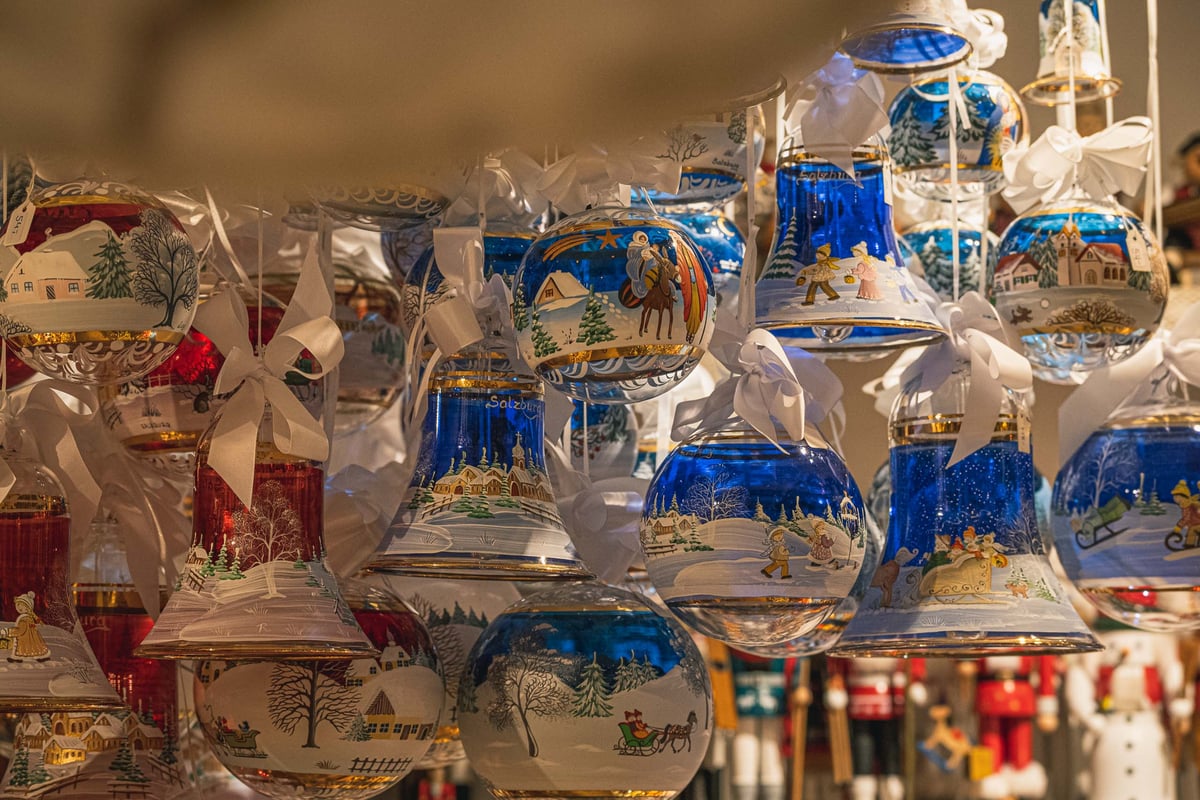
August is the Salzburg Festival month and the city’s most expensive and crowded period. Hotel rates can double. If the festival is not the reason for the visit, May, June, and September offer better prices, shorter queues, and the same city. Winter has its own character: the Christmas markets on Residenzplatz and Domplatz are genuine rather than fabricated, and the Altstadt in snow is one of the better arguments for visiting in the cold.

Day trips from Salzburg form a natural ring. Hallein is 15 minutes south by train and contains the Dürrnberg salt mine that paid for the Baroque city above; it is an honest pairing with any visit to the cathedral or the Residenz. Berchtesgaden is 45 minutes by bus, across the German border, with its own fortress, salt mine, and the Königssee lake. St Gilgen and St Wolfgang on the Wolfgangsee are an hour by regional bus and represent the lake country that gave the Salzkammergut its identity. Hallstatt takes about three hours each way once the bus, the train, the boat and the waiting between them are counted; it demands a full day. The train from Vienna takes 2.5 hours; from Munich, just under 90 minutes.

Start here

The best of Salzburg

My shortlist for a first visit, in order. Authored by hand, not generated from the map.
  • Hohensalzburg Fortress

    Founded 1077

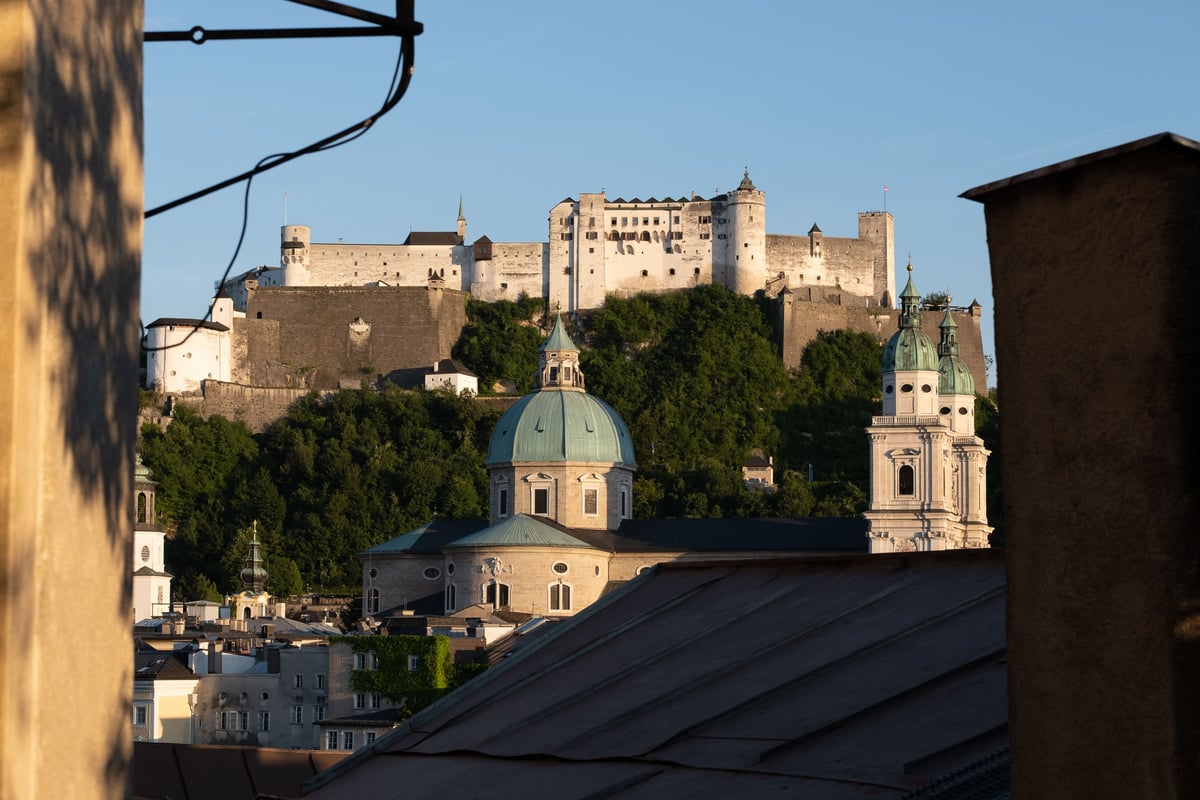
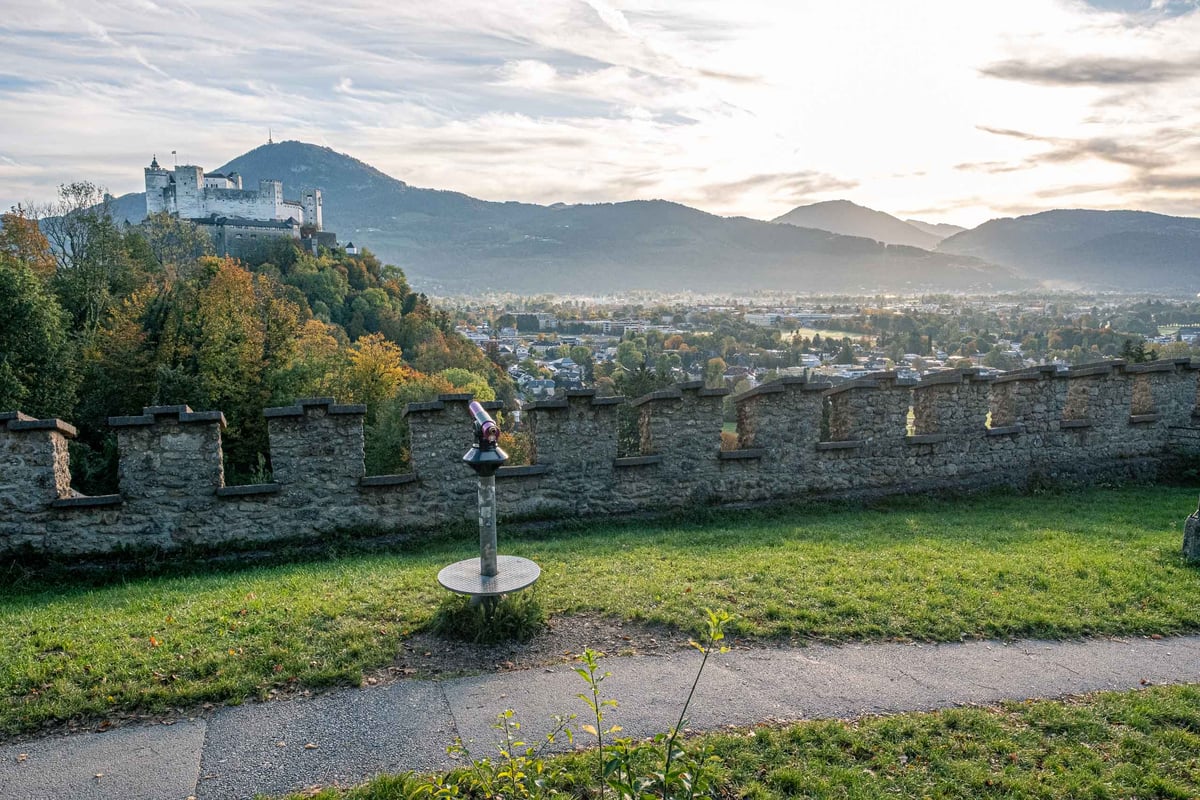
    One of the largest and best-preserved medieval castle fortresses in Europe, perched on Festungsberg hill above Salzburg's Altstadt. Founded in 1077 by Gebhard von Helfenstein, transformed into a princely residence by Leonhard von Keutschach, and never conquered. The defining landmark of Salzburg's skyline.

    Salzburgpaid
  • Salzburg Cathedral

    Consecrated 1628

    The first baroque cathedral built in the German-speaking world, and the dominant church at the heart of Salzburg's Altstadt. Wolfgang Amadeus Mozart was baptised here on 28 January 1756. The site has held a cathedral since 774, when Saint Virgil of Salzburg consecrated the first one.

    Salzburgfree
  • Mozart's Birthplace

    Baroque

    The third floor of Getreidegasse 9 is where Wolfgang Amadeus Mozart was born on 27 January 1756, and where he spent the first seventeen years of his life.

    Salzburgpaid
  • Mirabell Palace

    Built 1606

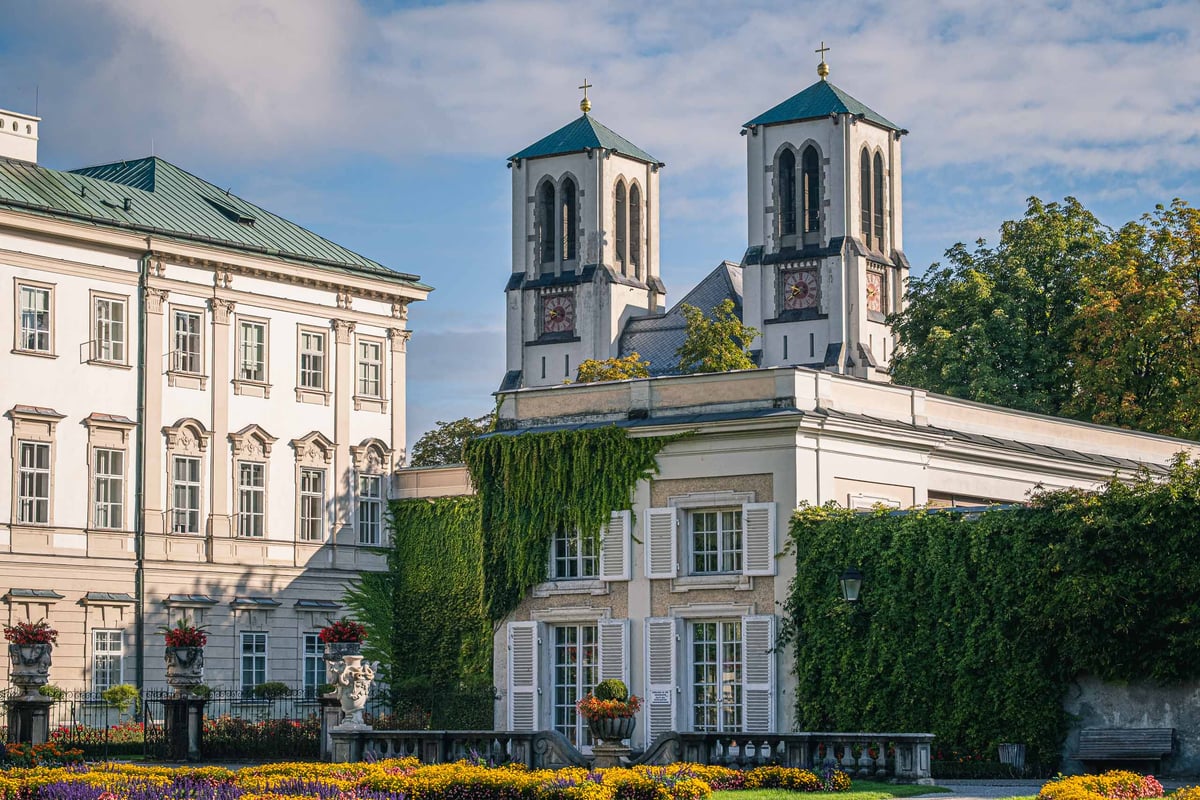
    Built in 1606 by Wolf Dietrich von Raitenau as "Altenau," a palace for his mistress Salome Alt. Renamed "Mirabell" by Markus Sittikus. The current baroque building is largely the work of Johann Lukas von Hildebrandt (1721). Today it serves as Salzburg's city hall. The Marble Hall is one of the finest baroque rooms in Austria.

    Salzburgfree
  • Stift St. Peter (St. Peter's Abbey)

    Founded c. 696 AD

    The oldest continuously existing monastery in the German-speaking world. Founded by Saint Rupert of Salzburg around 696 AD. The church interior is the work of Beda Seeauer (rococo redecoration, 1760-1782). Michael Haydn is buried in the crypt. Altomonte's altar paintings enrich the abbey church. The Stiftskeller St.

    Salzburgfree
  • Hellbrunn Palace

    Built 1613-1619

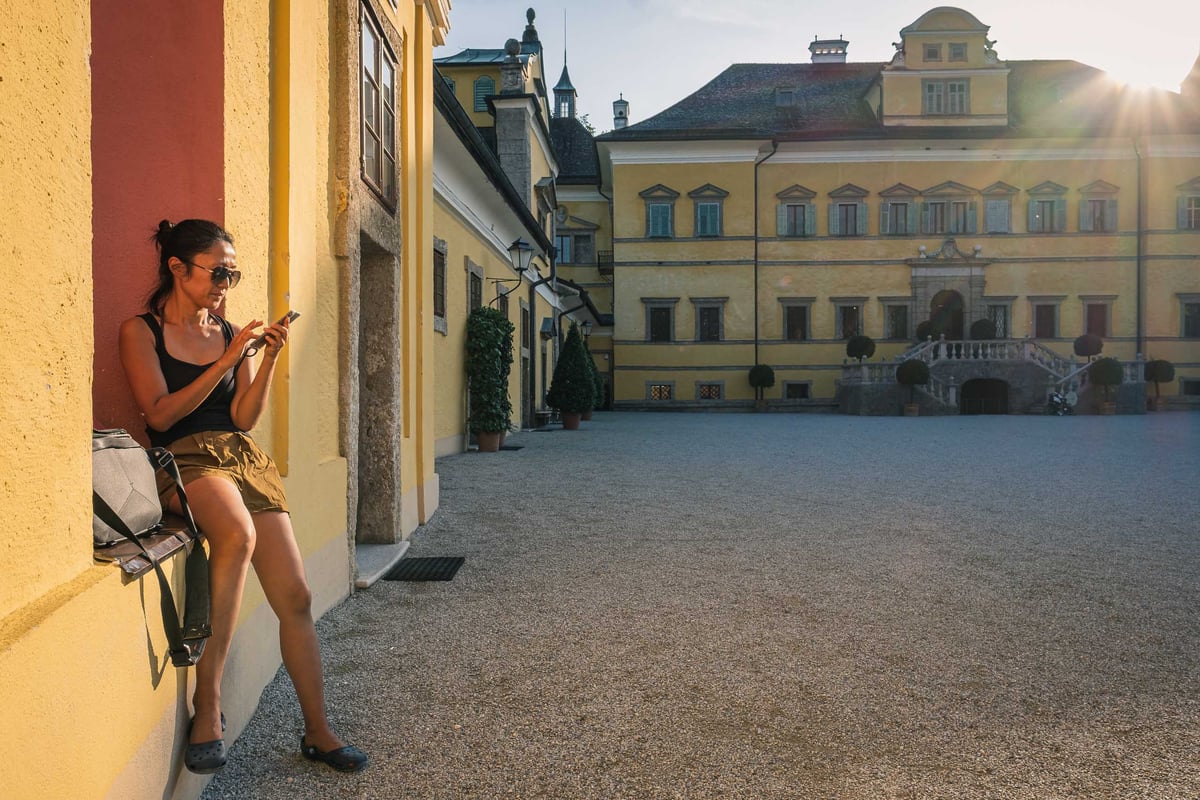
    Summer residence of Markus Sittikus, built by Santino Solari in Italian Renaissance style (1613-1619). The palace itself is elegant and relatively austere; its fame rests on the extraordinary grounds: the Wasserspiele (trick fountains), the Steintheater, the Sound of Music Pavilion, and the zoo.

    Hellbrunnpaid
  • Mönchsberg

    The prominent cliff-faced hill on the western edge of the Altstadt, rising directly above the city. Topped by the Museum der Moderne Monchsberg and criss-crossed with walking paths. The cliff face forms the backdrop of Stift St. Peter, the Felsenreitschule, and the Grosses Festspielhaus.

    Salzburgfree
  • Free Walking Tour Salzburg

    1.5 - 2 hours

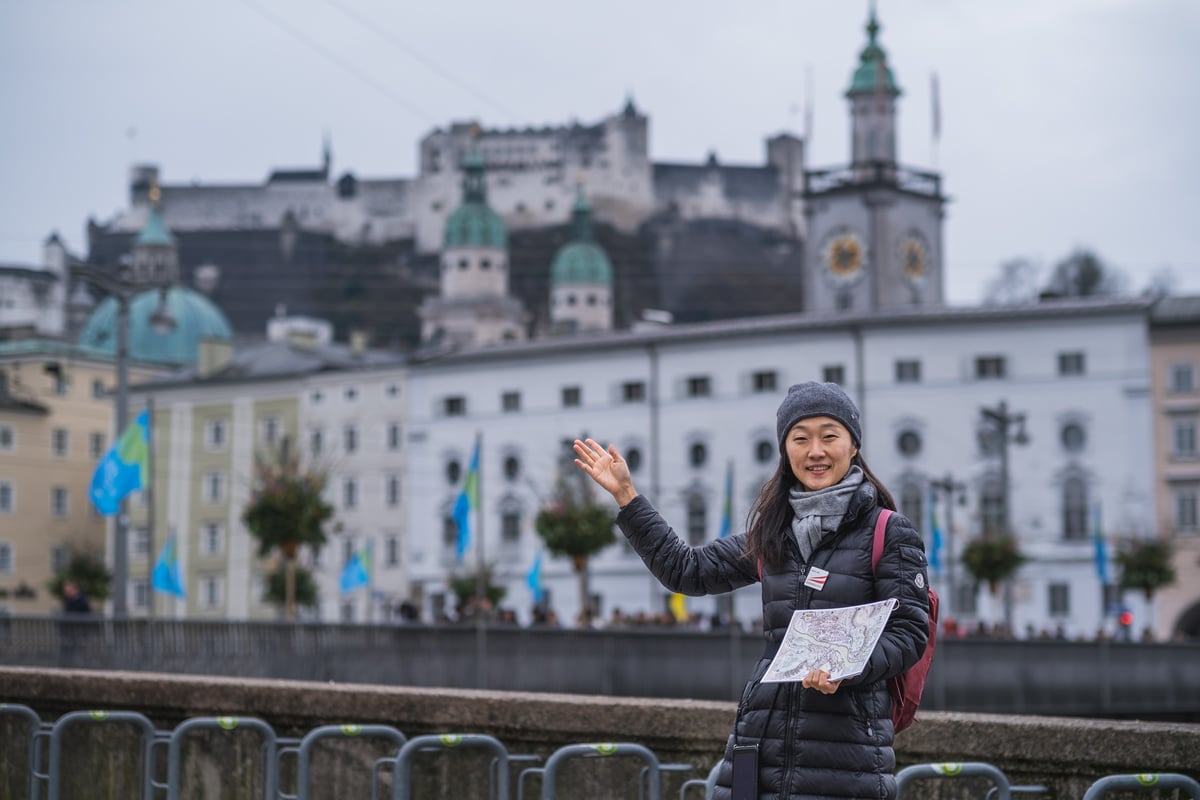
    Daily guided walking tour of Salzburg's Altstadt. Tip-based, no fixed price: join free, pay what you think it was worth. Meets at the Spirit of Mozart and covers the essential old town from Mirabell to Mozartplatz in about ninety minutes. Run by Free Walking Tour Salzburg, Gerhard Reus's own brand.

    Salzburg10 stops

Go deeper

Destinations within Salzburg

One level down the canonical map. Every card is a direct child of this destination.
  • Sound of Music World green lettering signage above entrance door on building facade in Salzburg
    district

    Upmarket residential district on the southern edge, bordering the Untersberg. Home to Villa Trapp, the actual historical residence of the Trapp family.

    Aigen

    3 km from Salzburg | 2 places

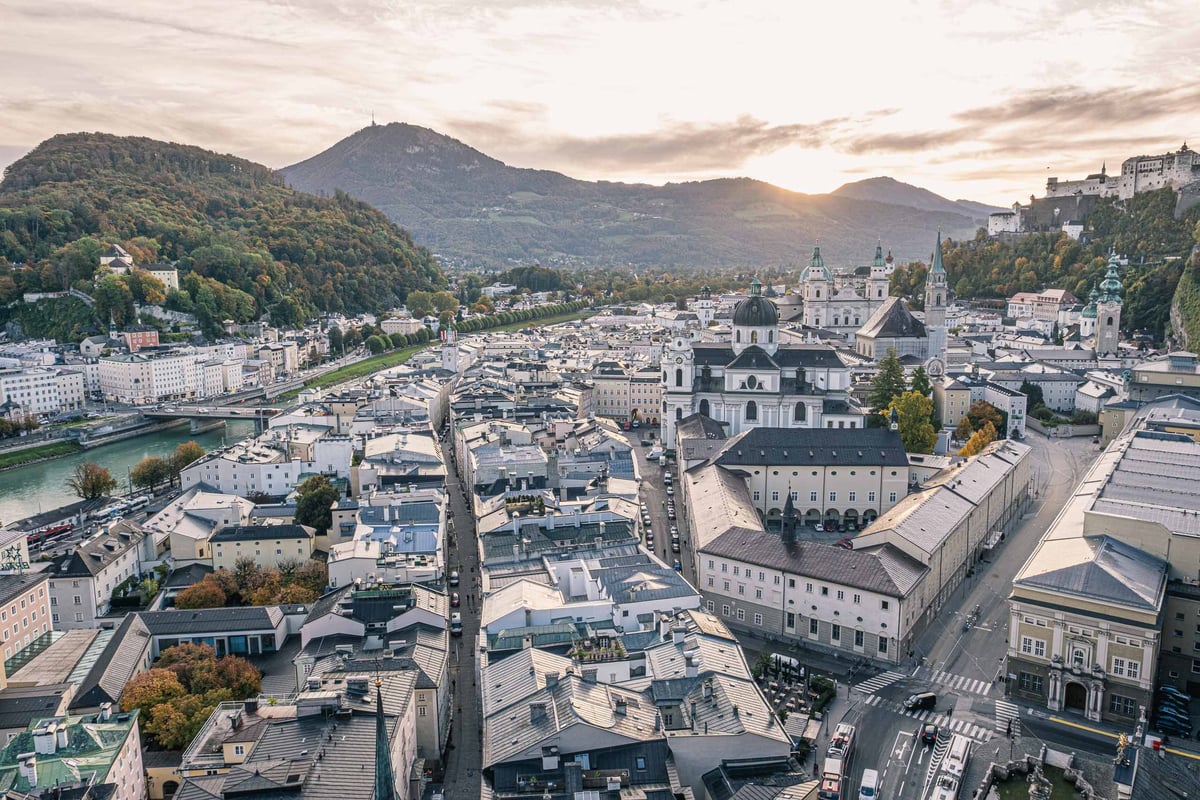
  • Aerial view of Salzburg old town at sunrise with Kollegienkirche dome and Hohensalzburg Fortress on the right.
    district

    The historic core on the left bank. UNESCO World Heritage since 1996. Contains the overwhelming majority of Salzburg's major landmarks. Largely pedestrianised, compact enough to explore on foot.

    Altstadt

    0 km from Salzburg

  • district

    The district around Salzburg Hauptbahnhof, on the right bank north of the Neustadt. Named after Empress Elisabeth. This is where almost every visitor arriving by train first sets foot in Salzburg, and almost none of them stop to look at it.

    Elisabeth-Vorstadt

    2 km from Salzburg | 1 place

  • district

    Southern residential district. Relatively quiet and suburban.

    Gneis

    2 km from Salzburg

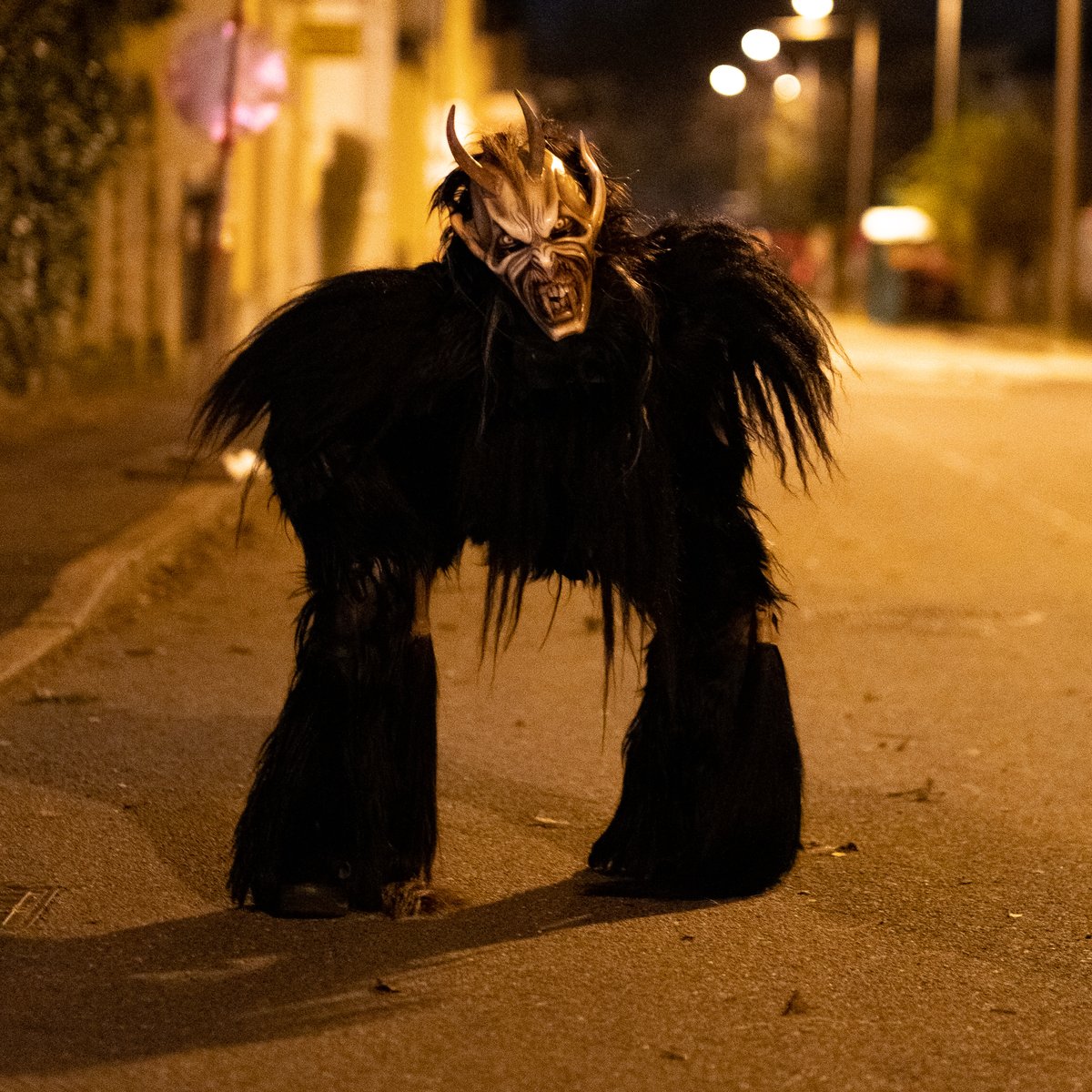
  • A single Krampus in black fur with a pale carved mask and swept back horns stands alone in the middle of an empty village street washed orange by sodium lamps.
    district

    Residential district in the northeast of Salzburg city, incorporated in 1935. Home to the Rococo St. Michael's Church and several surviving historic mills along the Alterbach.

    Gnigl

    3 km from Salzburg

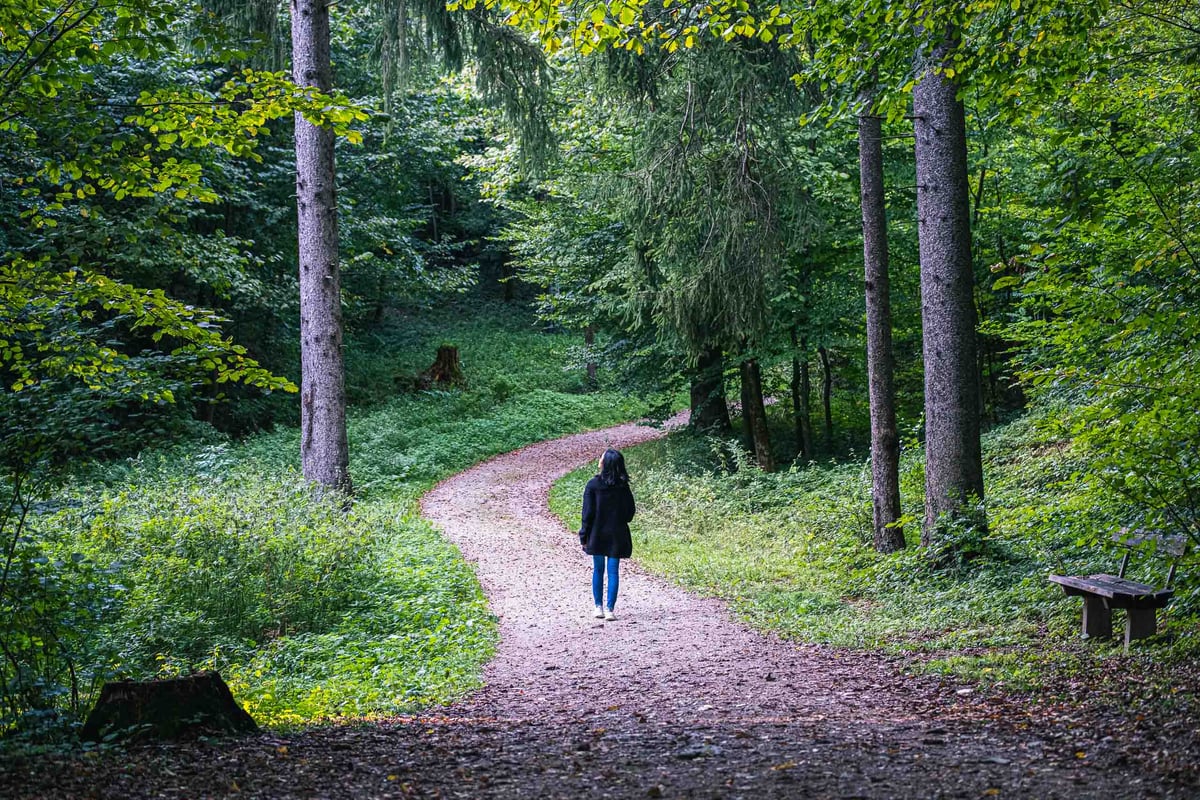
  • Hiker on a shaded forest path on Hellbrunn hill in Salzburg
    district

    Southern fringe of Salzburg city. Dominated by Hellbrunn Palace, the Trick Fountains, Steintheater, Salzburg Zoo, and the Sound of Music Pavilion. Built by Markus Sittikus. Reachable by bicycle along the Salzach in ~20 minutes.
    Hellbrunn

    5 km from Salzburg | 6 places

  • district

    Industrial and residential district on the right bank, north of central Salzburg. Documented since 711 AD. Home to the NVZ Itzling commercial centre and the Maria Plain pilgrimage church.

    Itzling

    3 km from Salzburg

  • district

    Residential district on the right bank to the northwest. Working-class neighbourhood character. Home to the Andrakirche.

    Lehen

    2 km from Salzburg

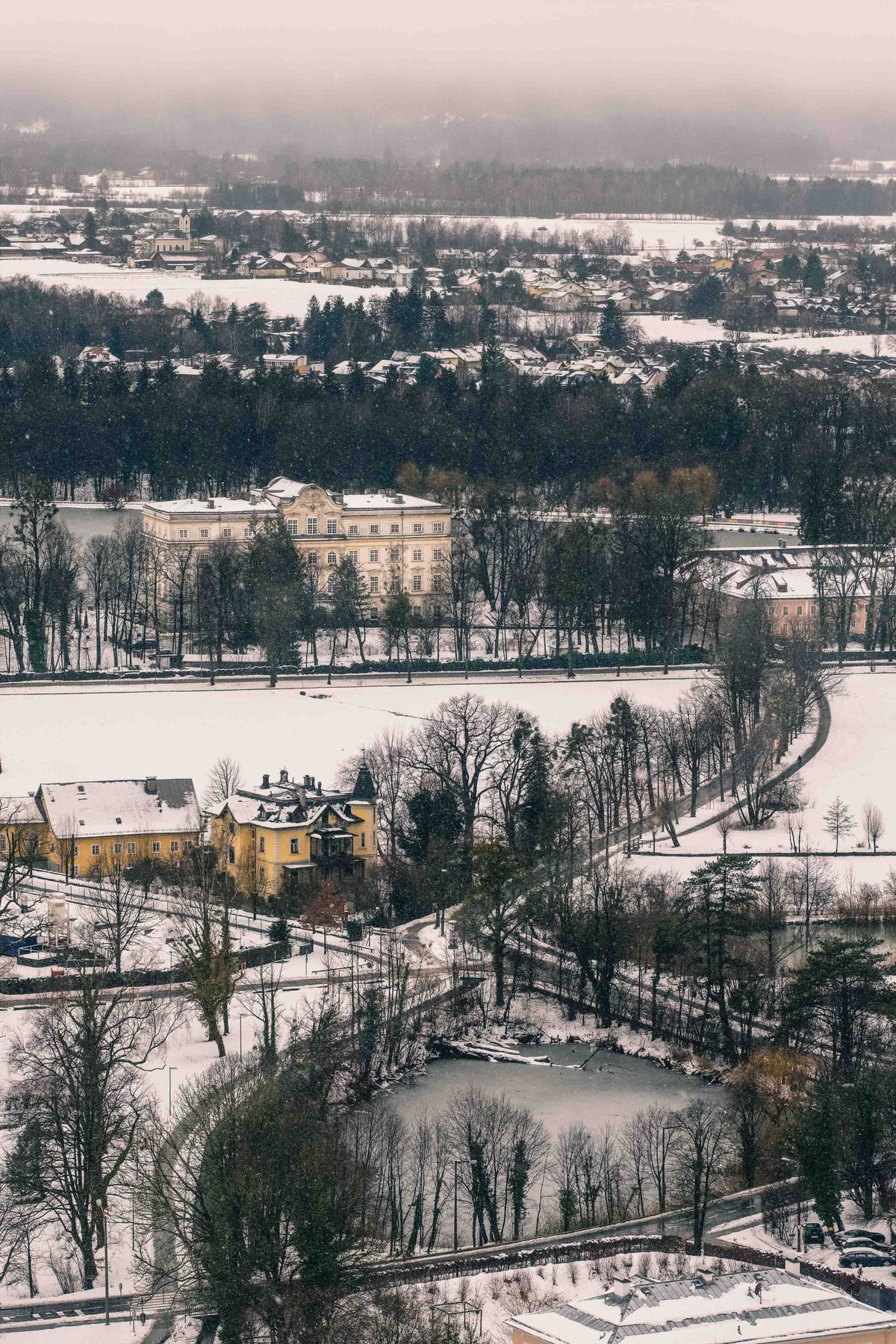
  • Snow covered Schloss Leopoldskron and its grounds seen from Hohensalzburg Fortress in winter.
    district

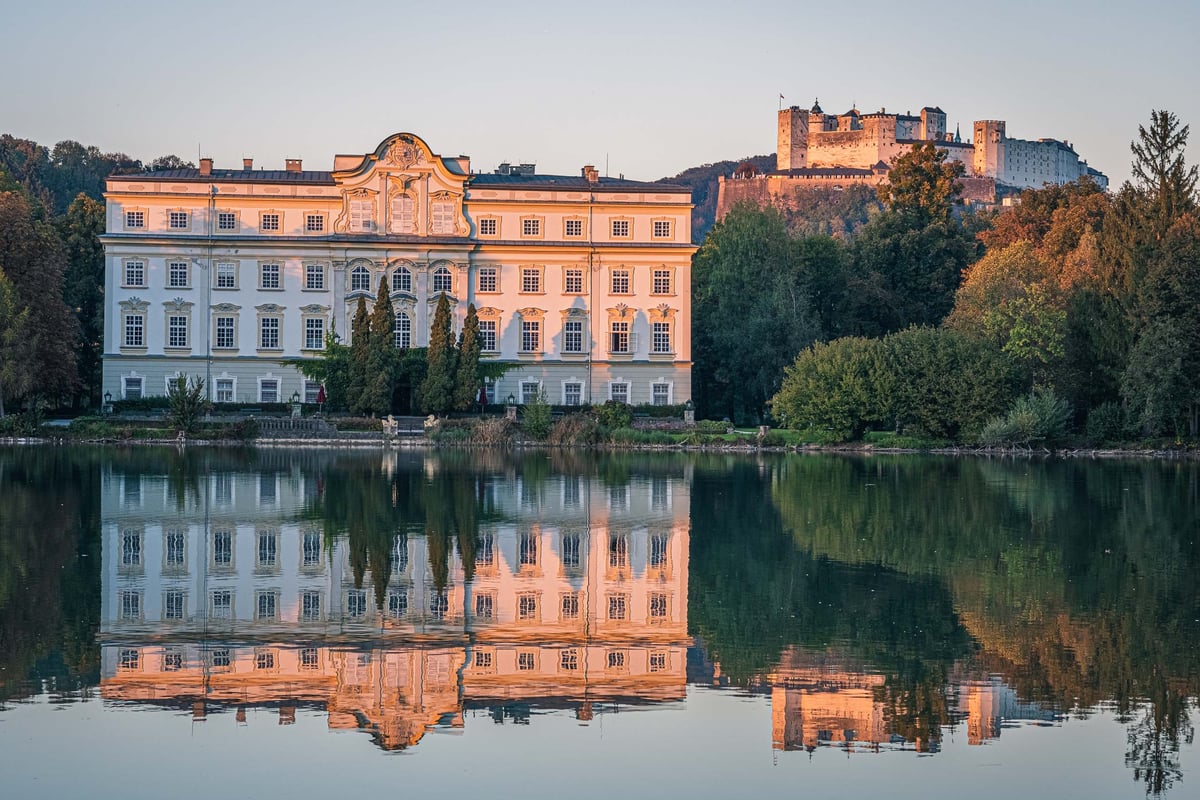
    Southwest district on the shores of Leopoldskroner Weiher. Home to Schloss Leopoldskron, once owned by Max Reinhardt, used as the exterior of the von Trapp family home in The Sound of Music, and now operating as a luxury hotel and conference venue.

    Leopoldskron-Moos

    3 km from Salzburg | 1 place

  • district

    Northwestern district. Largely residential.

    Liefering

    4 km from Salzburg

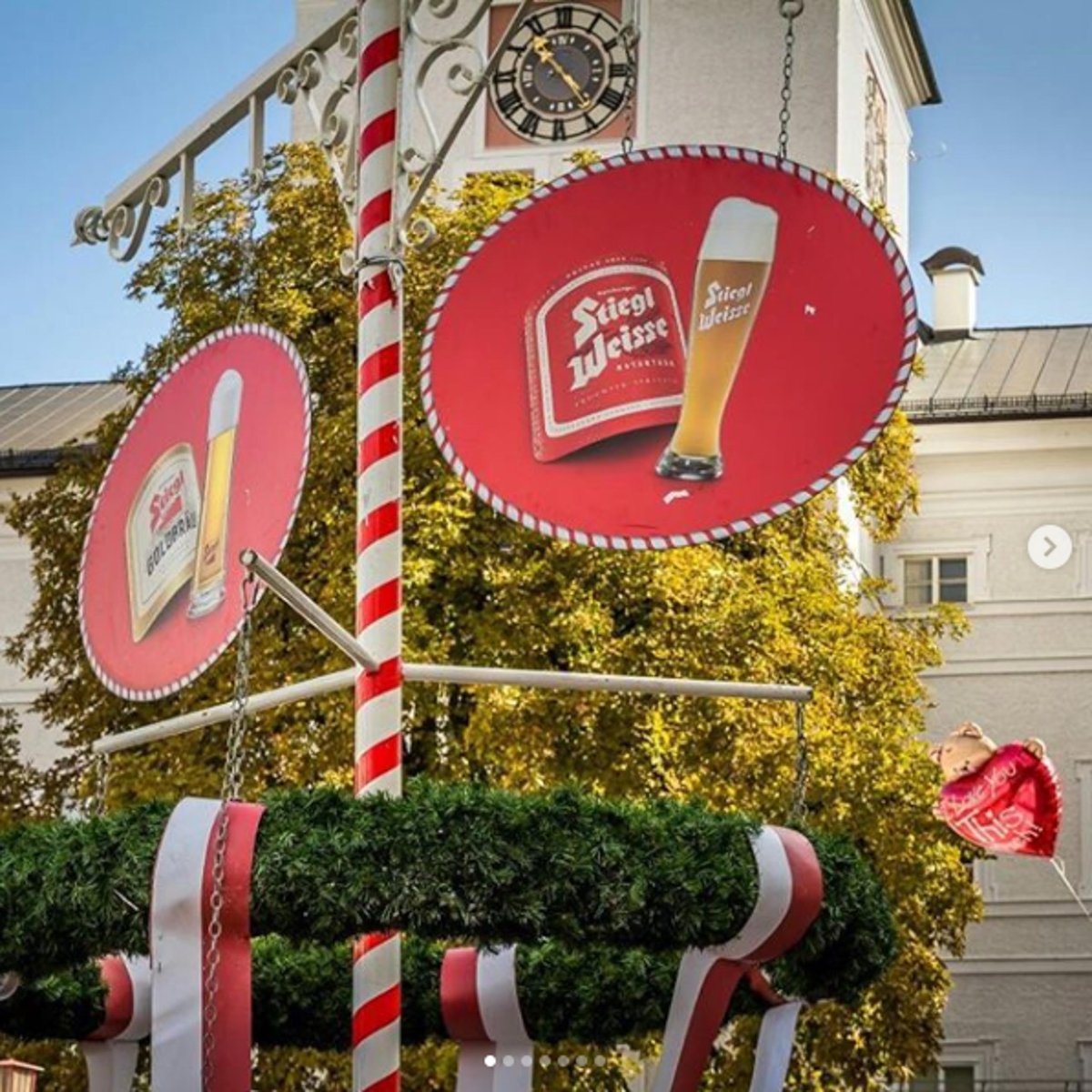
  • Stiegl beer brand advertising at the Stiegl Brauwelt brewery experience in Salzburg
    district

    Western district of Salzburg, adjacent to Salzburg Airport. Home to Hangar 7, Stiegl Brauwelt, and the Holzmeister-designed Markuskirche. Incorporated into Salzburg in 1935. Former home of writer Hermann Bahr.

    Maxglan

    2 km from Salzburg

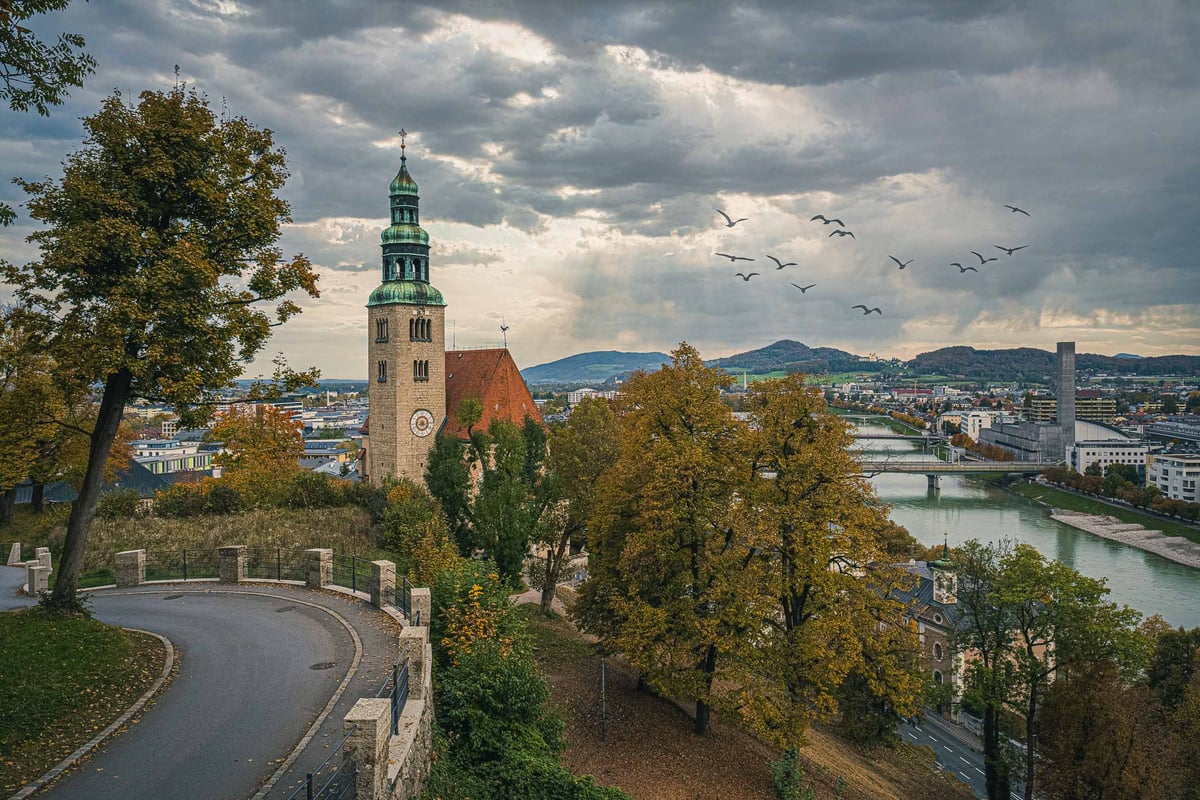
  • Flock of birds flies past Muelln Church tower above Salzach River with autumn trees in Salzburg.
    district

    Neighbourhood northwest of the Altstadt. Home to the Augustiner Bräustübl and Müllner Kirche. Quieter, residential. Transitions from historic centre toward the modern city.

    Mülln

    1 km from Salzburg

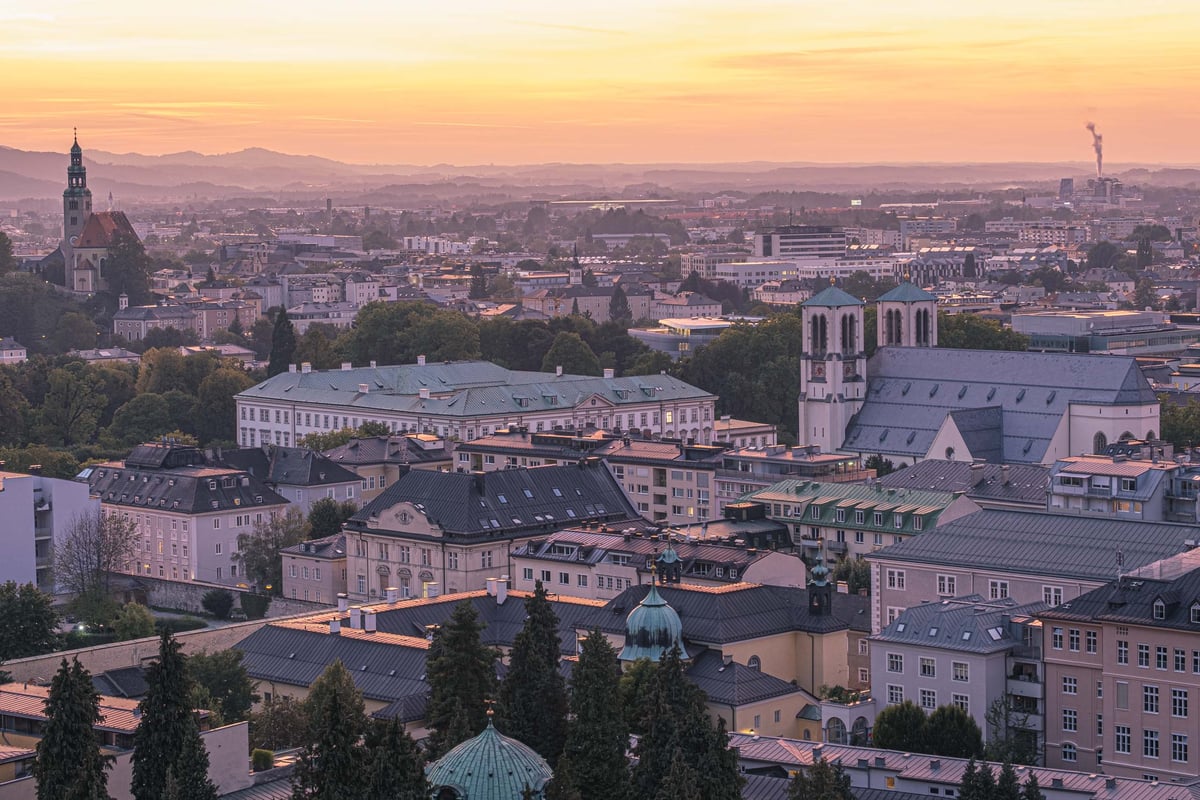
  • Salzburg Neustadt panorama with Mulln Church and Andrakirche at sunset from Kapuzinerberg
    district

    The right (east) bank. Mirabell Palace, Mirabell Gardens, Mozarts Residence, Linzer Gasse, Schwarzstraße cultural cluster. Less dramatically medieval than the Altstadt but full of life.

    Neustadt

    1 km from Salzburg

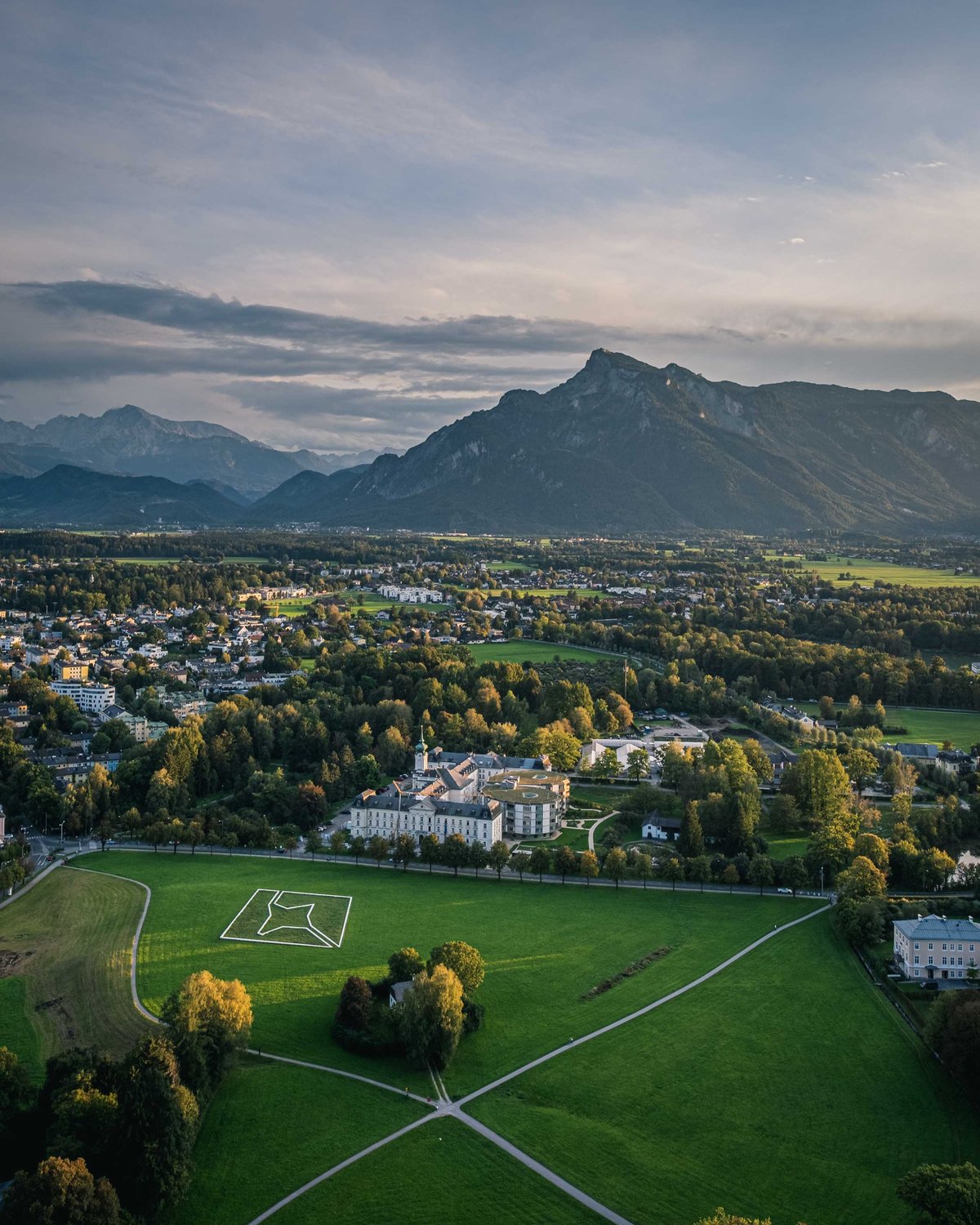
  • Aerial view of palace and open fields in the Salzburg-Nonntal area below the Untersberg massif near Salzburg
    district

    Valley district beneath Nonnberg Abbey on the southern edge of the Altstadt. Residential and quiet, with two Sound of Music filming locations. Home to Schloss Frohnburg and two baroque churches. Founded in the eighth century around Saint Erentrudis and the abbey she established on the hill above.

    Nonntal

    1 km from Salzburg | 1 place

  • district

    Eastern residential district at the foot of the Gaisberg.

    Parsch

    2 km from Salzburg

  • district

    Residential and commercial district on the right bank, north of the Neustadt. Home to the Hauptbahnhof area. Less touristy.

    Schallmoos

    1 km from Salzburg

  • district

    Historic right-bank district along the Salzach, at the foot of the Kapuzinerberg. Home to the atmospheric Steingasse and the Capuchin Monastery above.

    Steinviertel

    0 km from Salzburg

Things to do

Experiences in Salzburg

Tours, concerts, markets and walks based in Salzburg. All of them, not a selection.
  • Berchtesgaden & Eagles Nest Tour

    Full-day excursion to Berchtesgaden and Eagle's Nest (May-Oct). ~45 min to Berchtesgaden. Dokumentationszentrum Obersalzberg for WWII context. Salt mine as wet-weather/winter alternative. Panorama Tours Salzburg and Bobs Special Tours.

    Salzburg3 stops
  • Christkindlmarkt Salzburg

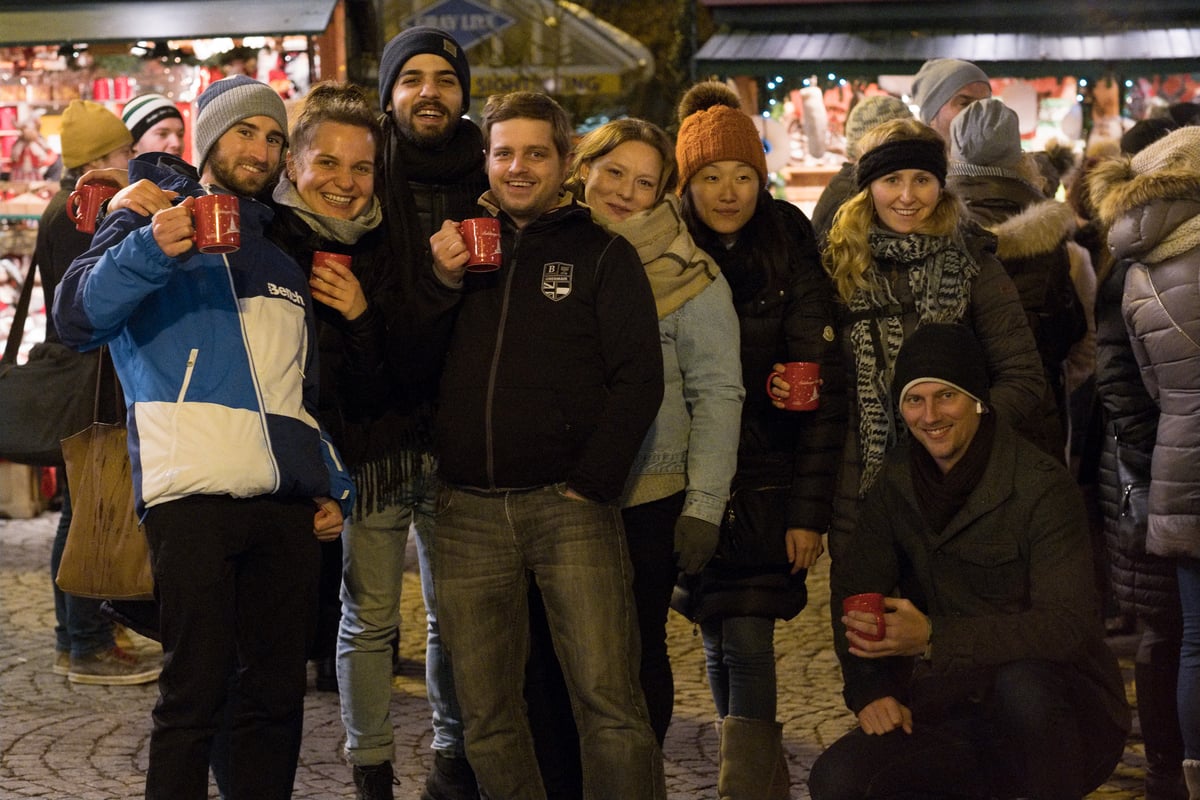
    One of Austria's most atmospheric Christmas markets. Late November to 24 December. Main market on Domplatz, additional on Residenzplatz and Mirabellplatz. Baroque facades, fortress on the hill, Glühwein. One of the most visited Christmas Market destinations in the German-speaking world.

    Salzburg3 stops
  • Festungskonzerte

    Chamber music in the candlelit Prince's Chamber of Hohensalzburg Fortress. Mozart, Haydn, and contemporaries. Year-round, near-nightly in summer. 900-year-old fortress room by candlelight. No concert hall can replicate it.

    Salzburg1 stop
  • Fiaker Salzburg

    Horse-drawn carriage rides through the Altstadt from Residenzplatz. Traditional tourist experience. Genuinely atmospheric. Animal welfare controversy noted honestly: visitors should make their own judgement.

    Salzburg2 stops
  • Free Walking Tour Salzburg

    1.5 - 2 hours

    Daily guided walking tour of Salzburg's Altstadt. Tip-based, no fixed price: join free, pay what you think it was worth. Meets at the Spirit of Mozart and covers the essential old town from Mirabell to Mozartplatz in about ninety minutes. Run by Free Walking Tour Salzburg, Gerhard Reus's own brand.
    Salzburg10 stops
  • Hallstatt Tour from Salzburg

    Guided excursion to Hallstatt. ~90 minutes each way. ~3 hours in the village. Hallstatt Skywalk, Hallstatt Museum, salt mine optional. Year-round. Panorama Tours Salzburg and Bobs Special Tours. Morning departures preferable in summer.

    Salzburg3 stops
  • Hellbrunn Advent Market

    The Hellbrunn Advent Market sets up inside the Baroque grounds of Hellbrunn Palace each December, turning the trick-fountain gardens and arcaded courtyards into something the city-center markets simply cannot offer: 700 lit conifers, a palace facade that becomes a giant Advent calendar window by window, and a Krampus run that draws locals who have seen it

    Salzburg2 stops
  • Hellbrunner Allee Cycle

    The Hellbrunner Allee is the world's oldest preserved Baroque avenue, a 4 km corridor of mature chestnuts and oaks planted by Prince-Archbishop Markus Sittikus between 1613 and 1615 to connect the Residenz with his summer palace at Hellbrunn Palace. Cycling it is flat, car-free, and unrushed.

    Salzburg3 stops
  • Jazz & the City

    Annual October jazz festival. Vast majority of performances free. Baroque squares become jazz stages. Four days. More local and intimate than the classical Festival. One of the most accessible events in the Salzburg calendar.

    Salzburg3 stops
  • Jedermann

    Hugo von Hofmannsthal's morality play, performed on Domplatz almost every summer since 1920. The longest continuously running open-air theatrical tradition in the German-speaking world. When Death calls from offstage, his voice echoes from the rooftops and towers. The Cathedral facade as backdrop, the square as auditorium, the city as stage.

    Salzburg1 stop
  • Kapuzinerberg Circuit

    Self-guided circuit of Salzburg's right-bank hill. Linzer Gasse trailhead through woodland to viewpoints, monastery, and Franziskischlossl beer garden. 2 hours with stops. Quieter and more local than the Mönchsberg.

    Salzburg7 stops
  • Maria's Bicycle Tour

    Maria's Bicycle Tour runs daily from April to October, starting at Mirabellplatz 4 at 9:30 am and covering the Sound of Music filming locations by bike over 3.5 hours. The route takes in Mirabell Gardens, Nonnberg Abbey, Schloss Frohnburg, Leopoldskron, and the Hellbrunner Allee to Hellbrunn Palace. Almost entirely flat, suitable for all ages.

    Salzburg3 stops
  • Mirabell Christmas Market

    The Mirabell Christmas Market sets up on Mirabellplatz in front of Mirabell Palace from late November to January 1, running daily with extended hours on weekends. It is one of several Salzburg Christmas markets, smaller and calmer than the Domplatz market across the river. The Lions Club Salzburg Mirabell runs it with proceeds going to local charities.

    Salzburg2 stops
  • Mönchsberg Ridge Walk

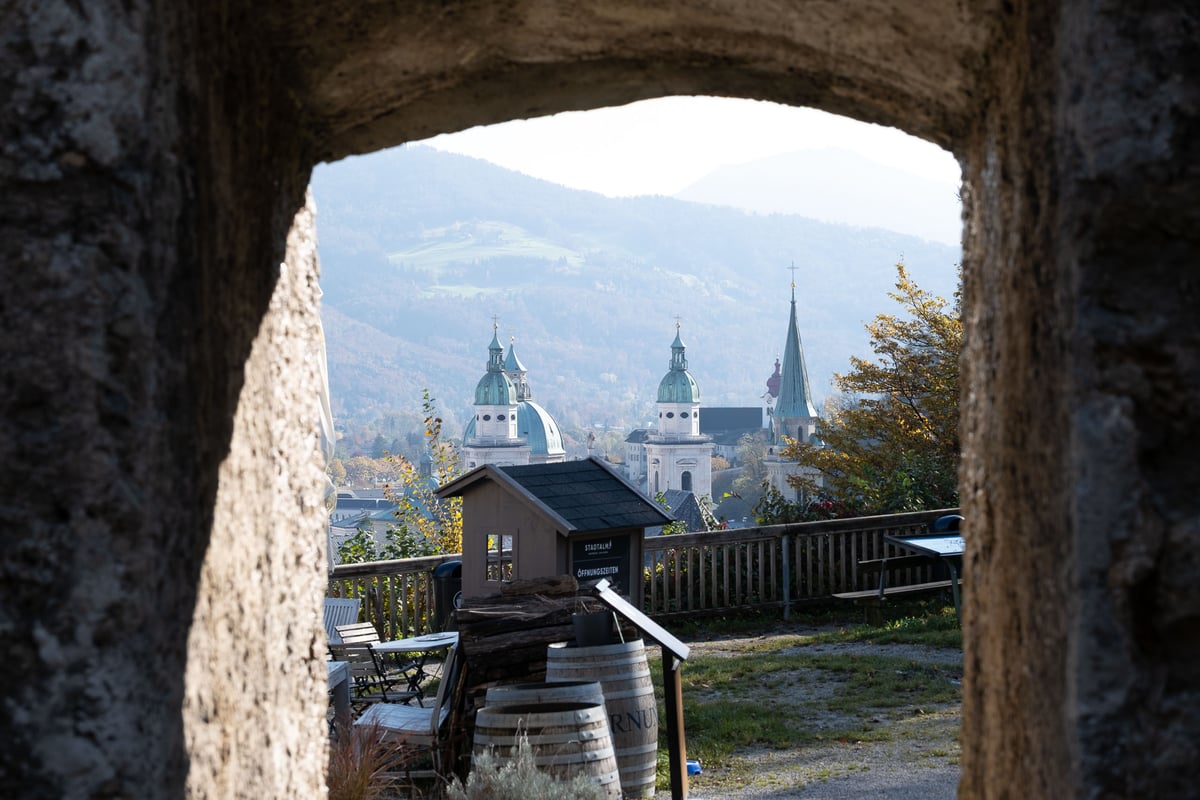
    The definitive self-guided walk in Salzburg. Ridge-top traverse of the Mönchsberg from north to south, passing the Museum der Moderne, Stadtalm, Humboldtterrasse, Richterhöhe, ending at Hohensalzburg Fortress. 1.5-2 hours. Free. The single most rewarding thing a visitor can do.

    Salzburg8 stops
  • Mozart Dinner Concert

    The Mozart Dinner Concert takes place in the Baroque Hall of Stiftskeller St Peter, a restaurant operating since 803 AD and the oldest in the world. Three-course dinner, costumed performers, arias from Don Giovanni, Marriage of Figaro, and The Magic Flute, by candlelight.

    Salzburg1 stop
  • Mozartwoche

    One of the world's great chamber music festivals, entirely Mozart, each January around his birthday (27 January). Organised by the Stiftung Mozarteum. January is low season in Salzburg: a genuine insider reason to visit outside the crowds.

    Salzburg3 stops
  • Private Walking Tour Salzburg

    2 h

    A private guided walking tour of Salzburg's Altstadt. All the essential sights in about two hours, with the pace, emphasis, and questions shaped to your group. Meets at the entrance to Schloss Mirabell. Run by Free Walking Tour Salzburg, Gerhard Reus's own brand.

    Salzburg10 stops
  • Rupertikirtag

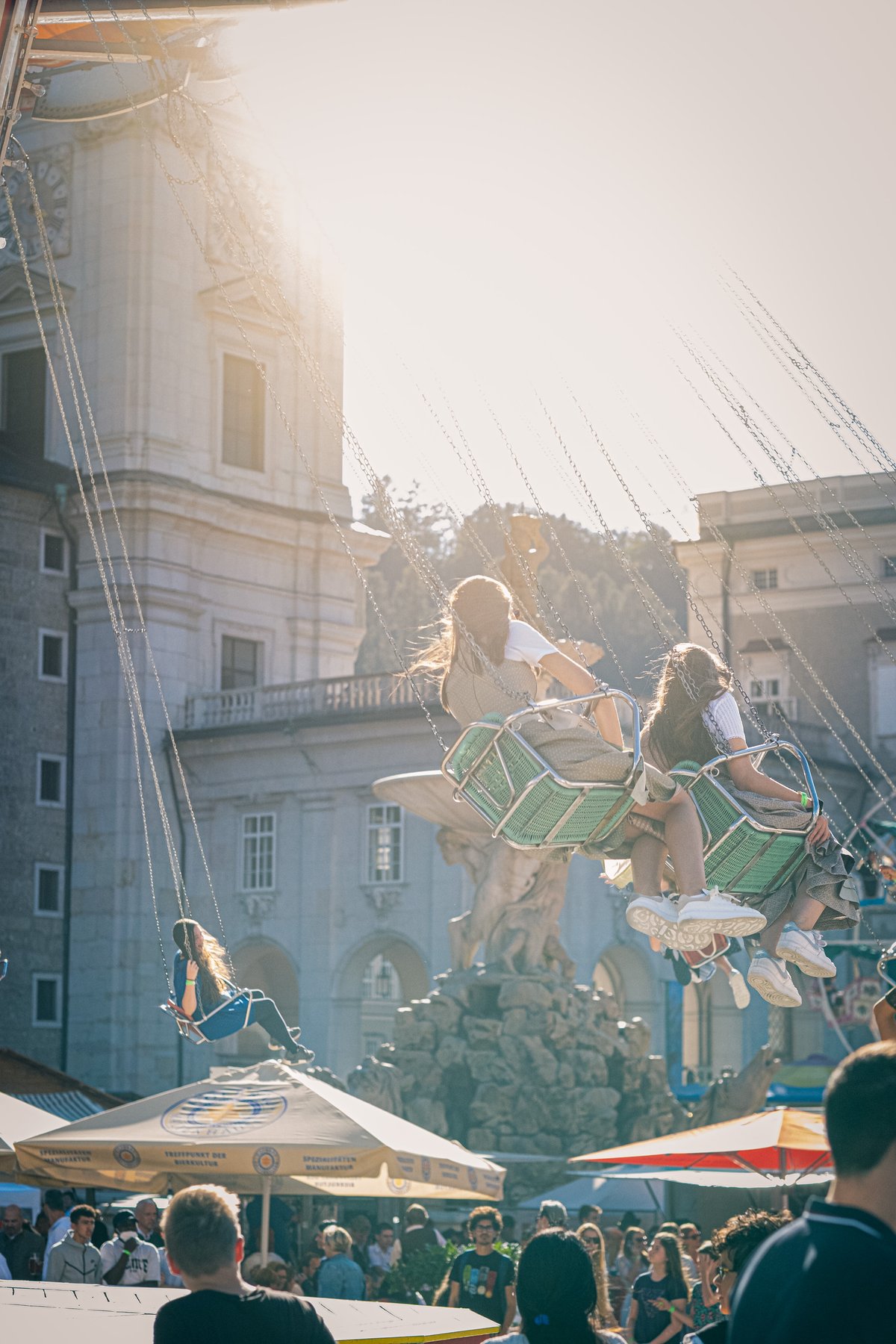
    Salzburg's oldest folk festival. Late September around St. Rupert's feast day (24 September). Residenzplatz and Altstadt fill with fairground stalls, traditional food, local beer. Belongs primarily to residents, not tourists.

    Salzburg2 stops
  • Salt Mine Tour from Salzburg

    Salt mining is the foundation of Salzburg's existence. Tours focus on Salzbergwerk Berchtesgaden (most accessible), Salzwelten Hallein (Austrian, Celtic history), Salzwelten Hallstatt (oldest, Bronze Age), Salzwelten Altaussee (WWII art-looting story). Wooden slides, underground salt lakes, raft crossings. Half-day addition to broader excursions.

    Salzburg4 stops
  • Salzach Cycle Path to Hallein

    A flat 15 km cycling route south from Salzburg along the Salzach to Hallein, Gerhard's hometown. The path follows the river embankment through open countryside with the Untersberg massif constant to the west. A natural rest stop at Rif, where the Königsseeache joins the Salzach.

    Salzburg2 stops
  • Salzburg Card

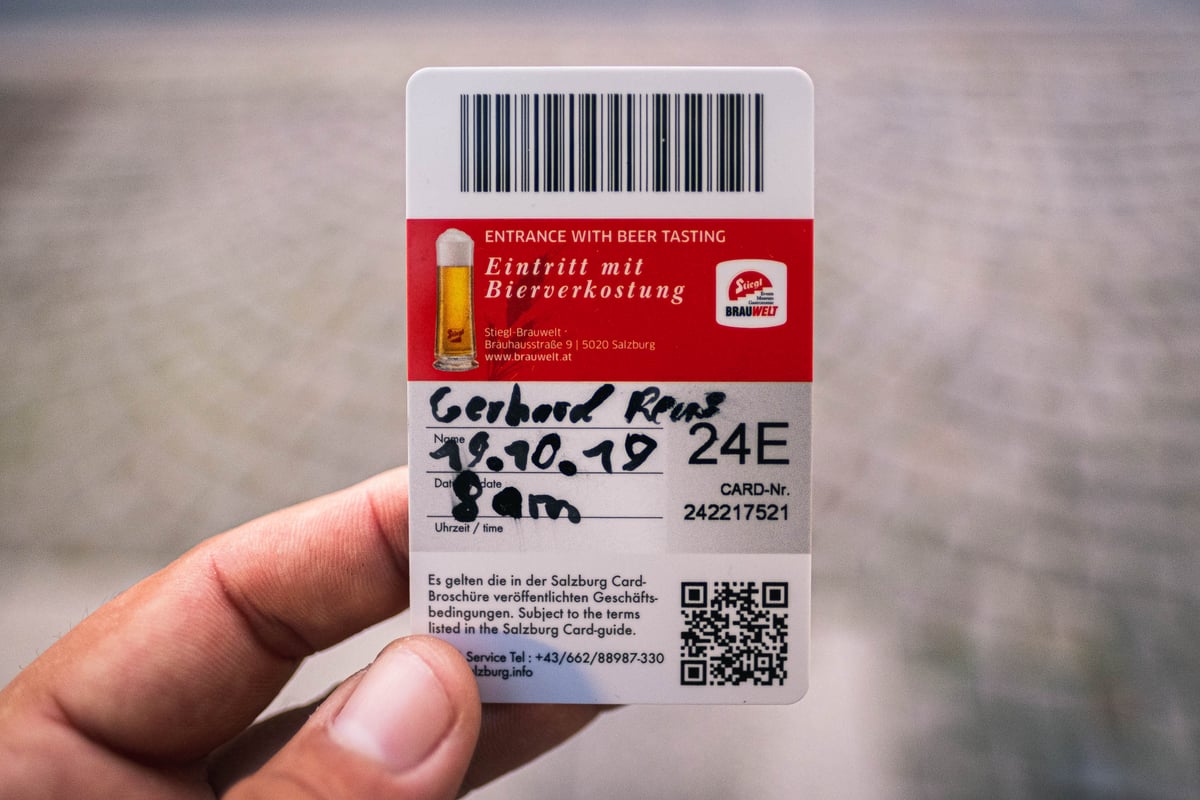
    Visitor pass: free entry to most major attractions + free public transport. 24/48/72-hour versions. Covers Hohensalzburg Fortress, Salzburg Museum, Haus der Natur, DomQuartier, Hellbrunn Palace, cable cars. Note: the Salzburg Museum is closed for renovation until approximately spring 2027, so it does not count toward the card's value until it reopens.

    Salzburg9 stops
  • Salzburg Festival Halls Guided Tour

    The Salzburg Festival Halls Guided Tour gives access to the three main Salzburg Festival venues on Hofstallgasse: the Grosses Festspielhaus with its 30-meter-wide stage, the Felsenreitschule carved directly into the Mönchsberg cliff, and the intimate Haus fur Mozart.

    Salzburg3 stops
  • Salzburg Marathon

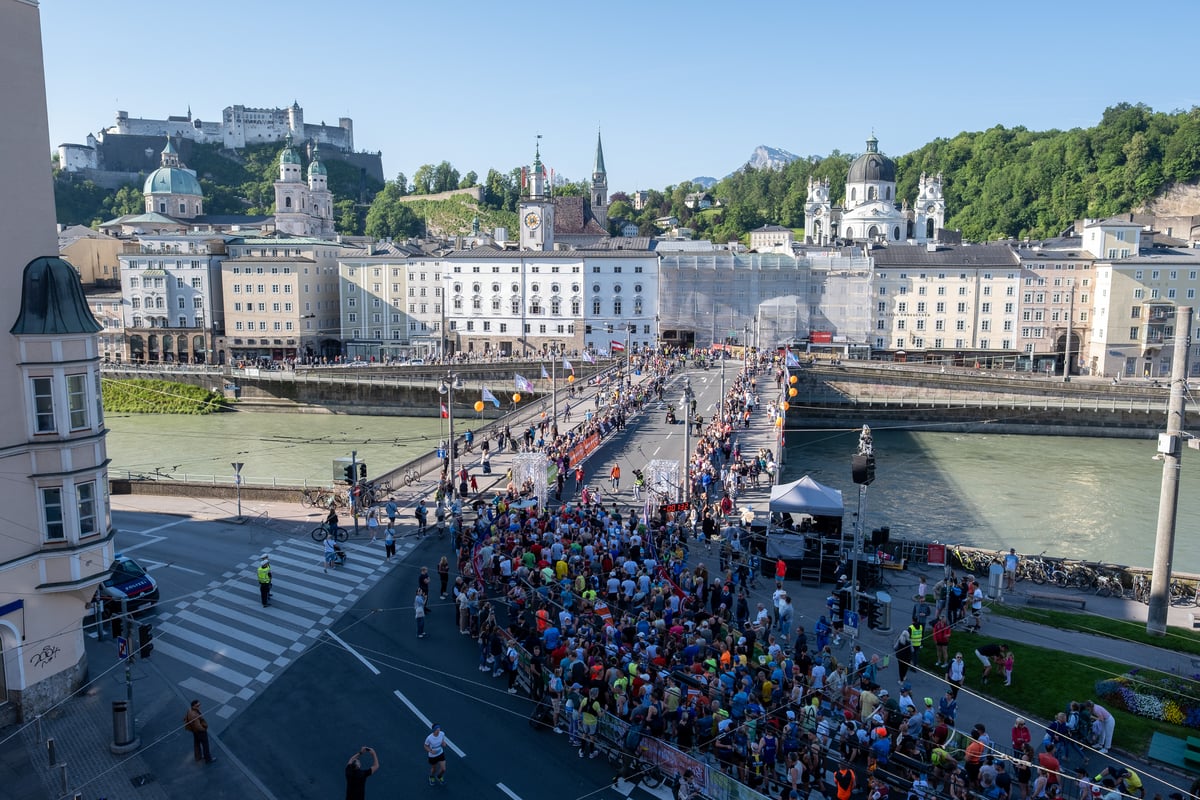
    Annual marathon, half marathon, and race series. Late April/early May. Through the UNESCO Altstadt and along the Salzach. One of the most scenic marathon courses in the German-speaking world. Multiple distances. City-centre finish.

    Salzburg
  • Salzkammergut Tour from Salzburg

    Guided excursion through Salzkammergut lakes and villages. 6-8 hours. Visits 2-3 lakes. St. Gilgen (Mozart/Sound of Music), Mondsee (wedding church). Often combined with Sound of Music themes. Year-round.

    Salzburg
  • Schranne Salzburg

    Salzburg's most atmospheric weekly market. Thursday mornings at the Andrakirche. Regional farmers and producers. Vegetables, eggs, cheese, bread, honey, flowers. The genuine feel of a provincial Austrian market that happens to be in a beautiful city.

    Salzburg2 stops
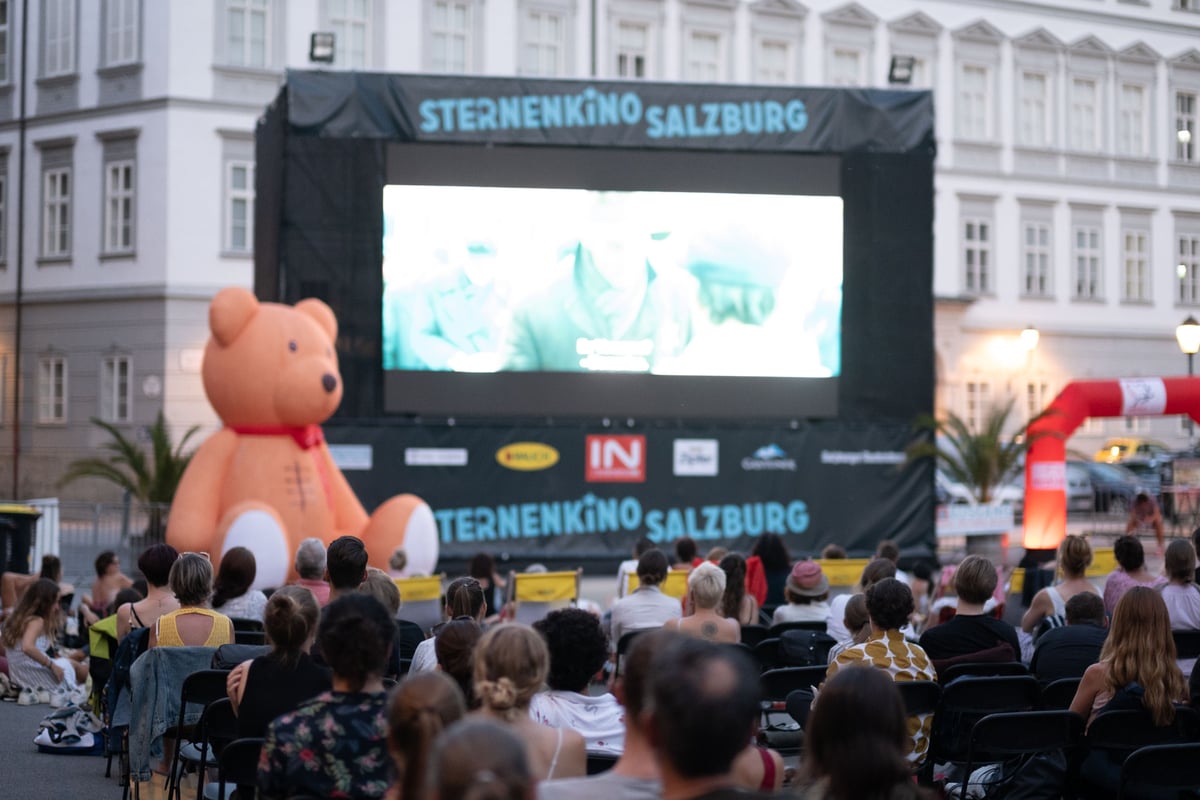
  • Siemens Festspielleinwand

    Free outdoor screen at Kapitelplatz during the Salzburg Festival. Live and recorded Festival performances broadcast for free. Picnics and drinks under the open sky. The essential alternative for visitors without Festival tickets.

    Salzburg2 stops
  • Sound of Music Tour Salzburg

    The iconic coach tour of Salzburg and Salzkammergut filming locations from the 1965 film. ~4 hours. Mirabell Gardens (Do-Re-Mi staircase), Schloss Leopoldskron, Nonnberg Abbey, Mondsee church. One of the most popular tourist activities in Salzburg. For many first-time visitors, the primary reason they chose Salzburg.

    Salzburg5 stops
  • Walk of Modern Art

    The Walk of Modern Art is a self-guided trail of 17 permanent public sculptures installed across Salzburg by the Salzburg Foundation since 2002.

    Salzburg15 stops

Sleep

Places to stay in Salzburg

Every hotel, guesthouse, hostel and inn documented inside Salzburg. A directory, not a booking site.
  • A&O Hostel Salzburg

    European chain hostel on Elisabethkai along the Salzach. Dormitory and private rooms. Popular with younger travellers and school groups. Riverside location gives easy Altstadt access.

    Salzburg
  • Altstadthotel Weisse Taube

    A long-established hotel in the pedestrian lanes of the Altstadt. Comfortable mid-range accommodation in the UNESCO historic core. Cathedral, Getreidegasse, and main sights immediately at hand.

    Salzburg
  • Altstadthotel Wolf

    Traditional Altstadt hotel on Kaigasse. Mid-range. Nonnberg Abbey, Salzach embankment, and Altstadt grid all within easy walking distance.

    Salzburg
  • Arcotel Castellani

    Design hotel in the Alpenstraße area south of the centre. Garden. Contemporary interiors. Quieter residential neighbourhood. Well connected by public transport.

    Salzburg
  • Arte Hotel Salzburg

    Contemporary design hotel near Salzburg Airport. More characterful than a standard airport hotel. Easy bus access to the Altstadt. Convenient for early departures.

    Salzburg
  • Arte Vida Guesthouse

    A small, personally run guesthouse in a residential area. Quieter, more domestic alternative to hotel accommodation. Personal hospitality over hotel anonymity.

    Salzburg
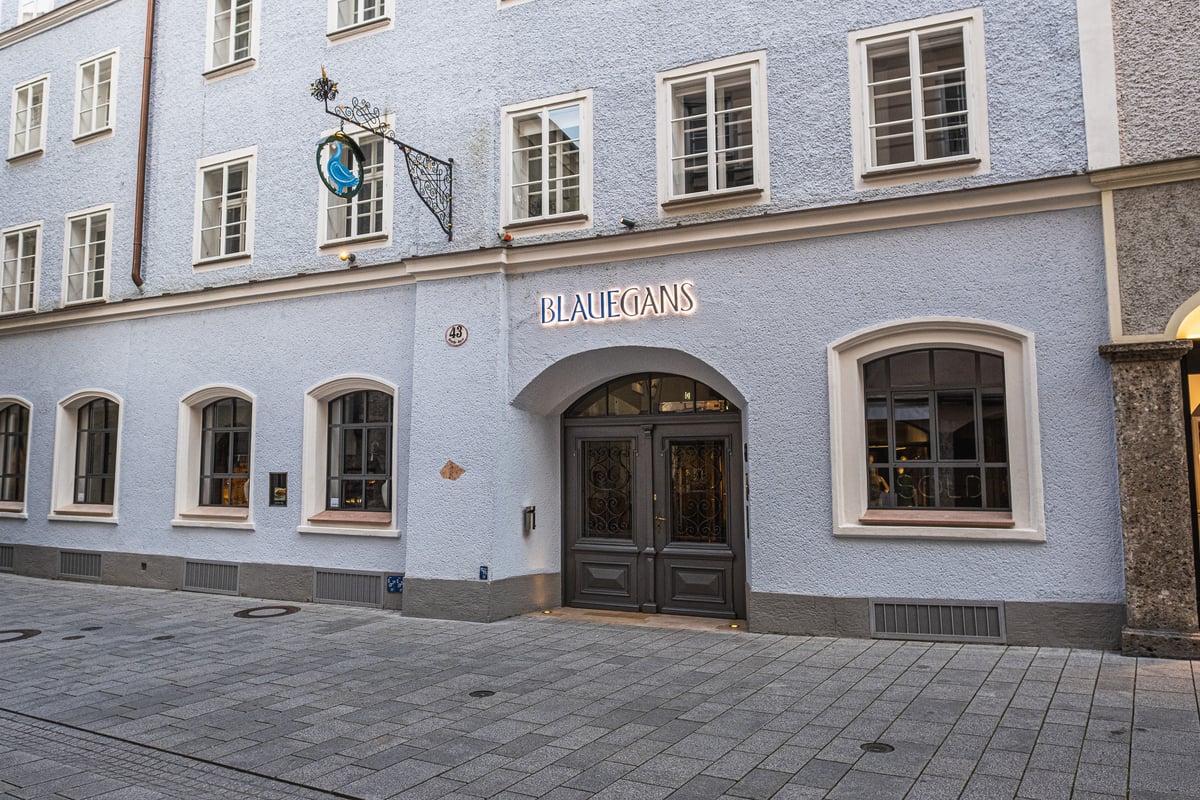
  • Arthotel Blaue Gans

    Inn since 1549

    Arthotel Blaue Gans is on Getreidegasse, Salzburg's most famous shopping street and the address of Mozart's birthplace, in a building dating to 1350. The Blaue Gans (Blue Goose) has been an inn at this location for centuries and has reinvented itself as an art hotel, filling the historic structure with rotating contemporary art.

    Salzburg
  • Austria Trend Hotel Europa Salzburg

    Mid-range chain hotel on Rainerstraße near the Hauptbahnhof. Austria Trend Hotels group. Reliable business and leisure hotel with easy rail connections. Manageable walk to the Altstadt.

    Salzburg
  • B&B Villa Verde

    B&B in a villa setting. Simple, affordable accommodation with personal character. Domestic pace rather than large-hotel lens.

    Salzburg
  • Berglandhotel Salzburg

    Smaller hotel on Rupertgasse in the Neustadt. Reliable, fairly priced. Easy reach of Mirabell Gardens, station, and Altstadt bridges.

    Salzburg
  • Best Western Amedia Salzburg

    Chain hotel near Salzburg Airport. Best Western group. Practical, affordable. Transit travellers and visitors needing transport connections.

    Salzburg
  • Bloberger Hof

    Farmhouse-style guesthouse on the outskirts. Quieter, greener alternative. More space, parking, and a pastoral setting. City reachable by bus or car.

    Salzburg
  • Boutiquehotel am Dom

    Small boutique hotel in the Cathedral quarter. Intimate luxury in the heart of the UNESCO heritage zone. Proximity to Domplatz and the Residenz. One of the most centrally positioned hotels in the city.

    Salzburg
  • Cityhotel Trumer Stube

    Traditional Gasthof-style hotel on Linzer Gasse. Old Salzburg inn atmosphere with city hotel practicalities. Mid-range with character.

    Salzburg
  • Cool Mama Hotel

    Playfully designed boutique hotel in the Neustadt. Distinct personality. Younger travellers and design-conscious visitors. More energy and wit than a standard hotel.

    Salzburg
  • Gästehaus im Priesterseminar

    Guesthouse within the historic Priesterseminar (seminary) in the Altstadt. Modest rooms in extraordinary historic setting. Pilgrims, scholars, and visitors seeking something quite different from a conventional hotel.

    Salzburg
  • Gasthof Pflegerbrücke

    Traditional Gasthof on the suburban outskirts. Simple, affordable rooms. Authentic Austrian inn. Best with a car or willing to use public transport.

    Salzburg
  • Gasthof Schloss Aigen

    Historic inn in the Aigen district. Beer garden in the Schloss Aigen grounds. A long lunch in the garden feels like stepping out of the tourist city entirely.

    Salzburgaustrian
  • H+ Hotel Salzburg Bahnhof

    Chain hotel at Salzburg Hauptbahnhof. H+ Hotels group. Maximum rail convenience. Altstadt by bus or foot in fifteen minutes. No-surprises option.
    Salzburg
  • Hapimag Resort Salzburg

    Apartment-hotel in the Neustadt. Hapimag group. Self-catering apartments for longer stays. Families or visitors wanting flexibility.

    Salzburg
  • Holiday Inn Salzburg City

    International Holiday Inn chain. Station area. Reliable mid-range for business and leisure. Predictable comfort and easy transport links.

    Salzburg
  • Hotel Adlerhof

    Traditional mid-range hotel in Elisabeth-Vorstadt, south of the station. No-frills, solid value, easy bus connections.

    Salzburg
  • Hotel am Mirabellplatz

    Boutique hotel on or near Mirabellplatz, adjacent to the Mirabell Gardens. One of the most elegantly located mid-range addresses in the Neustadt.

    Salzburg
  • Hotel Amadeus Salzburg

    A small boutique hotel on Linzer Gasse. Personally managed, strong sense of place. Popular with visitors seeking character over corporate scale at a more accessible price point.

    Salzburg
  • Hotel Auersperg

    A family-run boutique hotel in a late 19th-century villa in the Neustadt. Secluded garden. Run by the same family for generations. The garden terrace in summer is one of the more peaceful places to breakfast in Salzburg.

    Salzburg
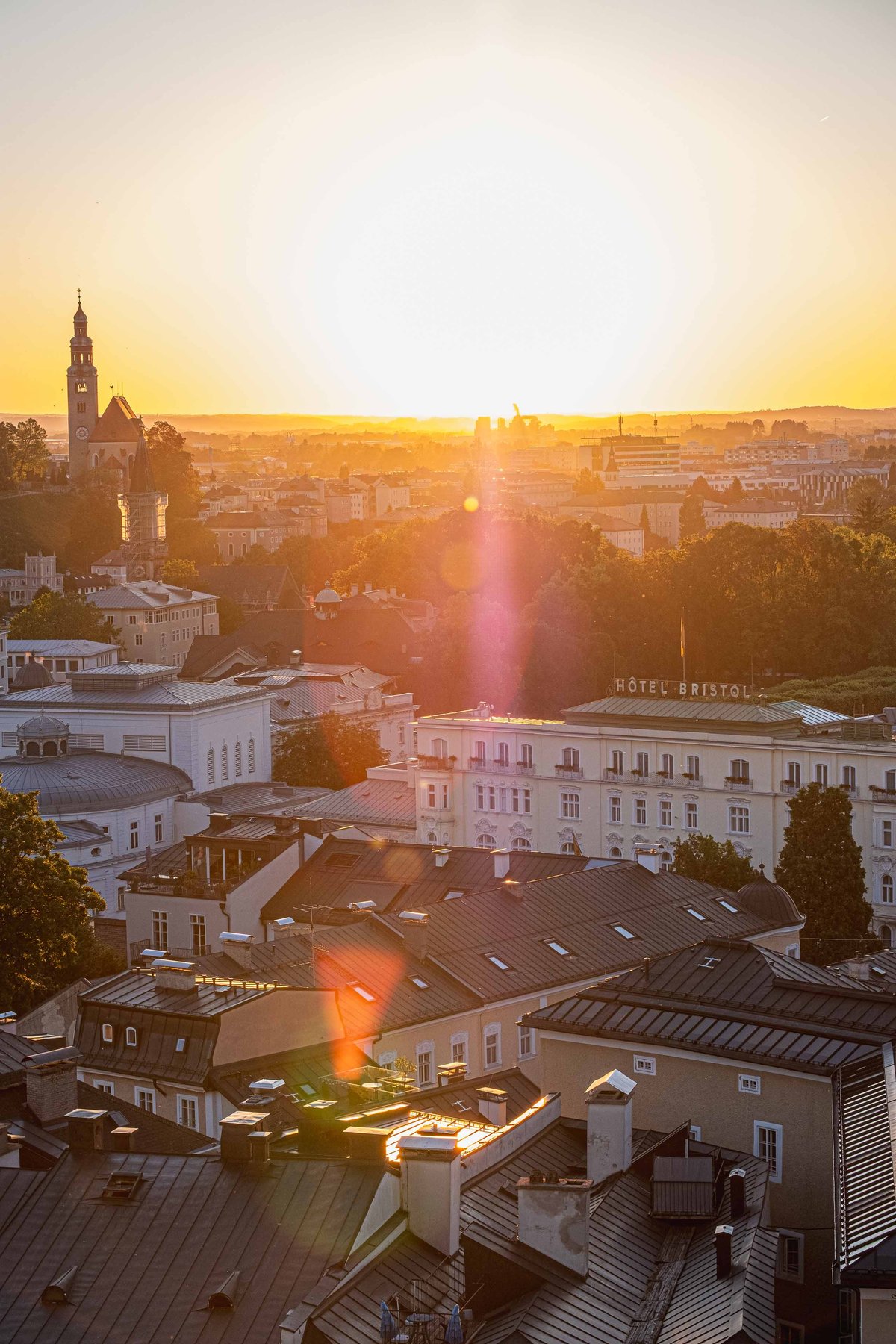
  • Hotel Bristol Salzburg

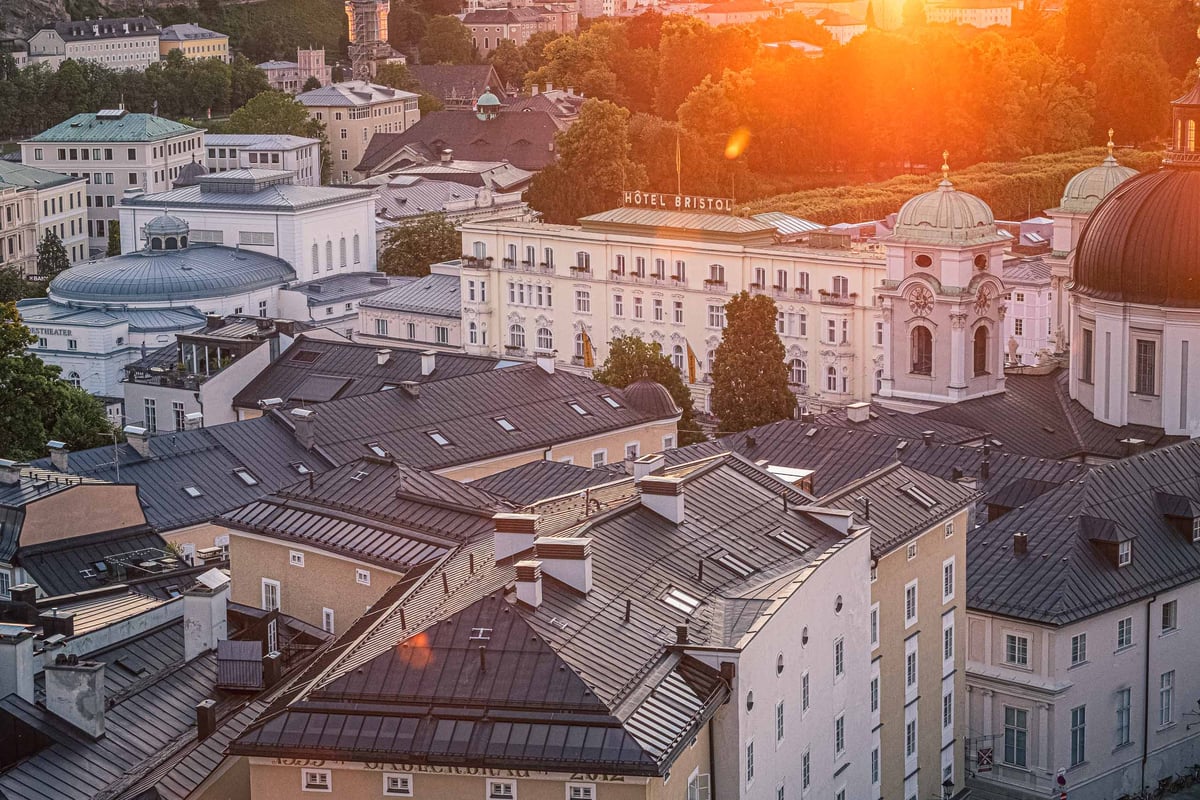
    A classic grand hotel on Makartplatz, opposite the Mozarteum and adjacent to Mozarts Residence. A Festival institution: conductors, soloists, and the international music world gather here each summer.

    Salzburg
  • Hotel Cocoon Salzburg

    Compact design hotel. Munich-based Cocoon group. Budget-conscious with more design character than standard. Younger travellers and city-breakers.

    Salzburg
  • Hotel Drei Kreuz

    Mid-range Neustadt hotel near Linzer Gasse. Practical, fairly priced. Easy Altstadt access across the Staatsbrücke.

    Salzburg
  • Hotel Elefant

    13th-century building

    A historic hotel on Sigmund-Haffner-Gasse, one of the oldest inns in Salzburg. 15th-century building with vaulted ceilings and thick stone walls. Mid-range price with genuine historic atmosphere. The Wirtshaus Elefant restaurant is in the same building.

    Salzburg
  • Hotel Goldener Hirsch

    Since 1407

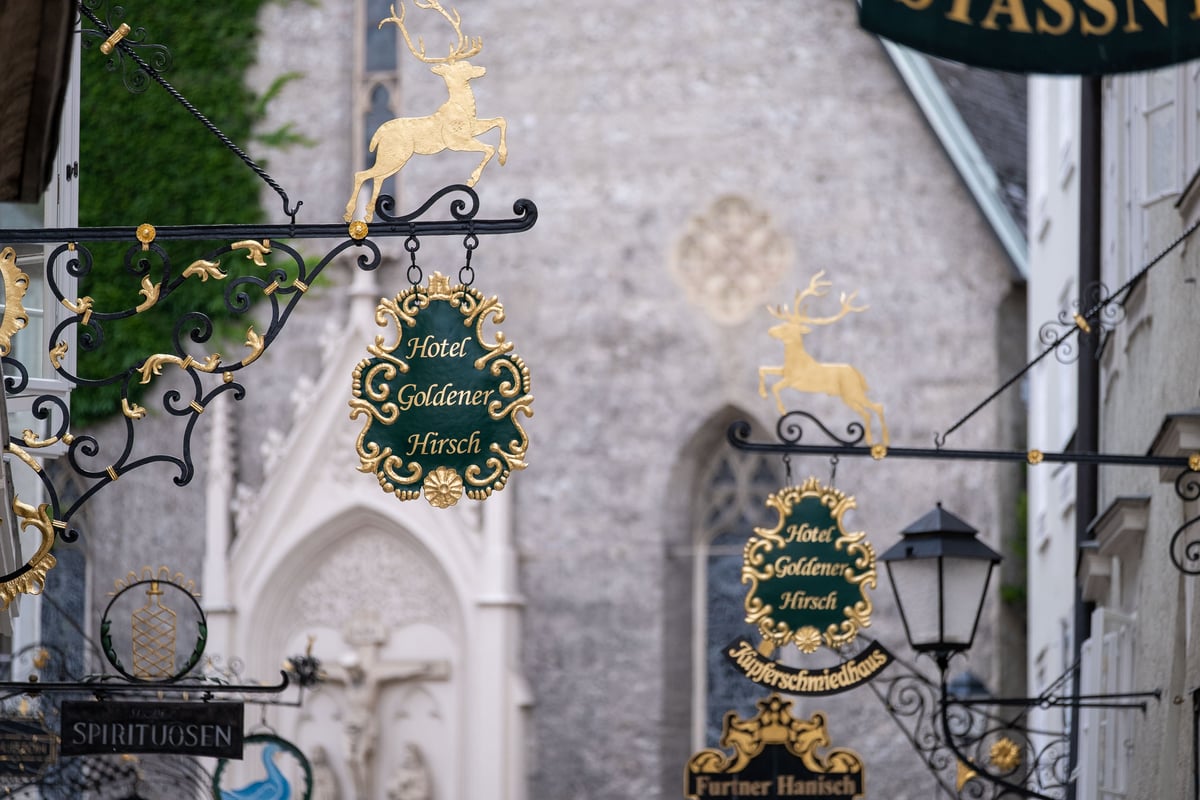
    Salzburg's most storied luxury hotel, on the Getreidegasse since 1407. Herbert von Karajan, Maria Callas, Leonard Bernstein, and countless conductors, singers, and heads of state have stayed here. The preferred hotel of the Salzburg Festival world.

    Salzburg
  • Hotel Goldgasse

    14th-century building

    Small boutique hotel on Goldgasse, a narrow medieval Altstadt lane. Individually decorated rooms. One of the more refined small hotel options in the old city.

    Salzburg
  • Hotel Heffterhof

    Villa hotel below the Mönchsberg, in a garden. Quieter, residential alternative. Close enough to the Altstadt for foot exploration.

    Salzburg
  • Hotel Hofwirt

    Historic Gasthof with a long Salzburg tradition. Comfortable in a traditional Austrian inn setting. Warmth and informality that larger hotels struggle to replicate.

    Salzburg
  • Hotel Hohenstauffen

    Solid mid-range Neustadt hotel. Mirabell Gardens, station, and Altstadt all reachable. Reliable, unpretentious, reasonable price.

    Salzburg
  • Hotel Jedermann

    Charming boutique hotel on Rainerstraße named after Hofmannsthal's Jedermann. Personally managed, individually styled rooms, warm atmosphere. Well-regarded mid-range.

    Salzburg
  • Hotel Rosenvilla

    Boutique villa hotel in the Heuberg area. Garden villa, individually decorated rooms. Romantic, personal, unhurried. Couples and privacy-seekers. Altstadt reachable along the Salzach embankment.

    Salzburg
  • Hotel Sacher Salzburg

    The Salzburg outpost of the famous Sacher brand, on Schwarzstrasse facing the Salzach and the Altstadt skyline. A Salzburg Festival institution. Its terrace and bar are among the most atmospheric places in the city during the summer season.

    Salzburg
  • Hotel Scherer Salzburg

    Simple, affordable hotel-pension in the Neustadt. Basic comfortable rooms at budget prices. Central location without boutique or luxury cost.

    Salzburg
  • Hotel Schwarzes Rössl

    Traditional inn hotel on Linzer Gasse. The Black Horse, counterpart to the famous White Horse at St. Wolfgang. Characterful, mid-range. One of the Neustadt's most active streets.

    Salzburg
  • Hotel Stadtkrug Salzburg

    Traditional inn hotel on Linzer Gasse. Established mid-range. Altstadt five minutes across the Staatsbrücke, Mirabell Gardens a short walk the other way.

    Salzburg
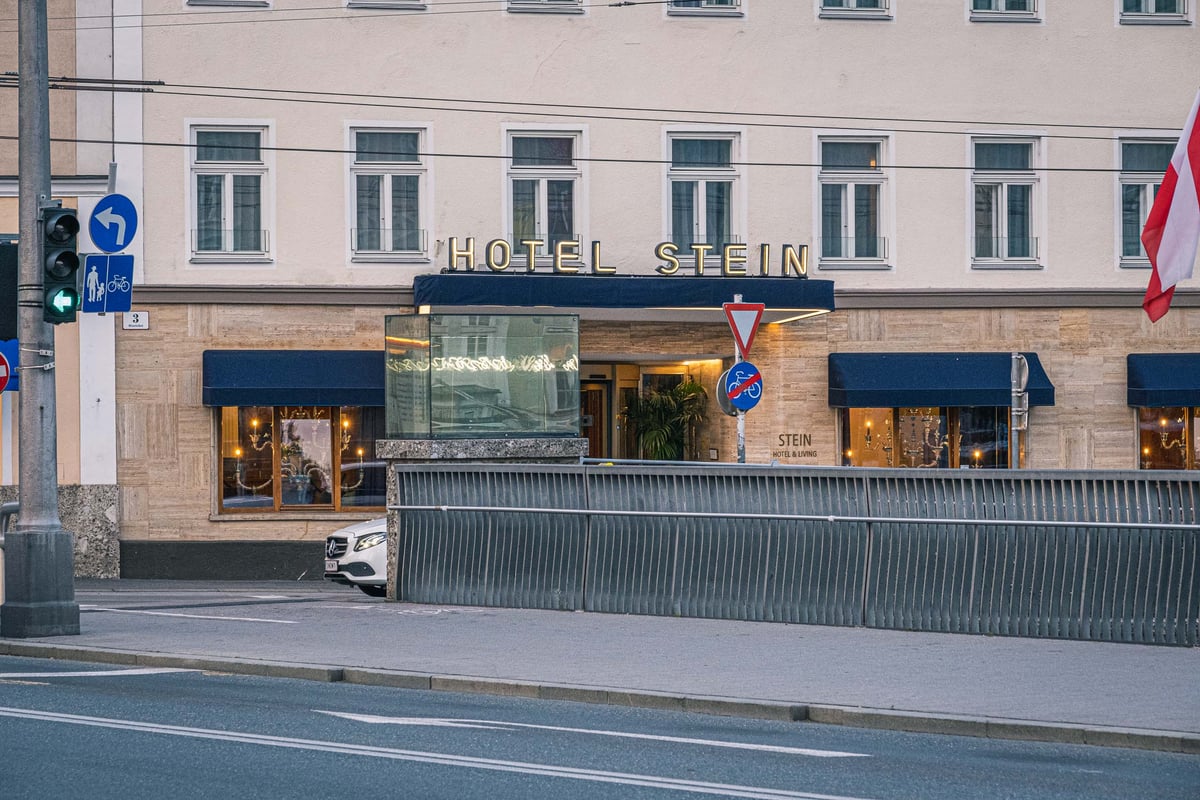
  • Hotel Stein

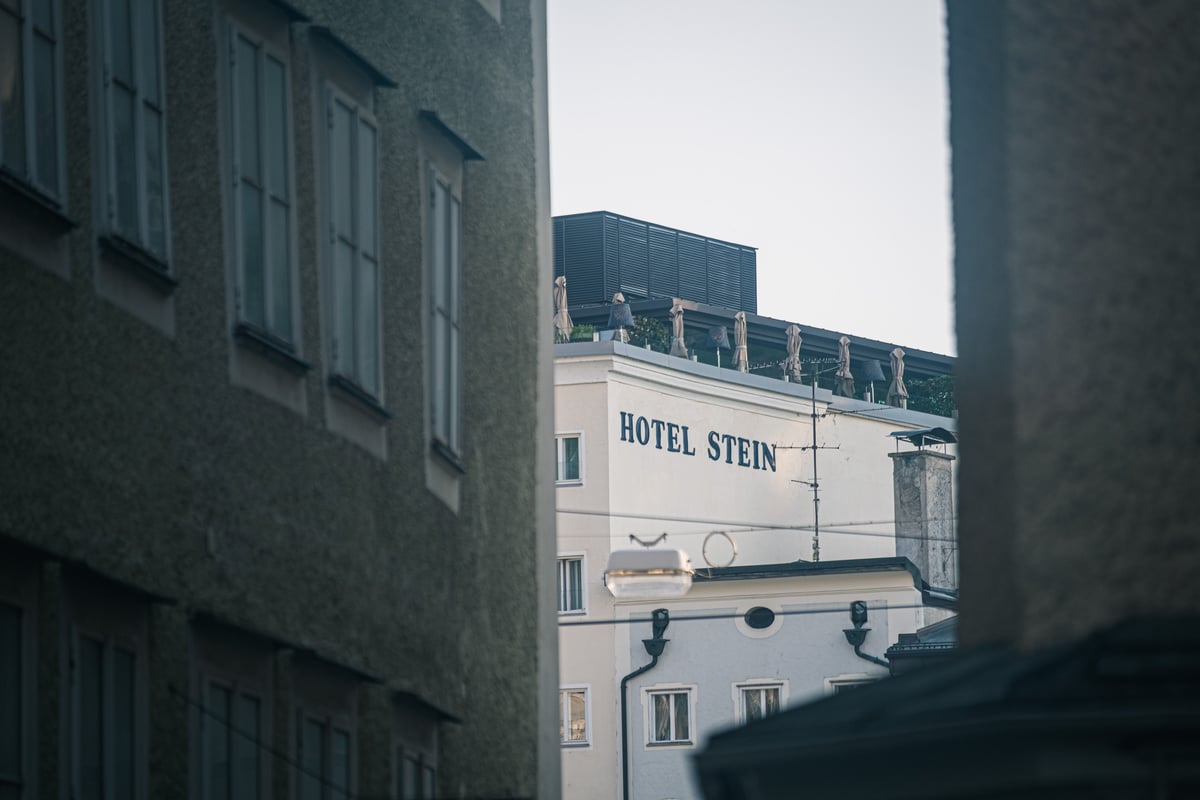
    A boutique hotel on Giselakai at the Altstadt edge. Origins trace to 1399. Defining feature: the Steinterrasse rooftop bar, one of the most celebrated outdoor bars in Salzburg with sweeping panoramic views over the rooftops, Salzach, fortress, and Mönchsberg. Venetian-blue aesthetic with Murano glass and Italian fabrics. Adults-only, 56 rooms.

    Salzburg
  • Hotel Vier Jahreszeiten Salzburg

    Comfortable mid-range Neustadt hotel. "Four Seasons" in German, not the international luxury brand. Accessible prices. Easy access to Mirabell Gardens and Altstadt.

    Salzburg
  • Hotel Villa Carlton

    Villa hotel on Alpenstraße in the southern part of Salzburg. Garden. Quieter, residential alternative. Visitors with a car or staying several nights.

    Salzburg
  • Hotel Wolf Dietrich

    Boutique hotel on the street named after Wolf Dietrich von Raitenau, the Archbishop who rebuilt Salzburg as a Baroque city. Family-run for four generations. Indoor pool rare in a small Neustadt hotel. Mirabell Palace a short walk away. Good-value four-star with strong wellness facilities.

    Salzburg
  • Hyperion Hotel Salzburg

    Luxury design hotel in the Palais Faber, a Wilhelminian-era building on Rainerstraße. Austria's first Hyperion Hotel, opened 2022 after a EUR 60 million conversion. 115 rooms, H-Hotels group. The most recent addition to Salzburg's five-star offer, in the Neustadt near the Congress Center and Mirabell.

    Salzburg
  • IMLAUER Hotel Pitter Salzburg

    One of Salzburg's longest-established hotels, opened 1864 as the Bergerbräu beer hall on Rainerstraße near the station. Rooftop pool, Sky Bar with panoramic views, and the historic PitterKeller beer cellar. Long Festival association at a price below the top luxury tier. Convenient for train arrivals.

    Salzburg
  • Institut Sankt Sebastian

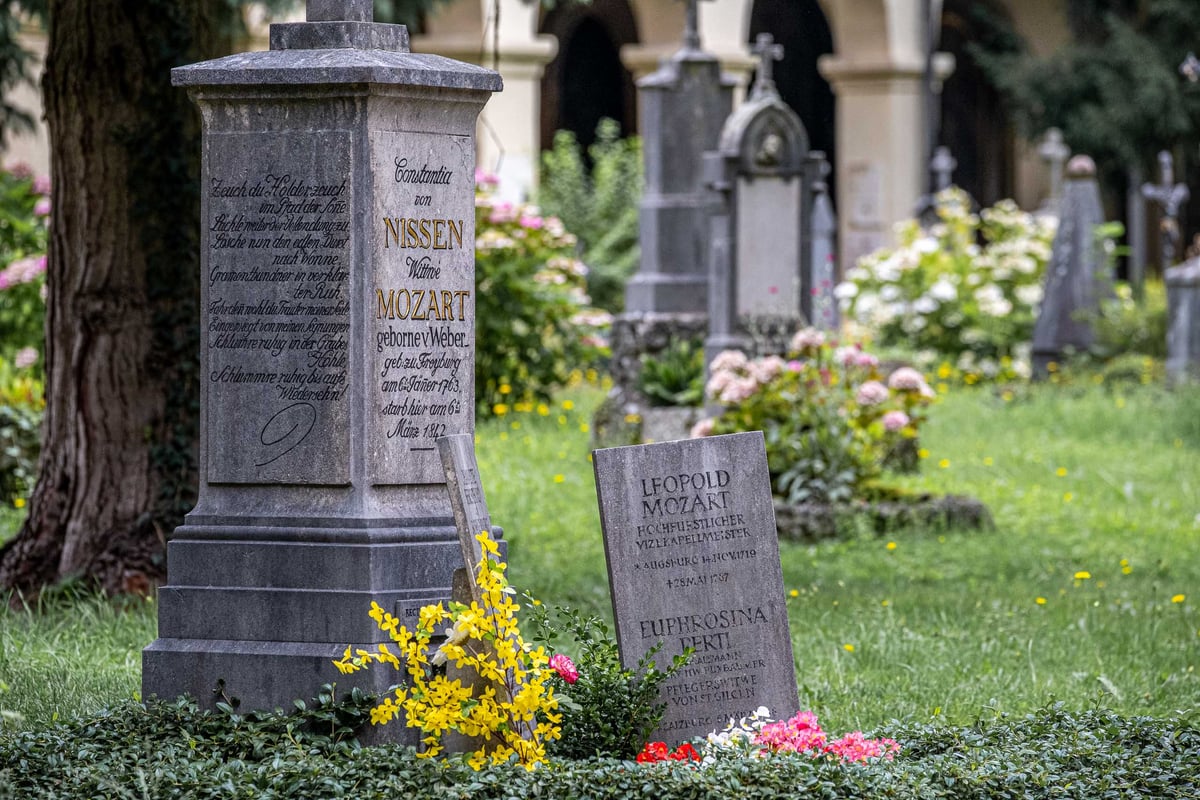
    Guesthouse within the Institut Sankt Sebastian, adjacent to St. Sebastian's Cemetery on Linzer Gasse. The cemetery where Leopold Mozart and Constanze Mozart are buried is next door. Genuinely unusual place to stay.

    Salzburg
  • JUFA Hotel Salzburg

    Austrian JUFA chain. Affordable for individuals, families, and groups. Clean, reliable budget with family-friendly atmosphere.

    Salzburg
  • K6 Rooms

    Compact boutique rooms concept. Stylish, well-designed, smaller format. Solo travellers and couples wanting modern and thoughtful without full-hotel overhead.

    Salzburg
  • Kasererbräu

    14th-century monastery hostel

    Historic hotel in the Altstadt with old brewing tradition. Vaulted spaces, thick walls. An atmospheric choice in the heart of the UNESCO zone. The particular quality that only genuinely old buildings possess.

    Salzburg
  • Krone 1512

    Documented since 1512

    Boutique hotel on Linzer Gasse, documented since 1512. Individually designed rooms. Historic character. Good mid-range boutique for personality and location.

    Salzburg
  • Lasserhof

    Villa hotel in a leafy residential area near Hellbrunnerallee. Garden. Quieter setting. Bus or bicycle to sights. The wider Lasserhof complex is a protected historical monument.

    Salzburg
  • Leonardo Boutique Hotel Gablerbräu

    The Leonardo Boutique Hotel Gablerbrau is a hotel in Salzburg's Altstadt (old town, the UNESCO World Heritage historic center on the right bank of the Salzach), positioned within the historic pedestrian zone where the major sights, the Cathedral, Residenzplatz, and Getreidegasse, are within walking distance.

    Salzburg
  • Leonardo Hotel Salzburg City Center

    The Leonardo Hotel Salzburg City Center is a hotel in Salzburg's Altstadt, the UNESCO World Heritage historic core, positioned to give walking access to the Cathedral, Getreidegasse, and the Mozartplatz.

    Salzburg
  • Markus Sittikus Hotel Salzburg

    Boutique hotel in the Schallmoos district, named after Archbishop Markus Sittikus who built Hellbrunn Palace. Comfortable, personally run, four-star mid-range. Quiet side street, five minutes from the Congress Center and Mirabell. Ten minutes' walk from the main station.

    Salzburg
  • Meininger Salzburg

    European Meininger chain. Hybrid hostel/hotel: dorms alongside private rooms. Budget prices. Young travellers, interrailers, groups. Near station.

    Salzburg
  • Motel One Mirabell

    German Motel One chain. Budget-design that punches above its price. Mirabellplatz location: one of the best in the city for the price. Design-conscious on a moderate budget.

    Salzburg
  • Neutor Express

    Compact three-star budget hotel on Neutorstraße 9, directly beside the Neutor gateway. Four minutes on foot from the Festival Quarter and Grosses Festspielhaus. 45 rooms, free Wi-Fi, private parking.

    Salzburg
  • NH Collection Salzburg City

    NH Collection Salzburg City is at Franz-Josef-Strasse 26 in Salzburg's Neustadt district, on the street that runs north from Mirabellplatz through the 19th-century residential expansion across the Salzach from the old town.

    Salzburg
  • numa | Mozart Salzburg

    Numa Mozart Salzburg is a serviced apartment property at Franz-Josef-Strasse 27 in Salzburg's Neustadt, directly across the street from the NH Collection Salzburg City. The Numa brand operates a European serviced apartment network with self-catering units and app-based check-in.

    Salzburg
  • Parkhotel Brunauer

    Hotel and conference centre in the Neustadt, in a park garden. Events, meetings, groups. Also serves independent travellers who appreciate the garden setting.

    Salzburg
  • Pension Elisabeth Salzburg

    Family-run pension in a residential area north of the Altstadt. Affordable, simply furnished, domestic warmth. Good base for budget-conscious visitors comfortable with public transport.

    Salzburg
  • Pension Junger Fuchs

    Small pension near Steingasse. Simple rooms, central location. Characteristic low prices of a family-run Salzburg pension. One of the most atmospheric streets nearby.

    Salzburg
  • Pension Wolf

    A family-run pension in the heart of the Altstadt. One of the few genuinely affordable options within the UNESCO-protected historic core. Simplicity, central location, and value.

    Salzburg
  • Radisson Blu Altstadt Hotel Salzburg

    Radisson Blu in the Altstadt. Unusual advantage for an international chain: UNESCO historic core location. Cathedral, Getreidegasse, and Festival venues all walkable. The building dates to 1377, originally a beer hall and later a private residence before conversion.

    Salzburg
  • Schloss Leopoldskron

    Built 1736

    Rococo palace on the shores of Leopoldskroner Weiher, commissioned in 1736 by Archbishop Leopold Anton von Firmian and purchased by theatre director Max Reinhardt in 1918. Reinhardt turned it into the creative headquarters of the early Salzburg Festival and his own artistic home. The Nazis confiscated it in 1938 after Reinhardt fled.

    Leopoldskron-Moospaid
  • Schloss Mönchstein

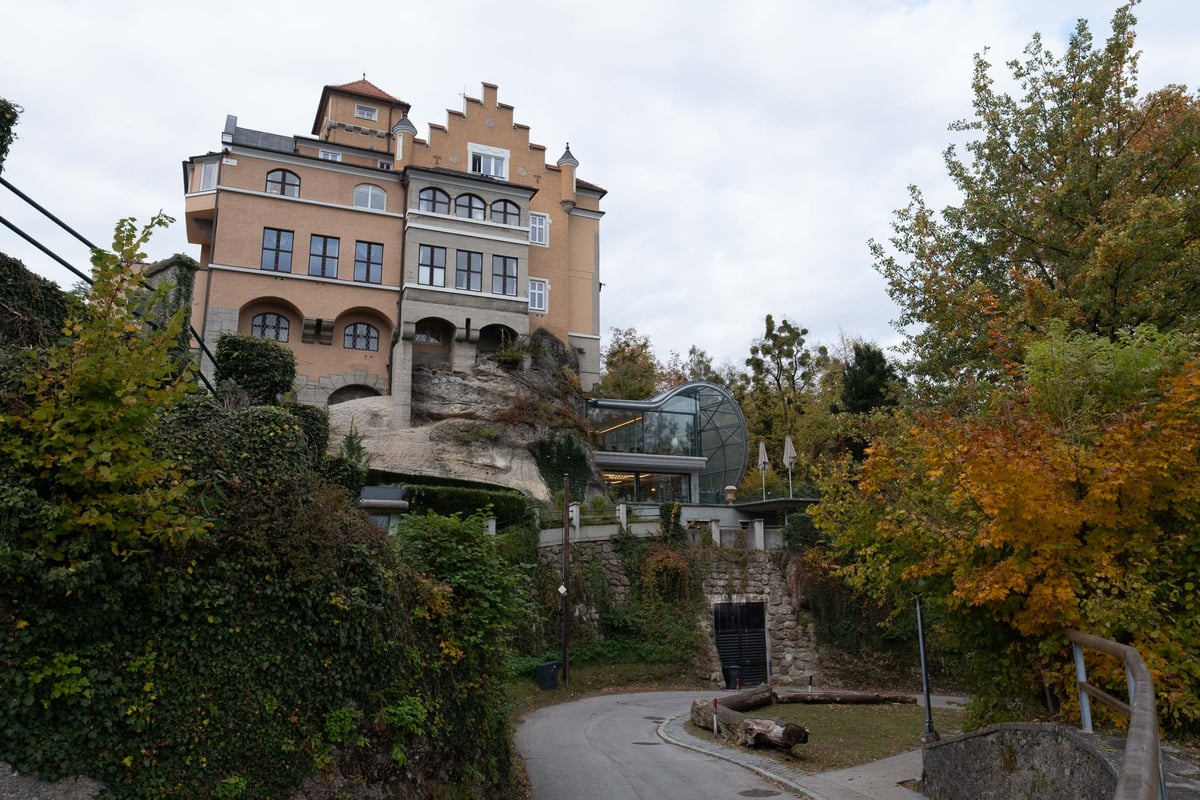
    A historic residence perched on the Monchsberg cliff above Salzburg, with sweeping views over the city, the Salzach valley, and the Alps. Now one of Salzburg's most exclusive luxury hotels.

    Salzburgpaid
  • Sheraton Grand Salzburg

    Five-star international chain on Auerspergstraße near Mirabell Gardens. Austria's first Sheraton Grand, following a major renovation in 2016. Business travellers and Festival visitors preferring global brand certainty with garden and city views.

    Salzburg
  • Stadtalm Hostel

    Hostel attached to the Stadtalm café on the Mönchsberg plateau. Dormitory accommodation with immediate access to forested paths, Museum der Moderne, and panoramic terrace. Mönchsberg Lift to the Altstadt in under a minute. Extraordinary setting for budget travellers.

    Salzburg
  • Star Inn Hotel Salzburg Airport

    Budget-to-mid-range hotel near Salzburg Airport, approximately 1.4 km from the terminal. Formerly Star Inn, now operating as Leonardo Hotel Salzburg Airport. 90 rooms; free parking; bus connection to the city centre in approximately 15 minutes.
    Salzburg
  • Villa Trapp

    Built 1863

    The actual home of Georg von Trapp and Maria von Trapp in the Aigen district of Salzburg, not to be confused with Schloss Leopoldskron, which served as the film exterior. The family lived here from 1922 until they left Austria after the Anschluss in 1938.

    Aigenfree
  • Wyndham Grand Salzburg

    Wyndham Grand brand. One of the city's larger five-star international hotels, opened 1991. Full-service luxury with a dedicated conference centre of 1,750 sqm. Primary audience: corporate travellers and large groups. Certified Austrian Ecolabel and Wyndham Green Level 5.

    Salzburg
  • YoHo International Youth Hostel

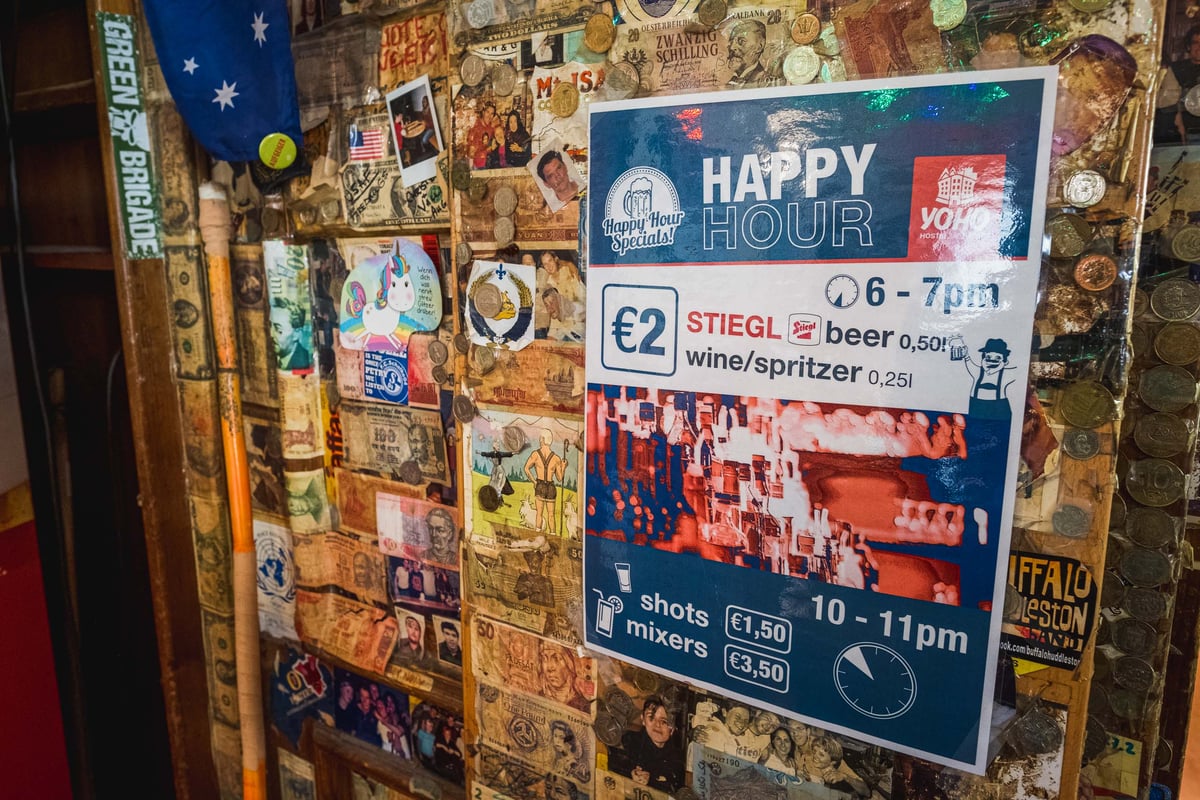
    Salzburg's most popular backpacker hostel. Known for nightly Sound of Music screenings. Dormitory and private rooms at budget prices. A lively base for young travellers, in the Neustadt and away from old-town pricing.
    Salzburg

Eat and drink

Dishes born in Salzburg

Dishes whose authored origin is here. Born here, not just served here.
  • Bosna

    Salzburg's own street food: spiced bratwurst in a white roll with onions, mustard, and curry powder. Balkan origin, fully adopted. The canonical address is Balkan Grill Walter on Getreidegasse.

    snacksalzburg regional
  • A hand holds a blue-foil Mozartkugel up between finger and thumb against the sunlit Hohensalzburg Fortress and the Salzburg Altstadt skyline.

    Mozartkugel

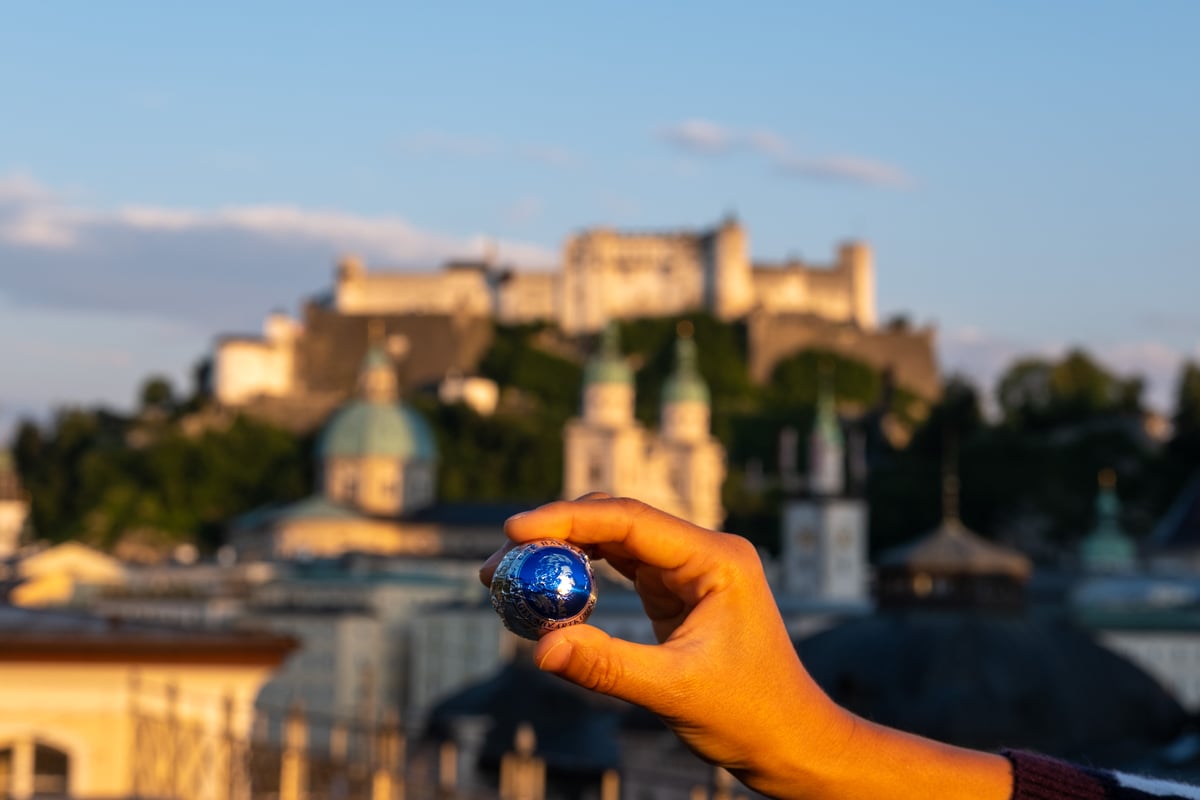
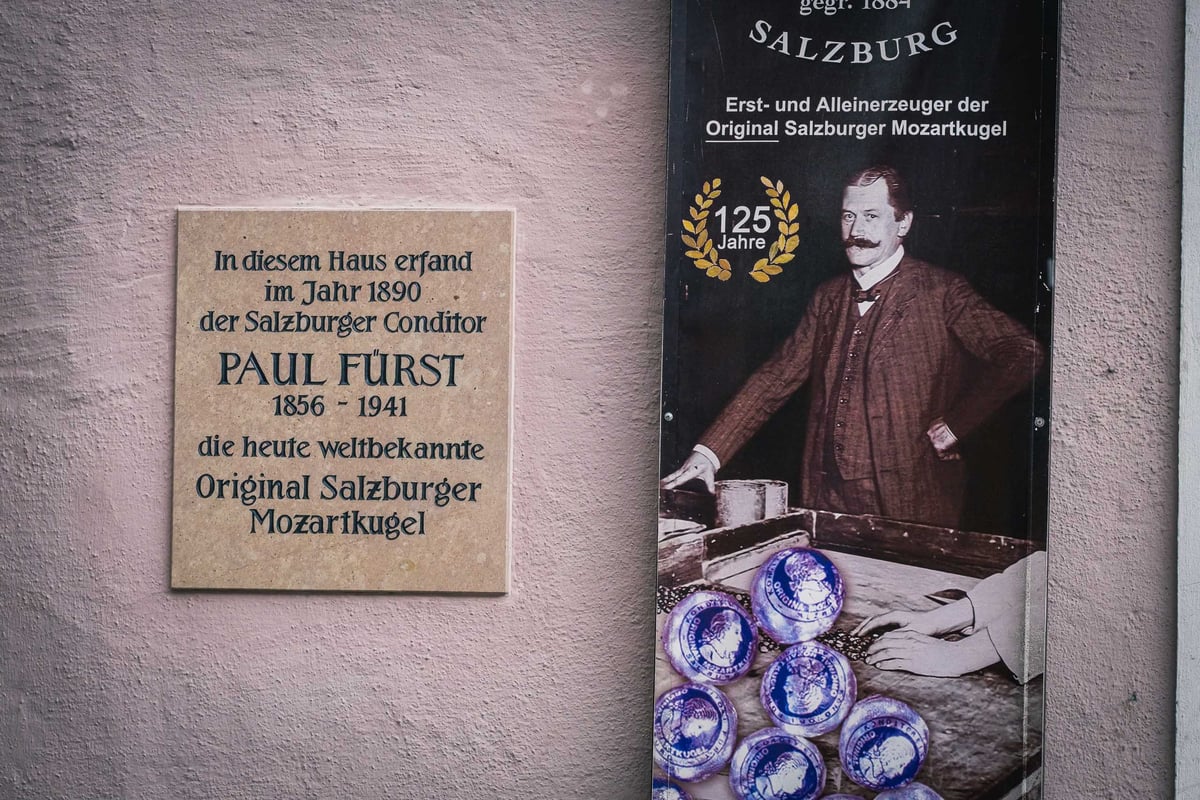
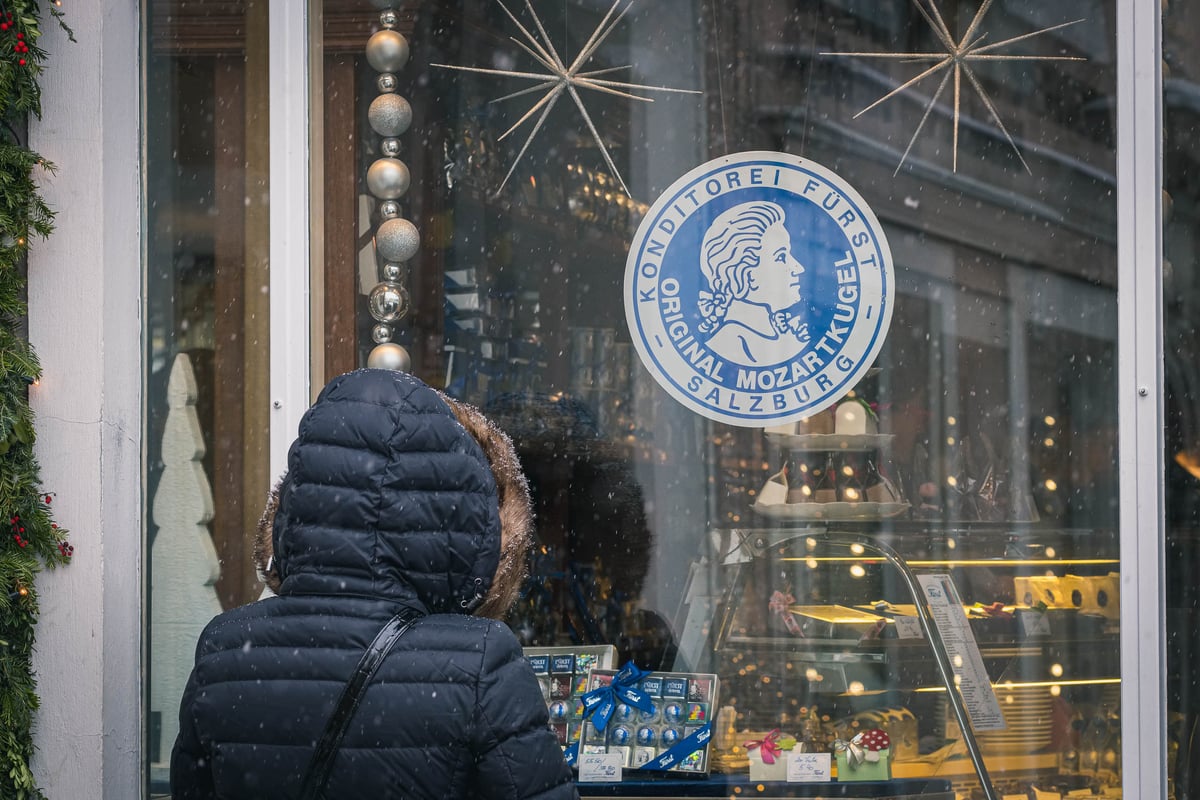
    Salzburg's most recognisable export. Pistachio marzipan around nougat, enrobed in dark chocolate. Created 1890 by Paul Furst. The Fürst family still hand-rolls the original at Alter Markt. Silver-and-blue foil. Fürst never patented it. If you buy them at a supermarket, you are not eating what Paul Fürst made.

    snacksalzburg regional
  • Salzburger Bierfleisch

    Salzburg regional: beef braised in dark beer with onions and vinegar. Rich, malty, slightly tangy. The dish locals order when visitors order Gulasch. Served with bread dumplings.
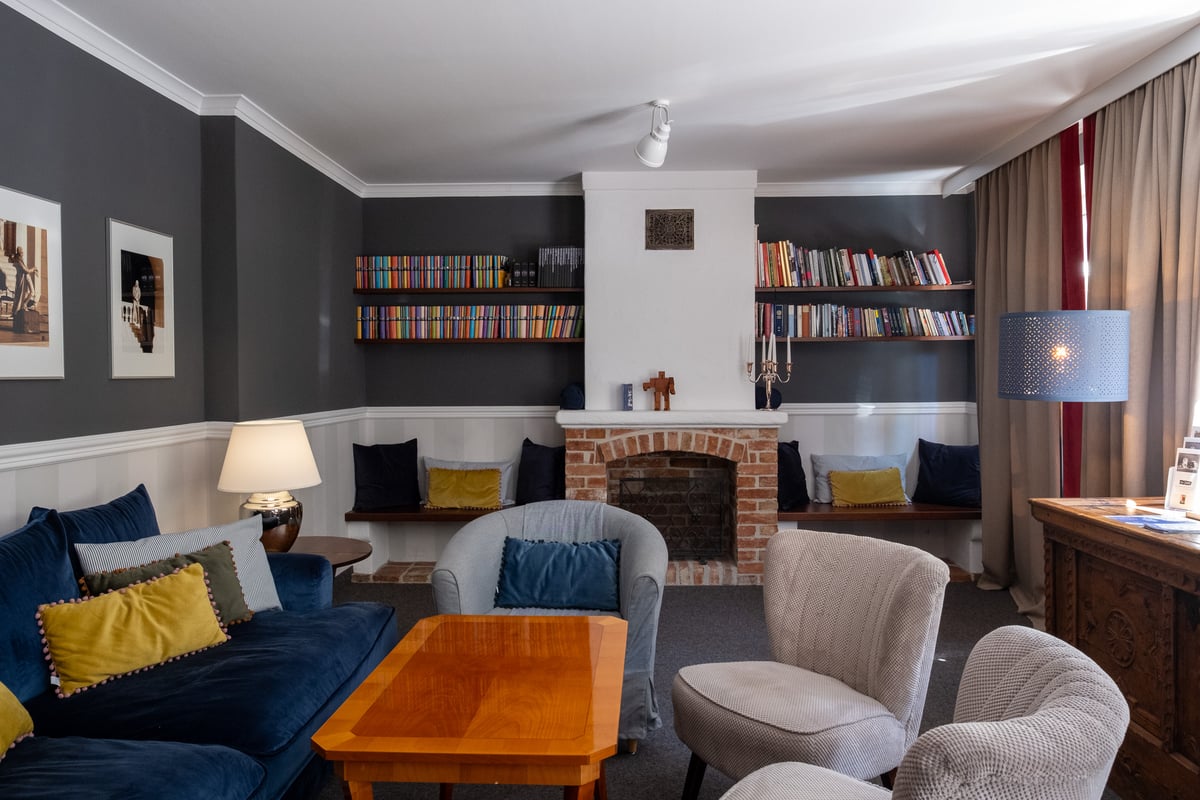
    main coursesalzburg regional
  • Salzburger Nockerl

    The defining dish of Salzburg. A baked soufflé of three golden peaks representing the three hills (Mönchsberg, Kapuzinerberg, Rainberg). Cloud-like texture. First documented 17th century, reputedly created for Wolf Dietrich von Raitenau's court. Never order a Nockerl if you are in a hurry.
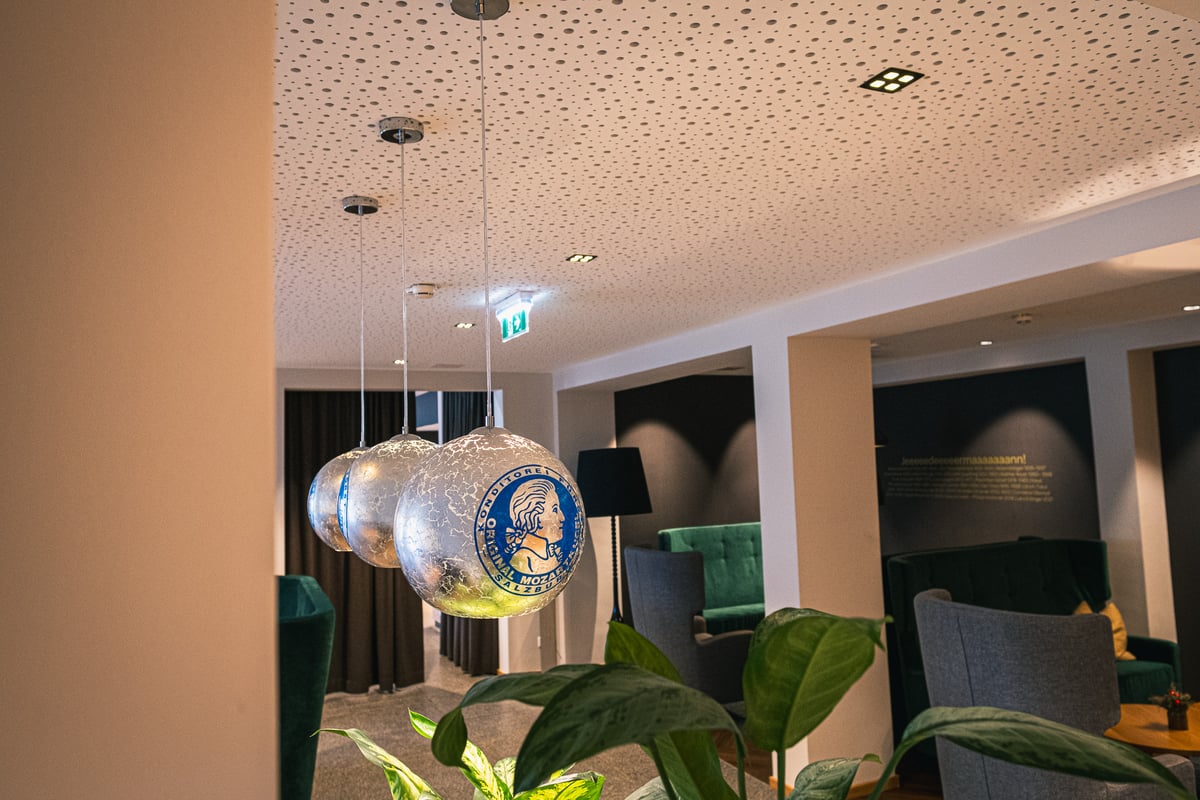
    dessertsalzburg regional

Where to eat

Where to eat and drink in Salzburg

Every restaurant, cafe, bar and stand documented inside Salzburg, A to Z.
  • 220 Grad Nonntal

    The Nonntal location of 220 Grad. A neighbourhood café south of the Altstadt between the Cathedral and Nonnberg Abbey. Good coffee in a quieter setting.

    Salzburgpaid
  • 220 Grad Rupertinum

    The first location of Salzburg's 220 Grad specialty coffee brand, in the Rupertinum building on Wiener-Philharmoniker-Gasse. A natural stop on a museum visit.

    Salzburgpaid
  • Afro Café

    One of the most distinctive independent cafés in Salzburg. African-inspired flavours and a warm, colourful atmosphere on Bürgerspitalgasse. Long-running. A genuine original.

    Salzburgpaid
  • Alchemist Belge

    Salzburg's specialist craft beer bar. Belgian and Austrian craft beers in a city where tap options have long defaulted to Stiegl or Augustiner. Small and unpretentious.

    Salzburgaustrian
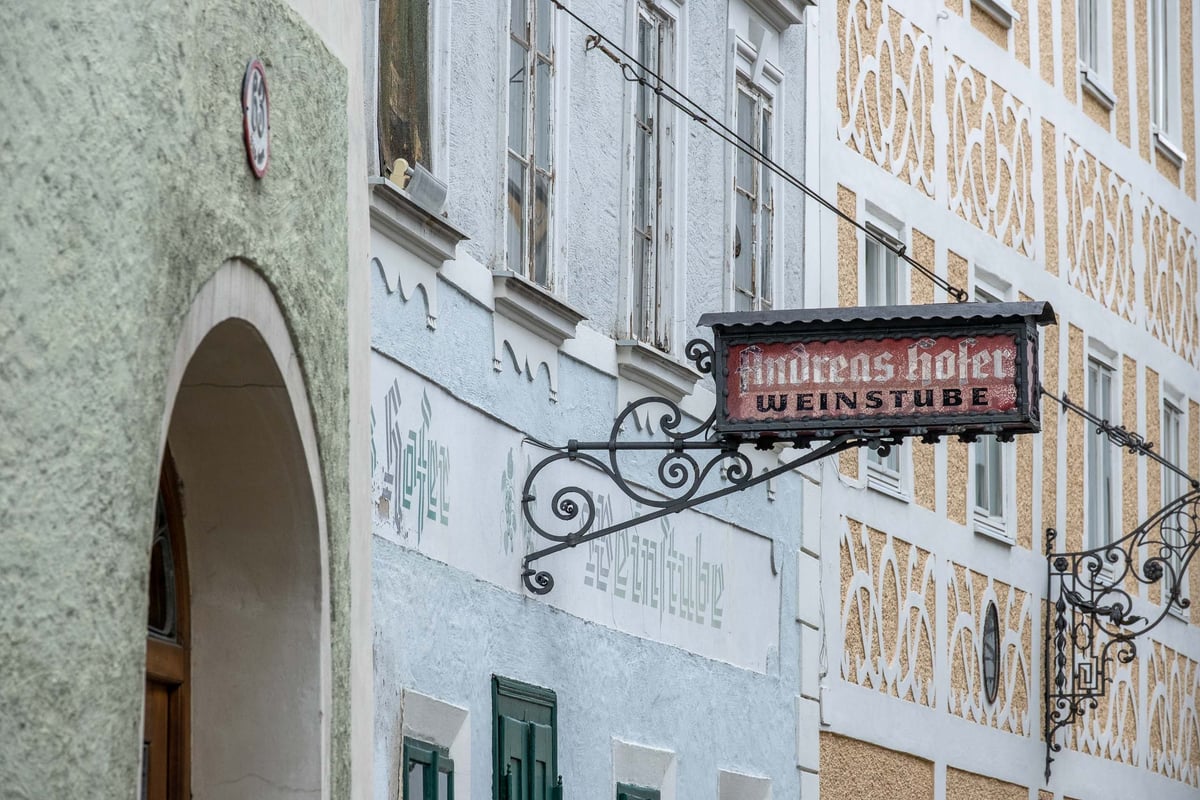
  • Andreas Hofer Weinstube

    A traditional Weinstube (wine tavern) in the Steingasse area. Austrian wines in a warm, wood-panelled atmosphere. The Steingasse location gives it a quieter, more local feel.

    Salzburgaustrian
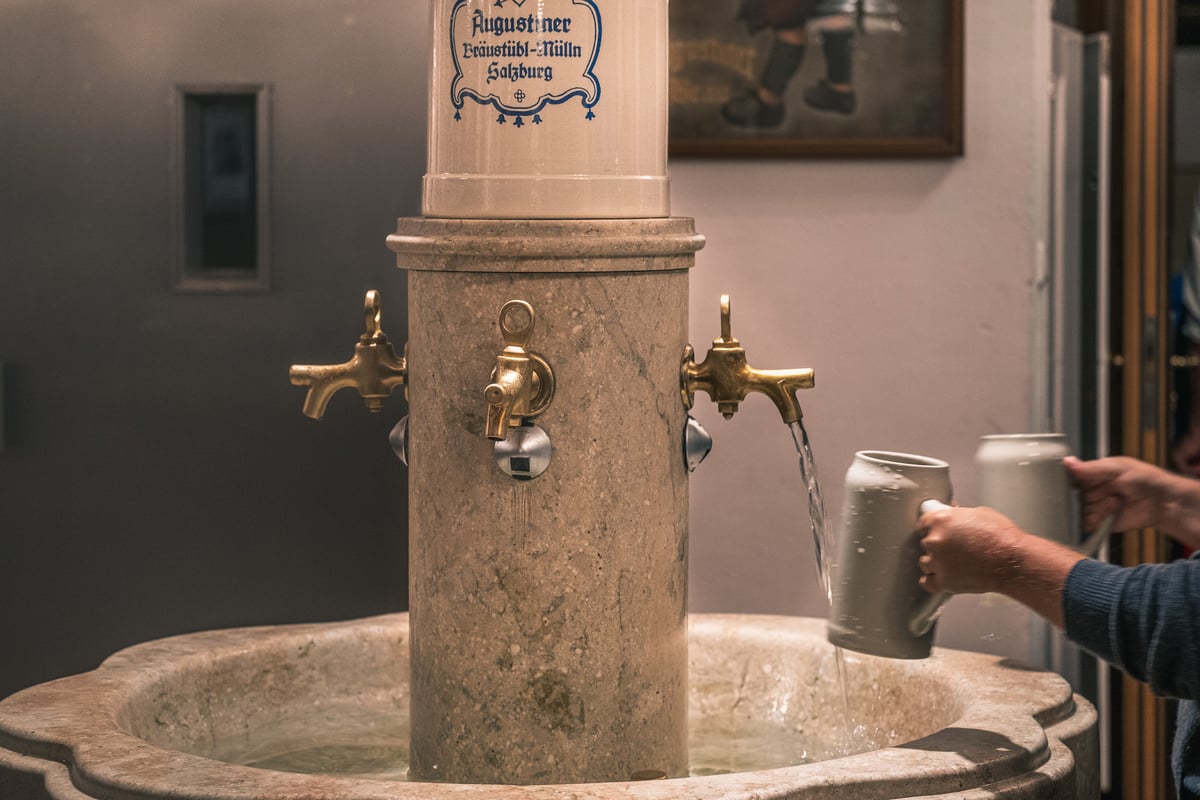
  • Augustiner Bräustübl Mülln

    Operating since 1621

    One of the largest and most atmospheric beer halls in Austria, founded by the Augustinian friars of Mülln in 1621 and run since 1835 by the Benedictine Abbey of Michaelbeuern. Visitors collect beer directly from wooden barrels. The garden seats thousands. Adjacent to Mulln Church.

    Salzburgaustrian
  • Balkan Grill Walter

    A Salzburg institution on Getreidegasse. A small sausage stand feeding locals and in-the-know visitors for decades. The queue on a busy day is its own recommendation.

    Salzburgpaid
  • Bärenwirt Salzburg

    A traditional Austrian Gasthof in the Mülln district. One of the most reliably authentic restaurants in the city. Beer garden draws residents and visitors alike.

    Salzburgaustrian
  • Blaue Gans Restaurant

    Inn since 1549

    The restaurant of the Arthotel Blaue Gans at Getreidegasse 41. Inn since 1549. Contemporary art on the walls, Austrian cooking with modern interpretation. Medieval architecture meets current culture.

    Salzburgaustrian
  • Café Bazar

    Opened 1930

    Stefan Zweig, Max Reinhardt, and Hugo von Hofmannsthal used to sit at these marble tables, and the view across the Salzach toward the Altstadt and fortress hasn't changed since. Cafe Bazar is the literary coffeehouse that locals recommend when tourists ask about Tomaselli.

    Salzburgpaid
  • Café Konditorei Habakuk

    A traditional Salzburg Konditorei and café, serving the city's residents rather than its tourist masses. Coffee and cake in a neighbourhood setting.

    Salzburgaustrian
  • Café Tomaselli

    Established 1703

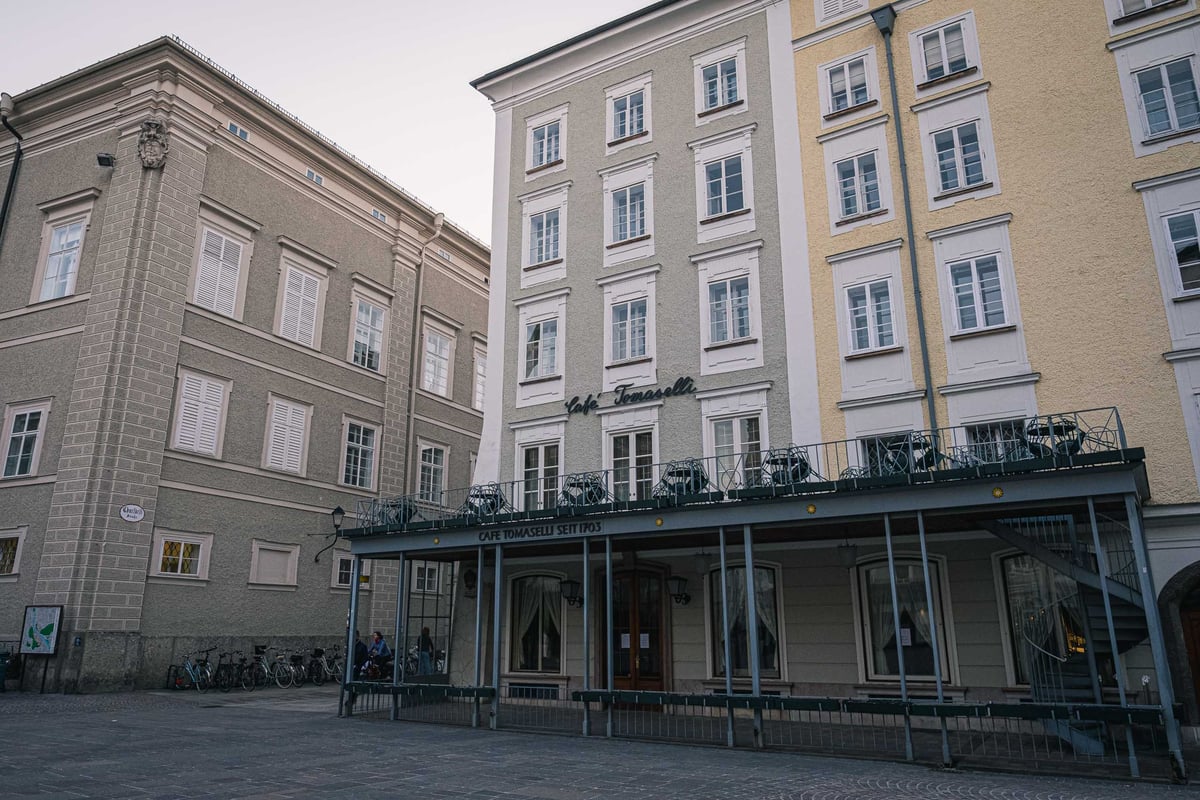
    Austria's oldest coffeehouse by documented record, Tomaselli has been on the Alter Markt since 1700. The pastry trolley wheeled to your table is the signature move. The terrace on the square is the most photographed coffeehouse seat in Salzburg, which means you will be competing for it with everyone who has read a travel article about the city.

    Salzburgpaid
  • Café Wernbacher

    Long-established traditional Neustadt café. Serves residents, not visitors. Good coffee, pastries, unhurried atmosphere.

    Salzburgaustrian
  • Die Weisse

    Salzburg's own wheat beer brewery on Rupertgasse. Brews unfiltered Weissbier on-site. One of the city's most beloved local institutions. A genuinely local crowd: students, families, regulars.

    Salzburgaustrian
  • Esszimmer Salzburg

    One of Salzburg's leading fine dining restaurants, Michelin-recognised. In the Mülln district. Contemporary Austrian and European cuisine: precise, seasonally driven.

    Salzburgaustrian
  • Feinkost Stocker

    A traditional delicatessen and butcher on Siegmund-Haffner-Gasse. One of the last genuinely local food shops in the heart of the old town. Leberkäse, fresh bread rolls, and a proper Jause at local prices.

    Salzburgpaid
  • Franziskischlössl

    Built 1629

    A small baroque fortification at the Kapuzinerberg summit (1629), now a seasonal beer garden with panoramic views. Real historic structure, modest beer garden, and a 30-minute walk to get there: a character no purpose-built café can replicate.

    Salzburgaustrian
  • Fuxn

    Organic bakery and café with multiple Salzburg locations. Serious bread, organic sourcing, loyal local following. A step beyond the traditional Konditorei model.

    Salzburgaustrian
  • Gasthaus Hinterbrühl

    Long-established neighbourhood restaurant south of the Altstadt. Where Salzburg residents eat. Traditional Austrian cooking, beer garden, genuine local atmosphere.

    Salzburgaustrian
  • Gasthof Schloss Aigen

    Historic inn in the Aigen district. Beer garden in the Schloss Aigen grounds. A long lunch in the garden feels like stepping out of the tourist city entirely.

    Salzburgaustrian
  • Heart of Joy

    One of Salzburg's longest-running vegan/vegetarian restaurants. Alongside Spicy Spices, represents the committed plant-based dining scene in a meat-and-dairy city.

    Salzburgpaid
  • Holztrattner Brodgasse

    A quality bakery and café on Brodgasse in the Altstadt. Brodgasse, the old "bread lane," has a historic association with bakers going back centuries. Good breakfast stop near Getreidegasse.

    Salzburgpaid
  • Humboldt Stubn

    A restaurant and bar on the Mönchsberg, connected to the Humboldtterrasse. Drinks and food with a view over the city, particularly at sunset.

    Salzburgpaid
  • Imlauer Sky Bar

    Rooftop bar at the IMLAUER Hotel Pitter Salzburg. Panoramic view over the city toward fortress and Mönchsberg. Less well-known alternative to the Steinterrasse.

    Salzburgpaid
  • Johanneskeller

    A bar and wine cellar in the Altstadt. Cellar bars occupy a particular place in Salzburg's nightlife: thick stone walls and underground spaces lending themselves to intimate, candlelit drinking.

    Salzburgaustrian
  • Kaffee Alchemie

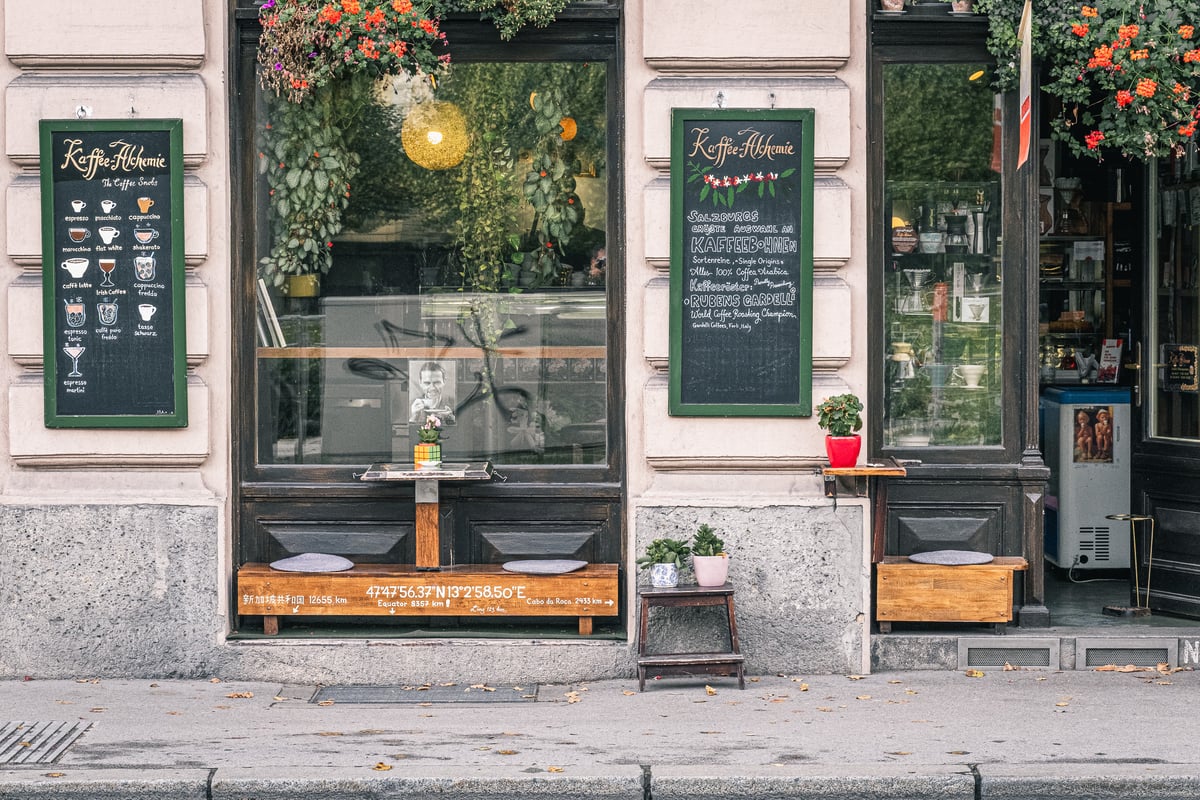
    Salzburg's leading specialty coffee shop. A third-wave café for visitors who find the grand cafés too formal or the tourist cafés too generic.

    Salzburgpaid
  • Konditorei Fürst

    Founded 1884

    The original home of the Mozartkugel, invented by Paul Furst in 1890. The Alter Markt shop still hand-rolls each Kugel individually, wrapping it in silver-and-blue foil. Fürst never patented the recipe.

    Salzburgpaid
  • Konditorei Schatz

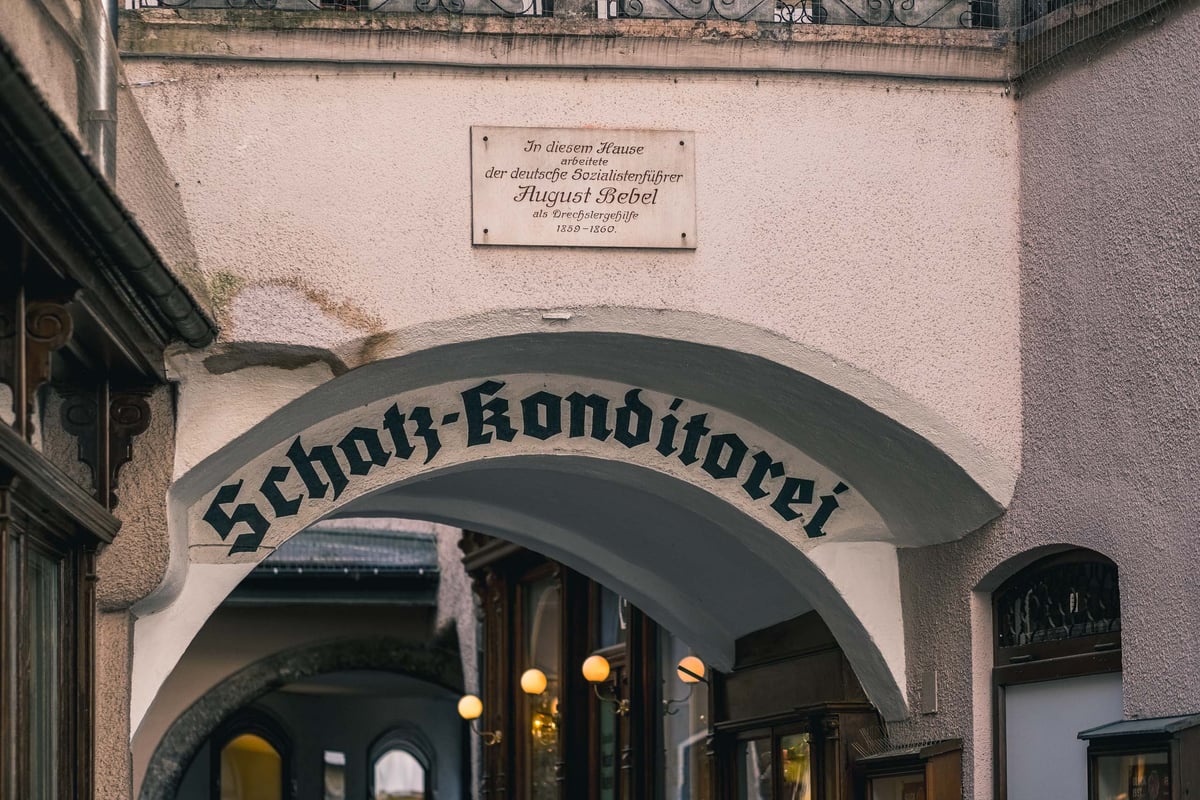
    A traditional Salzburg Konditorei in the Altstadt. Pastries, cakes, and coffee in the classic Austrian confectionery tradition.

    Salzburgaustrian
  • Krimpelstätter

    One of the most authentic dining experiences in Salzburg. Historic brewery-restaurant in Mülln, steps from the Augustiner Bräustübl. Brews its own beer. Traditional Salzburg cooking in a wood-panelled interior and shaded beer garden.

    Salzburgaustrian
  • Ludwig Burger Salzburg

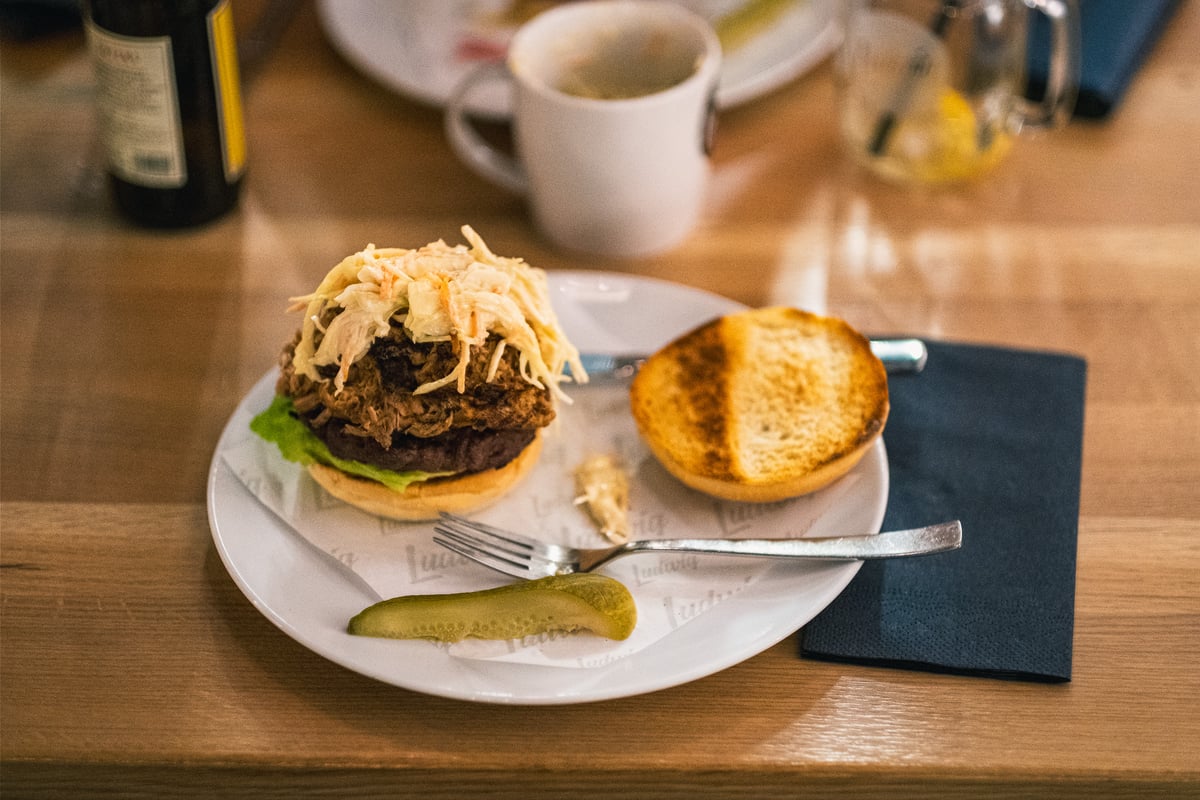
    A quality locally run burger restaurant on Linzer Gasse, opened 2016. Austrian organic beef, a short menu done well, dogs welcome.

    Salzburgaustrian
  • M32

    The restaurant and café at the Museum der Moderne Monchsberg. Sleek contemporary space with one of the best panoramic views in Salzburg. The terrace at sunset is hard to argue with.

    Salzburgpaid
  • Magazin

    A wine bar and restaurant near the Mülln district. Exceptional Austrian wine list. One of the most intelligent combinations of restaurant and wine shop in the city. Frequented by the Festival world.

    Salzburgaustrian
  • Meissl & Schadn Salzburg

    An upscale restaurant on the Neustadt side, offering refined Austrian and regional cuisine. A reliable choice for a serious dinner during Festival season.

    Salzburgaustrian
  • Pauli Stubm

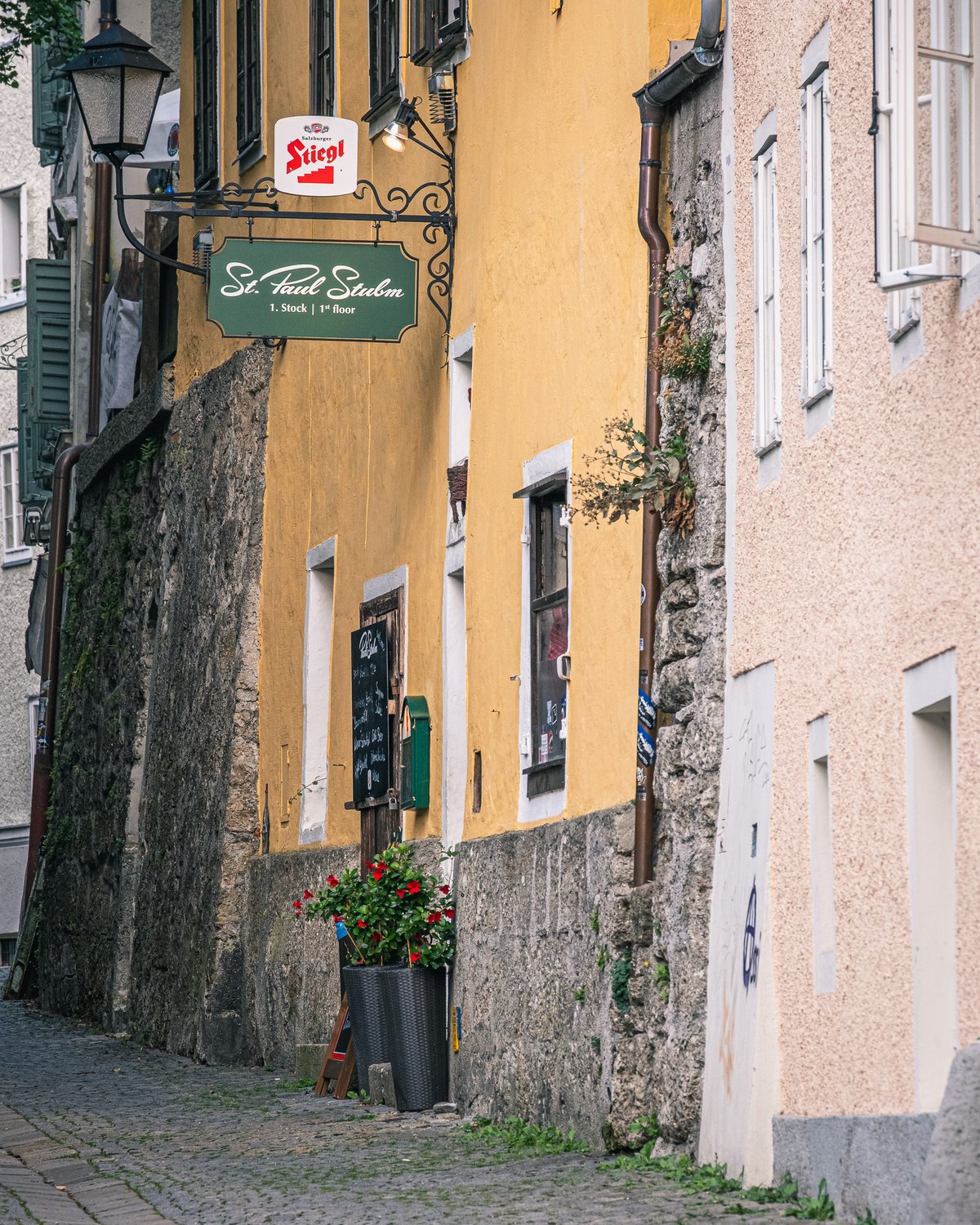
    A Stubm (small parlour restaurant) in a 17th-century stone house at Herrengasse 16, tucked behind Kapitelplatz. Three indoor rooms, a gravel beer garden for 120. Austrian food and Stiegl beer at honest prices. Closed Sundays and Mondays.

    Salzburgaustrian
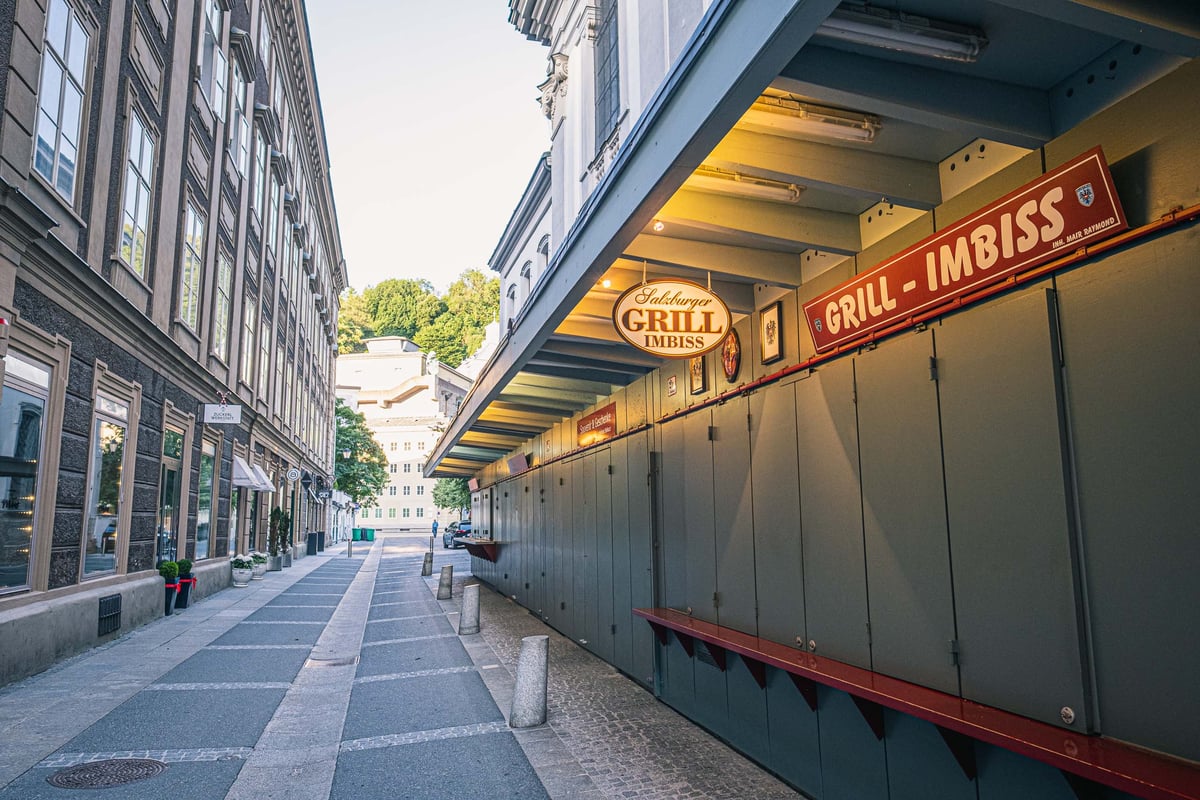
  • Raymond Grill Imbiss

    A Salzburg street food institution with a loyal local following. Grilled meat at fair prices. The kind of place that never appears in glossy travel guides but residents queue for.

    Salzburgpaid
  • Republic Café

    Contemporary café and bar at Salzburg's Republic cultural venue. Coffee by day, drinks by evening. Younger, more evening-oriented. Connected to Salzburg's contemporary cultural life.

    Salzburgpaid
  • Restaurant Ikarus

    The flagship restaurant inside Hangar-7 at Salzburg Airport. Each month a different world-class guest chef cooks their signature menu. Conceived by Dietrich Mateschitz. One of the most distinctive dining experiences in Austria.

    Salzburgpaid
  • S'Herzl

    The restaurant of the Hotel Goldener Hirsch on Getreidegasse. Michelin-noted. Refined Austrian cuisine in an intimate, historically rich setting.

    Salzburgaustrian
  • Salzburger Grill Imbiss

    Most Salzburg Würstelstände boil their sausages. This one grills them, which is the whole reason locals rate it the best stand in the old town.

    Salzburgpaid
  • Spicy Spices

    One of Salzburg's pioneering vegetarian and vegan restaurants. Serious, flavour-forward plant-based cooking in a city traditionally centred on meat and dairy. Friendly and welcoming.

    Salzburgaustrian
  • Stadtalm

    A simple mountain café on the Mönchsberg plateau, beside the Museum der Moderne Monchsberg. The "city mountain pasture." Unpretentious, local, unchanged. One of those places most tourists never find.

    Salzburgfree
  • Steinterrasse

    The celebrated rooftop terrace bar atop Hotel Stein. One of the most coveted outdoor drinking spots in Salzburg. Panoramic view over rooftops, Salzach, fortress, and Mönchsberg. Particularly at sunset.

    Salzburgpaid
  • Sternbräu

    A sprawling historic inn and beer hall complex in the Altstadt, founded in the 16th century. Entrances off both Griesgasse and Getreidegasse. A labyrinthine series of dining rooms, cellars, and a large courtyard beer garden.

    Salzburgaustrian
  • Stiegl Brauwelt

    Established 1492

    The visitor centre and museum of Stiegl, Austria's largest private brewery, established in 1492. The Brauwelt opened in 1995 as a 5,000 m² interactive beer experience: a 270-degree brew cinema, guided production tours through the working brewhouse, included tastings, and a Bräugasthof restaurant. Located in the Maxglan district, near Salzburg Airport.

    Salzburgpaid
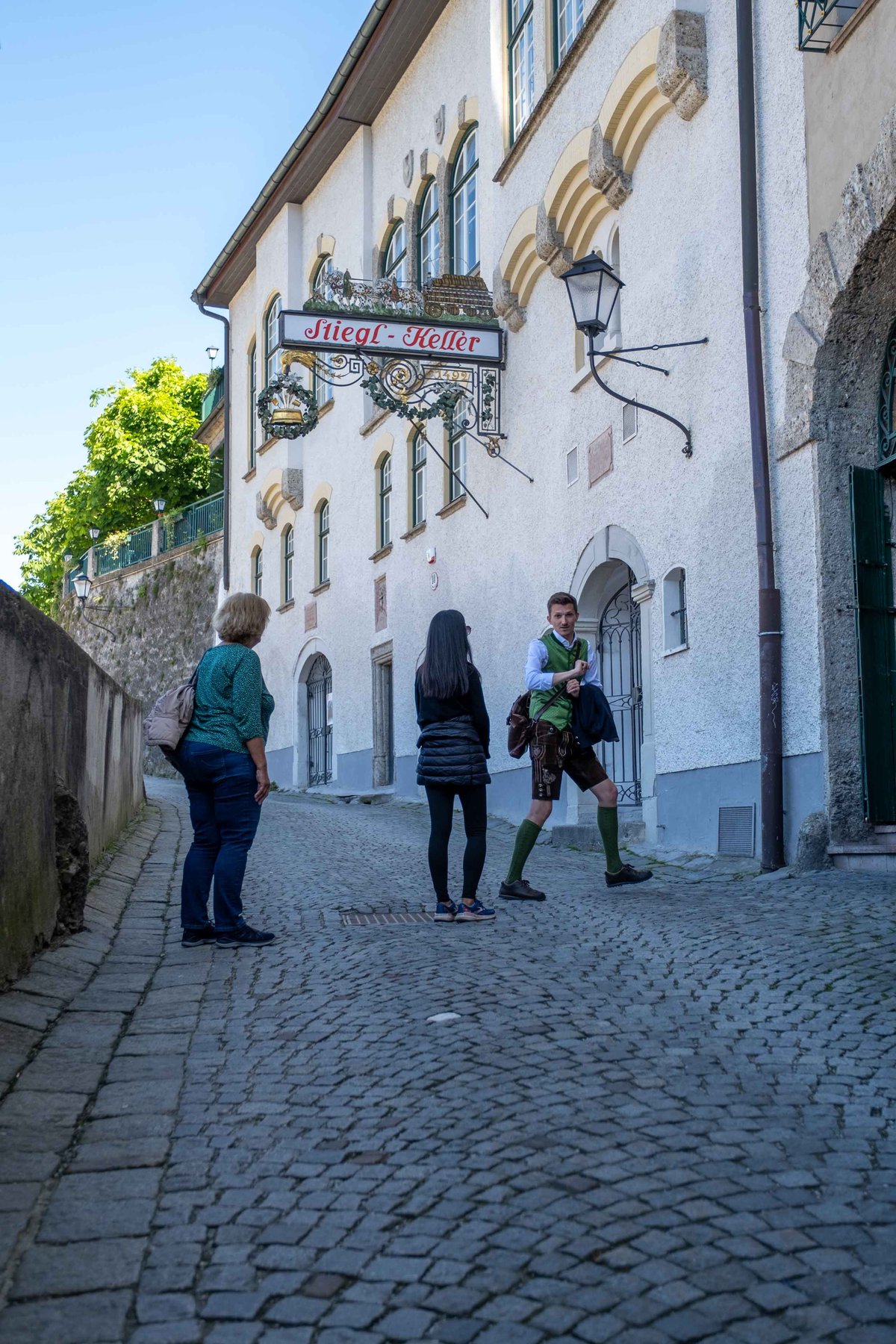
  • Stieglkeller

    A large traditional beer garden on the Festungsberg slope between the funicular station and Hohensalzburg Fortress. One of the most dramatically positioned outdoor drinking venues in Salzburg. Connected to Stiegl Brewery (since 1492). Seasonal.

    Salzburgaustrian
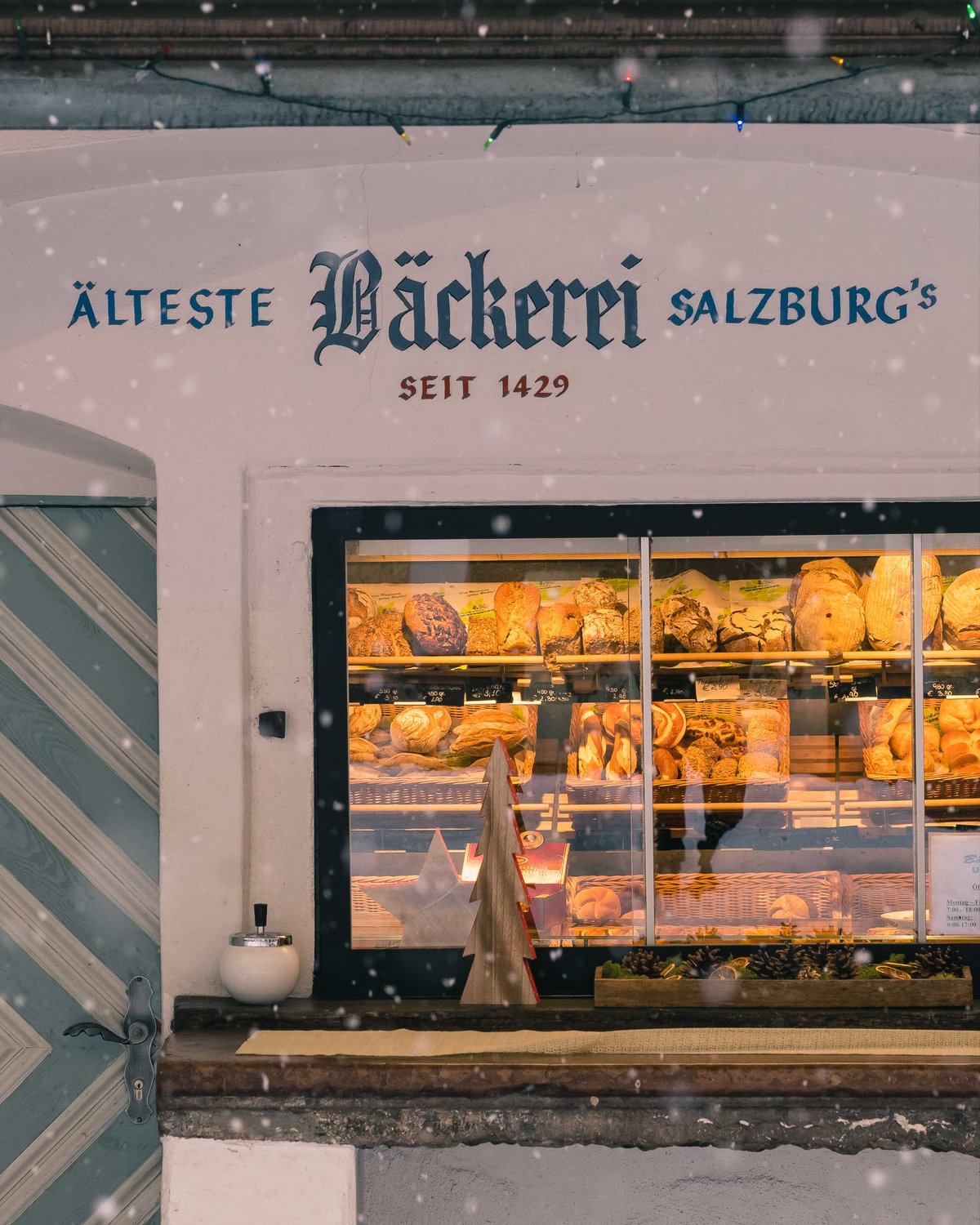
  • Stiftsbäckerei St. Peter

    Operating since 803 AD

    The bakery of St. Peter's Abbey, operating since at least 803 AD. One of the oldest continuously operating businesses of any kind in the world. The wood-fired stone oven has been baking bread for over 1,200 years.

    Salzburgpaid
  • Stiftskeller St. Peter

    Documented since 803 AD

    Claimed to be the oldest restaurant in Europe, documented since 803 AD. Located at Stift St. Peter, tucked into the Mönchsberg cliff. Mozart is believed to have dined here. Still run in association with the Benedictine monks.

    Salzburgaustrian
  • Strobl Stüberl

    A traditional neighbourhood Stüberl in Salzburg. Classic Austrian home cooking. The kind of restaurant regulars return to weekly.

    Salzburgaustrian
  • The Glass Garden

    Michelin-starred restaurant inside a glass-and-steel vault built against the medieval walls of Schloss Mönchstein, above the Altstadt. One of the most architecturally distinctive dining environments in Salzburg.

    Salzburgpaid
  • Triangel

    A restaurant and wine bar on Wiener-Philharmoniker-Gasse, steps from the Festival Halls. One of the most reliably excellent and genuinely loved restaurants in Salzburg. Informal enough for neighbourhood feel, good enough for the Festival crowd.

    Salzburgpaid
  • Urbankeller

    A Kulturwirtshaus in a historic cellar dating to 1636, operating as Salzburg's first organically certified restaurant. Five vaulted rooms, a garden for 150, and an in-house organic Steinbier. Schallmooser Hauptstraße 50.

    Salzburgaustrian
  • Wirtshaus Elefant

    A traditional Wirtshaus in the Altstadt on Sigmund-Haffner-Gasse, in the same building as Hotel Elefant. Austrian home cooking in a warm, informal inn atmosphere.

    Salzburgaustrian
  • Zum Eulenspiegel

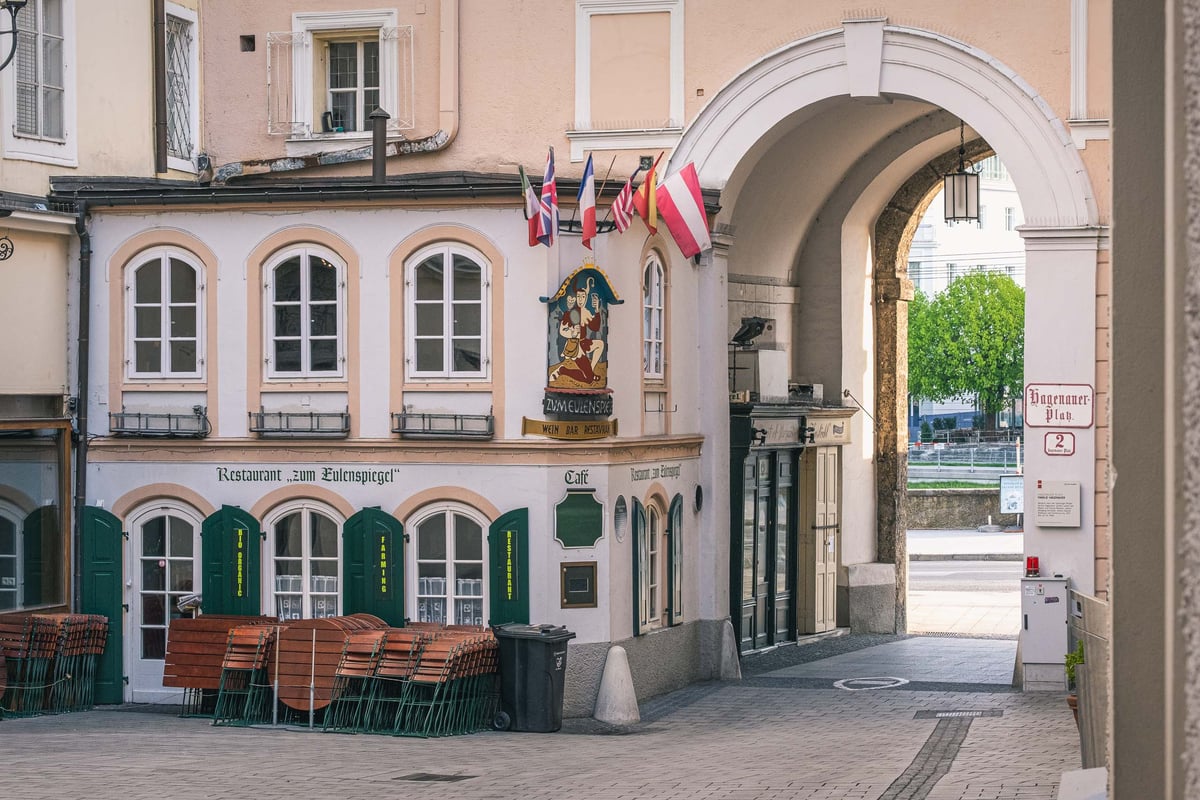
    A traditional Austrian restaurant near Alter Markt, best known for its atmospheric medieval vaulted cellar dining rooms. Wiener Schnitzel, Tafelspitz, game dishes, and Salzburg regional specialities.

    Salzburgaustrian
  • Zum Fidelen Affen

    A lively pub-restaurant on Priesterhausgasse, the "Merry Monkey." One of Salzburg's most consistently enjoyable evenings out. Booking recommended.

    Salzburgpaid
  • Zwettler's Wirtshaus

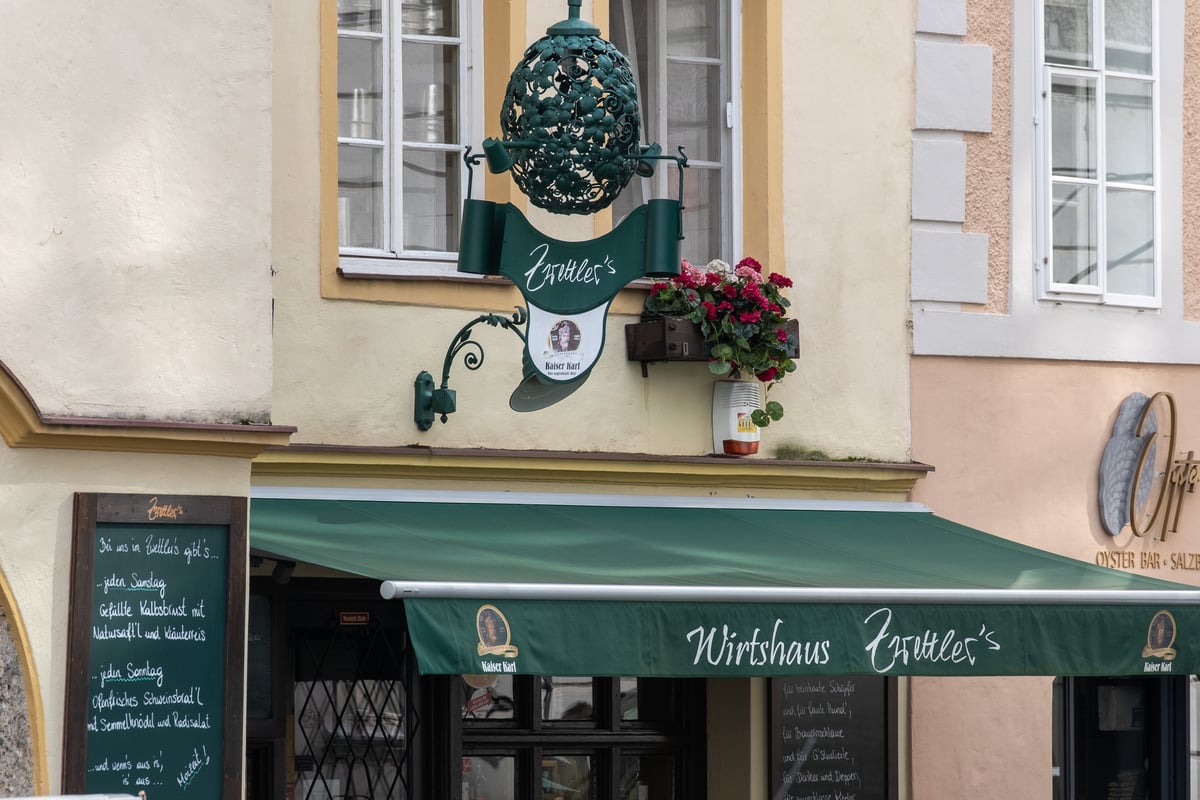
    A classic Salzburg Wirtshaus on Kaigasse. Traditional Austrian food and local beers. Popular with residents who want a proper meal without tourist-menu markup.

    Salzburgaustrian

In Salzburg

Explore 294 places

Showing 1-16 of 294 places

Sorted A to Z

220 Grad Nonntal

The Nonntal location of 220 Grad. A neighbourhood café south of the Altstadt between the Cathedral and Nonnberg Abbey. Good coffee in a quieter setting.

Salzburgpaid

220 Grad Rupertinum

The first location of Salzburg's 220 Grad specialty coffee brand, in the Rupertinum building on Wiener-Philharmoniker-Gasse. A natural stop on a museum visit.

Salzburgpaid

A&O Hostel Salzburg

European chain hostel on Elisabethkai along the Salzach. Dormitory and private rooms. Popular with younger travellers and school groups. Riverside location gives easy Altstadt access.

Salzburg

AEIOU

Installed 2002

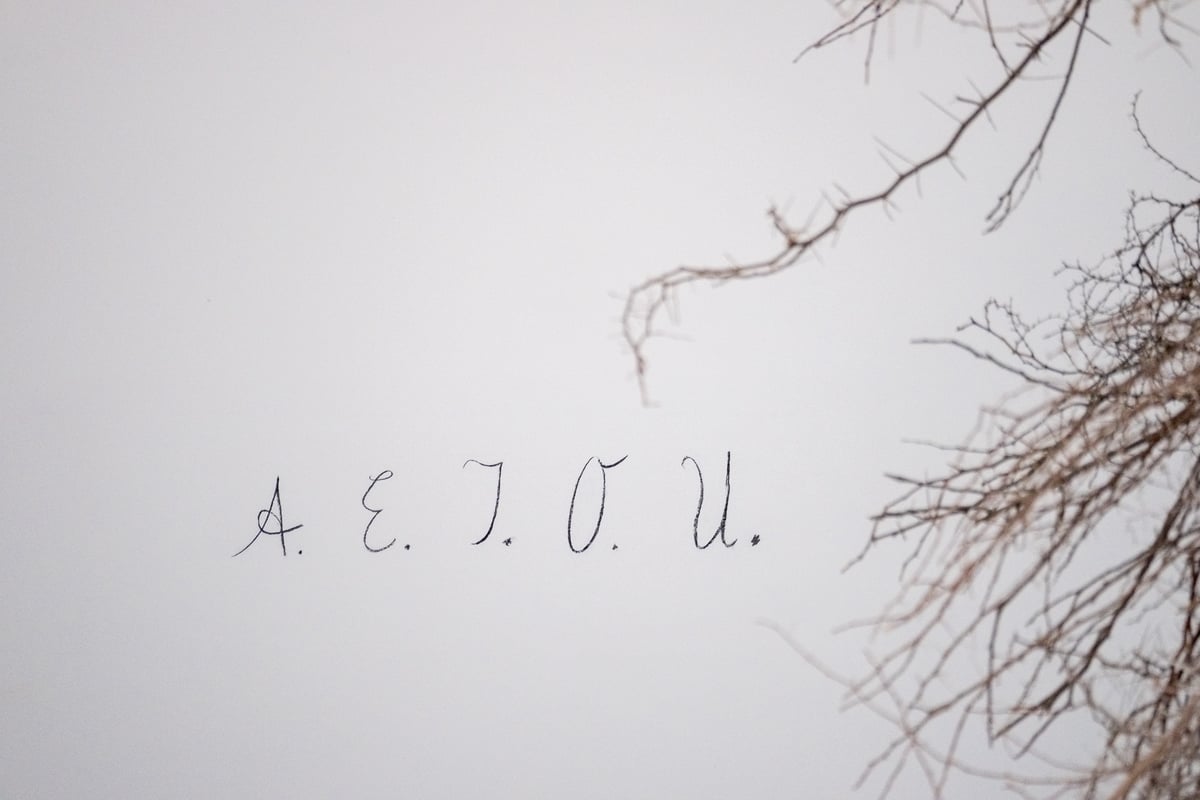
A cubic art pavilion by Anselm Kiefer (2002) in Furtwänglerpark. Walk of Modern Art #1, the very first commission. Named after the enigmatic Habsburg motto Alles Erdreich ist Österreich Untertan.

Salzburgfree

Afro Café

One of the most distinctive independent cafés in Salzburg. African-inspired flavours and a warm, colourful atmosphere on Bürgerspitalgasse. Long-running. A genuine original.

Salzburgpaid

Alchemist Belge

Salzburg's specialist craft beer bar. Belgian and Austrian craft beers in a city where tap options have long defaulted to Stiegl or Augustiner. Small and unpretentious.

Salzburgaustrian

Alm Canal

A medieval artificial water channel flowing through Mülln and parts of the Altstadt. Built to power mills. In winter, sections freeze for ice skating. Most visitors pass without noticing, taking it for a natural stream.

Salzburgfree

Alpine Vista next to Nonnberg Abbey

A dramatic open viewpoint at the southeastern end of the Mönchsberg, beside Nonnberg Abbey. Faces directly toward the Untersberg and Berchtesgaden Alps. One of the most photographed angles on Salzburg from the hills.

Salzburgfree

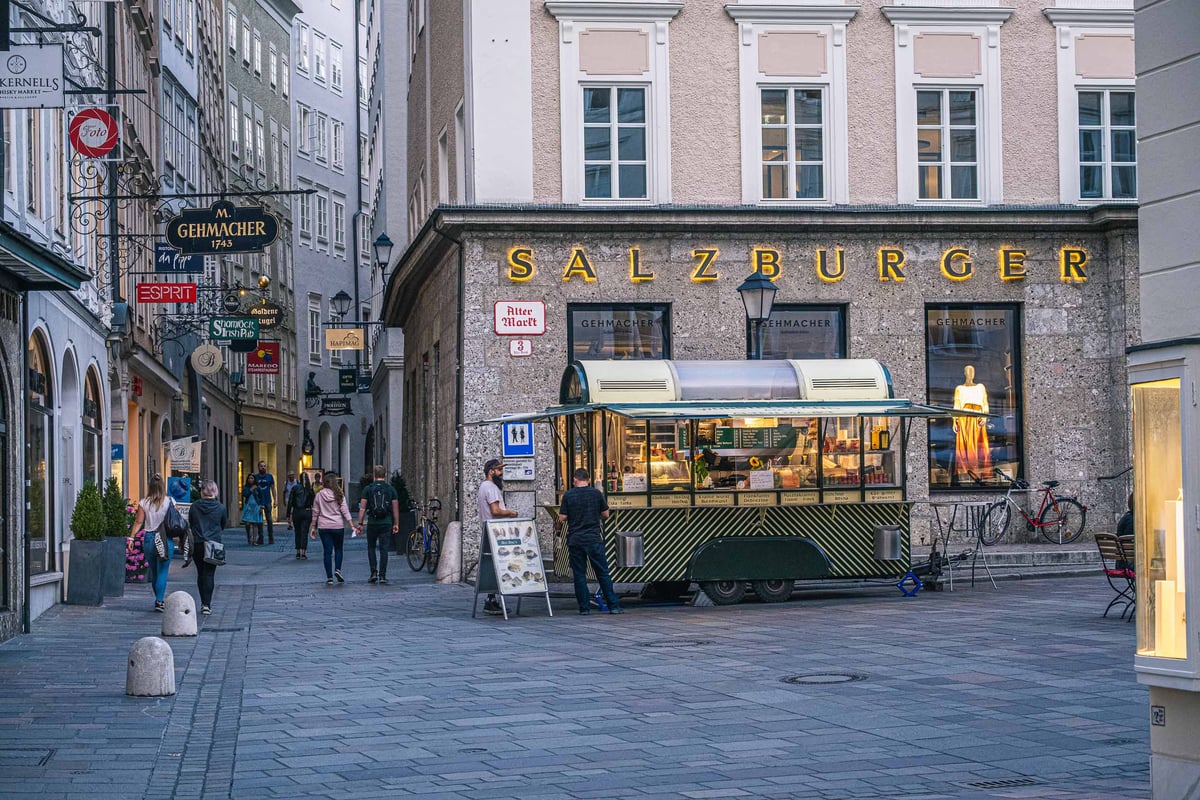
Alter Markt

The Alter Markt is Salzburg's oldest square, a compact rectangle in the heart of the Altstadt flanked by Baroque facades that replaced medieval buildings. Cafe Tomaselli, which has operated here since 1705, and the Hofapotheke (court pharmacy, established 1591) still occupy their original locations on the square.

Salzburgfree

Altes Rathaus Salzburg

Rococo (1772 facade; rebuilt 1616-1618, medieval core)

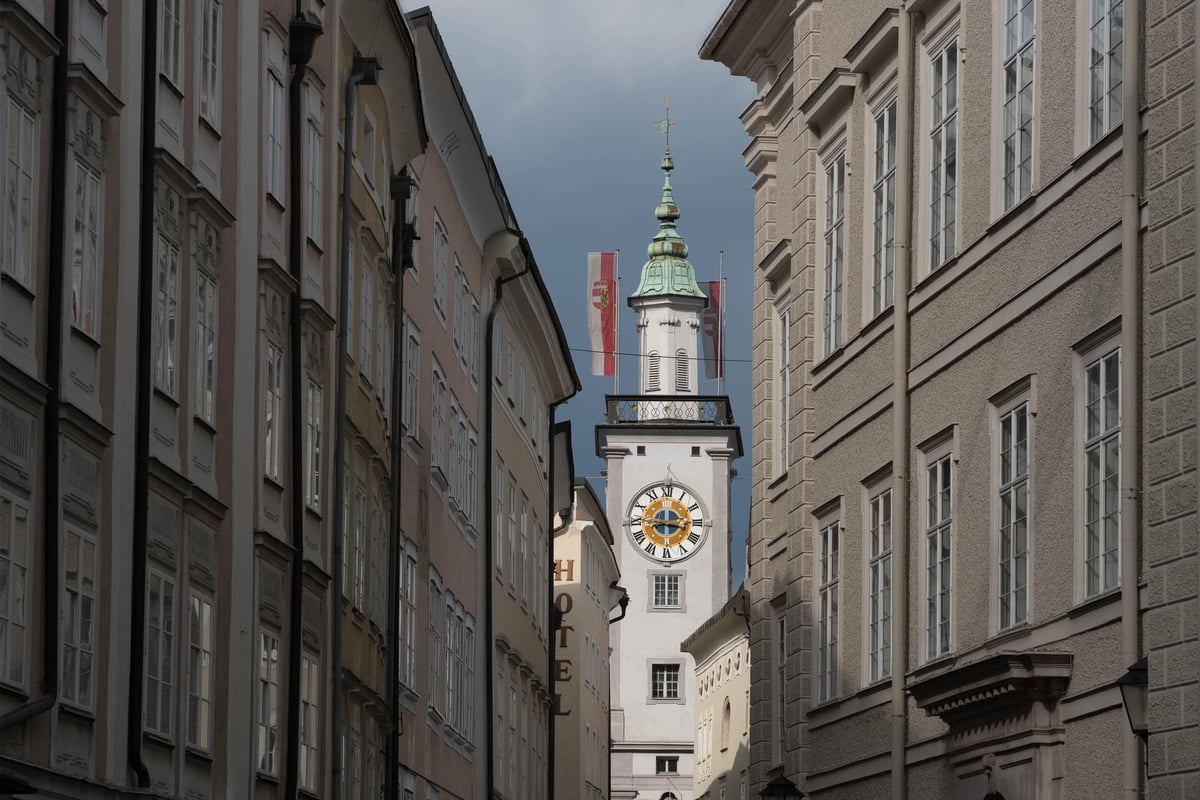
Most visitors walk straight past Salzburg's old town hall without realising the slender corner building on the Kranzlmarkt hides the oldest clock and the oldest bell in the city, both housed in its tower behind a black-and-gold dial. The city bought the site, an existing burgher house built around a 12th-century tower, in 1407.

Salzburgfree

Altstadthotel Weisse Taube

A long-established hotel in the pedestrian lanes of the Altstadt. Comfortable mid-range accommodation in the UNESCO historic core. Cathedral, Getreidegasse, and main sights immediately at hand.

Salzburg

Altstadthotel Wolf

Traditional Altstadt hotel on Kaigasse. Mid-range. Nonnberg Abbey, Salzach embankment, and Altstadt grid all within easy walking distance.

Salzburg

Andräkirche

Built 1898-1902

The parish church of the Lehen district, a neo-Gothic structure built 1898-1902 as Salzburg's working-class neighbourhoods expanded north of the Altstadt. The distinctive red-brick tower is a local landmark.

Salzburgfree

Andreas Hofer Weinstube

A traditional Weinstube (wine tavern) in the Steingasse area. Austrian wines in a warm, wood-panelled atmosphere. The Steingasse location gives it a quieter, more local feel.

Salzburgaustrian

Arcotel Castellani

Design hotel in the Alpenstraße area south of the centre. Garden. Contemporary interiors. Quieter residential neighbourhood. Well connected by public transport.

Salzburg

ARGEkultur

Founded 1986

Salzburg's principal alternative cultural centre, founded in 1986. Year-round theatre, concerts, dance, readings, and interdisciplinary events that deliberately operate outside the mainstream Festival world.

Salzburgpaid

Filter places

Topic
Show 23 more
Type
Show 66 more
Style and period
Show 16 more
Cuisine
Price

Follow a route

Curated routes through Salzburg

Ordered walks with a stop-by-stop plan. Each one passes through this destination.
  • Panoramic sunrise view of Salzburg old town with cathedral domes and Hohensalzburg Fortress on snowy hills.

    Salzburg in Fifteen Stops

    The fifteen sights we mark on the map we hand every guest, in the order I would walk them. It starts on the right bank, crosses into the old town, climbs to the fortress, and comes back over the Mozartsteg. Half a day at a stroll, or a full one if you go inside things.

    trip plan15 stops

Longer reads

Stories around Salzburg

Blog stories that share a topic with this destination, newest first.

The Mozart family grave in the Sebastiansfriedhof
Mozart

Mozart's Death: The Skull, the Grave, and What We Actually Know

Mozart died in Vienna on 5 December 1791. He was thirty-five. We do not know what killed him. We do not know where he is buried. A skull that spent over a century in the Mozarteum probably is not his. And the family grave in Salzburg contains people who, according to DNA, are not related to each other.

Mozart

The Mozart Family and St. Gilgen

Mozart never visited St. Gilgen. His mother was born there. His sister lived there for seventeen years. His grandfather and brother-in-law are buried in the churchyard. The village square is named after him. He never came.

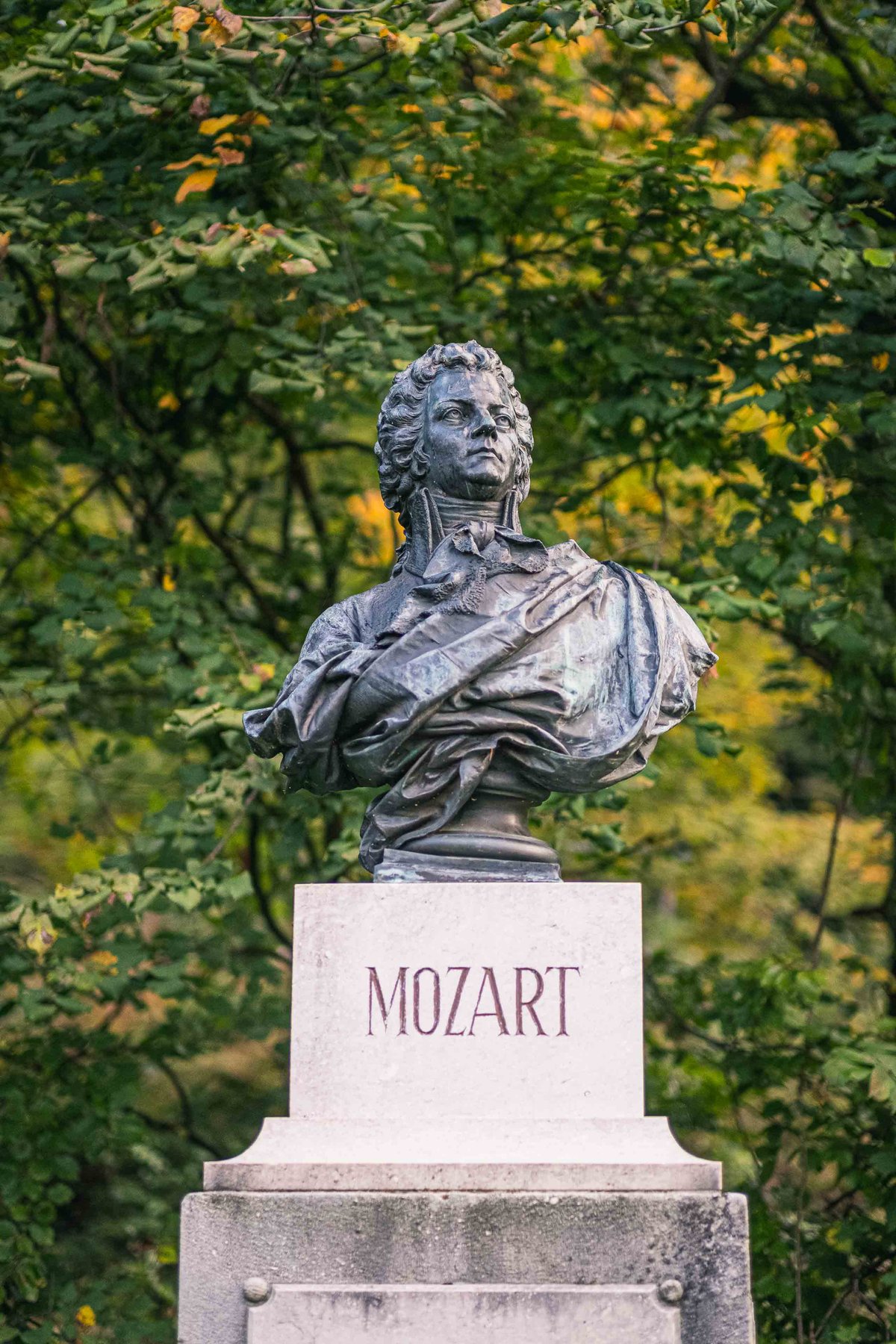
The Mozart bust on the Kapuzinerberg
Mozart

What Most Mozart Guides Get Wrong

Every week on my tours, someone asks about Salieri. Every week I explain that Amadeus is a film, not a documentary. That is only the beginning. The popular version of Mozart's life is a mix of half-truths, romantic exaggeration, and Hollywood invention. Here are the things most guides repeat that do not hold up.

The facade of Mozart’s Birthplace on the Getreidegasse, where Nannerl also grew up
Mozart

Nannerl: The Mozart Nobody Talks About

Maria Anna Mozart was four and a half years older than her brother and just as talented. As a child, she toured the royal courts of Europe alongside Wolfgang, performing for kings and emperors. The audiences could not tell which sibling was more gifted. Some thought she was better.

A customer at the Konditorei Furst shop window, where the original Mozartkugel is still made
Mozart

The Original Mozartkugel: A Legal Battle in Chocolate

The original Mozartkugel is wrapped in blue and silver foil, made by hand, and sold only in Salzburg. The one you see at every airport and supermarket in Austria, the red and gold version, is a mass-produced copy that has nothing to do with the man who invented it.

Mozartplatz in winter, the city Mozart left
Mozart

Why Mozart Hated Salzburg

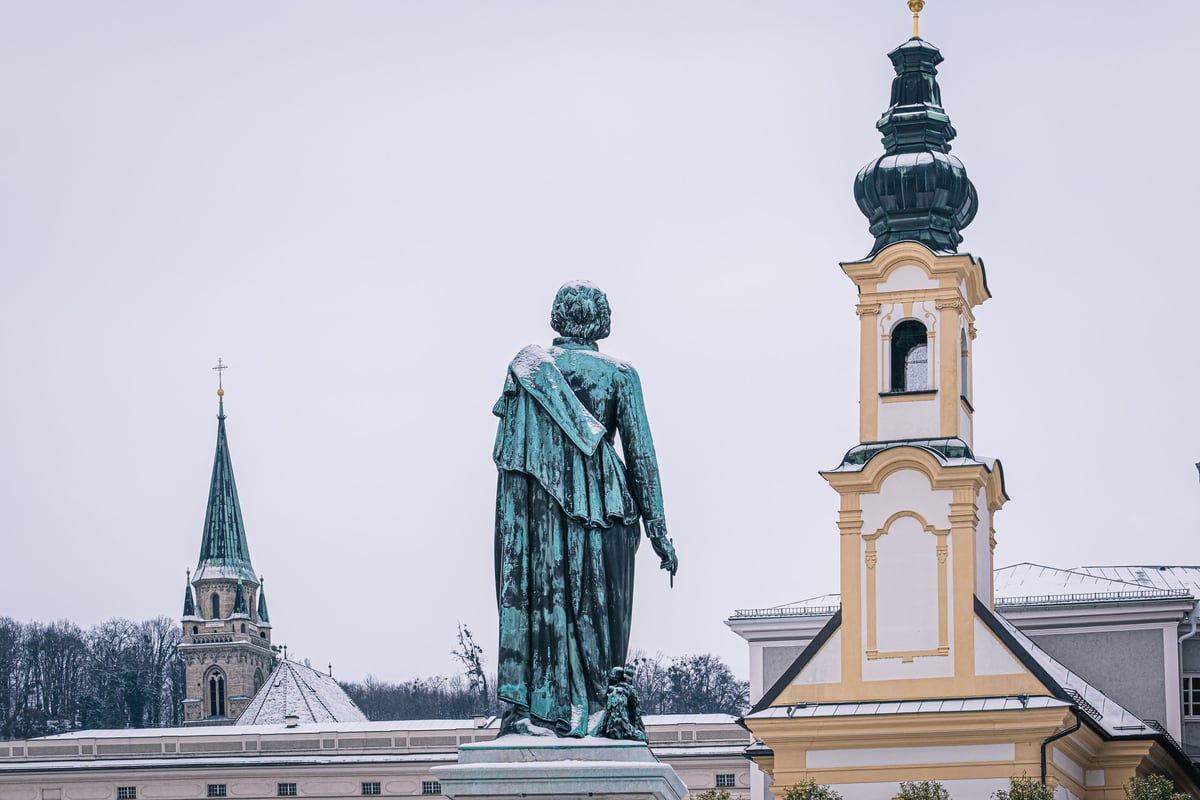
Mozart did not leave Salzburg quietly. He was kicked out. Literally. Count Arco, the Archbishop's chamberlain, kicked him in the backside and threw him out of the room. Mozart was twenty-five. He never came back.

Guides

Plan the practical side

The questions every visit raises, answered one guide at a time.

Guide

Plan Your Trip

Itineraries written by someone who lives here. Logistics from someone who has done the airport-to-Altstadt run a hundred times.

Guide

Best Time to Visit Salzburg

Salzburg is beautiful all year round, but 'beautiful' is not the same as 'worth your money and your patience.' The honest answer is that autumn wins. Here is when to actually come, season by season, from someone who has run tours here for fourteen years and checks the (often wrong) forecast every single morning.

Guide

Getting around Salzburg

Most of what you came to see sits inside a flat square kilometre between the river and the cliff. You can walk it. I want to save you the rented car, the wrong bus, and the forty minutes you would otherwise lose working it out on the pavement.

Guide

Where to Stay in Salzburg

Most people book a hotel and then find out what kind of trip they signed up for. I'd rather do it the other way around. The old town, the Neustadt across the river, the quiet streets under the Untersberg: they are a ten minute walk apart and feel like different cities. Pick the right Salzburg first, then pick the room.

Guide

One Day in Salzburg

One day in Salzburg is enough, if you start early, skip the wrong things, and trust that everything worth seeing sits inside a twenty-minute walk. This is the route a local guide actually walks: one river crossing, one native street food, one attraction you pay for, and a four-hundred-year-old beer garden at the...

Guide

Two Days in Salzburg

One day covers the essentials. Two days covers the essentials plus the depth and the height that make the city make sense. This is the route I give my own guests: the classics on foot, then inside and above them. No car needed, working legs required.

Guide

Day Trips from Salzburg

Salzburg is small. Two days and you have seen it. The good news: you are standing at the foot of the Alps, ringed by lakes and one border, and the best of this trip might be the days you spend outside the city. These are the day trips I actually send friends on, ranked by whether they are worth your time, not by...

Guide

Salzburg Card

The short version: it depends entirely on how you move and how many doors you open. I counted a real Salzburg day twice, once paying at each gate and once with the card in my pocket, and put both totals next to each other. No scarcity, no affiliate push. Just the arithmetic I would do for a friend.

Guide

Salzburg on a Rainy Day

Salzburg sits against the Alps, so the clouds pile up and let go more often than anyone wants to admit. After fourteen years of guiding here I have stopped fighting it. A grey, wet day pushes you indoors, into the rooms most visitors skip in good weather, and the old town looks its moodiest under a low sky. Here is...

Guide

Salzburg with Kids: A Local Guide's Family Plan

I do not have children, but I was one here. I grew up in Hallein, fifteen kilometres south of the city, and the trick fountains, the dinosaurs, and the funicular I send families to are the same ones I remember from thirty years ago. Some have not changed at all, which is exactly why I can tell you which ones still...