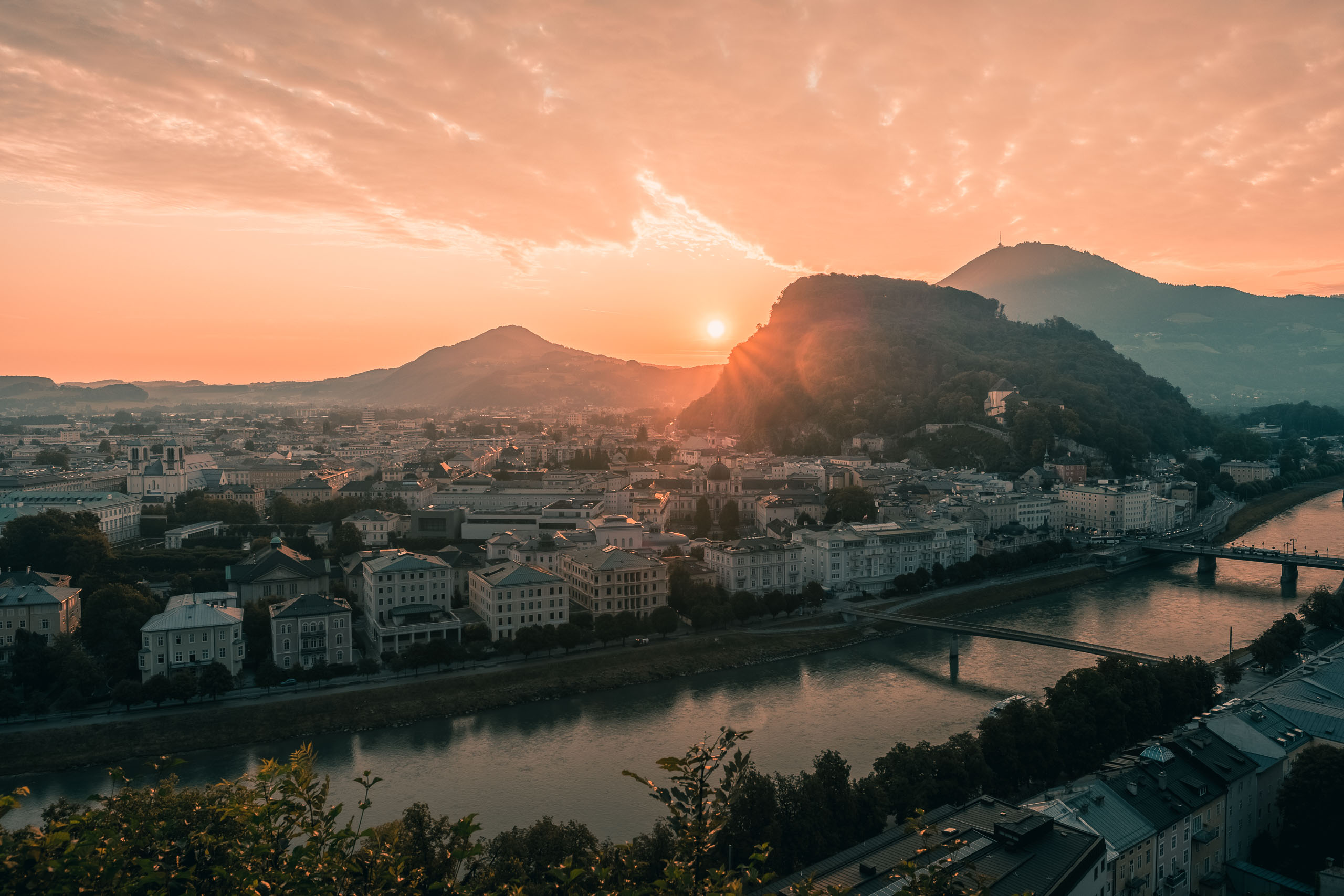
Snapshot
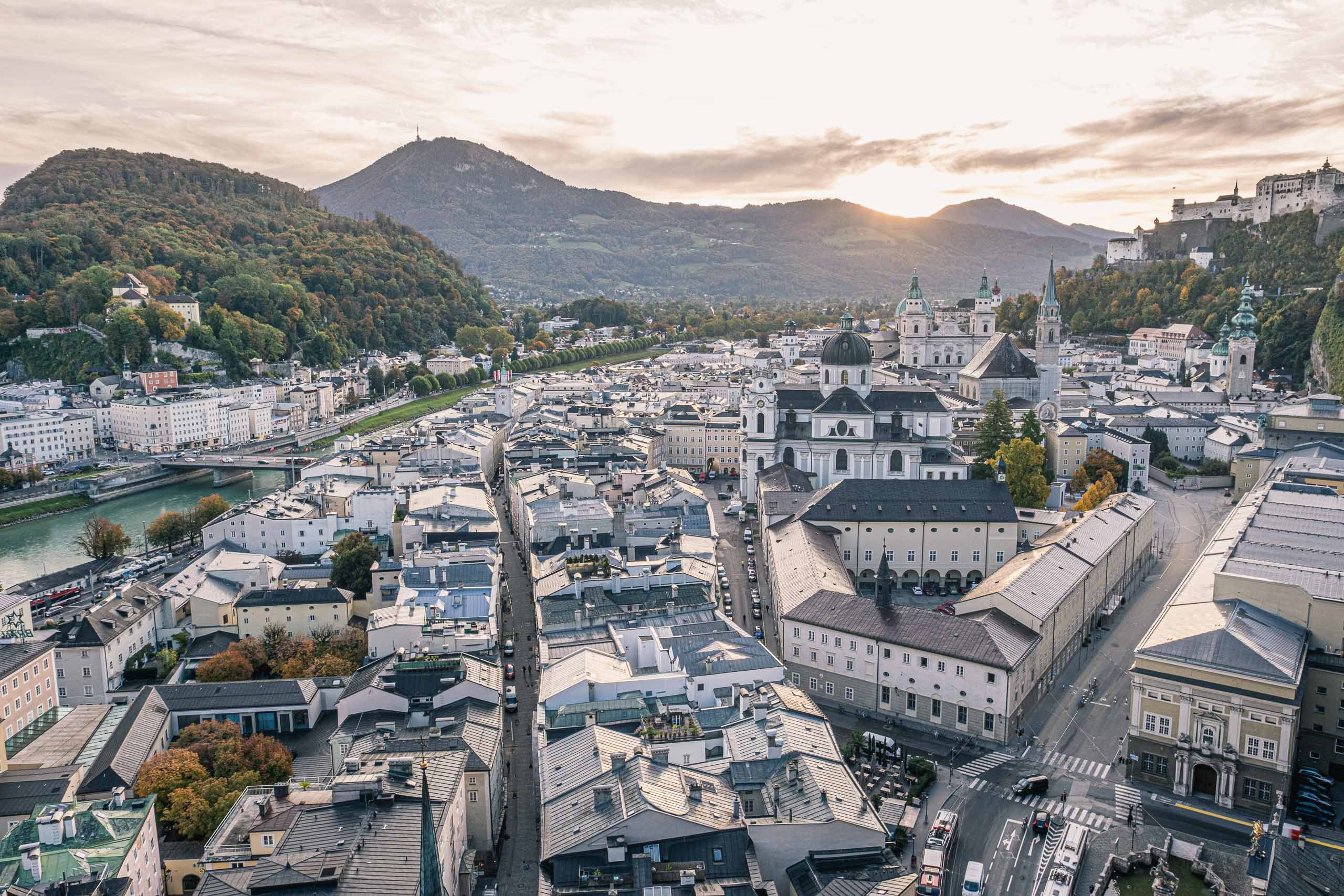
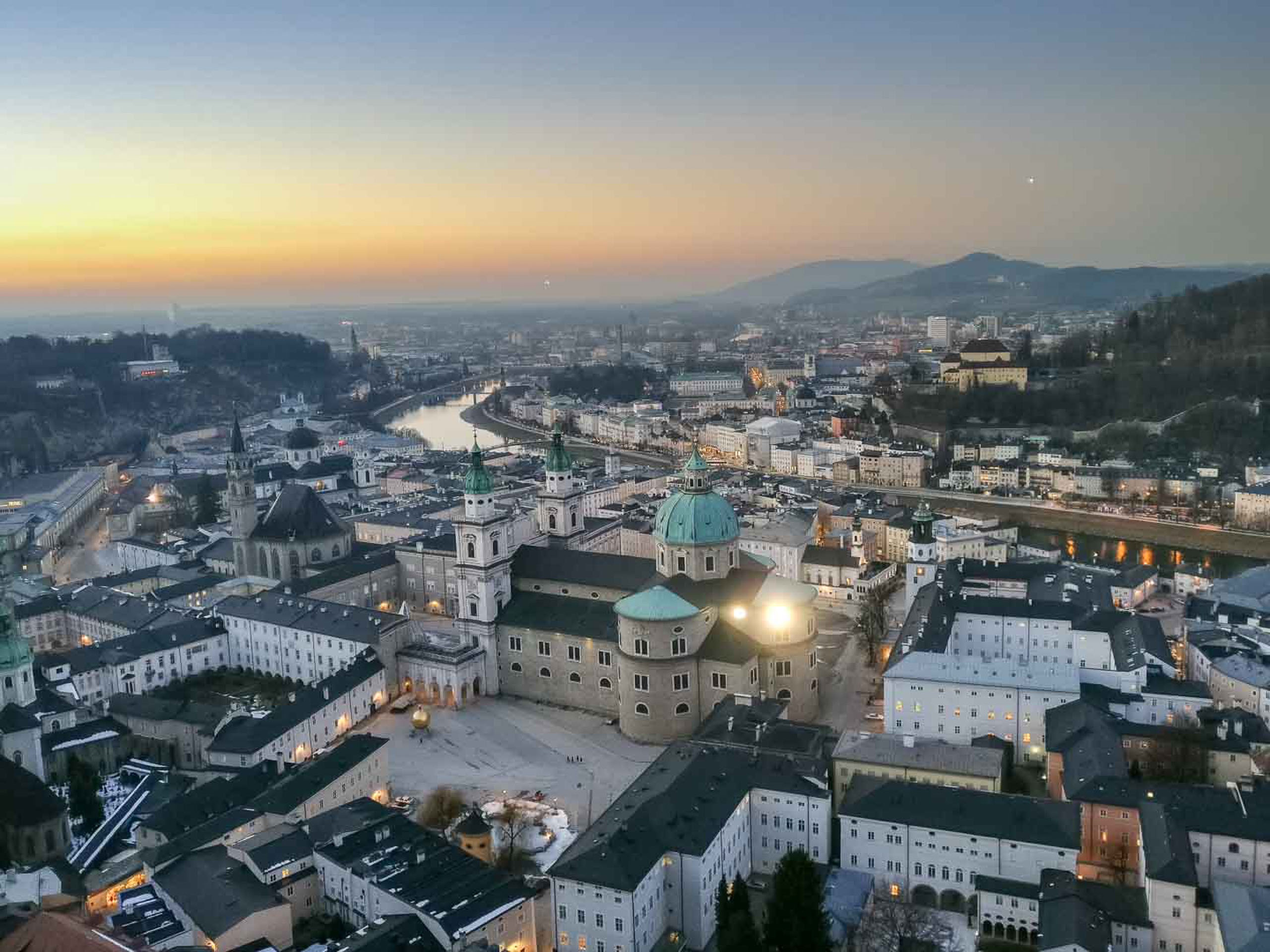
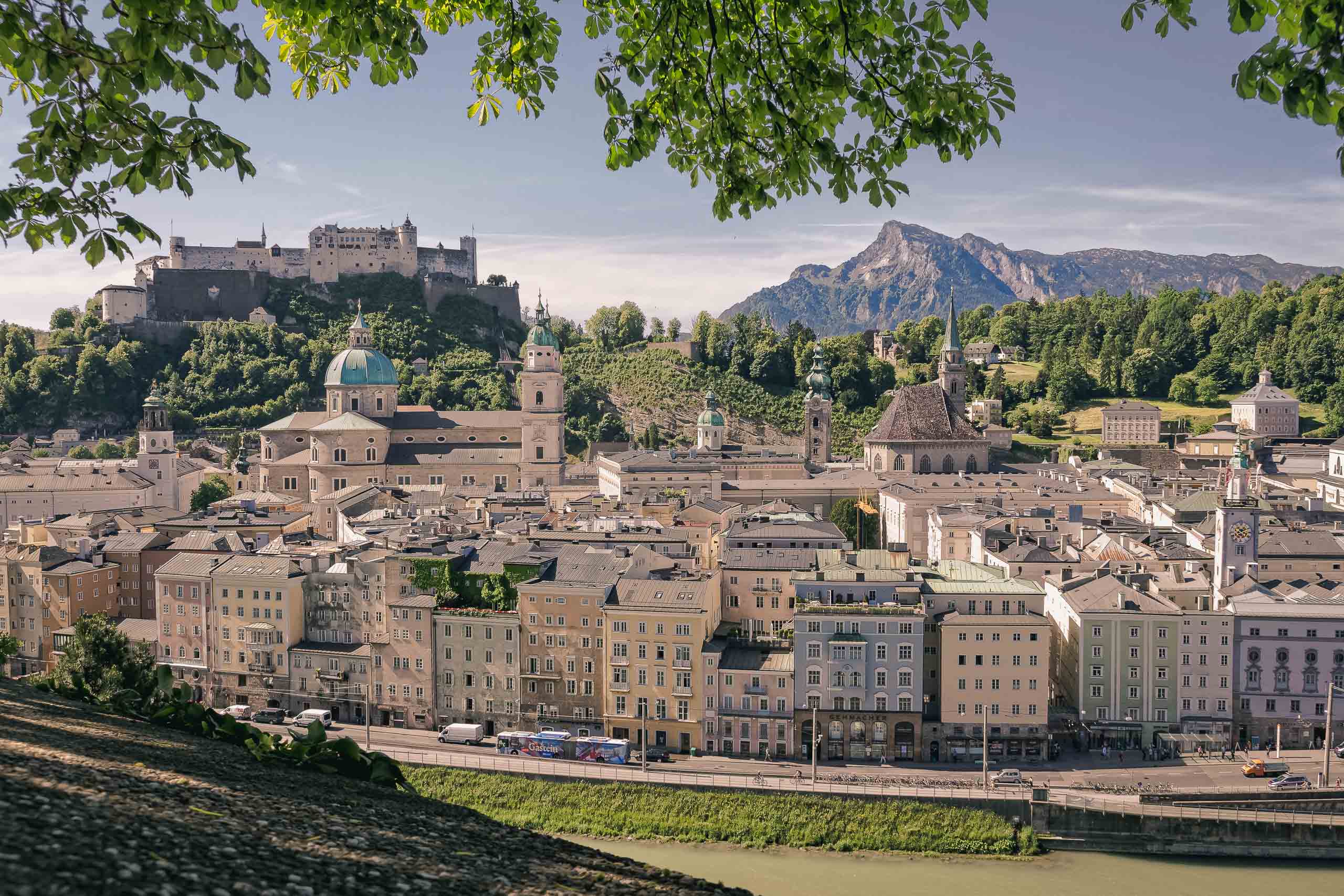
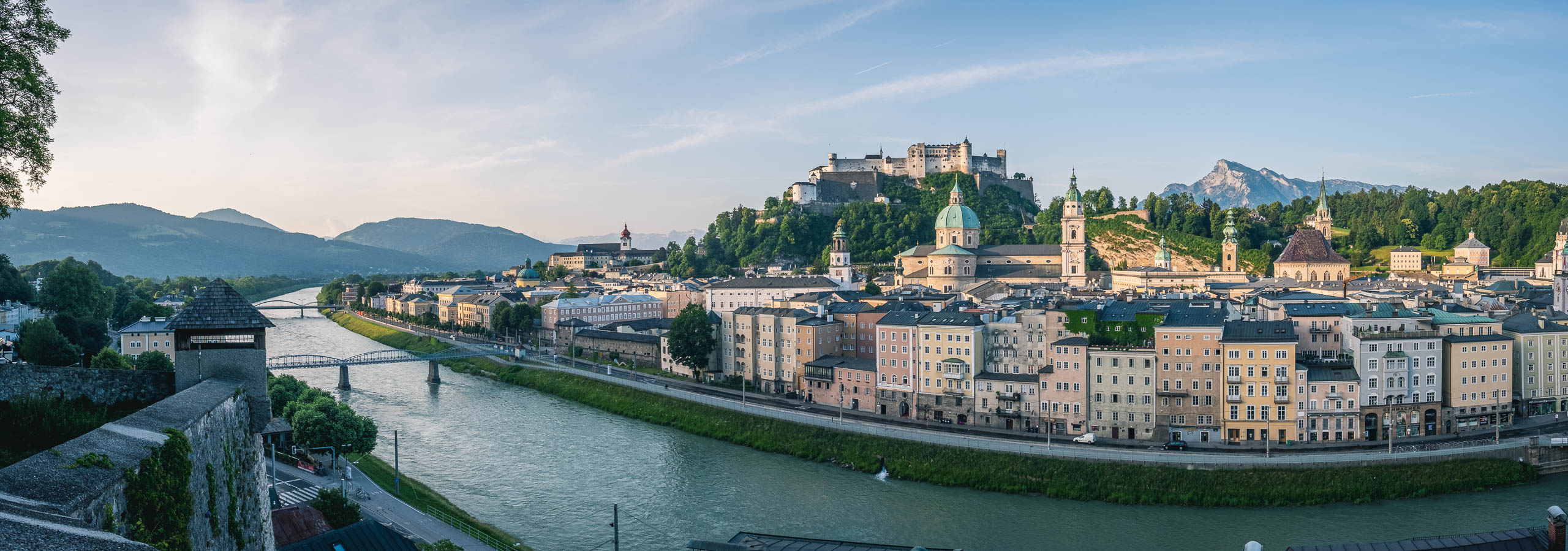
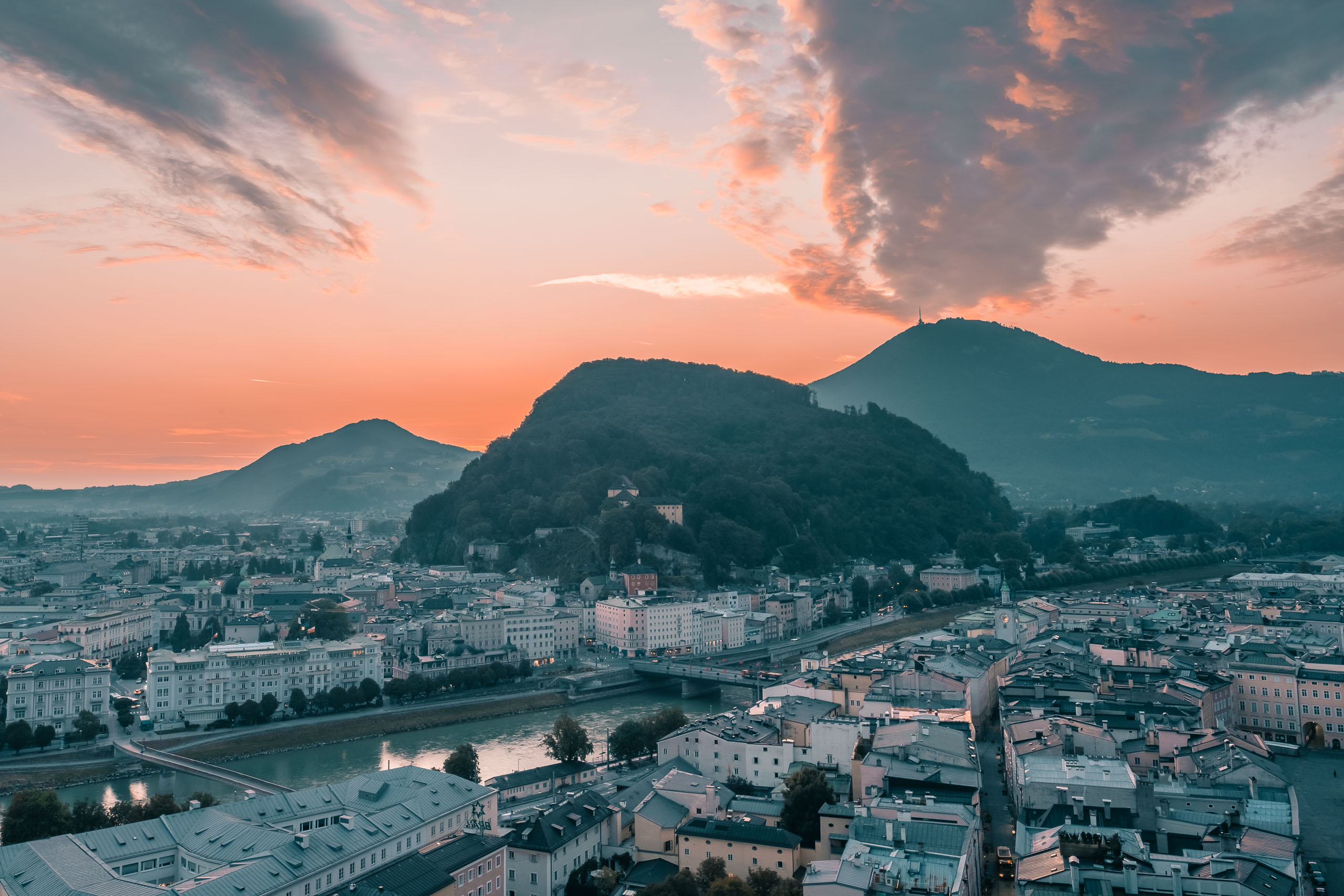
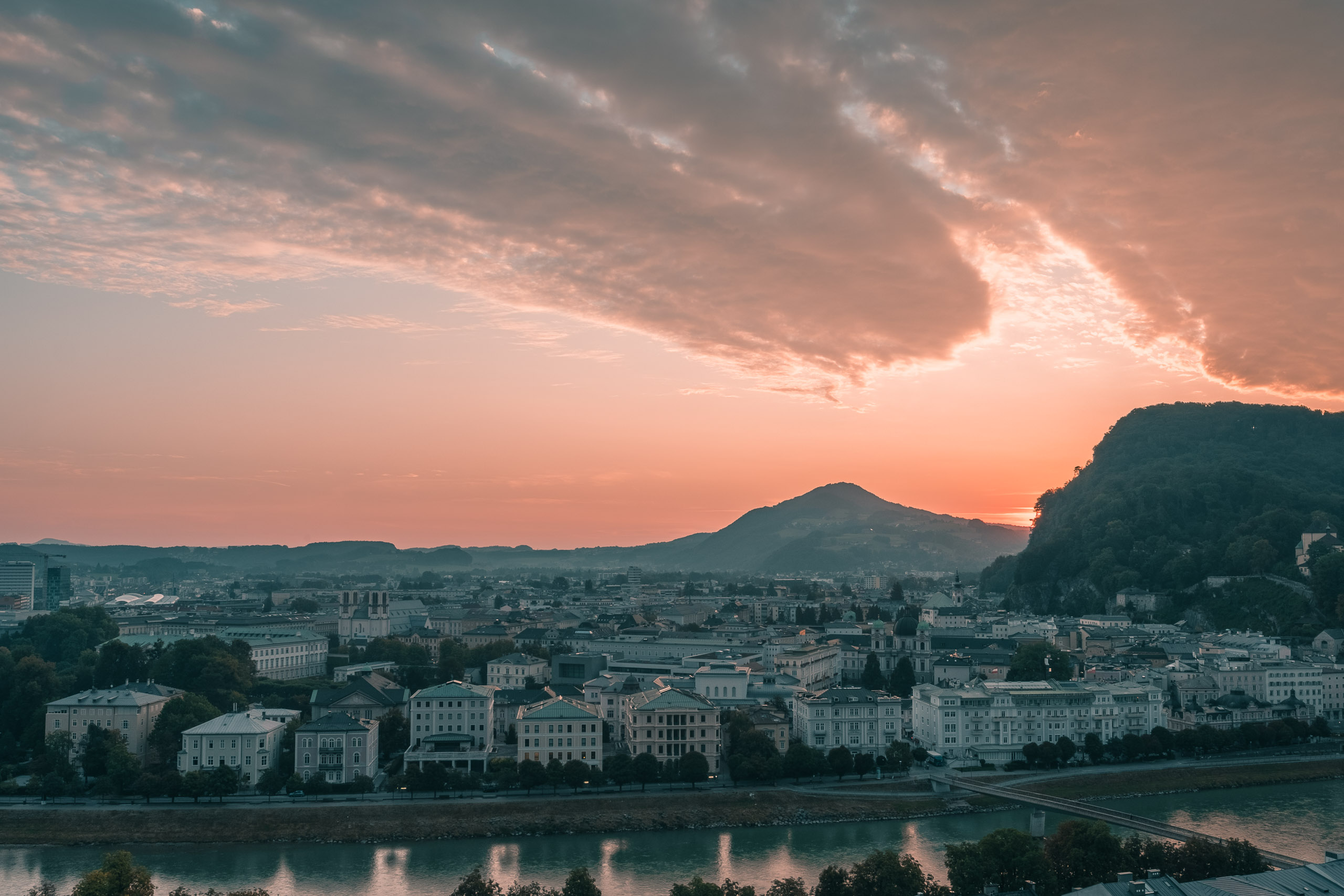
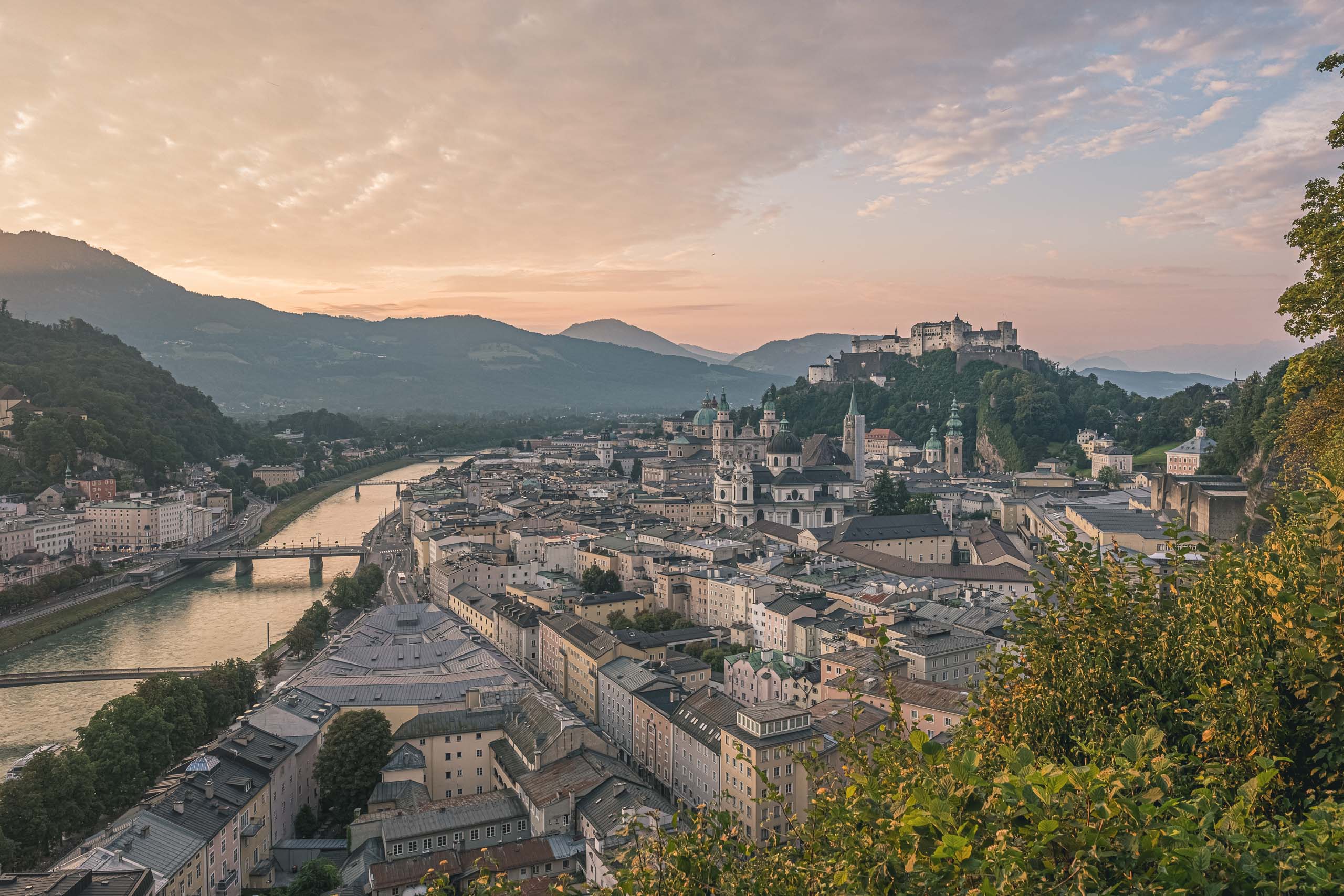
The Altstadt is the historic core of Salzburg, occupying the left bank of the Salzach River in a tight zone between the river and the Mönchsberg and Festungsberg hills. It has held UNESCO World Heritage status since 1996, and almost every landmark that defines Salzburg’s global reputation is concentrated here, within a pedestrianised area small enough to cross on foot in twenty minutes.
The Story
The Altstadt’s form was set by the prince-archbishops who ruled Salzburg as an independent ecclesiastical state for centuries. The baroque streetscapes date primarily from the late 17th century, when Archbishop Johann Ernst von Thun and his predecessors rebuilt the city in the image of Rome, importing Italian architects and craftsmen. Residenzplatz was their showpiece, flanked by the Salzburg Cathedral and the Archbishop’s Residenz.
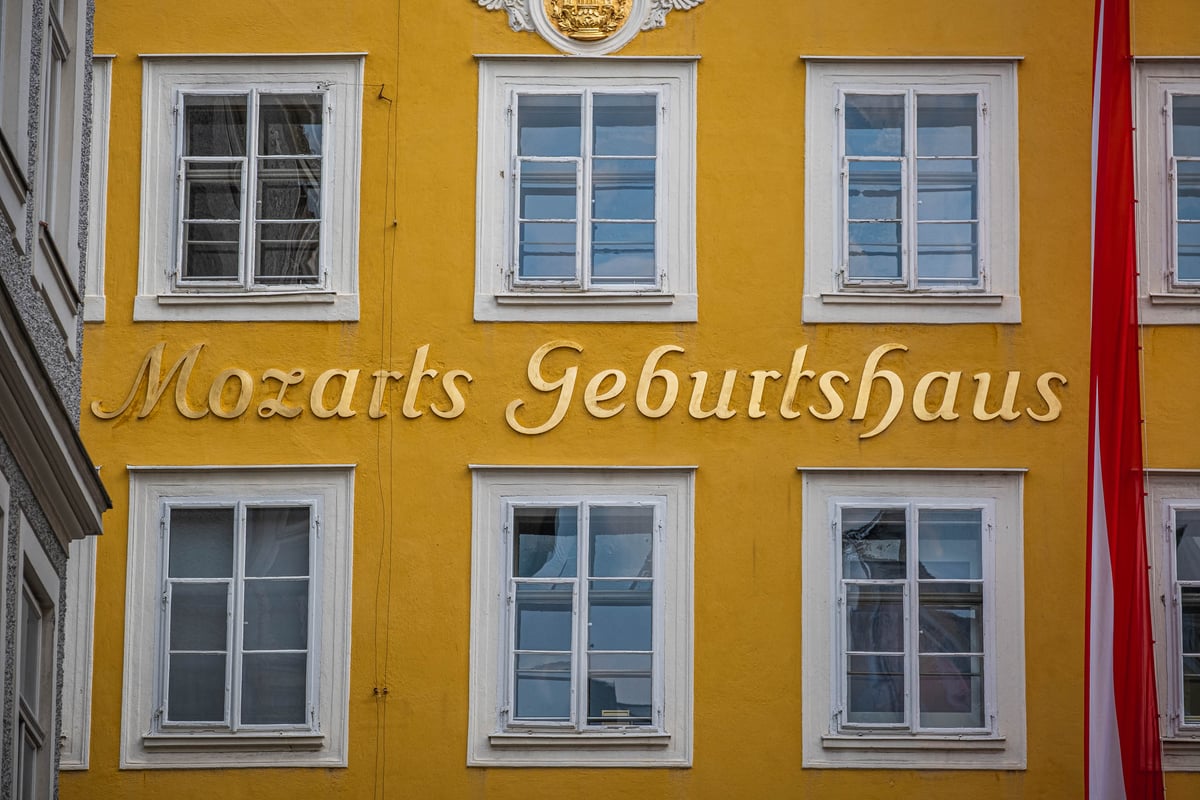
Mozarts Birthplace on Getreidegasse draws the largest single crowd of visitors. The narrow medieval lane itself, lined with wrought-iron guild signs, is one of the most-photographed streetscapes in Austria. But the Altstadt rewards those who step off the main axis: the quieter lanes behind the Dom, the market spaces around Universitatsplatz, and the cliff-cut passages up to the Monchsberg all belong to the same walkable zone.
Hohensalzburg Fortress rises on the Festungsberg at the district’s southern end, visible from almost every angle in the city. It is one of the largest and best-preserved medieval castles in the German-speaking world. Nonnberg Abbey sits on the same hill, a functioning Benedictine convent with roots in the early 8th century. Both are reachable on foot from the centre in under fifteen minutes.
The Salzburg Festival transforms the Altstadt each summer. The Grosses Festspielhaus and Felsenreitschule are built into the Mönchsberg rock at the western edge of the district, meaning the world’s most prestigious music festival operates from within the same historic fabric that visitors walk through every day.
Planning
The Altstadt sits on the left bank of the Salzach River, connected to the Neustadt right bank by several bridges including the Staatsbrucke. Most visitors arrive via Salzburg Hauptbahnhof (around 20 minutes on foot or a short bus ride) or by coach to one of the peripheral parking zones. The district itself is pedestrianised through its core; taxis and local buses access the edges. The best combination is a morning in the Altstadt paired with an afternoon crossing to the Neustadt for Mirabell Gardens and the cultural cluster along Schwarzstrasse. Mulln is a ten-minute walk northwest along the riverbank and pairs naturally for an evening at the Augustiner Braustuebl Muelln. The district is walkable year-round, but summer brings heavy crowds; early mornings in July and August belong to a different, quieter city.