Snapshot
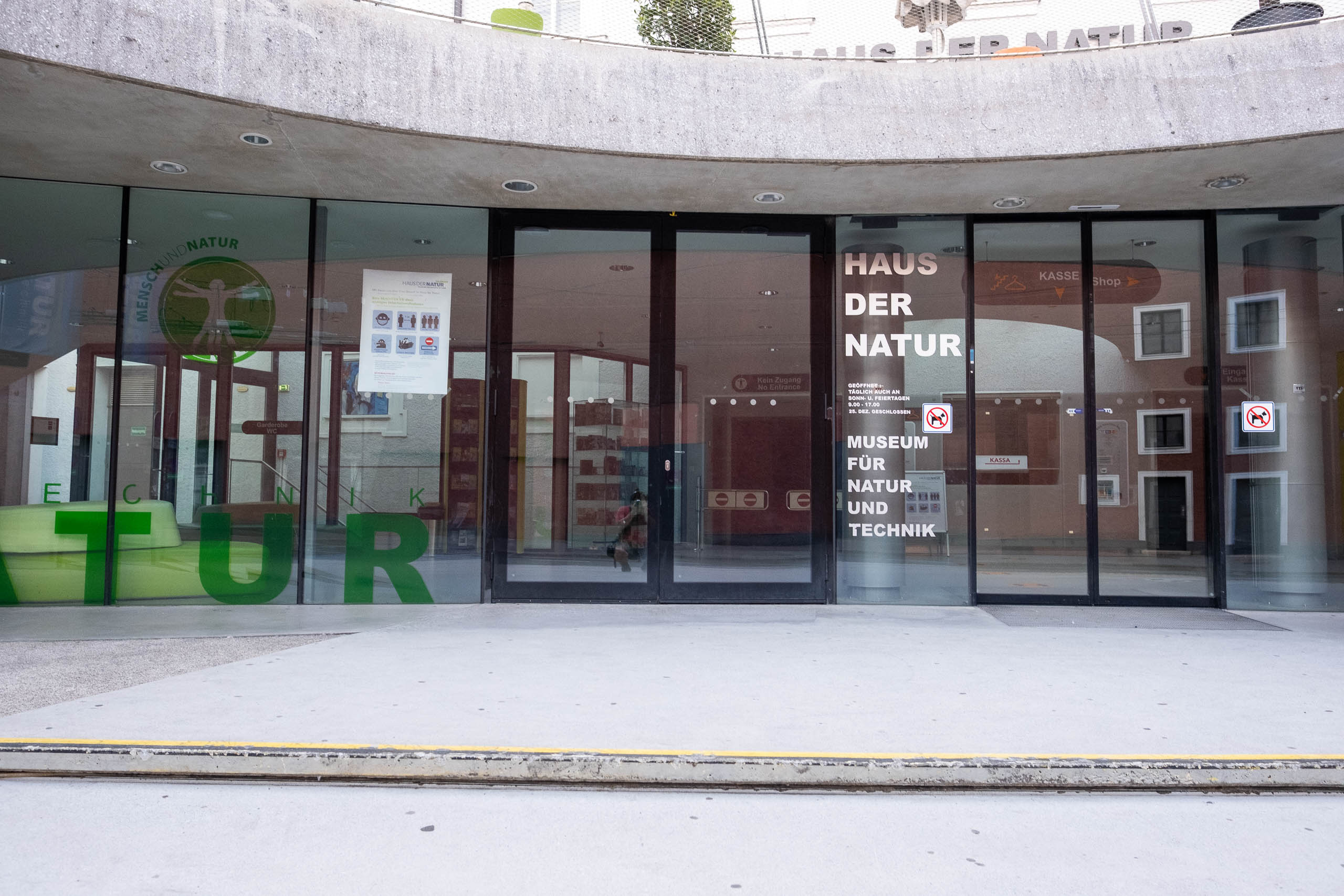
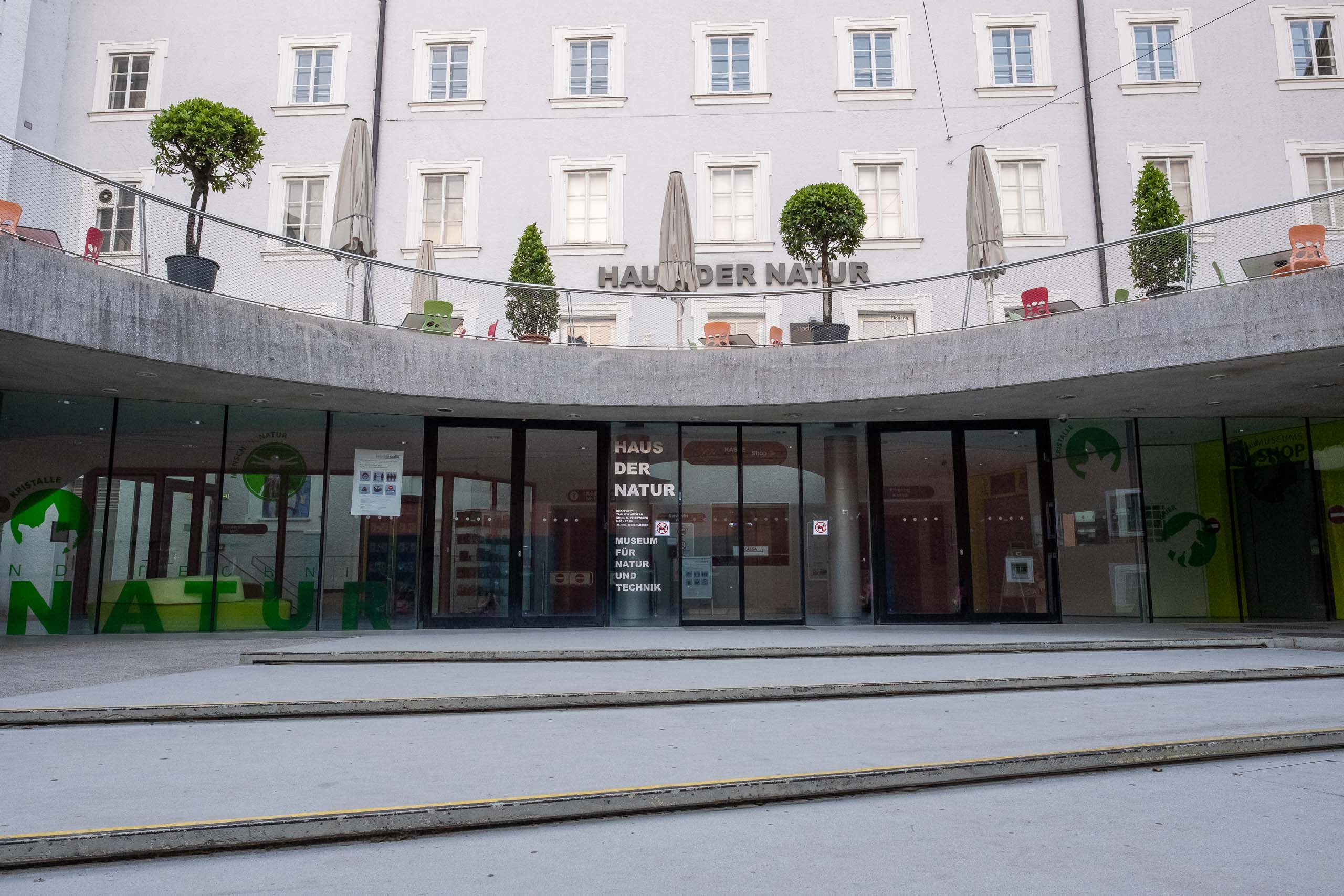
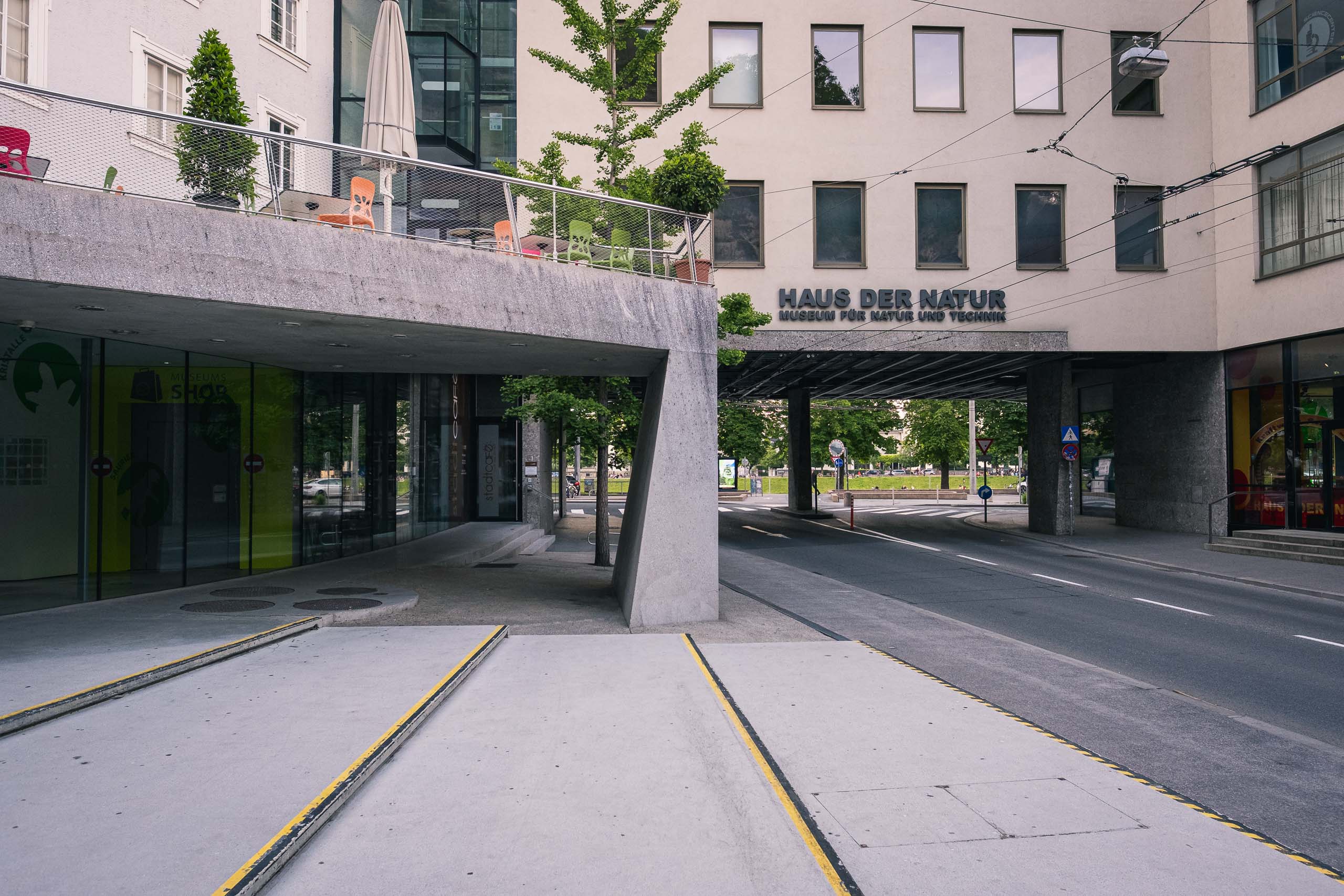
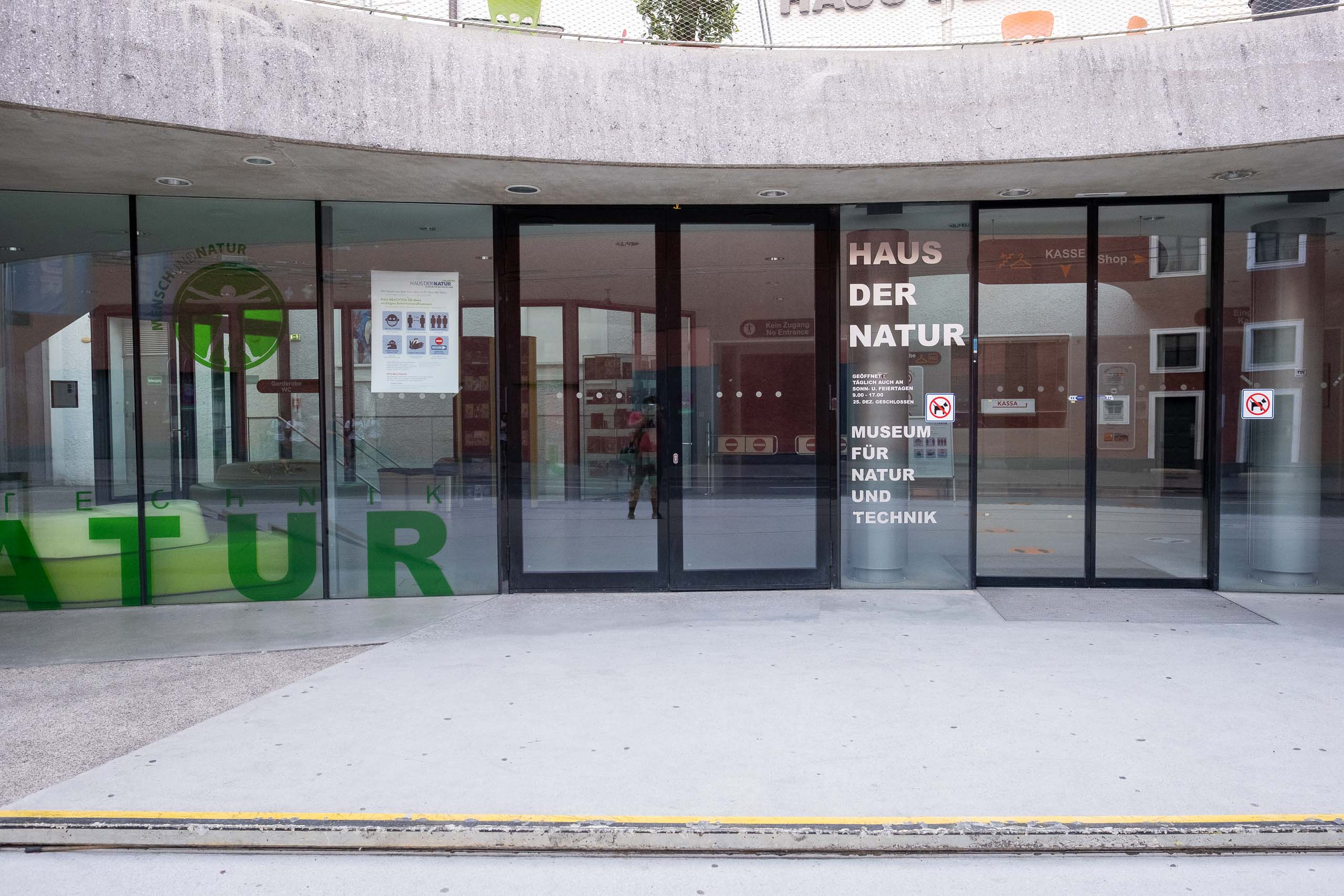
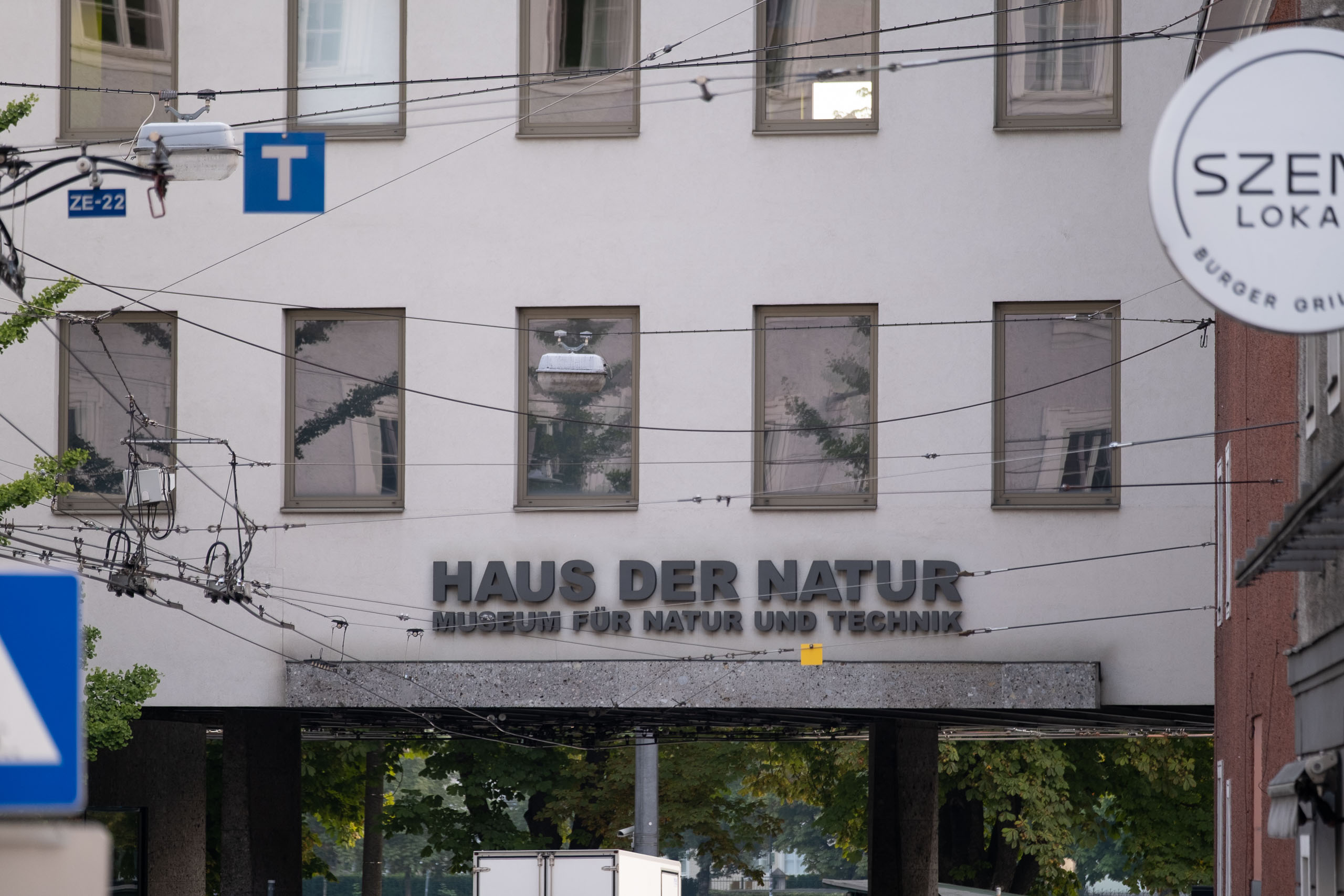
Haus der Natur is one of Austria’s largest natural history museums, housed in the former Ursuline convent on Museumsplatz. It runs from dinosaur fossils to a live aquarium and an interactive science floor. The go-to indoor destination for families in Salzburg.
The Story
The former Ursuline convent on Museumsplatz has been a museum since 1924, when the natural scientist Josef Brandstatter began assembling what would become one of the most comprehensive natural history collections in Austria. The building’s multiple floors now hold a range of departments that sit somewhat unusually alongside each other: palaeontology and geology share space with a tropical aquarium, a reptile house, a space exploration section, and an interactive Science Centre on the upper levels.
The breadth is both the museum’s strength and the thing that requires managing. Two hours is a minimum; families with children who want to linger at the aquarium and the reptile tanks should budget three. The Science Centre, which occupies part of the upper floors, uses hands-on exhibits to cover physics and natural science; it is less polished than dedicated science museums in larger cities but holds its own for its age range.
For visitors with children, the Haus der Natur is the clearest recommendation in Salzburg for a half-day of indoor content. For adults travelling without children, it competes with the city’s art and history museums on a rainy day; the palaeontology collection and the quality of the aquarium make a reasonable case. The building itself, a substantial former convent, adds some architectural interest.
Visiting
Haus der Natur is on Museumsplatz 5, about 5 minutes’ walk from Getreidegasse in the Altstadt. Open daily 9am-5pm (last admission 4:30pm), closed December 25. Adults EUR 16.00, children (4-15) EUR 10.50. No booking needed. Pairs well with Kollegienkirche nearby or as a rain-day anchor before an evening along Getreidegasse.
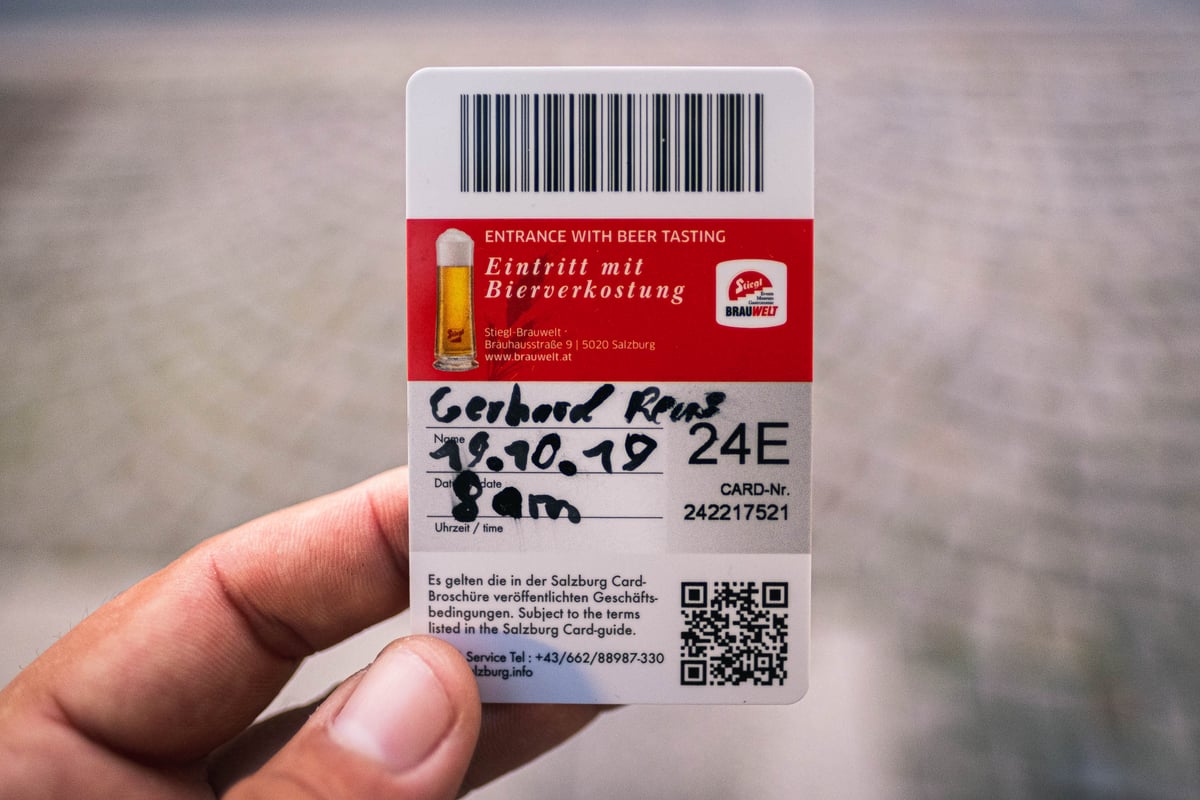
Visitor pass: free entry to most major attractions + free public transport. 24/48/72-hour versions. Covers Hohensalzburg Fortress, Salzburg Museum, Haus der Natur, DomQuartier, Hellbrunn Palace, cable cars. Note: the Salzburg Museum is closed for renovation until approximately spring 2027, so it does not count toward the card's value until it reopens.