Snapshot
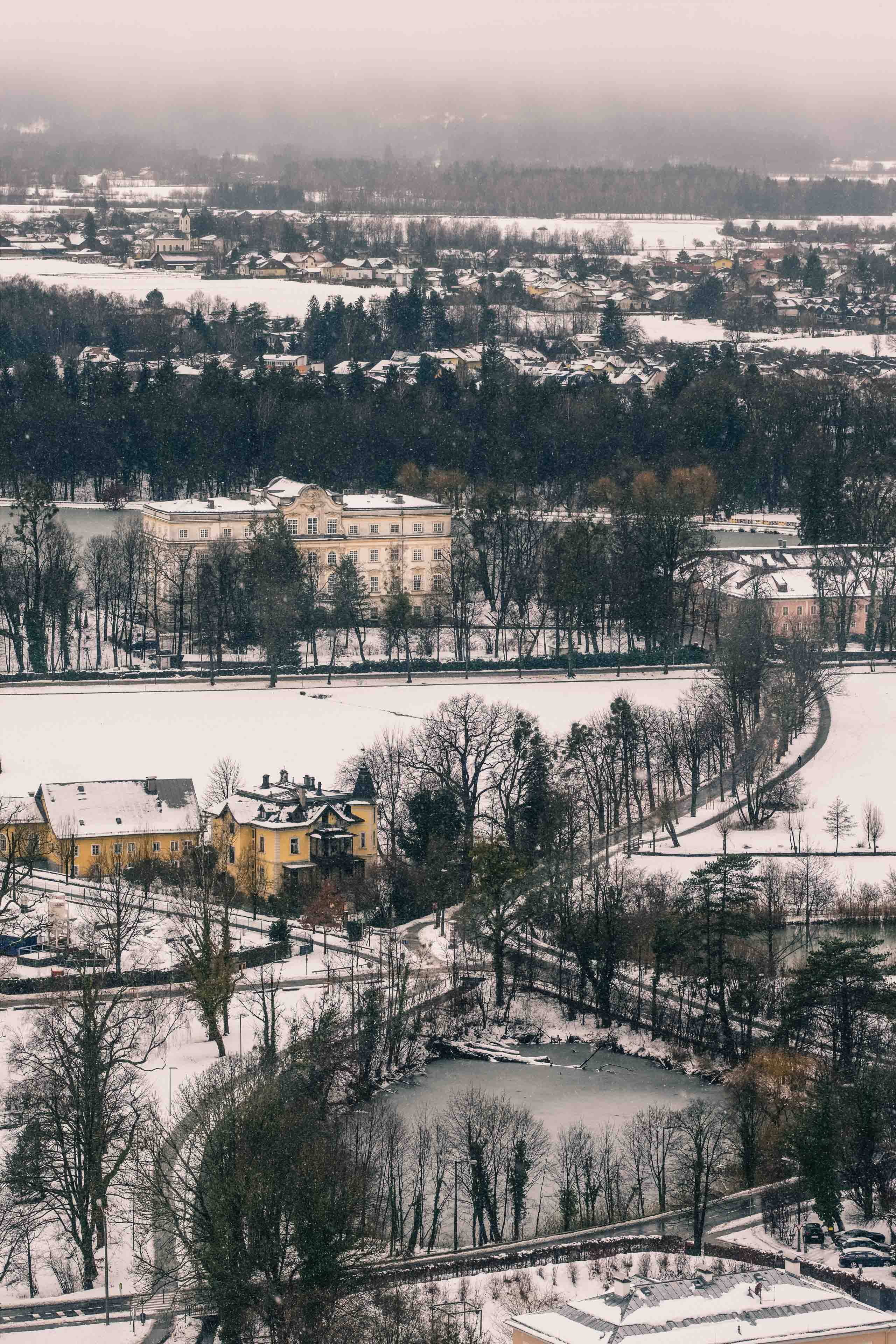
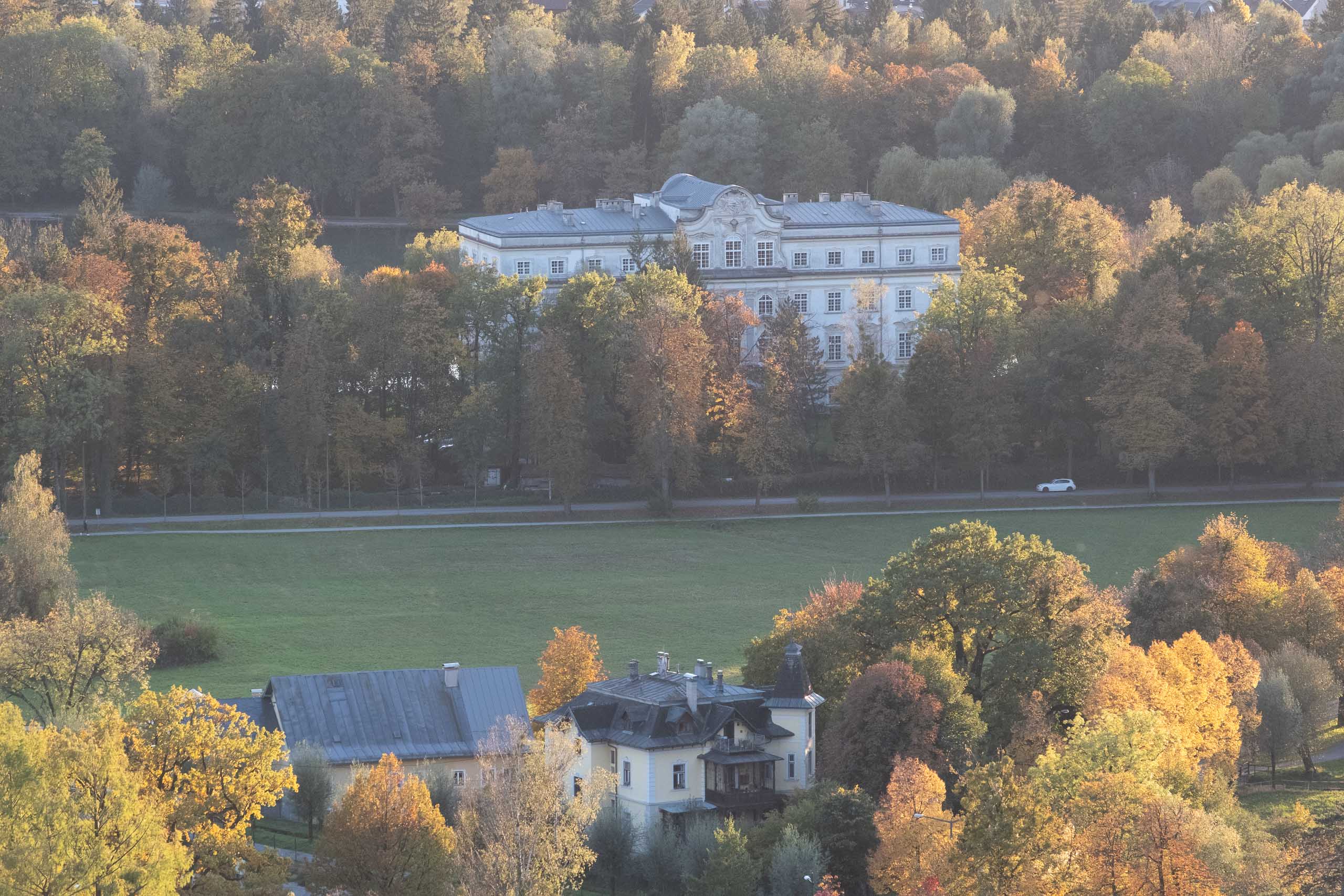
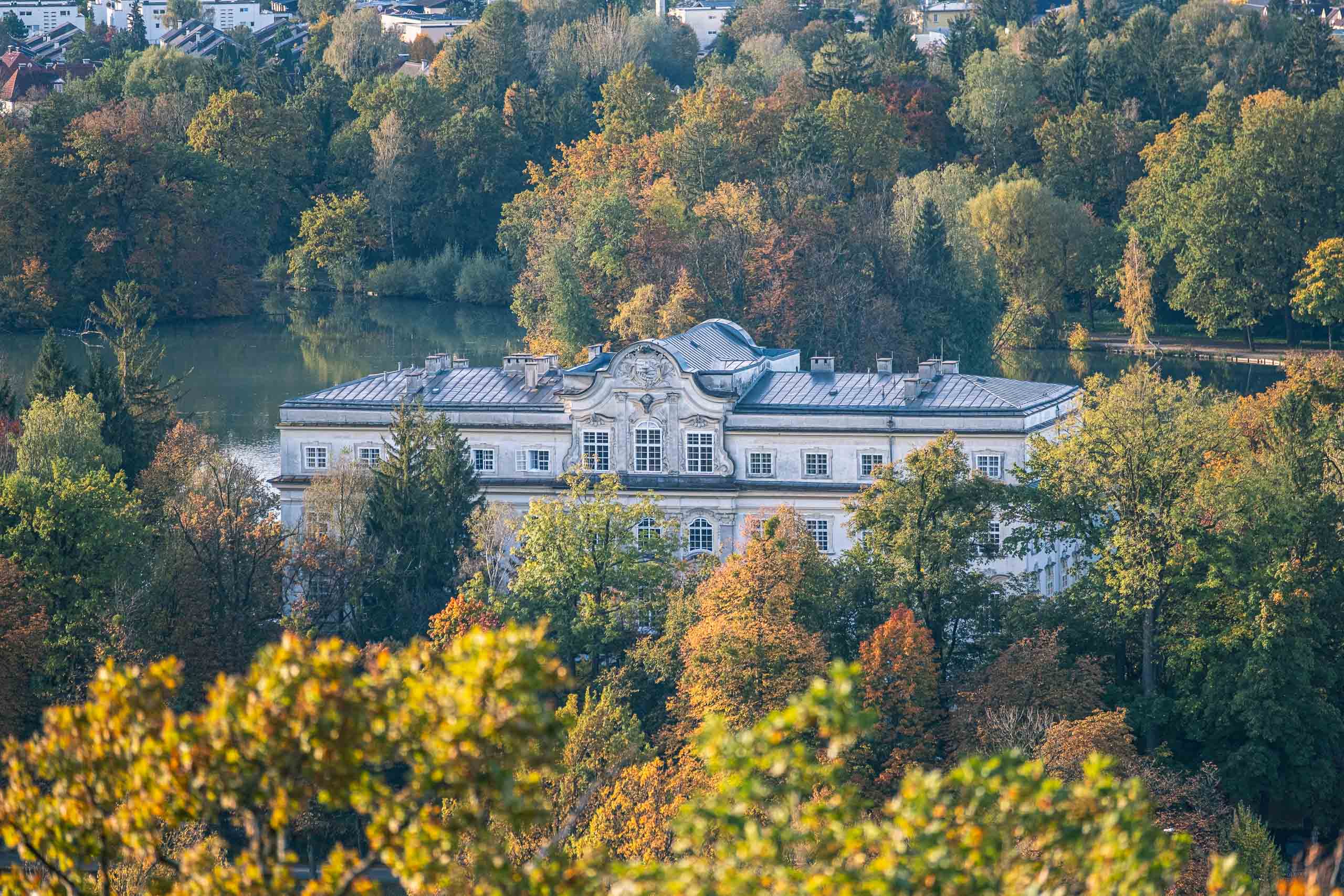
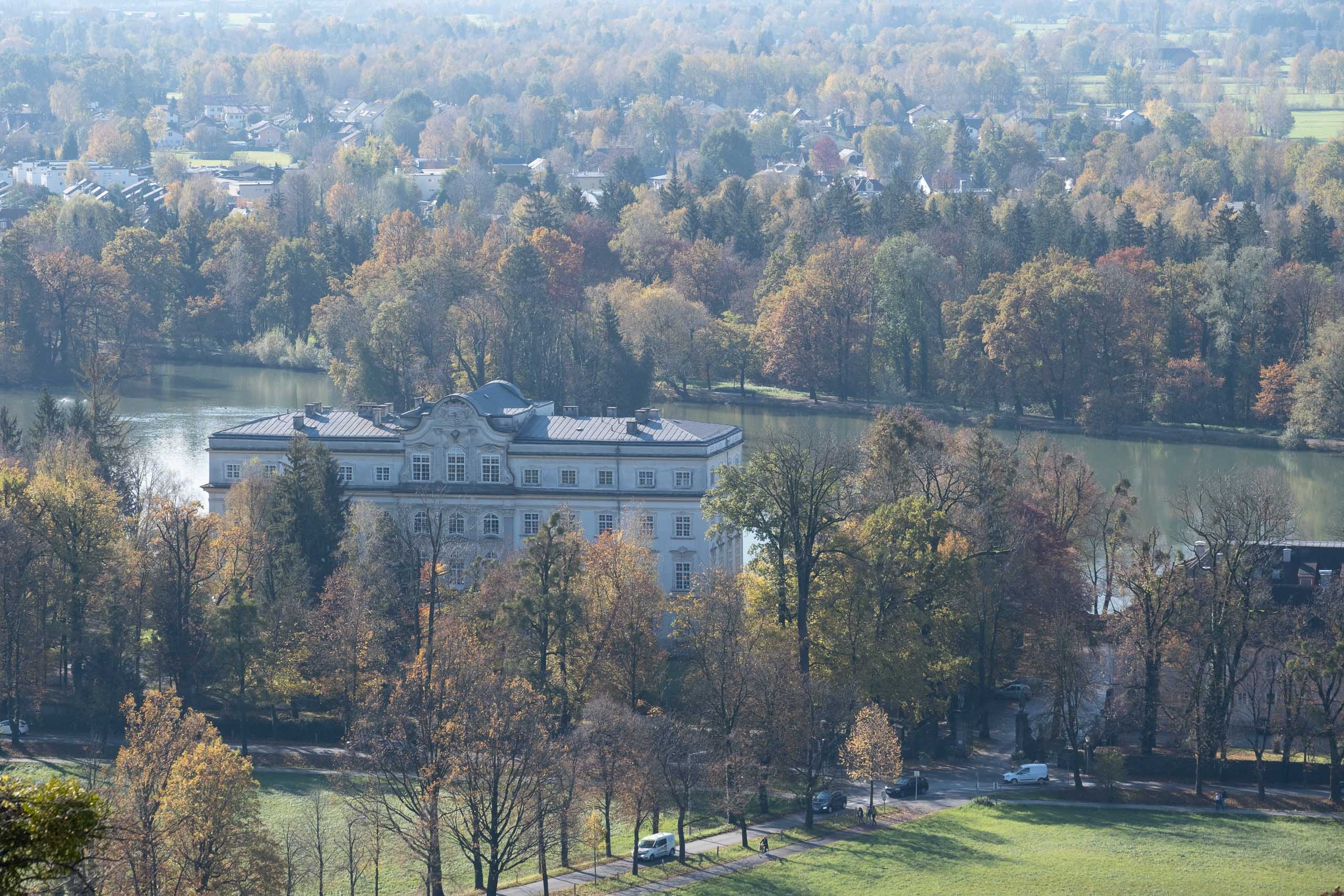
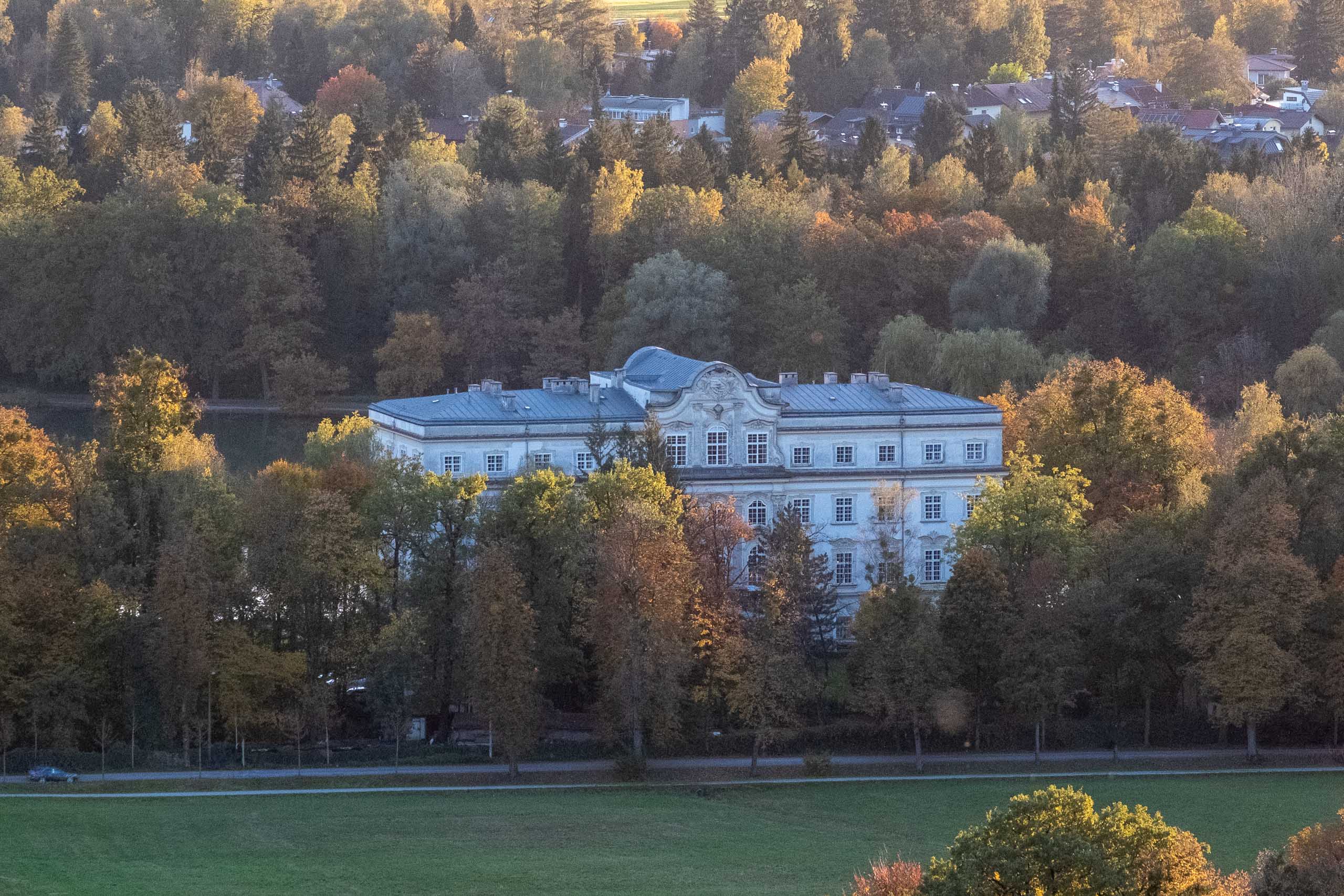
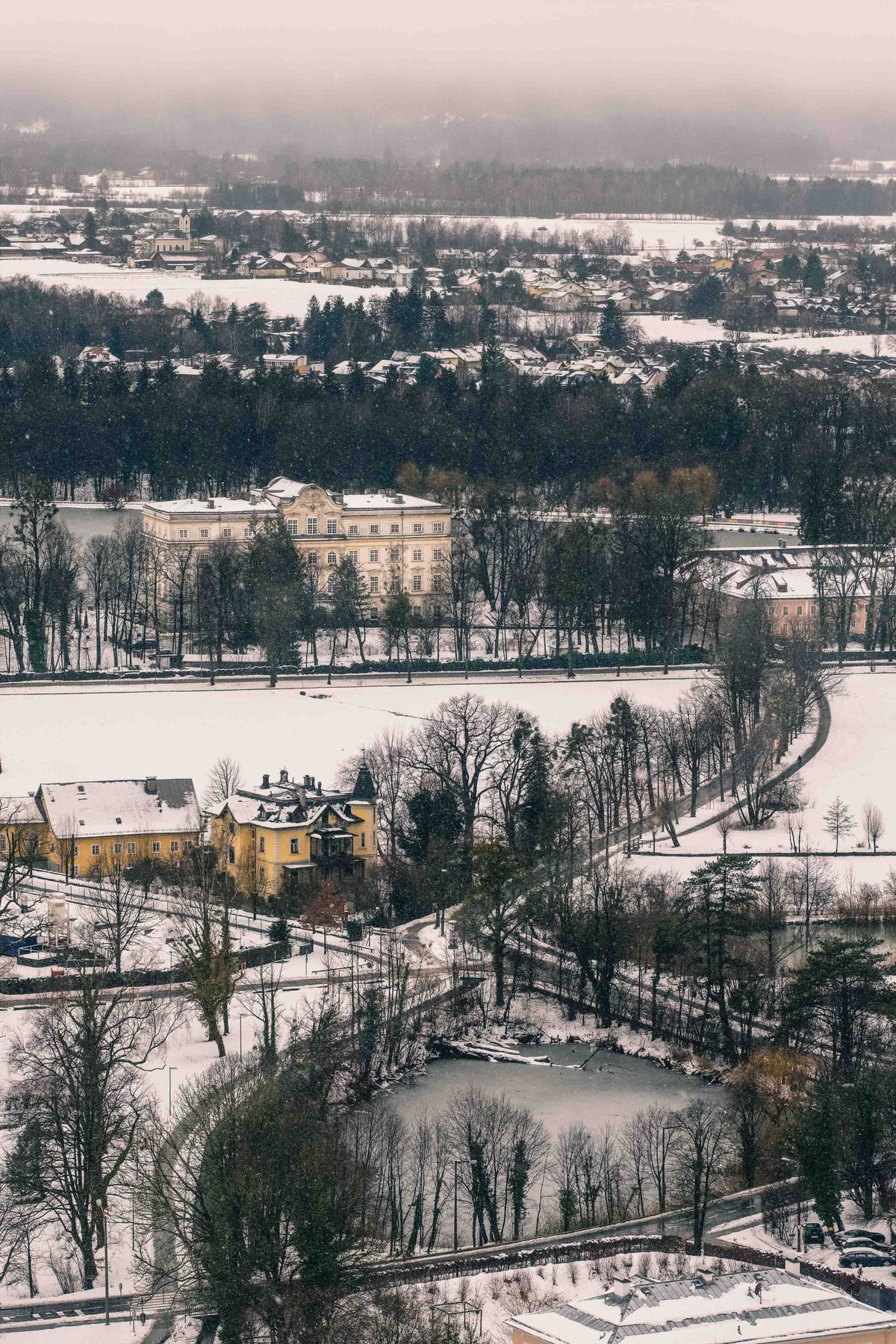
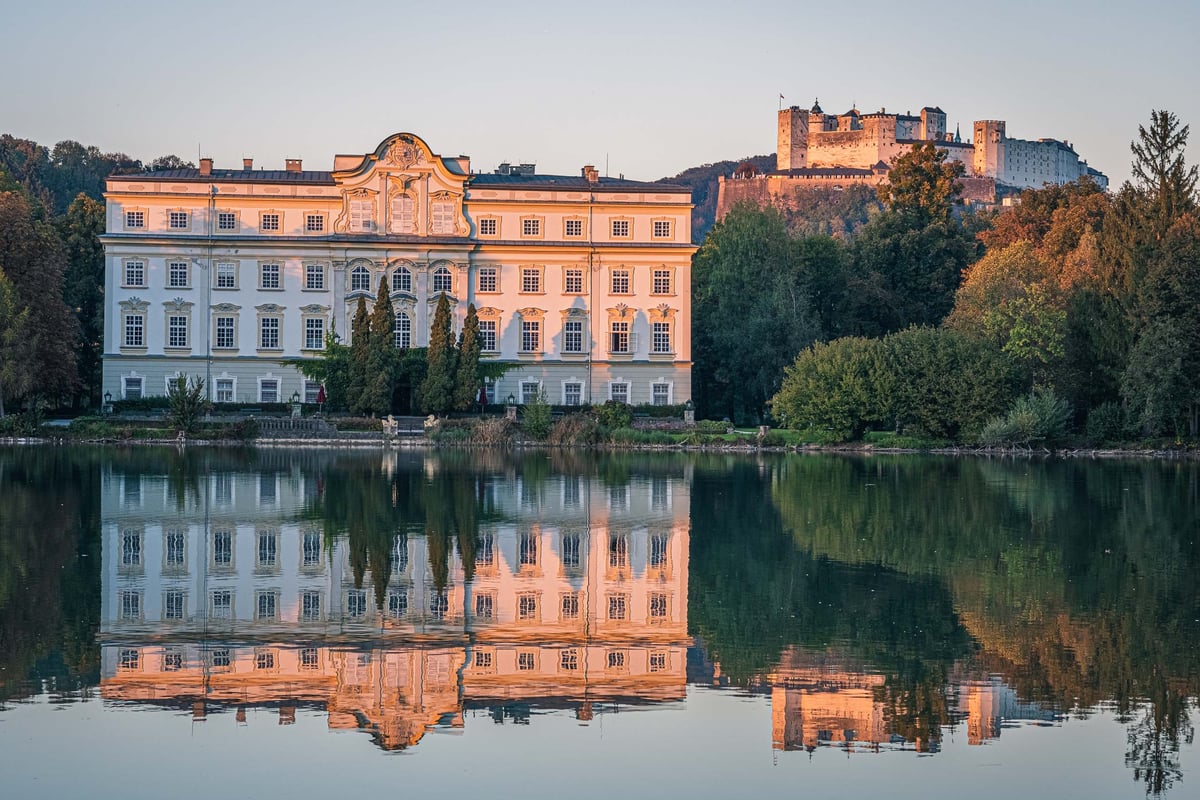
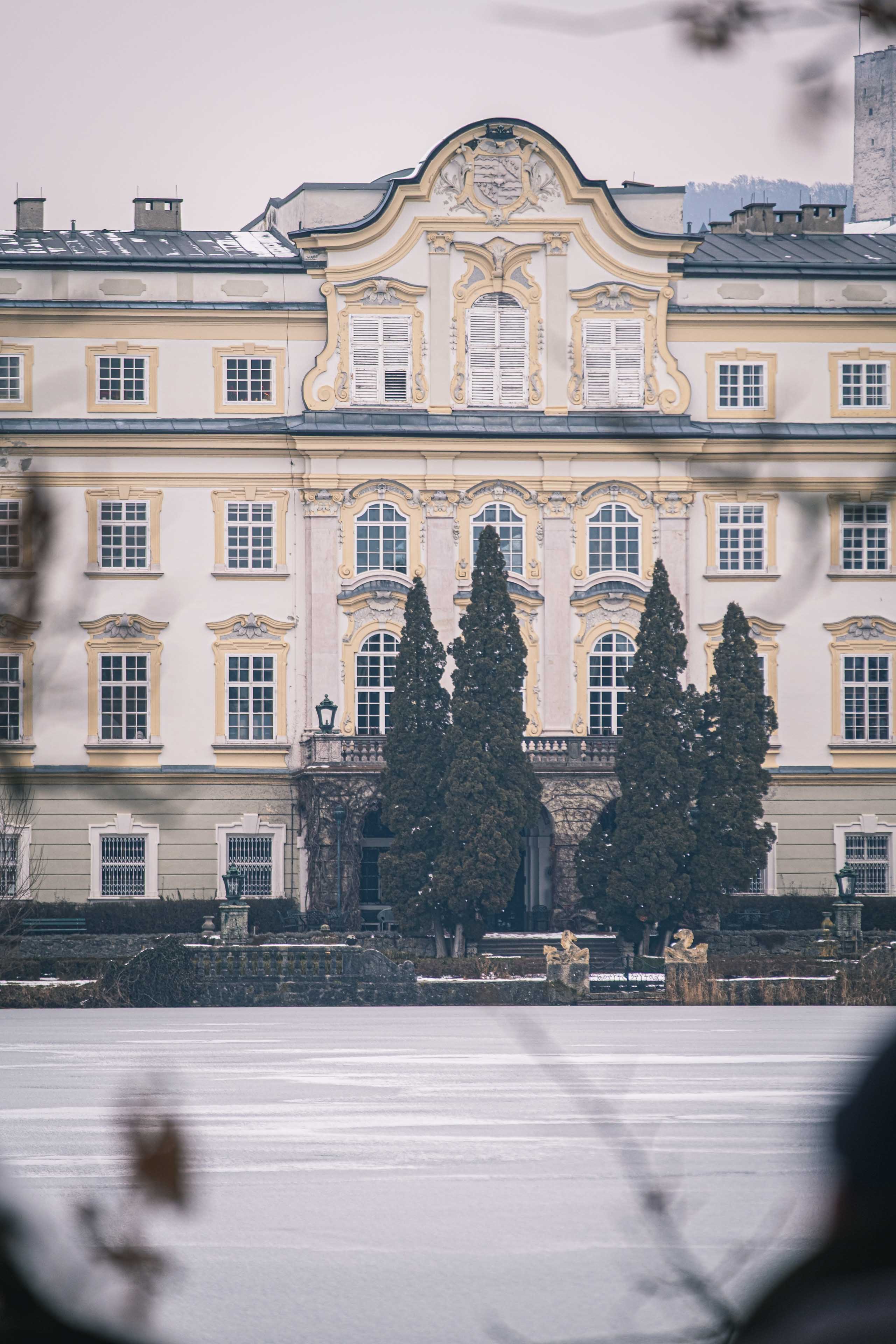
Leopoldskron-Moos is a quiet southwest district of Salzburg that holds one of its most layered addresses: Schloss Leopoldskron, an eighteenth-century baroque palace built for an archbishop, owned between the wars by Max Reinhardt, seized by the Nazis, restored to cultural use after 1947, and filmed as the von Trapp family home in The Sound of Music.
The Story
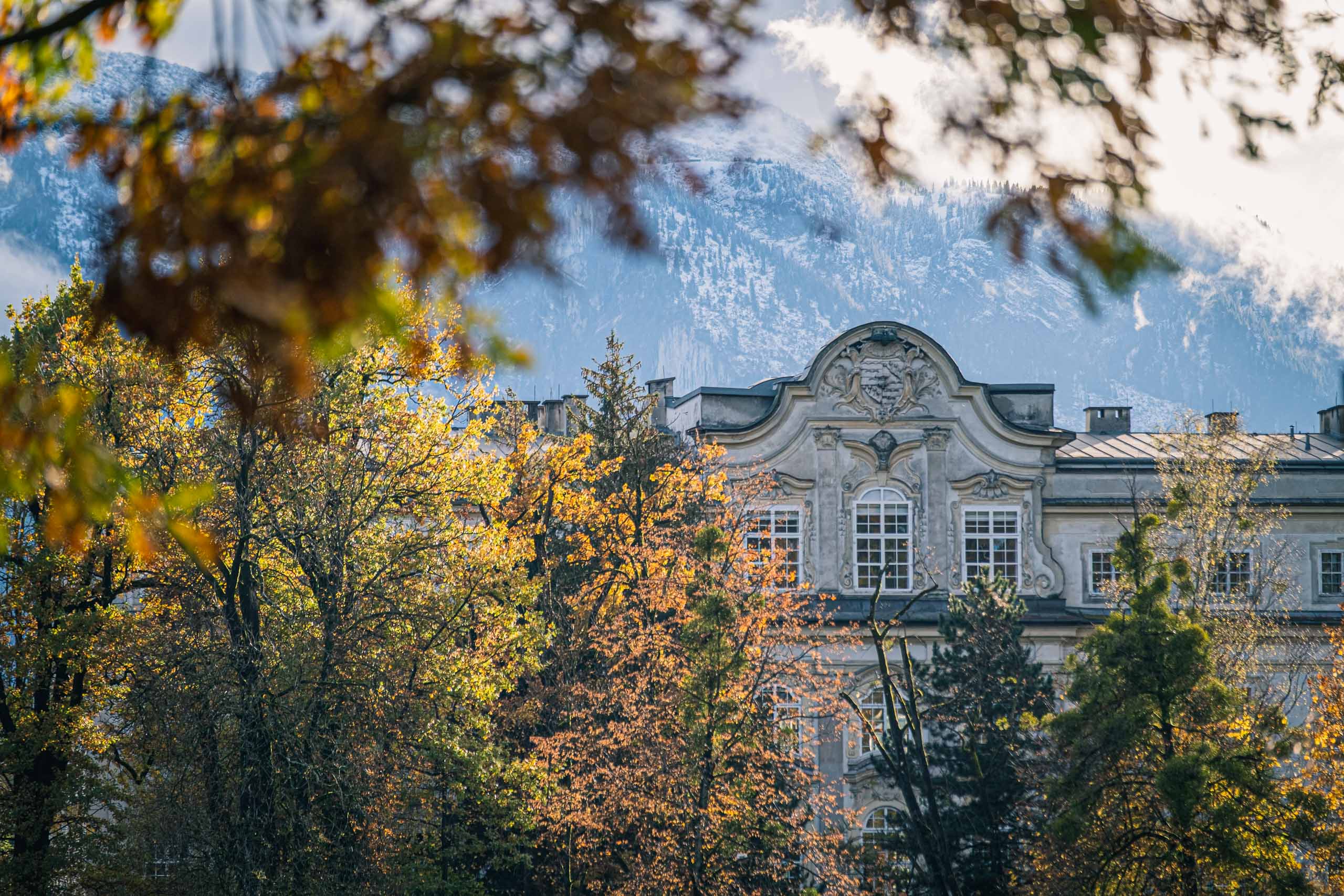
Archbishop Leopold Anton von Firmian built Schloss Leopoldskron in 1736 on the edge of a lake that was then surrounded by drained moorland. The drainage itself is visible in the geometry of Moosstrasse, the ruler-straight road through the district that follows the old irrigation canals exactly. The palace’s Rococo stucco ceilings, painted by Johann Kleber, are among the finest in the city.
In 1918 Max Reinhardt bought the palace and made it his Salzburg home. Reinhardt was already the most significant theatre director in the German-speaking world and one of the founding figures of the Salzburg Festival. His ownership linked the palace to the Festival’s creative circle; artists, writers, and musicians gathered there throughout the interwar years.
After the Anschluss in 1938, the Nazi authorities seized the palace as Jewish property. It passed through several hands during the occupation and was damaged by Allied bombing. After the war, Reinhardt’s widow Helene Thimig offered it to Clemens Heller, who used it in 1947 for the first Salzburg Global Seminar: an international gathering of European and American intellectuals in a city still rebuilding from the war. The Salzburg Global Seminar has met here every year since.
The palace’s terrace and boathouse, on the lake side, were used for the exterior scenes of the von Trapp family home in The Sound of Music (1965). The actual building is now Hotel Schloss Leopoldskron, a luxury hotel and conference centre; it is not open for casual visits, but the lake and its shores are freely accessible.
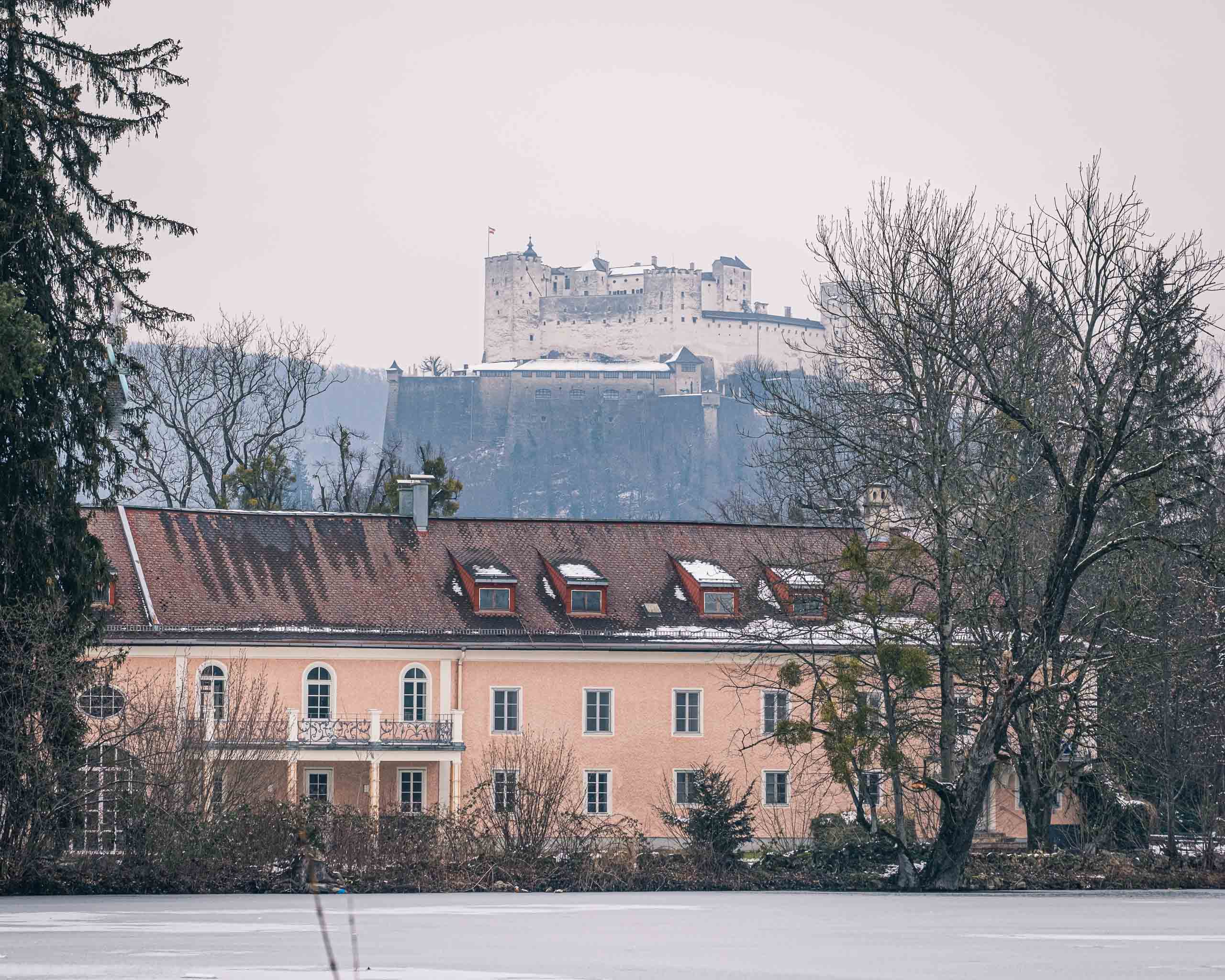
The Leopoldskroner Weiher is a pleasant lake to walk around, one of the green spaces closest to the Altstadt that retains a quiet, local feel. From the lakeside path there are views toward the palace and toward the Untersberg beyond.
Planning
Leopoldskron-Moos is about 3 kilometres southwest of the Altstadt, reachable on foot in 35 minutes or by bicycle in 10. The lakeside walk is free and open year-round. The palace itself is a hotel; accommodation starts around 250 EUR per night and conference events are hosted there. The Sound of Music filming location is visible from the public path along the lake’s eastern shore.