Chiemseehof
Seat of the Salzburg state parliament (Salzburger Landtag). Named after the medieval Bishops of Chiemsee. Courtyard contains Anselm Kiefer's Die Sprache der Vögel, the final Walk of Modern Art commission.
Place type
9 entries tagged Palace on Introducing Salzburg.
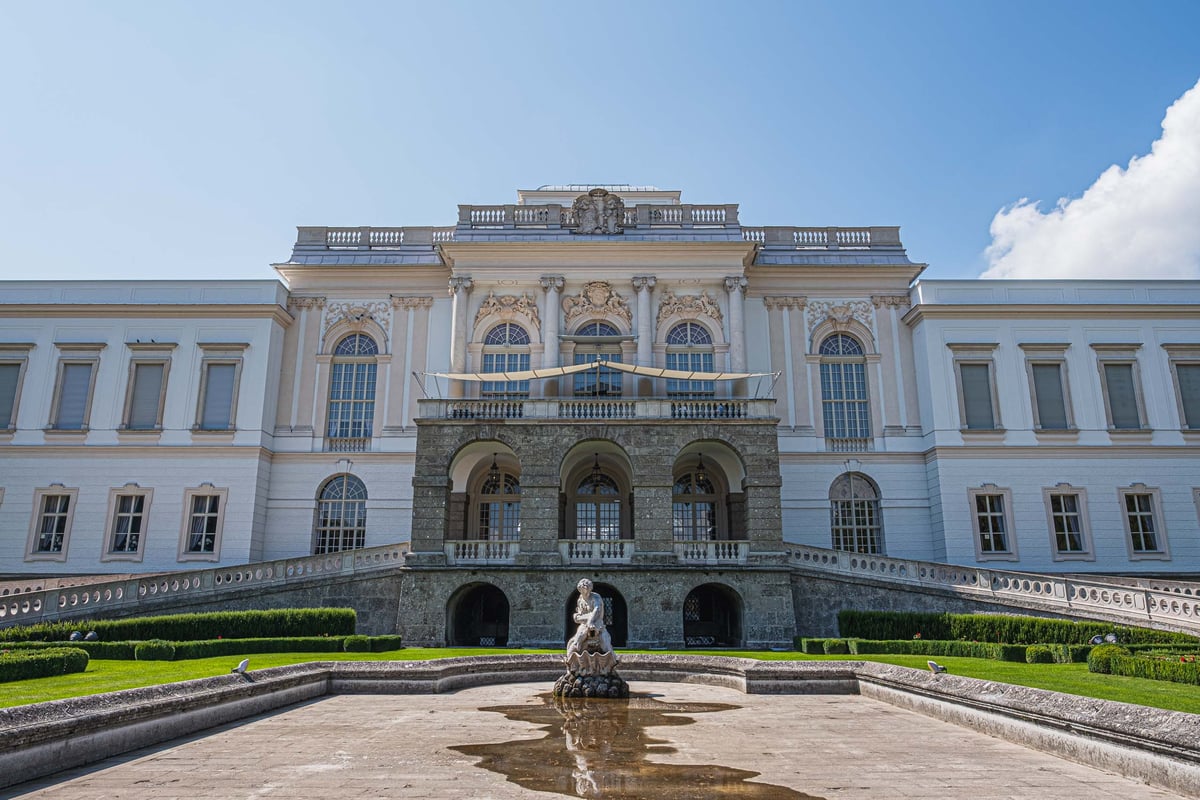
Seat of the Salzburg state parliament (Salzburger Landtag). Named after the medieval Bishops of Chiemsee. Courtyard contains Anselm Kiefer's Die Sprache der Vögel, the final Walk of Modern Art commission.
Built 1613-1619
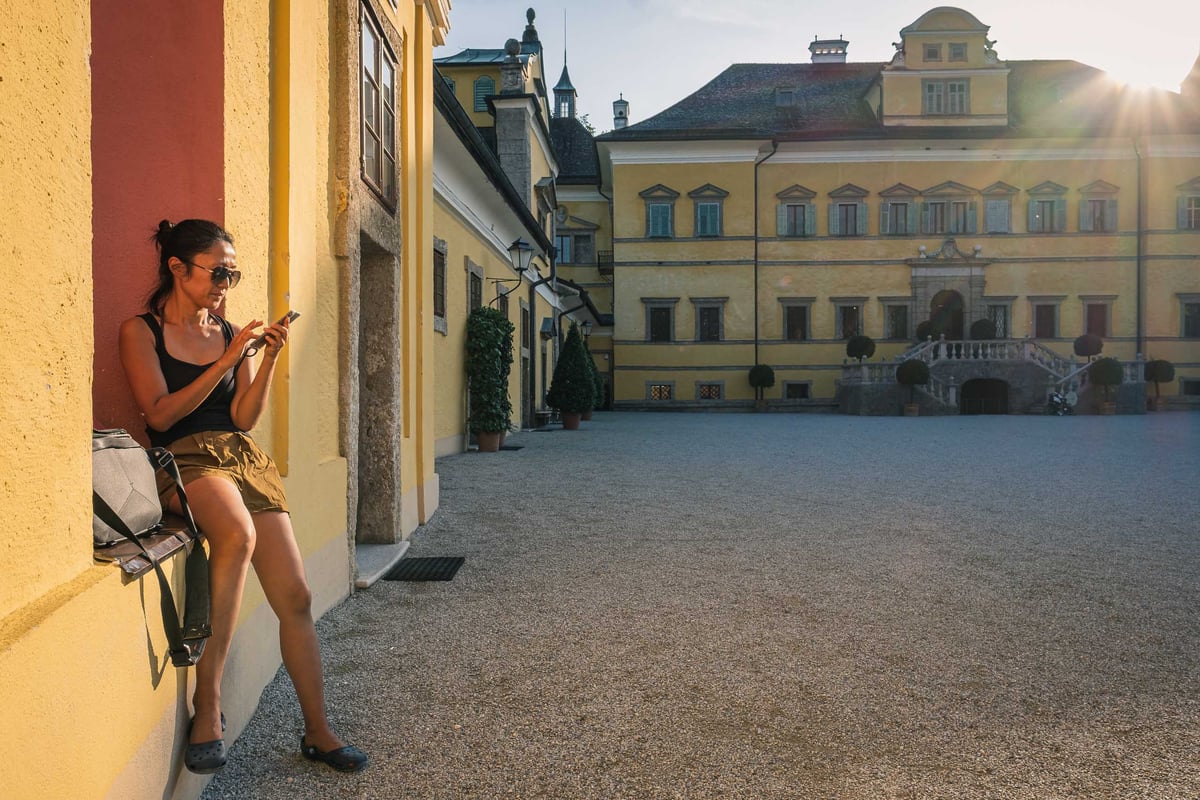
Summer residence of Markus Sittikus, built by Santino Solari in Italian Renaissance style (1613-1619). The palace itself is elegant and relatively austere; its fame rests on the extraordinary grounds: the Wasserspiele (trick fountains), the Steintheater, the Sound of Music Pavilion, and the zoo.
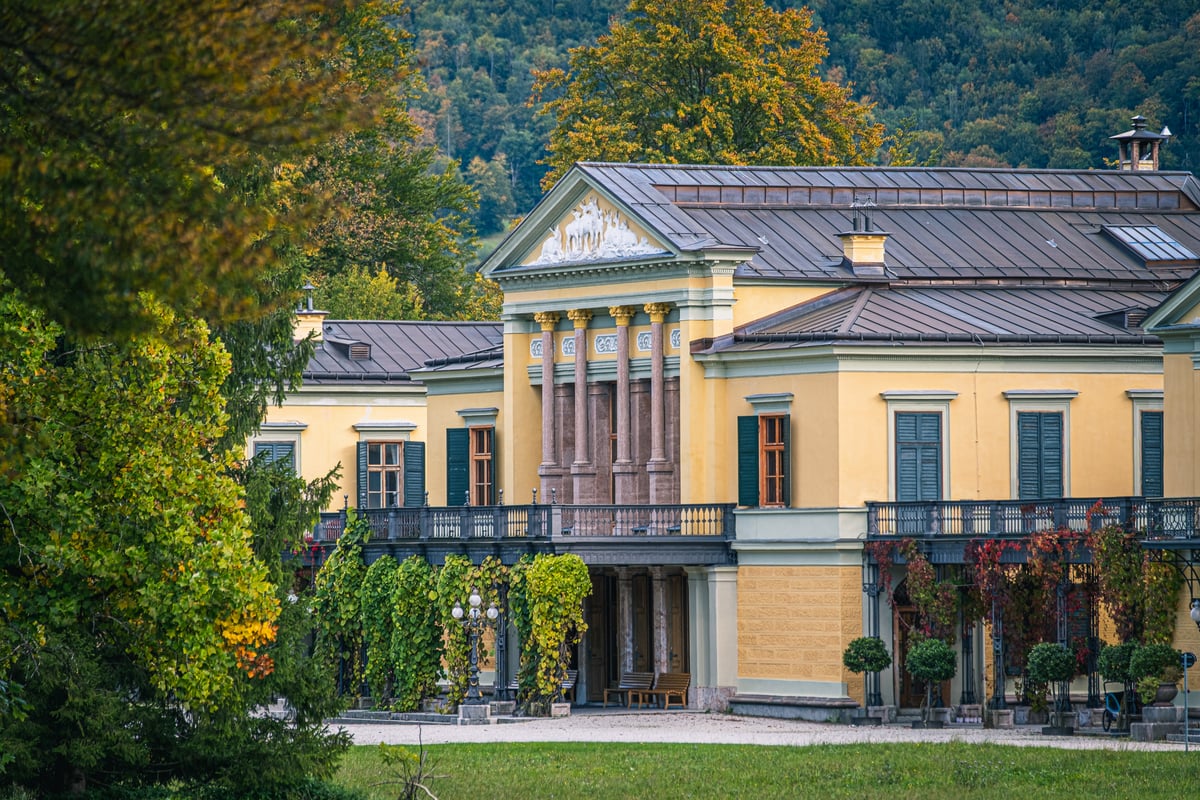
The summer residence of Emperor Franz Joseph I and Empress Elisabeth Sisi. The place Franz Joseph described as "heaven on earth." He signed the declaration of war against Serbia here on 28 July 1914. The villa is partly still owned by Habsburg descendants. The park and guided tours are open to visitors.
Built 1606
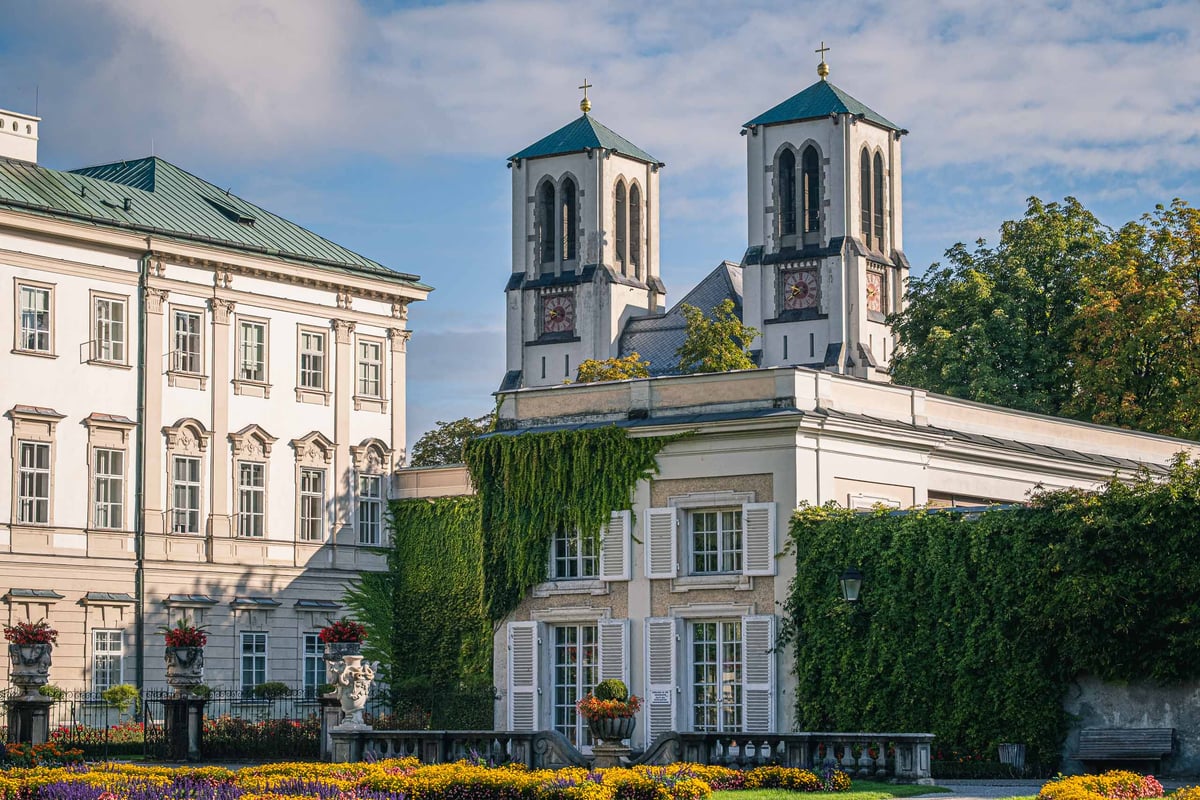
Built in 1606 by Wolf Dietrich von Raitenau as "Altenau," a palace for his mistress Salome Alt. Renamed "Mirabell" by Markus Sittikus. The current baroque building is largely the work of Johann Lukas von Hildebrandt (1721). Today it serves as Salzburg's city hall. The Marble Hall is one of the finest baroque rooms in Austria.
Baroque
The official palace and seat of power of the Prince-Archbishops for over 200 years. Wolf Dietrich von Raitenau rebuilt it in grand baroque style. Wolfgang Amadeus Mozart performed for the Archbishop in these very rooms. Troger's frescoes look down from the state rooms. Today the Prunkraume and Residenzgalerie are open to visitors. Directly on Residenzplatz.
The front facade of the Von Trapp family home in The Sound of Music. While Schloss Leopoldskron provided the lake-facing terrace, Schloss Frohnburg provided the front gate and entrance sequences. Now owned by the Universität Mozarteum and used as a student residence. Not open to the public, but the facade can be seen from the street.
Baroque palace designed by Johann Bernhard Fischer von Erlach for Johann Ernst von Thun. Served as summer residence, hosted Emperor Franz Joseph I and Adolf Hitler. Today houses Casino Salzburg and hosts events. The formal gardens are fine late baroque landscape design.
Built 1736
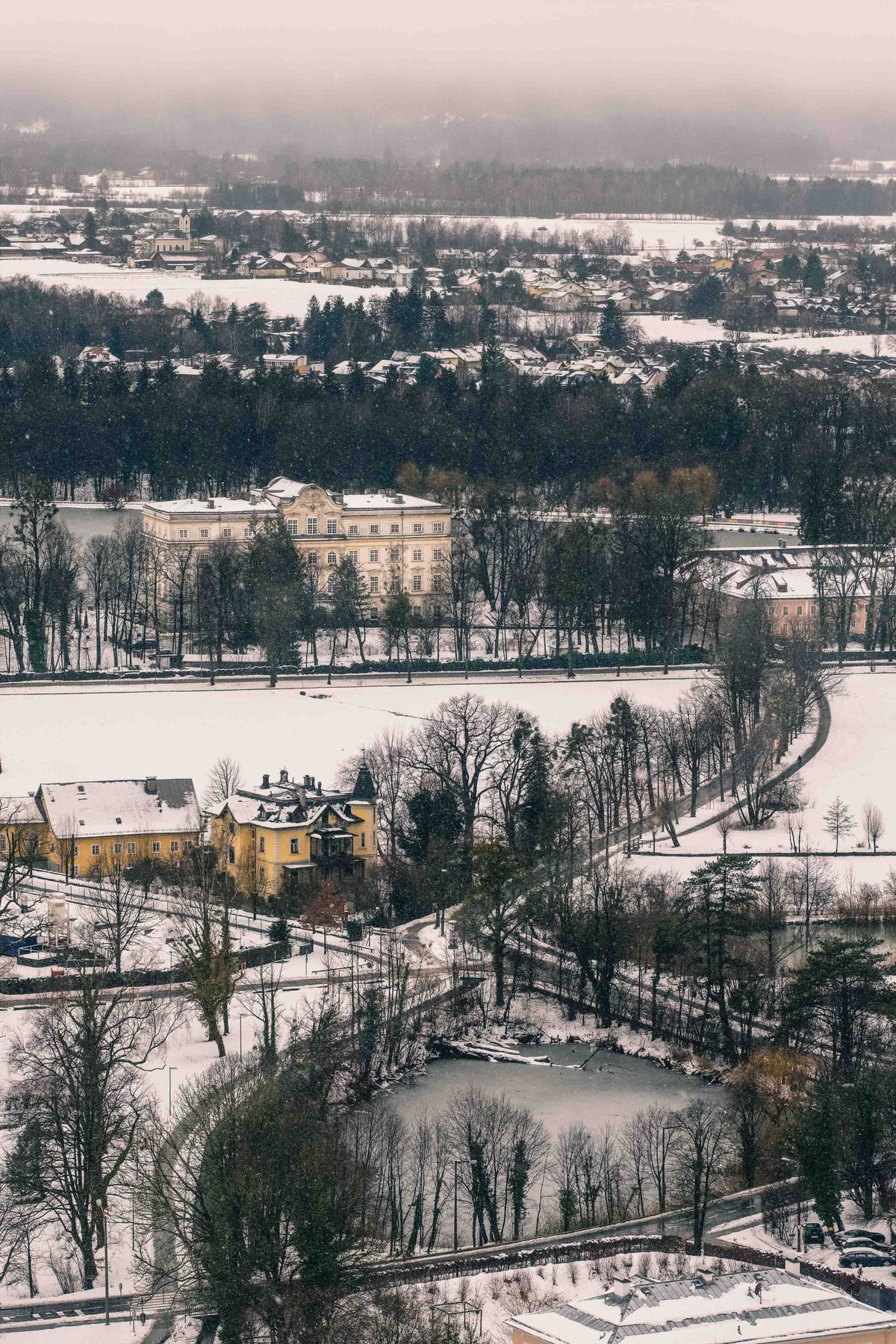
Rococo palace on the shores of Leopoldskroner Weiher, commissioned in 1736 by Archbishop Leopold Anton von Firmian and purchased by theatre director Max Reinhardt in 1918. Reinhardt turned it into the creative headquarters of the early Salzburg Festival and his own artistic home. The Nazis confiscated it in 1938 after Reinhardt fled.
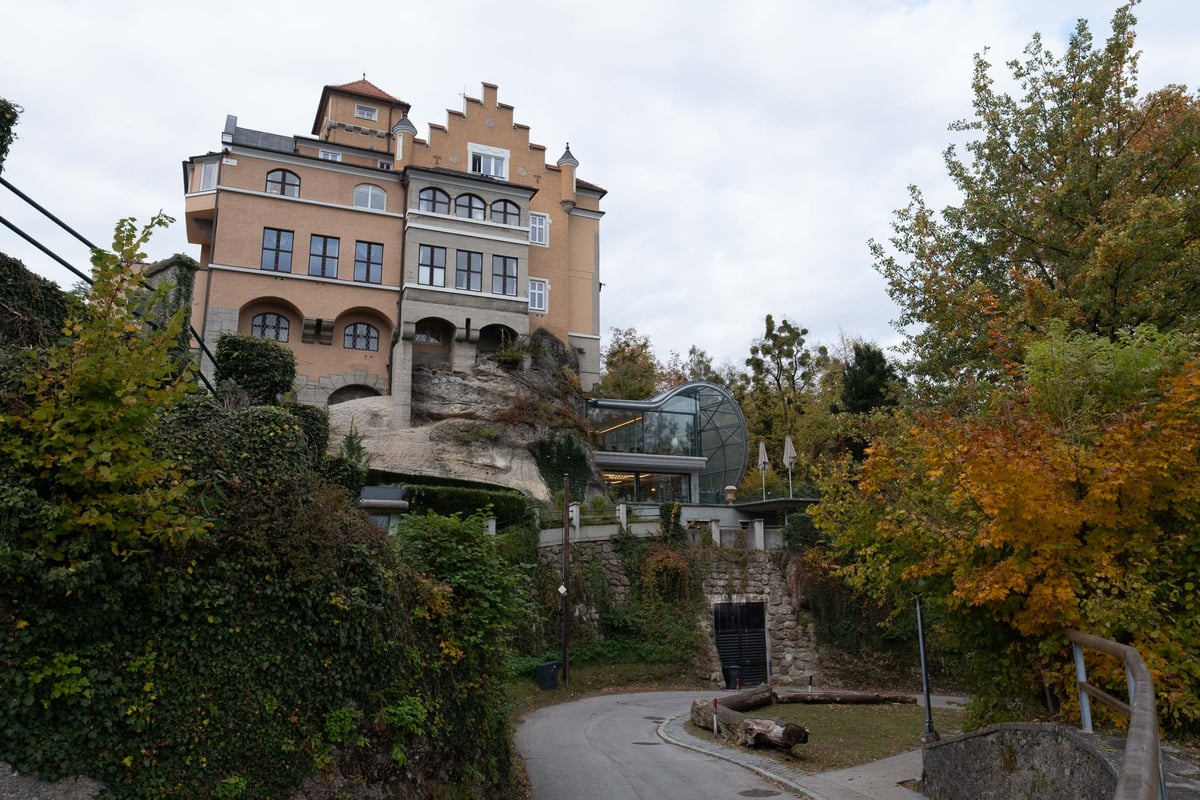
A historic residence perched on the Monchsberg cliff above Salzburg, with sweeping views over the city, the Salzach valley, and the Alps. Now one of Salzburg's most exclusive luxury hotels.