
Topic
Sound of Music
47 entries tagged Sound of Music on Introducing Salzburg.
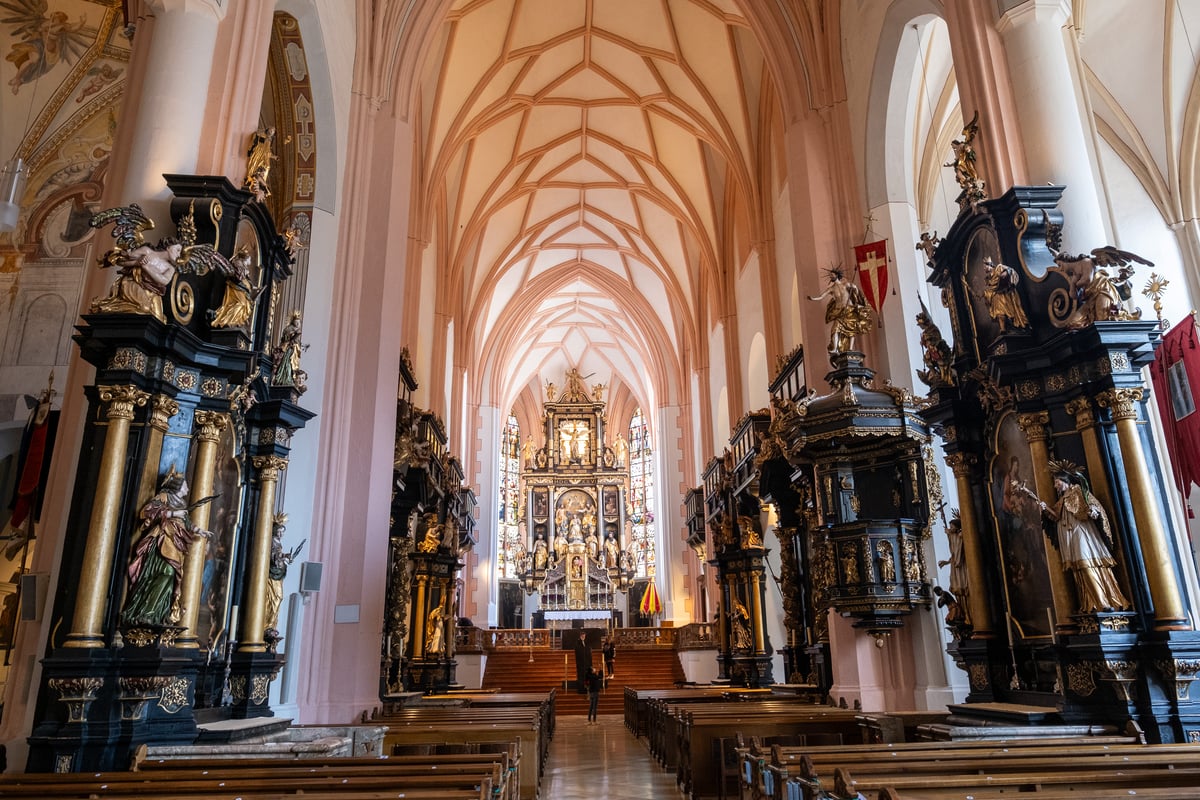
Basilika Mondsee
Founded 748 AD
Most people arrive at the Basilika Mondsee because of The Sound of Music: the wedding scene in the 1965 film was shot in this church, and the Marktplatz in Mondsee village now has a small museum devoted to the film. The basilica is genuinely worth visiting for reasons that have nothing to do with Hollywood.
Bob's Special Tours
Small-group tour operator. Personalised minibus day trips. Strong reputation among English-speaking visitors. Sound of Music, Salzkammergut, Berchtesgaden. More intimate than large coach tours.
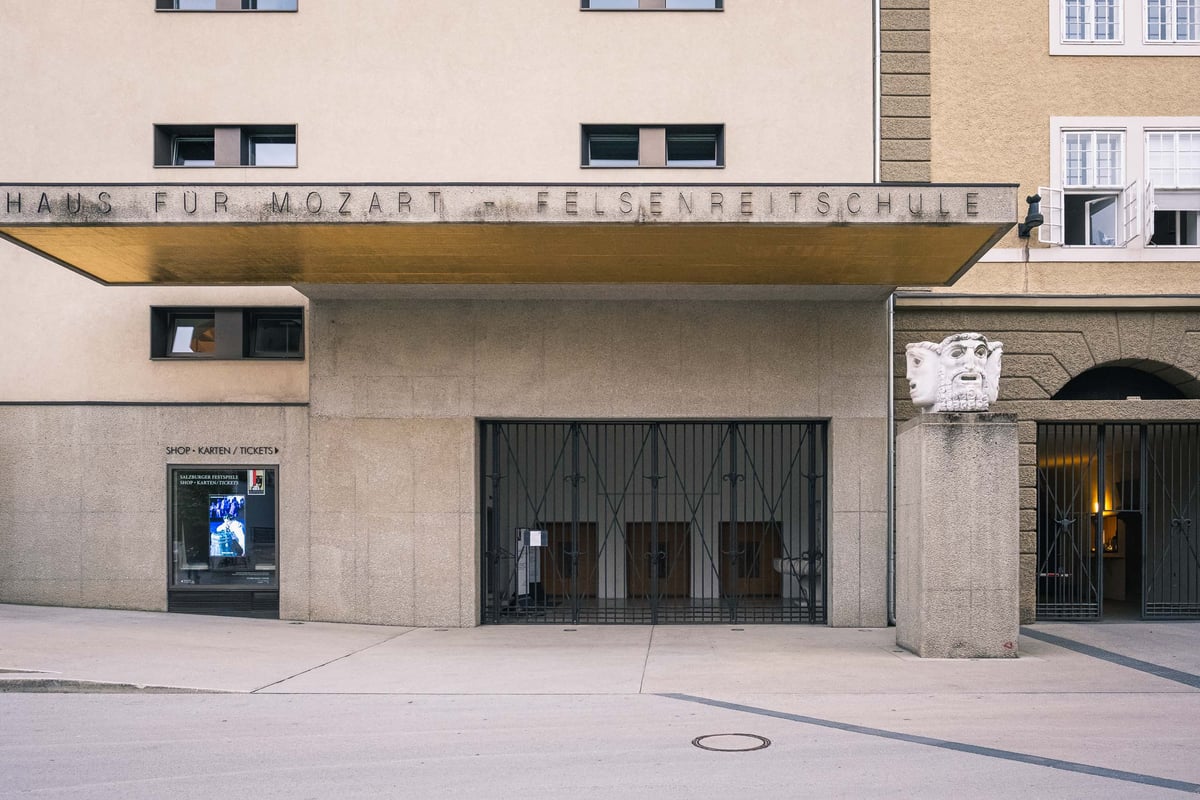
Felsenreitschule
Built 1693
The Felsenreitschule is a theater carved directly into the Moenchsberg cliff face, which means the backstage wall is living rock and three tiers of 17th-century arcades form the auditorium. It was originally built in 1693 as a summer riding school for the Archbishop's horses.
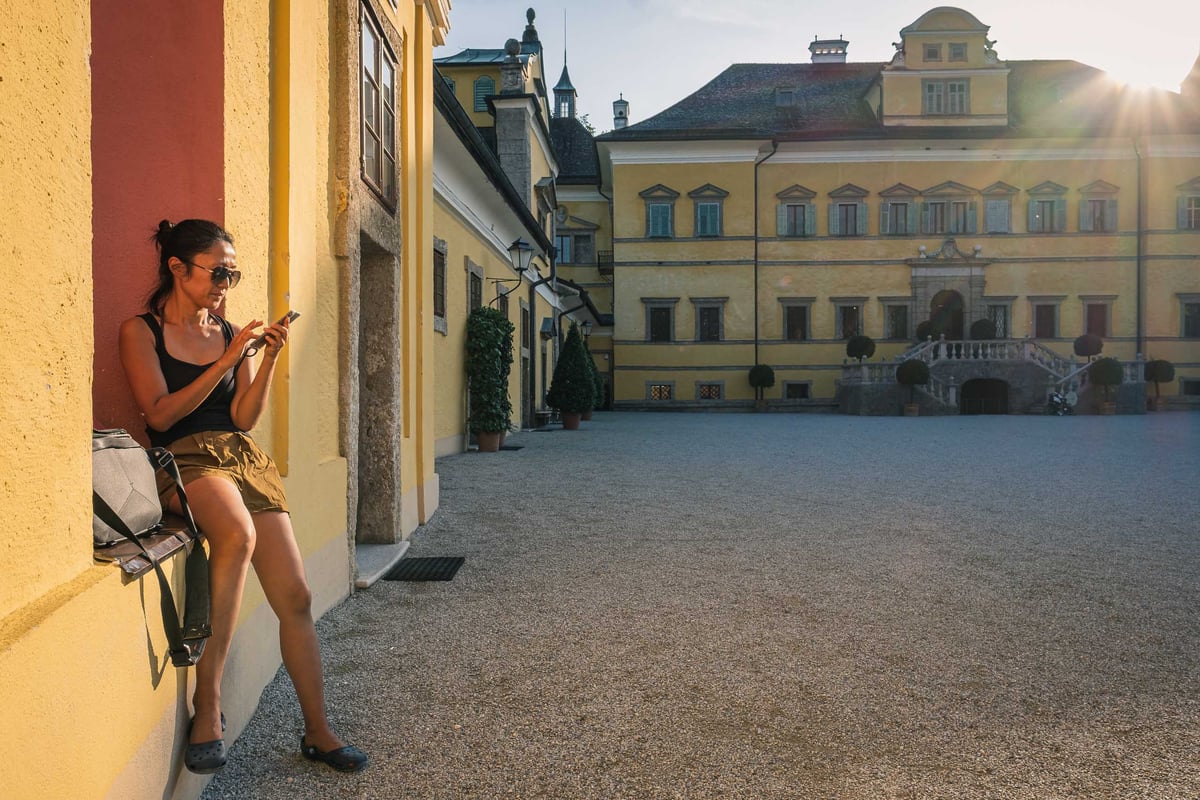
Hellbrunn Palace
Built 1613-1619
Summer residence of Markus Sittikus, built by Santino Solari in Italian Renaissance style (1613-1619). The palace itself is elegant and relatively austere; its fame rests on the extraordinary grounds: the Wasserspiele (trick fountains), the Steintheater, the Sound of Music Pavilion, and the zoo.
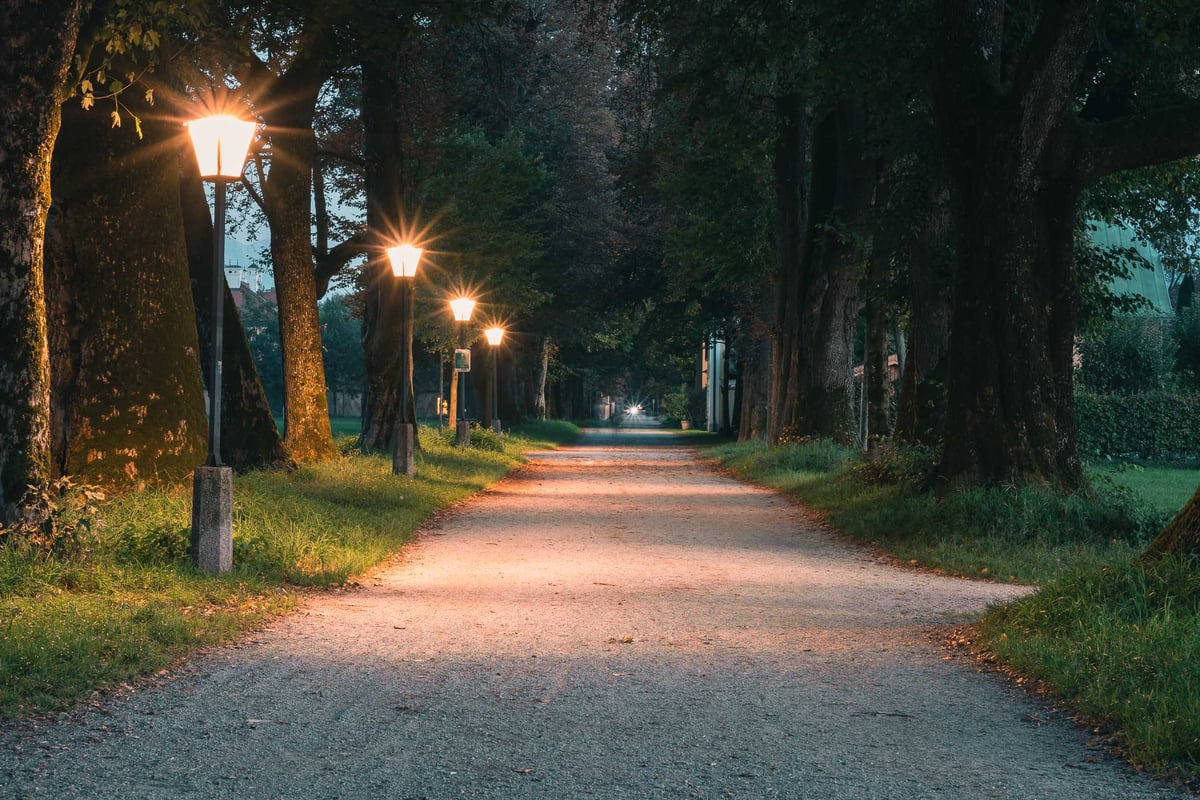
Hellbrunner Allee
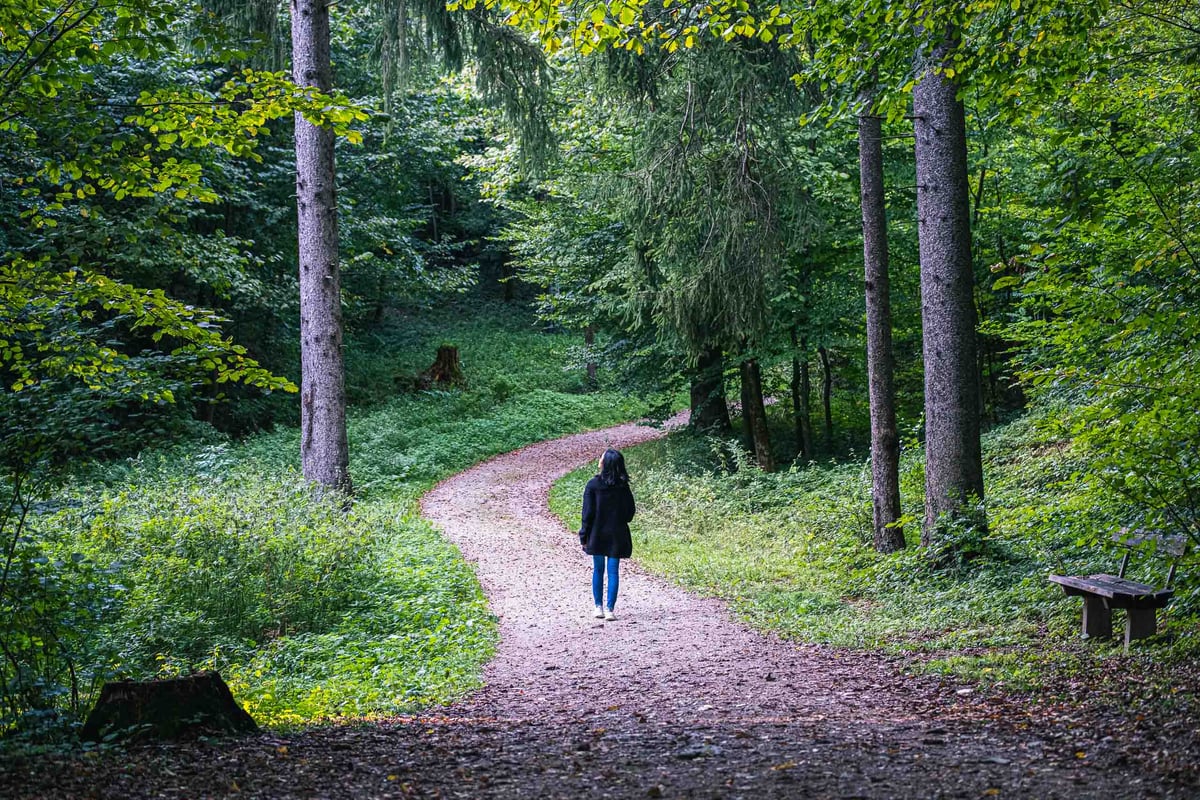
The world's oldest preserved Baroque avenue. A 4 km corridor of mature chestnuts and oaks planted by Archbishop Markus Sittikus between 1613 and 1615 as a processional route connecting the Residenz to his summer palace at Hellbrunn Palace. Flat, car-free, and lined with trees that predate almost everything in Salzburg's tourist canon. Walk or cycle it.
Hellbrunner Allee Cycle
The Hellbrunner Allee is the world's oldest preserved Baroque avenue, a 4 km corridor of mature chestnuts and oaks planted by Prince-Archbishop Markus Sittikus between 1613 and 1615 to connect the Residenz with his summer palace at Hellbrunn Palace. Cycling it is flat, car-free, and unrushed.
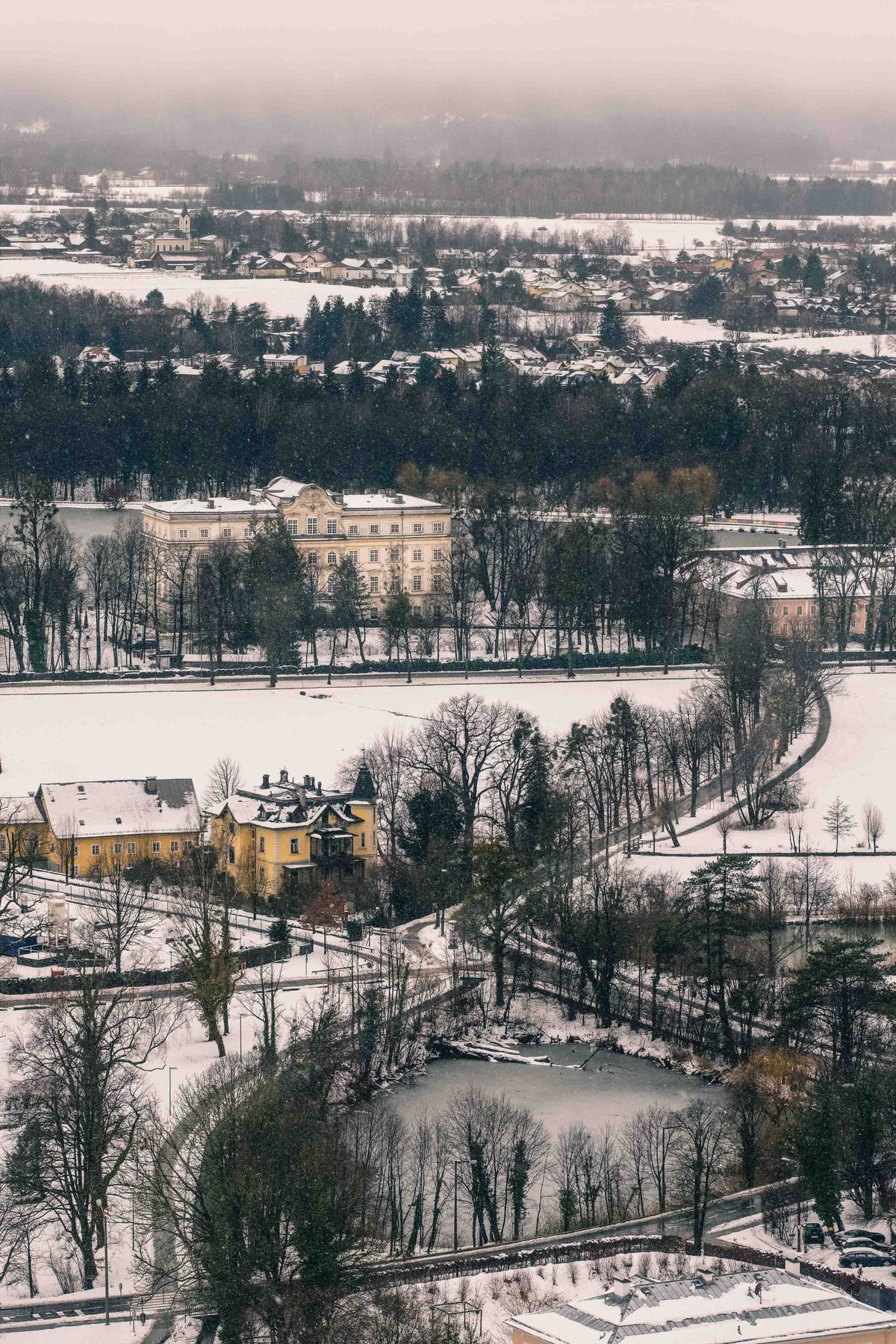
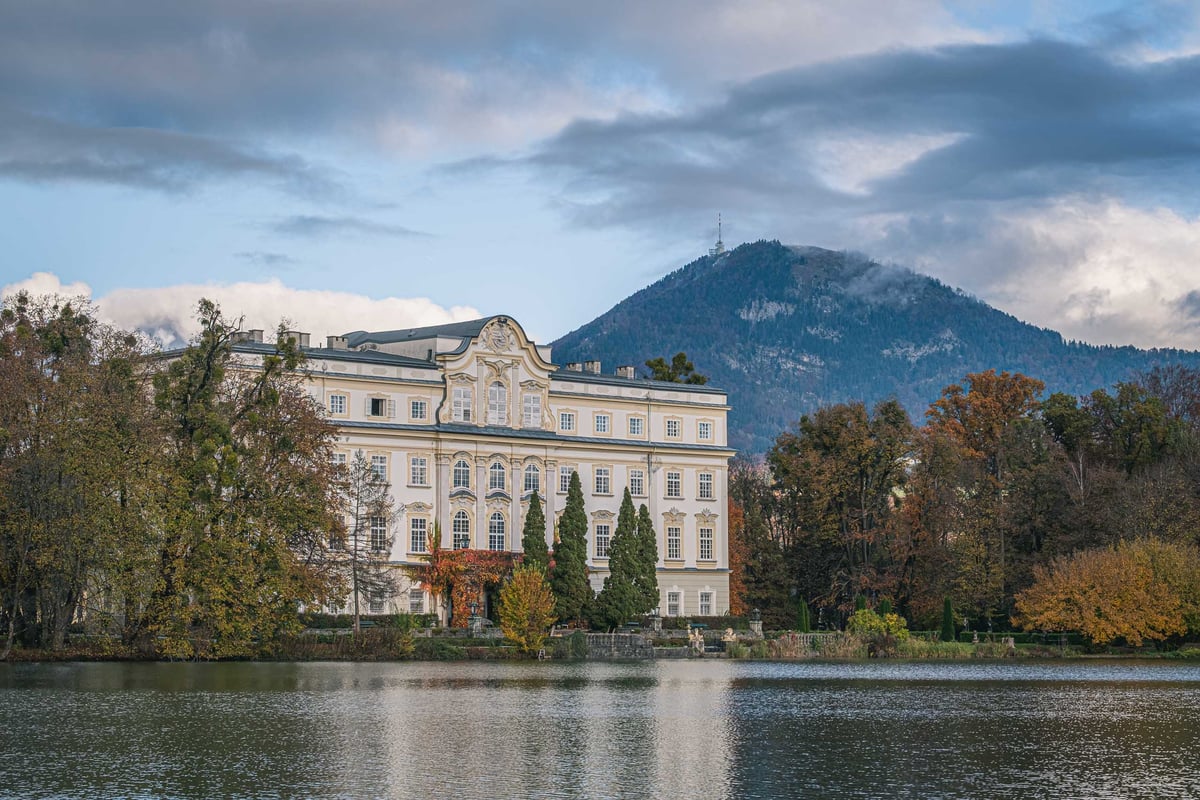
Leopoldskroner Weiher
A small lake beside Schloss Leopoldskron, used in The Sound of Music as the exterior of the von Trapp family home. A favourite quiet walk away from the Altstadt crowds. Particularly beautiful at dawn or dusk.
Maria's Bicycle Tour
Maria's Bicycle Tour runs daily from April to October, starting at Mirabellplatz 4 at 9:30 am and covering the Sound of Music filming locations by bike over 3.5 hours. The route takes in Mirabell Gardens, Nonnberg Abbey, Schloss Frohnburg, Leopoldskron, and the Hellbrunner Allee to Hellbrunn Palace. Almost entirely flat, suitable for all ages.
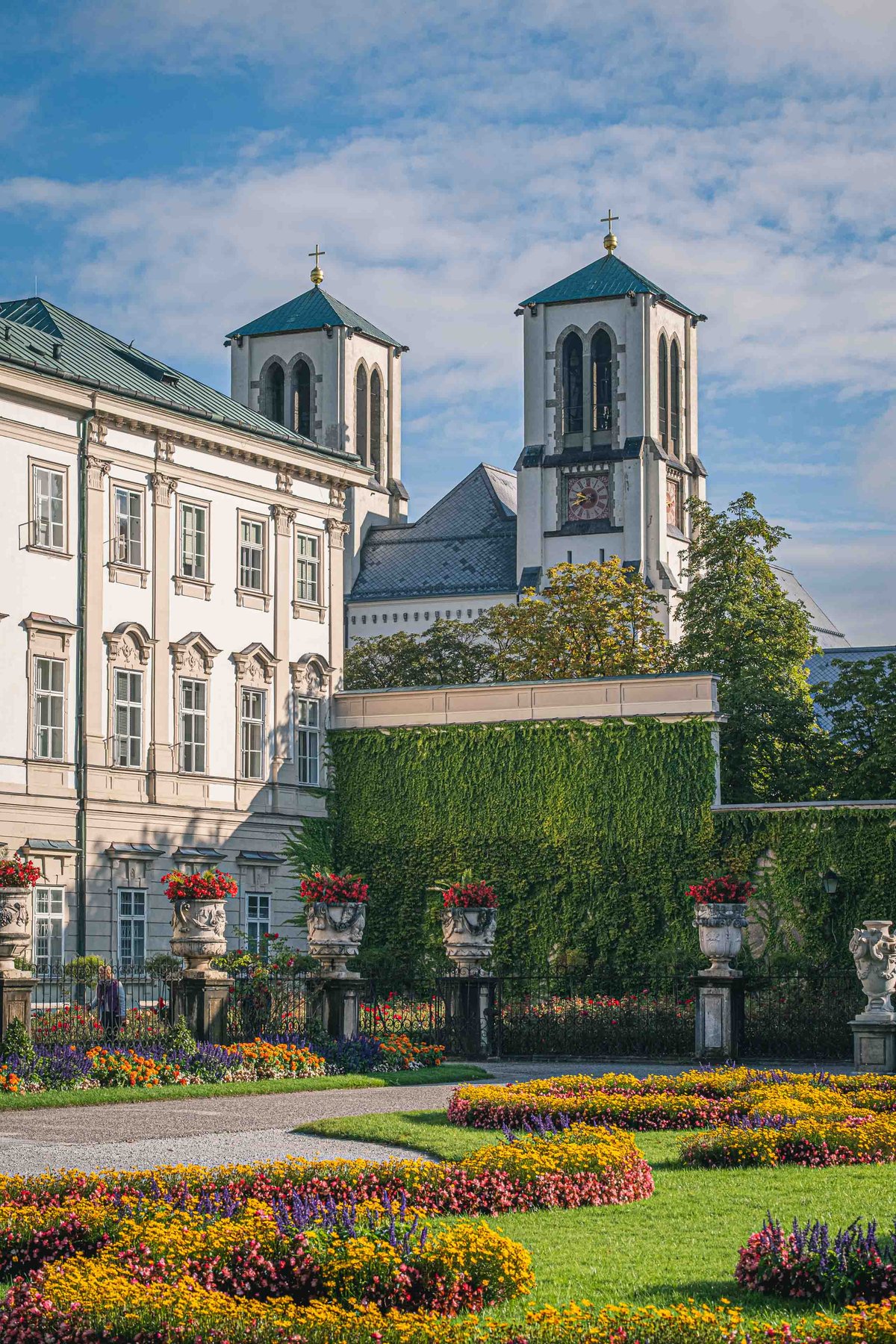
Mirabell Gardens
Laid out c. 1730
The formal baroque gardens adjoining Mirabell Palace, freely accessible to all visitors. Franz Anton Danreiter created the definitive layout around 1730. Famous as the location where Julie Andrews performed "Do-Re-Mi" in The Sound of Music. The view toward Hohensalzburg Fortress is one of the most photographed scenes in the city.
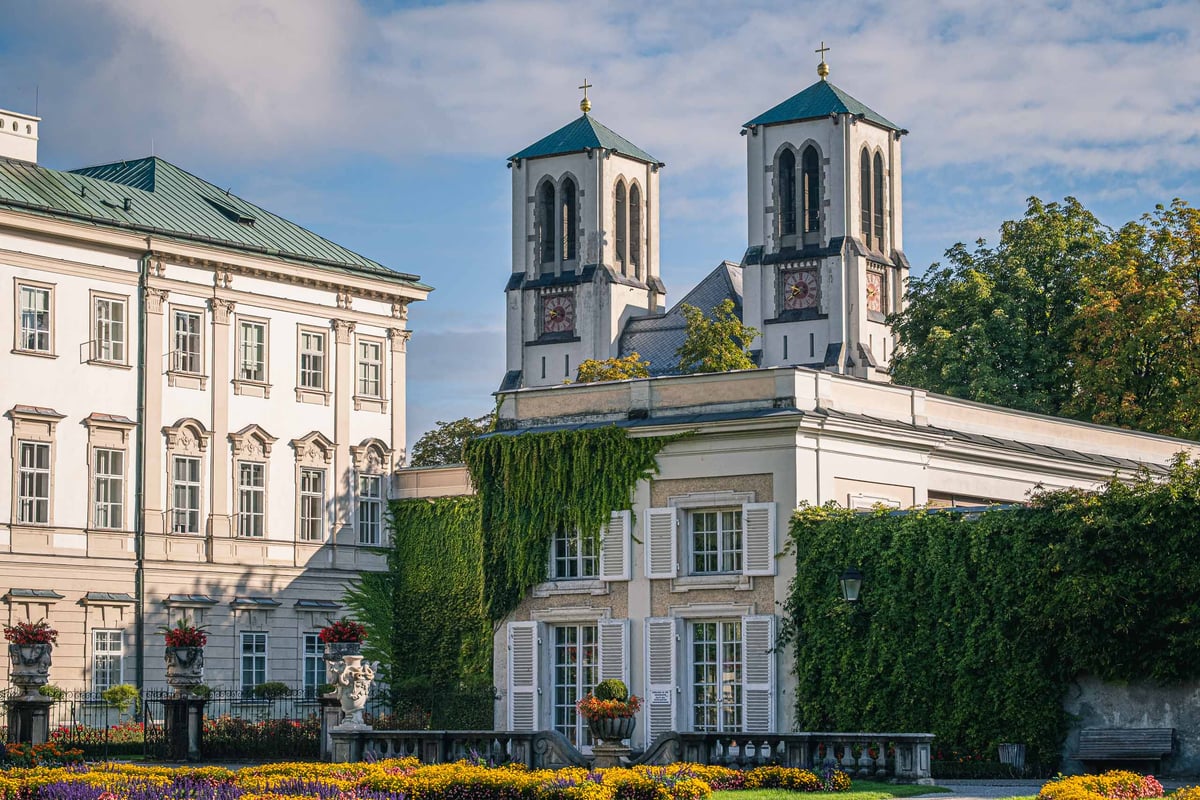
Mirabell Palace
Built 1606
Built in 1606 by Wolf Dietrich von Raitenau as "Altenau," a palace for his mistress Salome Alt. Renamed "Mirabell" by Markus Sittikus. The current baroque building is largely the work of Johann Lukas von Hildebrandt (1721). Today it serves as Salzburg's city hall. The Marble Hall is one of the finest baroque rooms in Austria.
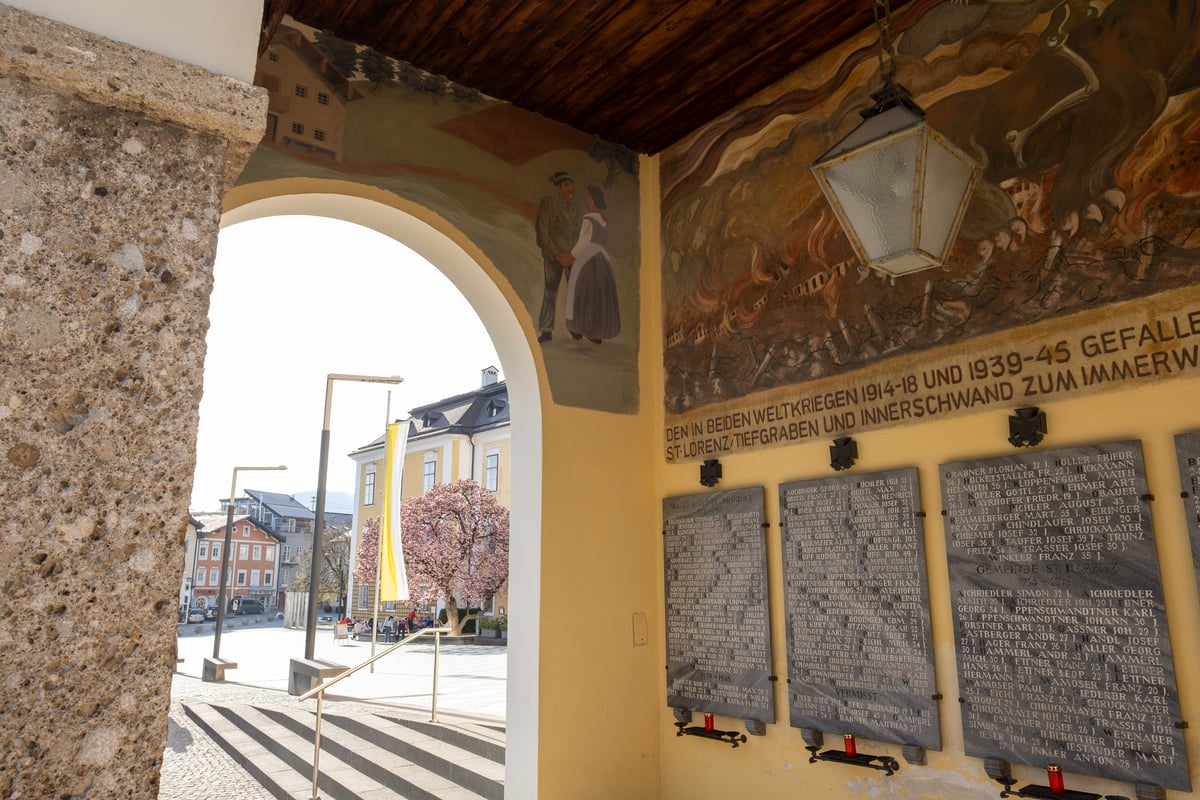
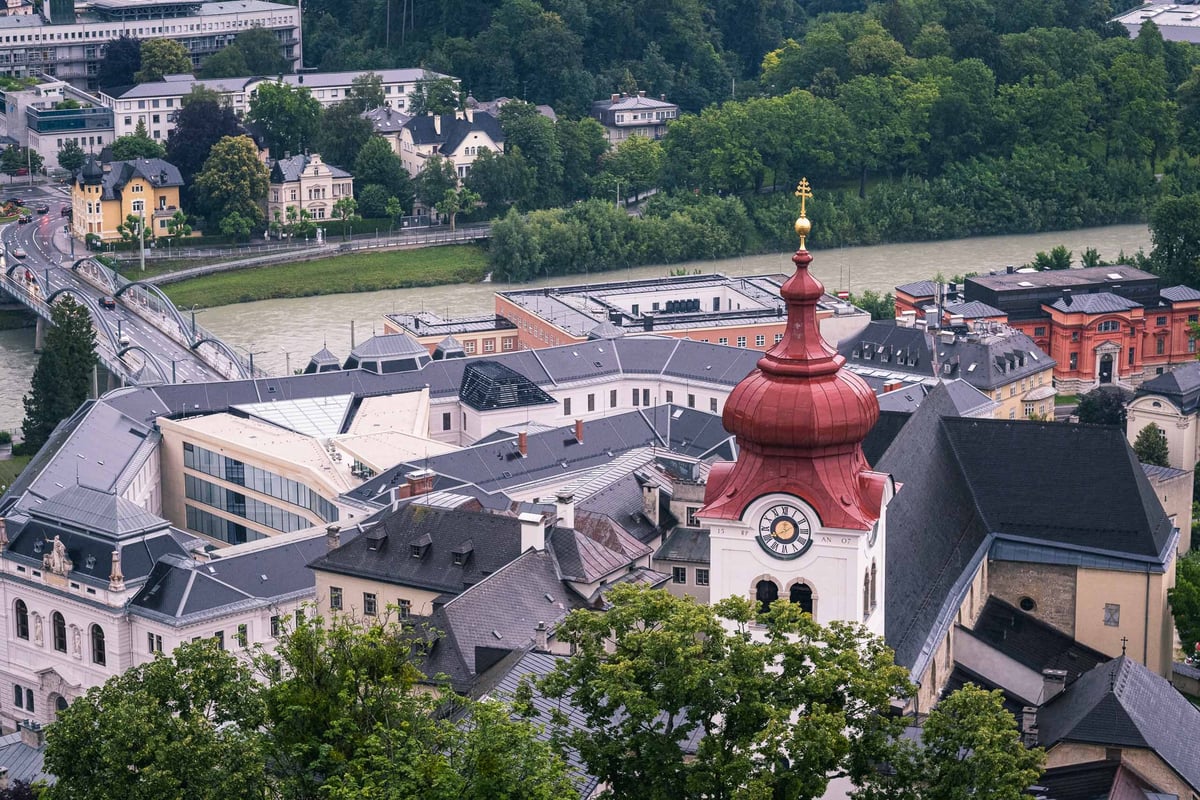
Nonnberg Abbey
Founded c. 712 AD
Nonnberg Abbey has been a working convent since around 714, making it the oldest continuously operating women's monastery north of the Alps. That is not a tourist claim. The nuns are still there, and they open the church for visitors in the mornings, though the convent itself stays closed.
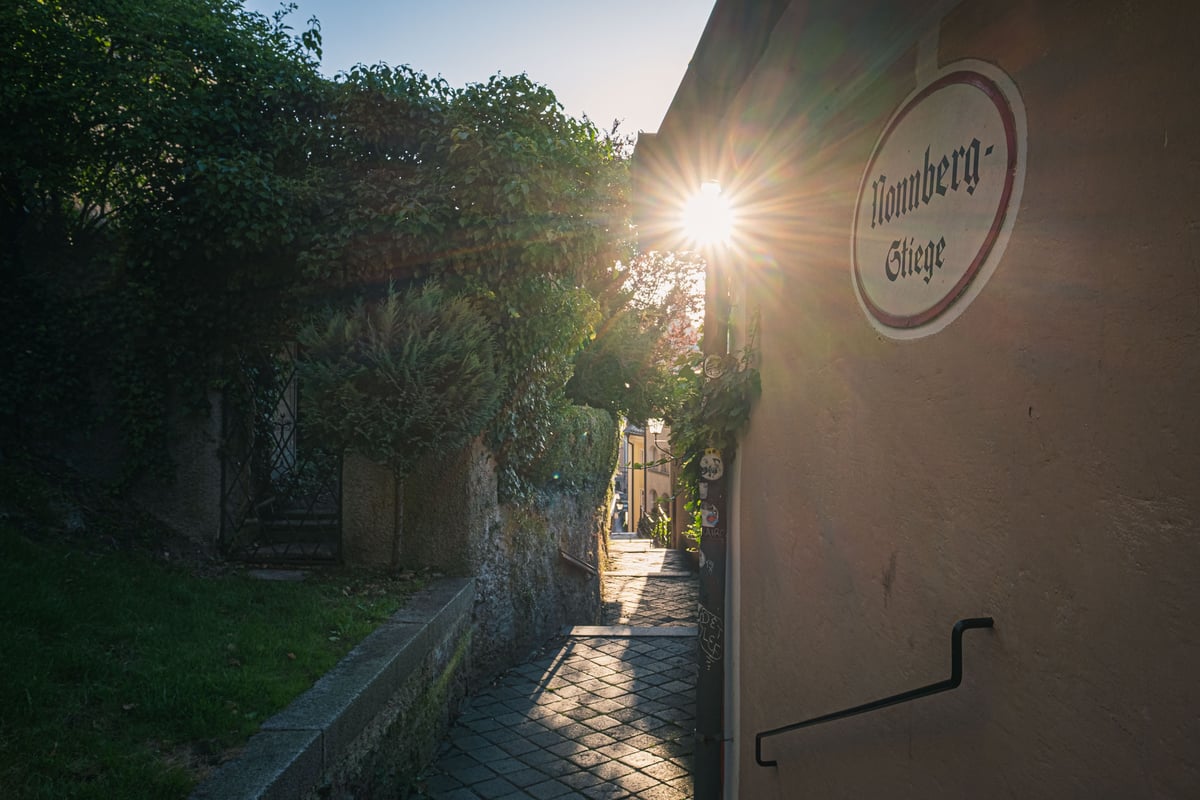
Nonnbergstiege
The steep stone staircase climbing to Nonnberg Abbey. Sound of Music filming location. Maria walks these stairs. Medieval origins. View back down over Nonntal rooftops.
Panorama Tours Salzburg
Salzburg's largest tour operator. Home of the original Sound of Music Tour (since 1972). Day trips to Hallstatt, Berchtesgaden, Grossglockner, Salzkammergut. Also runs the hop-on hop-off bus.
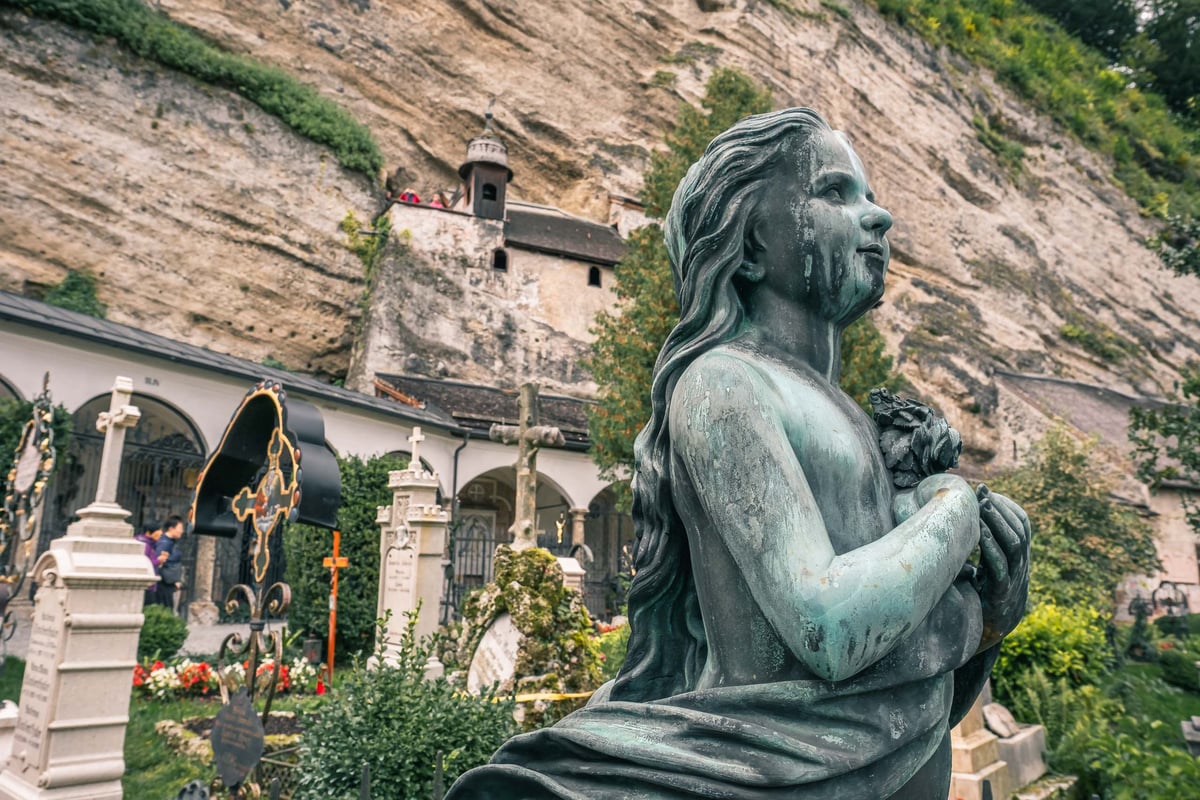
Petersfriedhof
St. Peter's Cemetery in Salzburg has been continuously used since around 700 AD, making it one of the oldest Christian cemeteries in the German-speaking world. The graves press up against the cliff face of the Mönchsberg, where early Christian catacombs are carved directly into the rock.
Salzkammergut Tour from Salzburg
Guided excursion through Salzkammergut lakes and villages. 6-8 hours. Visits 2-3 lakes. St. Gilgen (Mozart/Sound of Music), Mondsee (wedding church). Often combined with Sound of Music themes. Year-round.
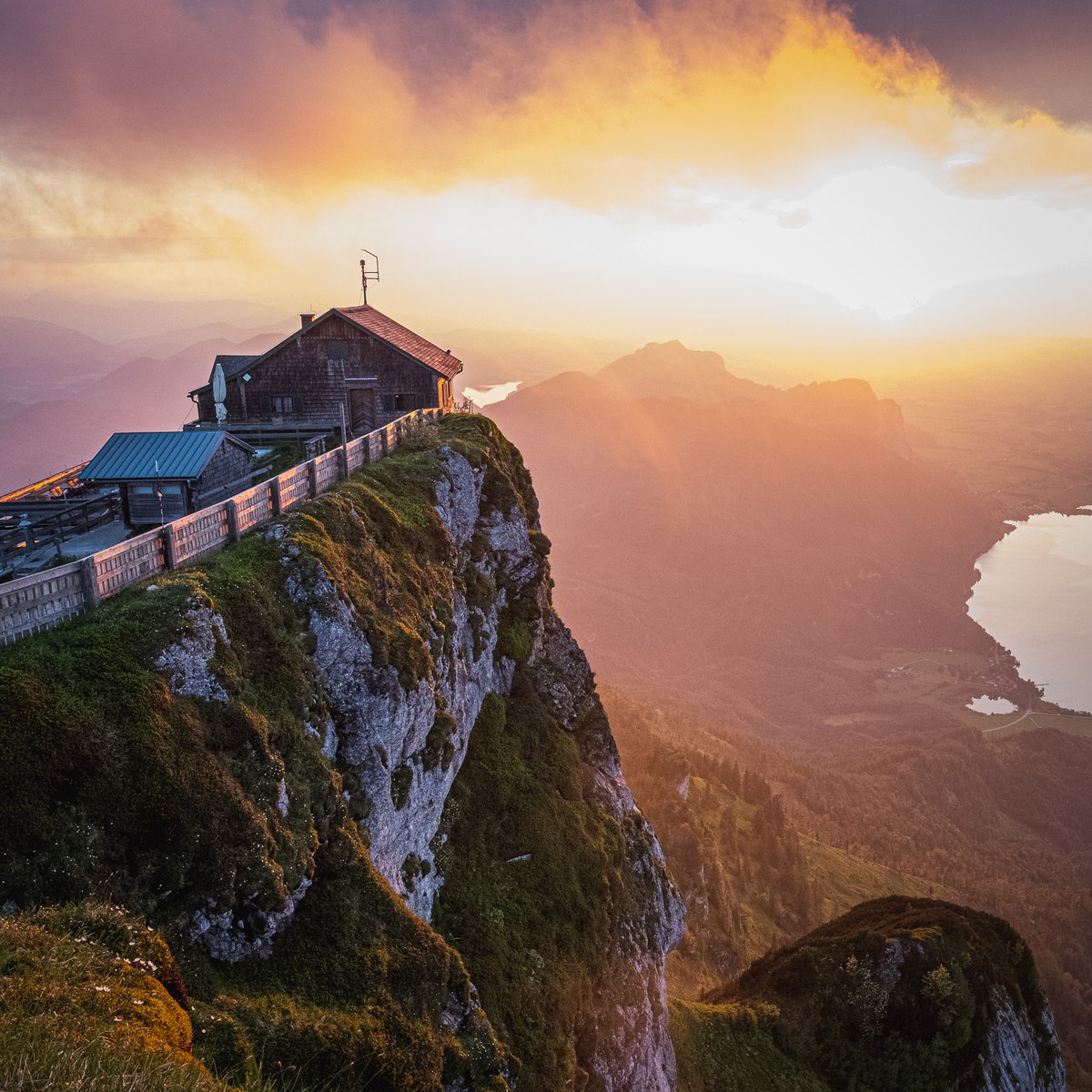
Schafberg Summit
The Schafberg is a 1,783-meter peak on the edge of the Wolfgangsee in the Salzkammergut, and from the summit you can count thirteen Austrian lakes on a clear day. Most visitors reach it by the steam-powered Schafbergbahn rack railway from St. Wolfgang, which has been running since 1893.
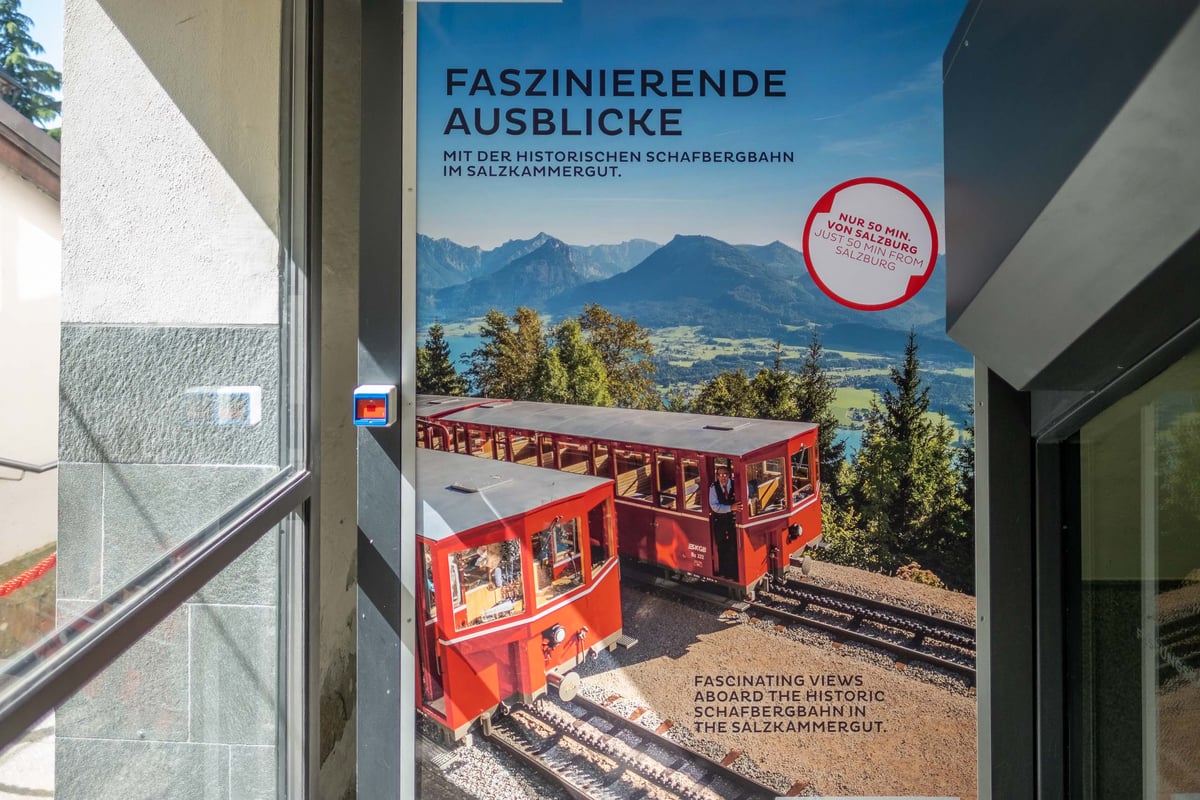
Schafbergbahn
Opened 1893
The Schafbergbahn steams out of St. Wolfgang at a gradient that qualifies it as the steepest rack railway in Austria, climbing from the Wolfgangsee shore to the summit at 1,783 meters in 35 minutes. At the top, you can see thirteen Salzkammergut lakes simultaneously on a clear day.
Schloss Frohnburg
The front facade of the Von Trapp family home in The Sound of Music. While Schloss Leopoldskron provided the lake-facing terrace, Schloss Frohnburg provided the front gate and entrance sequences. Now owned by the Universität Mozarteum and used as a student residence. Not open to the public, but the facade can be seen from the street.
Schloss Leopoldskron
Built 1736
Rococo palace on the shores of Leopoldskroner Weiher, commissioned in 1736 by Archbishop Leopold Anton von Firmian and purchased by theatre director Max Reinhardt in 1918. Reinhardt turned it into the creative headquarters of the early Salzburg Festival and his own artistic home. The Nazis confiscated it in 1938 after Reinhardt fled.
Sound of Music Meadow, Werfen
The alpine meadow near Werfen where the Do-Re-Mi picnic scene from The Sound of Music was filmed. Overlooks the valley and Festung Hohenwerfen. An official Sound of Music Trail leads up from the village.
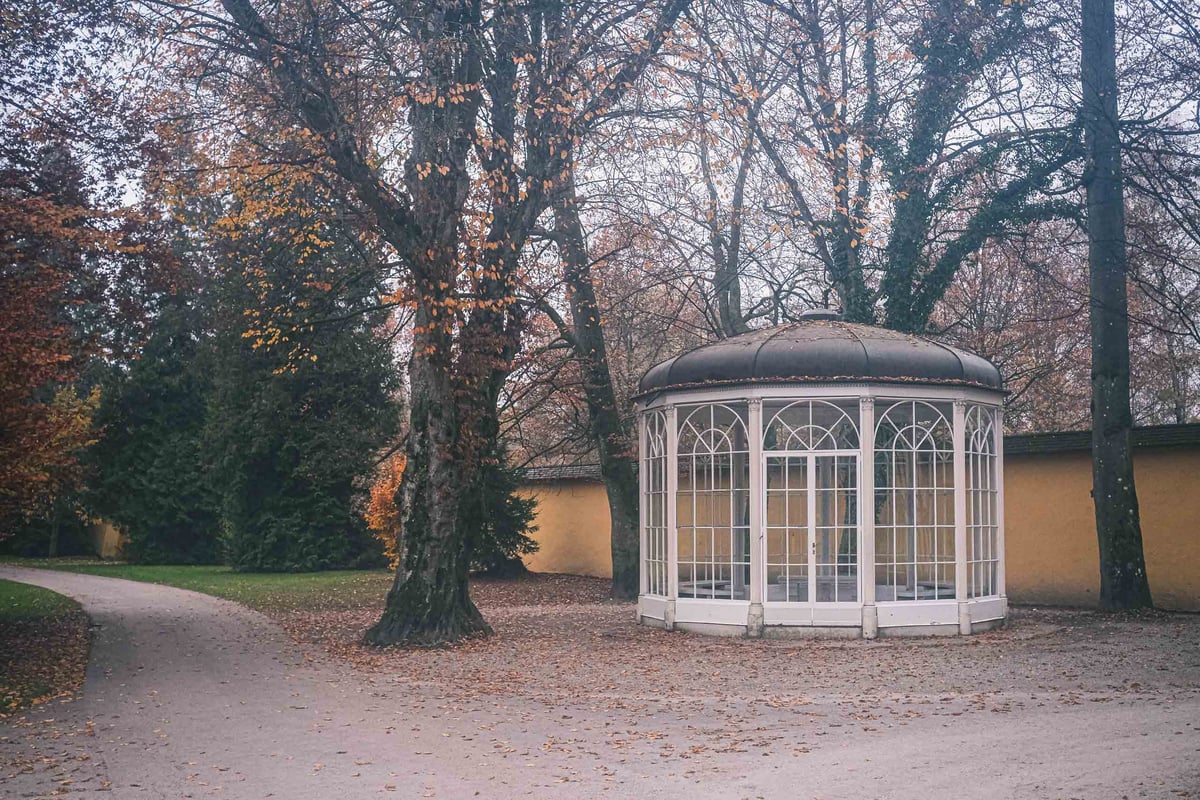
Sound of Music Pavilion
The octagonal white gazebo from The Sound of Music. Julie Andrews and Christopher Plummer performed "Sixteen Going on Seventeen" here. Originally at Schloss Leopoldskron, relocated to Hellbrunn in the 1970s. Now enclosed behind a fence after visitors broke ankles attempting to recreate the spinning dance sequence.
Sound of Music Tour Salzburg
The iconic coach tour of Salzburg and Salzkammergut filming locations from the 1965 film. ~4 hours. Mirabell Gardens (Do-Re-Mi staircase), Schloss Leopoldskron, Nonnberg Abbey, Mondsee church. One of the most popular tourist activities in Salzburg. For many first-time visitors, the primary reason they chose Salzburg.
Sound of Music World
Opened 2018
A private museum dedicated to the real story of the Trapp family, opened 2018 adjacent to Villa Trapp. Centres on the actual family rather than the film locations. More thoughtful and personal than its modest size suggests. Included in the Salzburg Card.
Villa Trapp
Built 1863
The actual home of Georg von Trapp and Maria von Trapp in the Aigen district of Salzburg, not to be confused with Schloss Leopoldskron, which served as the film exterior. The family lived here from 1922 until they left Austria after the Anschluss in 1938.
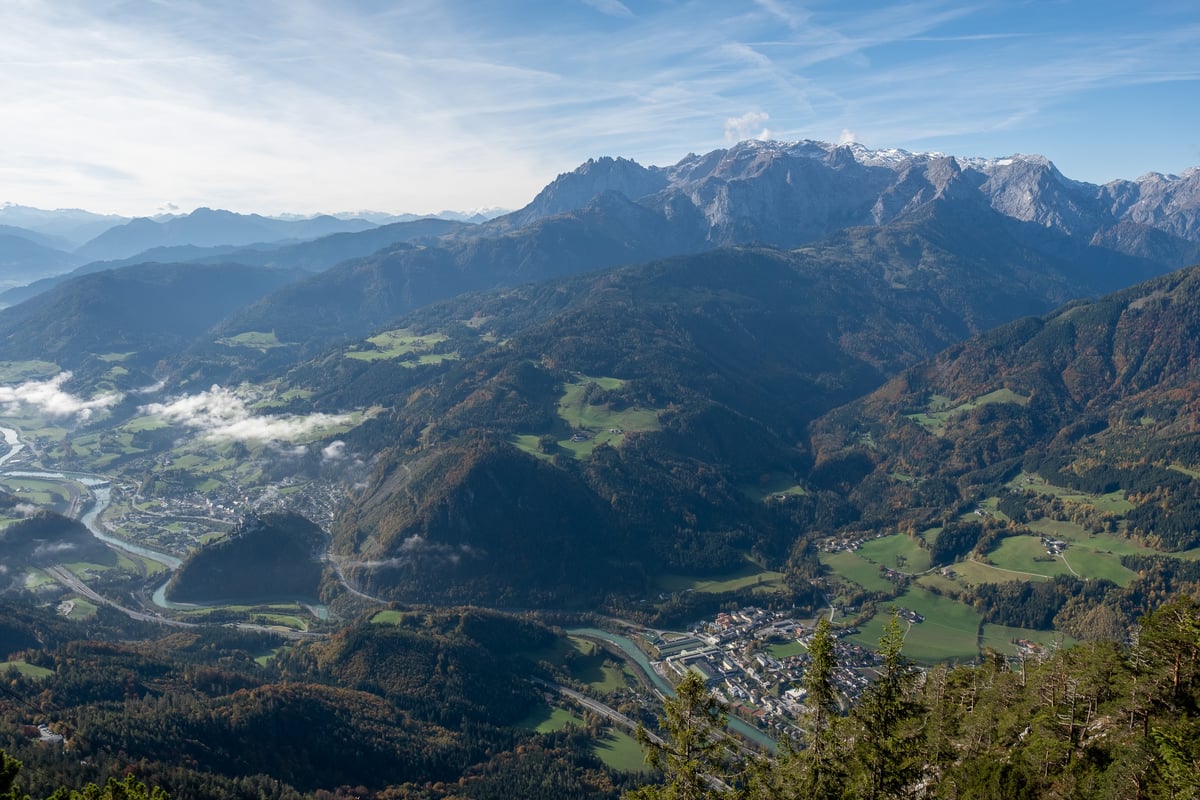
Wolfgangsee Day Circuit
The classic Salzkammergut day circuit from Salzburg: bus to St Gilgen (45 minutes), ferry across Wolfgangsee to St. Wolfgang, Schafbergbahn rack railway to the summit at 1,783 m with a panorama over 13 lakes, ferry back, bus to Salzburg. Full day. Salzburg AG operates both the ferry and the railway. The pilgrimage church in St.
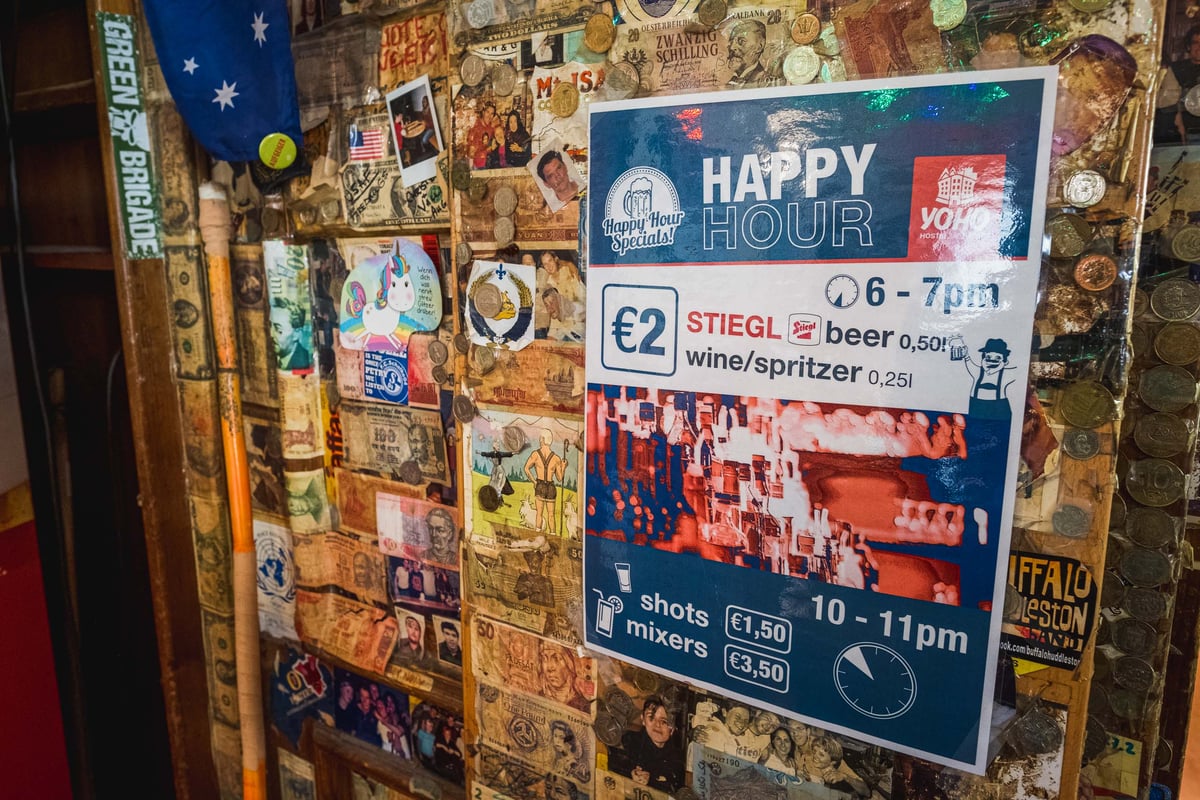
YoHo International Youth Hostel
Salzburg's most popular backpacker hostel. Known for nightly Sound of Music screenings. Dormitory and private rooms at budget prices. A lively base for young travellers, in the Neustadt and away from old-town pricing.
The records
People tagged Sound of Music
Agathe von Trapp
educator1913 - 2010
Eldest daughter of Georg von Trapp and the eldest of the seven children whose story inspired The Sound of Music. Her memoir Memories Before and After The Sound of Music (2003) is the most detailed first-hand account of the family's Salzburg years. She lived to 97.
Charmian Carr
actor1942 - 2016
Played Liesl von Trapp, "sixteen going on seventeen," in The Sound of Music (1965). Most associated with the gazebo scene, now permanently housed at Hellbrunn Palace. She visited Salzburg on multiple occasions and became one of the most recognisable ambassadors the film ever produced. Her memoir Forever Liesl (1999). Died in 2016 at 73.
Christopher Plummer
actor1929 - 2021
Played Captain Georg von Trapp opposite Julie Andrews in The Sound of Music (1965). Famously disliked the film, reportedly calling it "The Sound of Mucus." Won the Academy Award for Best Supporting Actor for Beginners (2011) at 82, the oldest competitive Oscar winner in history.
Franz Anton Danreiter
architect1695 - 1760
The man who designed the Mirabell Gardens as visitors see them today. Danreiter created the definitive baroque layout around 1730: the symmetrical parterre, the geometric hedging, the rose garden, and the famous Zwerglgarten (Dwarf Garden). The gardens that appear in The Sound of Music are substantially his creation.
Franz Wasner
priest1905 - 1992
The real musical director of the Trapp Family Singers. The character of Max Detweiler in The Sound of Music is loosely based on Wasner. He shaped the ensemble's repertoire, conducted their tours, and was the artistic intelligence behind their professional career. Buried in St. Peter's Cemetery.
Georg von Trapp
official1880 - 1947
The real Captain von Trapp. Austro-Hungarian naval commander who lived in Salzburg at Villa Trapp in Aigen. His family's flight from Austria after the 1938 Anschluss is the story behind The Sound of Music. The family eventually settled in Stowe, Vermont.
Johann Meinrad Guggenbichler
sculptor1649 - 1723
The master sculptor of the Salzburg Salzkammergut. Guggenbichler spent his entire working life creating altars and sculptures for the churches of the Mondsee and St. Gilgen area. His baroque sculptures stand in the background of the Mondsee church's wedding scene in The Sound of Music, seen by millions who have no idea who carved them.
Julie Andrews
actorb. 1935
The actress whose performance in The Sound of Music (1965) is responsible, more than any other single event, for Salzburg's status as one of the world's most visited tourist destinations. Her opening sequence on the Untersberg meadow, arms outstretched, is one of the most recognised images in cinema.
Maria von Trapp
educator1905 - 1987
The real Maria. A novice at Nonnberg Abbey before marrying widowed naval officer Georg von Trapp, Maria became world famous through the 1959 musical The Sound of Music and the 1965 film. Her life and the filming locations in and around Salzburg draw millions of tourists to the city each year.
Max Reinhardt
director1873 - 1943
Theatre director of extraordinary vision and co-founder of the Salzburg Festival. Reinhardt purchased Schloss Leopoldskron in 1918, which later inspired the Von Trapp villa in The Sound of Music. He staged the first Jedermann on Domplatz in 1920. Jewish, he fled the Nazis in 1938 and died in New York exile in 1943.
Oscar Hammerstein II
writer1895 - 1960
The lyricist who wrote the words to "Edelweiss," "My Favourite Things," "Climb Ev'ry Mountain," and "Do-Re-Mi." With Richard Rodgers, he created The Sound of Music (1959). He died in 1960, five years before the film, and never saw what his last work would become. The lyrical vocabulary through which the whole world now pictures Austria.
Richard Rodgers
composer1902 - 1979
Composer of The Sound of Music (1959) with Oscar Hammerstein II. Rodgers wrote every note of the music that millions of visitors now hum as they walk through Mirabell Gardens, up to Nonnberg Abbey, and across the hills outside the city. Indirectly, one of the greatest contributors to Salzburg's modern identity.
Robert Wise
director1914 - 2005
Director of The Sound of Music (1965), which won five Academy Awards including Best Picture and Best Director. His decision to shoot on location rather than in a studio made Salzburg itself a character in the film, with consequences for the city's tourism identity that persist six decades later.