Director

Markus Hinterhäuser

30 March 1958, La Spezia, Italy

Snapshot

Markus Hinterhauser has been building his career in the Salzburg Festival longer than anyone in its modern history. He arrived as a pianist in the early 1990s, became Mortier’s closest artistic collaborator, and returned as Artistic Director in 2017. He is now the living custodian of an institution he has known from the inside for over three decades.

The Story

Markus Hinterhauser was born in La Spezia, Italy, in 1958 and trained as a pianist before arriving in Salzburg in the early 1990s at the invitation of Gerard Mortier, who had just taken over as the Festival’s Artistic Director. He became one of the central figures in Mortier’s programming, both as a performer and as a conceptual collaborator, appearing in and helping to shape the concerts and chamber music series that were a key part of Mortier’s reinvention of the Festival.

After Mortier’s departure in 2001 Hinterhauser remained as concert director through subsequent artistic directorships, accumulating an institutional knowledge of the Festival’s operations and identity that few people shared. He left to direct the Wiener Festwochen before being called back to take the artistic directorship in 2017.

His programming at the Grosses Festspielhaus, the Felsenreitschule, and the chamber venues has combined new commissions with the canonical repertoire, contemporary theatre with classical opera. He has maintained the intellectual ambition that Mortier established while negotiating with an institution that has its own gravitational pull toward tradition. Among the living figures associated with the Salzburg Festival, he is the one who knows it most thoroughly from the inside.
On the map

Hinterhäuser's Salzburg

The 2 places on this page, where they actually stand.

Locations

Places in the story

These places and destinations are authored on this person entity.
  • Felsenreitschule

    Built 1693

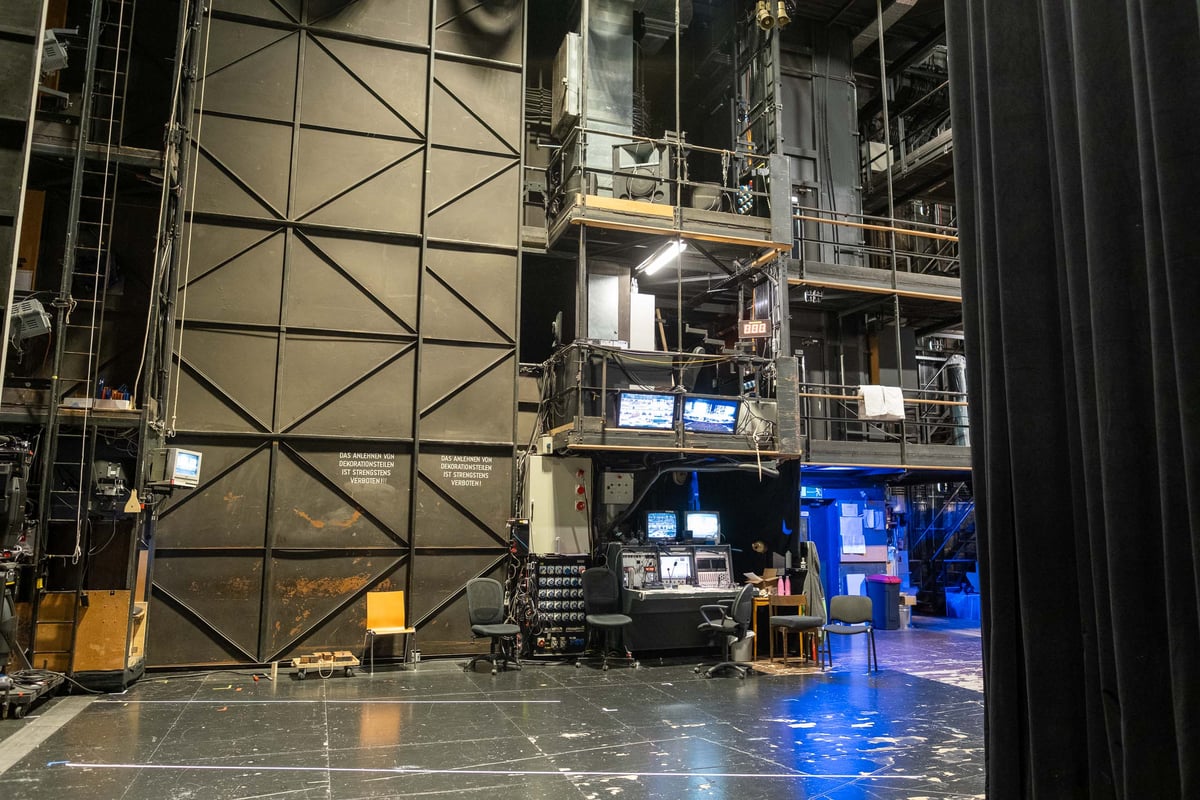
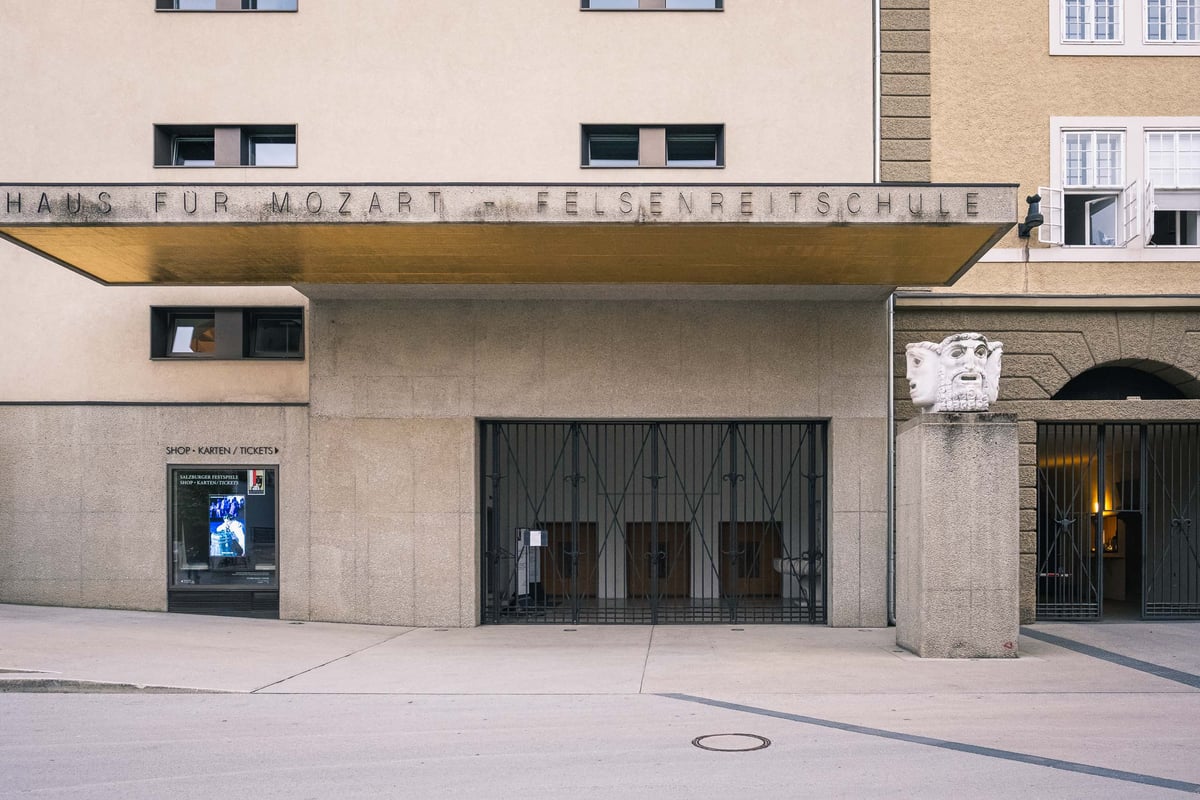
    The Felsenreitschule is a theater carved directly into the Moenchsberg cliff face, which means the backstage wall is living rock and three tiers of 17th-century arcades form the auditorium. It was originally built in 1693 as a summer riding school for the Archbishop's horses.

    Salzburgpaid
  • Großes Festspielhaus

    Completed 1960

    The Grosses Festspielhaus (Large Festival Hall) opened in 1960 as a major expansion of Salzburg's Festspielhaus complex, carved in large part from the Moenchsberg cliff face to achieve its 2,179-seat auditorium. Architect Clemens Holzmeister cut the main stage directly into the rock, creating one of the widest stages in the world at 100 meters.

    Salzburgpaid

Organizations

Institutional connections

These organizations are authored on this person entity.
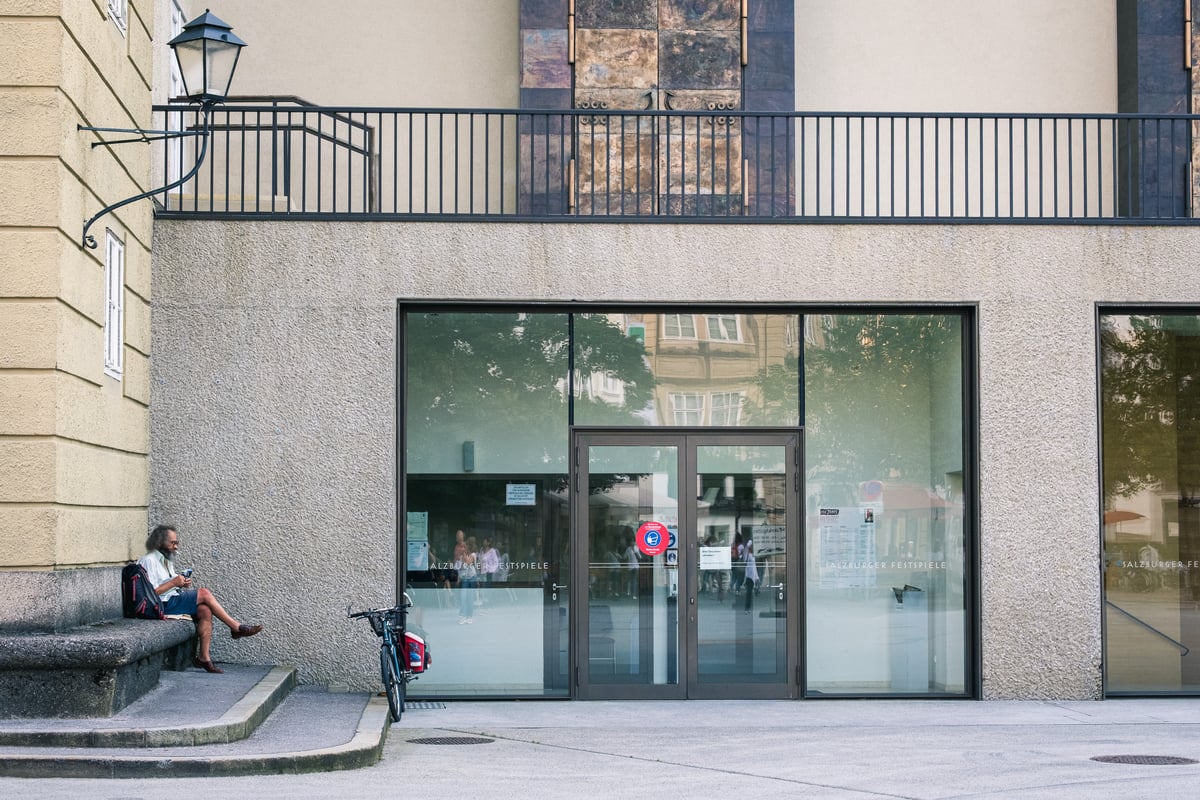
  • A man sits alone on a stone step beside a glass festival entrance lettered SALZBURGER FESTSPIELE, where a poster announces 100 Jahre Salzburger Festspiele, 1 to 30 August 2020.

    Salzburg Festival

    One of the world's most prestigious performing arts festivals. Held annually late July to end of August. Founded 1920 by Hugo von Hofmannsthal, Max Reinhardt, Richard Strauss, Franz Schalk, and Alfred Roller. Inaugural event: Jedermann on Domplatz. Herbert von Karajan defined the postwar era. Opera, drama, concerts.

    cultural institutionFounded 1920