Snapshot
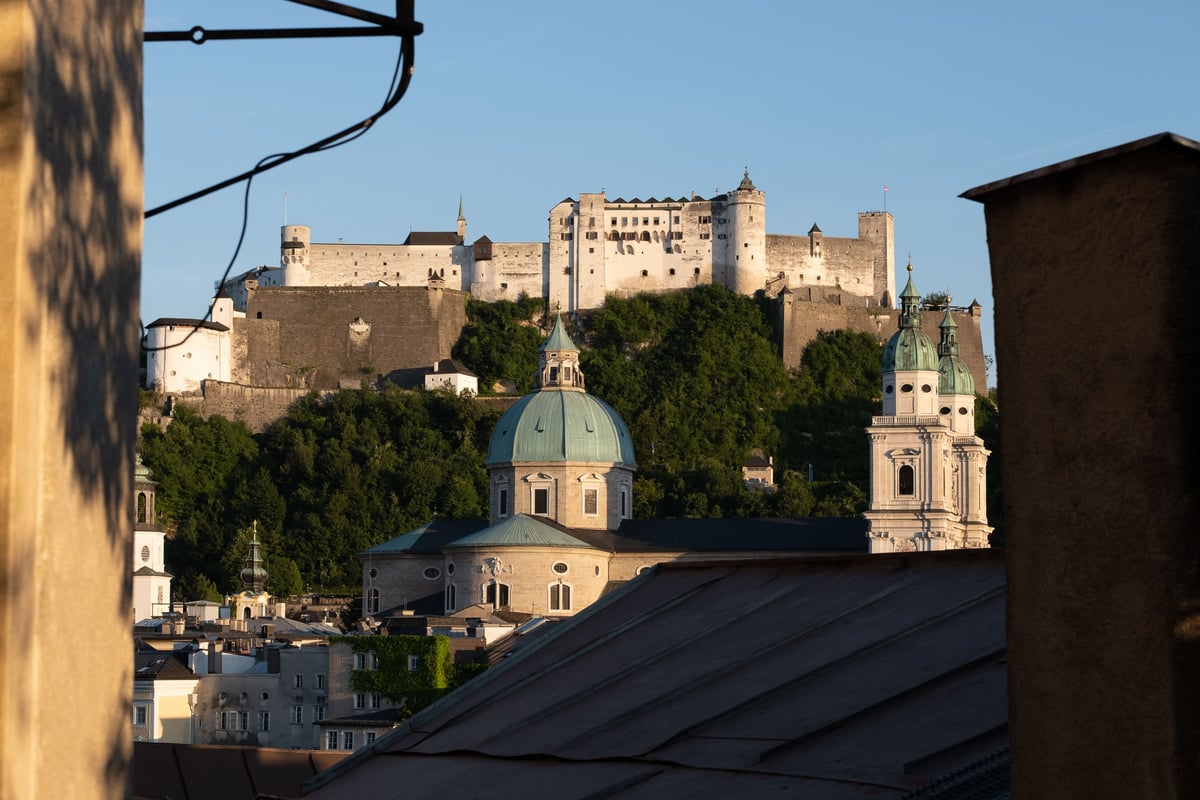
During the German Peasants’ War of 1525-1526, the largest popular uprising in European history before the French Revolution, Michael Gaismair led the Tyrolean and Salzburg peasant forces against Archbishop Matthäus Lang von Wellenburg, who was sheltering inside Hohensalzburg Fortress. The fortress held. Gaismair was assassinated in Padua in 1532, almost certainly on Habsburg orders.
The Story
Gaismair was born around 1490 near Sterzing in South Tyrol into a family that held mining rights and ran a farm. He trained as a mining clerk and later as a legal scribe, learning the law well enough to see exactly how it was used to keep the peasantry in place. When the Reformation and the economic pressures of the early sixteenth century brought the rural population to breaking point, he had both the administrative skill and the political conviction to lead.
In 1525 and 1526 he directed the Tyrolean and Salzburg peasant forces against the Habsburg authorities. His army besieged Hohensalzburg Fortress, where Archbishop Matthäus Lang was sheltering. The fortress did not fall. The peasant coalition was eventually suppressed by the combined forces of the Swabian League, and the reprisals were severe: leaders were executed, church bells were melted down for cannons, and heavy taxes were levied on the defeated countryside.
Gaismair escaped over the Alps to Zurich, where he met the reformer Ulrich Zwingli and drafted the Landesordnung: a proposal for a democratic Tyrolean republic with elected councils, abolished noble privileges, nationalised land, schools, hospitals, and homes for the elderly. Written in 1526, the document was decades ahead of any mainstream European thinking on governance.
He lived the rest of his short life in Venice and Padua. He was killed on 15 April 1532 by assassins who were almost certainly acting on Habsburg orders. A street in Salzburg bears his name. The fortress he failed to take still dominates the city’s skyline.