AEIOU
Installed 2002
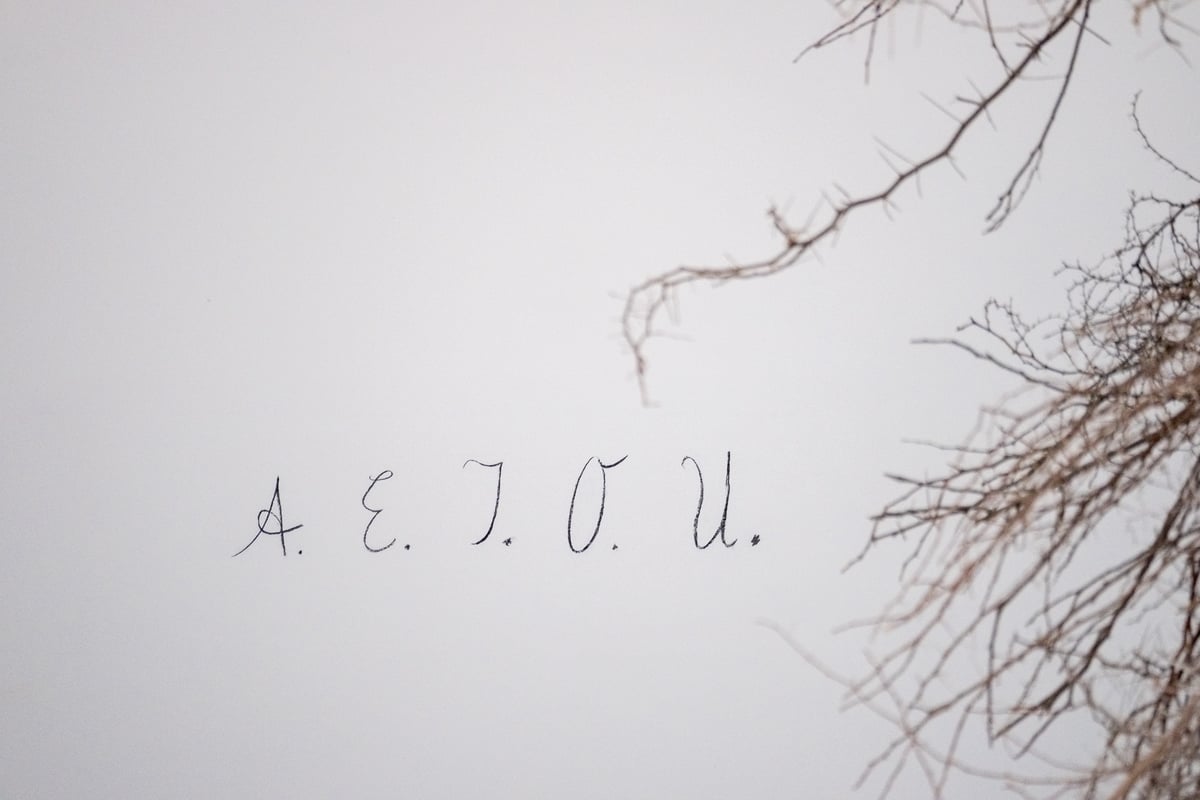
A cubic art pavilion by Anselm Kiefer (2002) in Furtwänglerpark. Walk of Modern Art #1, the very first commission. Named after the enigmatic Habsburg motto Alles Erdreich ist Österreich Untertan.
Topic
58 entries tagged Habsburg on Introducing Salzburg.
Installed 2002
A cubic art pavilion by Anselm Kiefer (2002) in Furtwänglerpark. Walk of Modern Art #1, the very first commission. Named after the enigmatic Habsburg motto Alles Erdreich ist Österreich Untertan.
Built c. 1253
Burg Mauterndorf in the Lungau controls the Tauern pass route through a narrow valley where it was impossible to bypass the castle without paying the toll. The Archbishops of Salzburg held this position for centuries, collecting passage fees that helped fund Salzburg's Baroque building program.
Opened 2014
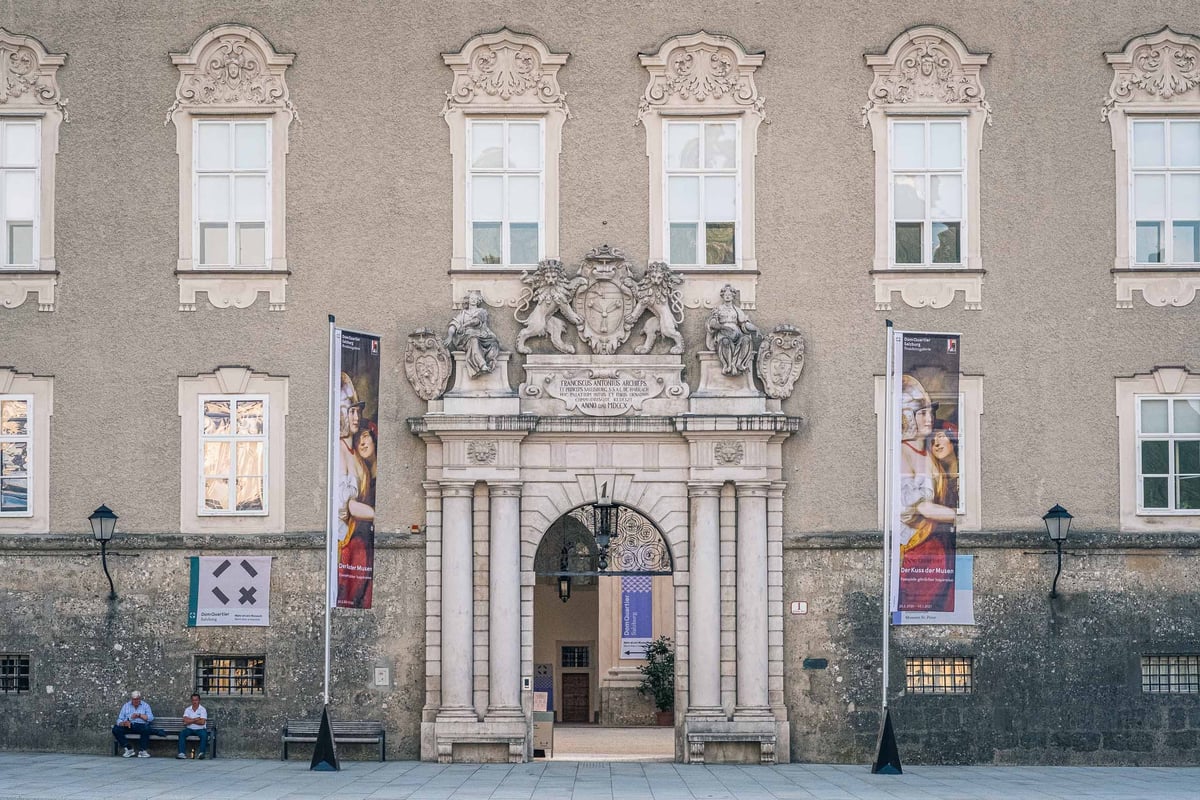
The DomQuartier is a museum circuit through the former residence and ceremonial spaces of Salzburg's Prince-Archbishops, connecting the Residenz galleries, the Dommuseum, St. Peter's Abbey Museum, and the cathedral balcony via elevated walkways above the old town rooftops.
Metropolitan archdiocese governing the Catholic Church in Salzburg since Saint Rupert of Salzburg established the first bishopric c. 696 AD. Thirteen centuries of institutional continuity. The archbishops were sovereign princes who built the Cathedral, the Residenz, the fortress, and the baroque city.
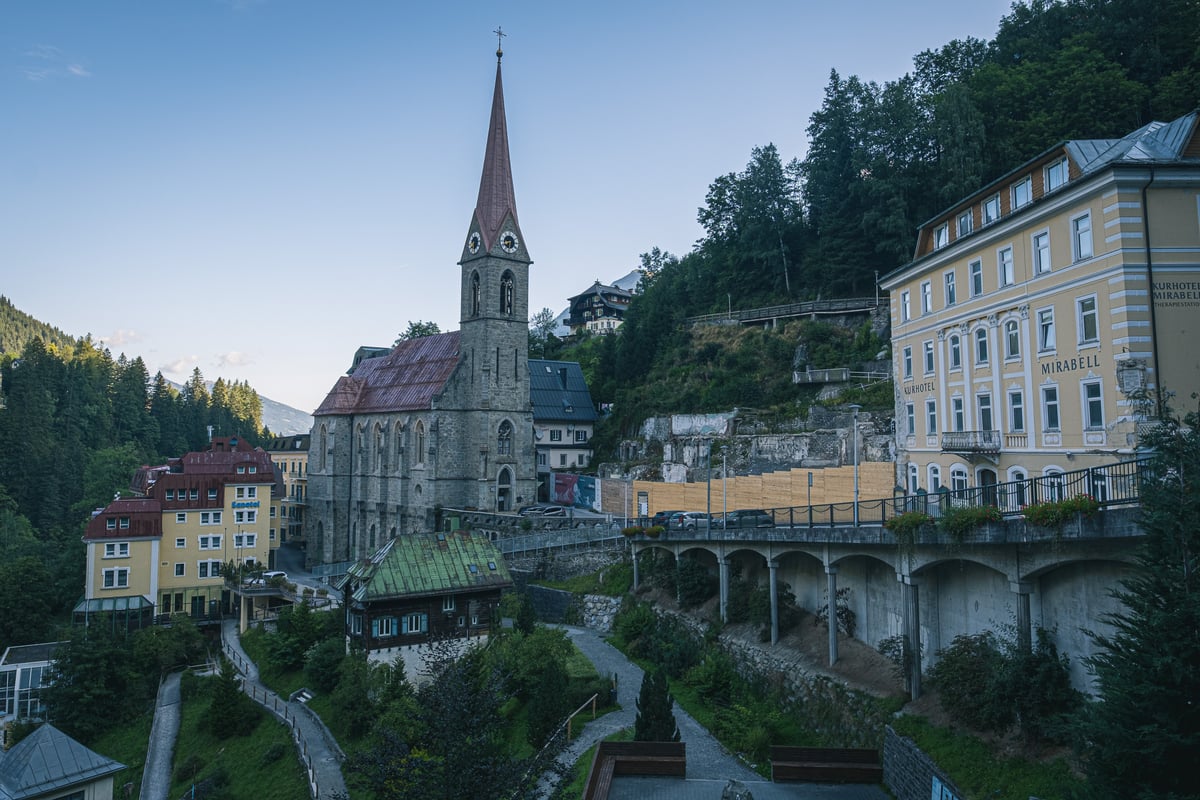
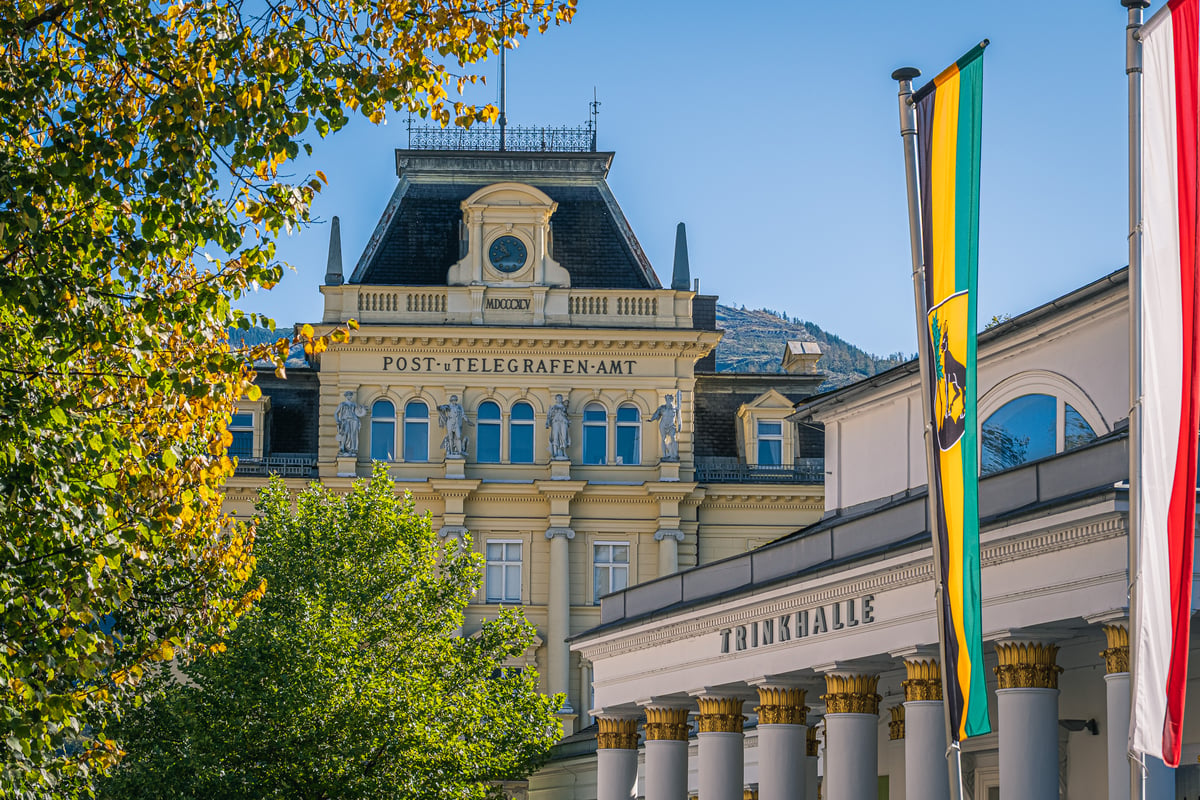
A high-end thermal spa and wellness resort in Bad Ischl, directly opposite the train station. Bad Ischl became a thermal resort in the early 19th century; Emperor Franz Joseph I used the town as his summer residence for nearly seven decades.
Founded 1077
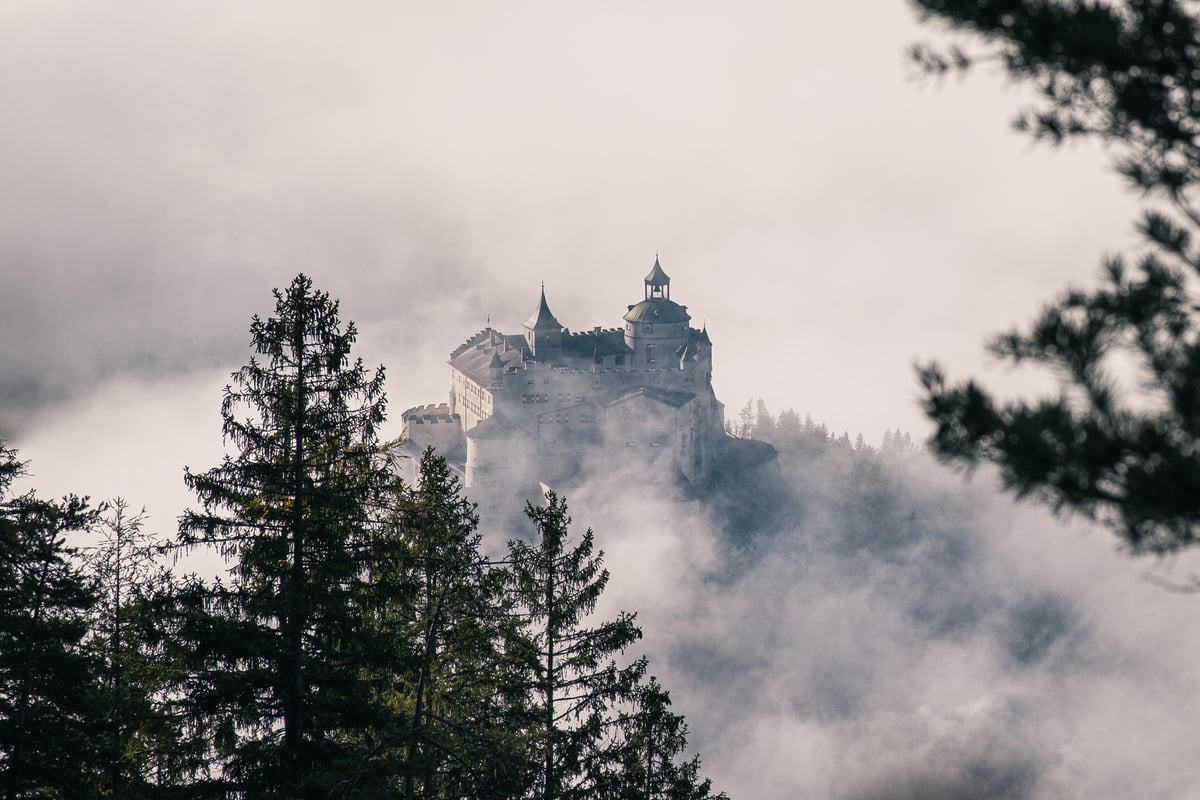
A spectacular medieval fortress above the Salzach gorge near Werfen, 40 km south of Salzburg. Founded in 1077 by Gebhard von Helfenstein, the same year as Hohensalzburg Fortress. Renowned for daily falconry displays in summer. Also a filming location for Where Eagles Dare (1968). A rewarding day trip from Salzburg.
Built 1613-1619
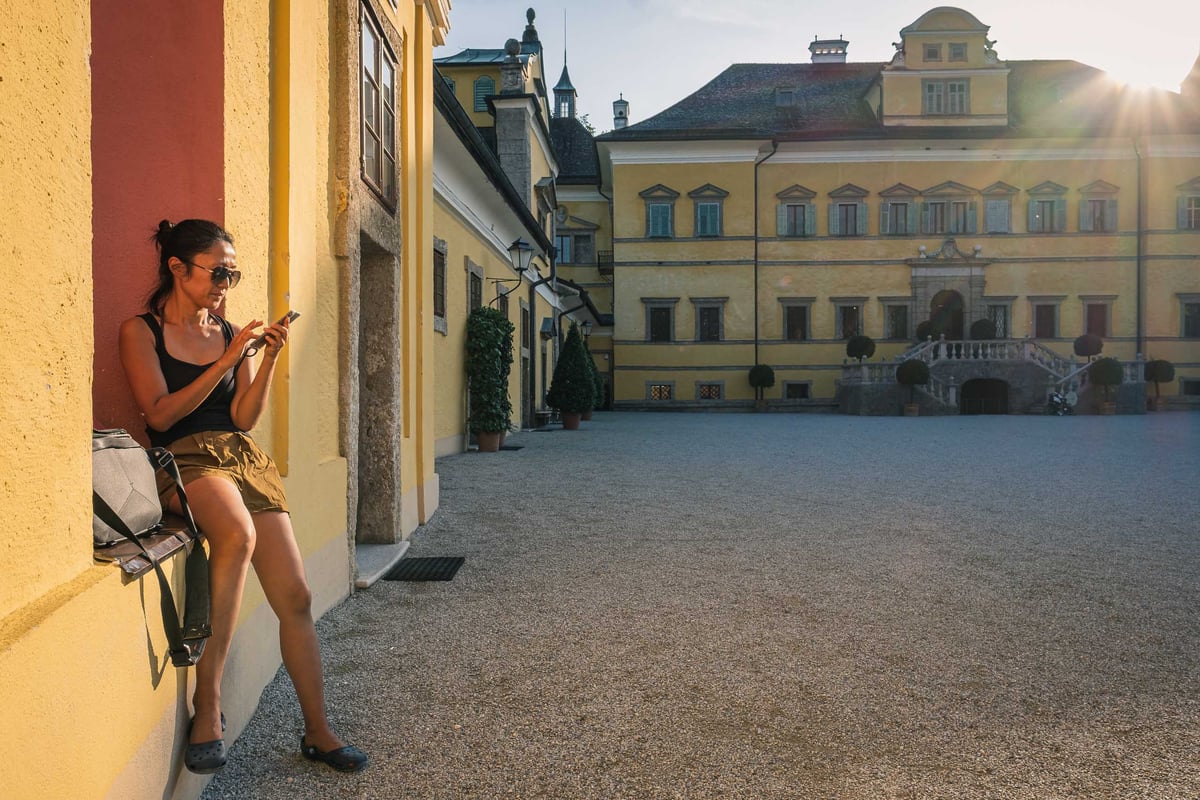
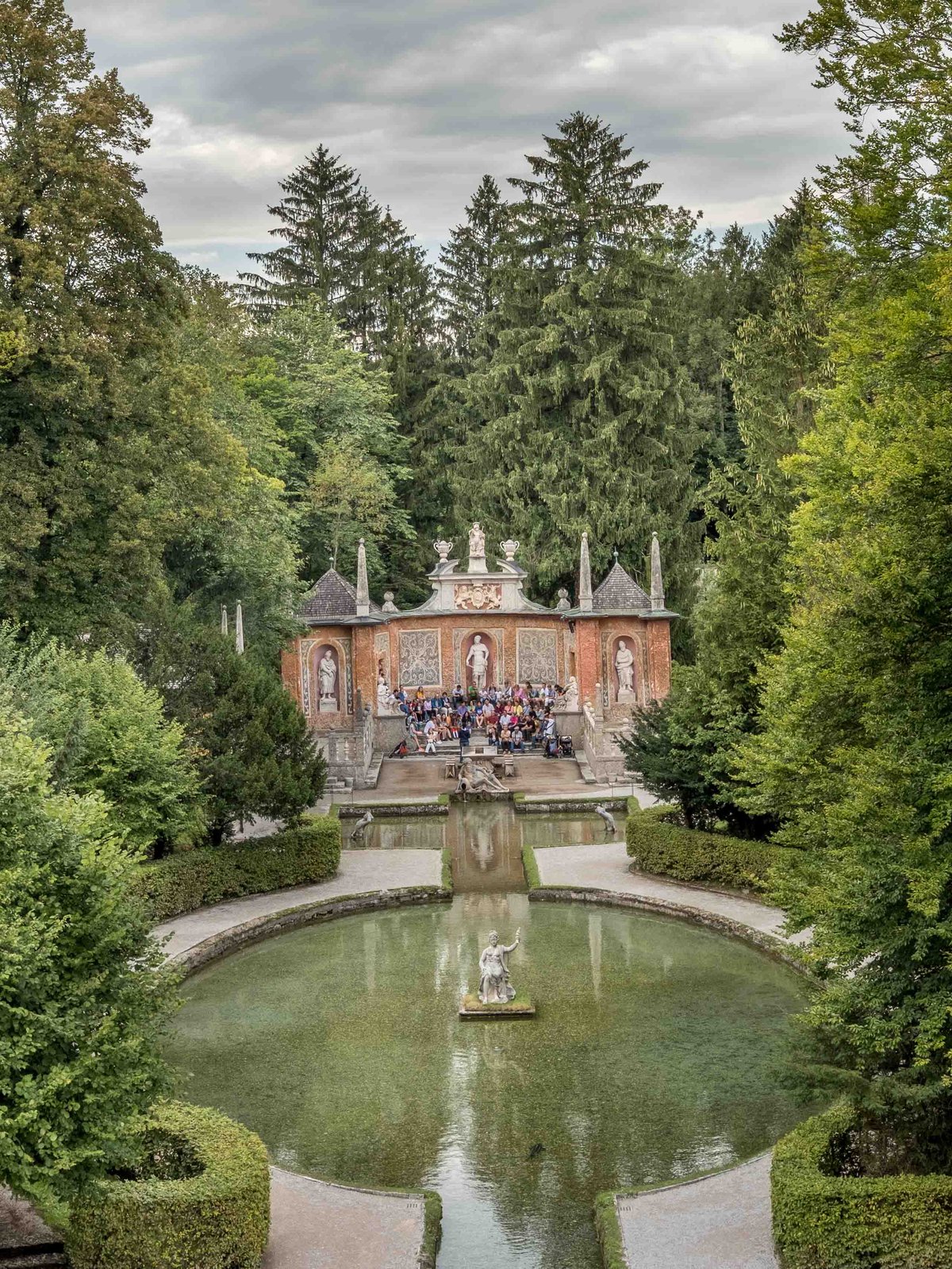
Summer residence of Markus Sittikus, built by Santino Solari in Italian Renaissance style (1613-1619). The palace itself is elegant and relatively austere; its fame rests on the extraordinary grounds: the Wasserspiele (trick fountains), the Steintheater, the Sound of Music Pavilion, and the zoo.
Founded 1077
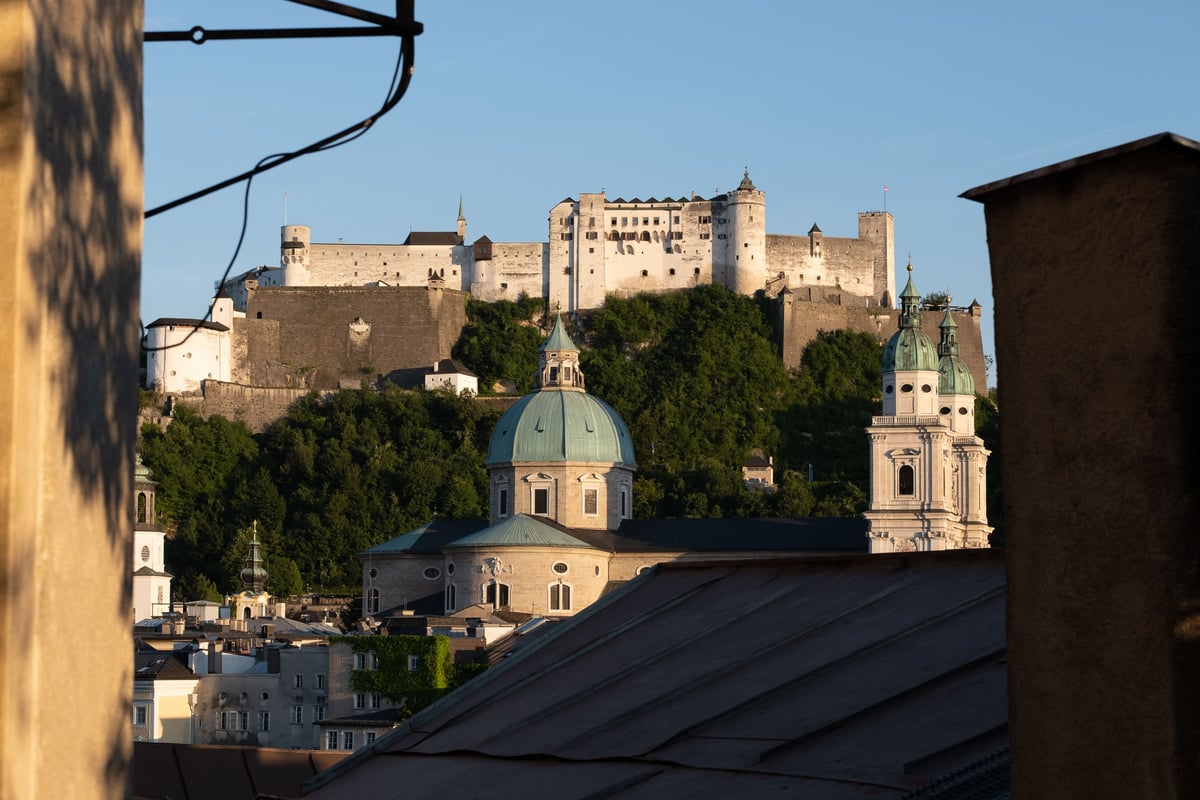
One of the largest and best-preserved medieval castle fortresses in Europe, perched on Festungsberg hill above Salzburg's Altstadt. Founded in 1077 by Gebhard von Helfenstein, transformed into a princely residence by Leonhard von Keutschach, and never conquered. The defining landmark of Salzburg's skyline.
"Emperor's mess." Torn, caramelised pancake with plum jam. Reputedly named for Emperor Franz Joseph I. Enriched with whipped egg whites for lightness. On virtually every traditional Austrian menu. Best made to order. Substantial enough for a light main course.
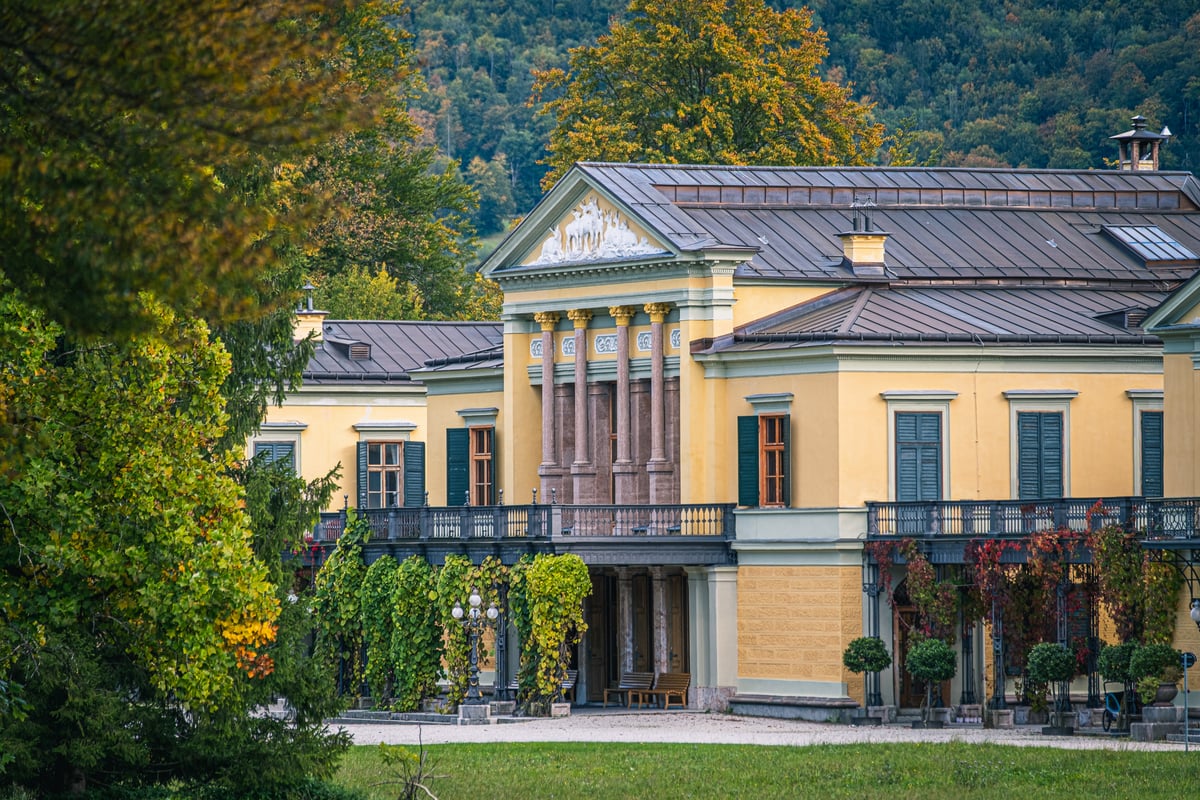
The summer residence of Emperor Franz Joseph I and Empress Elisabeth Sisi. The place Franz Joseph described as "heaven on earth." He signed the declaration of war against Serbia here on 28 July 1914. The villa is partly still owned by Habsburg descendants. The park and guided tours are open to visitors.
Established 1832
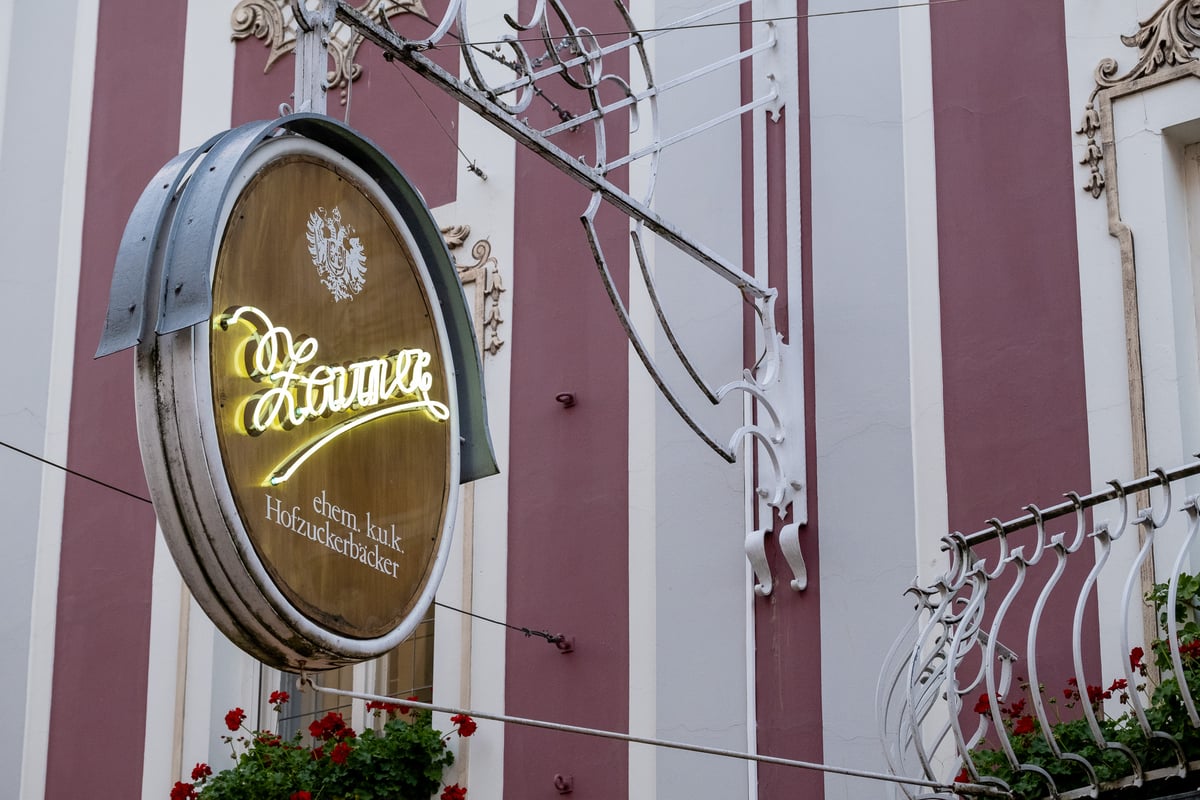
The imperial court confectionery, operating since 1832. Zauner is to Bad Ischl what Demel is to Vienna. The Zaunerstollen (a chocolate-nougat pastry) is the signature creation. The Esplanade location on the Traun river terrace is the one to visit. An architectural and cultural landmark beyond its role as a pastry shop.
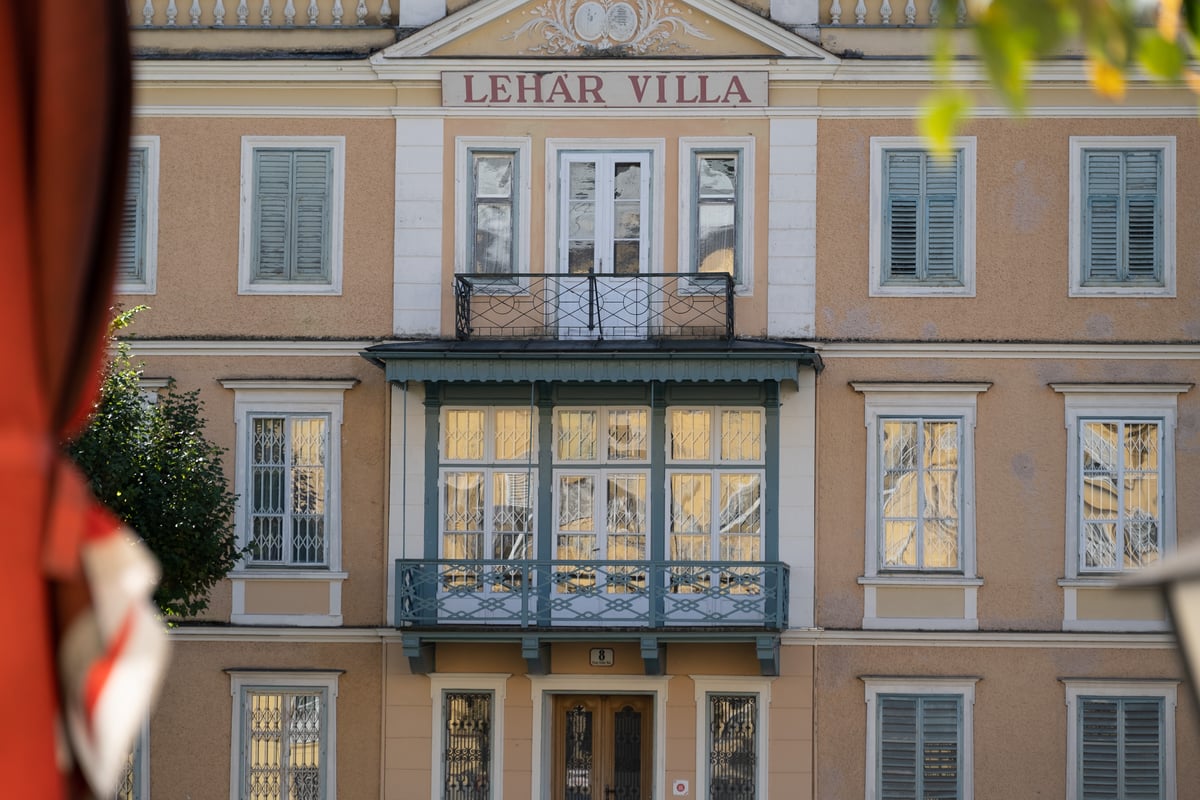
The villa where Franz Lehar lived and died in 1948, preserved as a museum. Lehár spent his summers in Bad Ischl and composed many operettas here, including revisions to The Merry Widow.
Salzburg's main public university, founded 1622 by Paris Lodron. ~18,000 students. Central buildings woven into the Altstadt. Named after its founder.
Baroque
The official palace and seat of power of the Prince-Archbishops for over 200 years. Wolf Dietrich von Raitenau rebuilt it in grand baroque style. Wolfgang Amadeus Mozart performed for the Archbishop in these very rooms. Troger's frescoes look down from the state rooms. Today the Prunkraume and Residenzgalerie are open to visitors. Directly on Residenzplatz.
Archbishop Wolf Dietrich von Raitenau demolished 55 houses and Salzburg's medieval cemetery in 1587 to build this square. He had been to Rome and wanted Salzburg to have a proper Italian piazza.
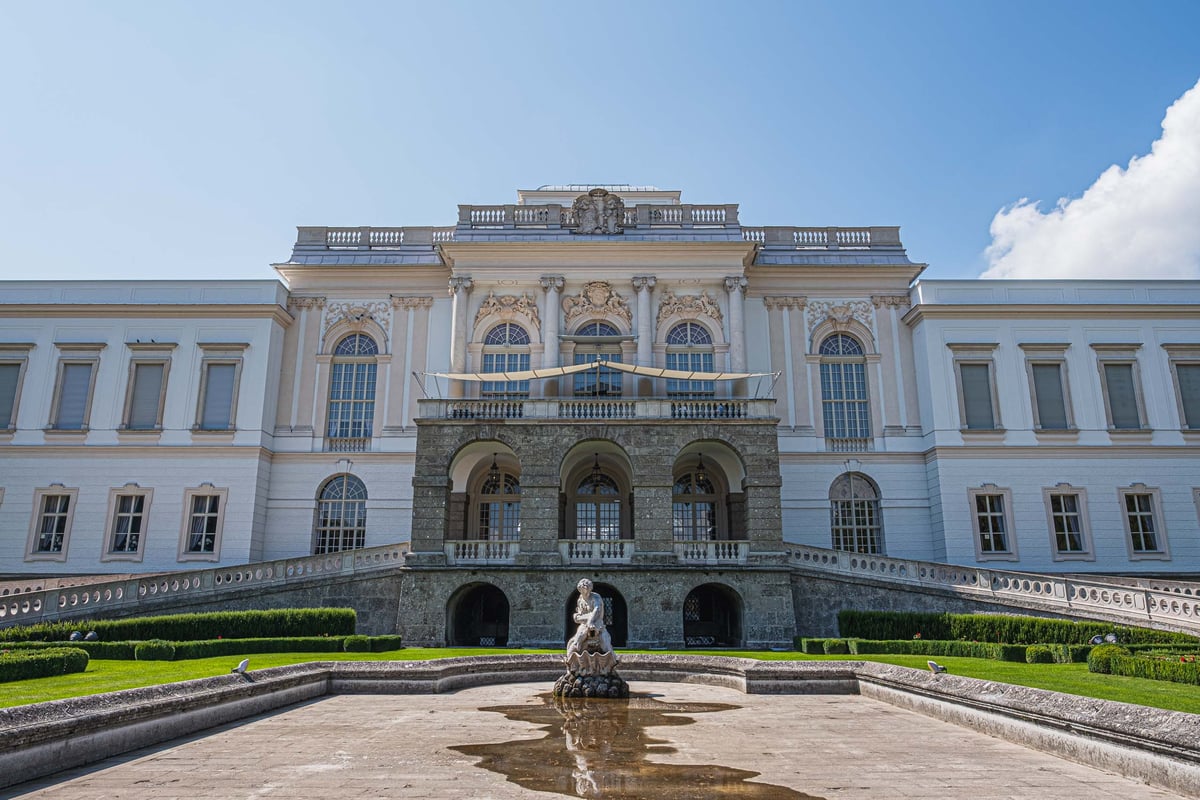
Baroque palace designed by Johann Bernhard Fischer von Erlach for Johann Ernst von Thun. Served as summer residence, hosted Emperor Franz Joseph I and Adolf Hitler. Today houses Casino Salzburg and hosts events. The formal gardens are fine late baroque landscape design.
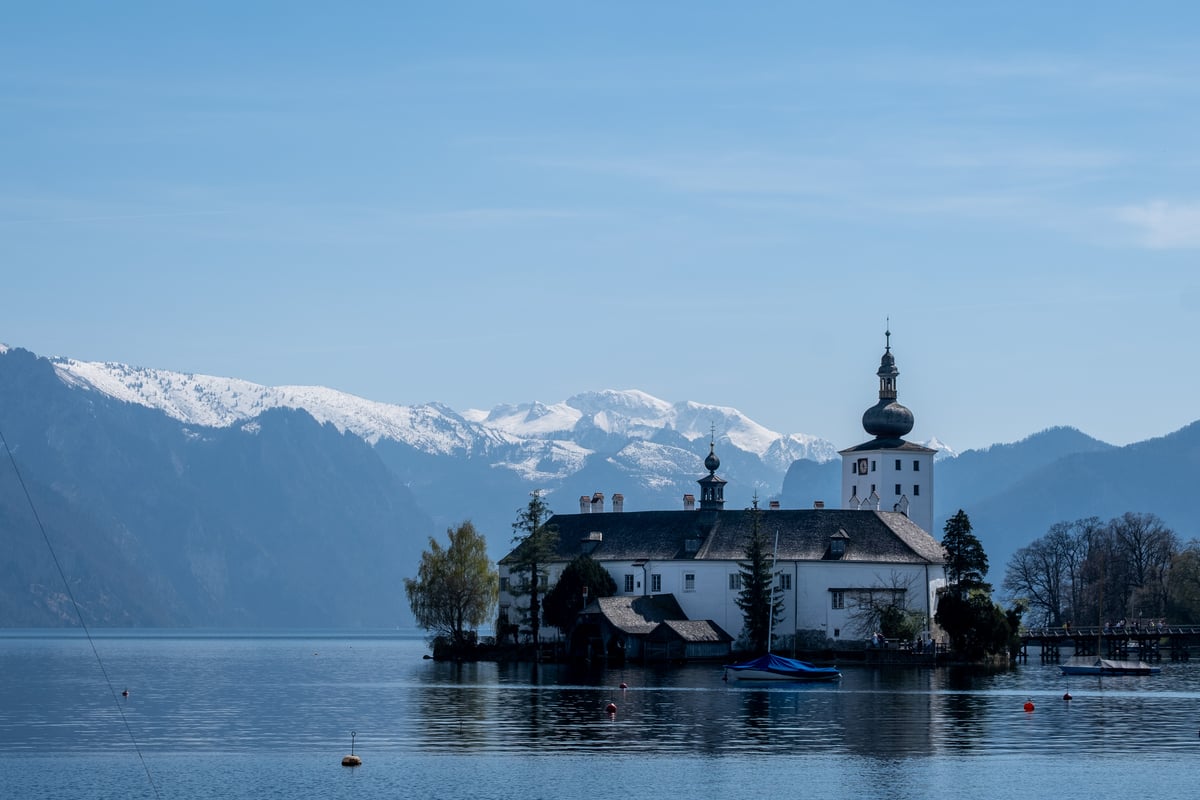
A lake castle connected to shore by a 123-meter wooden bridge, the emblem of Gmunden and the Traunsee. The castle dates from the 10th century. The Landschloss (shore castle) adjacent hosts exhibitions. The Seeschloss itself is a wedding venue. The bridge and castle composition is one of the most photographed in Upper Austria.
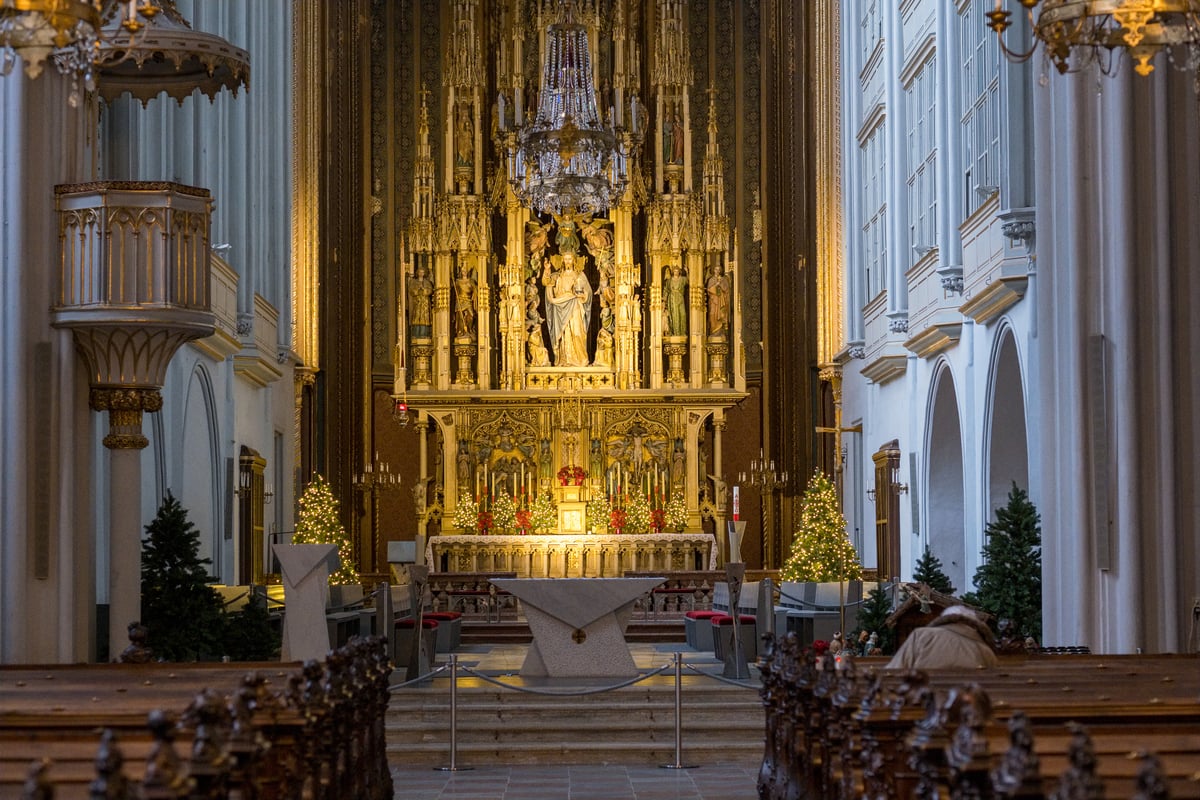
The collegiate church of the Augustinian Canons at Mattsee, founded by Duke Tassilo III in 777 AD. Emperor Charlemagne visited and held assemblies here. One of the oldest documented ecclesiastical sites in the Salzburg region.
Austria's most refined beef dish. Prime rump simmered slowly in rich broth. Served with creamed spinach, roasted potatoes, chive sauce, and horseradish cream. Emperor Franz Joseph I reportedly ate it daily. Cannot be rushed. Cannot be improved by anything except time and a good broth.
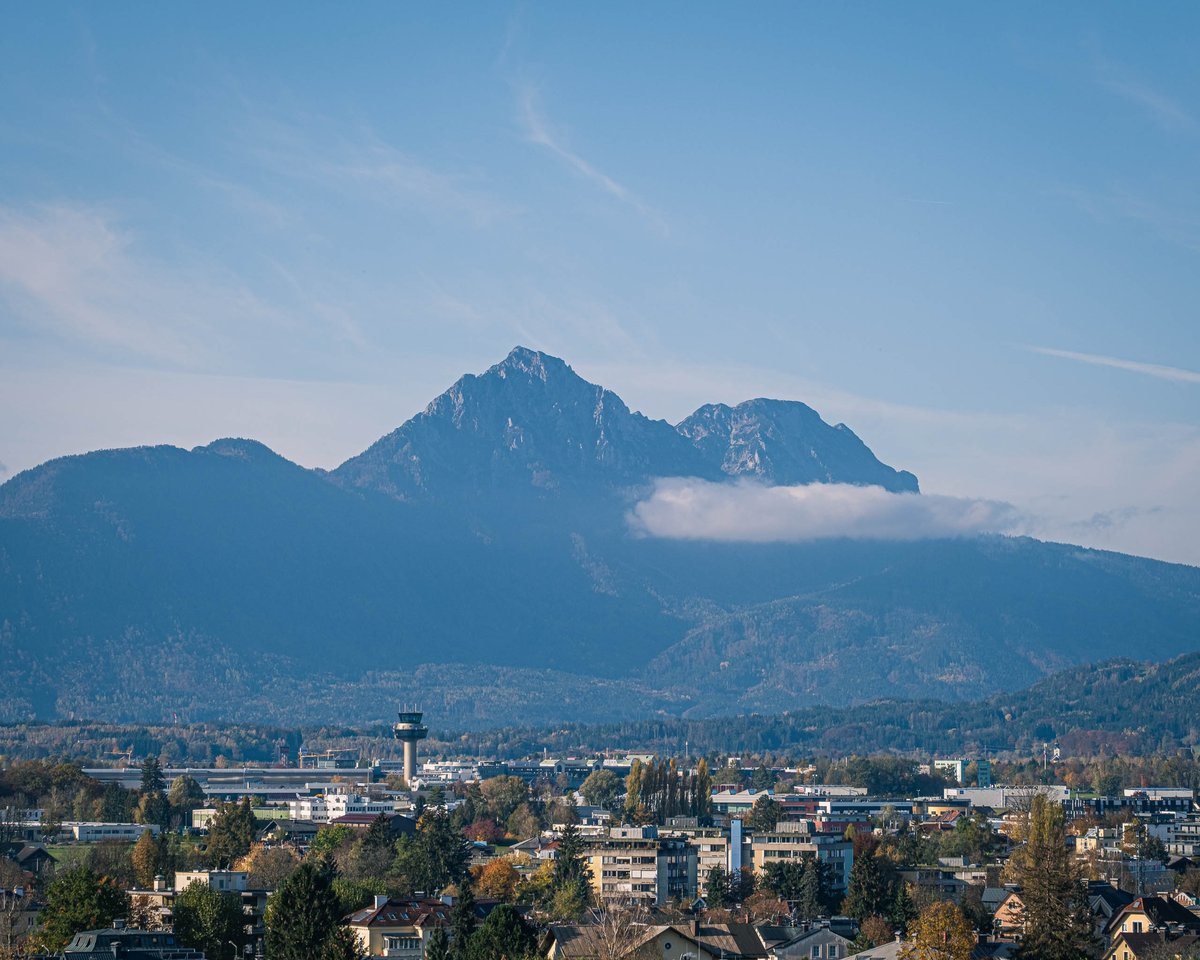
According to one of the oldest legends in the German-speaking world, Charlemagne sleeps inside the Untersberg at a marble table. When his beard grows three times around the table, a final battle will be fought at the plain below Salzburg. In an alternate version, it is Frederick Barbarossa who sleeps there.
Built 1613-1615
The most elaborate joke of any Archbishop in history. Over 200 concealed water jets, mechanical figures, and trick stone seats, built by Markus Sittikus and Santino Solari in 1613-1615. The system has functioned continuously for over 400 years and is still operated exactly as designed. One of the most original heritage experiences in Austria.
The records
archbishop748 - 821
The first Archbishop of Salzburg. His elevation to metropolitan rank in 798, sponsored by Emperor Charlemagne, transformed Salzburg from a regional bishopric into the ecclesiastical capital of Central Europe.
archbishop1170 - 1246
The most powerful Archbishop of Salzburg in the medieval period. Eberhard II held the archbishopric for an extraordinary 46 years (1200-1246), the longest reign of any Salzburg archbishop, and significantly expanded Hohensalzburg Fortress.
archbishop1665 - 1727
The archbishop who commissioned the Zwerglgarten (Dwarf Garden) at Mirabell Palace, one of Salzburg's most quietly fascinating attractions. His archiepiscopate (1709-1727) represents the last golden decade of the independent Prince-Archbishopric's baroque programme.
archbishopd. 1088
The archbishop who founded Hohensalzburg Fortress in 1077. The reason Salzburg's most iconic landmark exists at all.
archbishop1616 - 1668
A baroque patron from the same aristocratic Thun family as the great builder Johann Ernst von Thun. Guidobald's careful stewardship (1654-1668) set the conditions for the explosive building campaign his kinsman would later unleash with Johann Bernhard Fischer von Erlach.
archbishop1643 - 1709
The great patron behind Salzburg's high baroque building campaign. Johann Ernst von Thun gave Johann Bernhard Fischer von Erlach his most important commissions, transforming Salzburg into one of the most magnificent baroque cities in the German-speaking world.
archbishop1538 - 1586
The immediate predecessor of Wolf Dietrich von Raitenau. His 26-year archiepiscopate (1560-1586) provided institutional continuity during the Counter-Reformation before the explosive baroque transformation that followed his death.
archbishop1442 - 1519
The archbishop most responsible for Hohensalzburg Fortress as visitors see it today. During his reign (1495-1519), Keutschach transformed the fortress from a functional stronghold into an opulent princely residence. His personal symbol, three turnips, appears throughout the fortress carved in stone.
archbishop1679 - 1744
The archbishop behind the Protestant Expulsion of 1731-1732, one of the most dramatic episodes in Salzburg's history. Firmian ordered roughly 20,000 Protestants to convert or leave, triggering one of the most significant forced migrations of the early modern era.
archbishop1574 - 1619
Prince-Archbishop of Salzburg from 1612 to 1619, and a cousin of Wolf Dietrich von Raitenau, whom he deposed with Bavarian military backing. In seven years he built Hellbrunn Palace, planted the Hellbrunner Allee, renamed Wolf Dietrich's "Altenau" to Mirabell, and laid the cornerstone of the Salzburg Cathedral. He died before completing any of them.
archbishop1468 - 1540
One of the most powerful men in the Holy Roman Empire before becoming Archbishop of Salzburg. A cardinal, imperial chancellor to Emperor Maximilian I, and the archbishop who survived a months-long siege inside Hohensalzburg Fortress during the Peasants' War of 1525.
archbishop1622 - 1687
A Counter-Reformation hardliner who in 1684 ordered the expulsion of the Protestants of the Defereggen Valley, then part of Salzburg's territory in East Tyrol. He also commissioned the Kajetanerkirche in the Altstadt.
archbishop1586 - 1653
The "Father of the Fatherland." Paris Lodron kept Salzburg neutral and unscathed throughout the Thirty Years' War, oversaw the consecration of Salzburg Cathedral in 1628, and founded the University of Salzburg in 1622.
archbishop1559 - 1617
The most transformative Archbishop in Salzburg's history. Wolf Dietrich demolished the old Romanesque cathedral, created Mirabell Palace, rebuilt the Residenz, and began reshaping the city along Italian baroque lines. Deposed and imprisoned in Hohensalzburg Fortress until his death.
royal figure1782 - 1859
The most beloved and unconventional Habsburg of the 19th century. Archduke Johann rejected court life in Vienna, turned to the Alps with passionate intensity, and eventually married the daughter of a postmaster in Bad Aussee. The Salzkammergut and the Styrian Alps were his domain.
royal figure1858 - 1889
The only son of Emperor Franz Joseph I and Empress Elisabeth. His death at Mayerling in January 1889, one of the great unsolved mysteries of the Habsburg era, accelerated the end of the world his father had built.
royal figure748 - 814
King of the Franks and first Holy Roman Emperor. His sponsorship of Arno of Salzburg led directly to Salzburg's elevation to an archdiocese in 798, transforming the city into the ecclesiastical capital of Central Europe.
royal figure1578 - 1637
Holy Roman Emperor during whose reign Salzburg Cathedral was consecrated in 1628. Archbishop Paris Lodron's success in keeping Salzburg neutral and unscathed throughout the Thirty Years' War (Ferdinand's defining conflict) is one of the remarkable diplomatic achievements of the era.
royal figure1768 - 1835
The emperor who made Salzburg Austrian. The last Holy Roman Emperor and first Emperor of Austria. Under his reign, the Congress of Vienna (1814-1815) confirmed Salzburg's permanent incorporation into the Austrian Empire in 1816, a union that has lasted to the present day.
royal figure1830 - 1916
Emperor of Austria for 68 years, the longest-reigning Habsburg. He summered at the Kaiservilla for over six decades, transforming Bad Ischl into a glittering summer capital of the Empire. He signed the declaration of war against Serbia there on 28 July 1914, triggering the First World War.
royal figure1741 - 1790
Son of Empress Maria Theresia, Enlightenment reformer, and the emperor who commissioned Mozart's Die Entfuhrung aus dem Serail and Le nozze di Figaro. Archbishop Colloredo was deeply aligned with his reformist ideology.
royal figure1459 - 1519
Holy Roman Emperor known as "the Last Knight." Matthäus Lang von Wellenburg served as his chief secretary and chancellor, making Salzburg's future archbishop one of the most powerful men in the Empire.
royal figure1837 - 1898
One of the most iconic figures in Austrian cultural memory. Emperor Franz Joseph I fell in love with her at Bad Ischl in August 1853 and proposed on the spot. She was assassinated in Geneva in 1898. The Sisi film trilogy with Romy Schneider cemented her global legend.
royal figure1717 - 1780
The greatest Habsburg ruler of the 18th century. In October 1762, the six-year-old Wolfgang Amadeus Mozart and his sister Nannerl performed for her at Schonbrunn Palace in Vienna, famously charming her entirely. The first royal patron of Mozart's genius.
architect1847 - 1916
Co-founder, with Hermann Helmer, of the firm Fellner & Helmer, which designed approximately 48 theatres across the Habsburg Empire, including the Salzburger Landestheater (1892).
composer1870 - 1948
The greatest operetta composer of the early 20th century. Lehar spent his summers in Bad Ischl for decades, as part of the same tradition as Emperor Franz Joseph I. His summer villa, the Leharvilla Bad Ischl, is now a museum. He died there in 1948.
composer1825 - 1899
"The Waltz King." Composer of The Blue Danube, the sonic symbol of Austria. Strauss spent his summers in Bad Ischl in the same imperial spa circle as Brahms, Emperor Franz Joseph I, and Empress Elisabeth.
official1490 - 1532
One of the most radical leaders of the German Peasants' War (1525-1526). Gaismair led the Tyrolean and Salzburg peasant forces and besieged Hohensalzburg Fortress, where Archbishop Matthäus Lang was sheltering. The fortress held. Gaismair was assassinated in Padua in 1532, almost certainly on Habsburg orders.
royal figure1769 - 1821
The man who ended 1,200 years of the Prince-Archbishopric. Napoleon's armies occupied Salzburg in 1800 and 1809. The political consequences of the Napoleonic era erased Salzburg's status as an independent ecclesiastical state forever.
actor1938 - 1982
The face of Austrian imperial romanticism for global audiences. Romy Schneider rose to worldwide fame playing Empress Elisabeth in the Sissi trilogy (1955-1957). She grew up in the Berchtesgaden-Salzburg border region and attended boarding school at Goldenstein Castle near Salzburg. She later reinvented herself in France as a serious dramatic actress.
merchant1568 - 1633
Wolf Dietrich's companion, for whom he built Altenau Palace (later renamed Mirabell) in 1606. They had 15 children together, 10 of whom survived. After Wolf Dietrich's imprisonment in 1611, Salome was exiled from Salzburg. She outlived him and died in Wels in 1633.
architect1548 - 1616
A pupil of Palladio hired by Wolf Dietrich von Raitenau to design a monumental cathedral on the scale of St. Peter's in Rome. The project was never realised after Wolf Dietrich's downfall, but Scamozzi's influence on Salzburg's baroque ambitions is part of the city's architectural DNA.