Snapshot
Founded around 712 AD, Nonnberg is the oldest continuously existing nunnery in the German-speaking world, and the community of Benedictine sisters living here today has never once left.
The Story
Saint Rupert of Salzburg chose the broad terrace above the old Roman settlement of Juvavum for the new community, and his relative Saint Erentrudis arrived around 712-715 AD to become its first abbess. She led a small group of women in a life of prayer, charity, and adult education at a time when literate women running institutions was almost unheard of. Her tomb lies in the crypt below the main altar, elevated in 1624, and she is still venerated across Salzburg under the title Landesmutter, Mother of the Province.
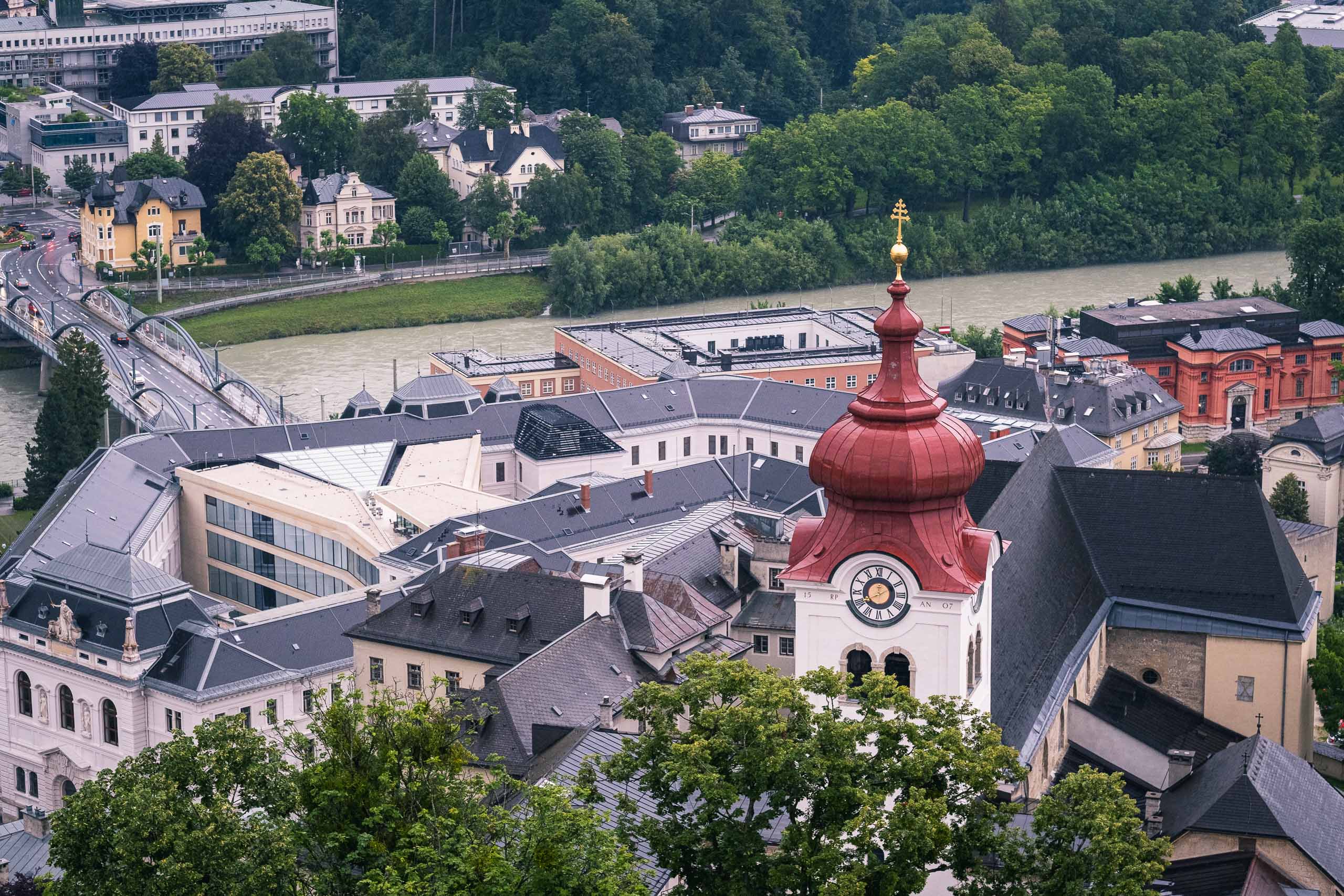
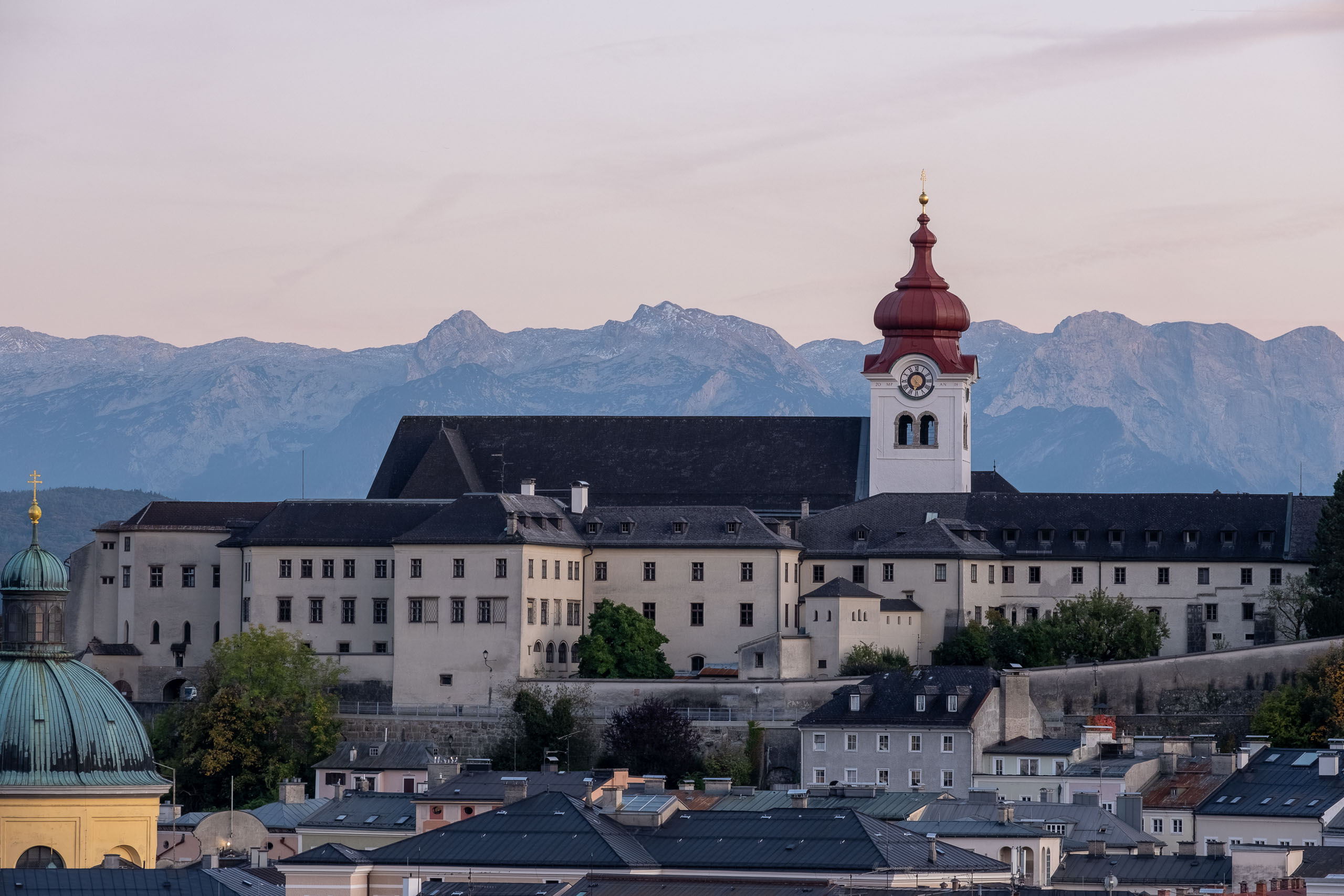
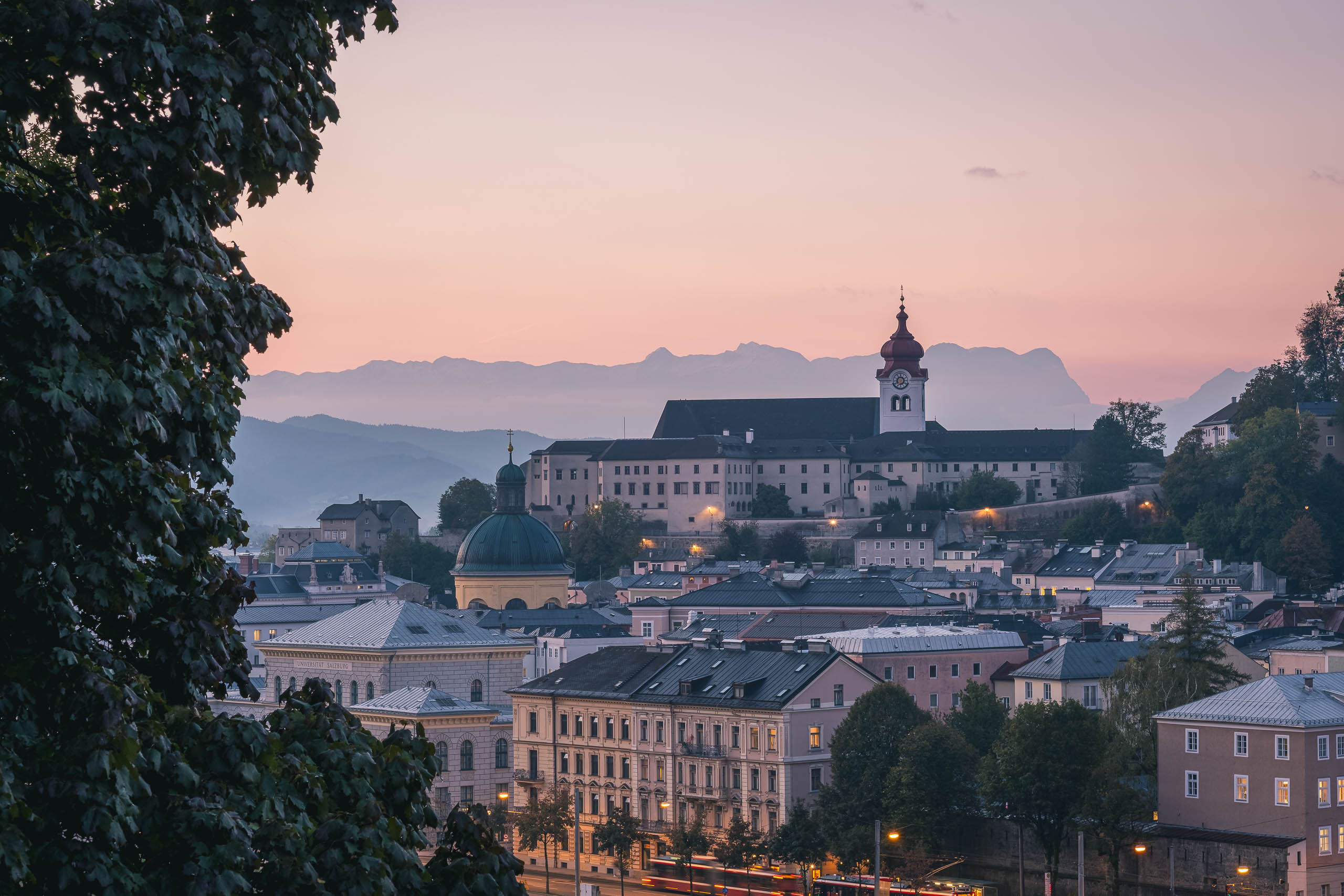
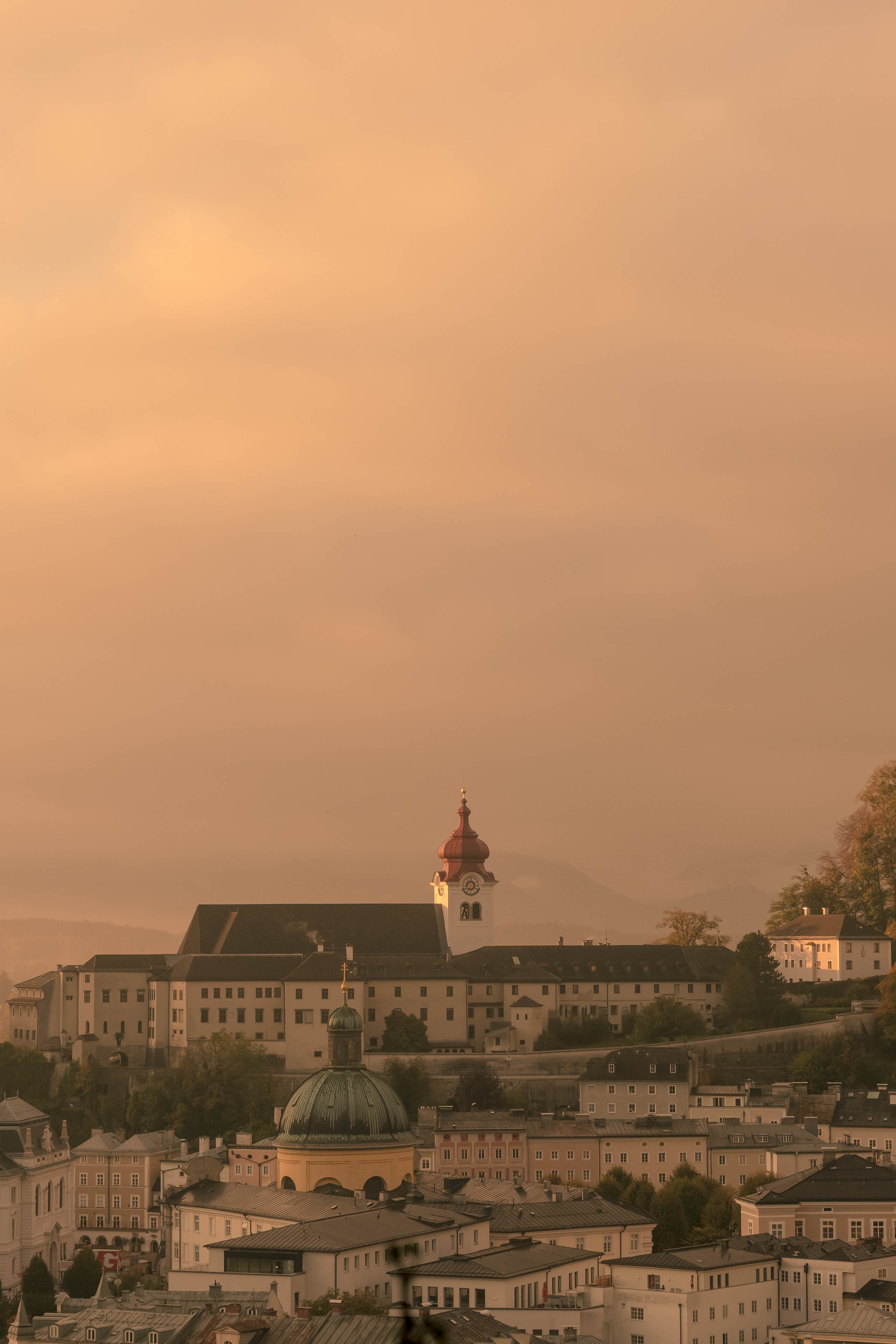
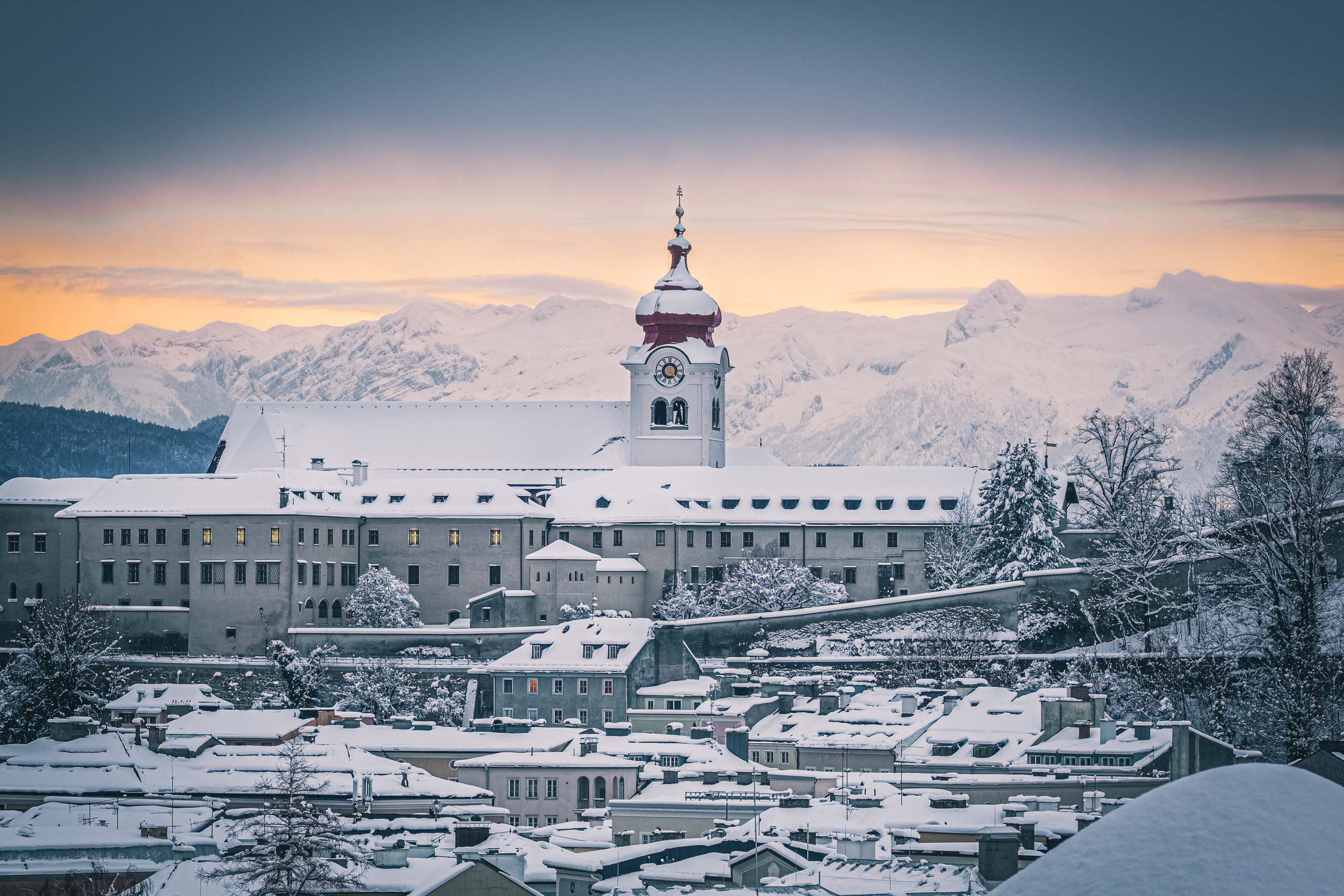
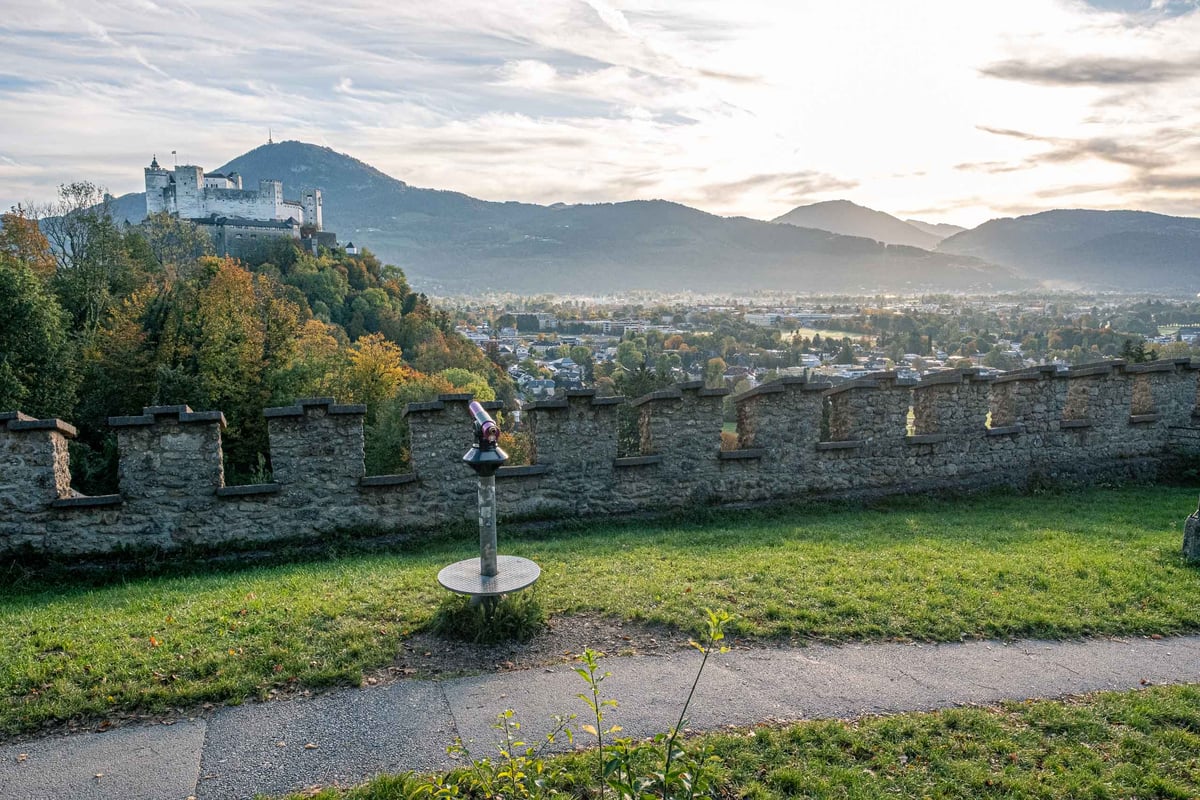
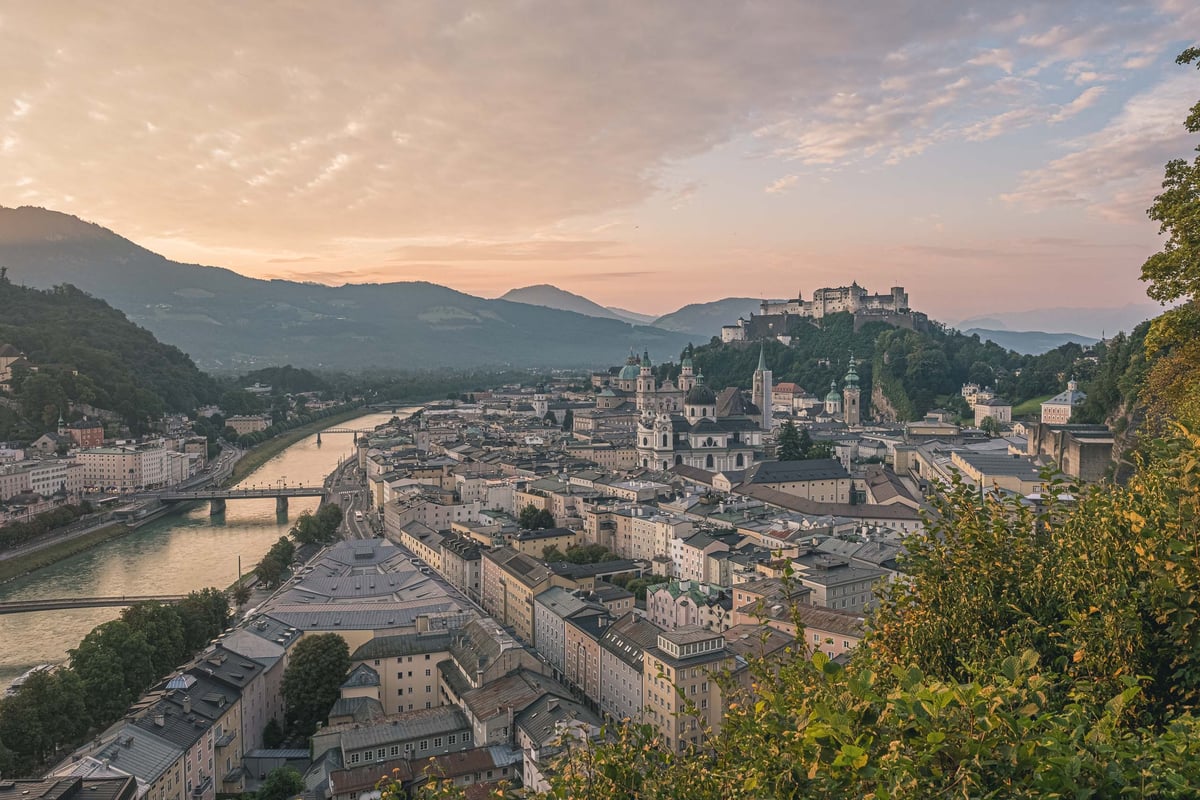
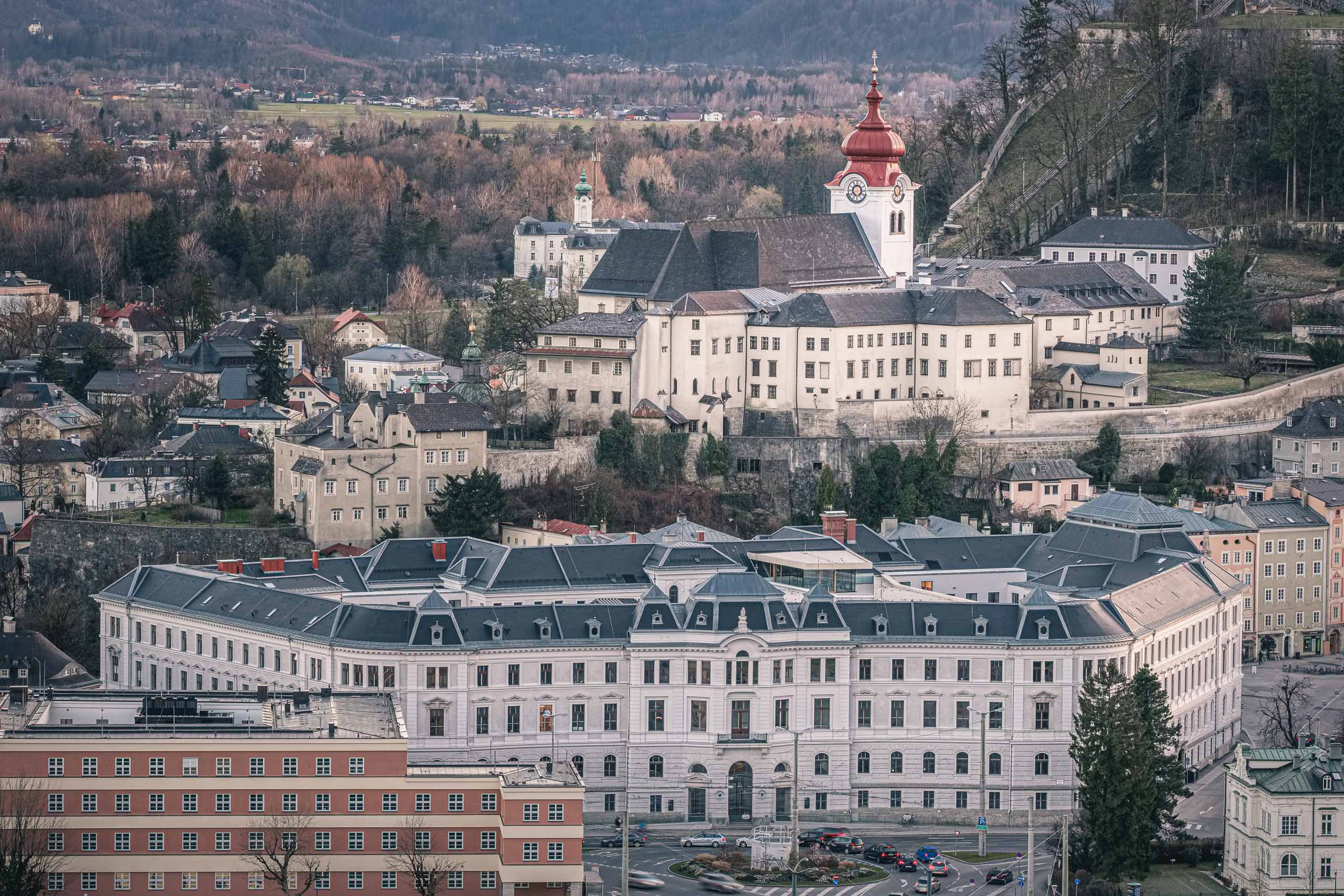
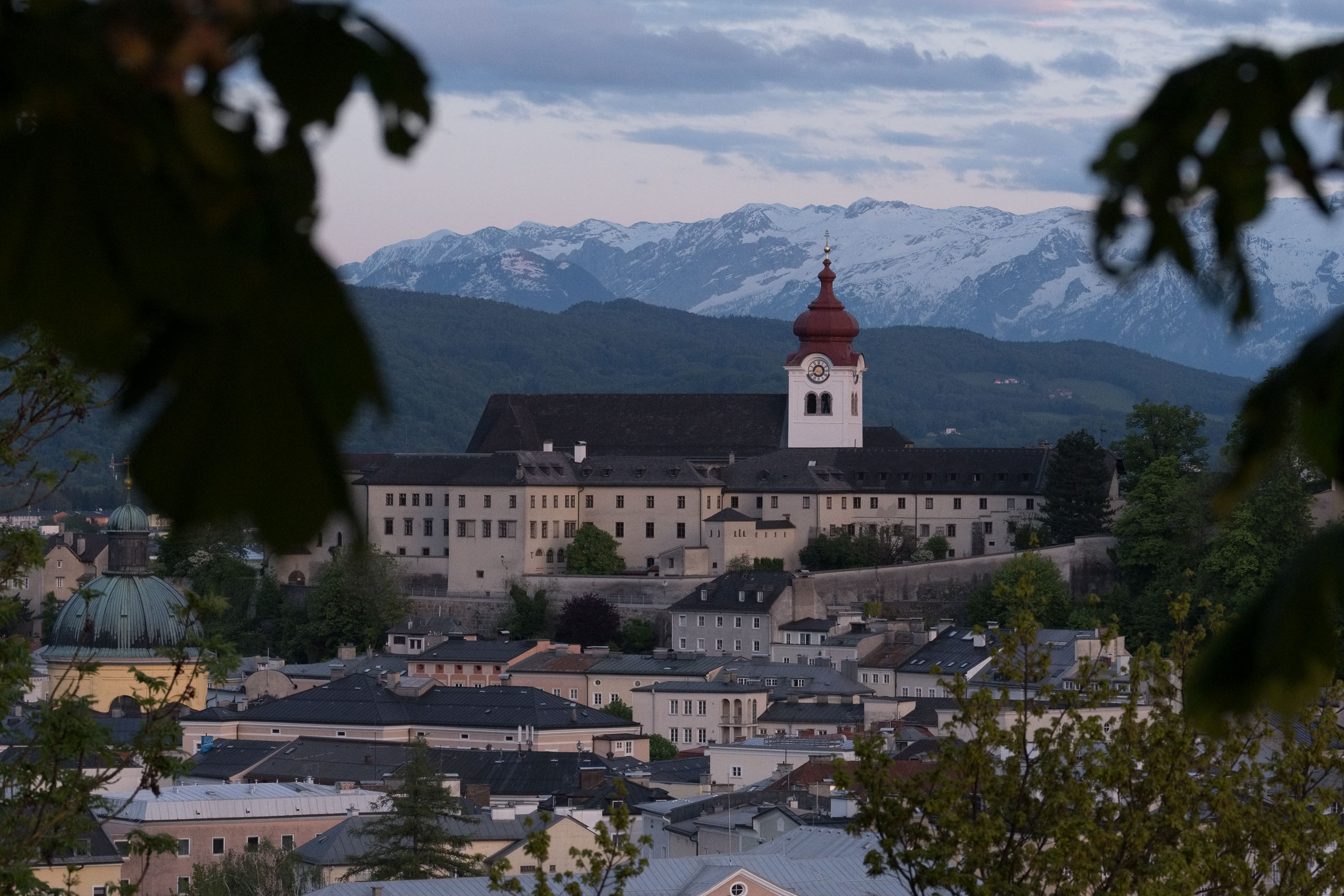
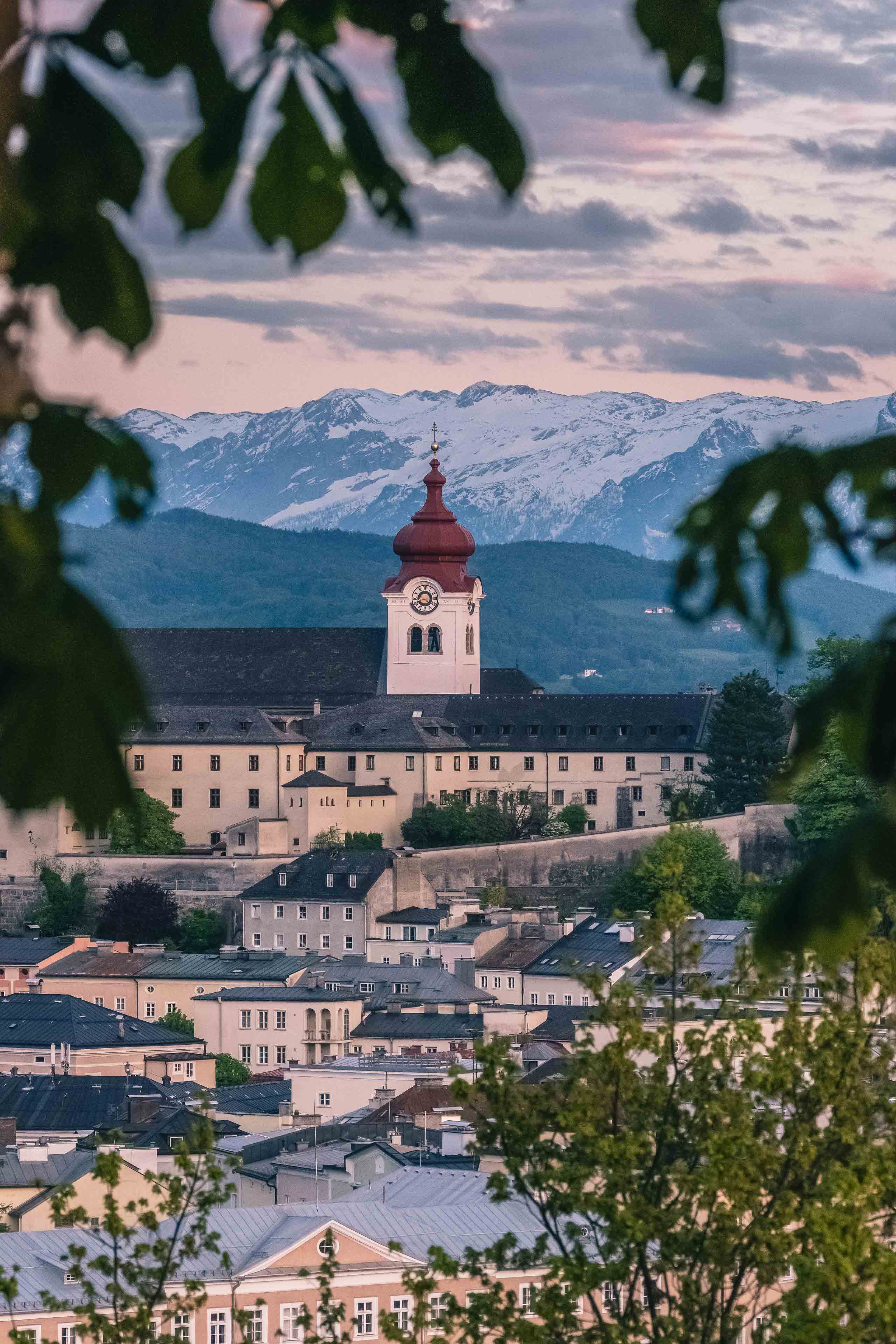
The church standing today is the product of a Gothic reconstruction between 1464 and 1509, after a catastrophic fire in 1423 destroyed the earlier Romanesque building. What visitors enter is a late-Gothic interior with rounded Romanesque arches at the gate and fragments of 12th-century frescoes on the interior walls, among the oldest surviving in Austria. The Johanneskapelle, a small side chapel built between 1448 and 1451, contains a late-Gothic winged altar from 1498 attributed to the workshop of Veit Stoss. It requires prior arrangement with the abbey to visit. The bell tower gained its onion dome in 1711, a Baroque addition that now defines Nonnberg’s silhouette against Hohensalzburg Fortress on the ridge above.
Maria von Trapp entered Nonnberg as a postulant in 1924. The abbess sent her temporarily to tutor one of Georg von Trapp’s children, she never returned to take final vows, and on 26 November 1927 she and Georg were married in the abbey church. The 1965 film used the exterior and the cemetery for establishing shots, but the wedding scene was filmed at Basilika Mondsee, about 30 kilometers away. Most visitors assume the opposite, which the nuns have been quietly correcting for sixty years. The cemetery beside the church also connects directly to Petersfriedhof, the ancient burial ground of Stift St. Peter, on the slope below.
The sisters still sing Gregorian chant daily. Vespers are open to the public: Monday to Saturday at 5:00 pm, Sunday at 4:30 pm. They are the one moment when the enclosed community is genuinely present to visitors, voices carrying through stone walls that have held the same rhythms since the abbey’s founding.
Visiting
- What’s accessible: Church and cemetery only. The convent interior is never open to visitors. The Johanneskapelle requires prior arrangement with the abbey.
- Hours: Church open daily from approximately 6:45 am until nightfall (to around 6:00 pm in summer). Entry is not possible during services.
- Cost: Free
- Vespers: Monday to Saturday at 5:00 pm, Sunday at 4:30 pm, open to the public
- Getting there: Steep uphill walk from the Altstadt via Nonnberggasse, east of the Festungsberg. About 10 minutes on foot from Kajetanerplatz. The Nonnbergstiege staircase rises from Kaigasse.
- Combine with: Hohensalzburg Fortress (visible from the abbey and a short walk up the ridge), Petersfriedhof and Stift St. Peter (immediately below on the slope), Mondsee (to see where the film wedding was actually shot)
The iconic coach tour of Salzburg and Salzkammergut filming locations from the 1965 film. ~4 hours. Mirabell Gardens (Do-Re-Mi staircase), Schloss Leopoldskron, Nonnberg Abbey, Mondsee church. One of the most popular tourist activities in Salzburg. For many first-time visitors, the primary reason they chose Salzburg.