Domplatz
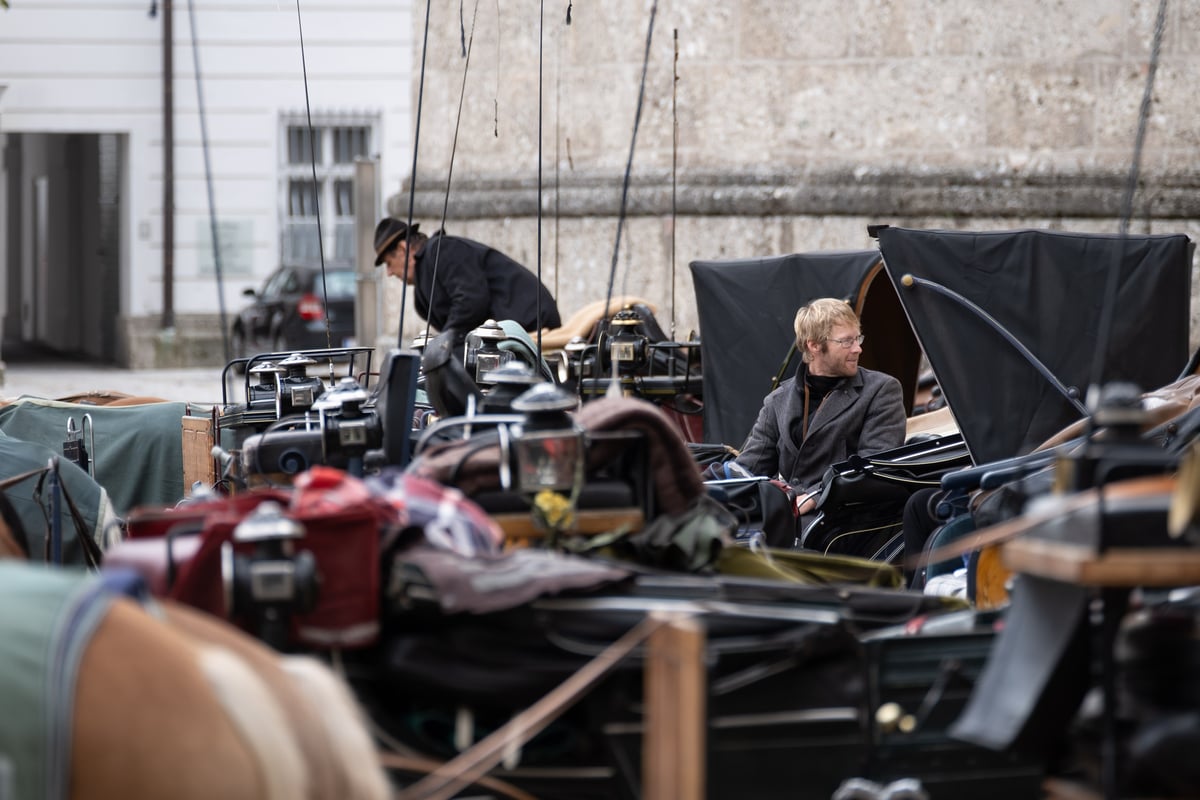
The square directly in front of the Salzburg Cathedral, flanked by the Cathedral arches and the DomQuartier buildings. Site of the famous annual Jedermann performance during the Salzburg Festival.
Artist
2 October 1864, Brno, Moravia (now Czech Republic) - 21 June 1935, Vienna
One of the five co-founders of the Salzburg Festival (1920), alongside Hofmannsthal, Reinhardt, Strauss, and Schalk. Alfred Roller was a founding member of the Vienna Secession and a close collaborator of Gustav Mahler at the Vienna Opera, bringing a revolutionary approach to stage design: light, space, and symbolic imagery replacing the painted backdrops and cluttered stages of the 19th century.
His visual language helped shape the aesthetic identity of the Salzburg Festival from its opening season. The way the Domplatz, the Felsenreitschule, and the Grosses Festspielhaus are used as performance spaces owes something to his understanding of how architecture and theatre intersect.
On the map
The 3 places on this page, where they actually stand.
Locations
Built 1693
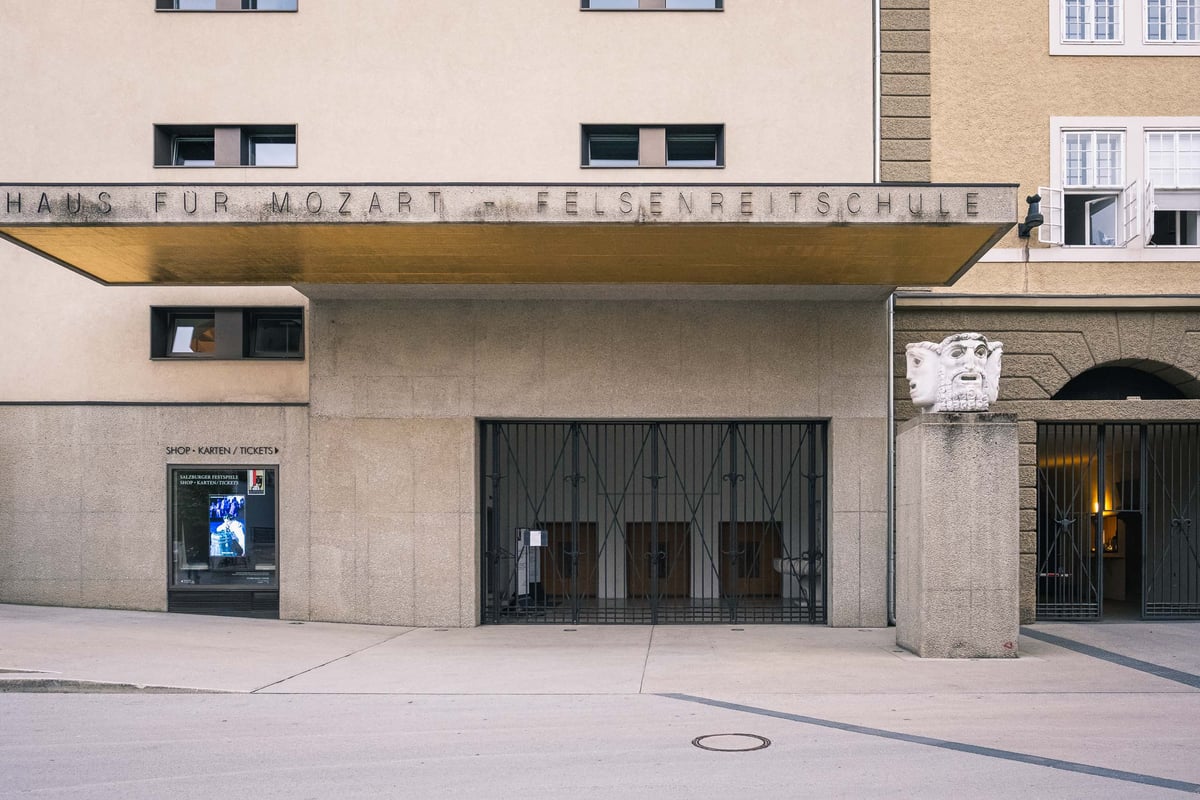
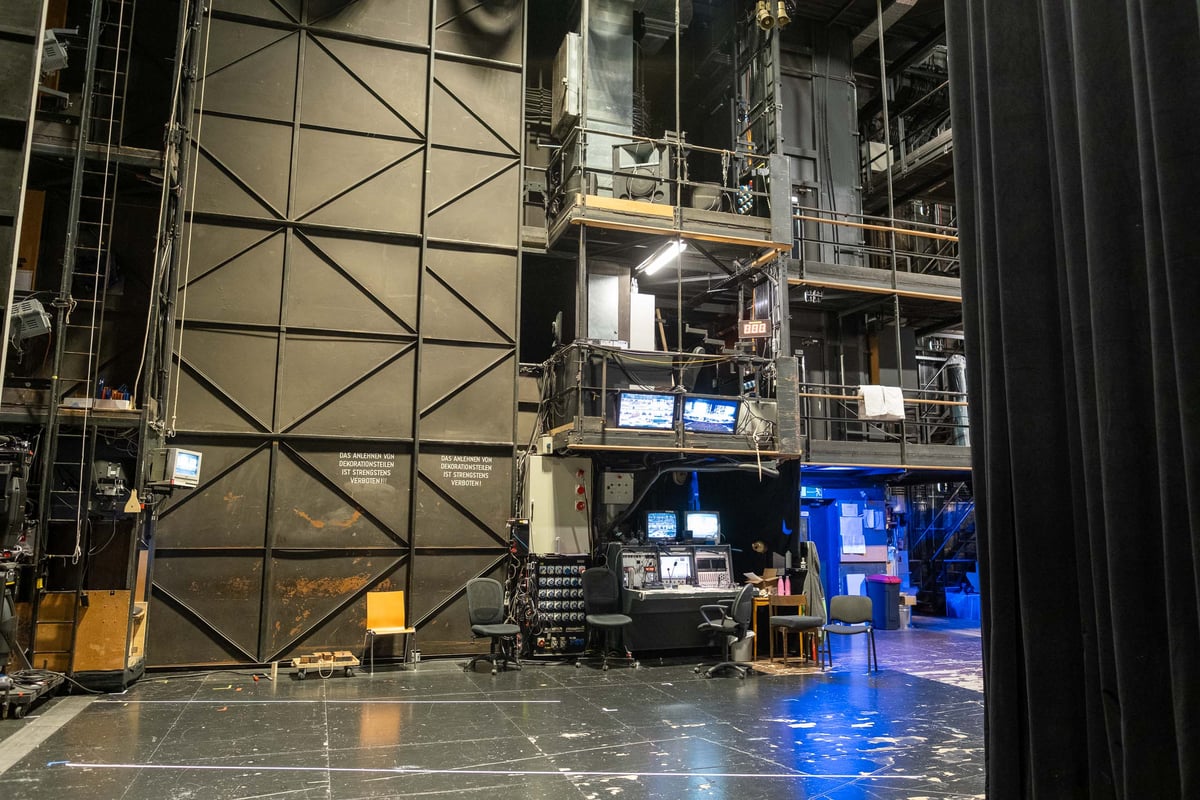
The Felsenreitschule is a theater carved directly into the Moenchsberg cliff face, which means the backstage wall is living rock and three tiers of 17th-century arcades form the auditorium. It was originally built in 1693 as a summer riding school for the Archbishop's horses.
Completed 1960
The Grosses Festspielhaus (Large Festival Hall) opened in 1960 as a major expansion of Salzburg's Festspielhaus complex, carved in large part from the Moenchsberg cliff face to achieve its 2,179-seat auditorium. Architect Clemens Holzmeister cut the main stage directly into the rock, creating one of the widest stages in the world at 100 meters.
Organizations
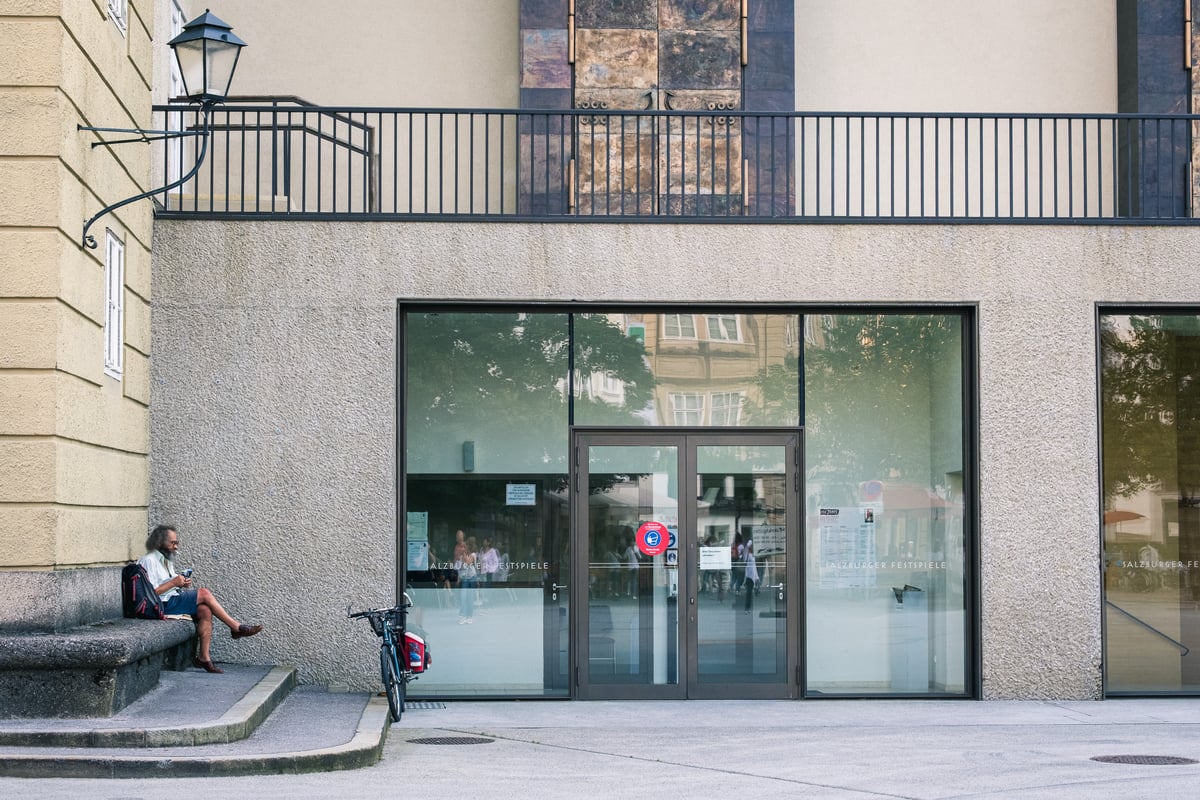
One of the world's most prestigious performing arts festivals. Held annually late July to end of August. Founded 1920 by Hugo von Hofmannsthal, Max Reinhardt, Richard Strauss, Franz Schalk, and Alfred Roller. Inaugural event: Jedermann on Domplatz. Herbert von Karajan defined the postwar era. Opera, drama, concerts.