Domplatz
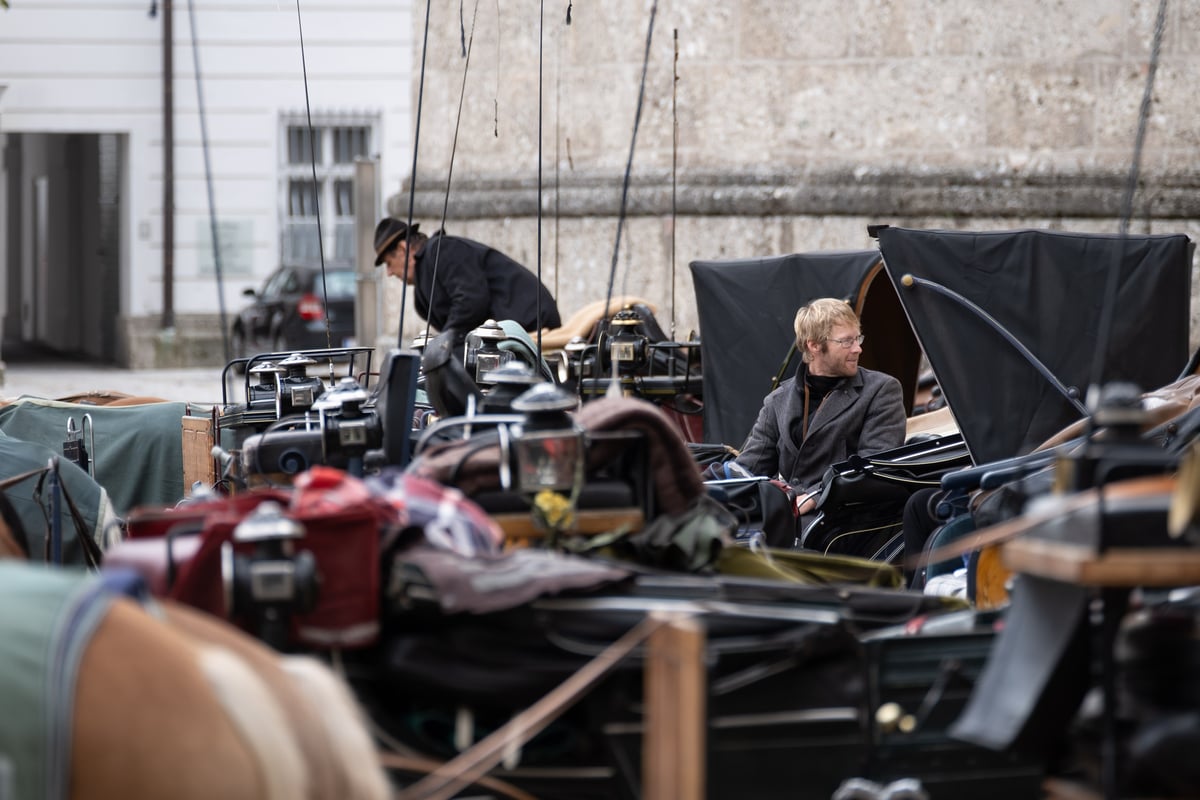
The square directly in front of the Salzburg Cathedral, flanked by the Cathedral arches and the DomQuartier buildings. Site of the famous annual Jedermann performance during the Salzburg Festival.
Entrepreneur
3 September 1866, Salzburg - 27 January 1927, Salzburg
Friedrich Gehmacher is the forgotten founder of the Salzburg Festival. While Hofmannsthal, Reinhardt, and Strauss provided the cultural vision, it was Gehmacher, a Salzburg businessman and tireless patron, who turned that vision into a working institution on the ground.
The founding of the Salzburg Festival is usually told as a story of great artists. Hofmannsthal’s poetry, Reinhardt’s theatrical genius, Strauss’s music. What the story tends to leave out is the local machinery that had to exist before any of it could happen, and Friedrich Gehmacher was at the centre of that machinery.
Gehmacher spent the 1890s building a position inside Salzburg’s musical civic life, managing finances for the Salzburger Liedertafel, arranging concert series, and cultivating relationships with the city’s cultural establishment. He was not an artist. He was the kind of person an artist needs: organised, connected, patient, and committed.
In 1917, in the middle of the First World War, Gehmacher co-founded the Salzburger Festspielhaus-Gemeinde with Heinrich Damisch. The timing looks improbable, but the intention was precise: to raise money and lay the institutional groundwork for a dedicated festival house so that when peace came, Salzburg would be ready. They opened branch chapters in both Vienna and Salzburg to tap different donor pools, and the effort worked.
When the Festival finally launched in 1920 with Hofmannsthal’s Jedermann on the Domplatz, it was partly Gehmacher’s years of preparation that had made Salzburg the chosen city rather than any rival. He organised the local politics, negotiated the venues, and navigated the municipal and state bureaucracy that could easily have stalled the project before it started.
He died in Salzburg in 1927, seven years into the Festival’s life. The great names of the founding are preserved in histories of European culture. Gehmacher’s name belongs there too.
On the map
The 2 places on this page, where they actually stand.
Locations
Completed 1960
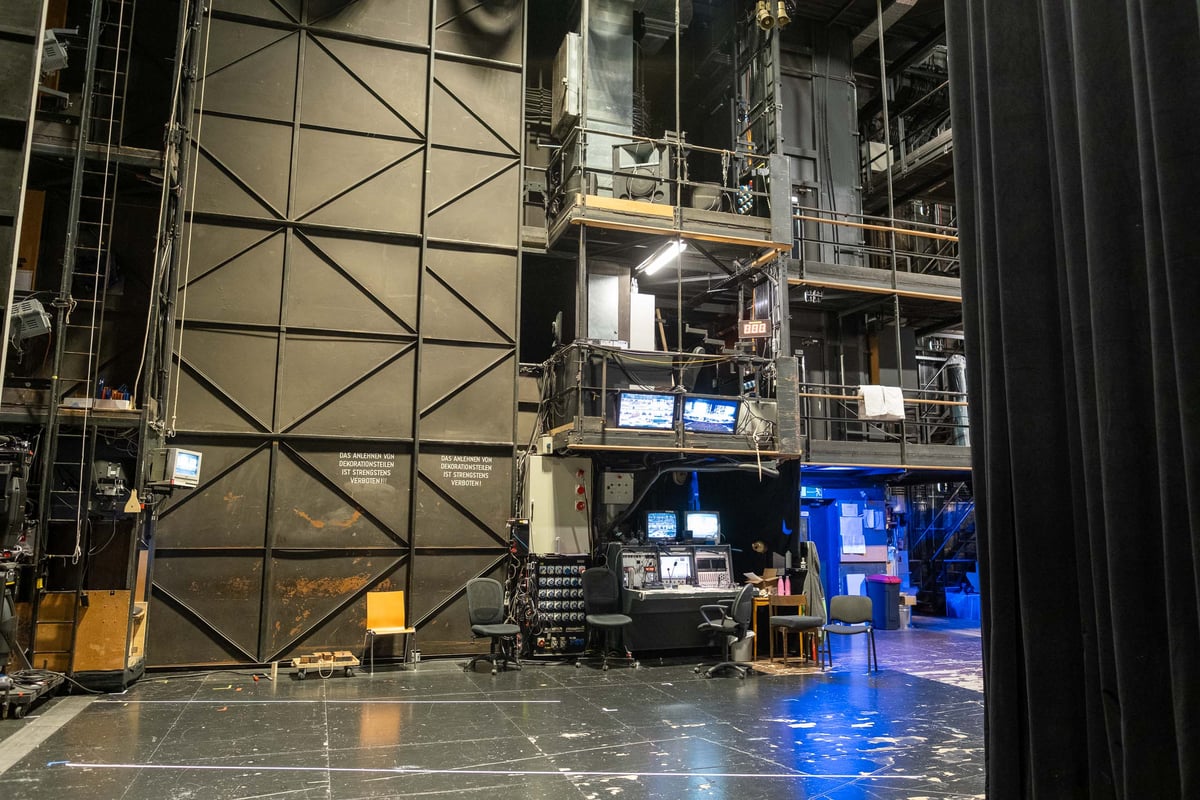
The Grosses Festspielhaus (Large Festival Hall) opened in 1960 as a major expansion of Salzburg's Festspielhaus complex, carved in large part from the Moenchsberg cliff face to achieve its 2,179-seat auditorium. Architect Clemens Holzmeister cut the main stage directly into the rock, creating one of the widest stages in the world at 100 meters.
Organizations
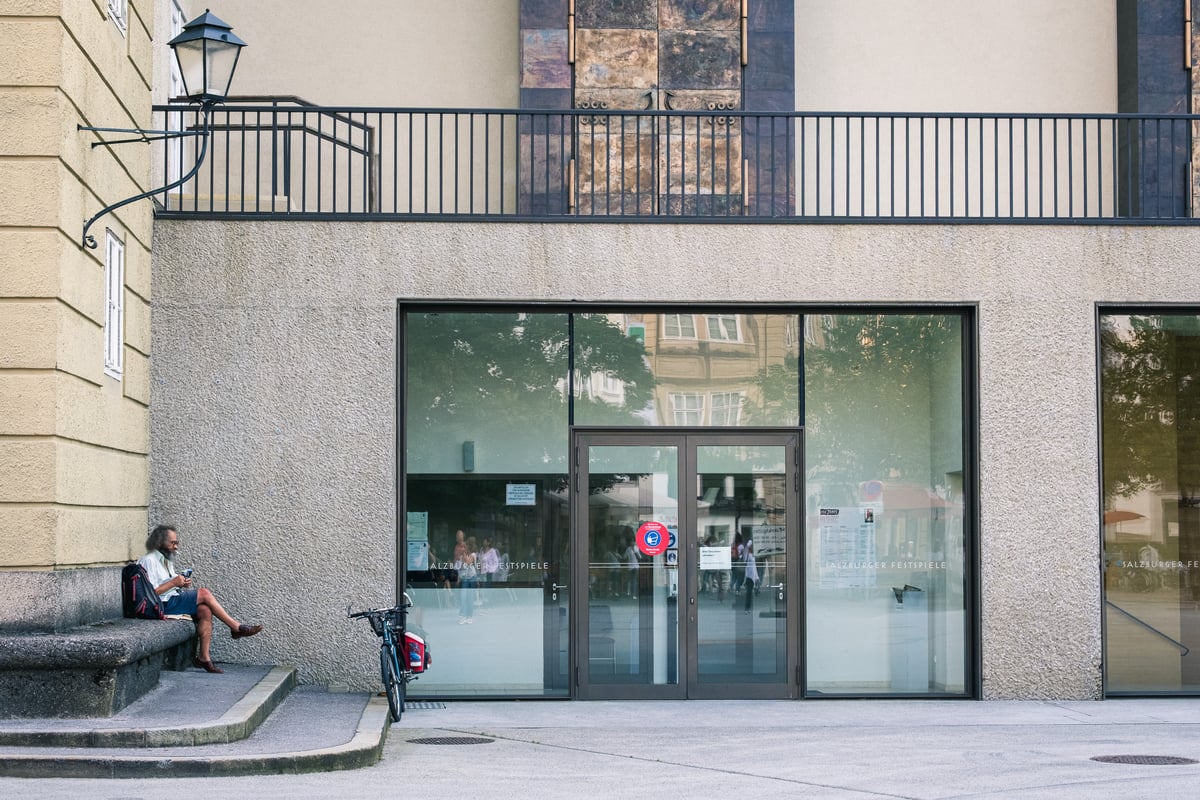
One of the world's most prestigious performing arts festivals. Held annually late July to end of August. Founded 1920 by Hugo von Hofmannsthal, Max Reinhardt, Richard Strauss, Franz Schalk, and Alfred Roller. Inaugural event: Jedermann on Domplatz. Herbert von Karajan defined the postwar era. Opera, drama, concerts.