Domplatz
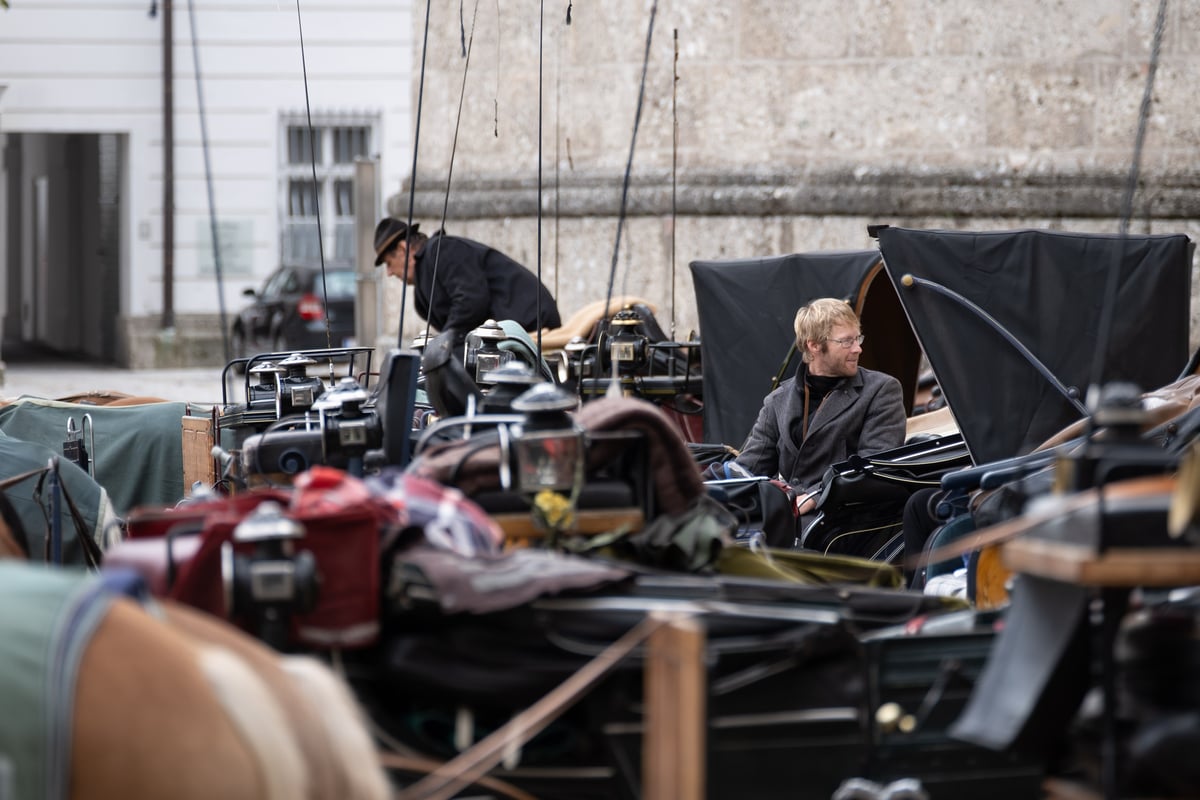
The square directly in front of the Salzburg Cathedral, flanked by the Cathedral arches and the DomQuartier buildings. Site of the famous annual Jedermann performance during the Salzburg Festival.
Writer
1 February 1874, Vienna - 15 July 1929, Rodaun (Vienna)
Hugo von Hofmannsthal co-founded the Salzburg Festival in 1920 and wrote Jedermann, the morality play performed on Domplatz every summer since that first night in August 1920, making him the poet most visibly woven into Salzburg’s public life.
Hofmannsthal was a Viennese poet and playwright who had already published lyric dramas as a teenager when he began planning, with director Max Reinhardt and composer Richard Strauss, what would become the Salzburg Festival. The idea took shape during the First World War, when the three men wanted a summer stage that would lift Austria’s cultural standing through serious, large-scale drama set against Salzburg’s Baroque cityscape. They formed the Festspielhausgesellschaft in 1917, and on 22 August 1920 the Festival opened on Domplatz with Reinhardt’s production of Jedermann, the play Hofmannsthal had written nine years earlier.
Jedermann is the anchor that holds. The medieval morality play, updated into German verse by Hofmannsthal, follows a wealthy man summoned to face death and judgment. Staged outdoors against the facade of the Cathedral, with actors calling through the surrounding streets, it became the Festival’s signature event and has run every summer since, interrupted only by the Second World War. The voice of Death echoing between the church towers of Salzburg is one of the most distinctive theatrical moments in the German-speaking world.
His collaboration with Richard Strauss produced some of the most performed operas in the repertoire. Hofmannsthal wrote the librettos for Der Rosenkavalier (1911), Ariadne auf Naxos (1912), Die Frau ohne Schatten (1919), and two further works, a partnership of equals in which the literary and the musical shaped each other. These operas are Festival staples in Salzburg to this day.
Hofmannsthal died suddenly on 15 July 1929, two days after the suicide of his son Franz, on the morning he was to attend the funeral. He was 55. The Festival he had built continued without him, and Jedermann was performed again that same summer on Domplatz, as it has been every year since.
On the map
The 3 places on this page, where they actually stand.
Locations
Built 1693
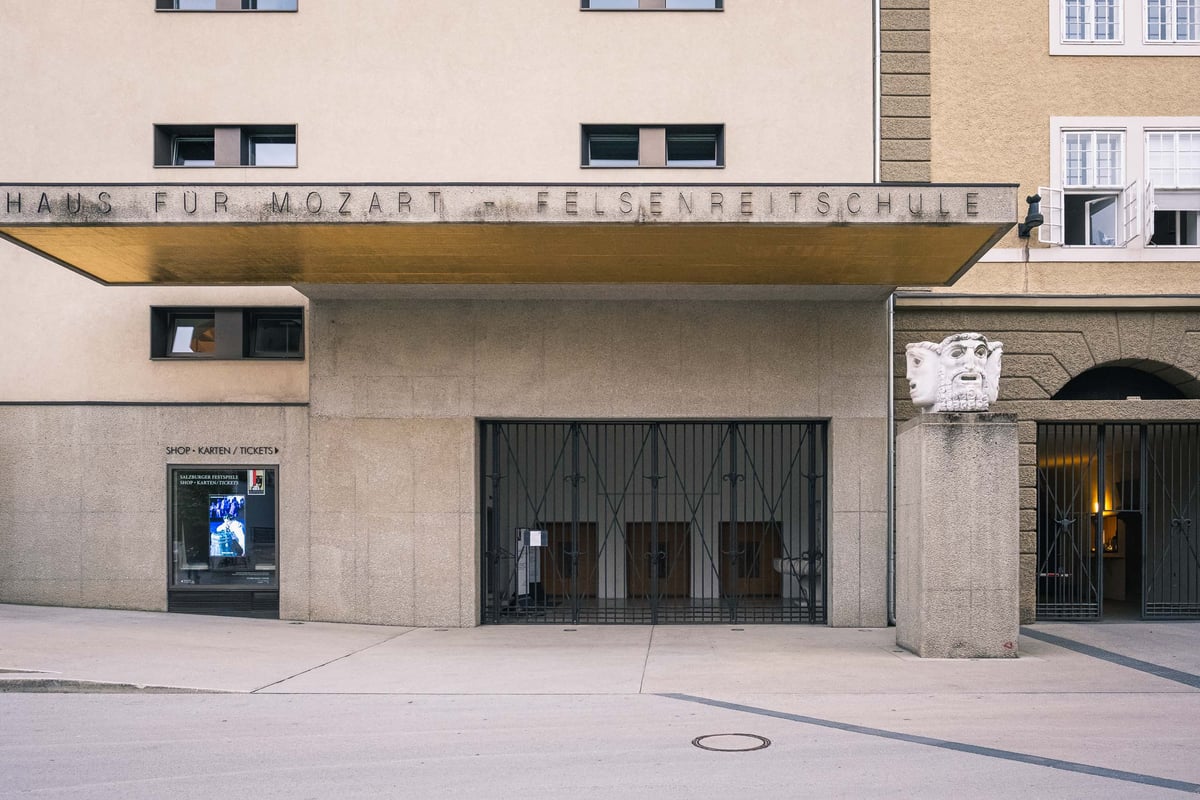
The Felsenreitschule is a theater carved directly into the Moenchsberg cliff face, which means the backstage wall is living rock and three tiers of 17th-century arcades form the auditorium. It was originally built in 1693 as a summer riding school for the Archbishop's horses.
Completed 1960
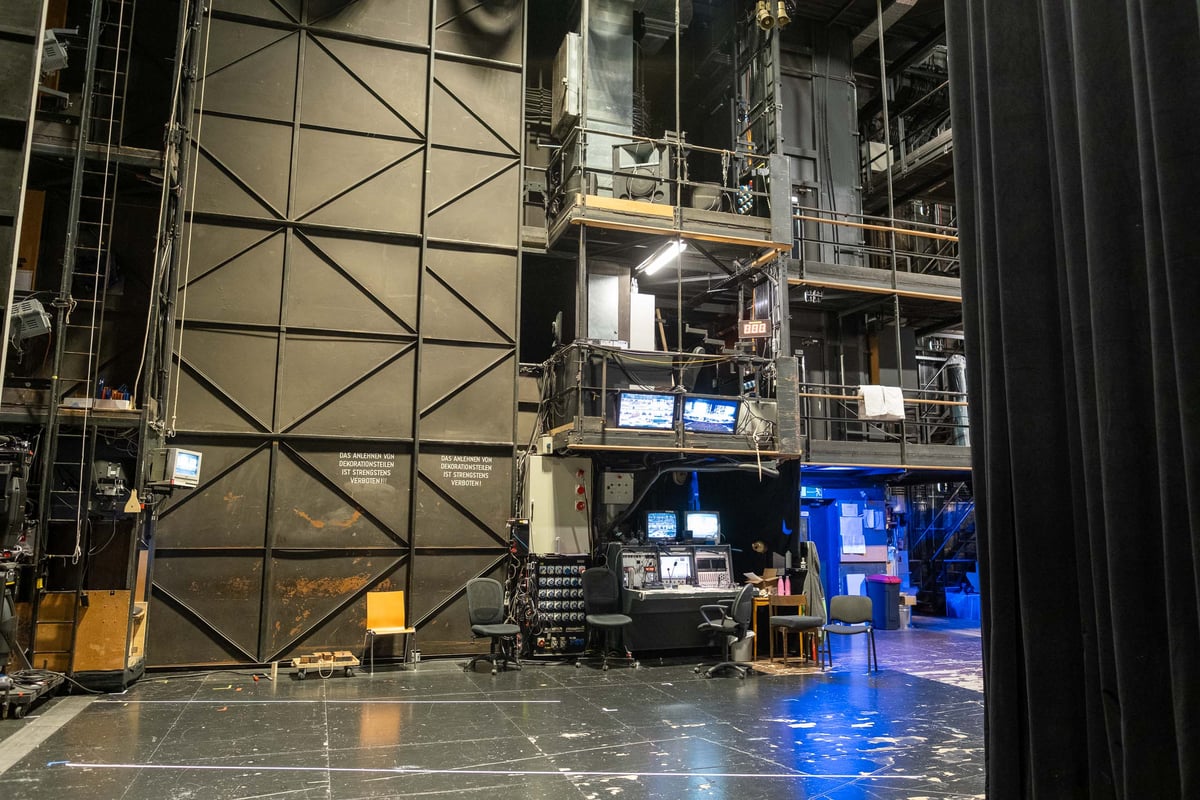
The Grosses Festspielhaus (Large Festival Hall) opened in 1960 as a major expansion of Salzburg's Festspielhaus complex, carved in large part from the Moenchsberg cliff face to achieve its 2,179-seat auditorium. Architect Clemens Holzmeister cut the main stage directly into the rock, creating one of the widest stages in the world at 100 meters.
Organizations
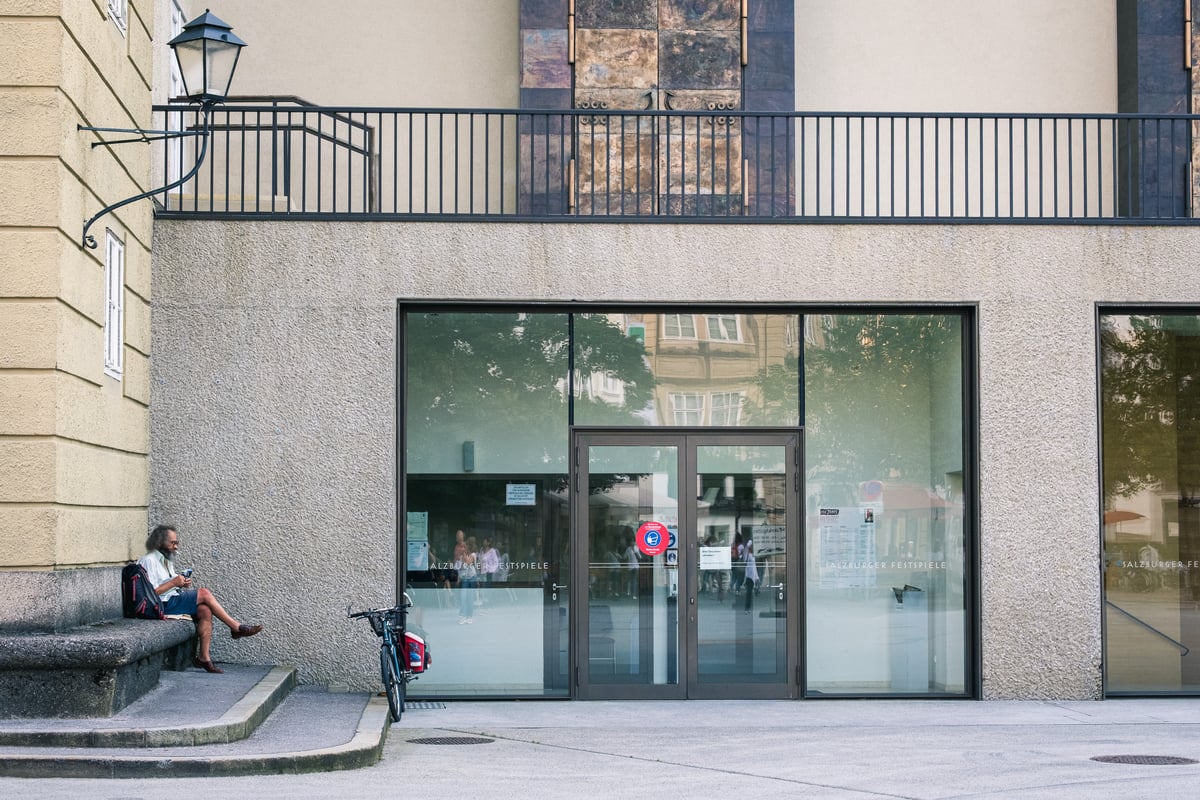
One of the world's most prestigious performing arts festivals. Held annually late July to end of August. Founded 1920 by Hugo von Hofmannsthal, Max Reinhardt, Richard Strauss, Franz Schalk, and Alfred Roller. Inaugural event: Jedermann on Domplatz. Herbert von Karajan defined the postwar era. Opera, drama, concerts.