Snapshot
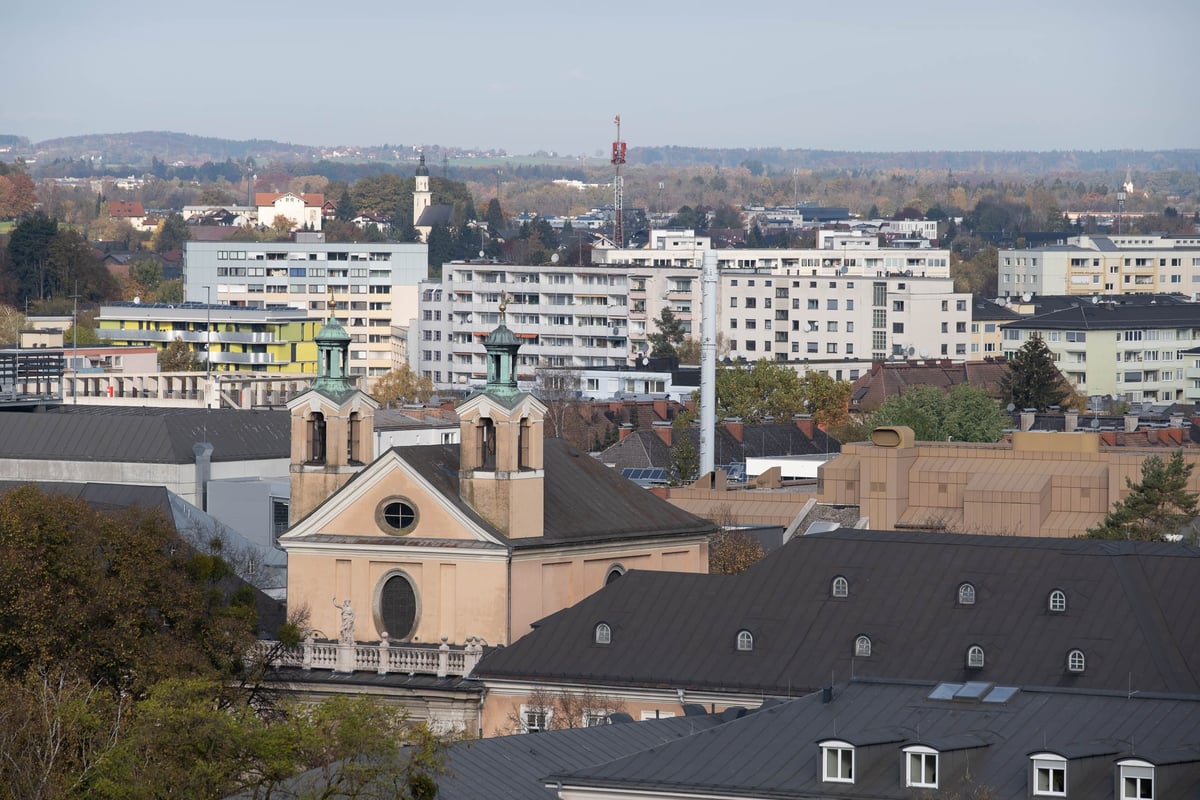
Johann Bernhard Fischer von Erlach built four churches in Salzburg in the late 17th and early 18th centuries, all commissioned by Archbishop Johann Ernst von Thun, and created the architectural character that makes the city’s Baroque skyline one of the most coherent in Central Europe.
The Story
Fischer von Erlach arrived in Salzburg in 1693 already shaped by fifteen years in Rome, where he had worked in the circle of Bernini and studied the major monuments of classical and Baroque architecture. He came to Austria’s second city not as a newcomer but as the court architect already trusted by three Habsburg emperors, and Archbishop Johann Ernst von Thun recognized in him the architect who could give Salzburg an identity equal to Vienna.
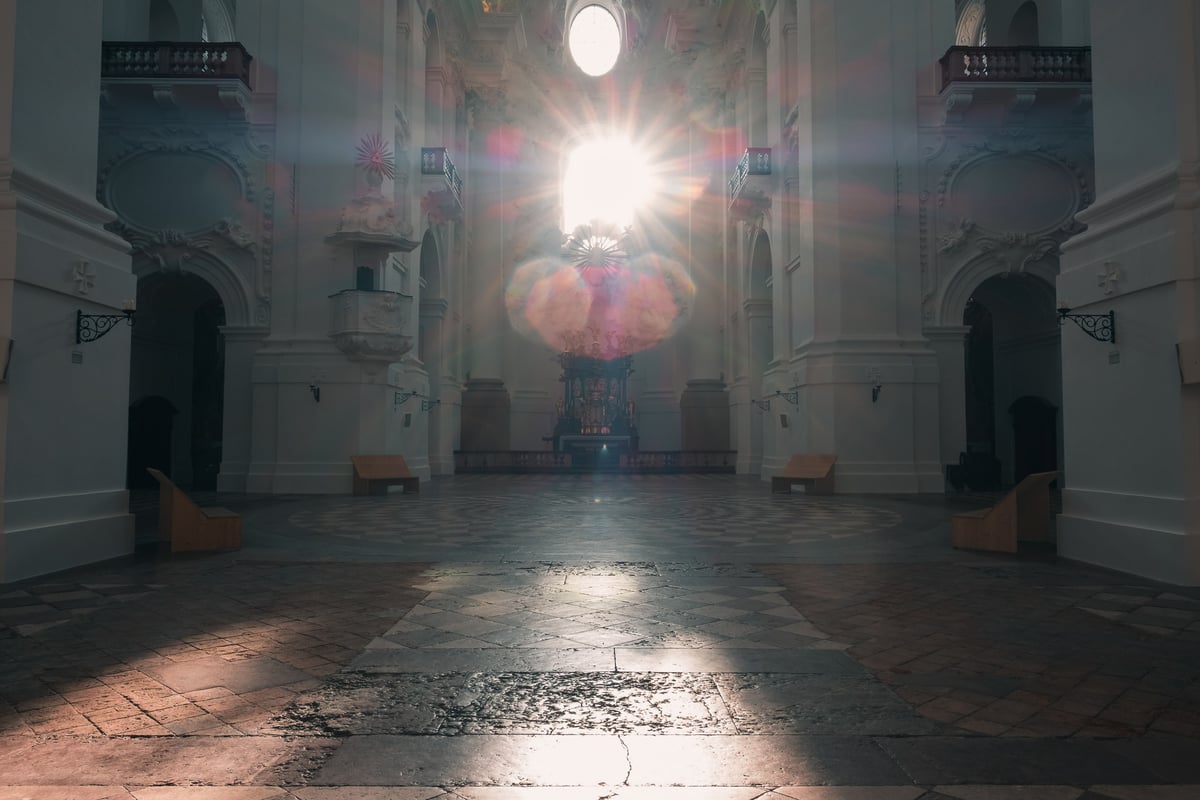
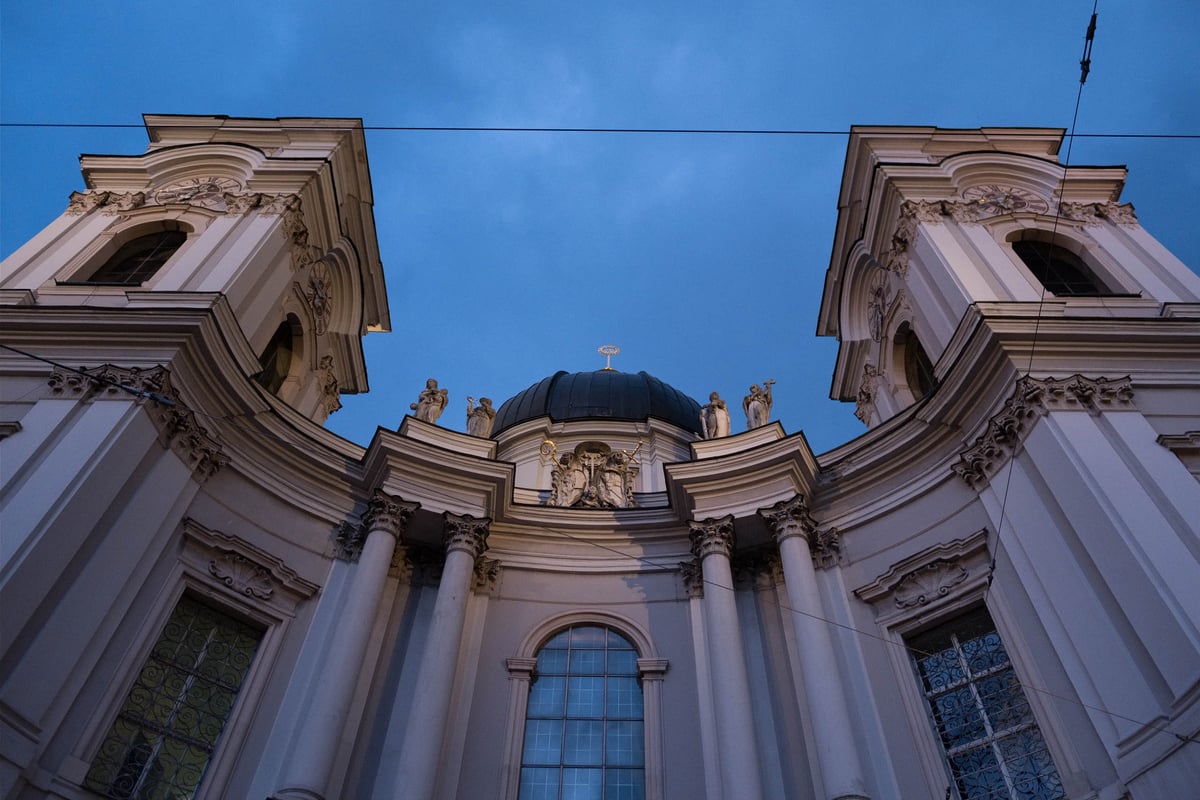
The four churches he built for Thun are the core of his Salzburg legacy. The Dreifaltigkeitskirche (Trinity Church, 1694-1702), on the right bank of the Salzach, has the concave facade that pulls you toward it; the Kollegienkirche (Collegiate Church, 1696-1707), near the university on the left bank, has the convex facade that pushes outward. Both use oval interior spaces that create a sense of movement and light unlike earlier church forms. The two buildings are in visual conversation with each other across the city, and the spatial logic connecting them is one of the most sophisticated things in European Baroque architecture.
The Wallfahrtskirche Maria Kirchental near Lofer, completed 1701, and the Johannesspital Church from around the same period round out the Salzburg body of work.
Fischer von Erlach moved to Vienna, where he designed the Karlskirche and what is now the Austrian National Library. But Salzburg is where his mature Baroque language first fully developed, and it remains the city where you can walk between his buildings in an afternoon and see the whole argument he was making.