Topic

UNESCO

68 entries tagged UNESCO on Introducing Salzburg.

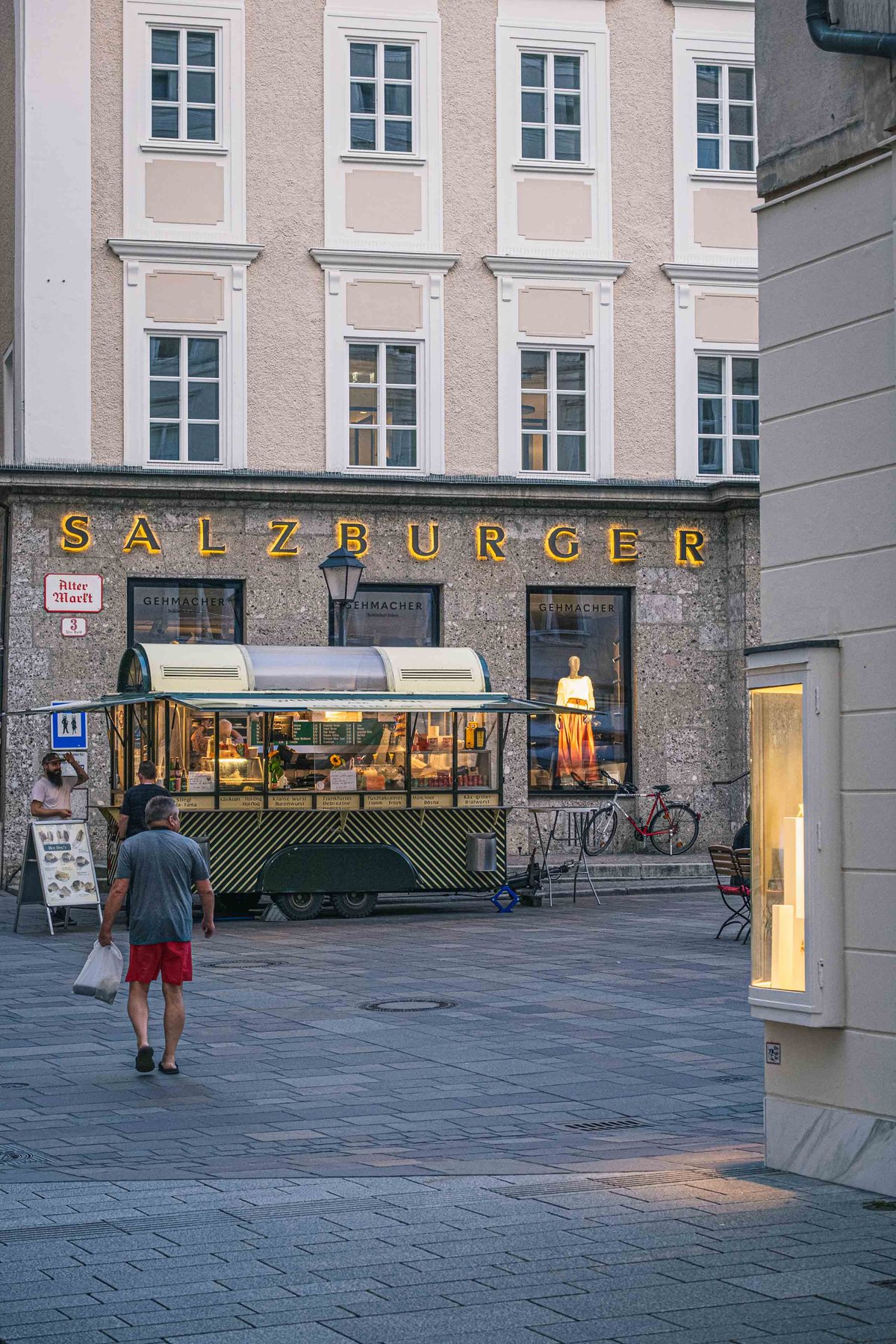
Alter Markt

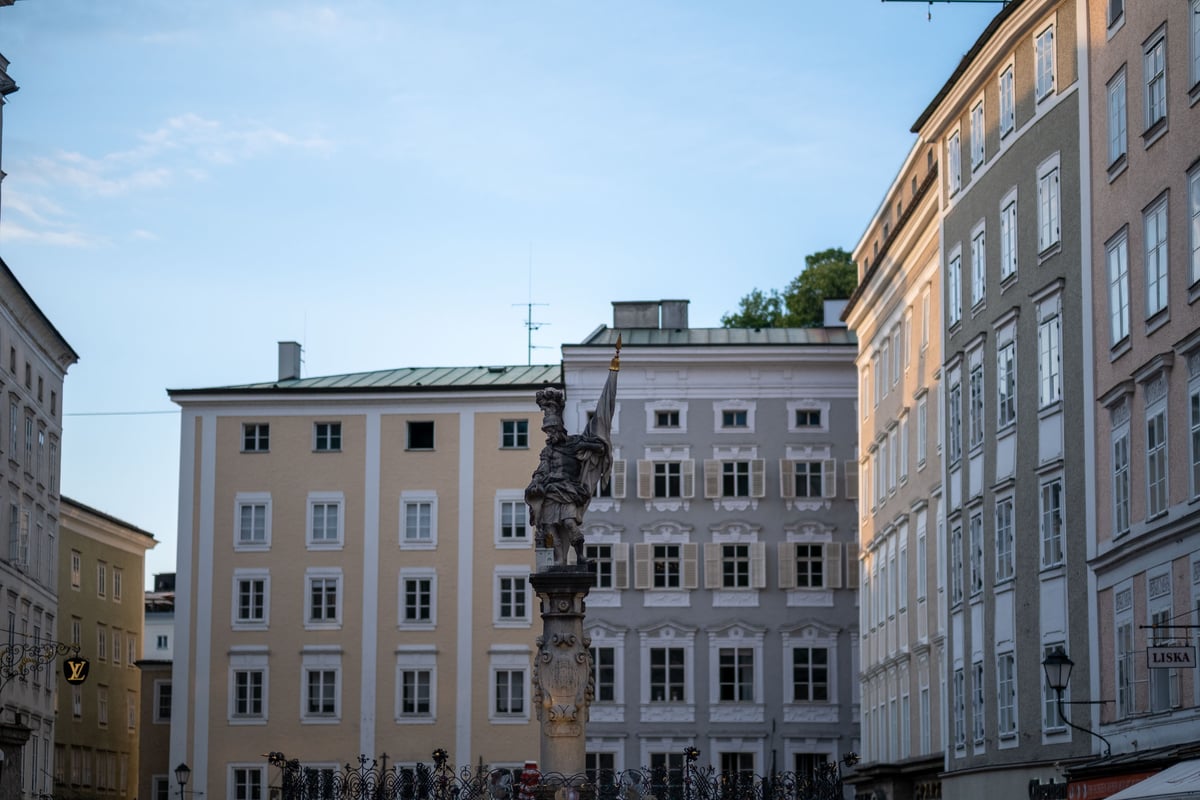
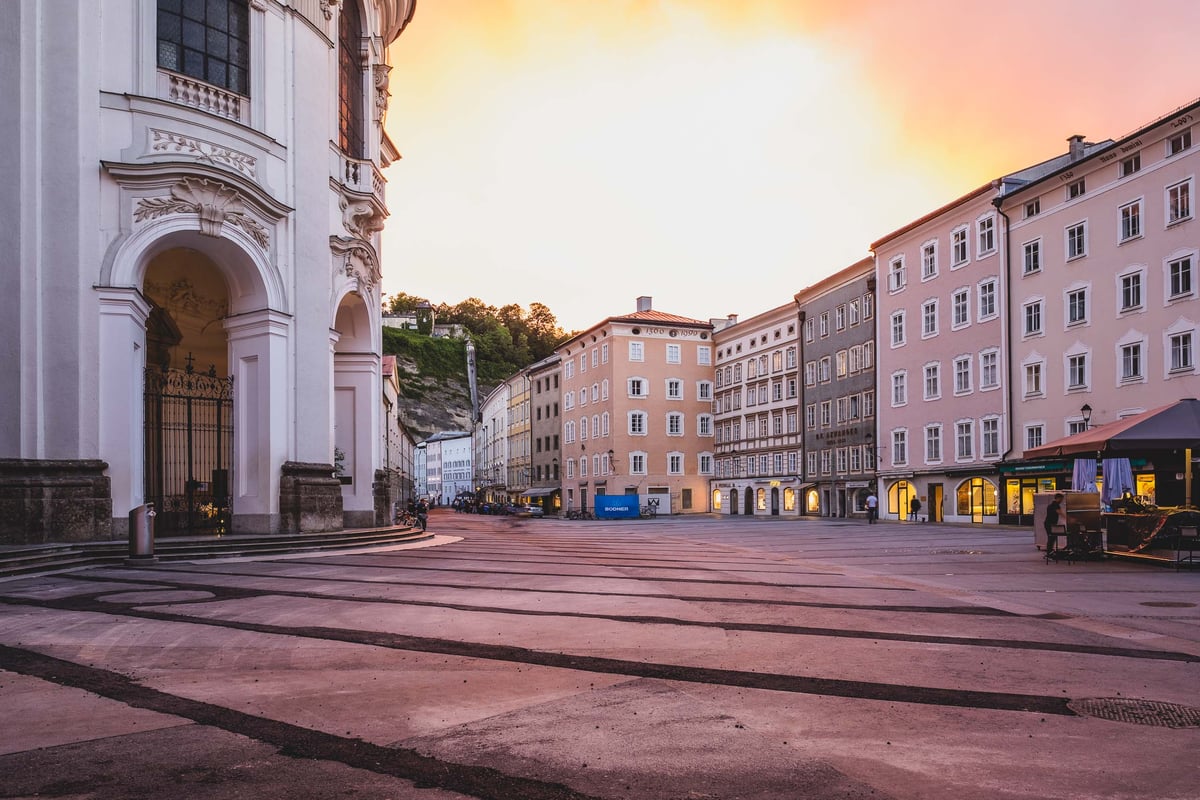
The Alter Markt is Salzburg's oldest square, a compact rectangle in the heart of the Altstadt flanked by Baroque facades that replaced medieval buildings. Cafe Tomaselli, which has operated here since 1705, and the Hofapotheke (court pharmacy, established 1591) still occupy their original locations on the square.
Salzburgfree
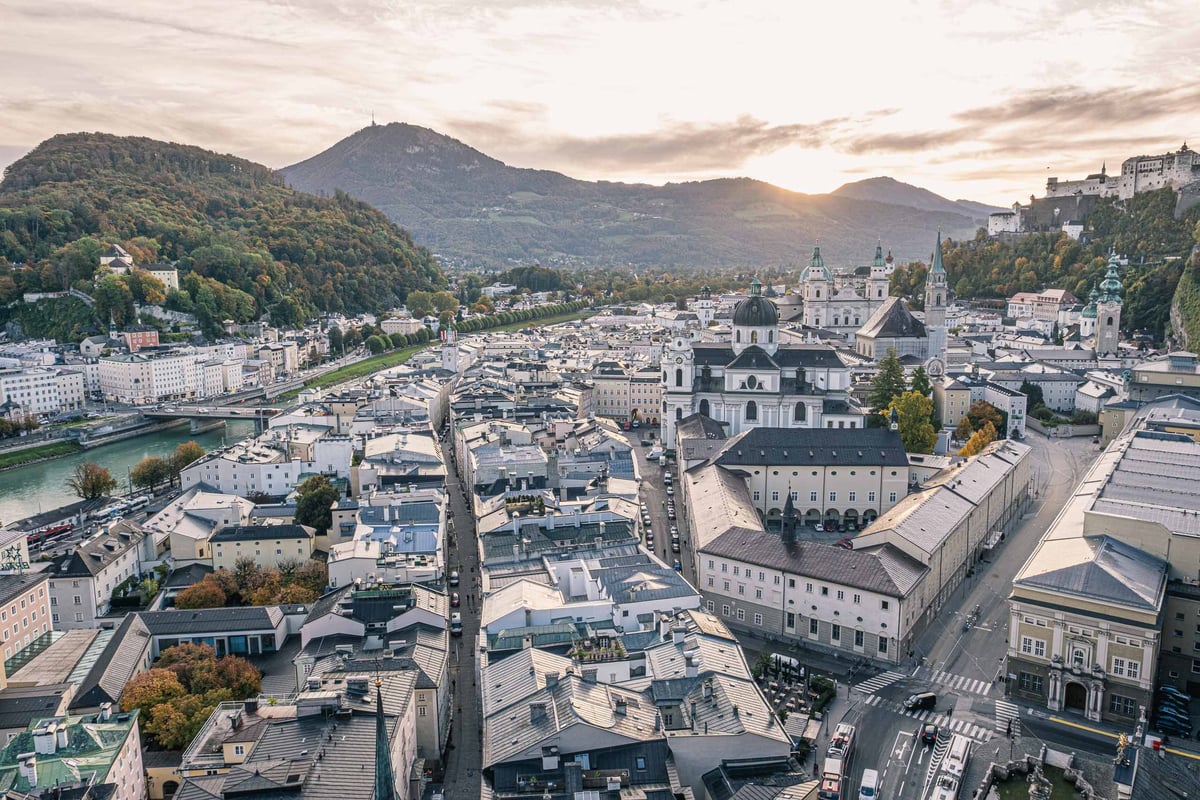
Aerial view of Salzburg old town at sunrise with Kollegienkirche dome and Hohensalzburg Fortress on the right.
district

The historic core on the left bank. UNESCO World Heritage since 1996. Contains the overwhelming majority of Salzburg's major landmarks. Largely pedestrianised, compact enough to explore on foot.

Altstadt

0 km from Salzburg

Altstadthotel Weisse Taube

A long-established hotel in the pedestrian lanes of the Altstadt. Comfortable mid-range accommodation in the UNESCO historic core. Cathedral, Getreidegasse, and main sights immediately at hand.

Salzburg
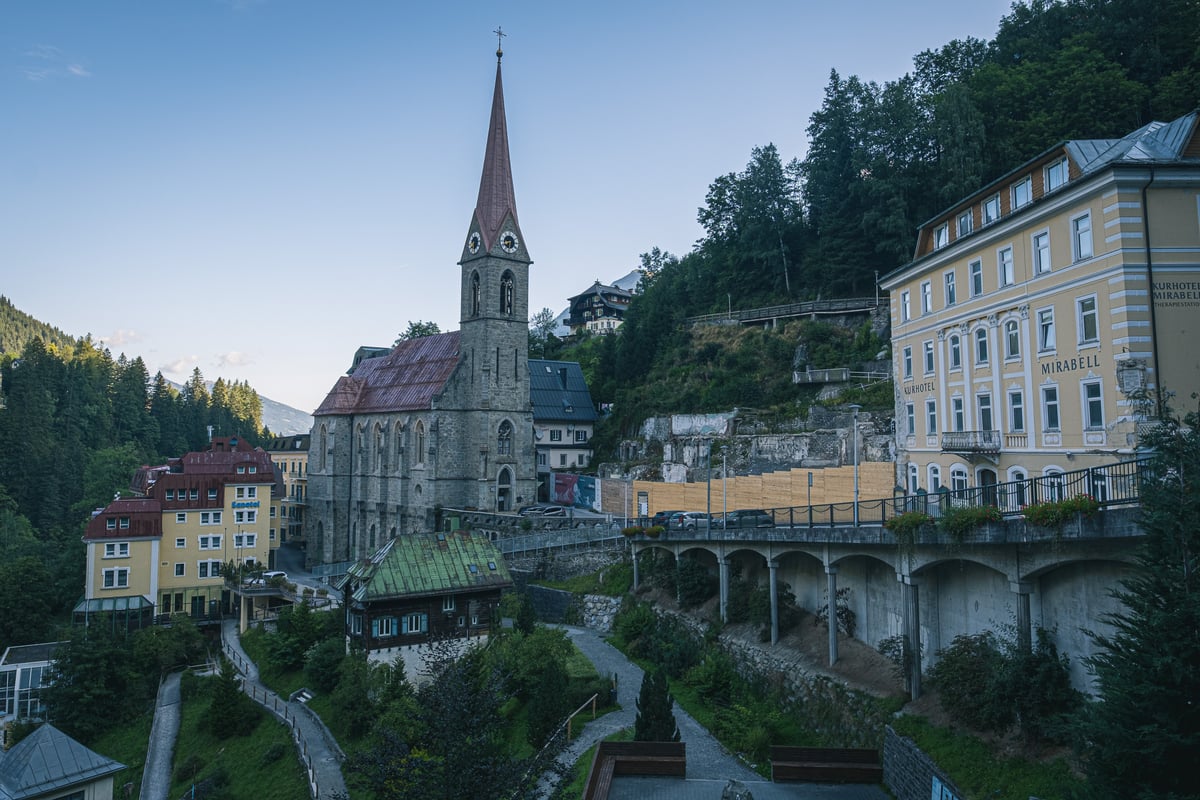
Early morning over Bad Gastein: the stone parish church and its tall spire at the centre, the yellow Kurhotel Mirabell on the right and a concrete road viaduct running below it.
town

The grandest Gastein spa resort. Belle Époque and Art Nouveau architecture clinging to a cliff face. The Gasteiner Wasserfalle cascade through the centre. Radon thermal springs. Emperor Franz Joseph I was a regular visitor. UNESCO World Heritage candidature underway. Cultural renaissance in progress.

Bad Gastein

80 km from Salzburg

Boutiquehotel am Dom

Small boutique hotel in the Cathedral quarter. Intimate luxury in the heart of the UNESCO heritage zone. Proximity to Domplatz and the Residenz. One of the most centrally positioned hotels in the city.

Salzburg

Bürgerspitalkirche

Dating to c. 1330

The Gothic church of the former citizens' almshouse, dating to around 1330. One of the oldest Gothic buildings in Salzburg, tucked into the western end of the Altstadt near Getreidegasse.

Salzburgfree

Dachstein

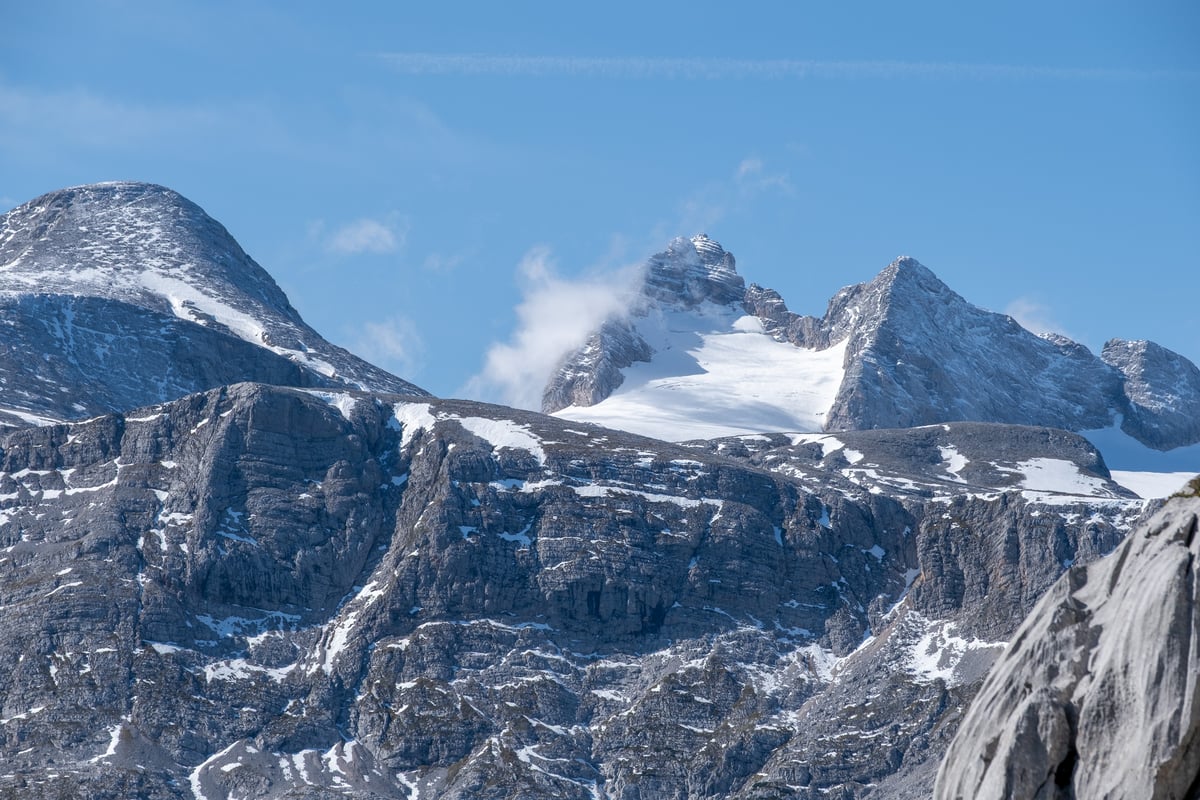
The limestone massif on the tripoint of Salzburg, Upper Austria, and Styria. Rising to 2,995 m. Ice caves, glacier, and the famous "Five Fingers" viewing platform cantilevered over a 400 m drop above Hallstatt.

Gosaufree

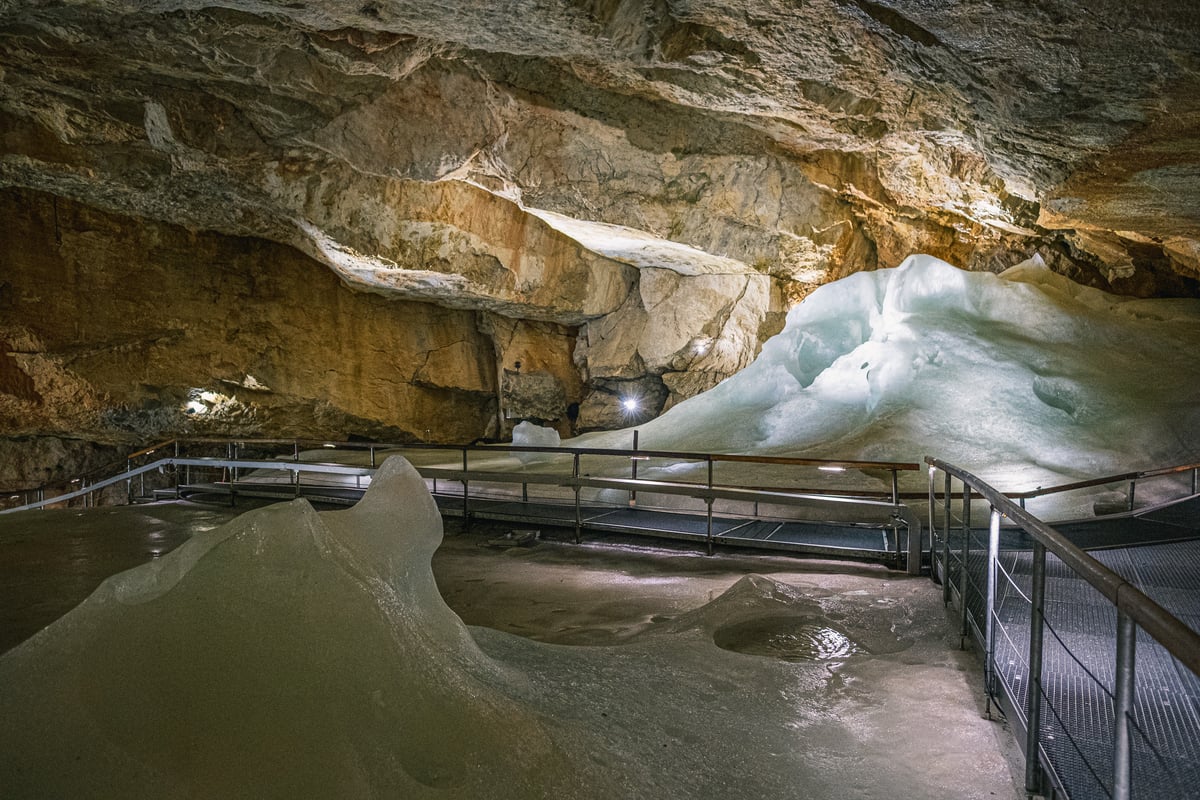
Dachstein Giant Ice Cave

Vast permanently frozen chambers within the Dachstein massif, accessible from the cable car above Obertraun. Cathedral-like ice formations. UNESCO World Heritage. Not to be confused with Eisriesenwelt at Werfen.

Obertraunpaid

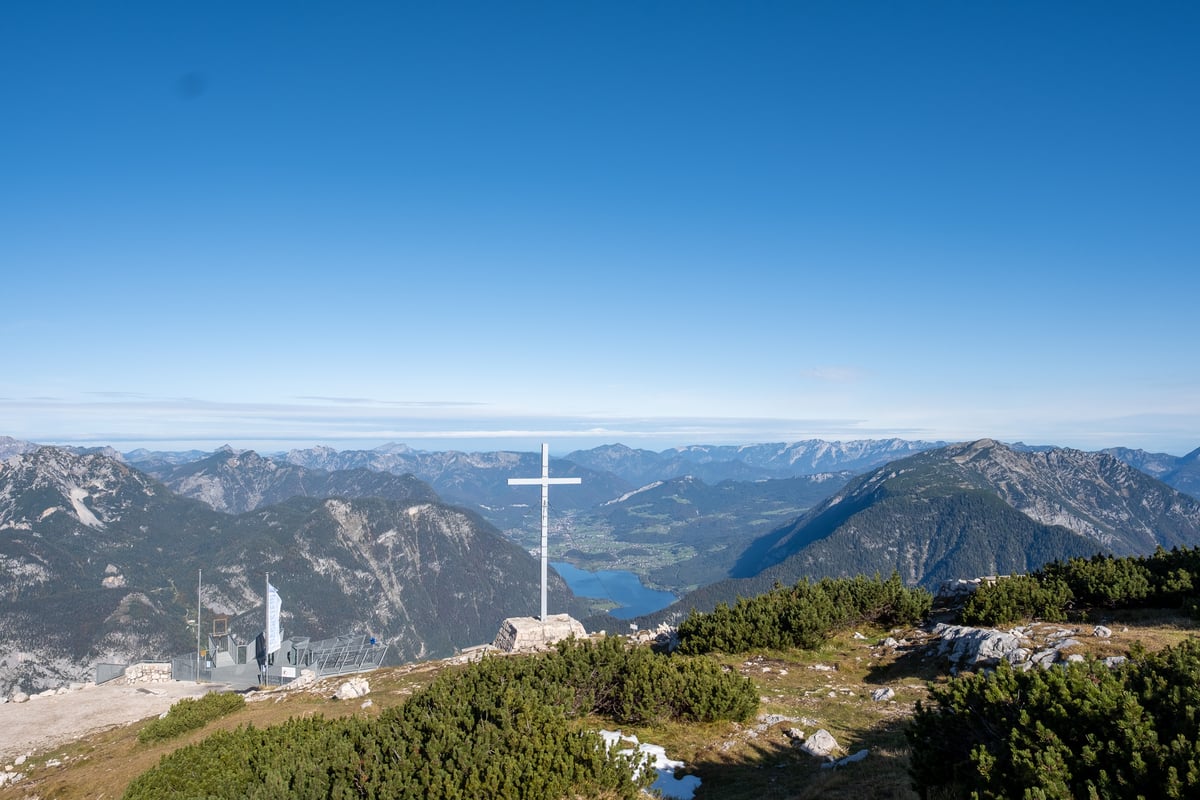
Dachstein Krippenstein

The Dachstein Krippenstein cable car lifts visitors from Obertraun, at the shore of the Hallstättersee, to the summit plateau at 2,108 meters.

Obertraunpaid

Domgrabungsmuseum

An underground archaeological museum three metres below the Cathedral floor, revealing the foundations of two earlier predecessor cathedrals and Roman-era structures from Iuvavum.

Salzburgpaid

Domplatz

The square directly in front of the Salzburg Cathedral, flanked by the Cathedral arches and the DomQuartier buildings. Site of the famous annual Jedermann performance during the Salzburg Festival.

Salzburgfree

DomQuartier

Opened 2014

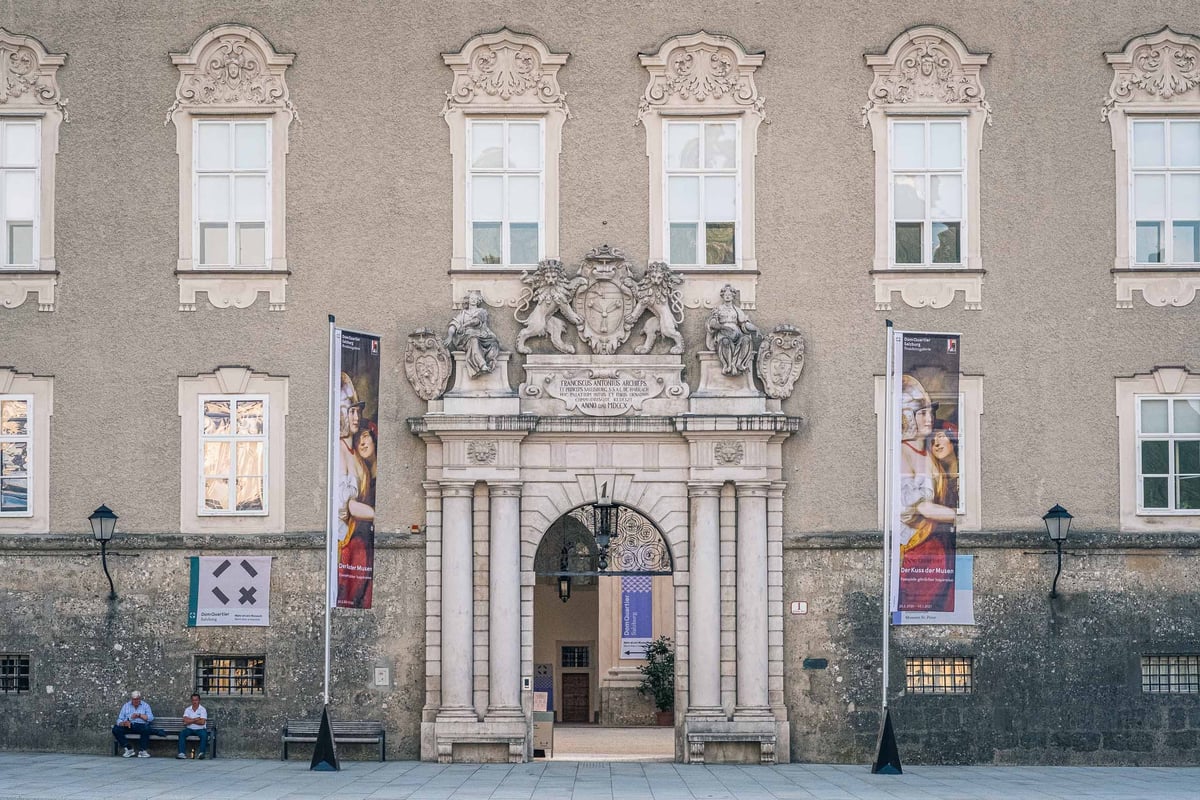
The DomQuartier is a museum circuit through the former residence and ceremonial spaces of Salzburg's Prince-Archbishops, connecting the Residenz galleries, the Dommuseum, St. Peter's Abbey Museum, and the cathedral balcony via elevated walkways above the old town rooftops.

Salzburgpaid

Festungsbahn

Opened 1892

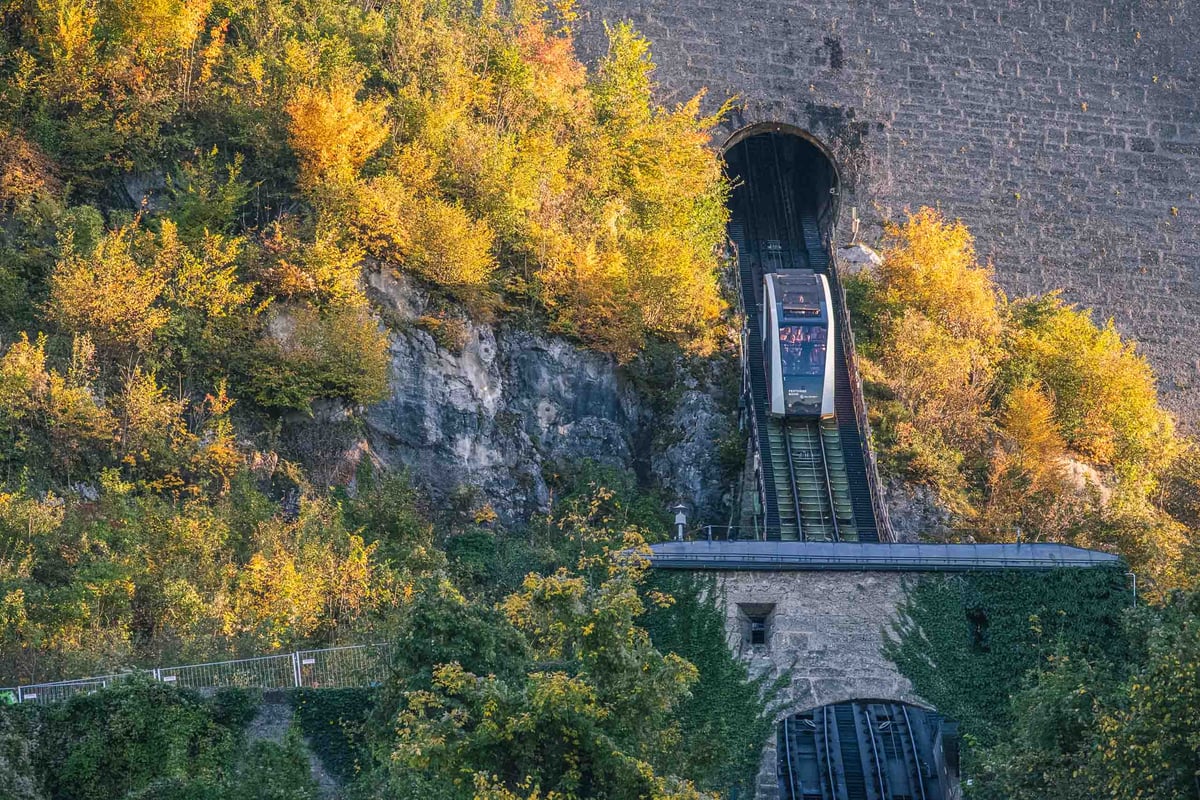
The Festungsbahn is the funicular that carries passengers from Festungsgasse in the Altstadt up to Hohensalzburg Fortress. It opened in 1892 and the ascent takes about a minute. The alternative is the steep footpath alongside it. For most visitors the funicular is included in the fortress admission, so there is no reason to walk up.

Salzburgpaid

Festungsgasse

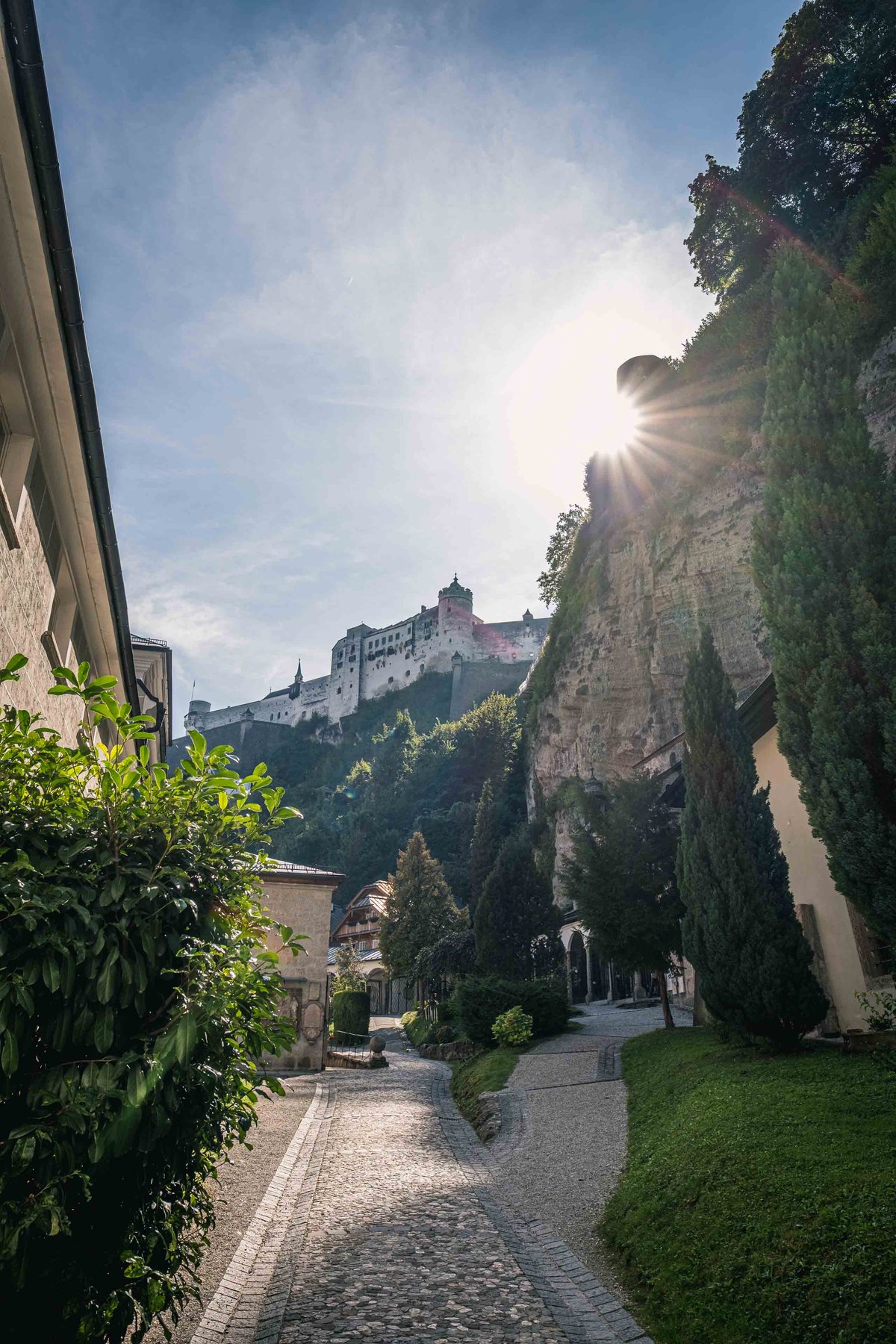
The Festungsgasse is the steep lane in Salzburg's old town that climbs from Kapitelplatz to the base of Hohensalzburg Fortress. It is a medieval path used since the fortress was founded in 1077, running parallel to the funicular (Festungsbahn).

Salzburgfree

Florianibrunnen

Built 1734

A small baroque fountain at the centre of Alter Markt (1734), depicting Saint Florian of Lorch in his traditional pose pouring water to extinguish a burning building. Salzburg's most-photographed example of the ubiquitous Austrian Florian fountain.

Salzburgfree

Franziskanerkirche

Romanesque / Gothic

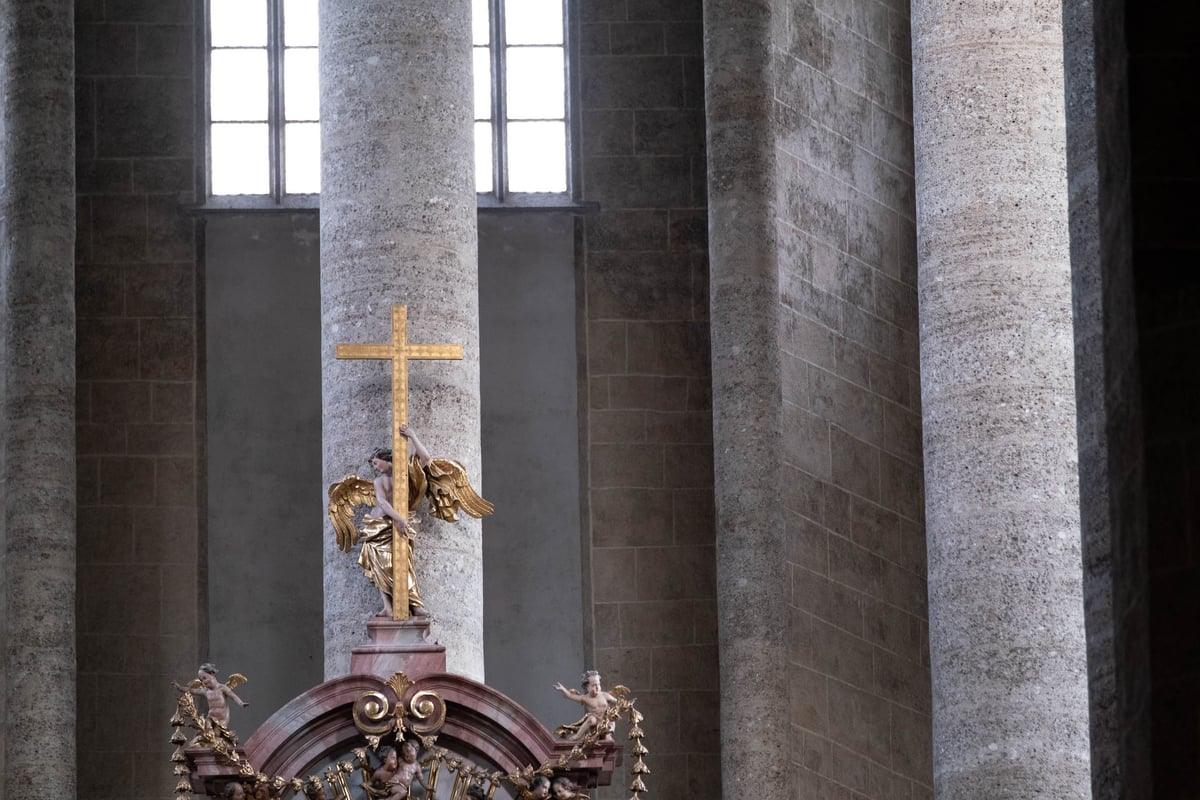
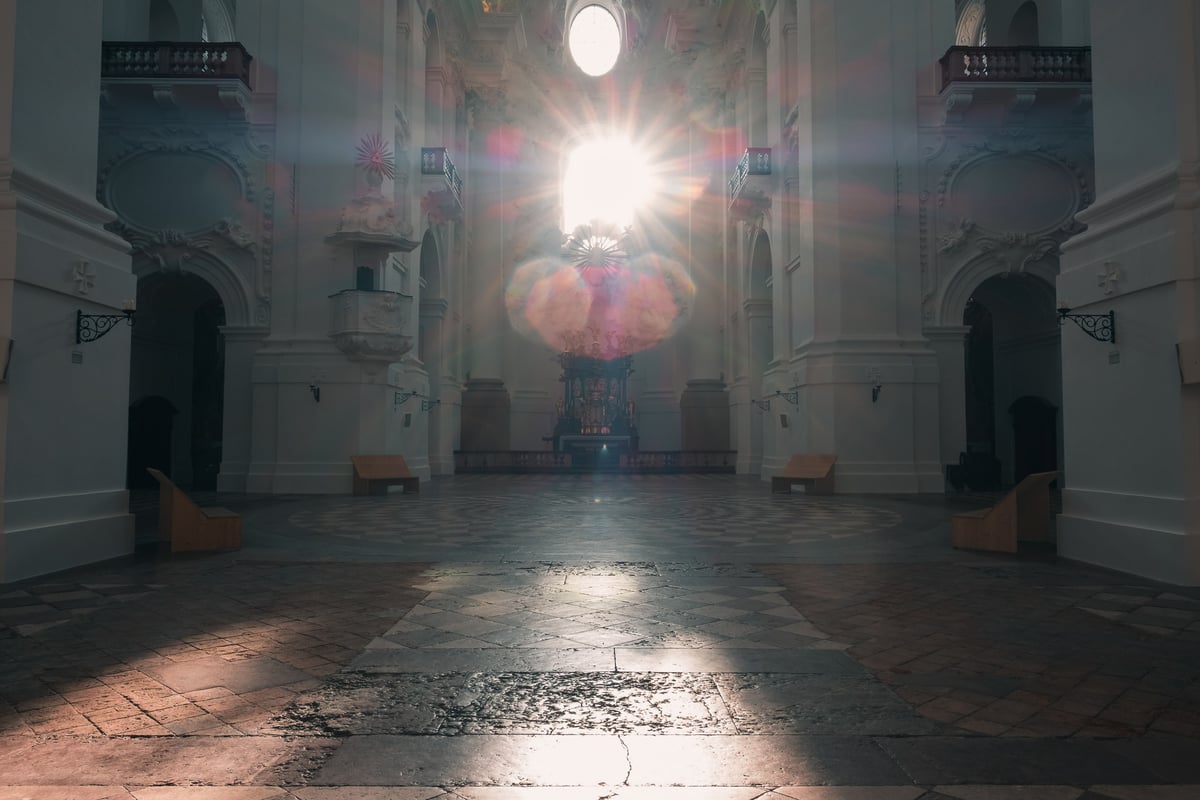
One of Salzburg's oldest churches, with a Romanesque nave from around 1208, a Gothic choir and tower added in the 15th century, and a Baroque high altar by Johann Bernhard Fischer von Erlach (1709). Three architectural periods in a single building, with the abrupt shift from dark nave to bright choir among the most striking interior effects in the city.

Salzburgfree

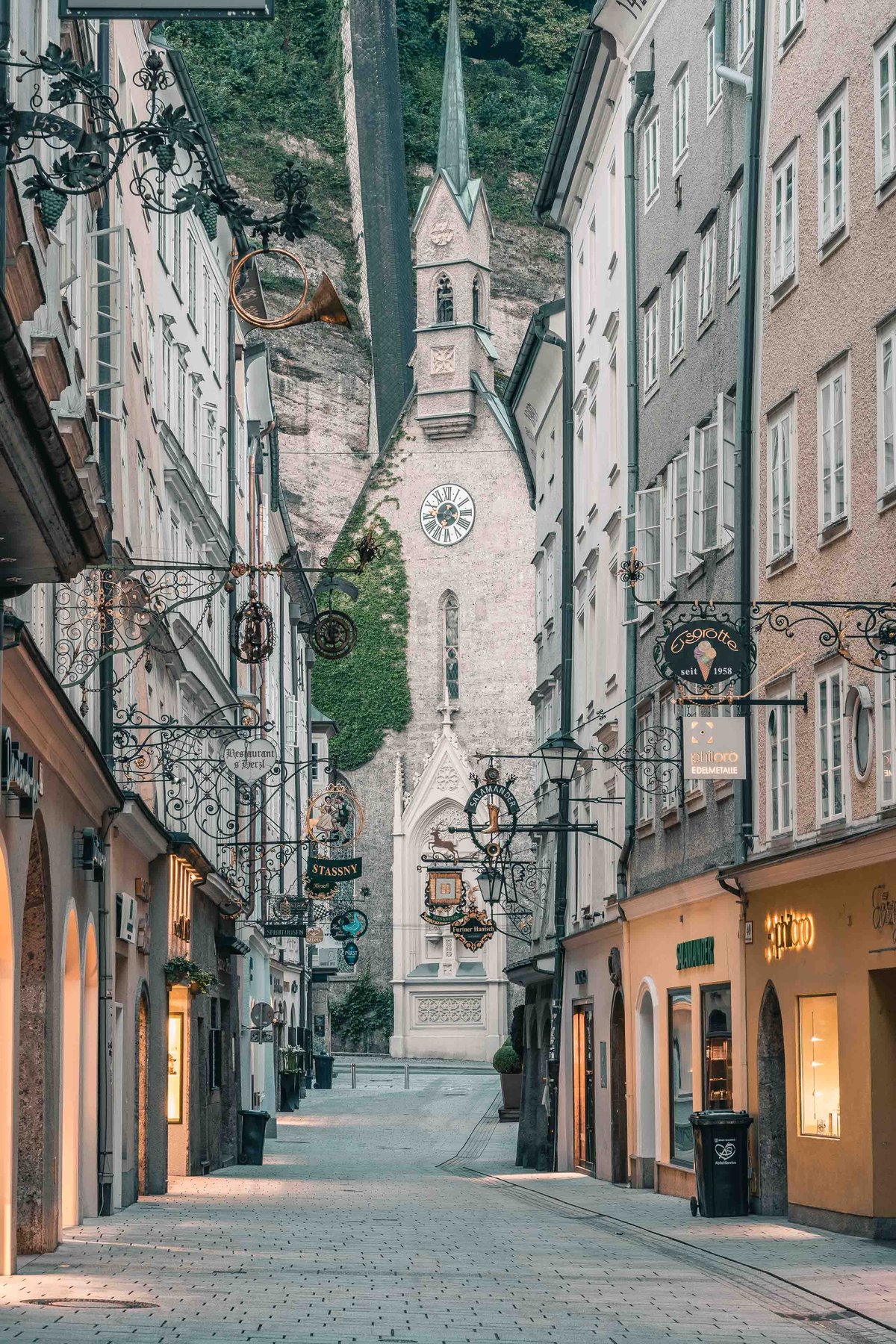
Getreidegasse

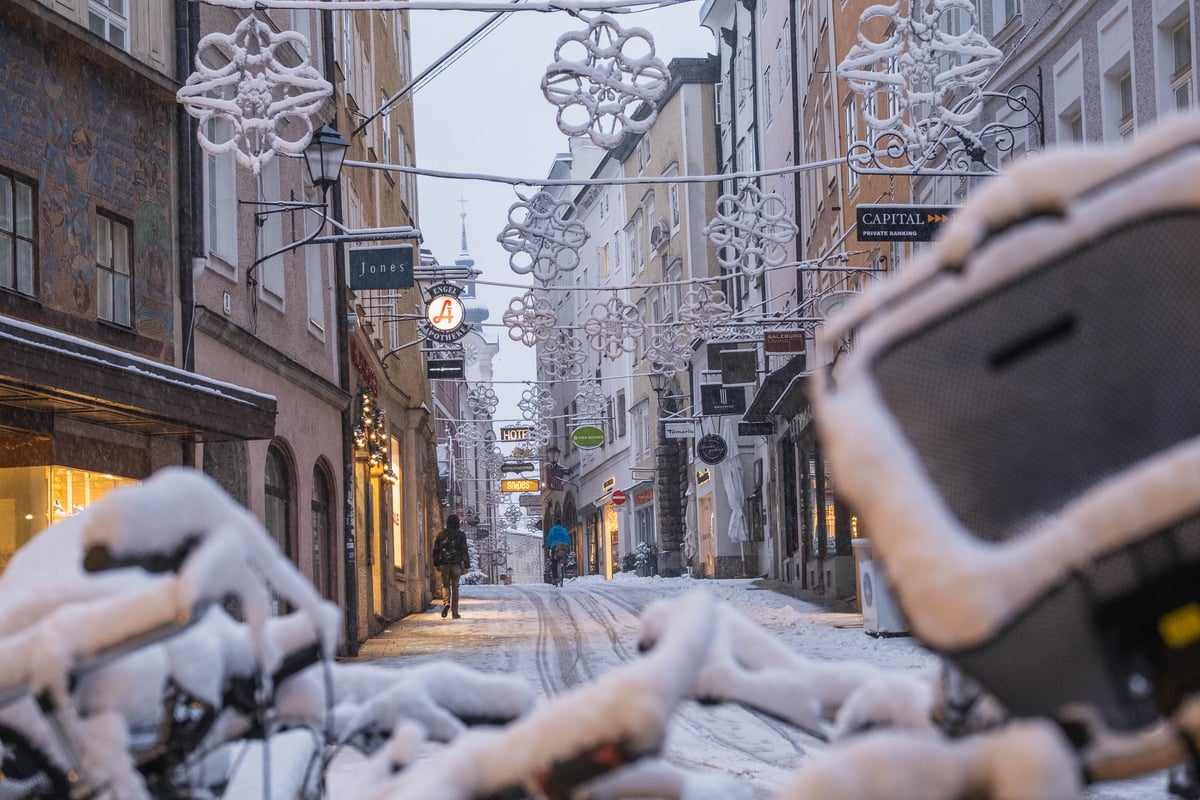
Salzburg's most famous street and the heart of the Altstadt. Wolfgang Amadeus Mozart was born at No. 9 (Mozart's Birthplace). The Hagenauer family, the Mozarts' landlord, lived in the same building. The street is known for its medieval wrought-iron guild signs, narrow passages (Durchhäuser), and historic shopfronts.

Salzburgfree

Goldgasse

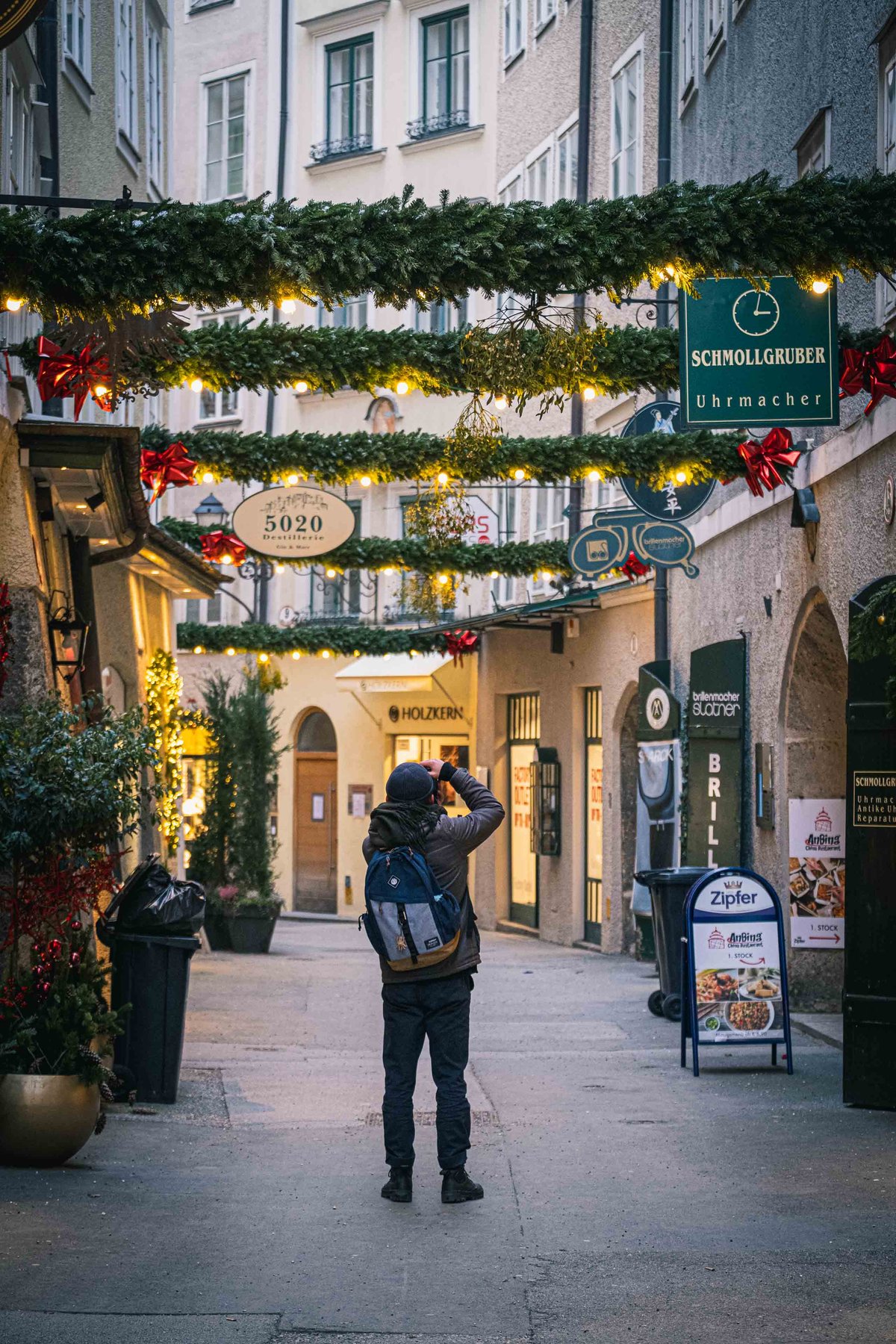
A narrow medieval lane in the Altstadt, running between the Residenzplatz area and the Salzach embankment. Quieter and more intimate than Getreidegasse.

Salzburgfree
city

Graz is Austria's second-largest city and the least internationally known of the three, which is the main reason to go. The Schlossberg, the forested rock at the center of the city with its clock tower and funicular, shapes the urban geography in a way no other Austrian city has.

Graz

197 km from Salzburg

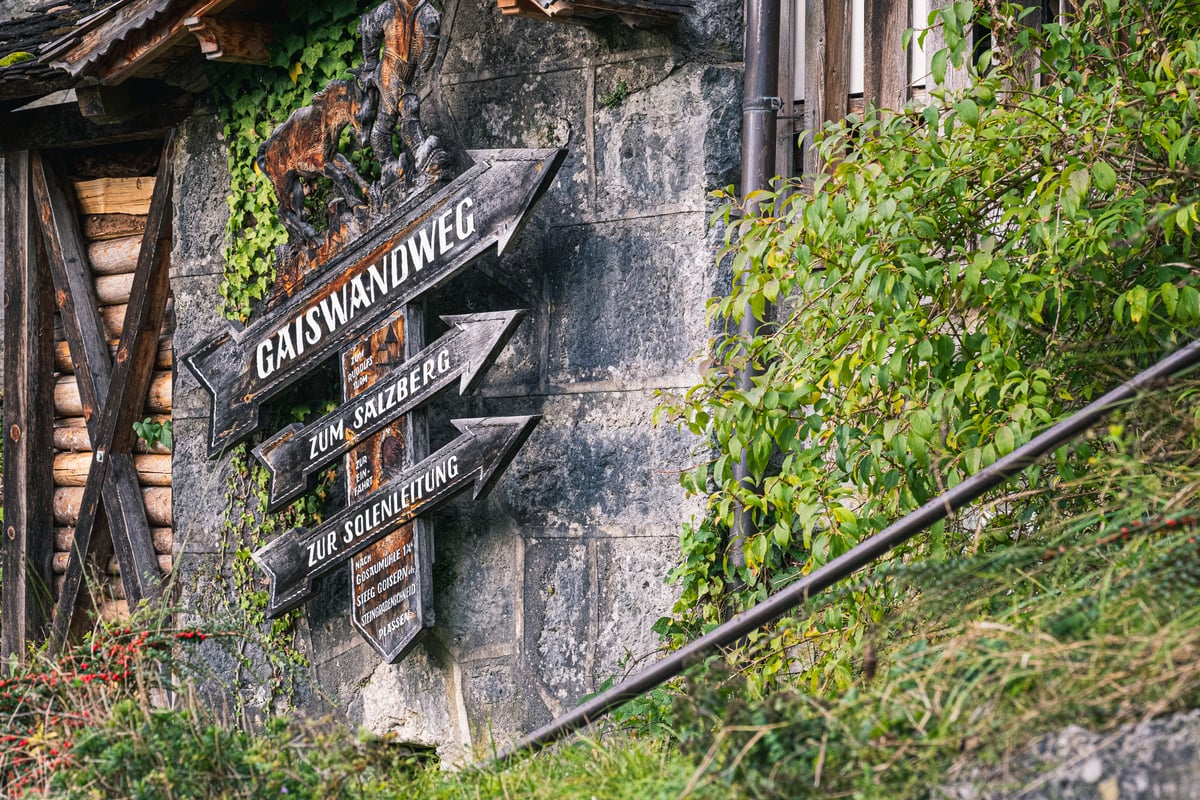
Three weathered wooden arrow signposts reading Gaiswandweg, Zum Salzberg and Zur Solenleitung are fixed to a stone wall in Hallstatt beneath a carved chamois, with a timber woodshed to the left.
village

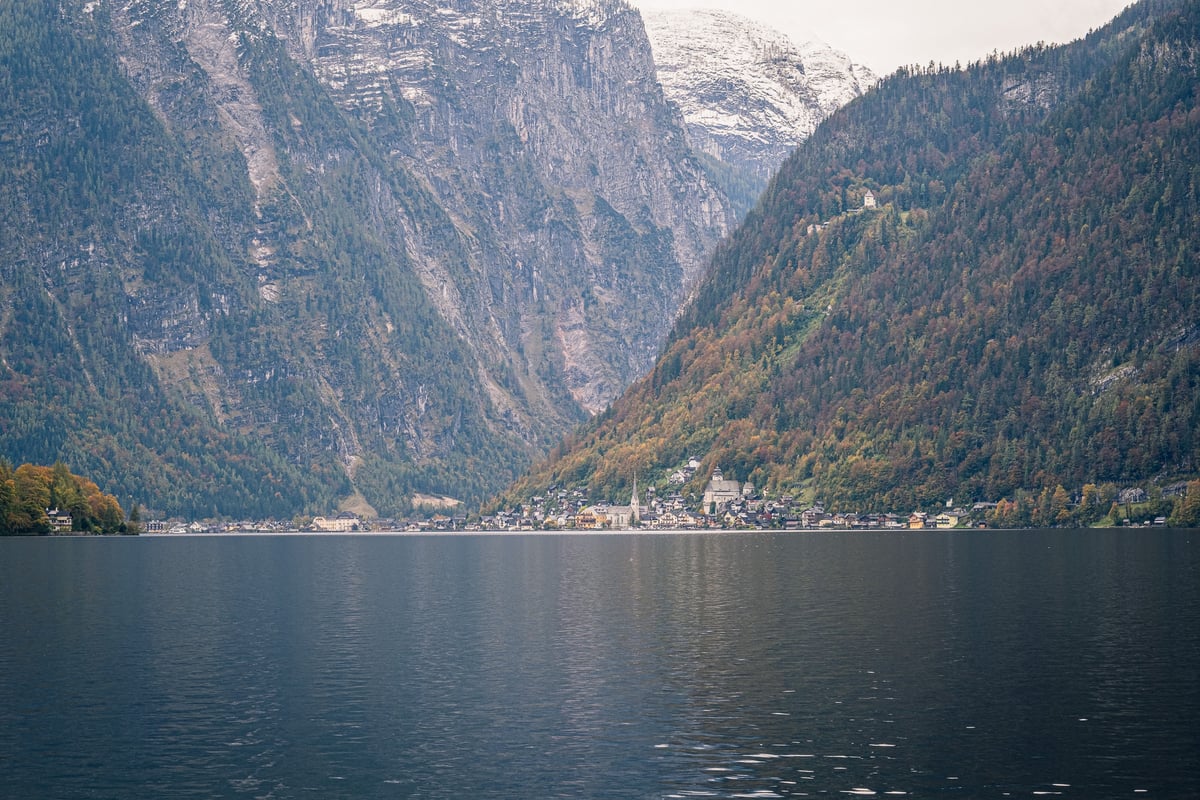
One of the most photographed villages in the world. UNESCO World Heritage. Clinging to Hallstatter See beneath cliff faces. 7,000 years of salt mining. The Hallstatt period of the Iron Age is named after this village. Salzwelten Hallstatt, Hallstatt Museum, Hallstatt Beinhaus, Hallstatt Skywalk.

Hallstatt

52 km from Salzburg

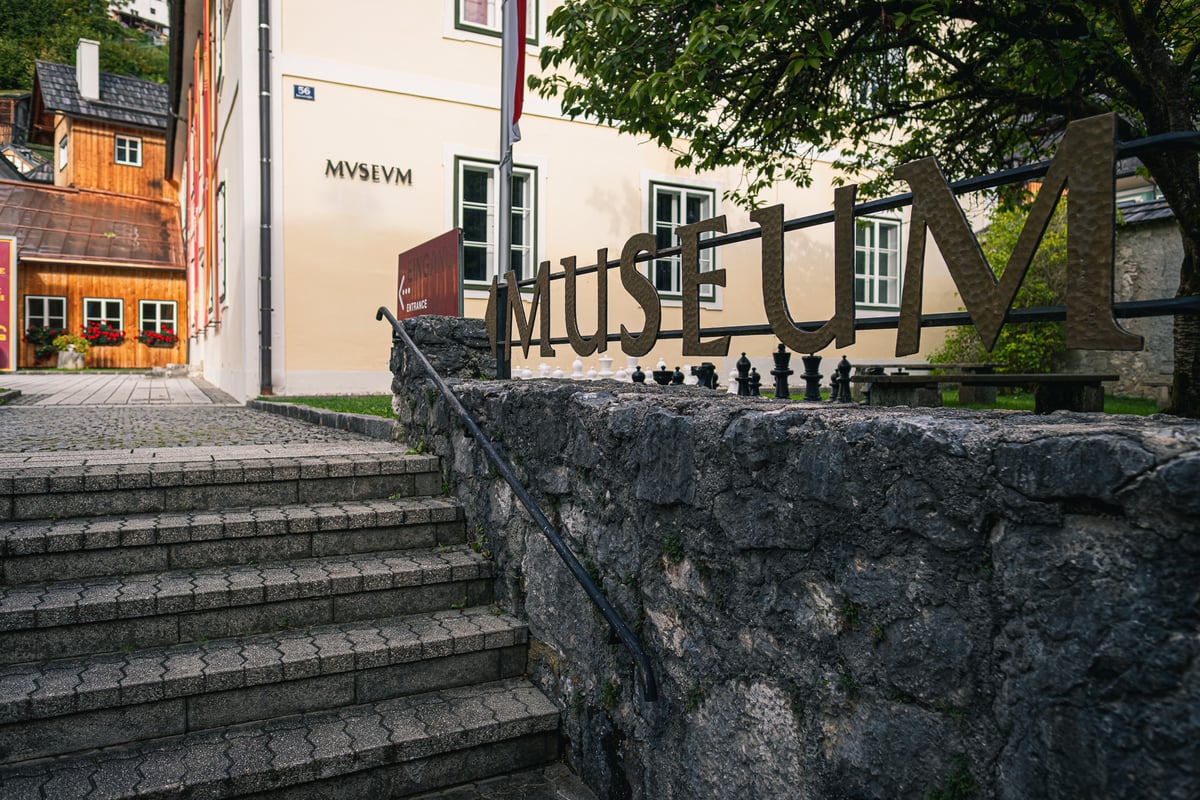
Hallstatt Museum

The Hallstatt Museum, officially the Welterbemuseum Hallstatt (World Heritage Museum), holds the finds from one of the most important prehistoric archaeological sites in Central Europe.

Hallstattpaid

Hallstatt Parish Cemetery & Beinhaus

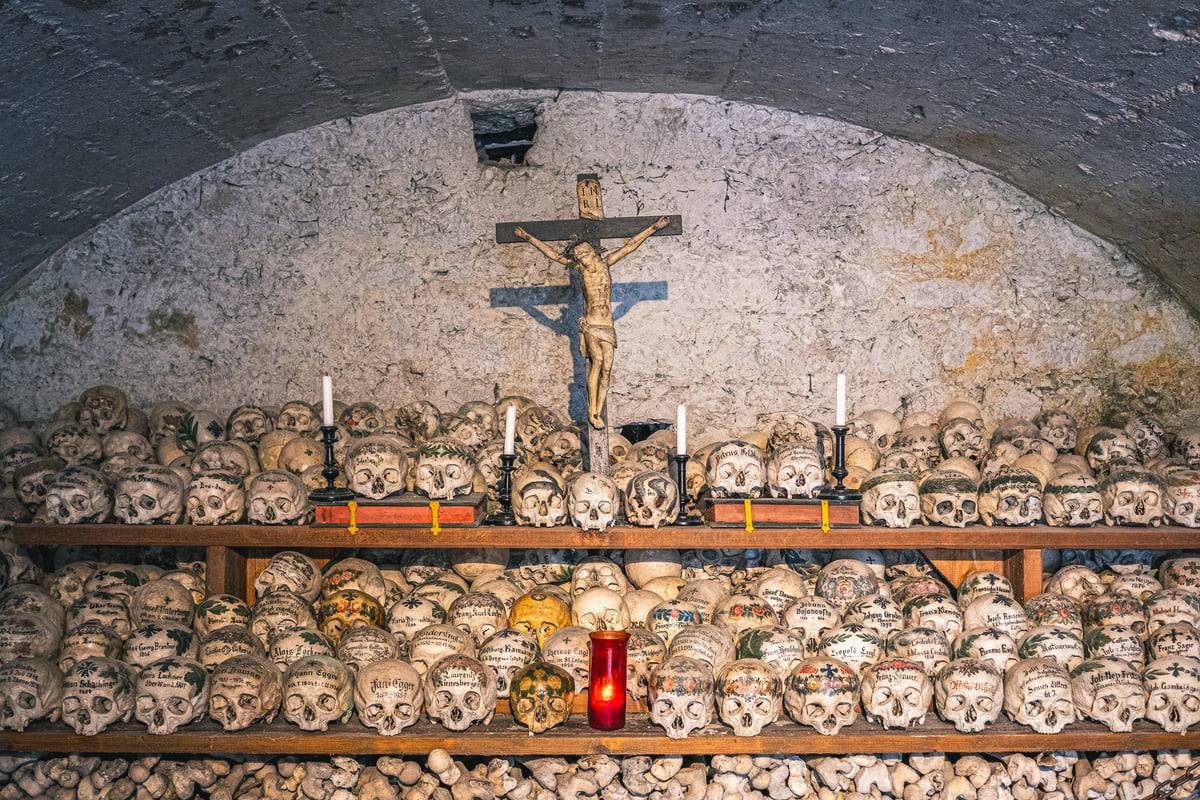
The Hallstatt charnel house holds over 1,200 skulls, most of them painted with floral patterns, names, and death dates by relatives who wanted to keep their dead identifiable after the bones were exhumed from the overcrowded churchyard. The practice continued into the 20th century. The most recent skull is dated 1995. This is not a horror attraction.

Hallstattfree

Hallstatt Skywalk & Rudolfsturm

A viewing platform at 360 meters above the village, reached via the Salzbergbahn funicular. The Welterbeblick (World Heritage View) platform extends over the cliff edge with views down to the lake and across to the Dachstein. Combined ticket with the salt mine.

Hallstattfree

Hallstätter See

The Hallstattersee is the lake that Hallstatt village sits on, 8.5 kilometers long and over 125 meters deep, cold and clear in a steep-walled valley that receives limited direct sunlight.

Hallstattfree

Herbert-von-Karajan-Platz

The square in front of the Grosses Festspielhaus, named after Herbert von Karajan. Central gathering point during the Festival. Home to the Pferdeschwemme (baroque horse trough). The Mönchsberg cliff face forms its dramatic backdrop.

Salzburgfree

Hofstallgasse

The spine of the Salzburg Festival precinct, running along the Mönchsberg cliff face. The Grosses Festspielhaus, Haus fur Mozart, and Felsenreitschule all open from this street. During the Festival, the most concentrated point of cultural energy in the city.

Salzburgfree

Hohensalzburg Fortress

Founded 1077

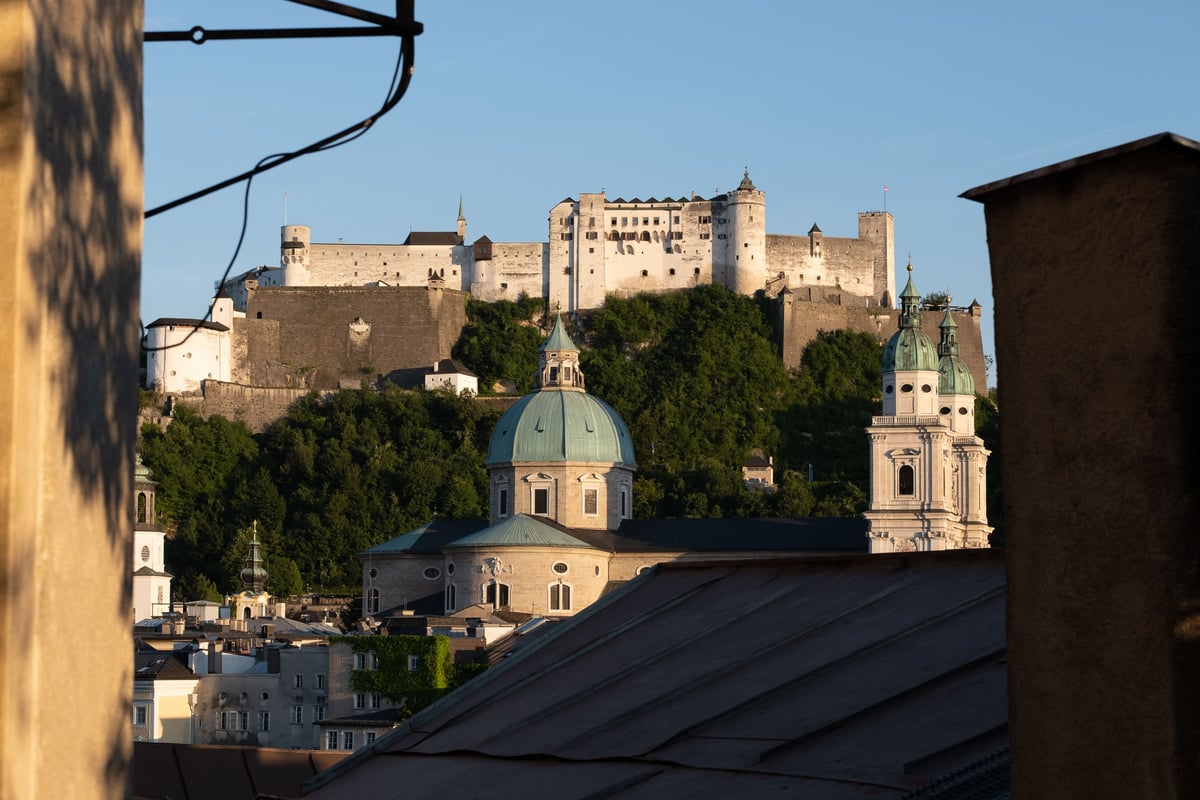
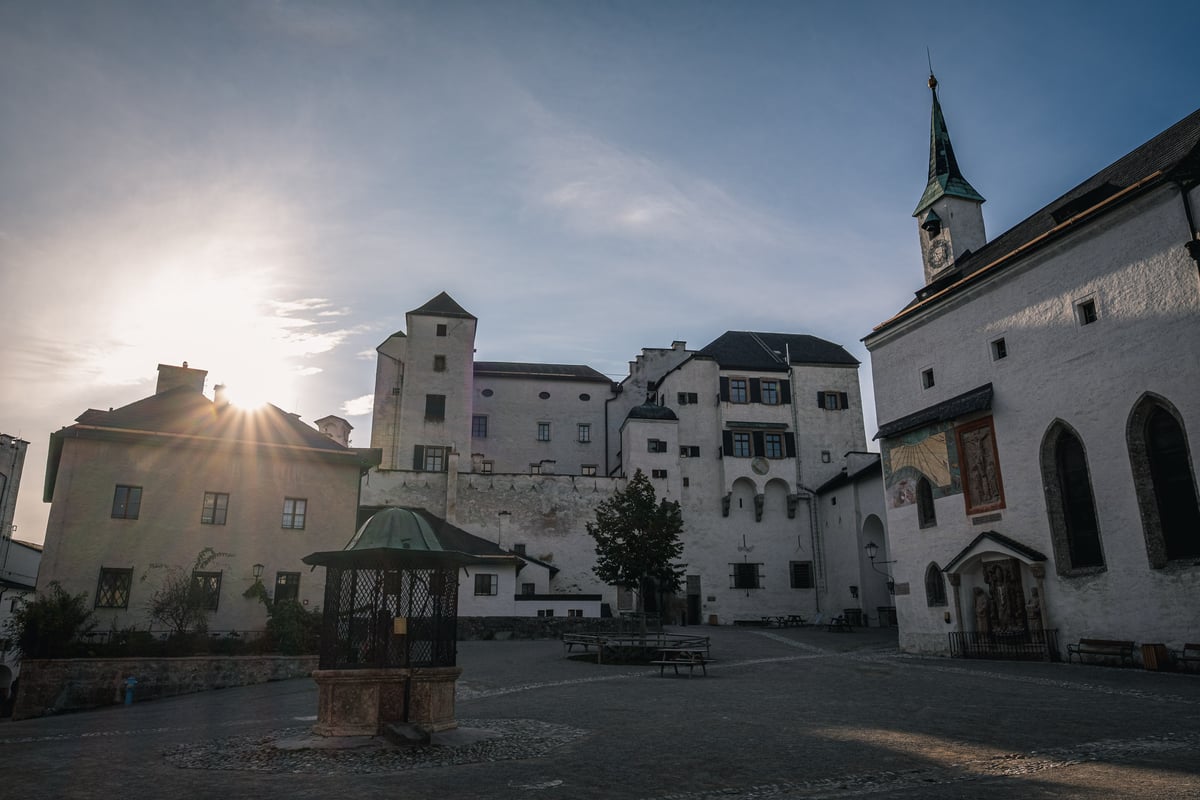
One of the largest and best-preserved medieval castle fortresses in Europe, perched on Festungsberg hill above Salzburg's Altstadt. Founded in 1077 by Gebhard von Helfenstein, transformed into a princely residence by Leonhard von Keutschach, and never conquered. The defining landmark of Salzburg's skyline.

Salzburgpaid

Kajetanerplatz

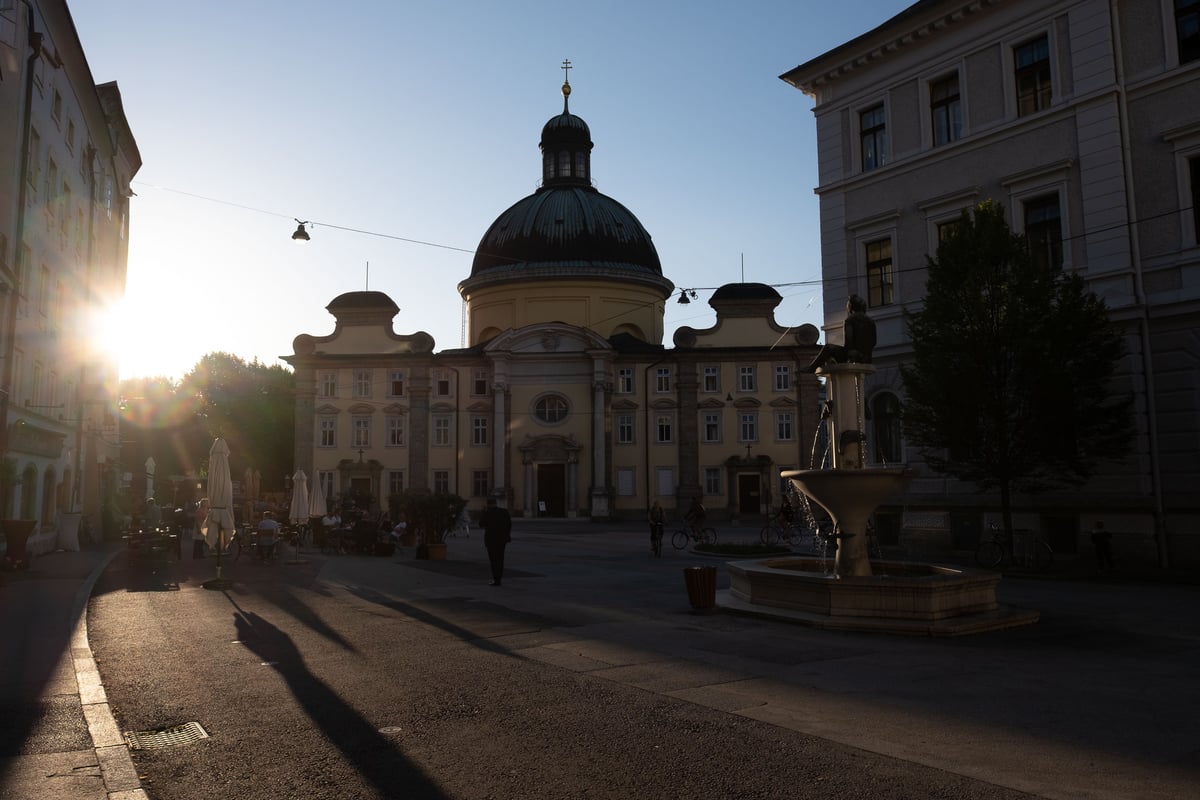
A small, peaceful baroque square in the Nonntal district, dominated by the Kajetanerkirche. Away from the main tourist flow. A rewarding detour between the Cathedral area and Nonnberg Abbey.

Salzburgfree

Kapitelplatz

The Kapitelplatz is a large square on the south side of Salzburg's Cathedral (Dom), flanked by the cathedral's south facade, the Residenz (Archbishop's palace), and the Festungsberg (the rock from which the Hohensalzburg Fortress rises). The Neptunbrunnen, a Baroque fountain (1732), anchors the historic center of the space.

Salzburgfree

Kasererbräu

14th-century monastery hostel

Historic hotel in the Altstadt with old brewing tradition. Vaulted spaces, thick walls. An atmospheric choice in the heart of the UNESCO zone. The particular quality that only genuinely old buildings possess.

Salzburg

Kollegienkirche (Collegiate Church)

Built 1696-1707

Fischer von Erlach's masterpiece in Salzburg and one of the finest baroque churches in the German-speaking world. His fourth and final major church in the city. The concave facade creates a deliberate counterpoint to the convex Dreifaltigkeitskirche across the river. On Universitatsplatz. A must-see.

Salzburgfree
district

Most remote and highest-lying district of Salzburg State. UNESCO Biosphere Reserve. Traditional customs, festivals (Samson procession), unspoilt landscapes. Tamsweg is the capital.

Lungau

87 km from Salzburg

Mirabell Gardens

Laid out c. 1730

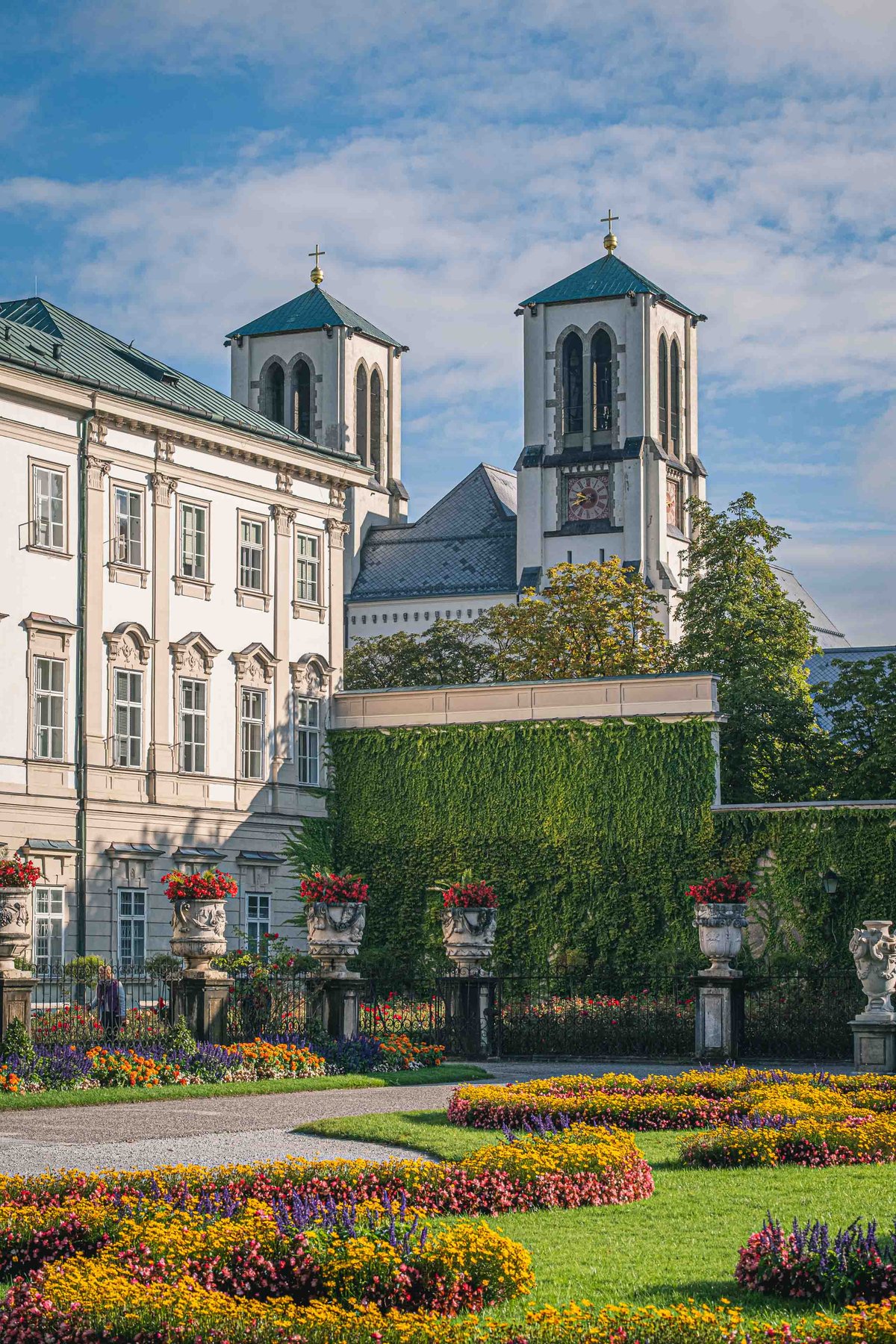
The formal baroque gardens adjoining Mirabell Palace, freely accessible to all visitors. Franz Anton Danreiter created the definitive layout around 1730. Famous as the location where Julie Andrews performed "Do-Re-Mi" in The Sound of Music. The view toward Hohensalzburg Fortress is one of the most photographed scenes in the city.

Salzburgfree

Mirabell Palace

Built 1606

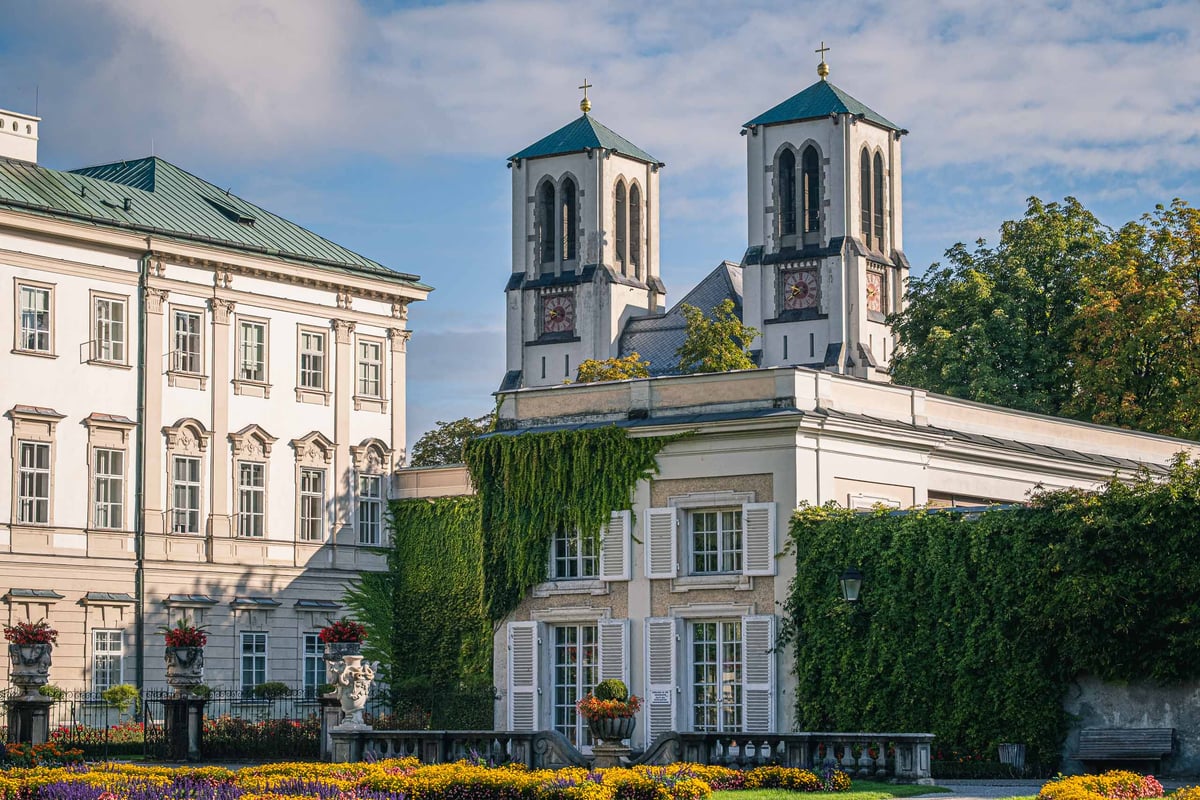
Built in 1606 by Wolf Dietrich von Raitenau as "Altenau," a palace for his mistress Salome Alt. Renamed "Mirabell" by Markus Sittikus. The current baroque building is largely the work of Johann Lukas von Hildebrandt (1721). Today it serves as Salzburg's city hall. The Marble Hall is one of the finest baroque rooms in Austria.

Salzburgfree

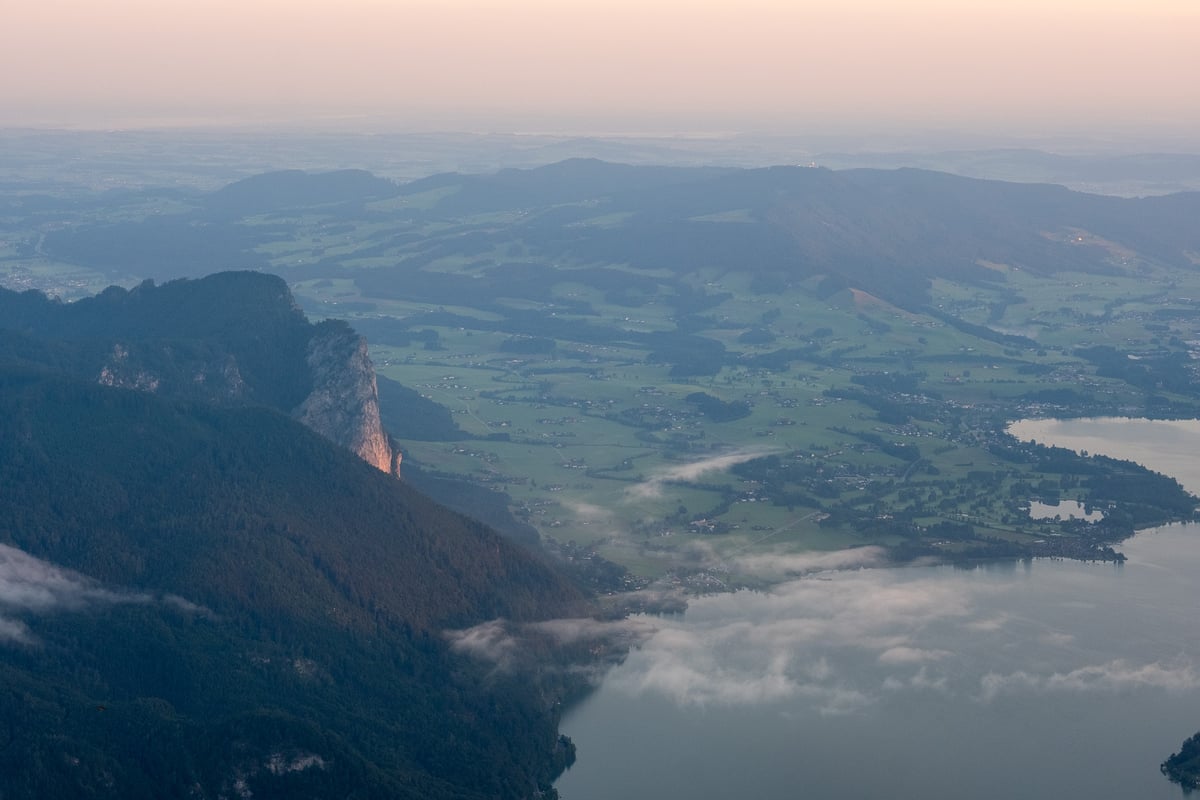
Mondsee

A crescent-shaped lake at the gateway to the Salzkammergut, "moon lake." One of the warmest major alpine lakes, reaching 27 degrees Celsius in summer. The Basilika Mondsee is visible from the shoreline. Prehistoric pile dwellings (UNESCO). Easy half-day from Salzburg.

Mondseefree

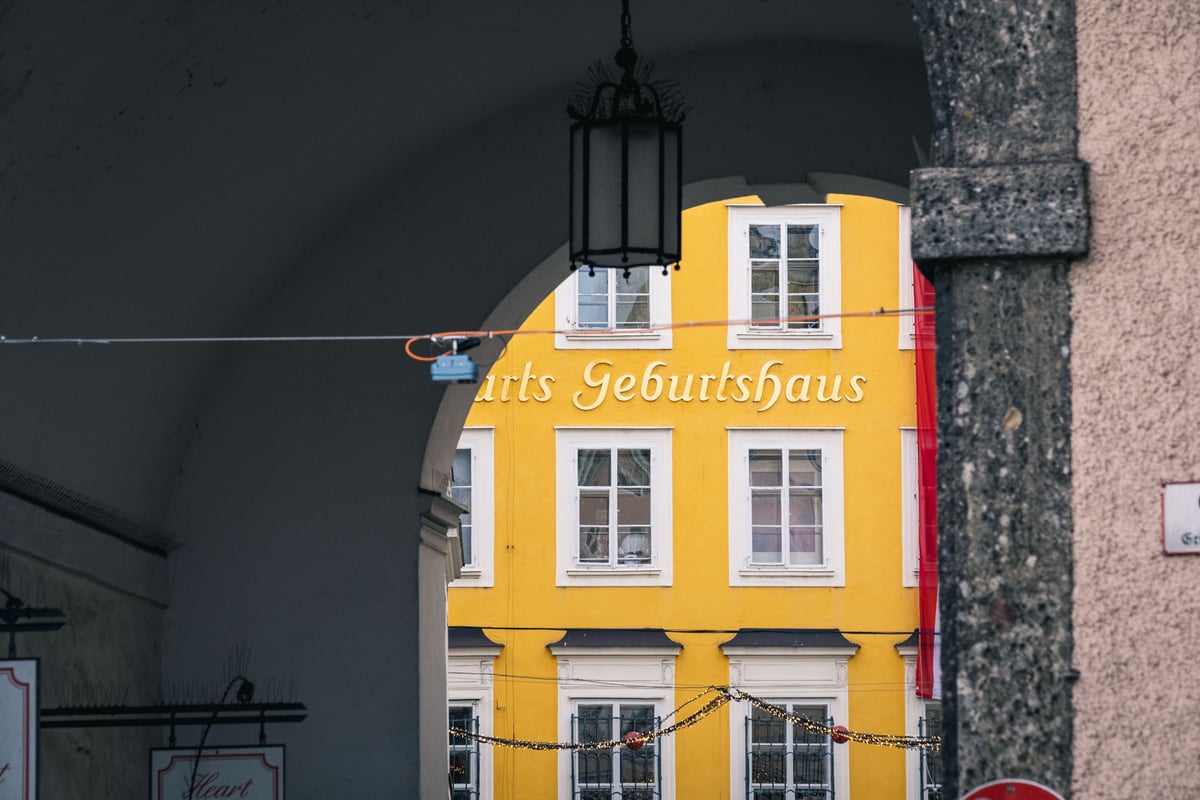
Mozart's Birthplace

Baroque

The third floor of Getreidegasse 9 is where Wolfgang Amadeus Mozart was born on 27 January 1756, and where he spent the first seventeen years of his life.

Salzburgpaid

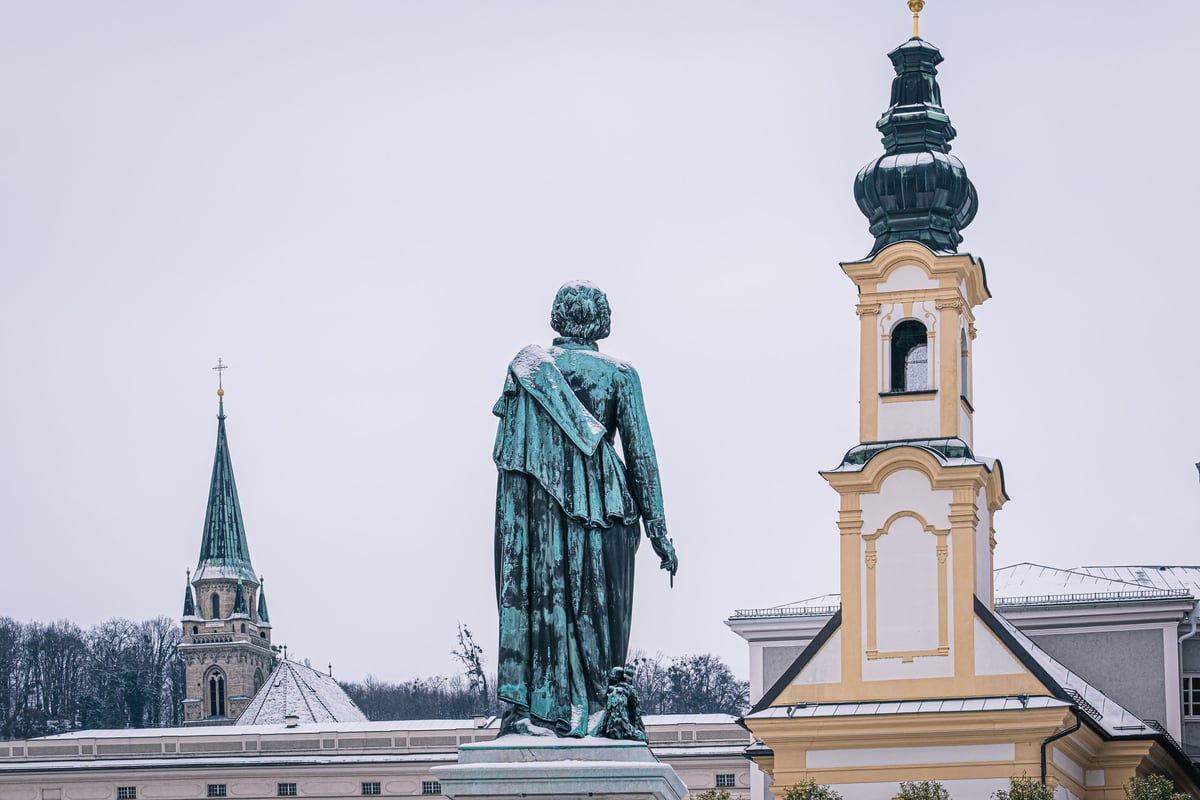
Mozartplatz

Monument unveiled 1842

The Mozart statue on Mozartplatz was unveiled in 1842, sixteen years after Beethoven's death, by a committee that included Franz Schubert among its supporters, a detail that says something about how quickly Mozart's reputation had been institutionalized into civic bronze.

Salzburgfree

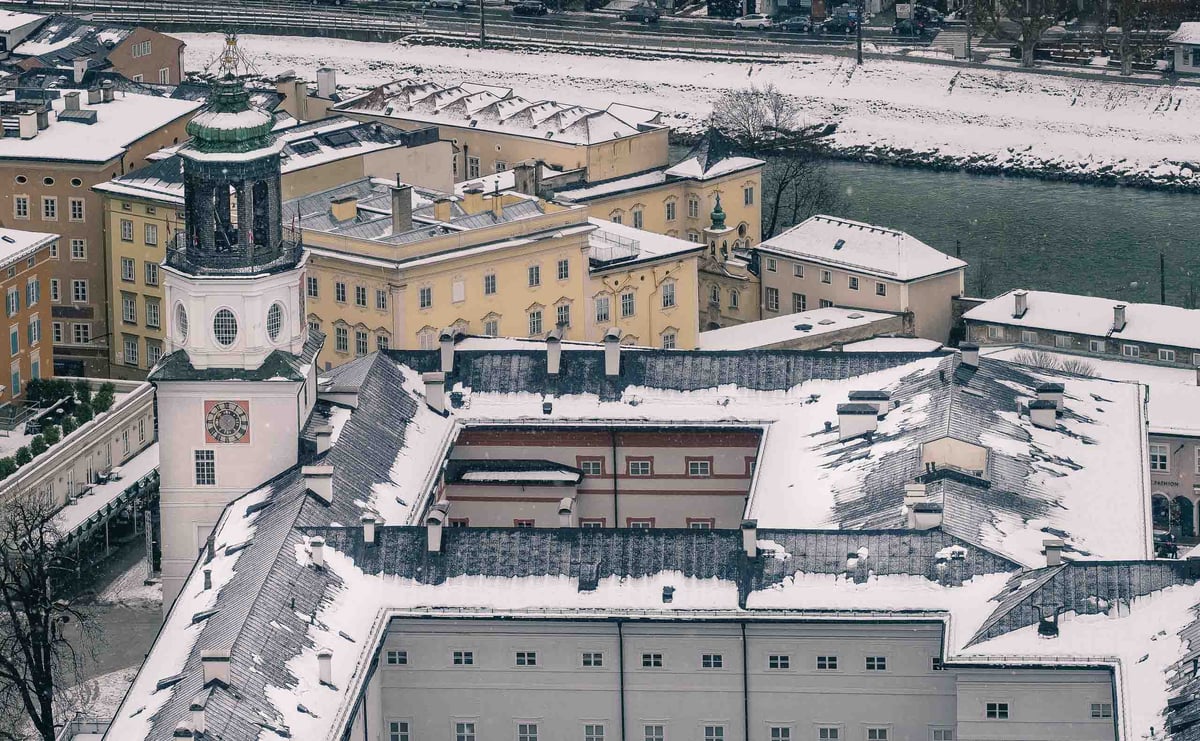
Neue Residenz & Glockenspiel

Built 1592-1602

The Glockenspiel plays three times a day from the Neue Residenz tower: at 7:00, 11:00, and 18:00. Thirty-five bells, cast in Antwerp in 1702, perform a rotating repertoire of pieces. The carillon is pleasant.

Salzburgfree

Neutor

Completed 1767

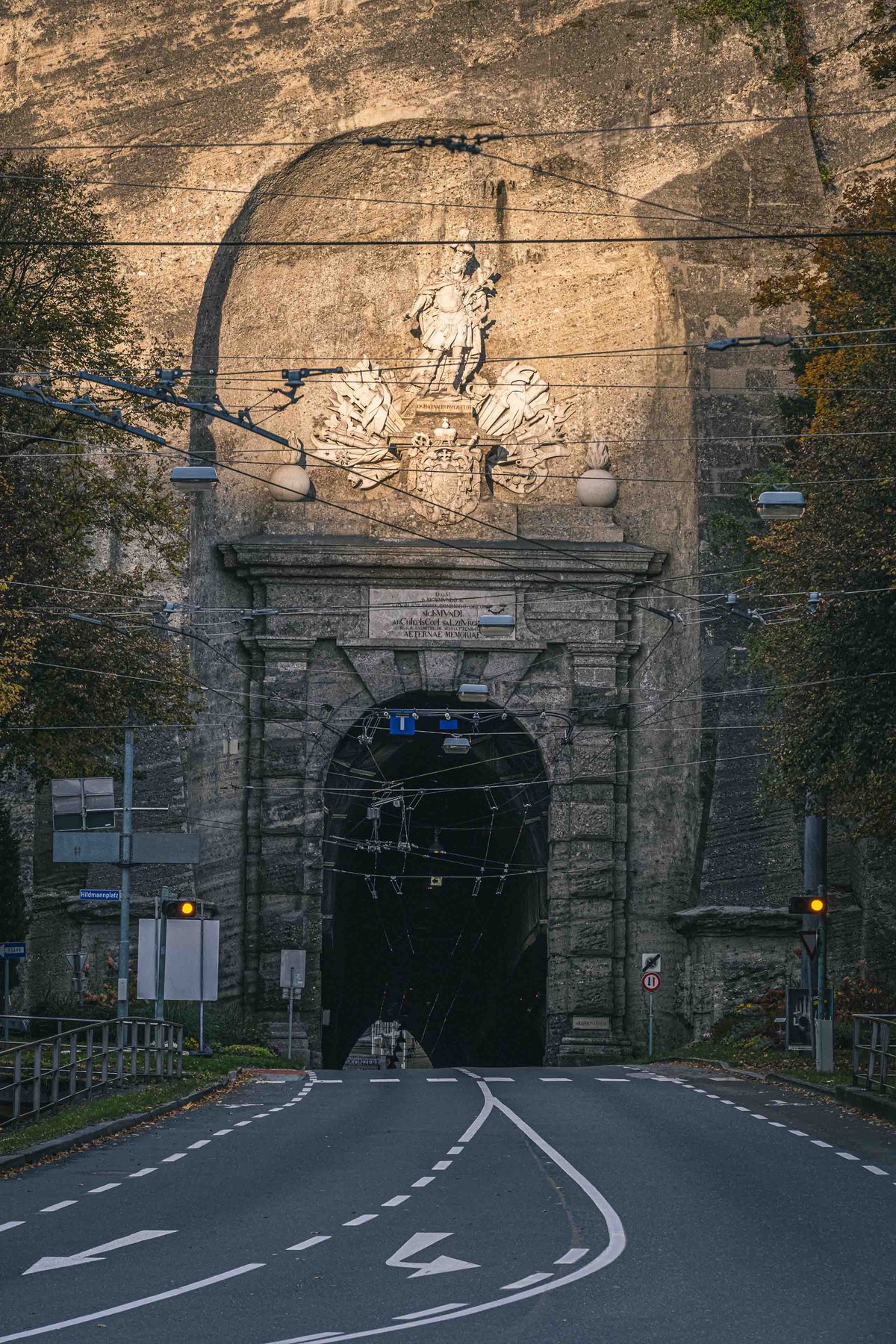
A baroque gateway and tunnel bored 131 metres through the solid rock of the Mönchsberg, commissioned by Archbishop Sigismund von Schrattenbach and completed 1767. Austria's oldest road tunnel. Designed by Johann Elias von Geyer with portals by Wolfgang Hagenauer.

Salzburgfree

Nonnberg Abbey

Founded c. 712 AD

Nonnberg Abbey has been a working convent since around 714, making it the oldest continuously operating women's monastery north of the Alps. That is not a tourist claim. The nuns are still there, and they open the church for visitors in the mornings, though the convent itself stays closed.

Salzburgfree

Pension Wolf

A family-run pension in the heart of the Altstadt. One of the few genuinely affordable options within the UNESCO-protected historic core. Simplicity, central location, and value.

Salzburg

Petersfriedhof

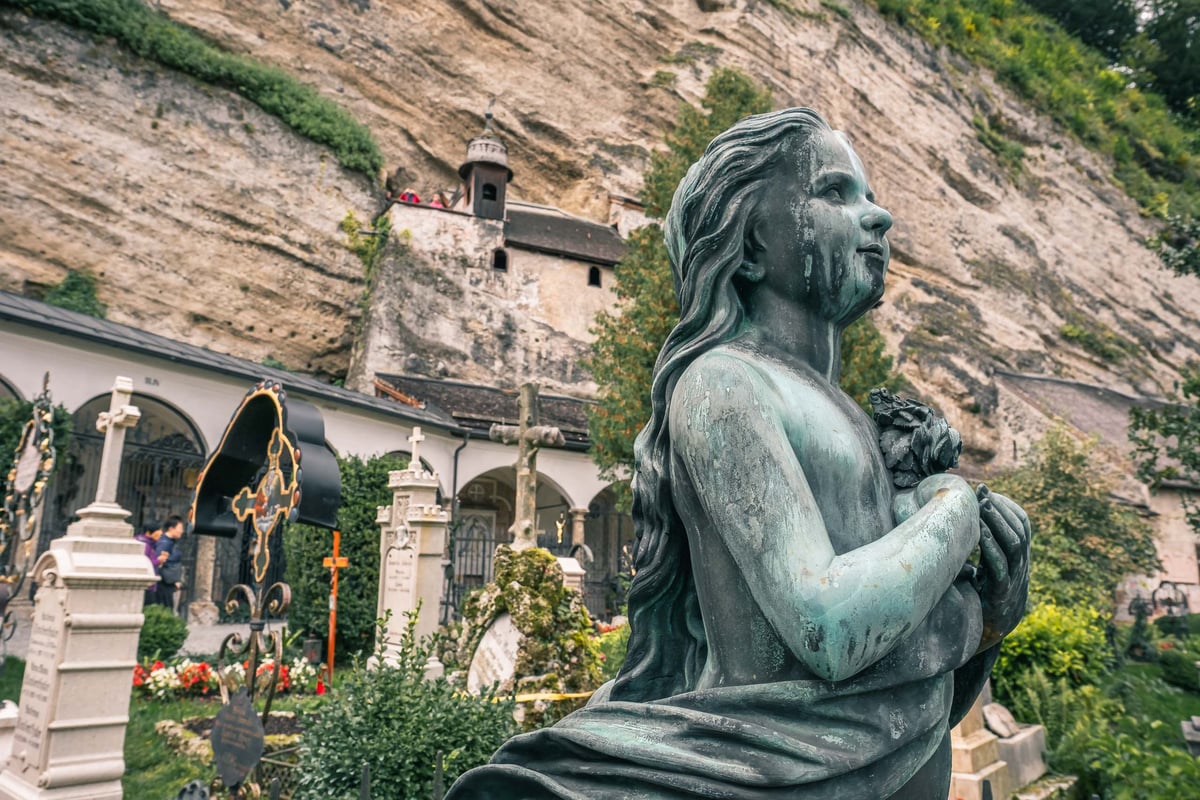
St. Peter's Cemetery in Salzburg has been continuously used since around 700 AD, making it one of the oldest Christian cemeteries in the German-speaking world. The graves press up against the cliff face of the Mönchsberg, where early Christian catacombs are carved directly into the rock.

Salzburgfree

Pfarrkirche Hallstatt

Hallstatt's parish church, Mariä Himmelfahrt (Assumption of Mary), is a 15th-century Gothic church with a late-Gothic winged altar attributed to the workshop of Michael Pacher, the South Tyrolean master who defined alpine late-Gothic painting in the late 1400s.

Hallstattfree

Pferdeschwemme

Completed 1695

A Baroque horse-washing pool on Herbert von Karajan Platz, completed in 1695 for Johann Ernst von Thun, the Prince-Archbishop who was one of Salzburg's most prolific builders.

Salzburgfree

Radisson Blu Altstadt Hotel Salzburg

Radisson Blu in the Altstadt. Unusual advantage for an international chain: UNESCO historic core location. Cathedral, Getreidegasse, and Festival venues all walkable. The building dates to 1377, originally a beer hall and later a private residence before conversion.

Salzburg

Residenz

Baroque

The official palace and seat of power of the Prince-Archbishops for over 200 years. Wolf Dietrich von Raitenau rebuilt it in grand baroque style. Wolfgang Amadeus Mozart performed for the Archbishop in these very rooms. Troger's frescoes look down from the state rooms. Today the Prunkraume and Residenzgalerie are open to visitors. Directly on Residenzplatz.

Salzburgpaid

Residenzbrunnen

Completed 1661

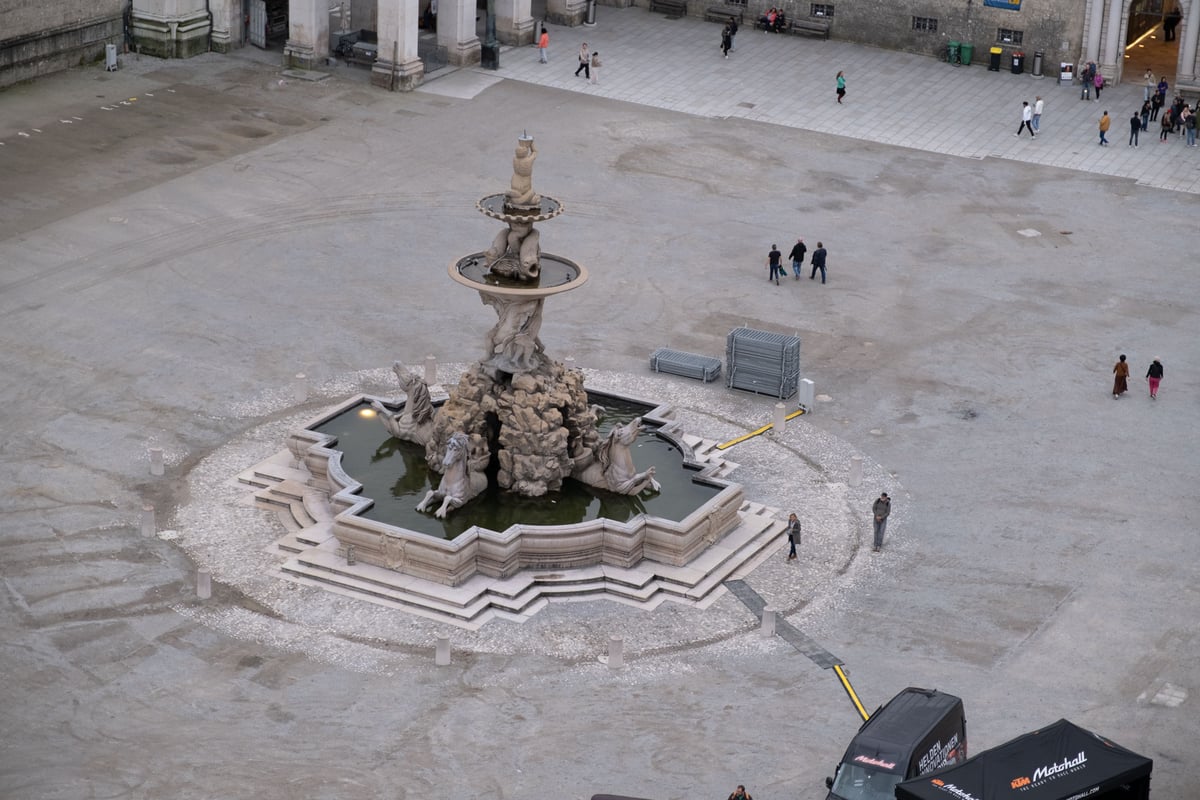
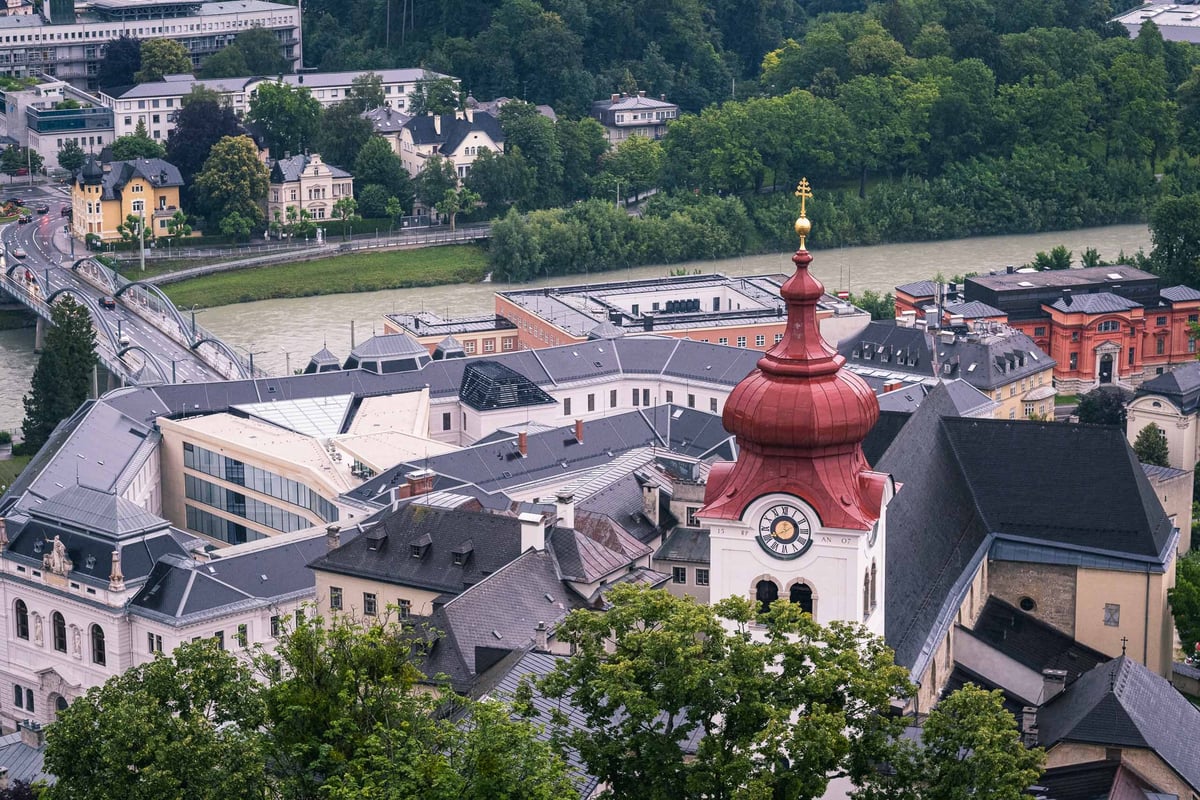
One of the largest baroque fountains north of the Alps, at the centre of Residenzplatz. Commissioned by Guidobald von Thun and completed in 1661 by Tommaso di Garona. Over eight metres tall, the visual centrepiece of Salzburg's grandest square.
Salzburgfree

Residenzplatz

Archbishop Wolf Dietrich von Raitenau demolished 55 houses and Salzburg's medieval cemetery in 1587 to build this square. He had been to Rome and wanted Salzburg to have a proper Italian piazza.
Salzburgfree
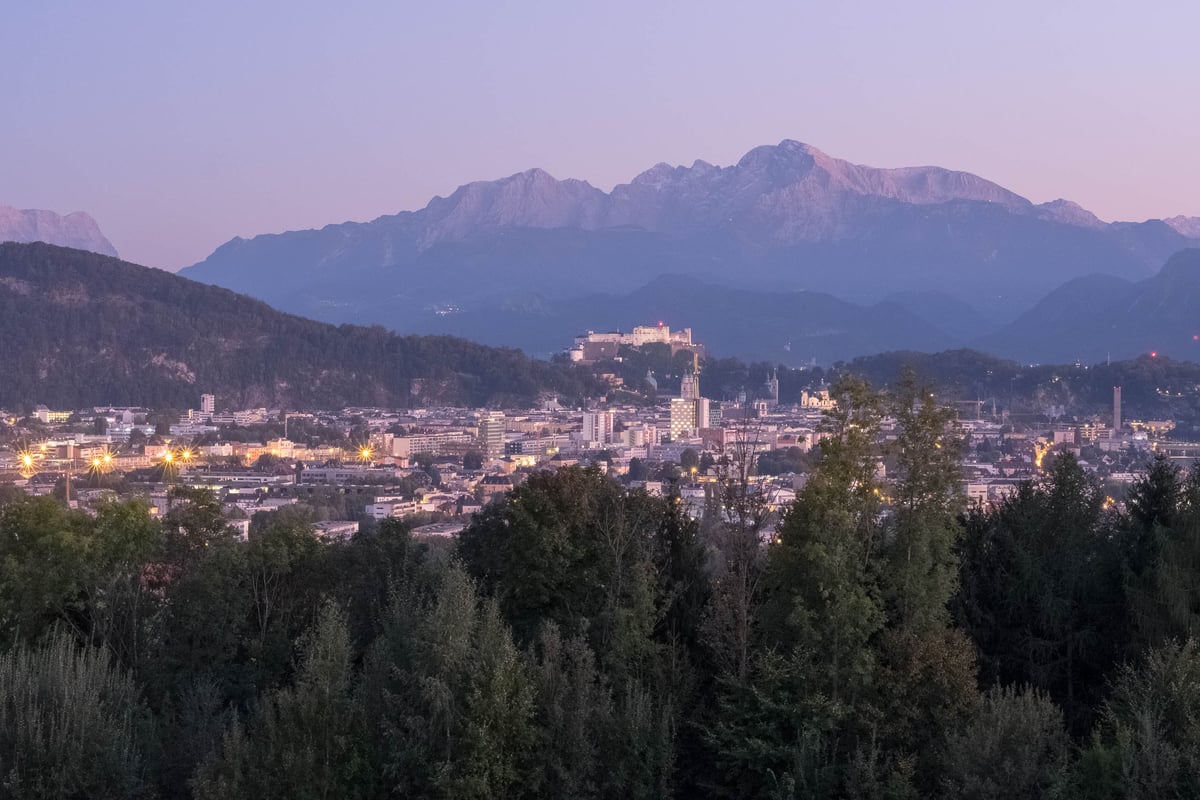
Salzburg cityscape with fortress and Untersberg mountain under pink alpenglow at dusk
city

Salzburg is the city where the Counter-Reformation built its most complete surviving expression: a Baroque ensemble of cathedral, residences, churches, and abbey that still reads as a coherent program, not just a collection of individual buildings.

Salzburg

Salzburg

Salzburg Cathedral

Consecrated 1628

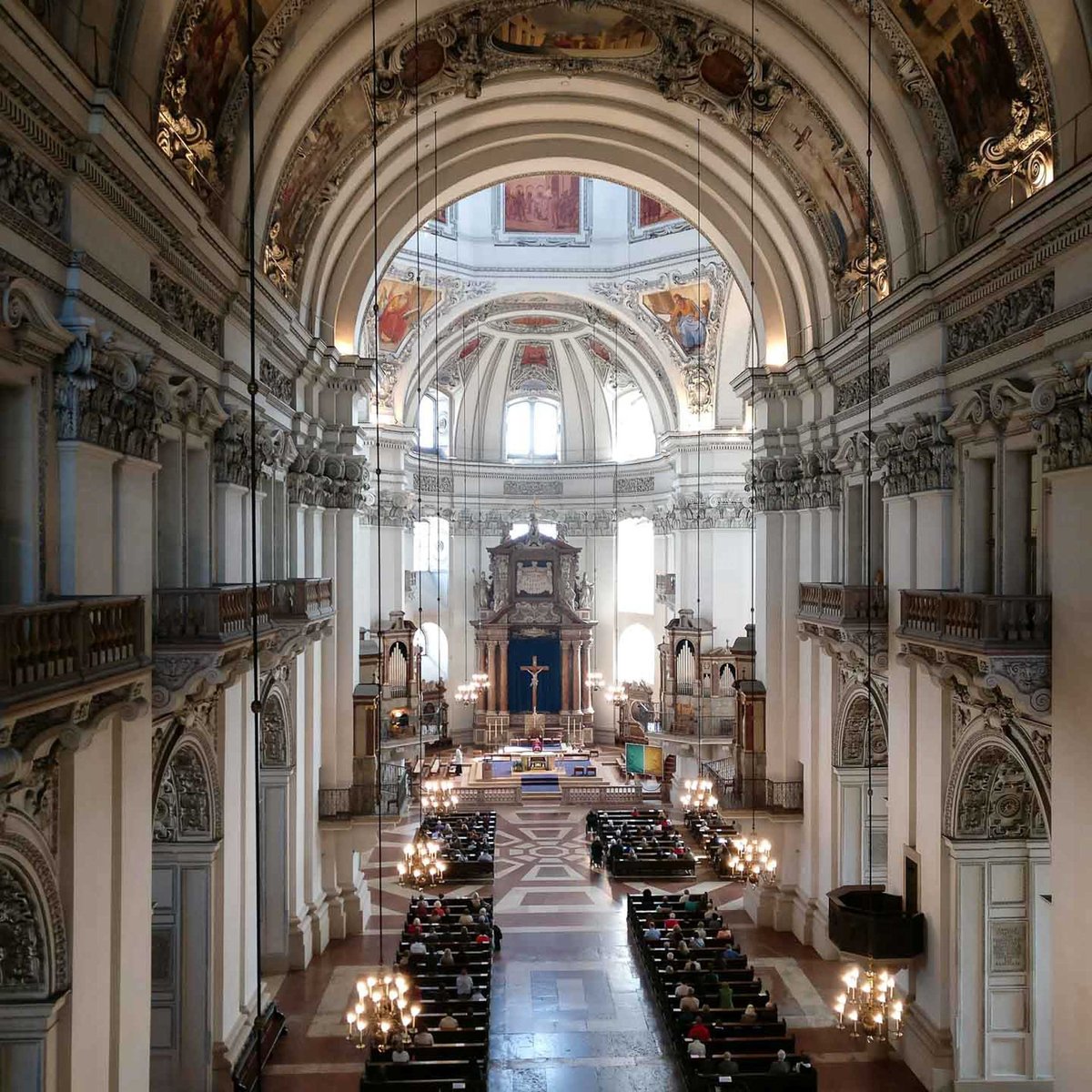
The first baroque cathedral built in the German-speaking world, and the dominant church at the heart of Salzburg's Altstadt. Wolfgang Amadeus Mozart was baptised here on 28 January 1756. The site has held a cathedral since 774, when Saint Virgil of Salzburg consecrated the first one.

Salzburgfree

Salzburg Marathon

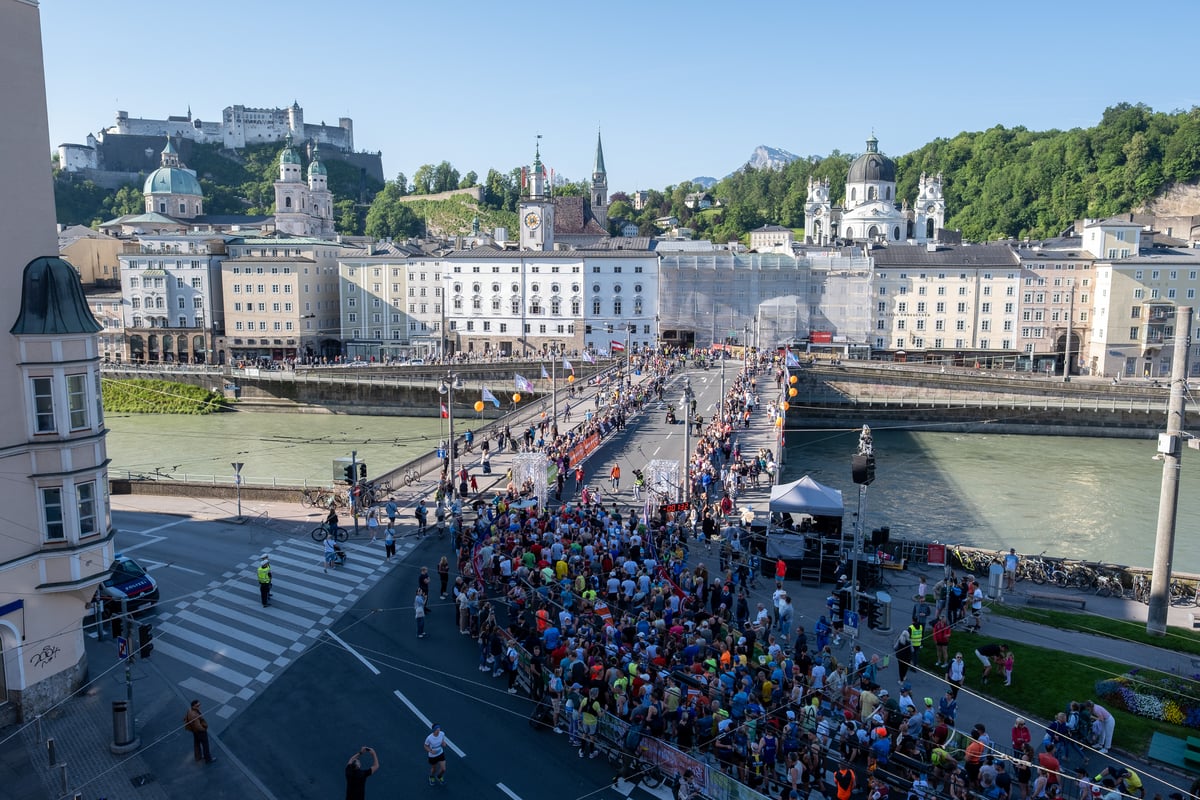
Annual marathon, half marathon, and race series. Late April/early May. Through the UNESCO Altstadt and along the Salzach. One of the most scenic marathon courses in the German-speaking world. Multiple distances. City-centre finish.

Salzburg

Salzburg Museum

The Salzburg Museum is closed for full renovation until approximately spring 2027. It is Salzburg's main museum of city history and culture, housed in the Neue Residenz on Mozartplatz. Permanent exhibitions trace the city from prehistoric salt trading through the Prince-Archbishop era to modernity.

Salzburgpaid

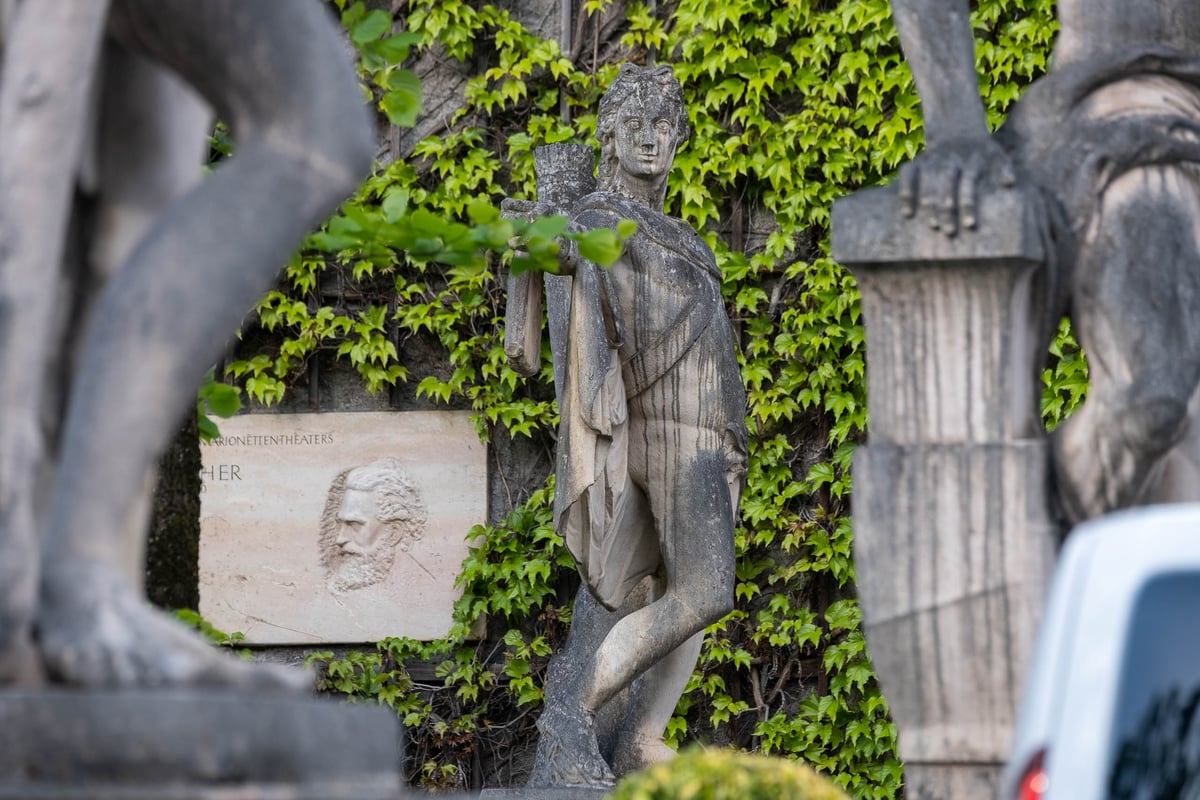
Salzburger Marionettentheater

Founded 1913

One of the world's most celebrated puppet theatres, founded in 1913 by Anton Aicher and still run by his descendants. Performs elaborately staged Mozart operas and classics using intricately crafted marionettes. A UNESCO-recognised form of intangible cultural heritage.

Salzburgpaid
region

The alpine lake district spanning Salzburg State, Upper Austria, and Styria. 76 lakes. UNESCO World Heritage (Hallstatt-Dachstein). Bad Ischl, Hallstatt, Wolfgangsee, Mondsee, Attersee, Dachstein. The Habsburg summer retreat. Salt, music, and landscapes that shaped Austrian identity.

Salzkammergut

39 km from Salzburg

Salzwelten Hallein

The Hallein salt mine on the Dürrnberg plateau above town has been in operation since roughly 600 BC, and at one point it was the economic engine that made the entire Salzach valley worth controlling.

Bad Dürrnbergpaid

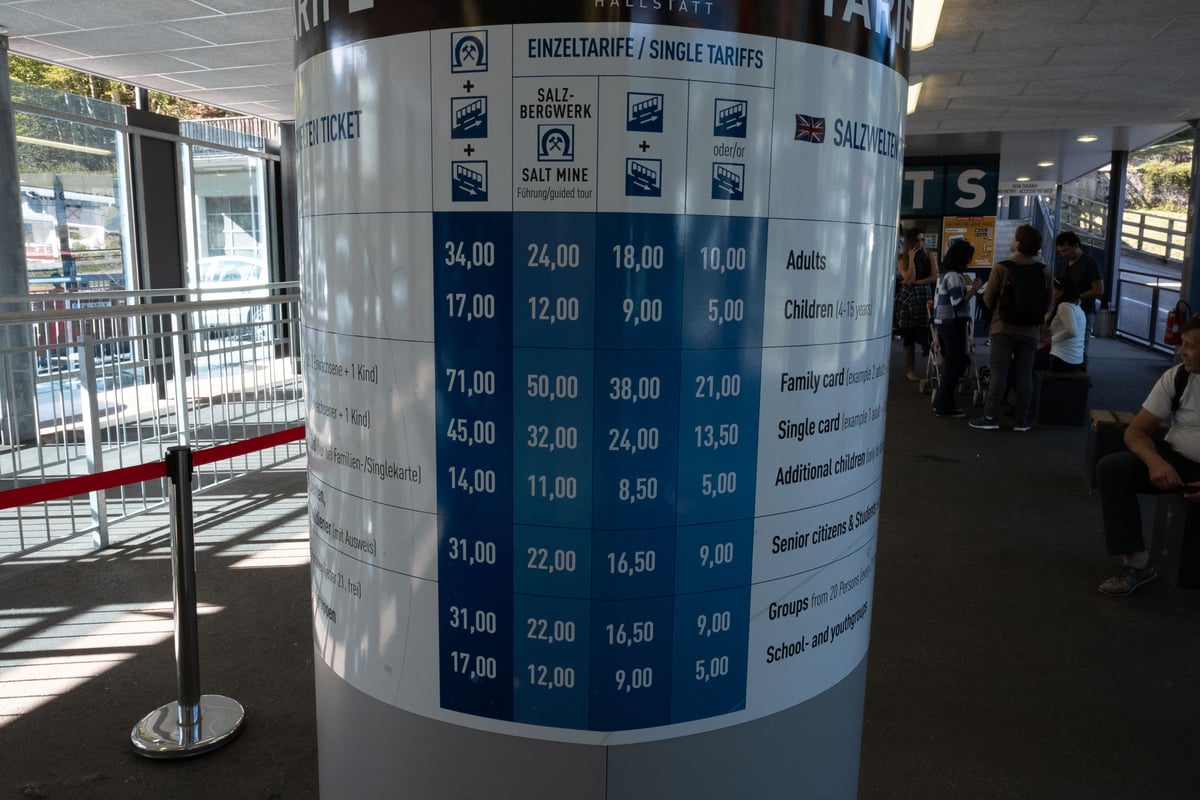
Salzwelten Hallstatt

Archaeologists have found evidence of salt extraction in the mountain above Hallstatt going back roughly 7,000 years, which makes this either the world's oldest or one of the oldest documented salt mines depending on how you count.

Hallstattpaid

Seehotel Grüner Baum

One of the most photographed hotel positions in Austria: directly on Hallstatt's famous waterfront. UNESCO village rising behind, Hallstatter See in front. Staying overnight gives the village at its most magical: quiet mornings when the coach crowds have gone.

Hallstatt

St. George's Chapel

Built c. 1501-1502

The fortress chapel inside Hohensalzburg Fortress, built in 1501-1502 under Leonhard von Keutschach. Decorated with the beetroot coat of arms that appears 58 times throughout the fortress. The only church in Salzburg with an entrance fee.

Salzburgpaid

Stift St. Peter (St. Peter's Abbey)

Founded c. 696 AD

The oldest continuously existing monastery in the German-speaking world. Founded by Saint Rupert of Salzburg around 696 AD. The church interior is the work of Beda Seeauer (rococo redecoration, 1760-1782). Michael Haydn is buried in the crypt. Altomonte's altar paintings enrich the abbey church. The Stiftskeller St.

Salzburgfree

Stiftskeller St. Peter

Documented since 803 AD

Claimed to be the oldest restaurant in Europe, documented since 803 AD. Located at Stift St. Peter, tucked into the Mönchsberg cliff. Mozart is believed to have dined here. Still run in association with the Benedictine monks.
Salzburgaustrian

Toscaninihof

An intimate baroque courtyard named after Arturo Toscanini, tucked between the Kollegienkirche and the Festival district. Connects through to the stage entrance of the Felsenreitschule. Largely unknown to visitors.
Salzburgfree

Universitätsplatz

The elongated square behind Getreidegasse, flanked by Johann Bernhard Fischer von Erlach's Kollegienkirche. Home to the Grünmarkt, Salzburg's beloved daily open-air market. One of the most authentically lively spaces in the Altstadt.

Salzburgfree
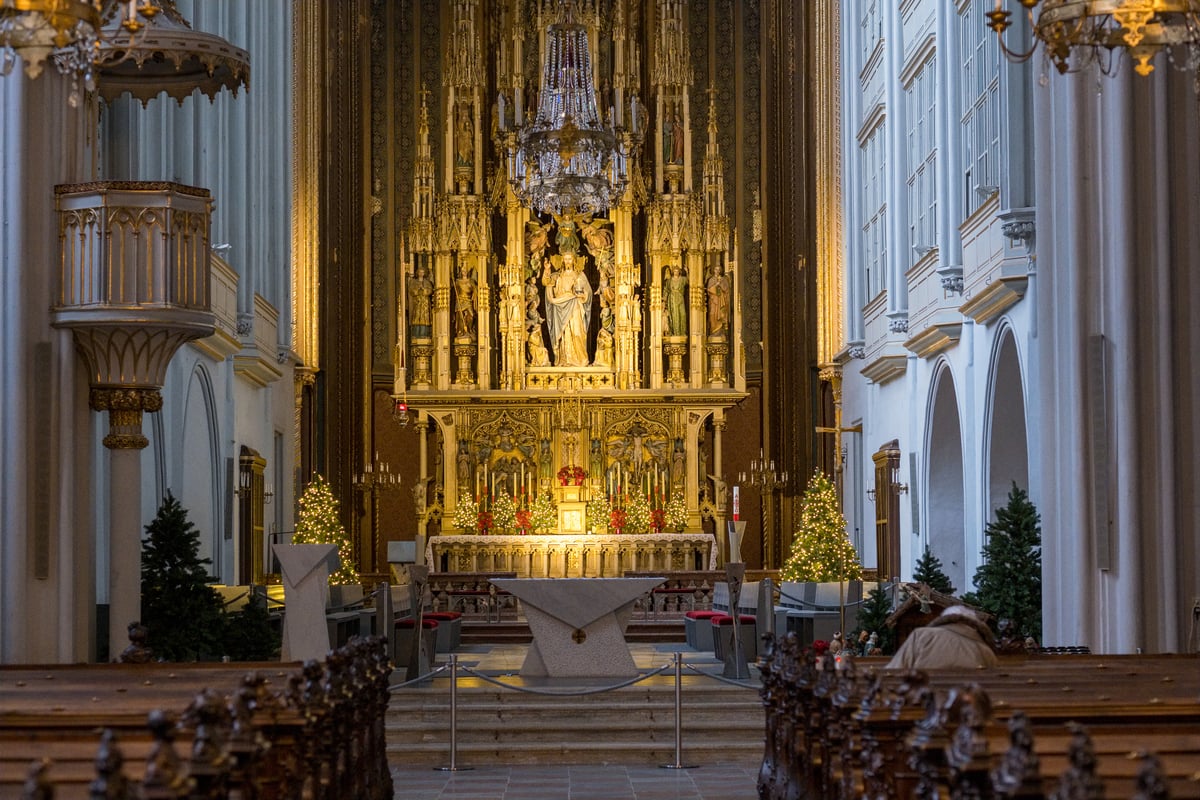
A towering gilded neo-Gothic high altar with a blessing figure of Christ holding an orb glows at the end of a white columned nave in a Vienna church, flanked by lit Christmas trees and a crib.
city

Vienna is both a city and a Bundesland, one of three city-states in Austria alongside Vienna-as-a-state, which is to say it governs itself without a surrounding state structure. As a state-level entry in the RA destination hierarchy, it serves as the parent for Vienna City (the full city content lives there).

Vienna

252 km from Salzburg

Waagplatz

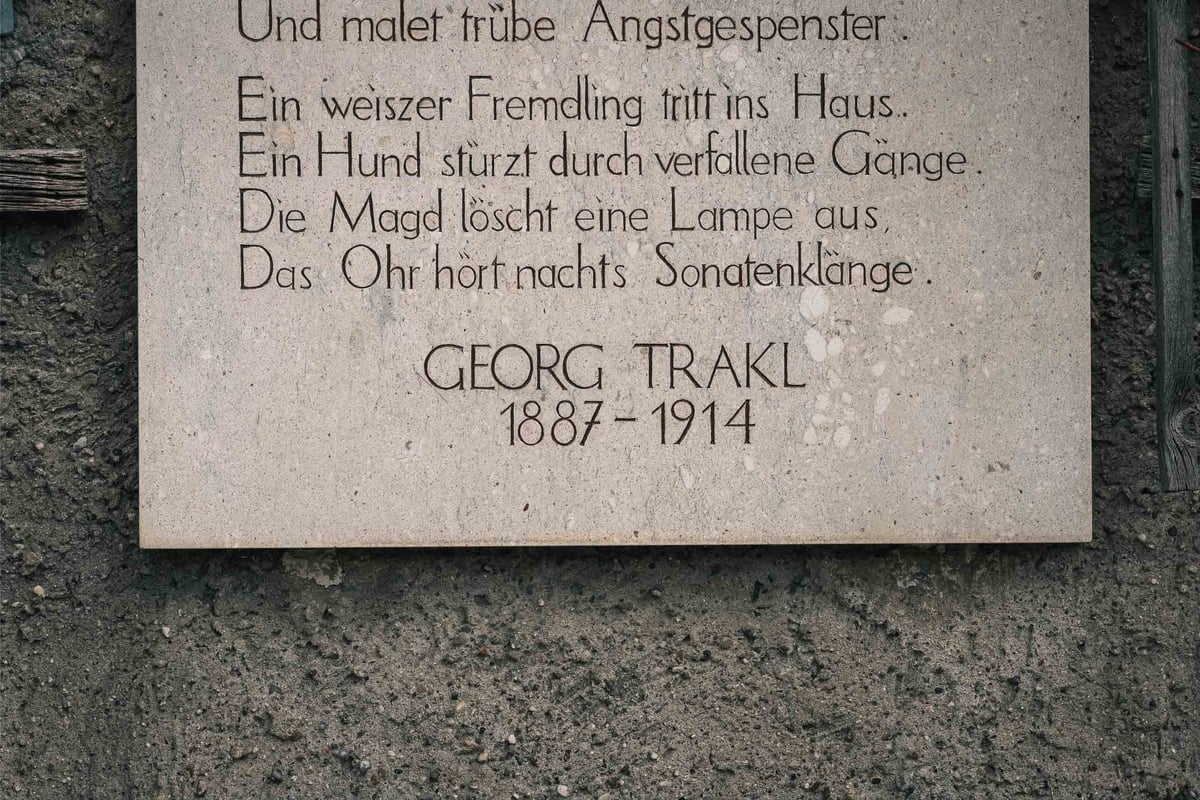
A small square in the Altstadt, off the main tourist routes. Notable as the location of the Georg Trakl Haus, birthplace of Salzburg's greatest poet. Named for the historic weighing station once located here.

Salzburgfree

Zwerglgarten (Dwarf Garden)

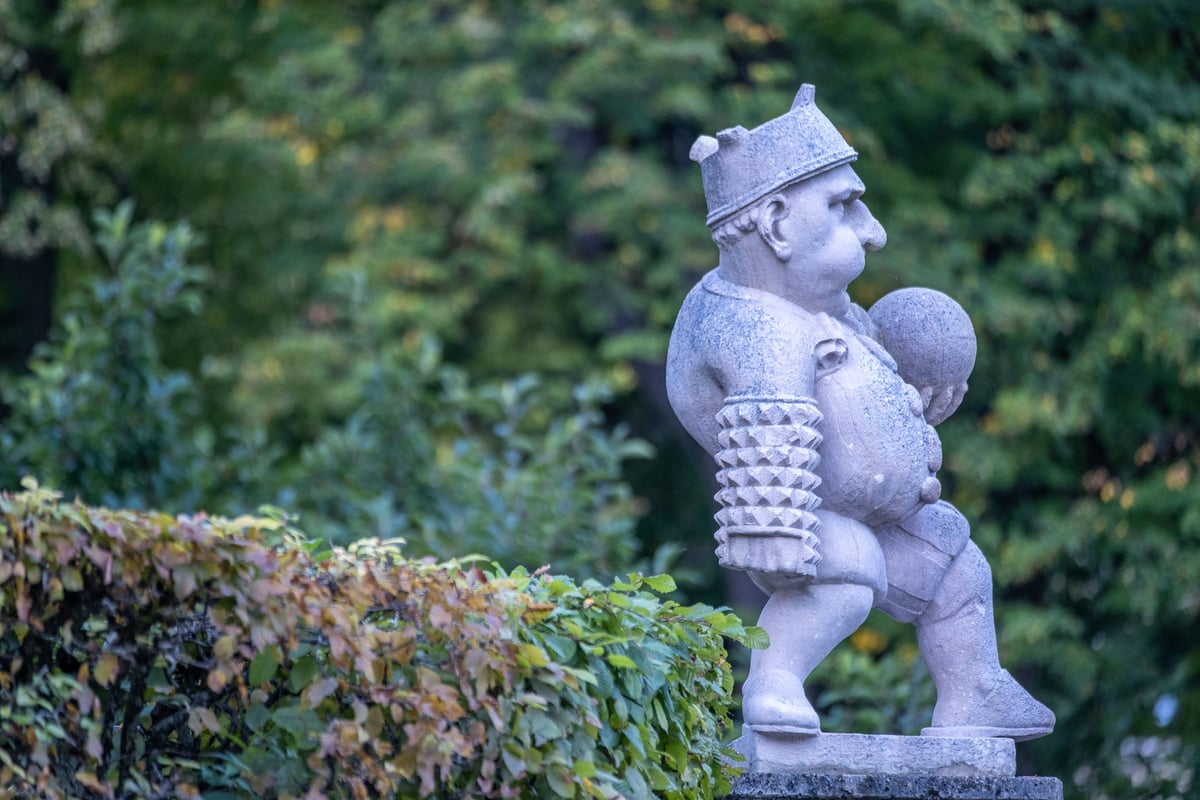
A small walled garden within the Mirabell grounds displaying the surviving marble dwarf figures, carved around 1690 by Ottavio Mosto, Bernhard Michael Mandl and others. 28 originally, 17 today. Simultaneously grotesque, humorous, and oddly moving. Tucked behind the main garden, easily missed, and all the more rewarding for that.

Salzburgfree

The records

People tagged UNESCO

The defining architect of Austrian Baroque. Fischer von Erlach built four major churches in Salzburg, all commissioned by Johann Ernst von Thun, including the Kollegienkirche and the Dreifaltigkeitskirche. The partnership between patron and architect gave Salzburg the architectural character it retains today.

Johann Lukas von Hildebrandt

architect1668 - 1745

Leading Austrian baroque architect and contemporary rival of Fischer von Erlach. Designed the rebuilt Mirabell Palace in its current baroque form (1721) after a fire destroyed the earlier structure. Also known for Vienna's Belvedere Palace.

Santino Solari

architect1576 - 1646

The Italian master builder who designed and built Salzburg Cathedral (1614-1628) and Hellbrunn Palace (1613-1619), two of the most important buildings in the city. He is buried in St. Peter's Cemetery.