Topic

Sacred Heritage

75 entries tagged Sacred Heritage on Introducing Salzburg.

Andräkirche

Built 1898-1902

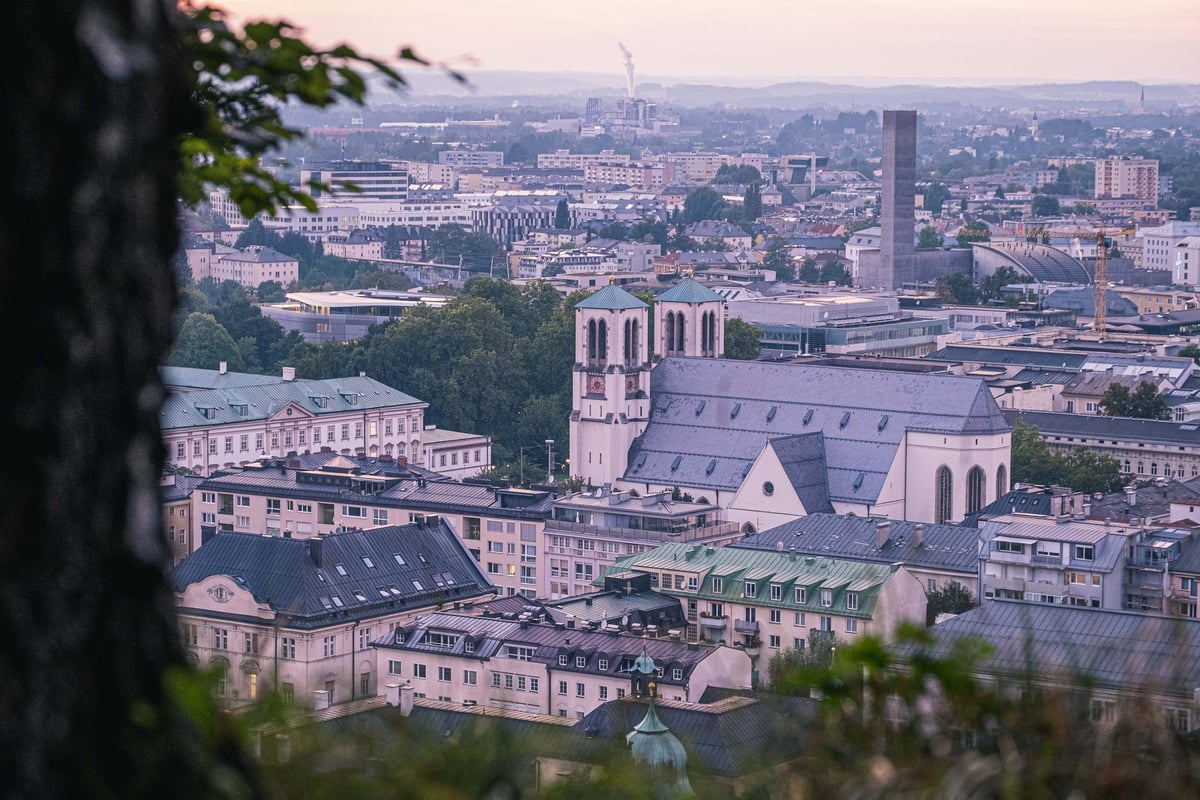
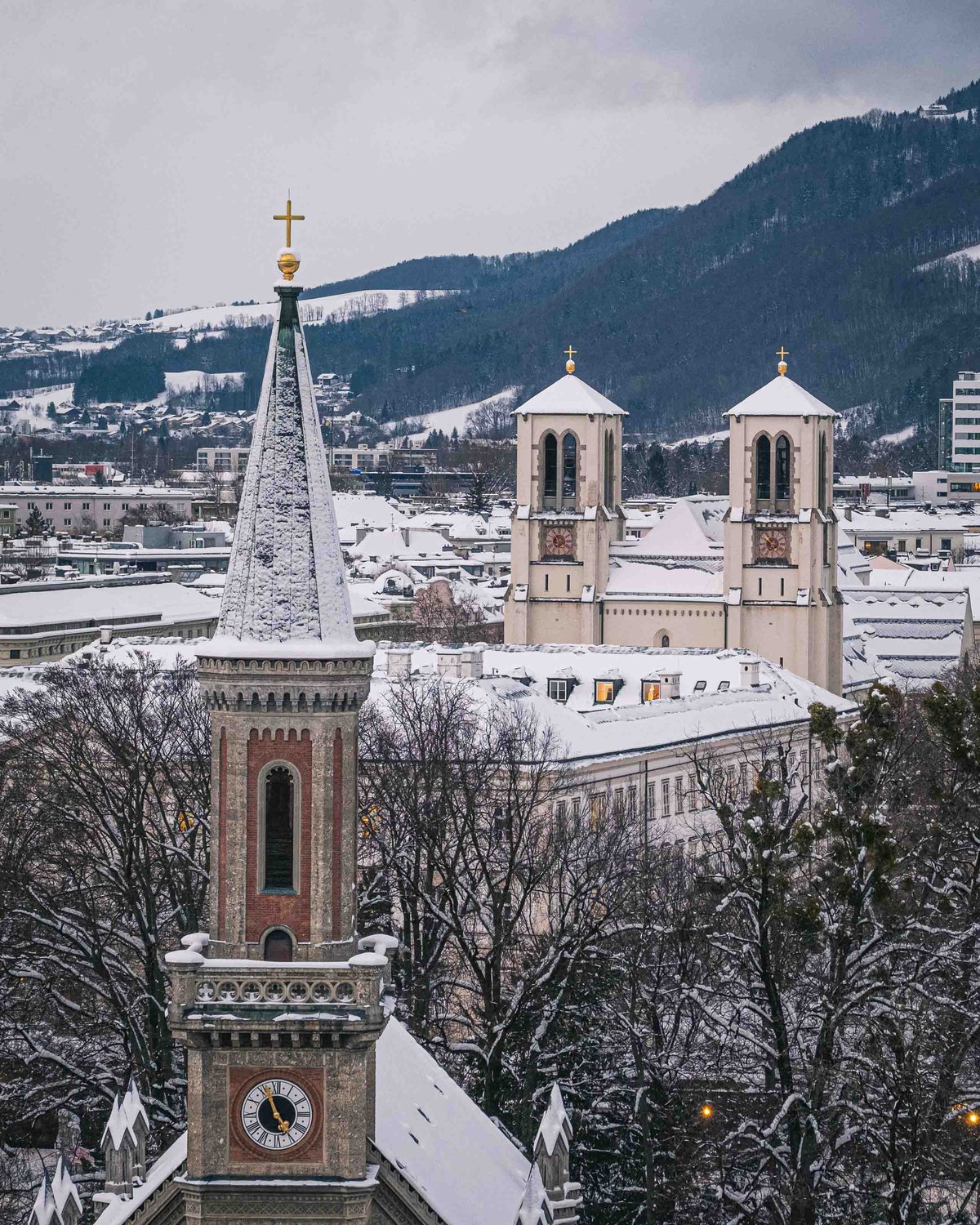
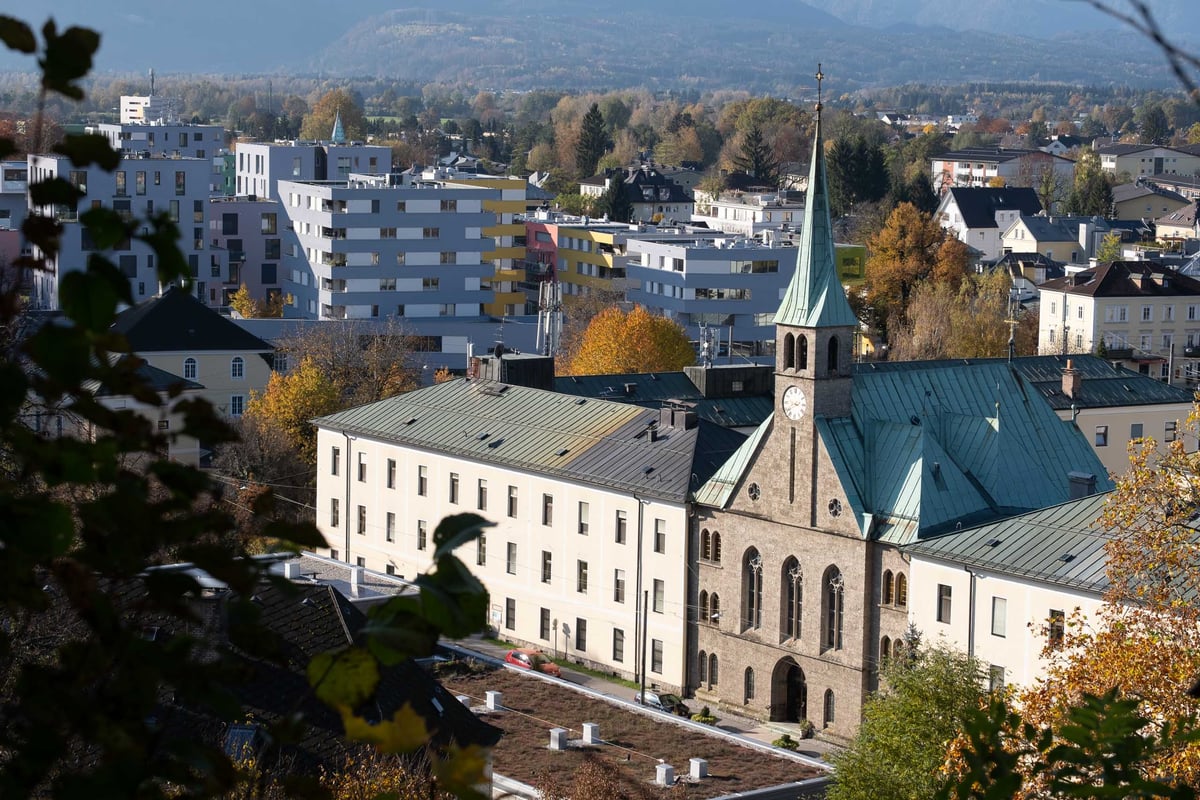
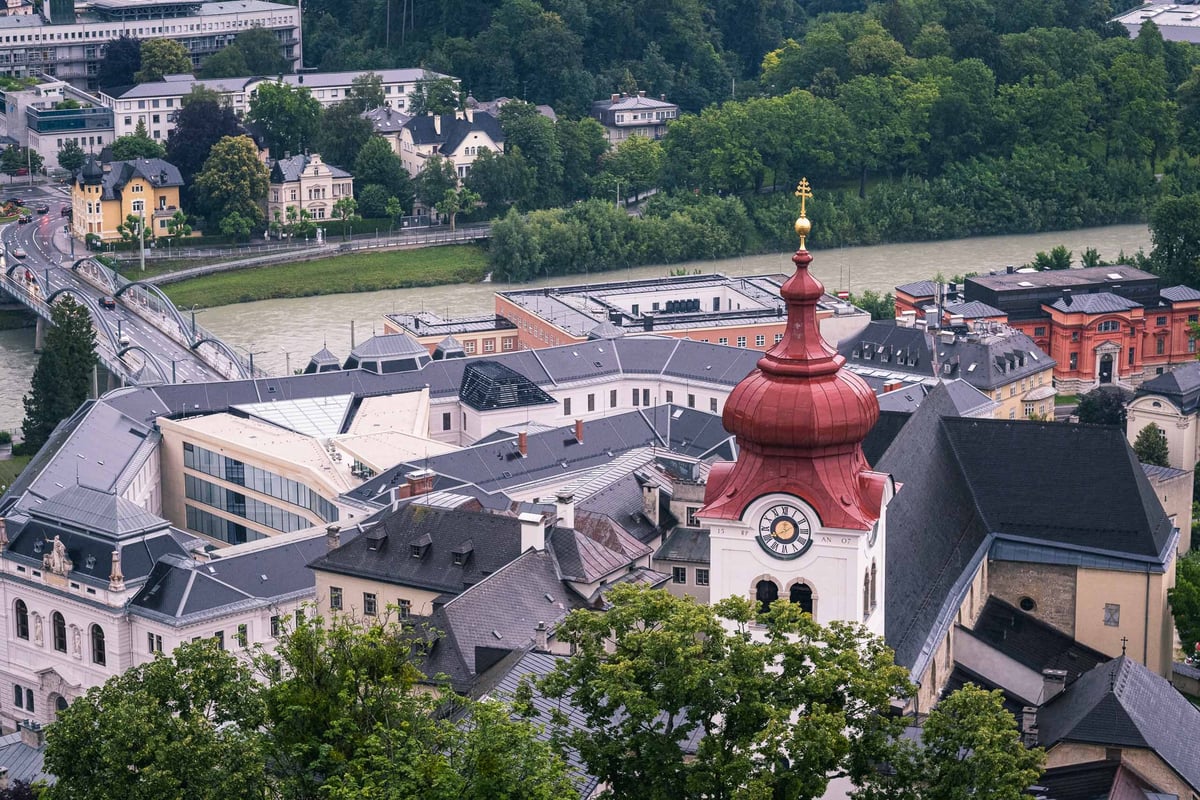
The parish church of the Lehen district, a neo-Gothic structure built 1898-1902 as Salzburg's working-class neighbourhoods expanded north of the Altstadt. The distinctive red-brick tower is a local landmark.

Salzburgfree

Basilika Mondsee

Founded 748 AD

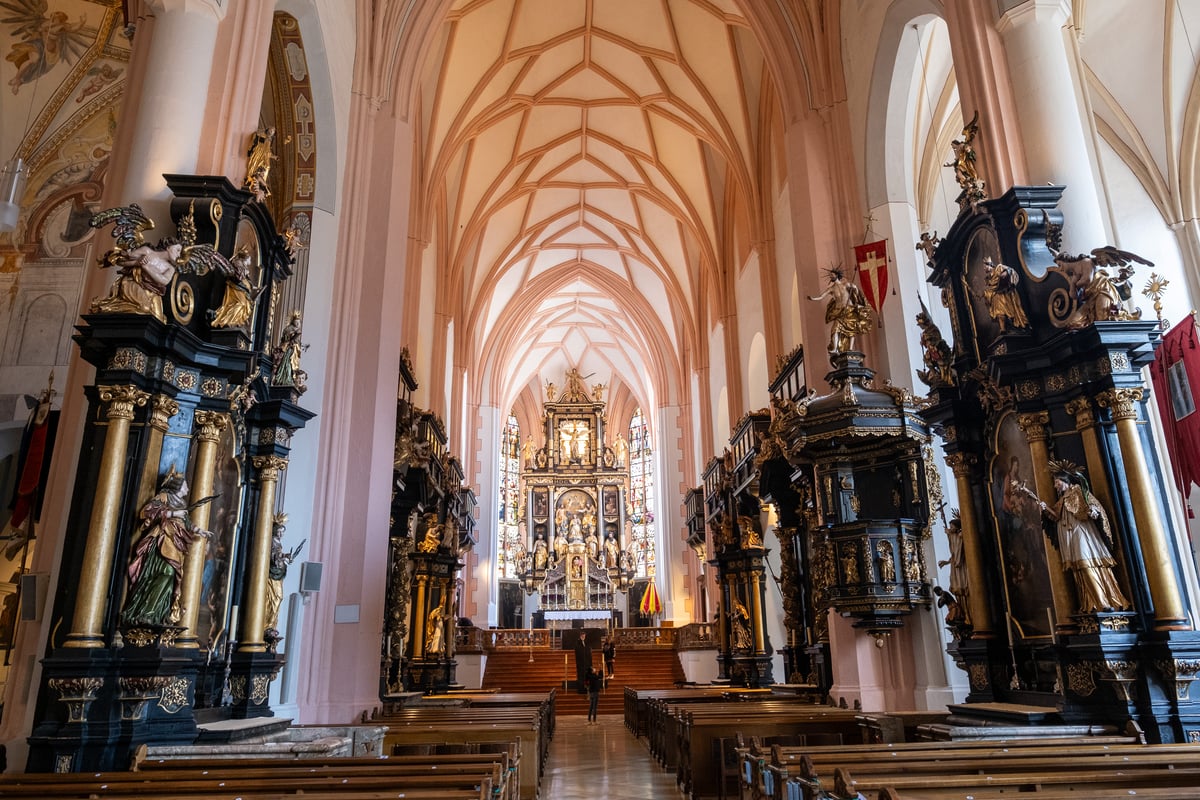
Most people arrive at the Basilika Mondsee because of The Sound of Music: the wedding scene in the 1965 film was shot in this church, and the Marktplatz in Mondsee village now has a small museum devoted to the film. The basilica is genuinely worth visiting for reasons that have nothing to do with Hollywood.

Mondseefree
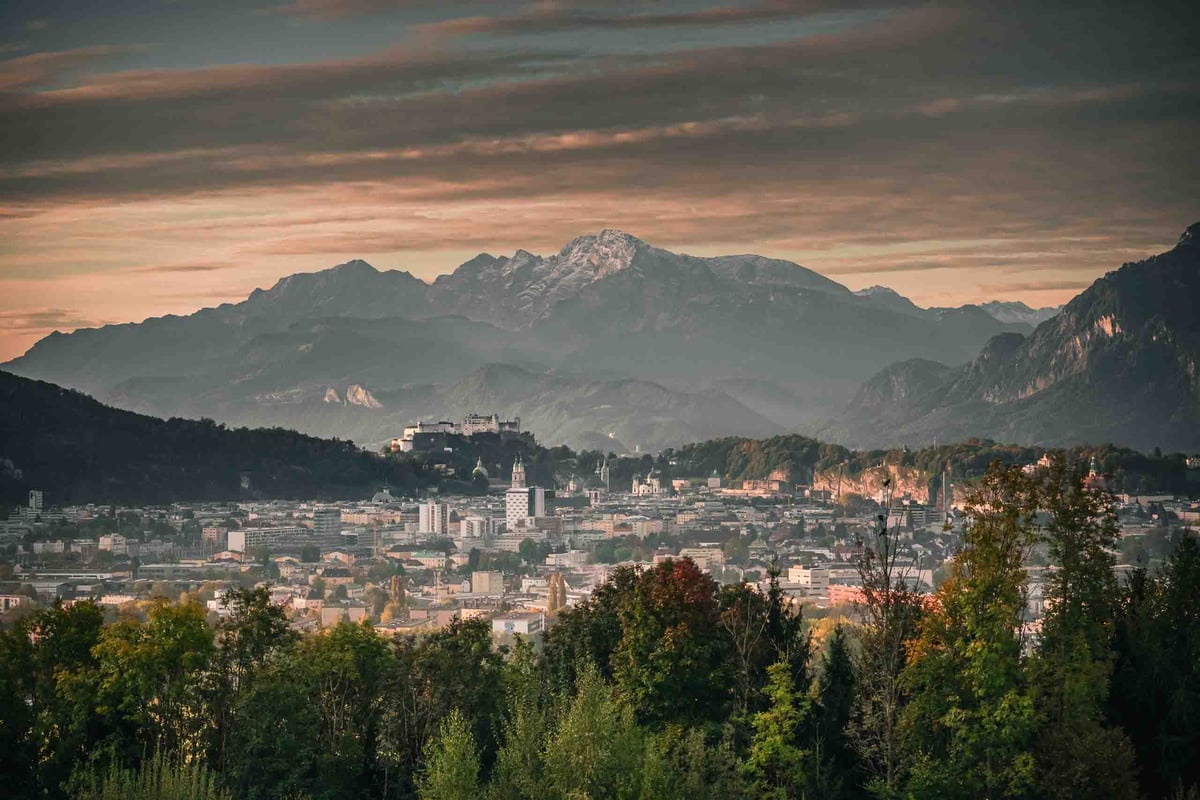
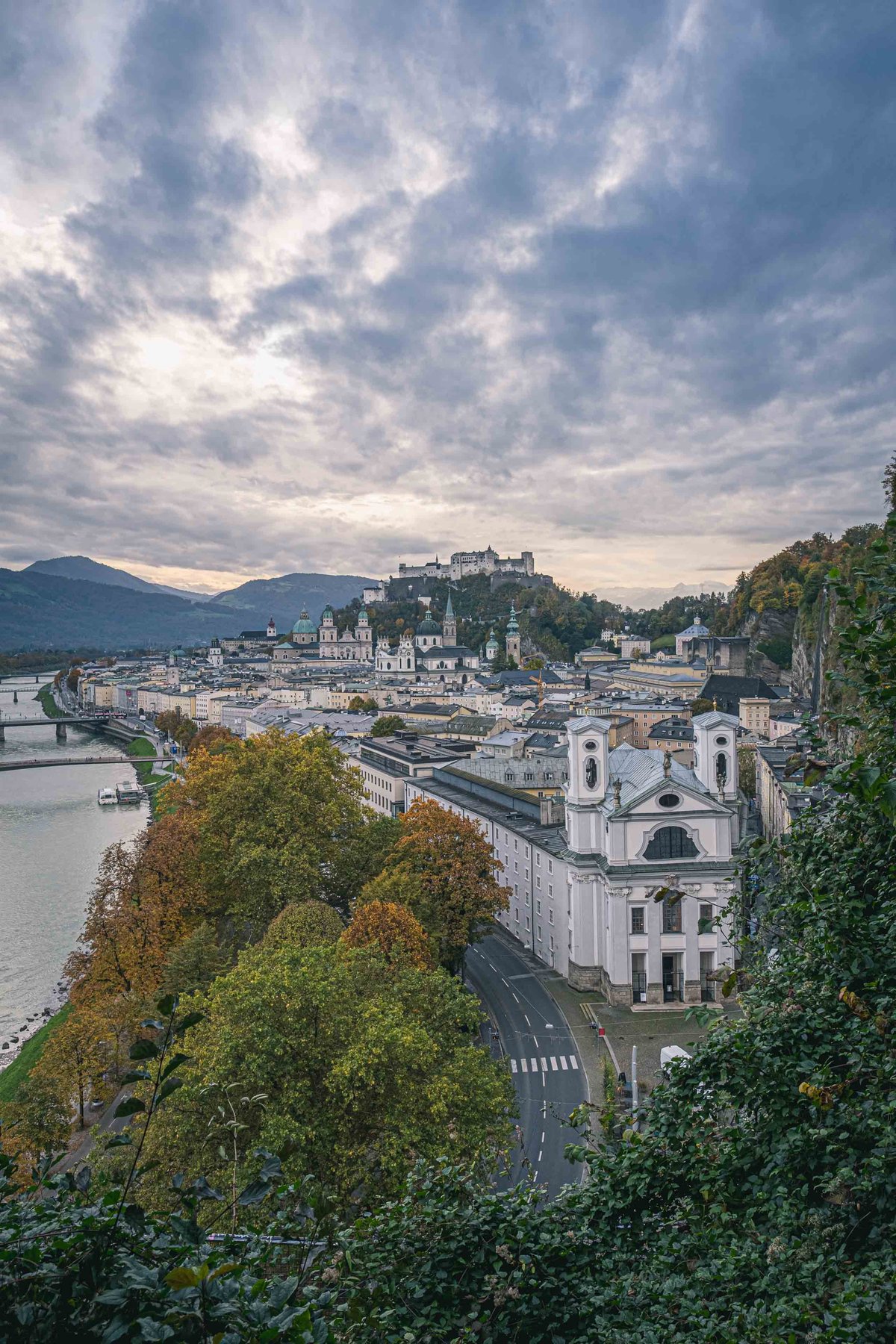
Sunset view from Maria Plain hill over Salzburg city toward Hohensalzburg and Untersberg.
village

Village north of Salzburg. Home to the Wallfahrtskirche Maria Plain on the Plainberg hill.

Bergheim

5 km from Salzburg

Bible World Salzburg

A biblical museum and educational exhibition exploring the history, text, and cultural significance of the Bible. Part of the Archdiocese of Salzburg's educational offering.

Salzburgpaid

Bürgerspitalkirche

Dating to c. 1330

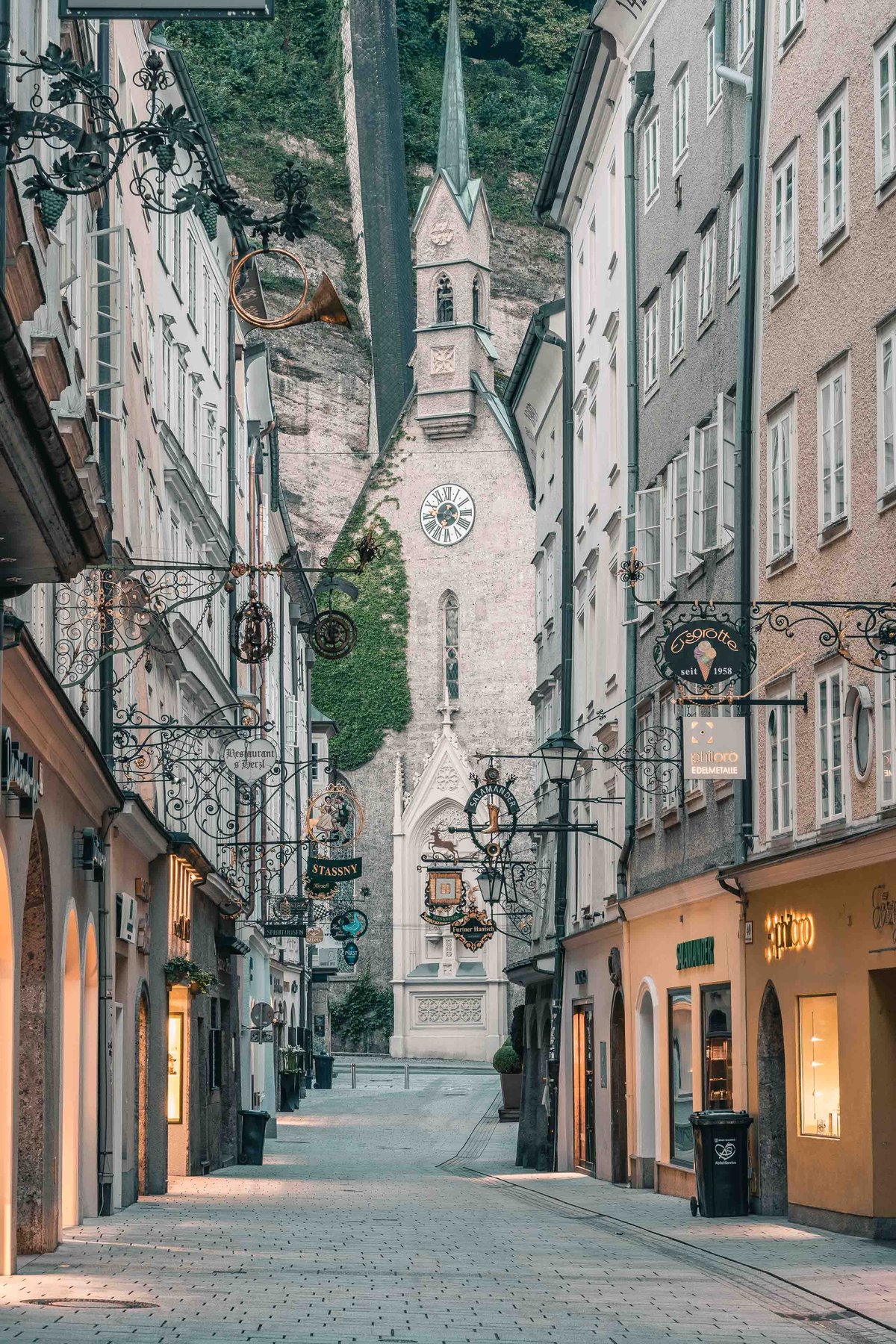
The Gothic church of the former citizens' almshouse, dating to around 1330. One of the oldest Gothic buildings in Salzburg, tucked into the western end of the Altstadt near Getreidegasse.

Salzburgfree

Cajetan Church

Built 1685-1697

A Baroque church on Kajetanerplatz in the Nonntal district, built 1685-1697 for the Theatine Order by Giovanni Gaspare Zuccalli. The last Italian-designed church in Salzburg, closing one architectural era and opening the door to Johann Bernhard Fischer von Erlach.

Salzburgfree

Capuchin Monastery Salzburg

Founded 1599

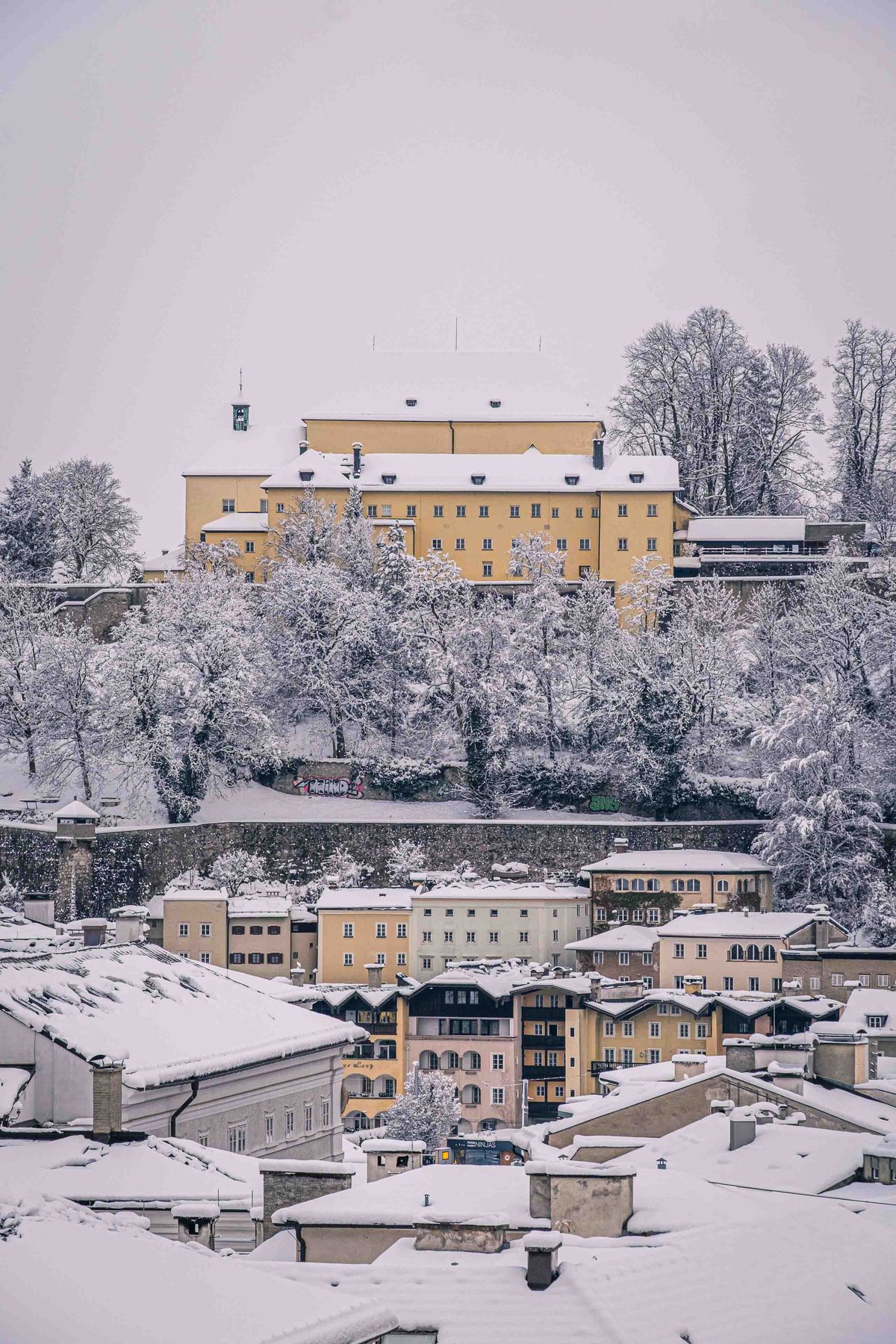
The Capuchin monastery at the summit of the Kapuzinerberg, founded 1599-1602 by Wolf Dietrich von Raitenau as part of his Counter-Reformation programme. The building that gives the hill its name. Stefan Zweig lived on the hill below.

Salzburgfree

Christuskirche

Built 1863-1866

The main Protestant (Evangelical Lutheran) church in Salzburg, built 1863-1866 on Schwarzstraße. Its construction was itself historically significant: Salzburg had expelled its entire Protestant population in 1731-1732 under Leopold Anton von Firmian.

Salzburgfree

Domgrabungsmuseum

An underground archaeological museum three metres below the Cathedral floor, revealing the foundations of two earlier predecessor cathedrals and Roman-era structures from Iuvavum.

Salzburgpaid

Domplatz

The square directly in front of the Salzburg Cathedral, flanked by the Cathedral arches and the DomQuartier buildings. Site of the famous annual Jedermann performance during the Salzburg Festival.

Salzburgfree

DomQuartier

Opened 2014

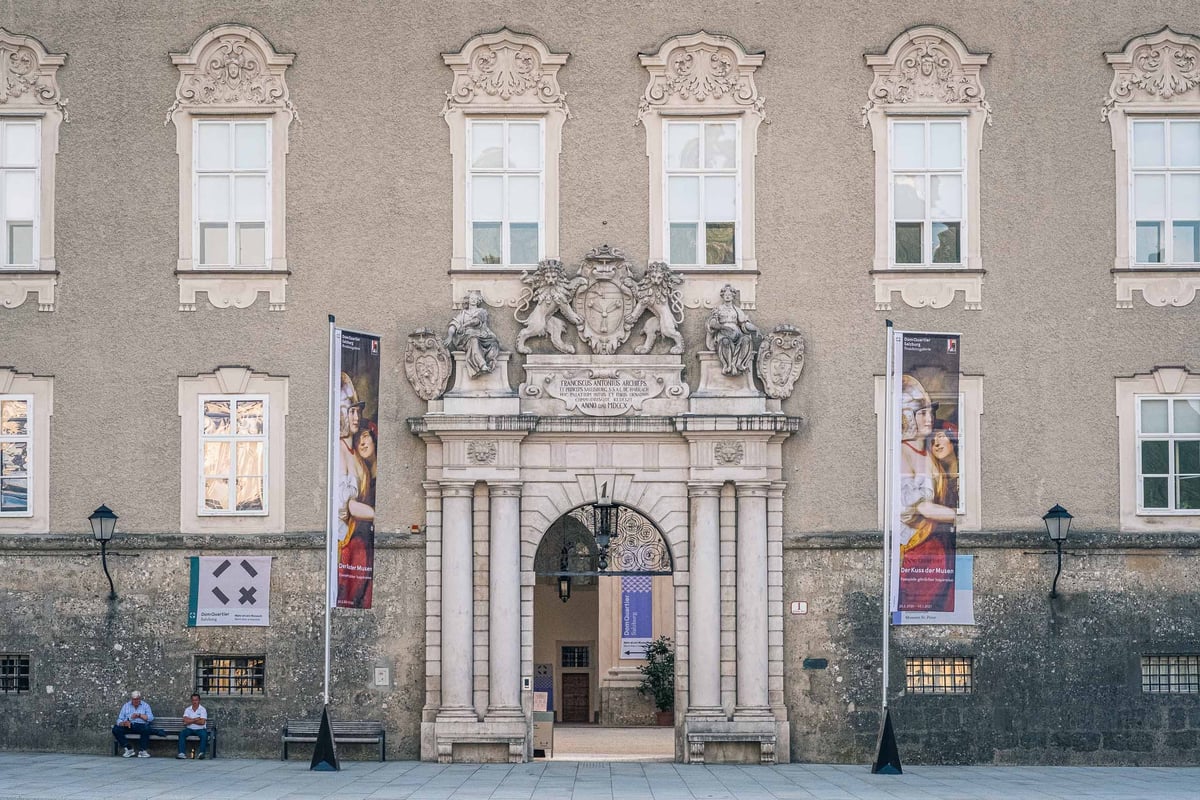
The DomQuartier is a museum circuit through the former residence and ceremonial spaces of Salzburg's Prince-Archbishops, connecting the Residenz galleries, the Dommuseum, St. Peter's Abbey Museum, and the cathedral balcony via elevated walkways above the old town rooftops.

Salzburgpaid

Dreifaltigkeitskirche (Trinity Church)

Built 1694-1702

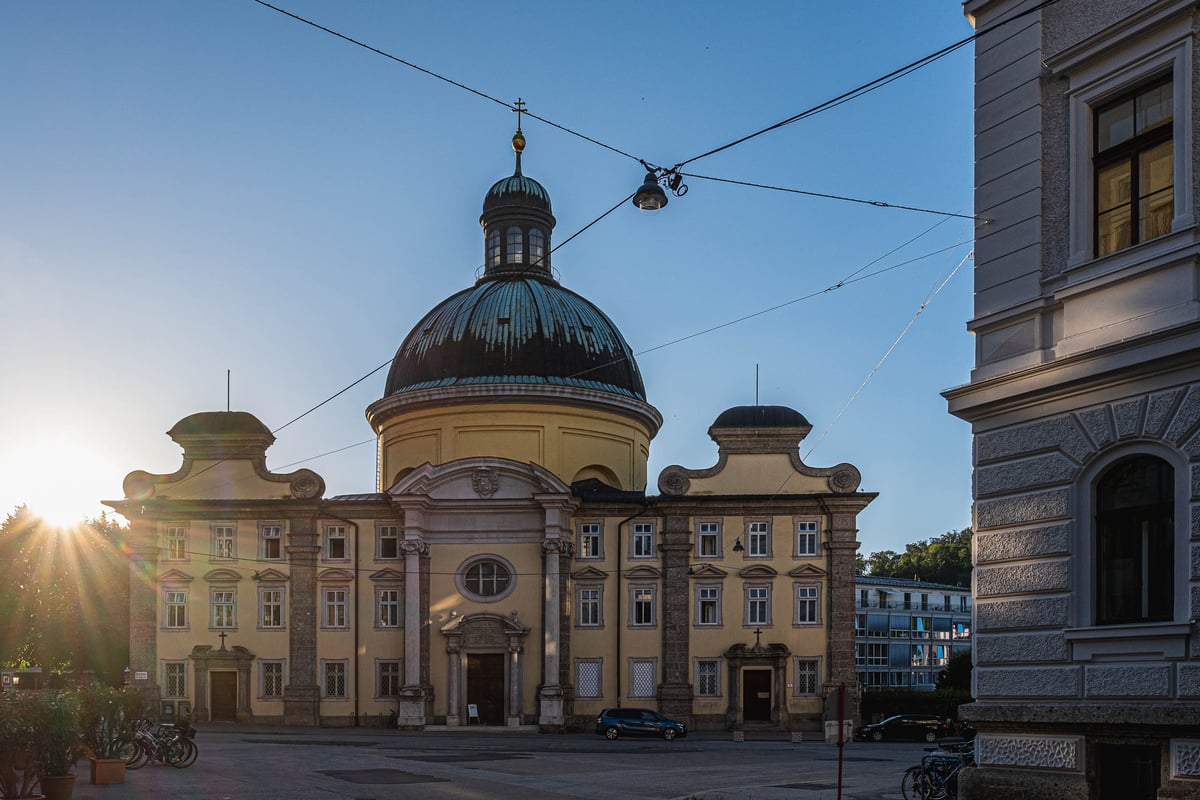
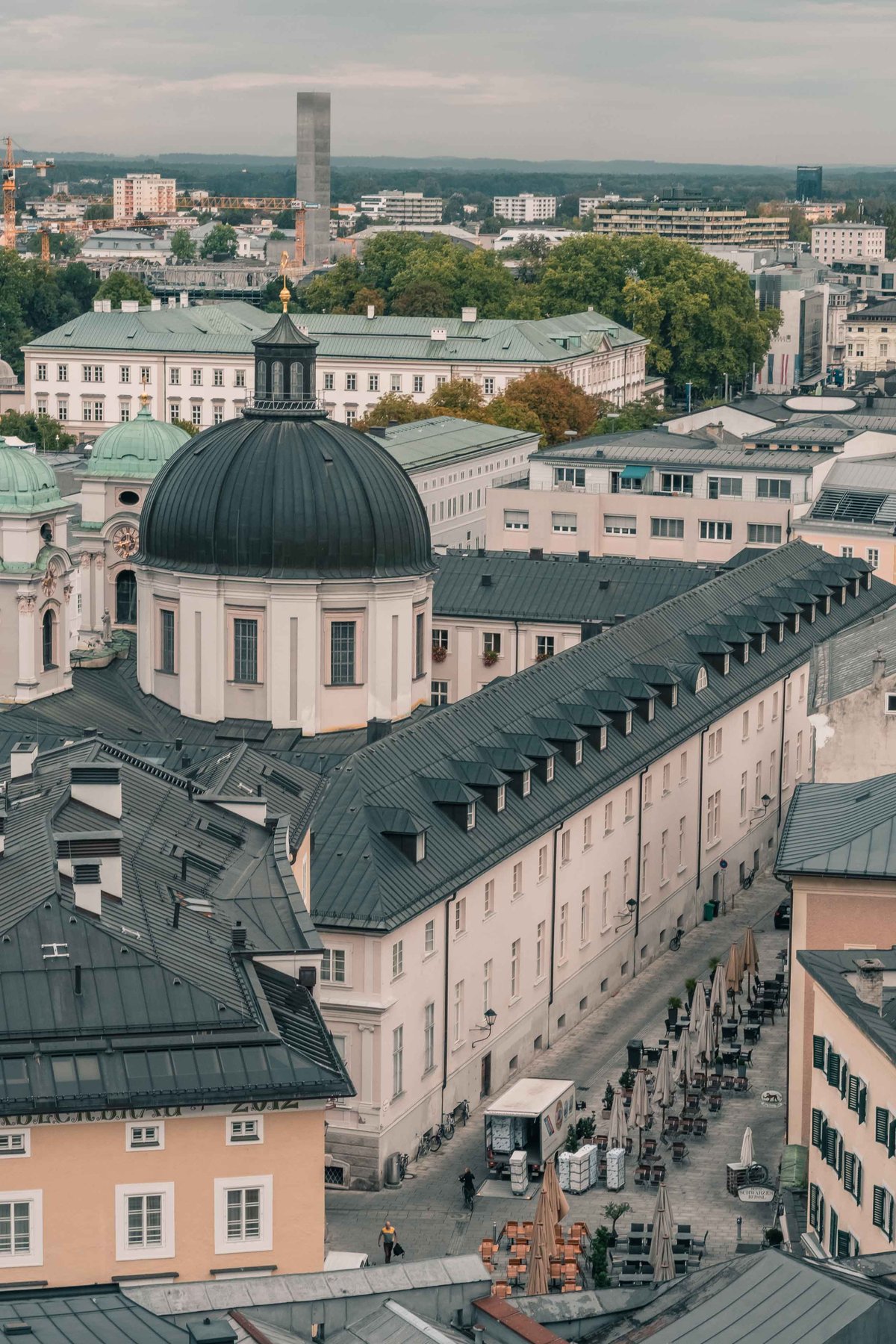
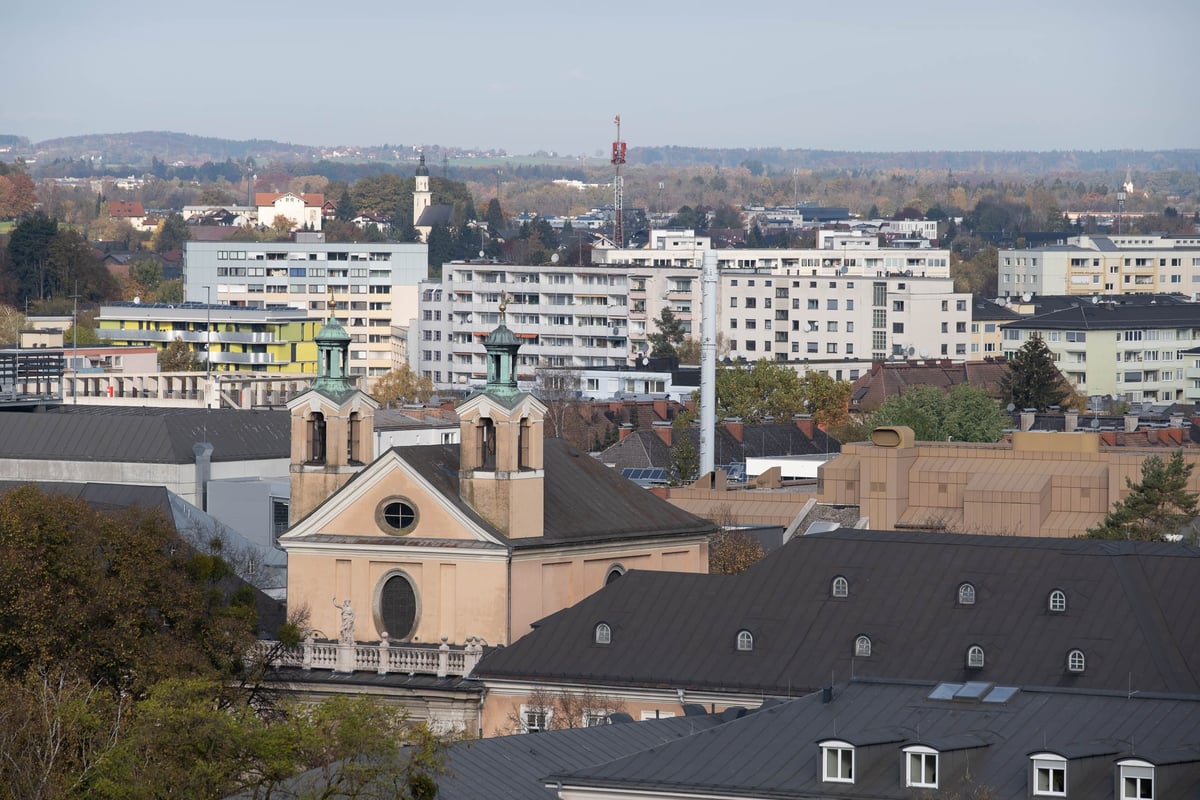
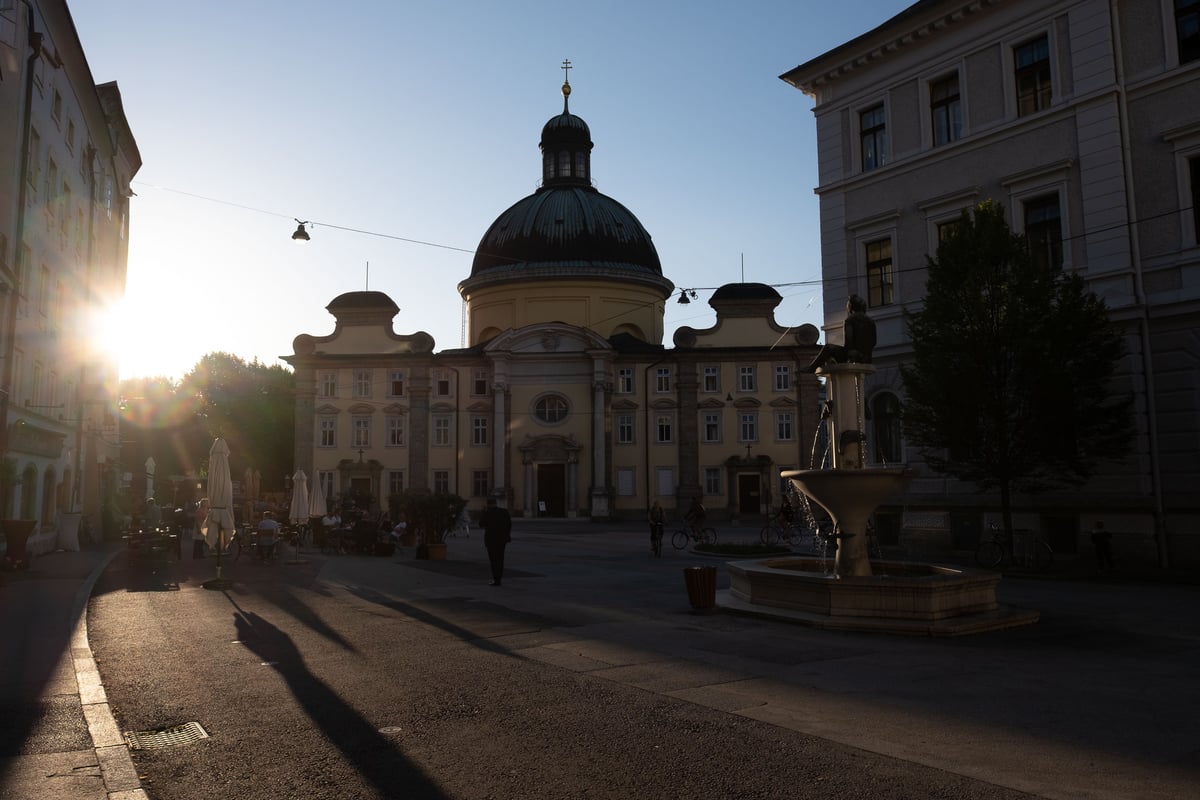
One of Fischer von Erlach's four major Salzburg churches. Notable for its oval dome, paired towers, and convex outward-curving facade, which forms a deliberate architectural conversation with the concave Kollegienkirche across the river. Adjacent to Mozart's Residence on Makartplatz.

Salzburgfree

Erzdiözese Salzburg

Metropolitan archdiocese governing the Catholic Church in Salzburg since Saint Rupert of Salzburg established the first bishopric c. 696 AD. Thirteen centuries of institutional continuity. The archbishops were sovereign princes who built the Cathedral, the Residenz, the fortress, and the baroque city.

religious institutionEstablished c. 696

Franziskanerkirche

Romanesque / Gothic

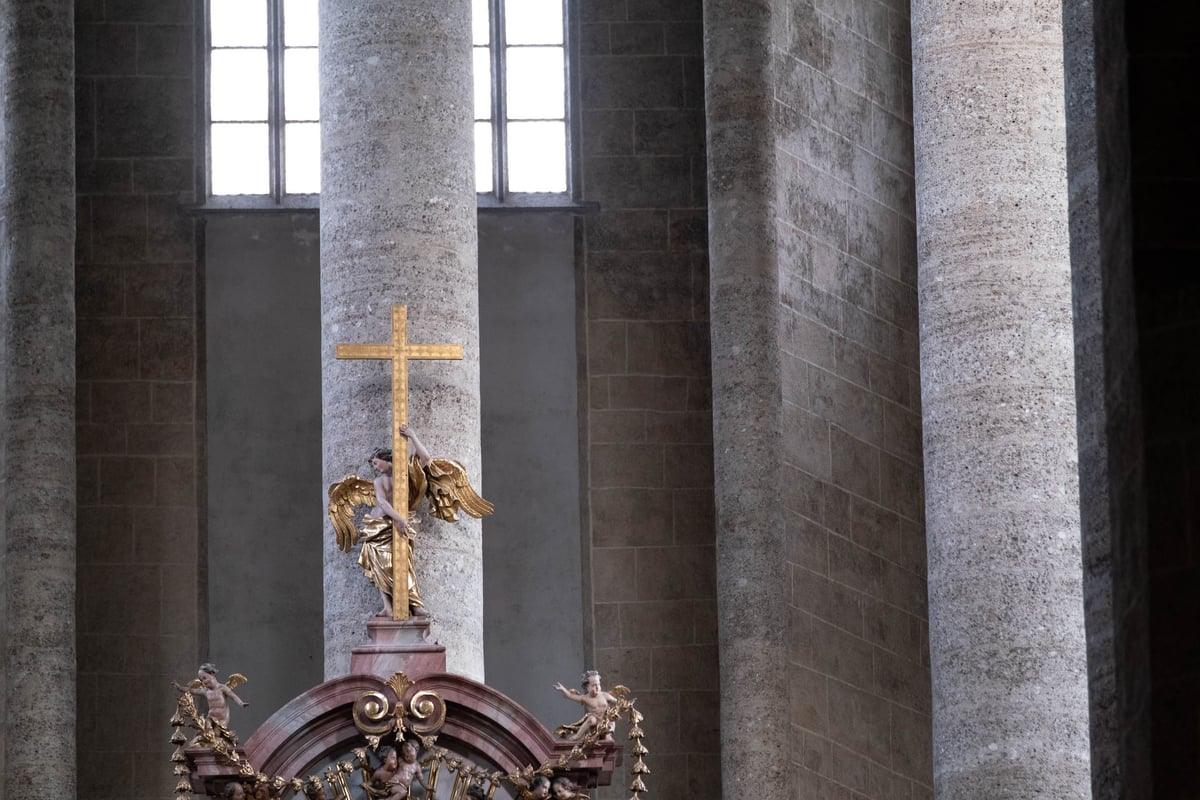
One of Salzburg's oldest churches, with a Romanesque nave from around 1208, a Gothic choir and tower added in the 15th century, and a Baroque high altar by Johann Bernhard Fischer von Erlach (1709). Three architectural periods in a single building, with the abrupt shift from dark nave to bright choir among the most striking interior effects in the city.

Salzburgfree

Hallstatt Parish Cemetery & Beinhaus

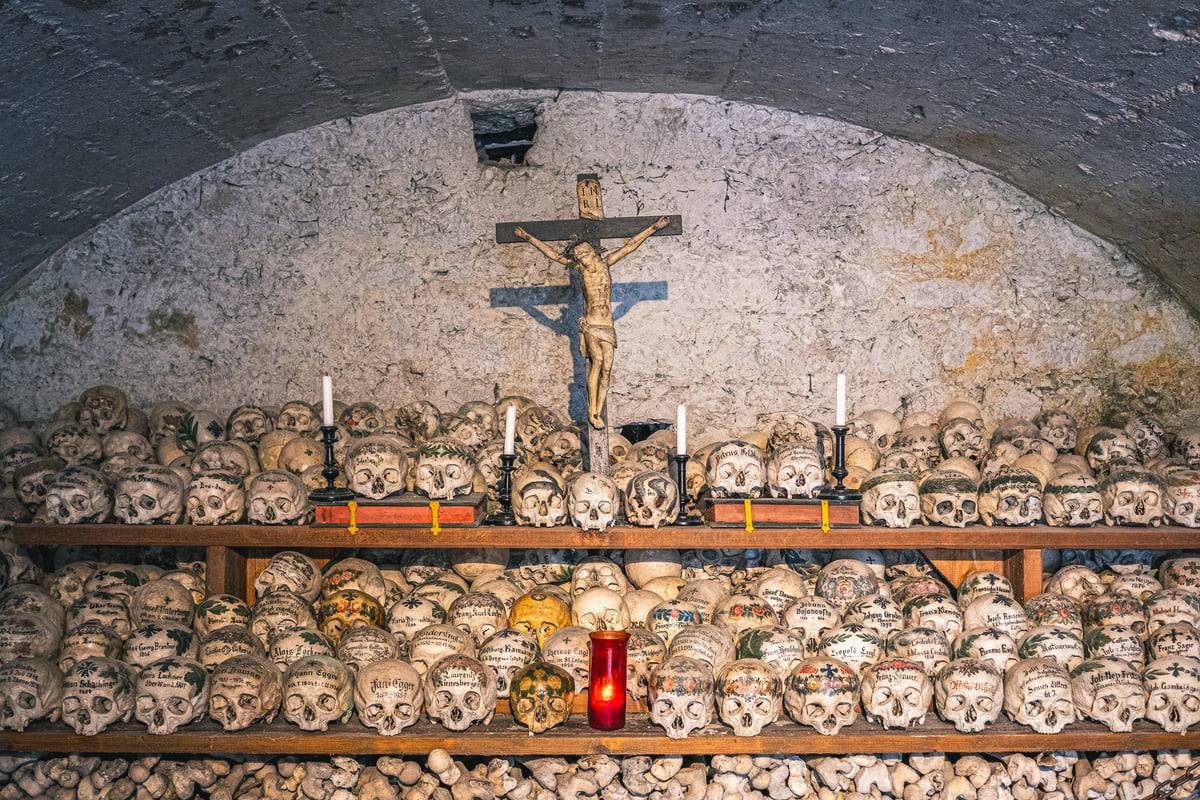
The Hallstatt charnel house holds over 1,200 skulls, most of them painted with floral patterns, names, and death dates by relatives who wanted to keep their dead identifiable after the bones were exhumed from the overcrowded churchyard. The practice continued into the 20th century. The most recent skull is dated 1995. This is not a horror attraction.

Hallstattfree

Herz-Jesu-Asylkirche

1877-1878

Most visitors never see this one. Tucked inside a working senior-care complex in the Riedenburg district, the Herz-Jesu-Asylkirche carries a name that draws Vienna's most important nineteenth-century architect into a quiet Salzburg backstreet.

Salzburgfree

Johannesspital Church

Built 1699-1703, consecrated 1704

A Baroque church built 1699-1703 by Johann Bernhard Fischer von Erlach as part of the Johannesspital complex on the right bank, commissioned by Archbishop Johann Ernst von Thun. One of Fischer von Erlach's four major Salzburg churches. A stone labyrinth stands on the lawn beside it.

Salzburgfree

Kajetanerplatz

A small, peaceful baroque square in the Nonntal district, dominated by the Kajetanerkirche. Away from the main tourist flow. A rewarding detour between the Cathedral area and Nonnberg Abbey.

Salzburgfree

Kollegienkirche (Collegiate Church)

Built 1696-1707

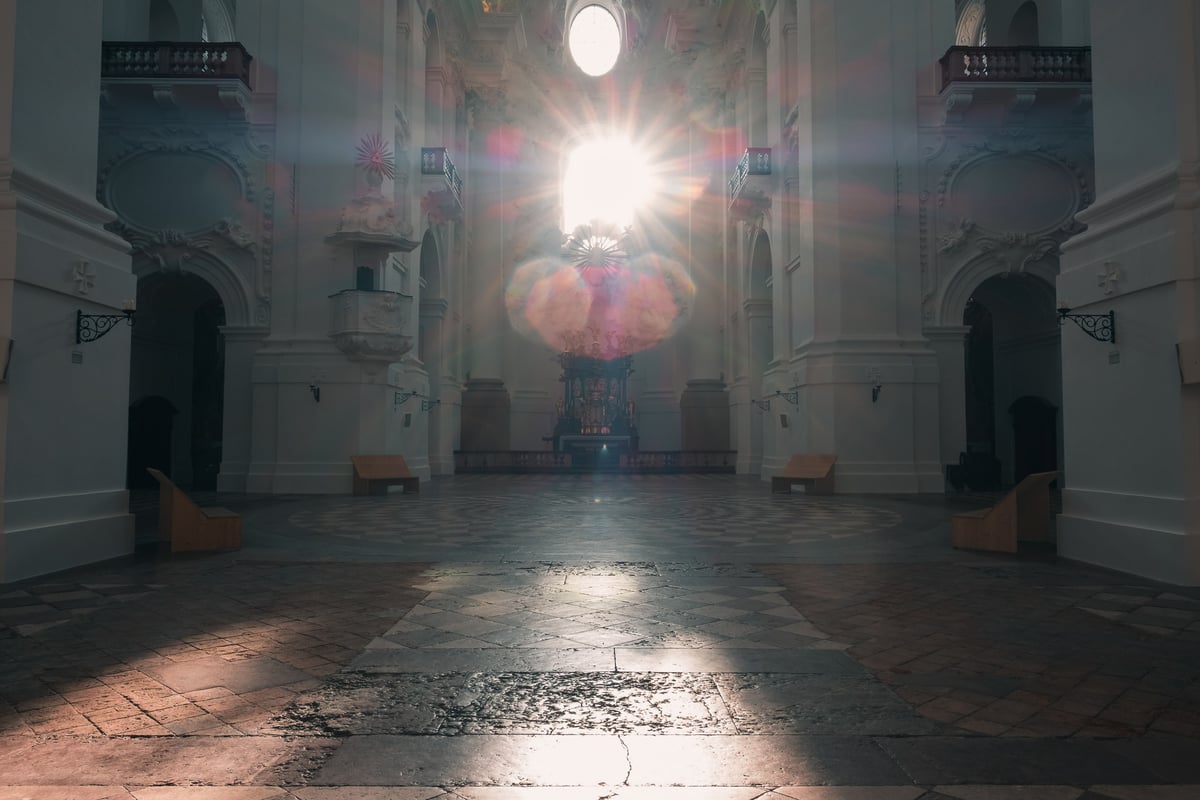
Fischer von Erlach's masterpiece in Salzburg and one of the finest baroque churches in the German-speaking world. His fourth and final major church in the city. The concave facade creates a deliberate counterpoint to the convex Dreifaltigkeitskirche across the river. On Universitatsplatz. A must-see.

Salzburgfree

Kommunaler Friedhof

Salzburg's main municipal cemetery, laid out in the late 19th century in the tradition of the great park cemeteries. A wide, tree-lined landscape of gravelled paths, mature trees, and dignified monuments.

Salzburgfree
village

Lamprechtshoehle, the cave system beneath the mountains above Lofer, is one of the world's longest through-drainage cave networks at over 51 kilometers of mapped passages. The cave is accessible to visitors without special equipment, which is unusual for a system this scale.

Lofer

35 km from Salzburg

Loreto Church

Cornerstone 1633, church completed 1646

A small Baroque pilgrimage church on the right bank, founded in 1633 when Capuchin nuns fled Landshut during the Thirty Years' War. Archbishop Paris Lodron granted the site. The church was completed in 1646 and contains a replica of the Santa Casa from Loreto, Italy, and a 17th-century jewelled Madonna doll that remains an object of local veneration.

Salzburgfree
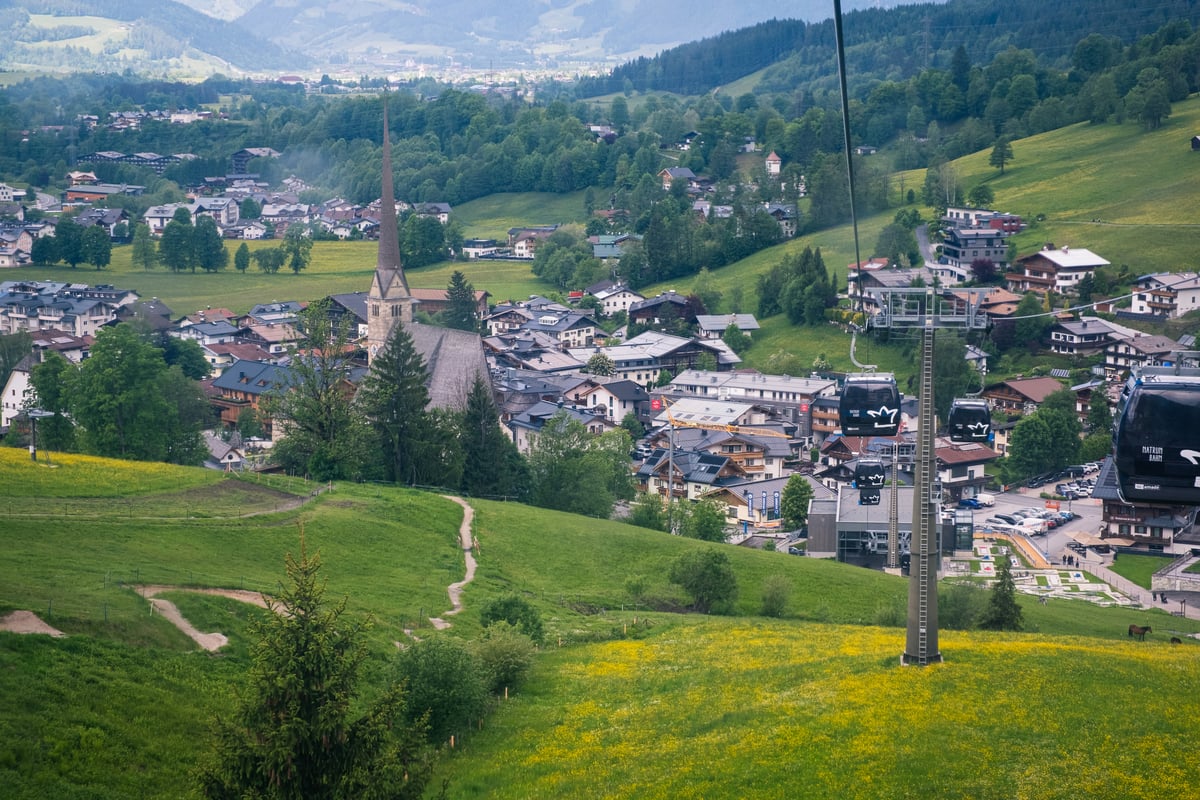
Maria Alm seen from the Natrun hillside in early summer, its tall church spire rising from the village while black Natrunbahn gondolas cross a buttercup meadow in the foreground.
village

The pilgrimage church of Maria Alm has the tallest Gothic spire in the Salzburg region, a slender needle rising above a village that sits directly under the Hochkoenig massif. The Hochkoenig ski area connects Maria Alm to Dienten and Mühlbach into a three-valley circuit that avoids the crowds of Saalbach or Zell am See.

Maria Alm

45 km from Salzburg

Markuskirche

Designed 1926

A rare example of modernist sacred architecture in Salzburg, designed by Clemens Holzmeister in 1926 for the growing Maxglan district. The same architect responsible for the Grosses Festspielhaus.

Salzburgfree

Michaelskirche

Baroque

The oldest church in Salzburg with origins in the 8th century, located at the corner of Mozartplatz and Residenzplatz. Affiliated to Stift St. Peter and often overlooked despite its prominent position at the heart of the Altstadt.

Salzburgfree

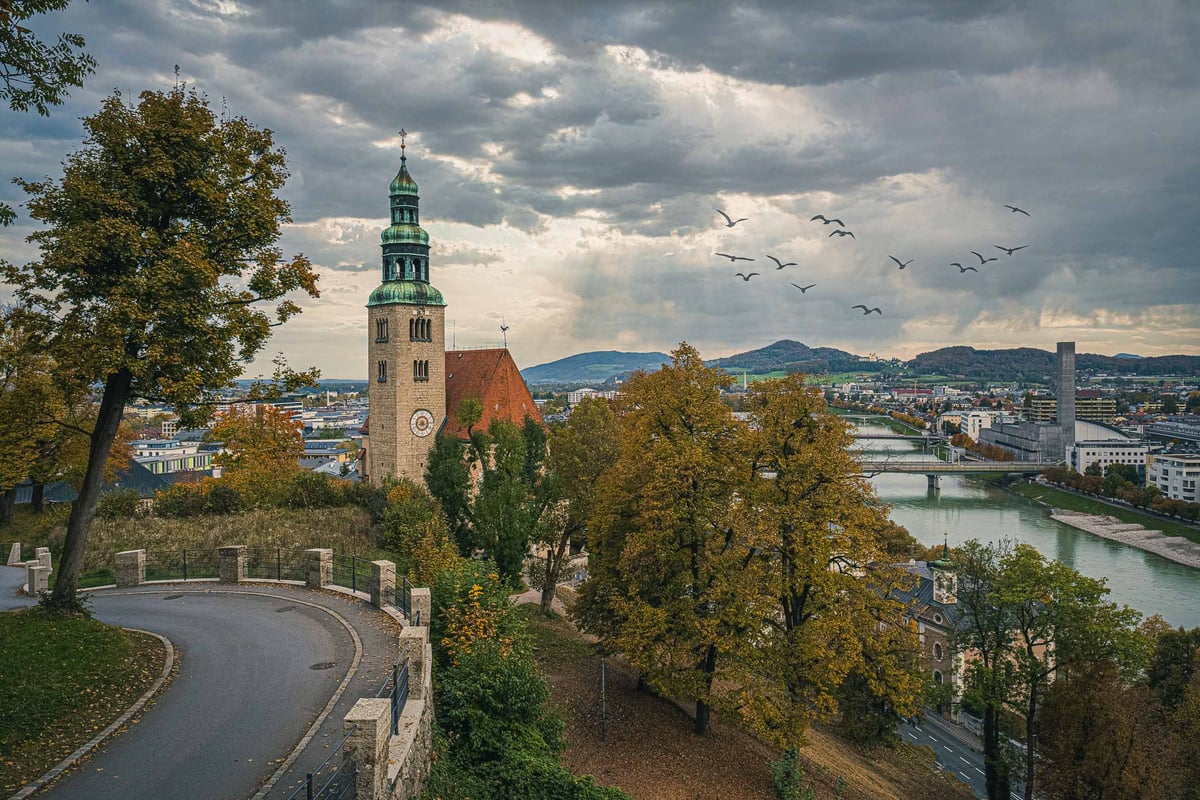
Mülln Church

Founded 1355

The late Gothic church of the Augustinian friars in the Mülln district, founded in 1355. Inseparable from its neighbour, the Augustinerbräu Müllner Bräu, the biggest beer hall in Austria.

Salzburgfree

Nonnberg Abbey

Founded c. 712 AD

Nonnberg Abbey has been a working convent since around 714, making it the oldest continuously operating women's monastery north of the Alps. That is not a tourist claim. The nuns are still there, and they open the church for visitors in the mornings, though the convent itself stays closed.

Salzburgfree
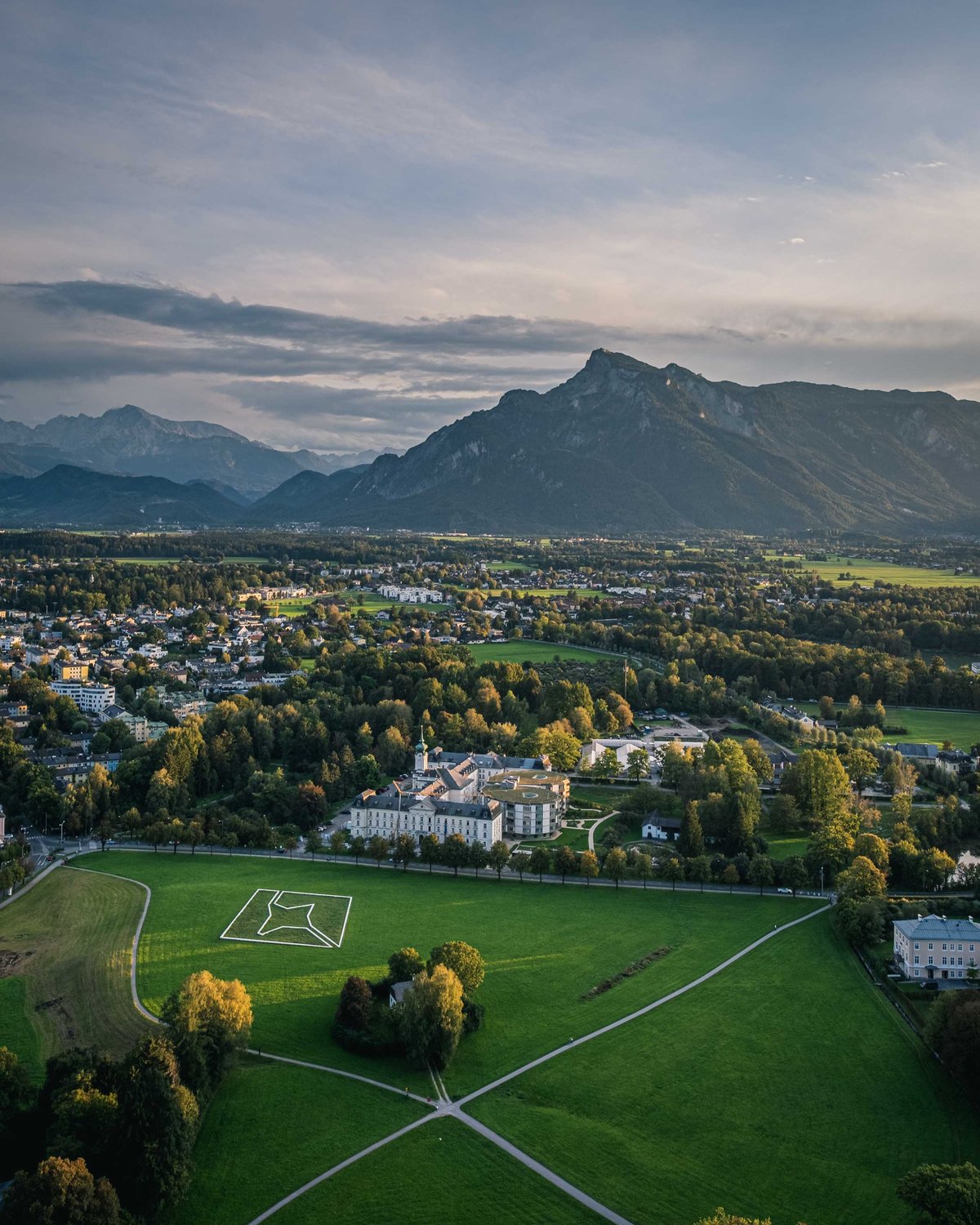
Aerial view of palace and open fields in the Salzburg-Nonntal area below the Untersberg massif near Salzburg
district

Valley district beneath Nonnberg Abbey on the southern edge of the Altstadt. Residential and quiet, with two Sound of Music filming locations. Home to Schloss Frohnburg and two baroque churches. Founded in the eighth century around Saint Erentrudis and the abbey she established on the hill above.

Nonntal

1 km from Salzburg

Petersfriedhof

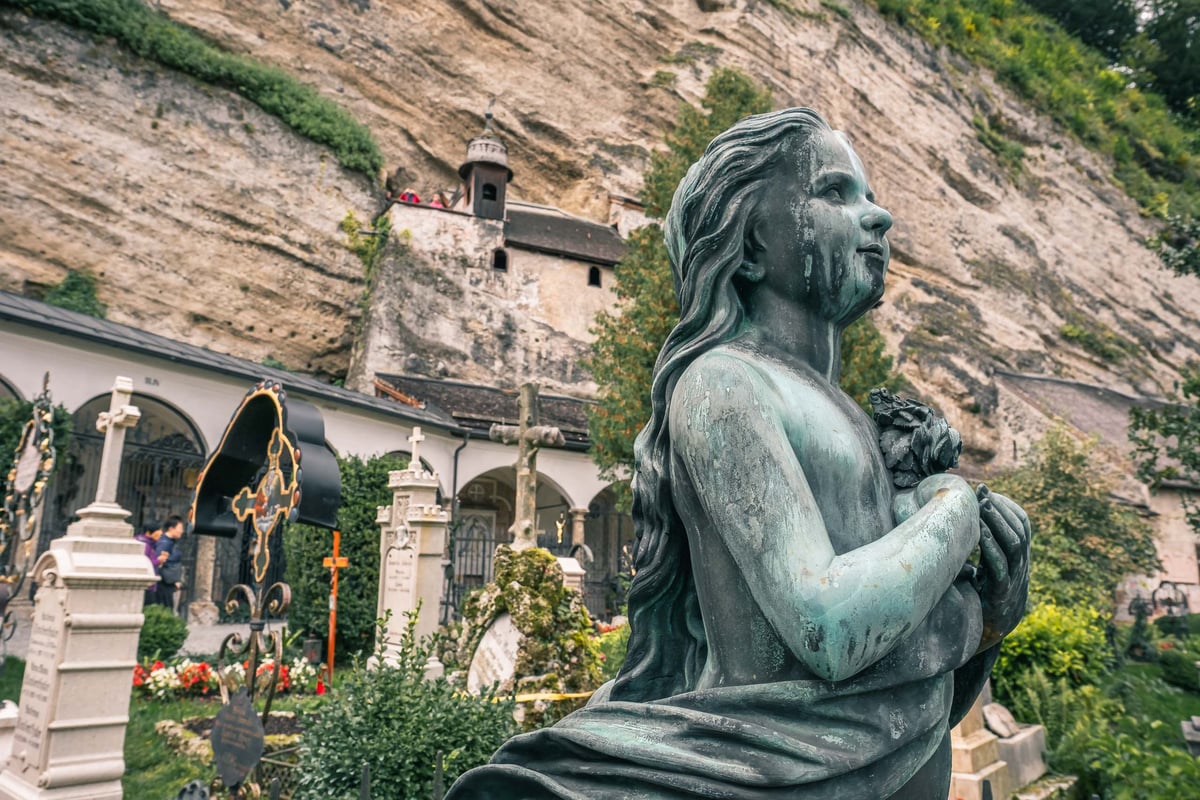
St. Peter's Cemetery in Salzburg has been continuously used since around 700 AD, making it one of the oldest Christian cemeteries in the German-speaking world. The graves press up against the cliff face of the Mönchsberg, where early Christian catacombs are carved directly into the rock.

Salzburgfree

Pfarrkirche Hallstatt

Hallstatt's parish church, Mariä Himmelfahrt (Assumption of Mary), is a 15th-century Gothic church with a late-Gothic winged altar attributed to the workshop of Michael Pacher, the South Tyrolean master who defined alpine late-Gothic painting in the late 1400s.

Hallstattfree

Rupertikirtag

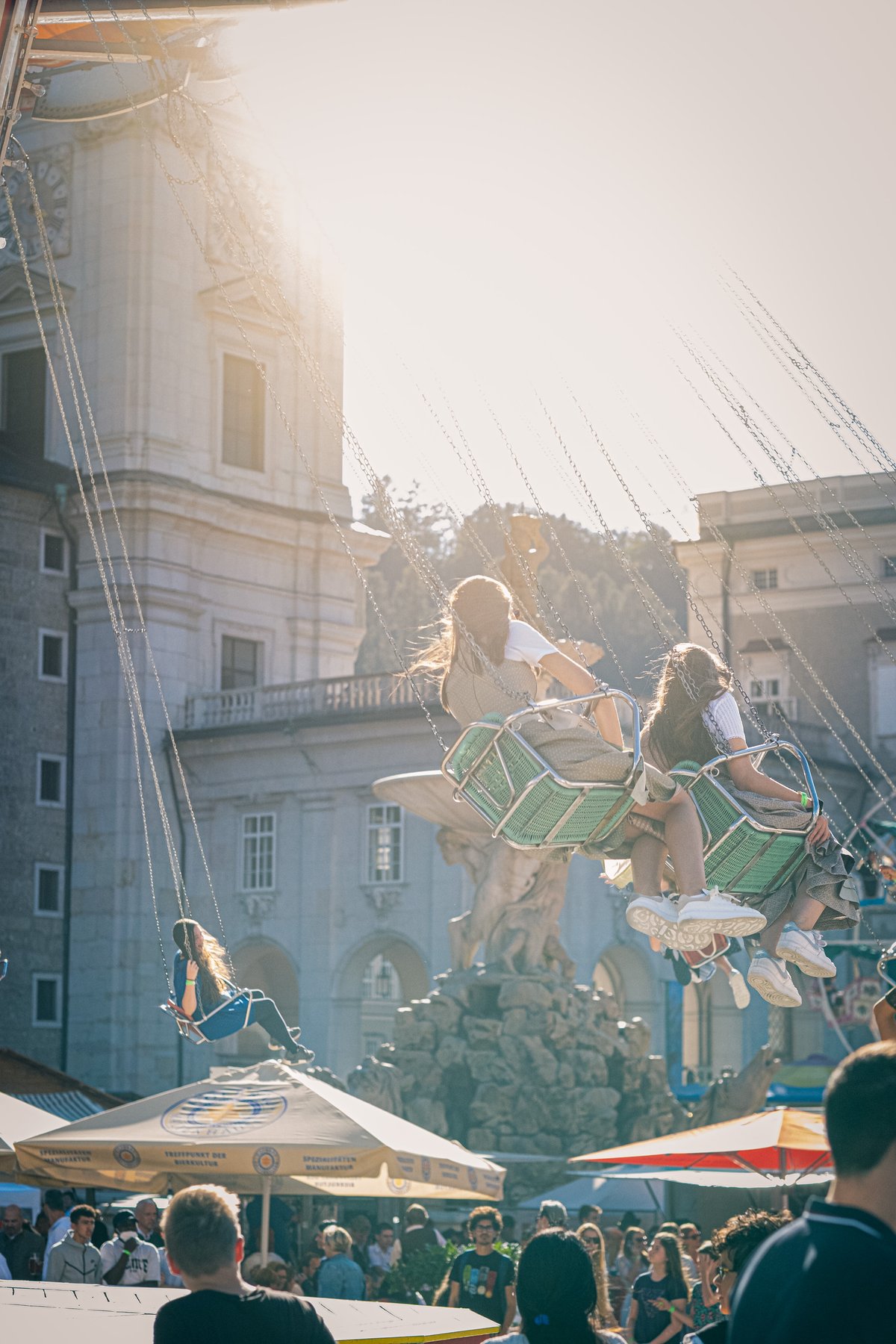
Salzburg's oldest folk festival. Late September around St. Rupert's feast day (24 September). Residenzplatz and Altstadt fill with fairground stalls, traditional food, local beer. Belongs primarily to residents, not tourists.

Salzburg

Sacellum

Founded 1620

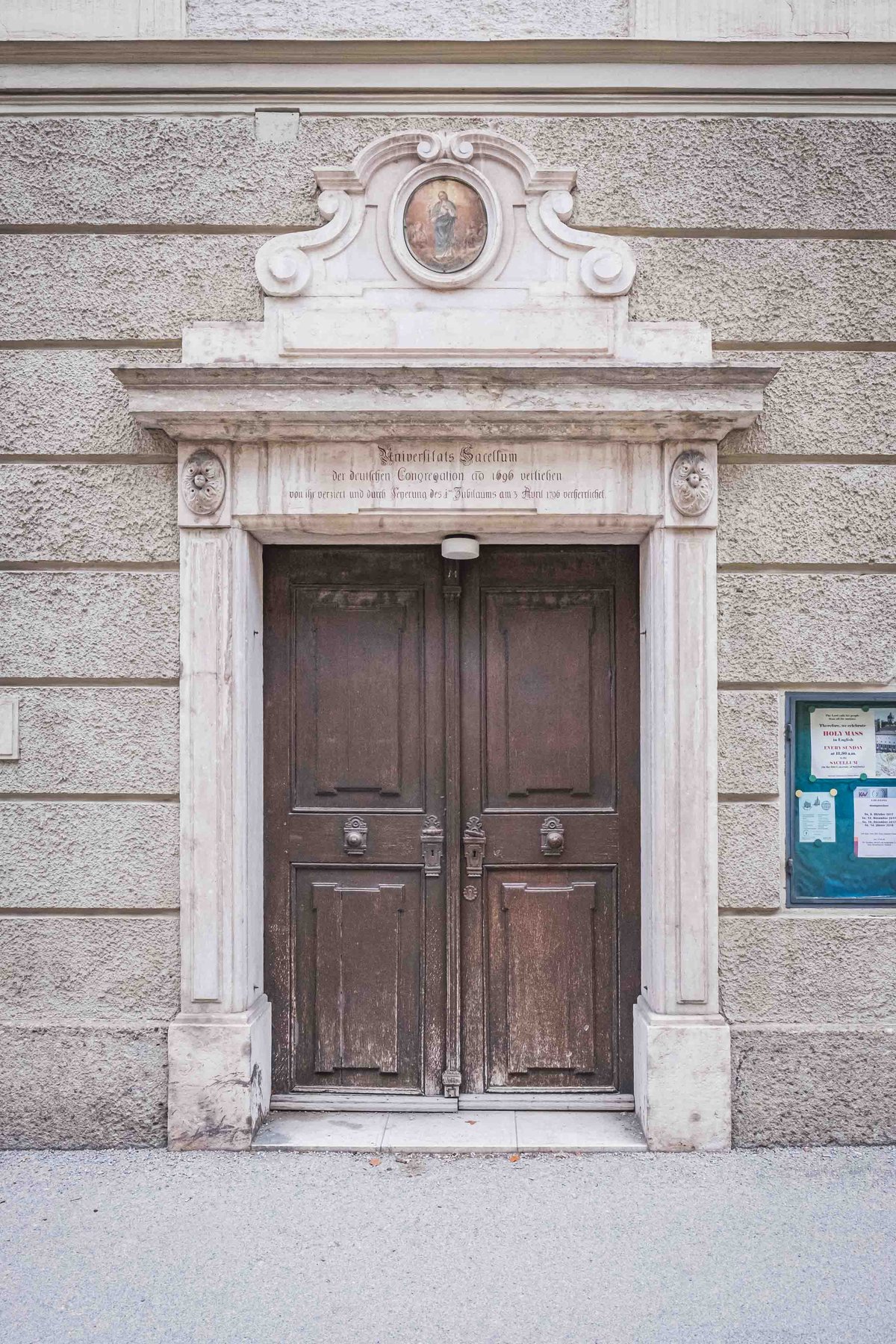
The university chapel of the Paris Lodron University of Salzburg, founded in 1620 as part of the original university complex. Almost always closed except during Mass, but an English-language service is held on Sundays at 11:30am, one of the few regular English-language Masses in Salzburg.

Salzburgfree

Salzburg Cathedral

Consecrated 1628

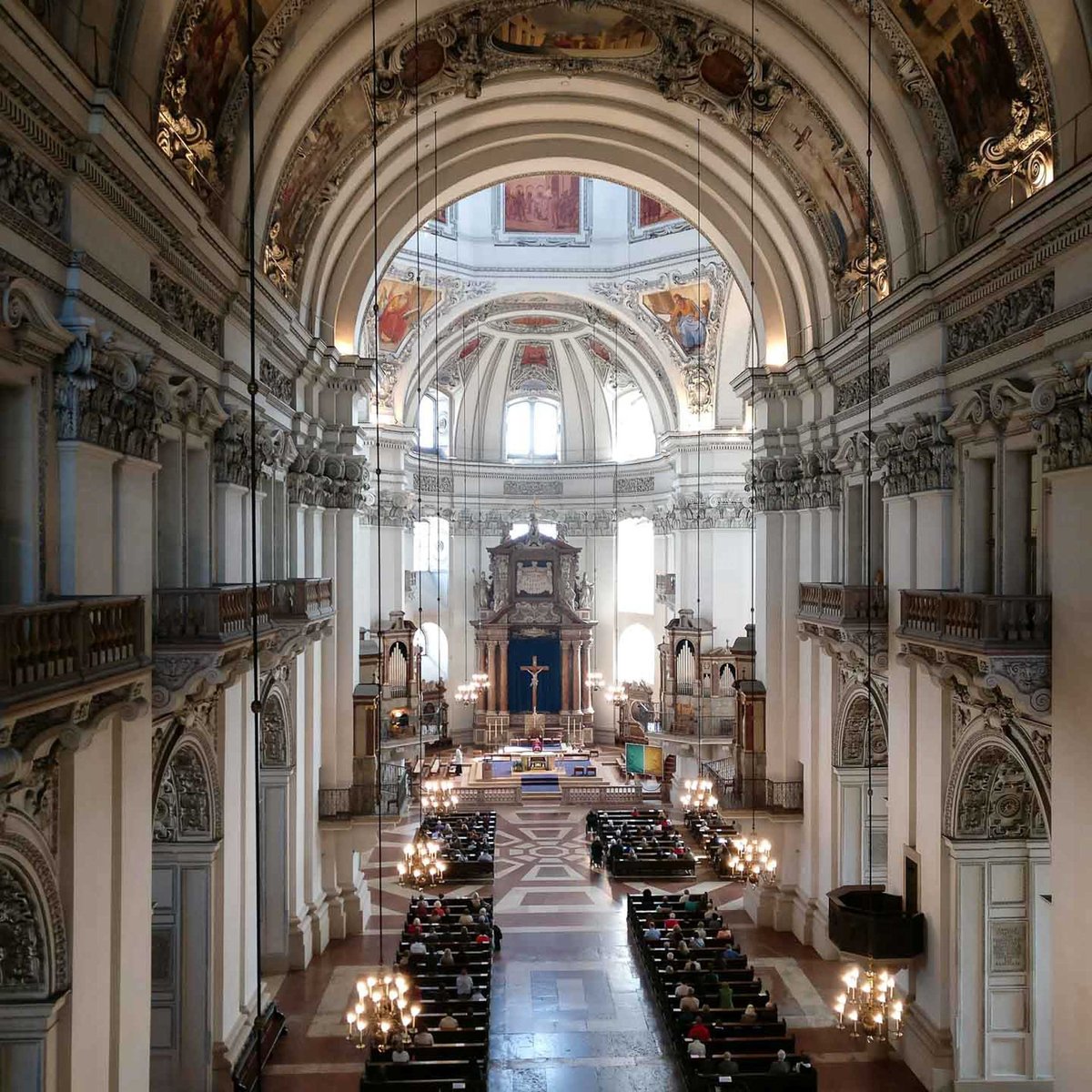
The first baroque cathedral built in the German-speaking world, and the dominant church at the heart of Salzburg's Altstadt. Wolfgang Amadeus Mozart was baptised here on 28 January 1756. The site has held a cathedral since 774, when Saint Virgil of Salzburg consecrated the first one.

Salzburgfree

Schlosskapelle Mirabell

Baroque

A small baroque chapel within Mirabell Palace, originally built by Wolf Dietrich von Raitenau for Salome Alt. Today used by Salzburg's Old Catholic community, one of the smallest but most theologically serious Christian denominations in the German-speaking world.

Salzburgfree

Sebastiansfriedhof

Renaissance / Baroque

A 16th-century Italian garden cemetery on Linzer Gasse, containing the mosaic mausoleum of Wolf Dietrich von Raitenau, the grave of Paracelsus, and the burial places of Leopold Mozart and Constanze Mozart. Completely different in character from Petersfriedhof.

Salzburgfree

Sebastianskirche

Baroque (rebuilt 1749-1753)

A Baroque parish church on Linzer Gasse on the right bank, rebuilt by Johann Bernhard Fischer von Erlach's pupil Caspar Zuccalli between 1749 and 1753. The entrance leads directly into the Sebastiansfriedhof, the Italian campo santo cemetery commissioned by Wolf Dietrich von Raitenau in 1600.

Salzburgfree

St. Andrew's Church

A parish church in the Neustadt on the right bank, built in Neo-Gothic style in 1892-1898. The original predecessor church on a different site dated from the 1410s and was demolished in 1861 to widen the road to Mirabell Palace. The current church was damaged in WWII and restored. Today it serves Salzburg's Croatian community.

Salzburgfree

St. Bartholomä Chapel

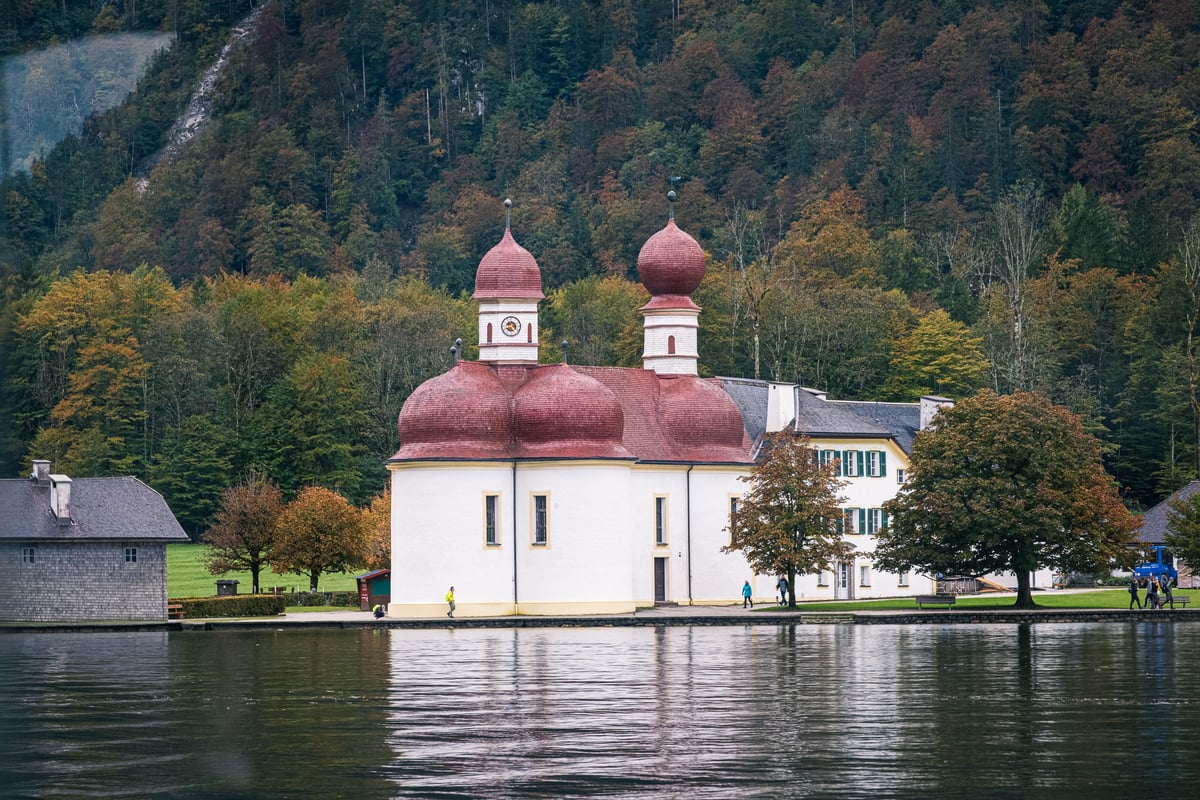
The red-domed pilgrimage chapel on the Königssee western shore. One of the most photographed images in Bavaria. Only accessible by electric boat. Working church, farm, and restaurant. Boat trip includes the famous cliff-echo trumpet demonstration.

Berchtesgadenfree

St. Erhard's Church

Built 1685-1689

A small Baroque church below Nonnberg Abbey in Nonntal, built 1685-1689 by Giovanni Gaspare Zuccalli. Wolfgang Amadeus Mozart composed several works specifically for this church. Along with the Cajetan Church, one of the last two Italian-built Baroque churches in Salzburg.

Salzburgfree

St. George's Chapel

Built c. 1501-1502

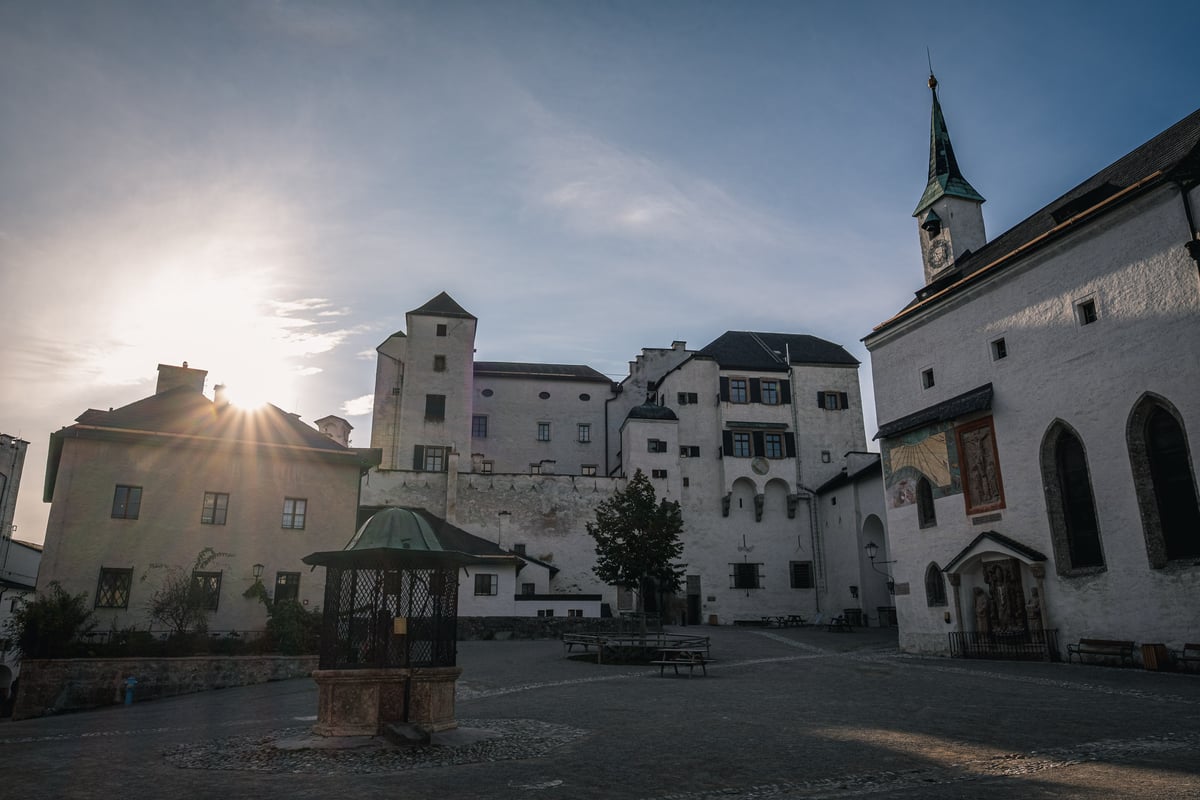
The fortress chapel inside Hohensalzburg Fortress, built in 1501-1502 under Leonhard von Keutschach. Decorated with the beetroot coat of arms that appears 58 times throughout the fortress. The only church in Salzburg with an entrance fee.

Salzburgpaid

St. John's Church on Imberg

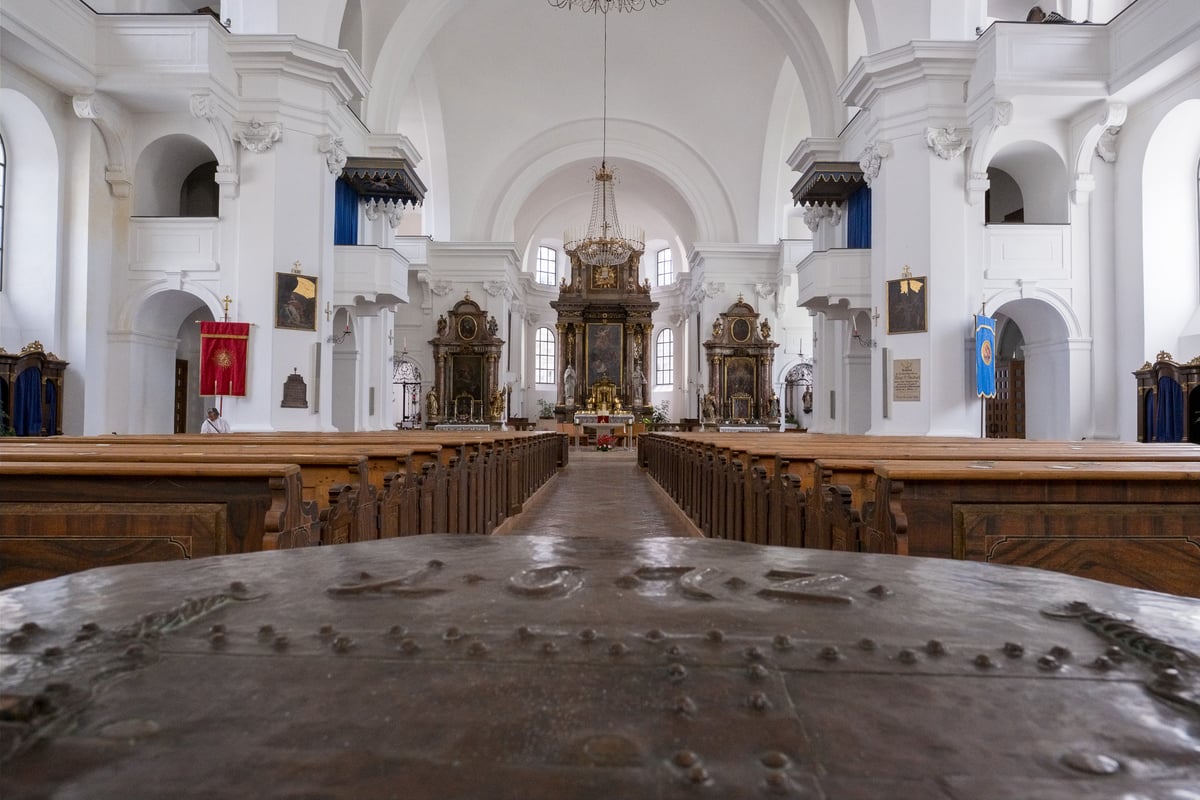
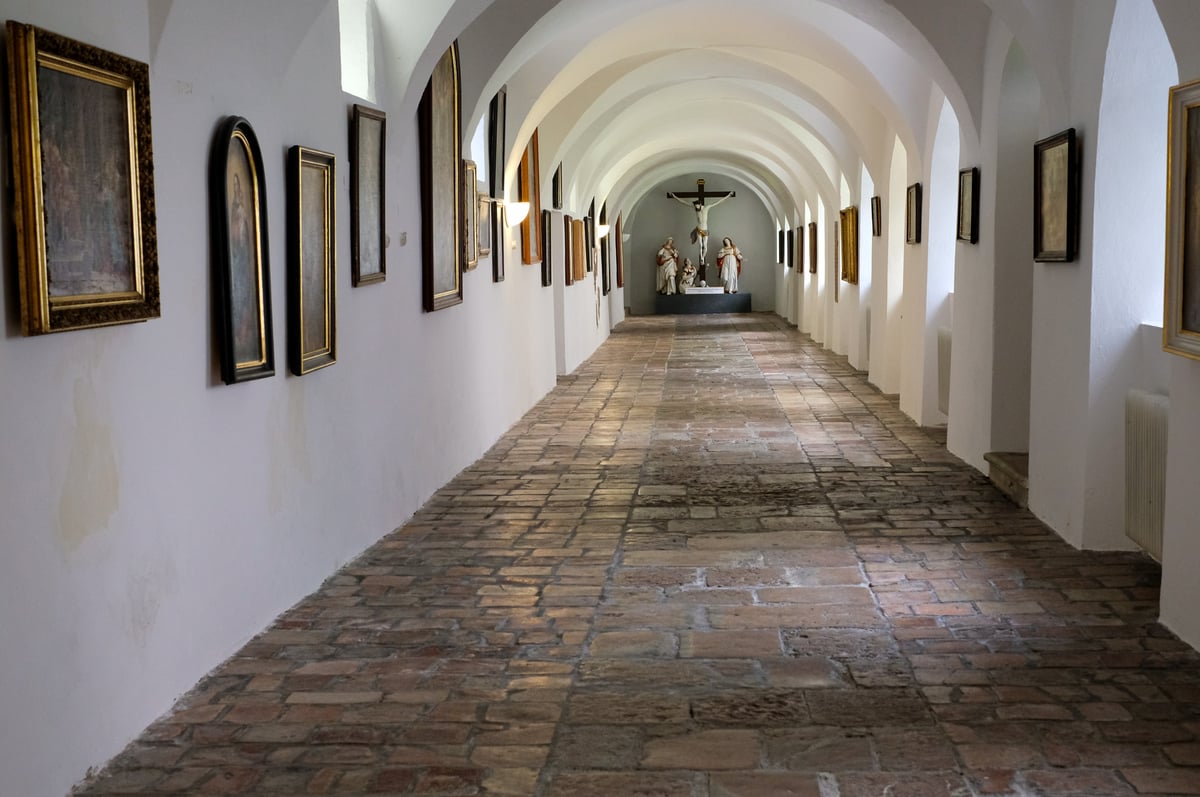
A small chapel-church about halfway up the Kapuzinerberg stairway, reached from Steingasse. First documented in 1319, making it one of the oldest chapels on the right bank. Romanesque core with a significant Baroque interior including trompe-l'oeil ceiling painting. A natural stopping point for those climbing toward the Capuchin Monastery.
Salzburgfree

St. Mark's Church Salzburg

Baroque

A Baroque church in Nonntal, built on a site with dramatic history: a catastrophic 1669 rockfall from the Festungsberg killed around 220 people sheltering in the predecessor church. Architectural character broadly attributed to Johann Bernhard Fischer von Erlach.

Salzburgfree
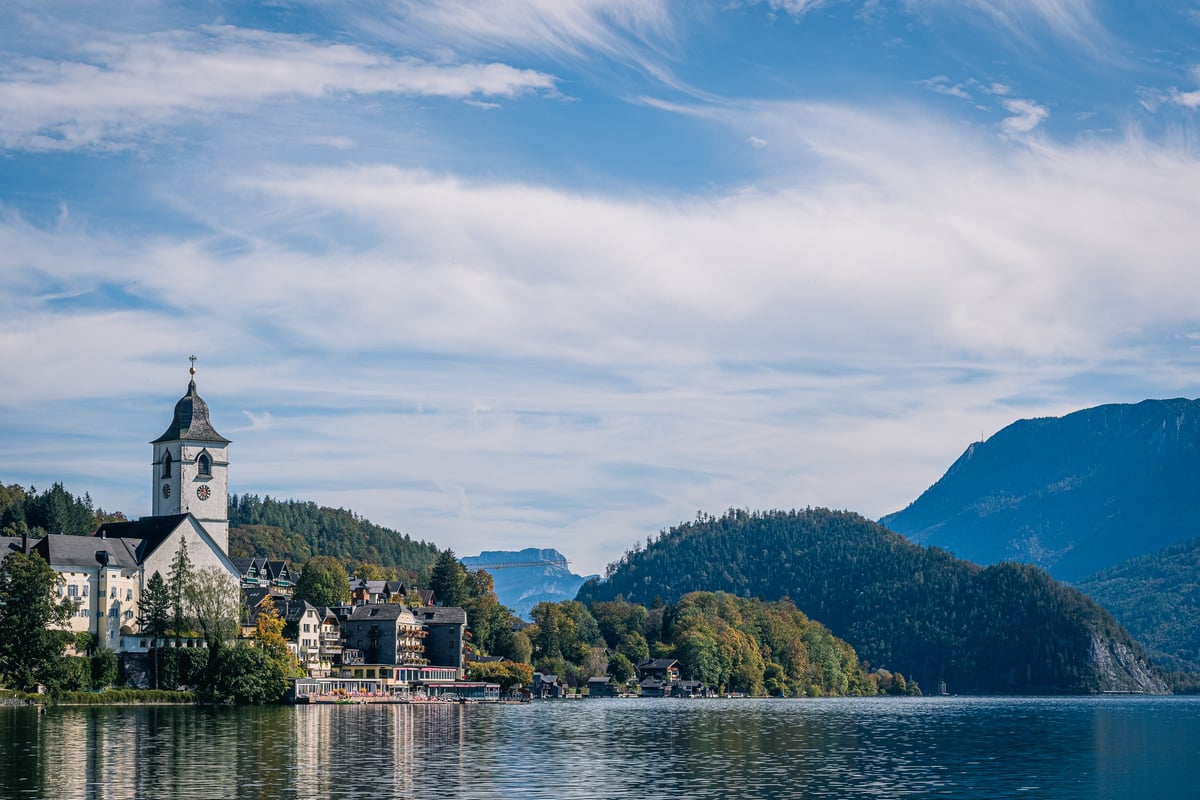
St. Wolfgang seen across the Wolfgangsee, the white pilgrimage church and its onion-domed tower rising above lakeside houses under a streaked blue sky.
village

The Michael Pacher altarpiece in the parish church of Sankt Wolfgang is one of the finest examples of late Gothic carved wood sculpture in the German-speaking world, completed between 1471 and 1481 and somehow surviving the Reformation, the Josephine reforms, and multiple waves of artistic fashion relatively intact.

St. Wolfgang

31 km from Salzburg

Stadtpfarrkirche Hallein

The parish church of Hallein, on Pflegerplatz in the old town centre. Franz Xaver Gruber, who composed the melody of Stille Nacht (Silent Night), is buried here. The church itself is a Baroque structure with earlier medieval foundations, rebuilt and expanded over several centuries. Free to enter.

Halleinfree

Stift Michaelbeuern

One of the oldest Benedictine monasteries in Austria, founded in the 8th century and continuously active since. Located in the Flachgau about 25 km north of Salzburg, with a Romanesque abbey church featuring remarkable frescoes.

Flachgaufree

Stift St. Peter (St. Peter's Abbey)

Founded c. 696 AD

The oldest continuously existing monastery in the German-speaking world. Founded by Saint Rupert of Salzburg around 696 AD. The church interior is the work of Beda Seeauer (rococo redecoration, 1760-1782). Michael Haydn is buried in the crypt. Altomonte's altar paintings enrich the abbey church. The Stiftskeller St.

Salzburgfree

Stiftsbäckerei St. Peter

Operating since 803 AD

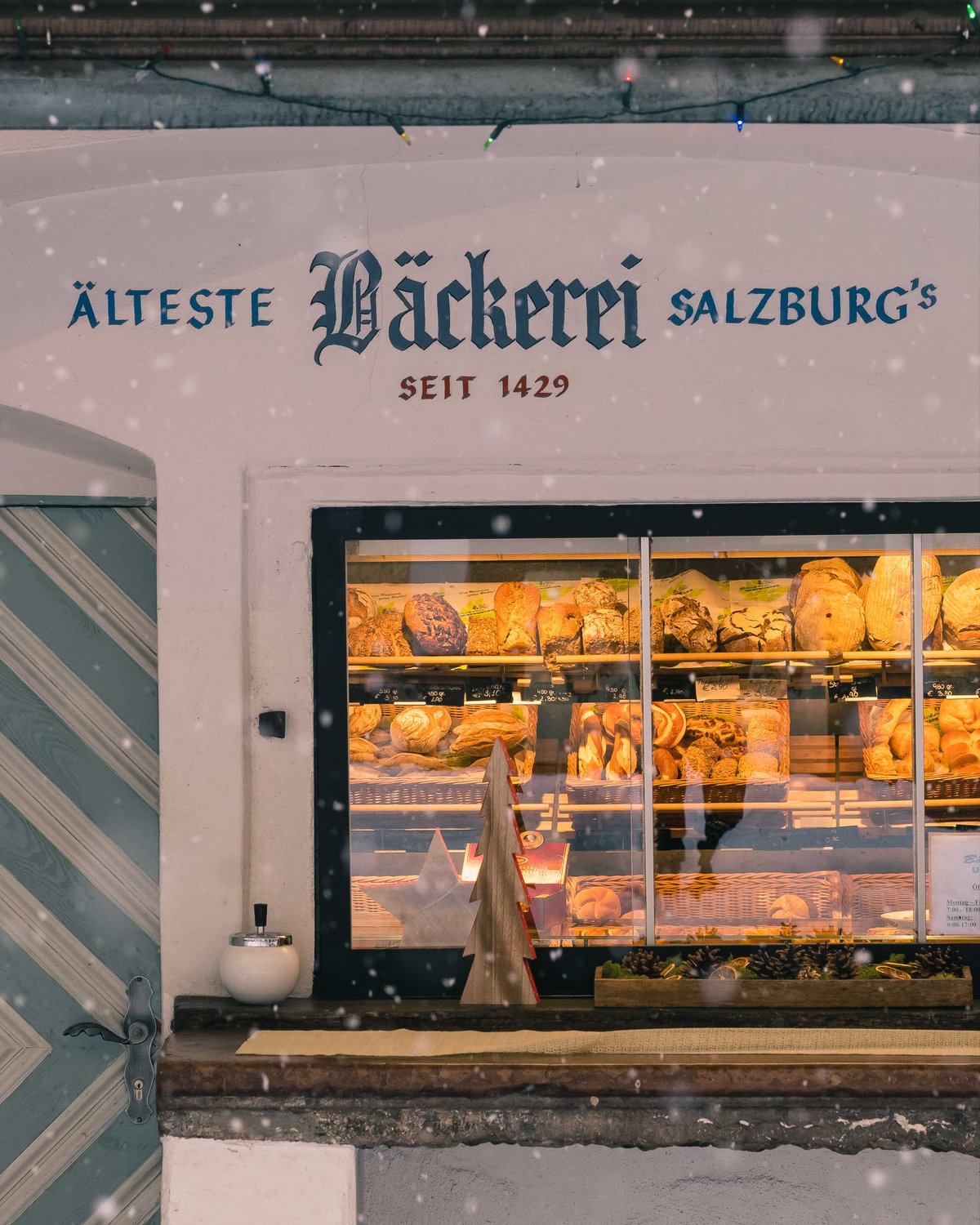
The bakery of St. Peter's Abbey, operating since at least 803 AD. One of the oldest continuously operating businesses of any kind in the world. The wood-fired stone oven has been baking bread for over 1,200 years.

Salzburgpaid

Stiftskeller St. Peter

Documented since 803 AD

Claimed to be the oldest restaurant in Europe, documented since 803 AD. Located at Stift St. Peter, tucked into the Mönchsberg cliff. Mozart is believed to have dined here. Still run in association with the Benedictine monks.

Salzburgaustrian

Stiftskirche Mattsee

The collegiate church of the Augustinian Canons at Mattsee, founded by Duke Tassilo III in 777 AD. Emperor Charlemagne visited and held assemblies here. One of the oldest documented ecclesiastical sites in the Salzburg region.

Mattseefree

Stille Nacht Konzert

Annual Christmas Eve concert at the Stille Nacht Kapelle in Oberndorf bei Salzburg. On the site where Joseph Mohr and Franz Xaver Gruber first performed Silent Night on 24 December 1818. Intimate, atmospheric, genuinely moving. ~30 minutes from Salzburg by S-Bahn.

Oberndorf bei Salzburg

Stille-Nacht-Kapelle

Built 1937

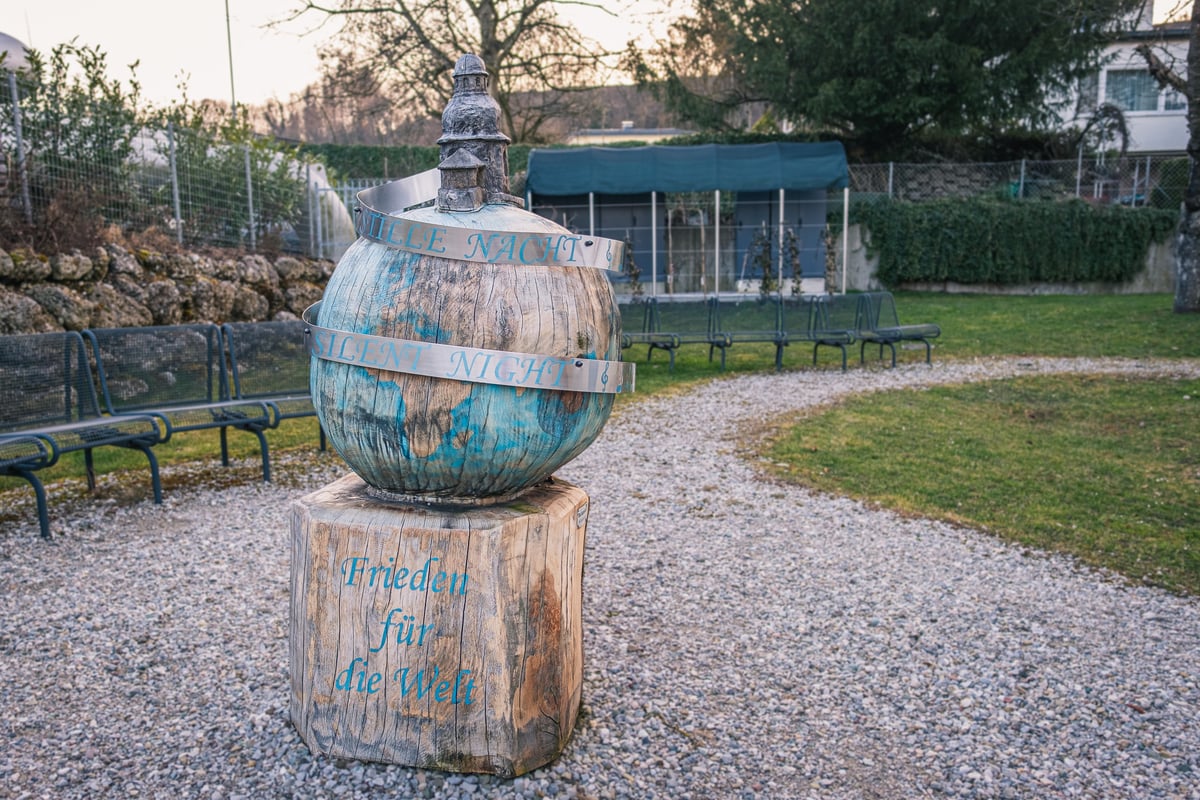
A memorial chapel on the site of the former St. Nikolaus Church where Silent Night (Stille Nacht, Heilige Nacht) was first performed on Christmas Eve 1818. The original church was demolished after flood damage. The chapel is a pilgrimage site, especially during Advent. A small museum adjacent documents the song's creation and global spread.

Oberndorf bei Salzburgfree
town

The Samsonumzug is a procession through the streets of Tamsweg in which a giant figure of Samson, carried by a concealed bearer, is accompanied by dwarfs in a ritual that has no equivalent anywhere else in Austria. It runs at Corpus Christi and again in August, and it has been recognized as UNESCO intangible cultural heritage.

Tamsweg

94 km from Salzburg

Vanitas

Installed 2009

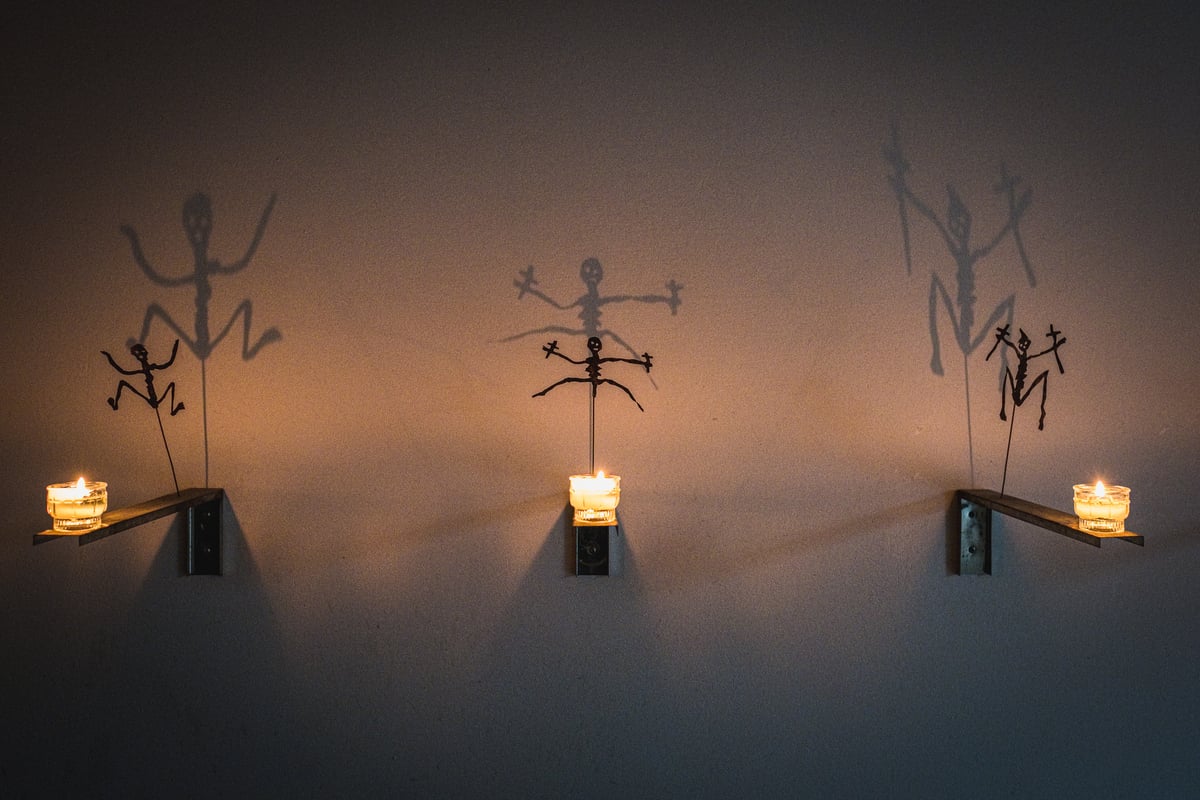
An installation by Christian Boltanski (2009) in the Romanesque crypt beneath Salzburg Cathedral. Walk of Modern Art #8. Twelve sheet-metal figures cast shifting shadows by candlelight. A recorded voice announces the time at regular intervals. Boltanski died in 2021.

Salzburgfree

Wallfahrtskirche Maria Kirchental

Built 1694-1701

A baroque pilgrimage church at the head of the Kirchental valley near Lofer, designed by Johann Bernhard Fischer von Erlach and set against the dramatic Loferer Steinberge mountains. One of the most beautifully situated churches in Austria.

Loferfree

Wallfahrtskirche Maria Plain

Built 1671-1674

A twin-towered baroque pilgrimage church crowning the Plainberg hill above Bergheim. Wolfgang Amadeus Mozart composed his Coronation Mass K. 317 for the church's annual celebration of the crowned Madonna image in 1779.

Bergheimfree

The records

People tagged Sacred Heritage

Archbishop Eberhard II

archbishop1170 - 1246

The most powerful Archbishop of Salzburg in the medieval period. Eberhard II held the archbishopric for an extraordinary 46 years (1200-1246), the longest reign of any Salzburg archbishop, and significantly expanded Hohensalzburg Fortress.

The great patron behind Salzburg's high baroque building campaign. Johann Ernst von Thun gave Johann Bernhard Fischer von Erlach his most important commissions, transforming Salzburg into one of the most magnificent baroque cities in the German-speaking world.

Archbishop Konrad I

archbishop1075 - 1147

One of Salzburg's most important medieval builders and one of only a handful of Salzburg archbishops declared a saint. Konrad I rebuilt Salzburg Cathedral on a grand Romanesque scale, the church that served the city for over four centuries.

A Counter-Reformation hardliner who in 1684 ordered the expulsion of the Protestants of the Defereggen Valley, then part of Salzburg's territory in East Tyrol. He also commissioned the Kajetanerkirche in the Altstadt.

Paris Lodron coat of arms set into the wall of the Toscaninihof courtyard in Salzburg

Archbishop Paris Lodron

archbishop1586 - 1653

The "Father of the Fatherland." Paris Lodron kept Salzburg neutral and unscathed throughout the Thirty Years' War, oversaw the consecration of Salzburg Cathedral in 1628, and founded the University of Salzburg in 1622.

Archbishop Thiemo

archbishop1050 - 1102

An archbishop equally skilled with a chisel and a crozier. Before his elevation, Thiemo was a gifted sculptor and metalworker at Stift St. Peter. He was martyred during the Crusade of 1101 and later beatified.

The most transformative Archbishop in Salzburg's history. Wolf Dietrich demolished the old Romanesque cathedral, created Mirabell Palace, rebuilt the Residenz, and began reshaping the city along Italian baroque lines. Deposed and imprisoned in Hohensalzburg Fortress until his death.
Beda Seeauer

abbot1706 - 1785

The abbot most responsible for the interior of St. Peter's Church as visitors experience it today. During his long abbacy (1753-1785), Seeauer oversaw a comprehensive rococo redecoration that gave the church its present warm, intimate character.
The defining architect of Austrian Baroque. Fischer von Erlach built four major churches in Salzburg, all commissioned by Johann Ernst von Thun, including the Kollegienkirche and the Dreifaltigkeitskirche. The partnership between patron and architect gave Salzburg the architectural character it retains today.

Johann Michael Rottmayr

painter1654 - 1730

The most important Austrian baroque painter of his generation and the founder of the Austrian baroque painting tradition. In Salzburg his frescoes crown the dome of the Kollegienkirche and the Dreifaltigkeitskirche, the two Fischer von Erlach churches.

Joseph Mohr

priest1792 - 1848

The man who wrote the words to Stille Nacht, Heilige Nacht (Silent Night). Born illegitimate at Steingasse 9 in Salzburg's historic right-bank quarter, Mohr brought the poem to Franz Xaver Gruber in Oberndorf bei Salzburg, and the two performed it together for the first time on Christmas Eve 1818.

Pope Benedict XVI

pope1927 - 2022

Joseph Ratzinger, Pope Benedict XVI, grew up near Salzburg in Traunstein and was a member of the Salzburg-based European Academy of Sciences and Arts from 1991. He became pope in 2005 and was the first modern pope to resign (2013), one of the most consequential theological figures of the 20th century.

Pope John Paul II

pope1920 - 2005

Visited Salzburg in June 1998 and celebrated an open-air mass at Domplatz before an enormous congregation. The visit connected the ancient Catholic centre of Salzburg, built by its Prince-Archbishops, with the contemporary global Church. Later canonised (2014).

Saint Erentrudis

saint660 - 718

The founding abbess of Nonnberg Abbey, the oldest continuously inhabited convent north of the Alps. Niece of Saint Rupert of Salzburg, who founded the abbey for her around 714 AD.

Patron saint of Austria, patron saint of firefighters, and one of the most recognisable saints in the Alpine world. His statue stands at the Florianibrunnen on the Alter Markt, one of the most photographed corners of Salzburg's Altstadt.

The founding father of Salzburg. Around 696 AD, Rupert established the two oldest religious institutions in the city: Stift St. Peter and Nonnberg Abbey. He consecrated the ground where Salzburg Cathedral would later rise, making him the single most important figure in Salzburg's origin story.

The man who kept organised Christianity alive in the Salzburg region during the collapse of the Roman Empire. The direct predecessor to Saint Rupert of Salzburg, and the connecting thread between Roman and medieval Salzburg.

The Irish-born bishop and scholar who built the first great Salzburg Cathedral in 774 AD. Served as Abbot of Stift St. Peter and Bishop of Salzburg for over three decades, and was reportedly one of the first European thinkers to argue that the Earth was a sphere.

Santino Solari

architect1576 - 1646

The Italian master builder who designed and built Salzburg Cathedral (1614-1628) and Hellbrunn Palace (1613-1619), two of the most important buildings in the city. He is buried in St. Peter's Cemetery.