Snapshot
Karl Bohm was the conductor Richard Strauss trusted most, and one of the artists most completely identified with the Salzburg Festival across four decades. He died in Salzburg in 1981. His recordings with the Vienna Philharmonic from the city are central documents of 20th-century performance practice.
The Story
Karl Bohm was born in Graz in 1894 and trained under the conductor Bruno Walter before building his career at successive German and Austrian opera houses. His relationship with Richard Strauss defined his reputation: Strauss personally selected him to conduct the premieres of Die schweigsame Frau in 1935 and Daphne in 1938, and the two men maintained a close artistic friendship until Strauss’s death in 1949. That connection made Bohm the natural custodian of the Strauss repertoire at the Salzburg Festival, where Strauss’s presence was foundational.
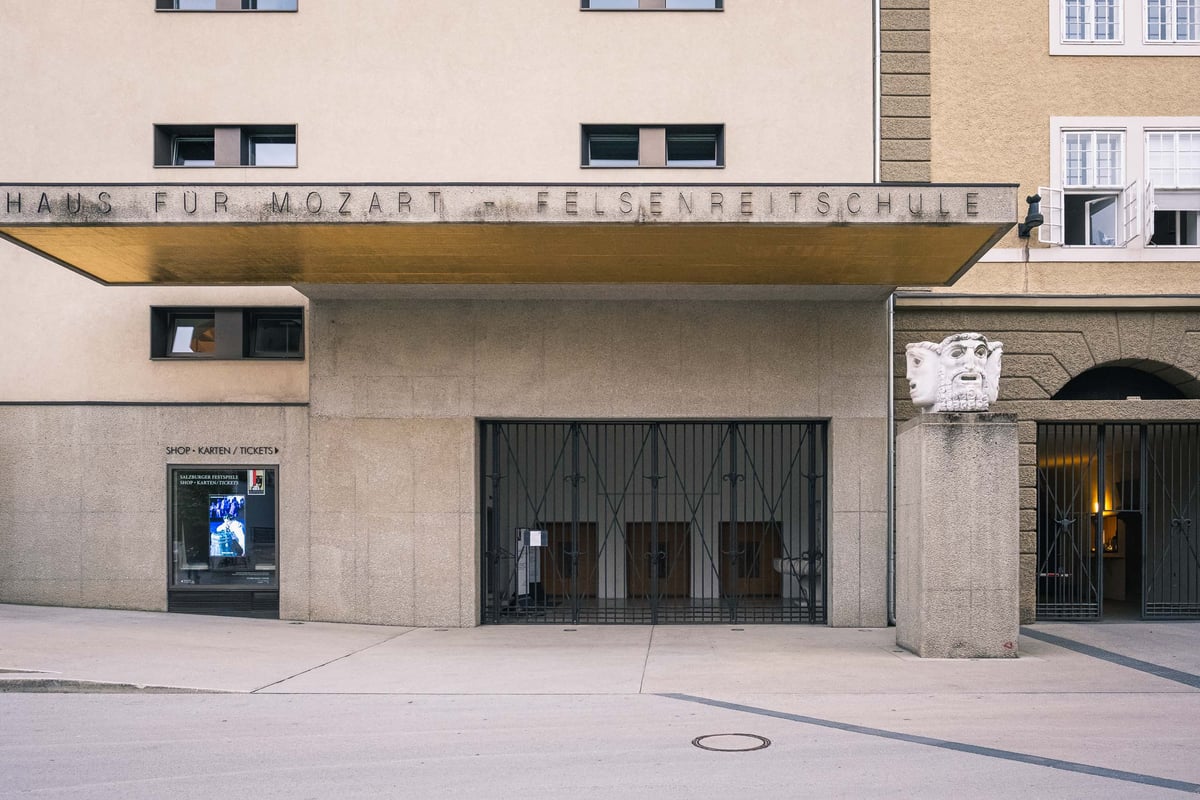
Bohm’s Salzburg appearances spanned four decades. His recordings from the Grosses Festspielhaus and the Felsenreitschule, particularly his Mozart and Beethoven cycles with the Vienna Philharmonic, remain reference points for conductors and scholars. The combination of structural clarity, tonal warmth, and rhythmic solidity that defined his style suited the Salzburg acoustic and the Festival’s musical values.
His career was not without shadow. He led the Hamburg and Vienna State Operas during the Nazi period, and questions about his conduct in those years were raised intermittently throughout his life. The musical world largely set those questions aside, and his post-war career was built without major interruption. He died in Salzburg on 14 August 1981.