Snapshot
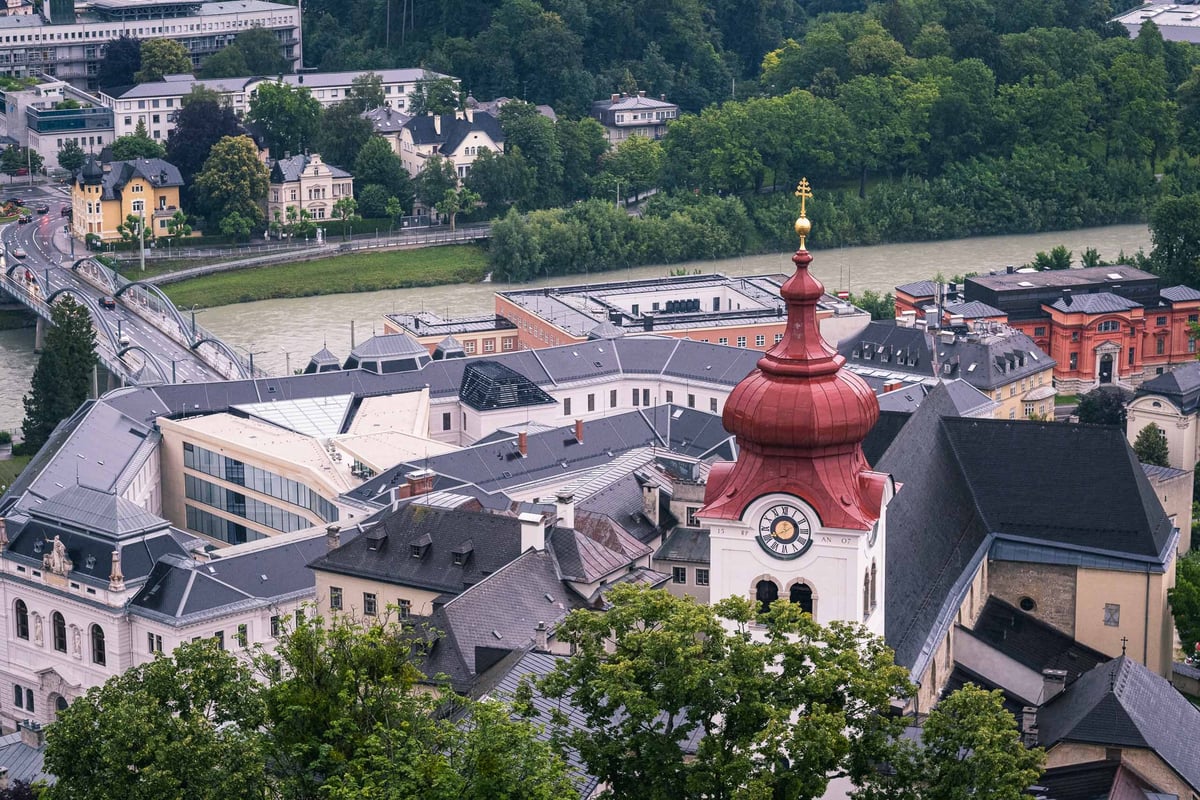
Born Maria Augusta Kutschera in 1905. Postulant at Nonnberg Abbey from 1924. Sent to tutor Georg von Trapp’s sick daughter around 1926. Married Georg at Nonnberg Abbey in November 1927. Left Austria by train in 1938 after the Anschluss, settled in Stowe, Vermont. Published The Story of the Trapp Family Singers in 1949. Died 1987. The 1959 Rodgers and Hammerstein musical The Sound of Music and the 1965 film were based on her memoir.
The Story
Maria Augusta Kutschera was born in 1905 on a train between Tirol and Vienna. Her mother died shortly after she was born, her father died when she was nine, and she grew up in a household she later described as joyless. She was not naturally docile. She put herself through teacher training in Vienna, landed at Nonnberg Abbey as a postulant in 1924, and was sent out again two years later to tutor one of Georg von Trapp’s children, who had fallen ill. The assignment was temporary. It became permanent.
She married Georg in November 1927 at Nonnberg Abbey, though the scene most visitors imagine, the one from the film, was shot elsewhere at Mondsee Cathedral. Together they raised three biological children alongside Georg’s seven from his first marriage. When the family’s savings were erased by the Depression and the Whitehead torpedo inheritance collapsed, it was largely Maria who pushed Georg to let the children perform professionally. The Trapp Family Singers toured Austria and Europe through the mid-1930s.
After the Anschluss in March 1938, the family left Austria. They did not hike dramatically over the Alps into Switzerland. They boarded a train to Villach, crossed into Italy at the border, and made their way through Trieste and eventually to the United States. Georg held Italian papers from his birth in Zadar, which helped at the border.
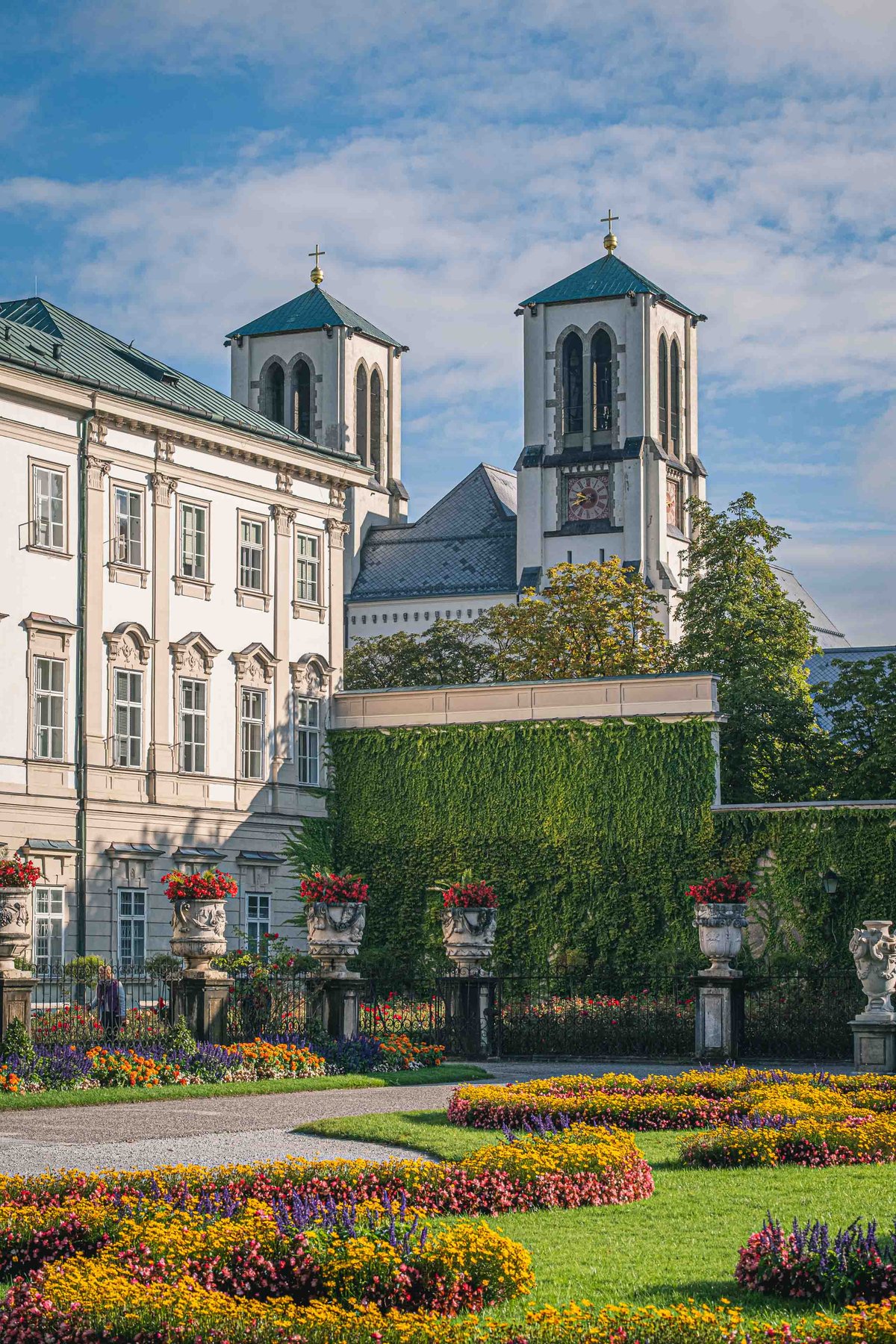
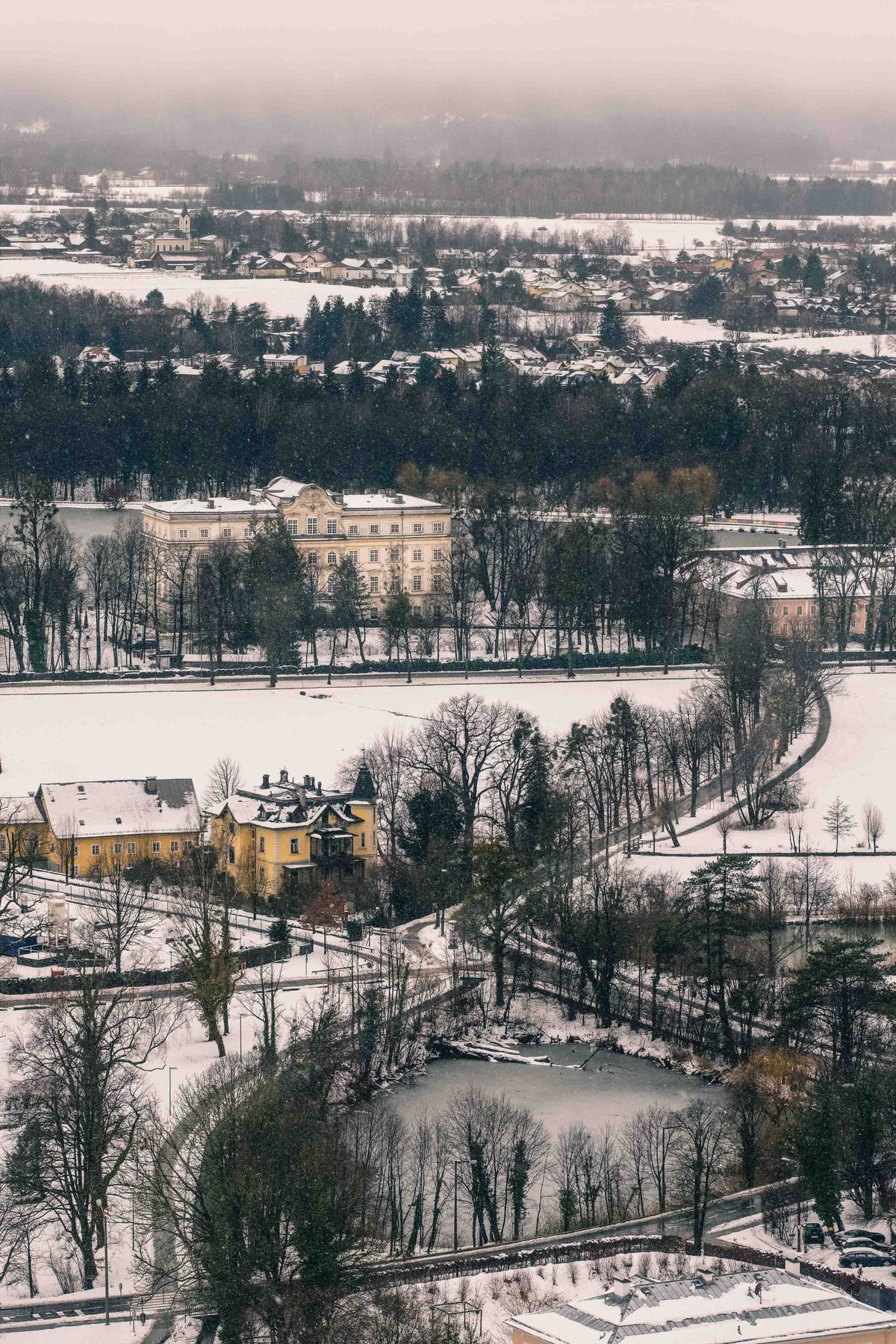
Maria published her memoir in 1949. It became the basis for a 1956 German film and then for the Rodgers and Hammerstein musical that premiered on Broadway in 1959. The 1965 Hollywood film, starring Julie Andrews, turned the story into a global phenomenon and turned Nonnberg Abbey, Mirabell Gardens, and Schloss Leopoldskron into pilgrimage sites.
People who knew Maria describe someone considerably more complicated than the film character: strong-willed, quick-tempered, deeply religious, and capable of great warmth and great stubbornness in equal measure. The musical simplified a real woman into an archetype. Her own memoir is sharper and more honest than anything Hollywood produced from it. She died in Morrisville, Vermont, in 1987, near her home in Stowe.