Snapshot
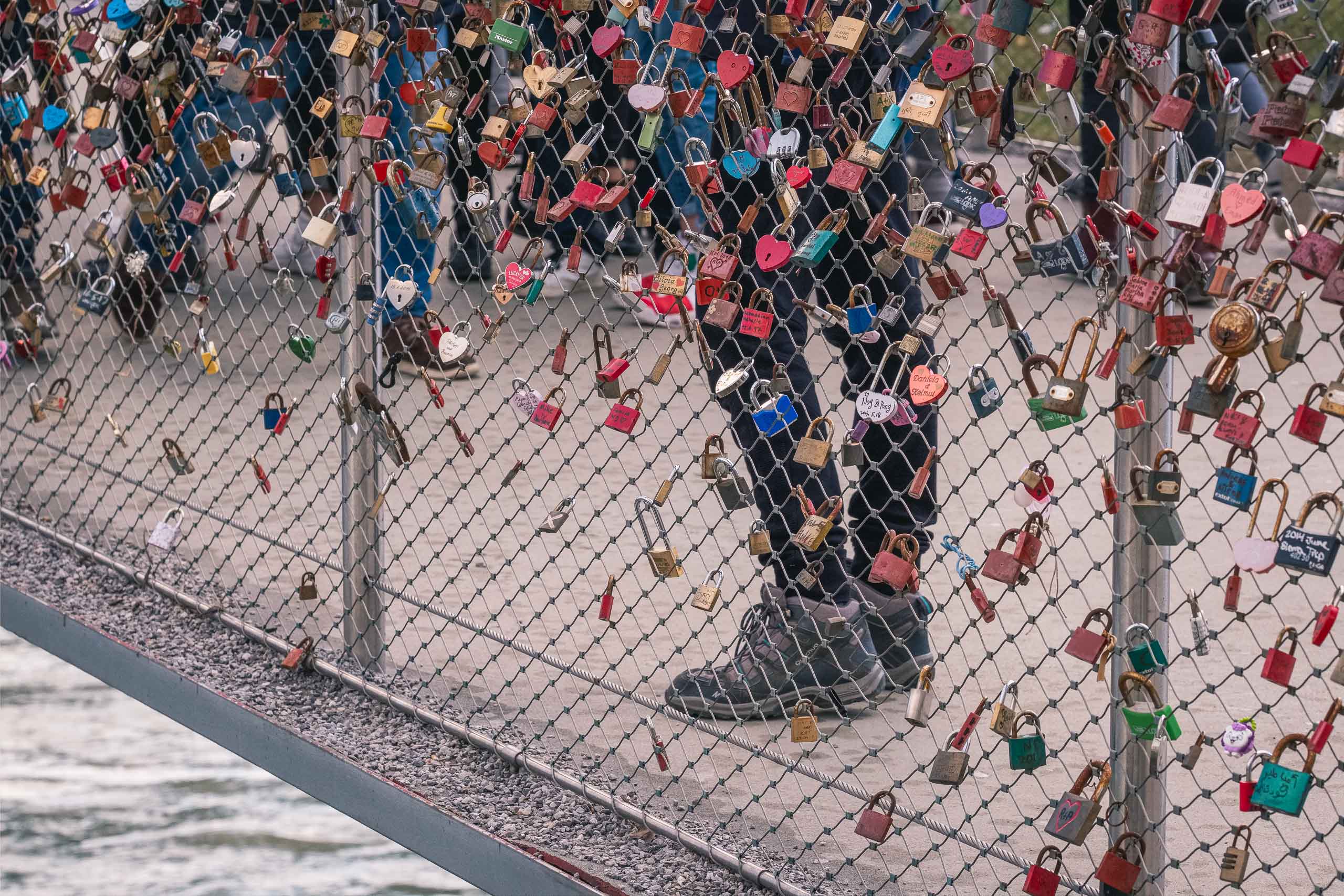
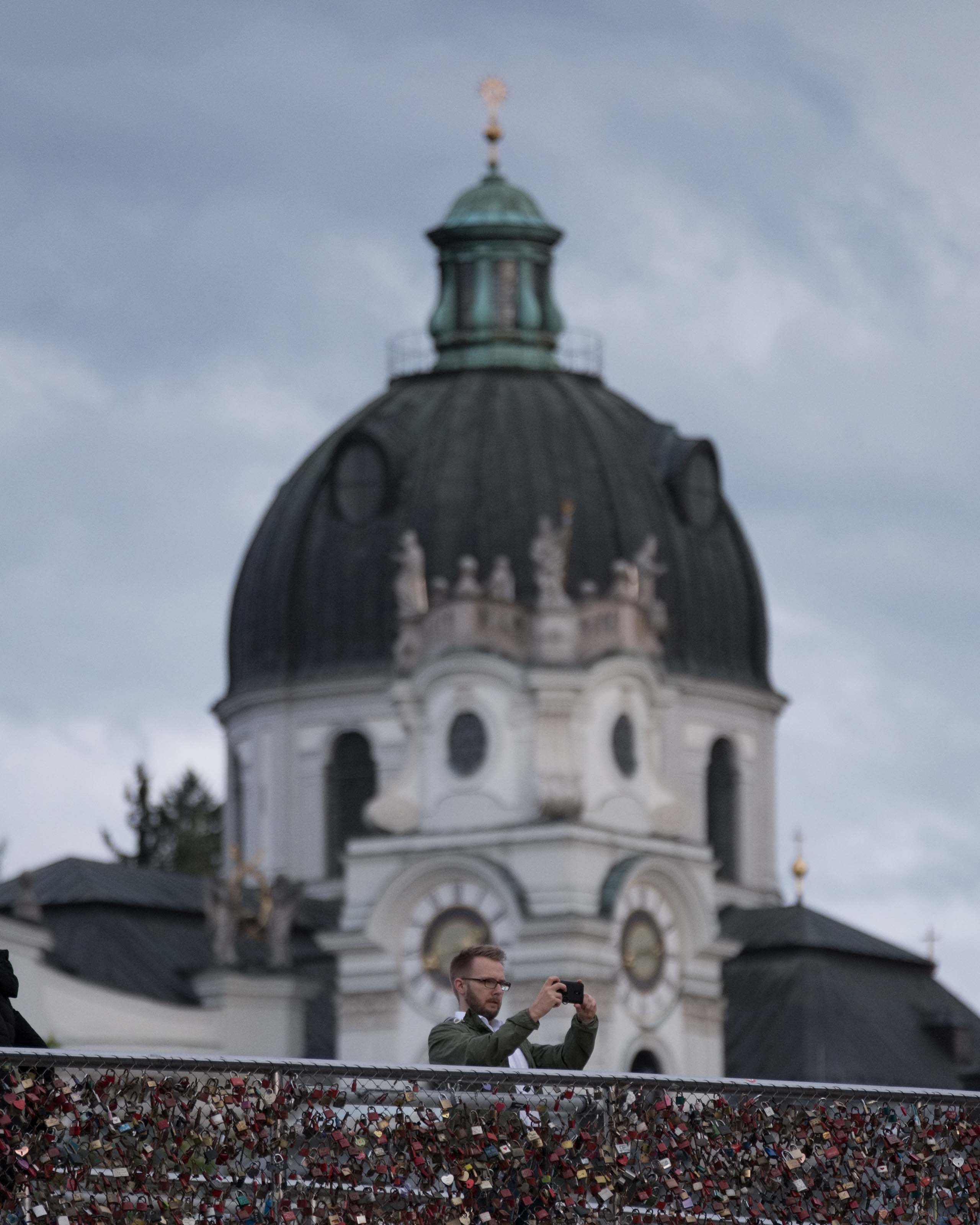
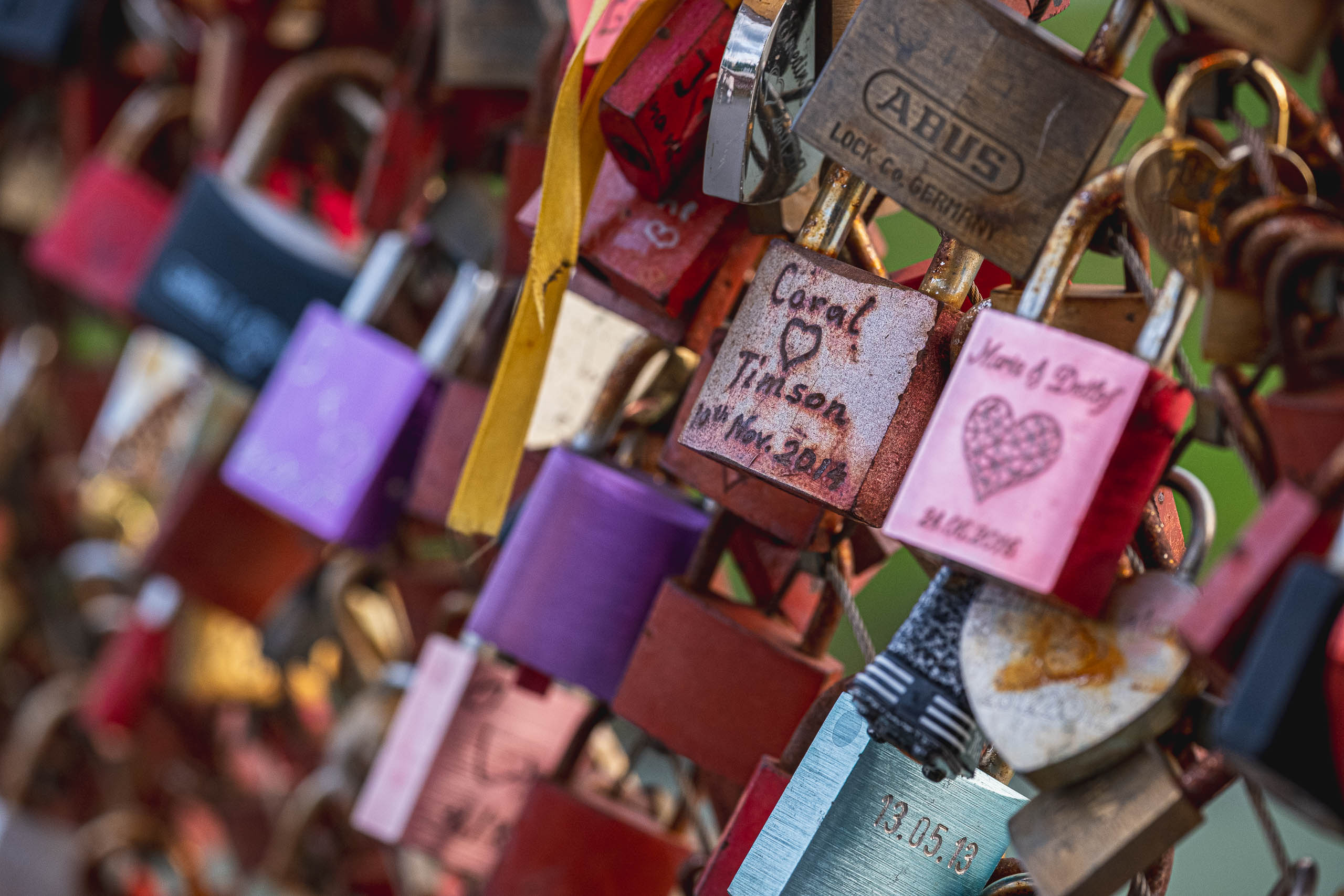
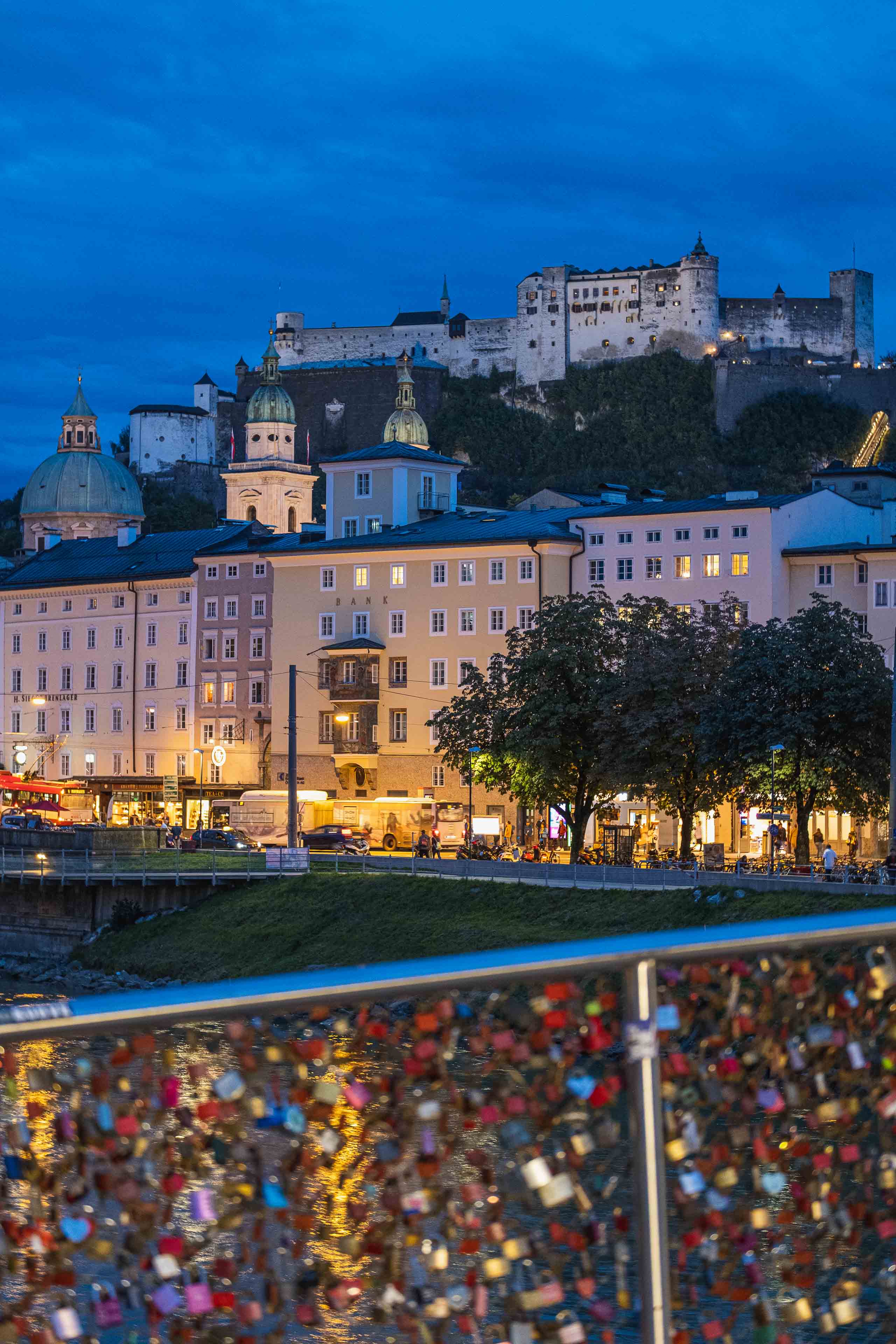
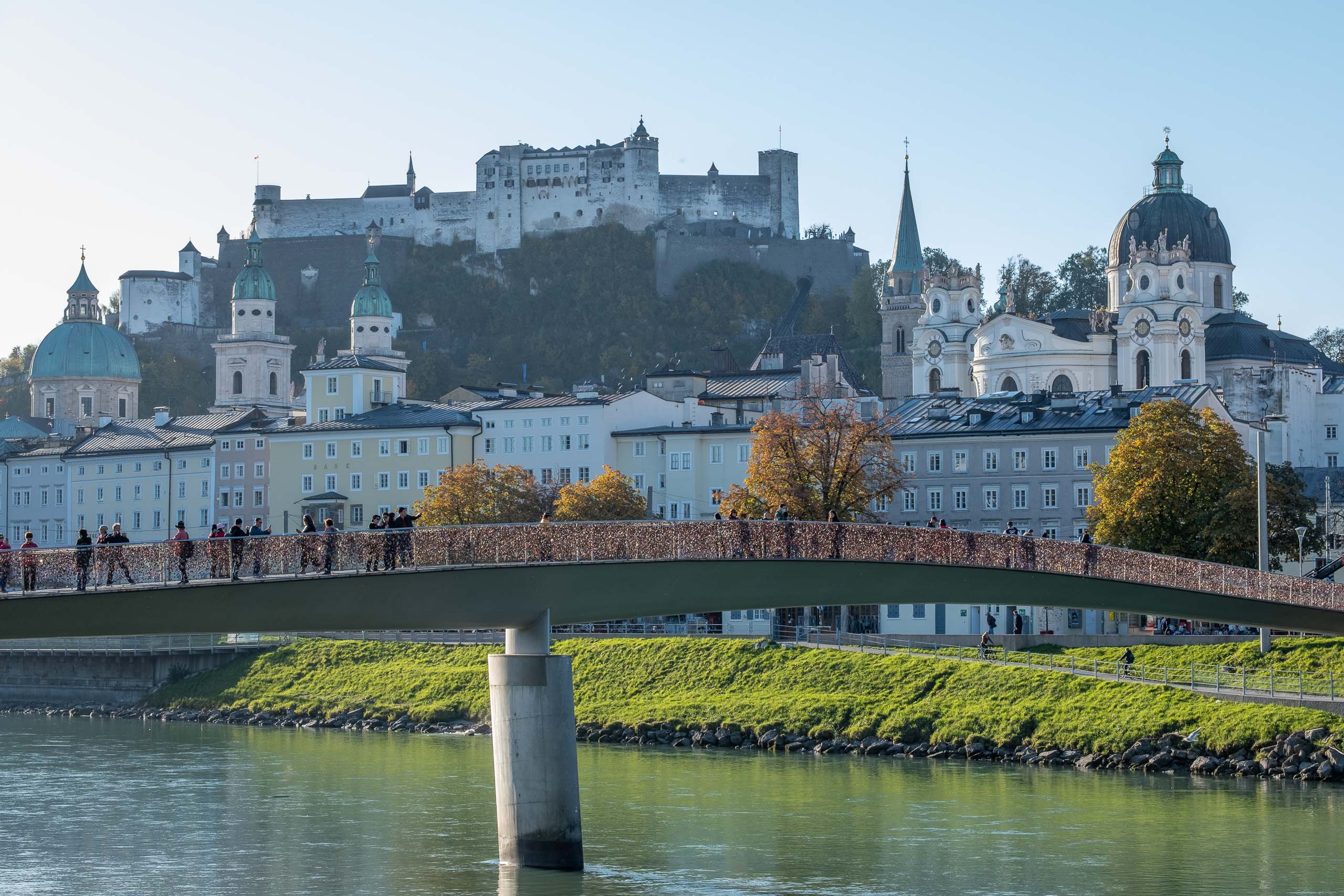
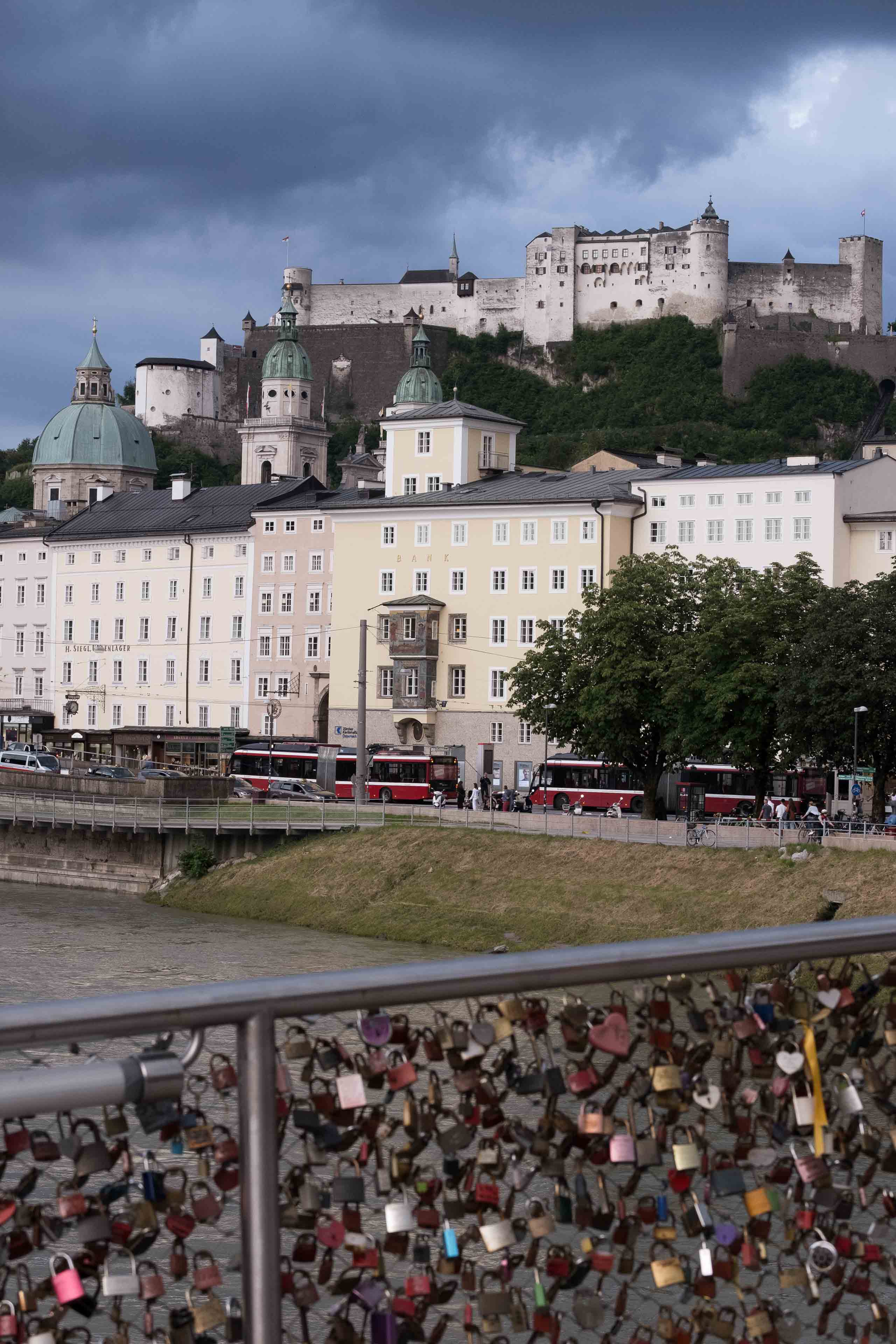
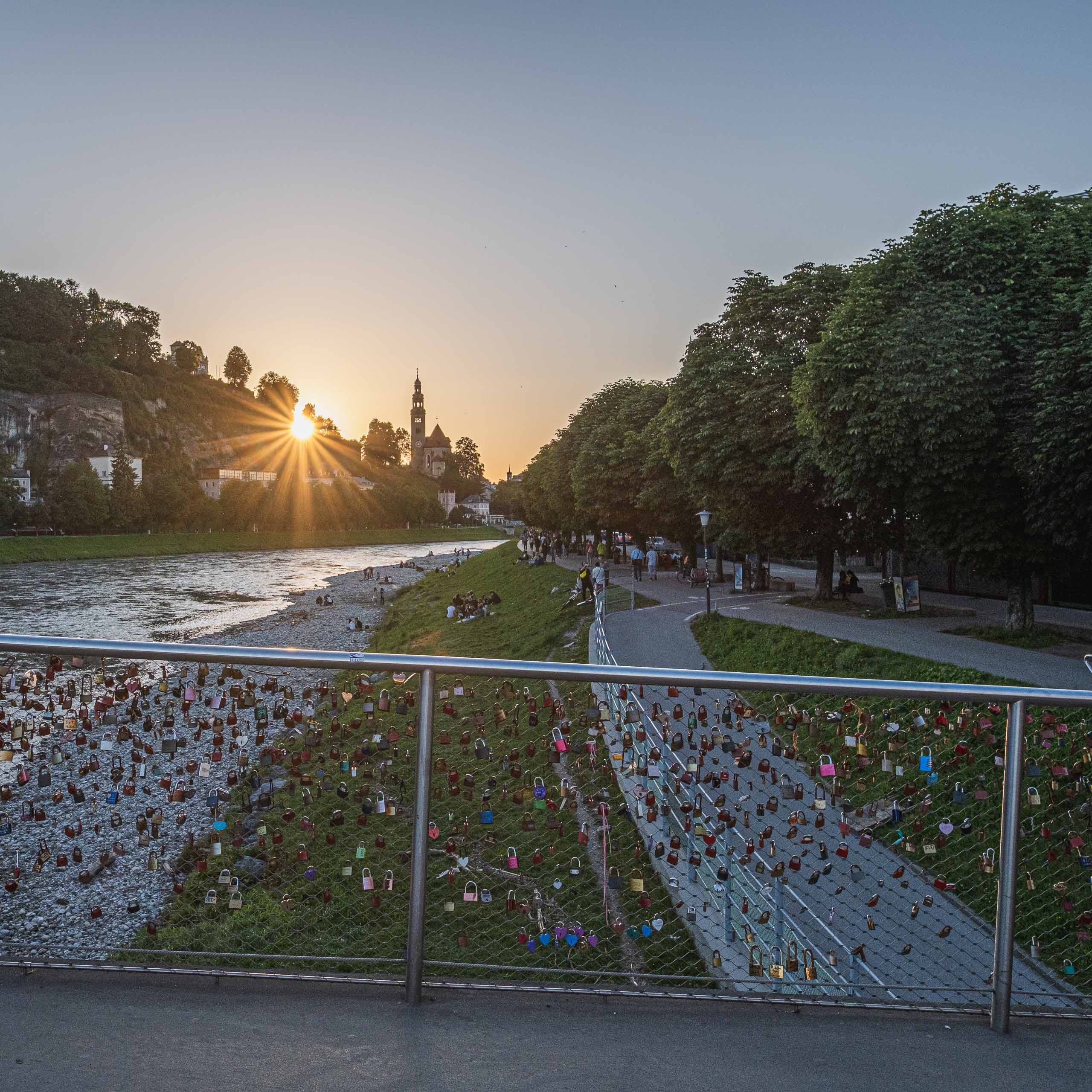
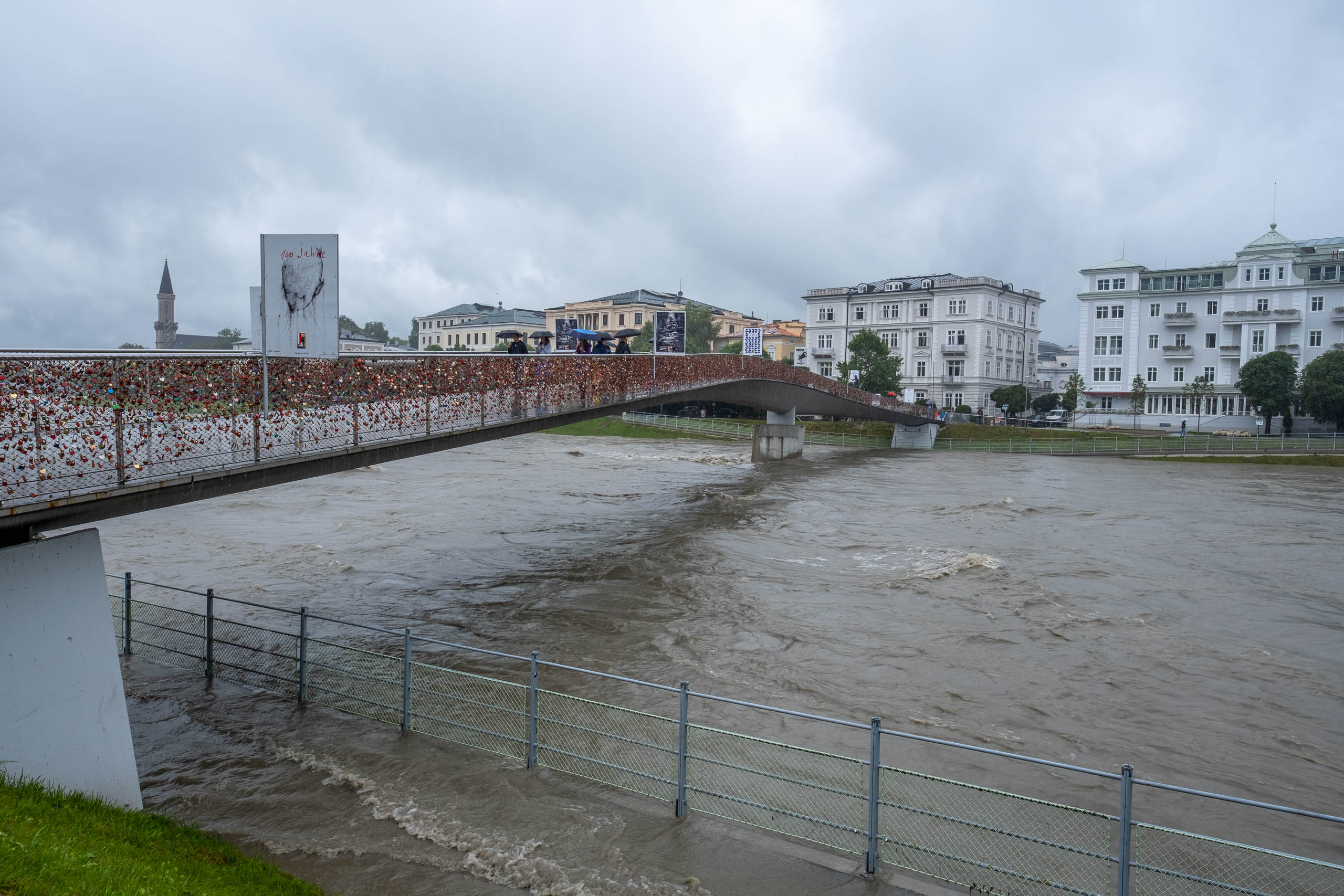
The Marko-Feingold-Steg crosses the Salzach River near Makartplatz, its current name carrying one of the most remarkable personal histories in Salzburg’s modern past. Built in 2001 as the Makartsteg, it was renamed in 2019 while Marko Feingold was still alive, a rare act of living recognition by the city.
The Story
Marko Feingold was born in 1913 in what is now Slovakia and survived four Nazi concentration camps: Auschwitz, Neuengamme, Dachau, and Bergen-Belsen. After liberation, he came to Salzburg, where he spent the following decades as president of the city’s Jewish community, working to help thousands of displaced Jewish survivors transit through the city toward Palestine and, after 1948, toward Israel.
The original name, Makartsteg, honoured Hans Makart, the 19th-century Salzburg painter known for theatrical historical canvases and enormous allegorical compositions that made him one of the most celebrated artists in the Habsburg Empire. In renaming the bridge for Feingold in 2019, the city made a choice about which histories it wanted embedded in its public infrastructure.
The renaming happened while Feingold was still alive, at 106 years old, making it a deliberate gesture of recognition rather than posthumous commemoration. He died in September 2019, reportedly a few months after the ceremony. The bridge is still commonly called Makartsteg by locals, which means the two names now run in parallel: the popular one and the official one.
Visiting
- Access: free, always open; pedestrian bridge across the Salzach River
- Location: near Makartplatz, Ferdinand-Hanusch-Platz, central Salzburg
- Time needed: 5-10 minutes to cross and take in the view; longer if combining with the adjacent riverfront walk
- Combine with: Makartplatz, Salzach River riverfront walk