
Topic
World War II
27 entries tagged World War II on Introducing Salzburg.
Berchtesgaden & Eagles Nest Tour
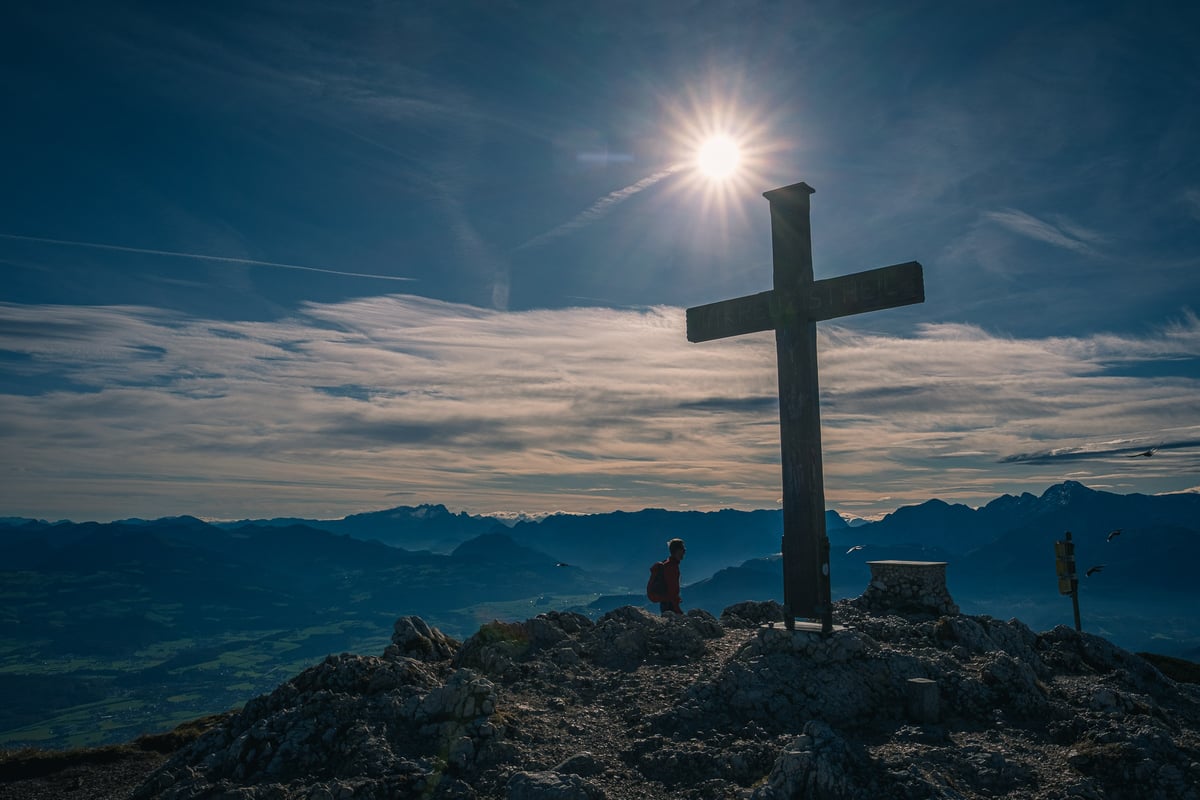
Full-day excursion to Berchtesgaden and Eagle's Nest (May-Oct). ~45 min to Berchtesgaden. Dokumentationszentrum Obersalzberg for WWII context. Salt mine as wet-weather/winter alternative. Panorama Tours Salzburg and Bobs Special Tours.
Beyond Recall
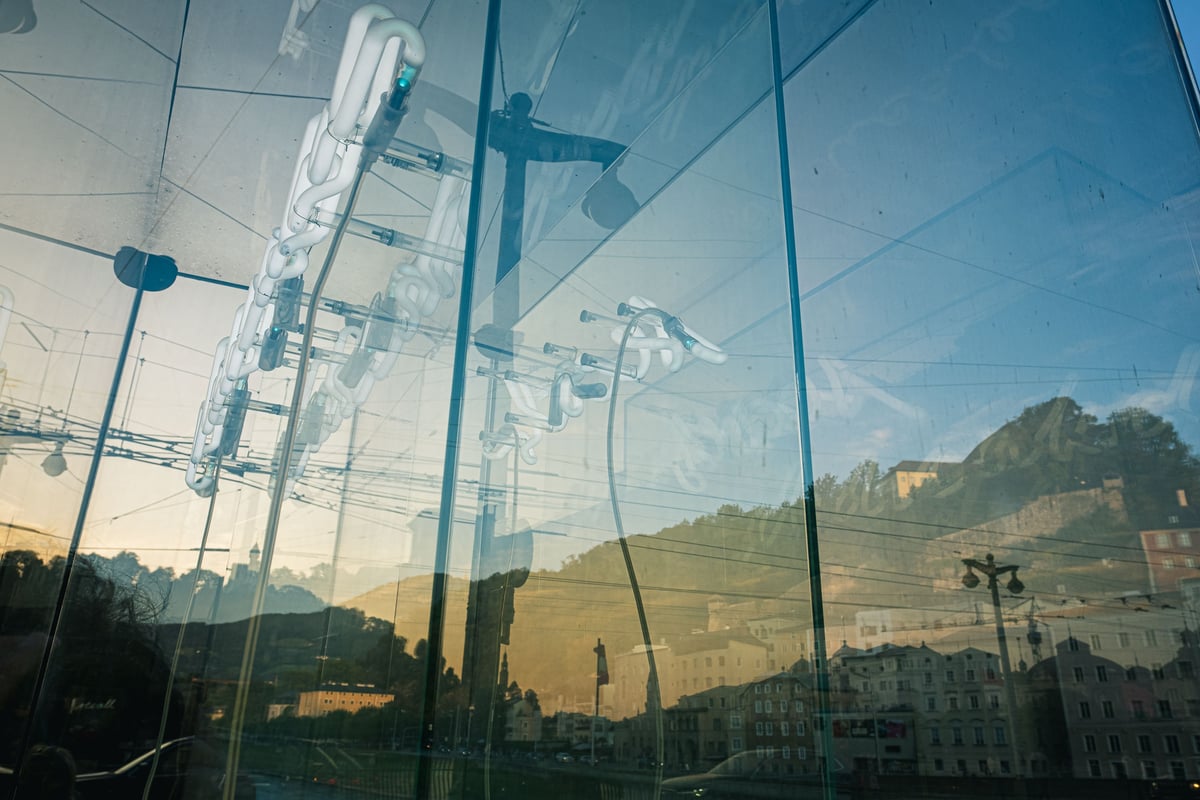
Installed 2011
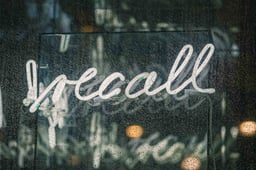
Four neon light cubes on the Staatsbrücke by Brigitte Kowanz (2011). Walk of Modern Art #10. A deliberate act of remembrance for the victims of the Nazi regime. Kowanz died in 2022.
Dokumentationszentrum Obersalzberg
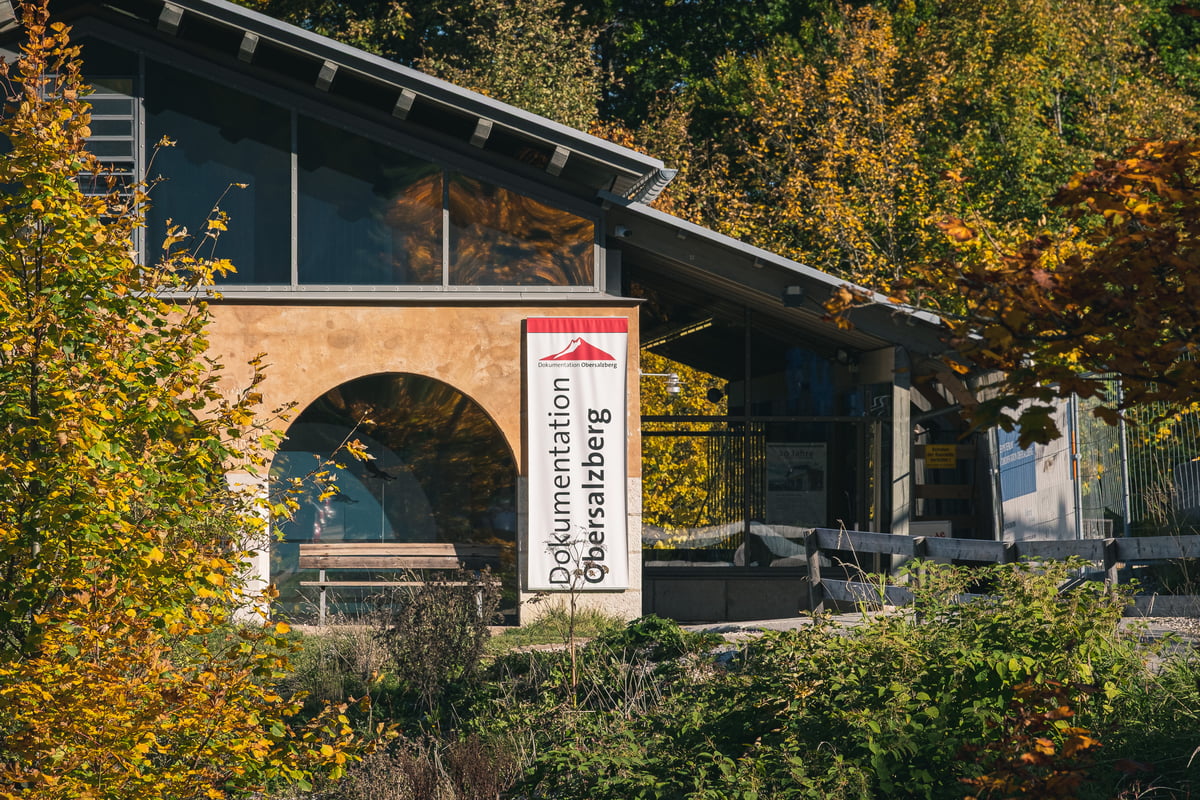
The Obersalzberg above Berchtesgaden was the second seat of Nazi power after Berlin. Hitler acquired a house here in 1928; by the mid-1930s the entire mountainside had been seized, farmed-out residences demolished, and rebuilt as a complex of government buildings, SS barracks, and underground bunkers.
Kaprun High Dams
Built 1938-1955
Note: A richer version of this entity exists as Kaprun High Mountain Reservoirs (slug: kaprun-stauseen) covering the same Mooserboden and Wasserfallboden reservoirs above Kaprun. This entry is a duplicate created from a different source pass.
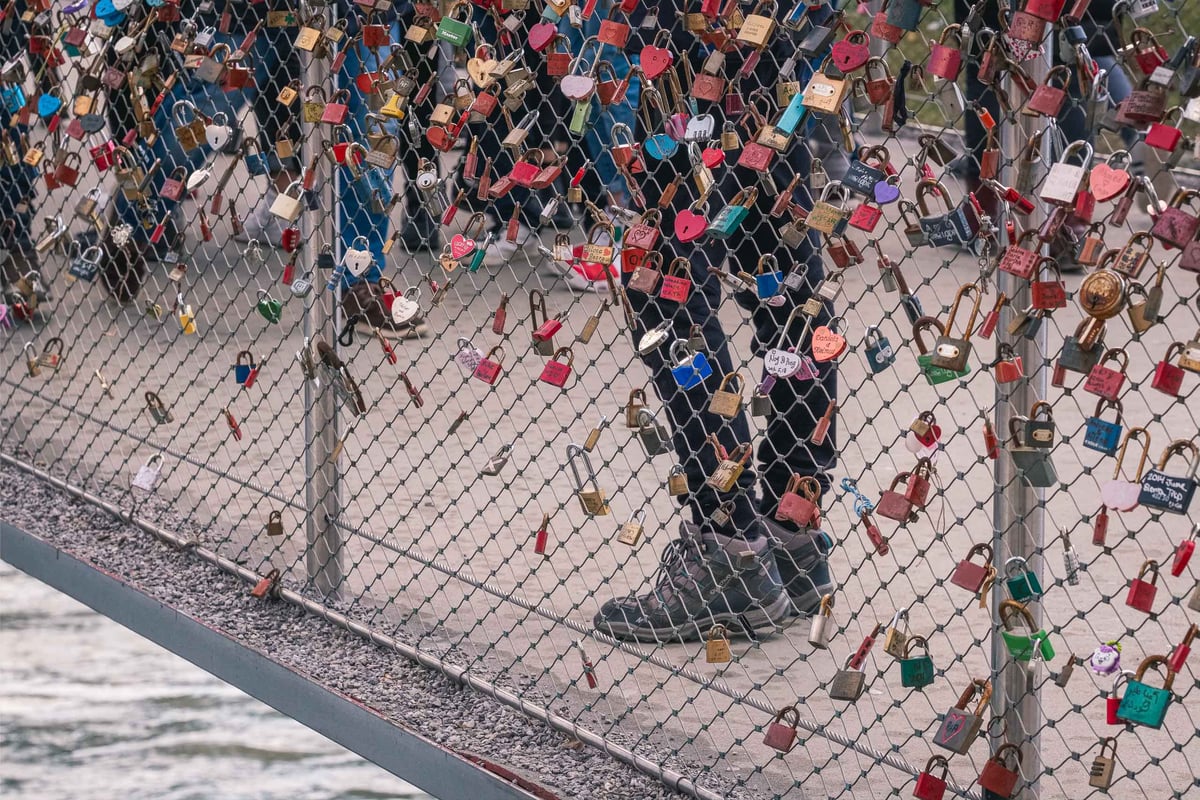
Marko-Feingold-Steg
Built 2001
A pedestrian bridge over the Salzach near Makartplatz, renamed in 2019 in honour of Marko Feingold, Holocaust survivor and longtime president of Salzburg's Jewish community. Originally known as the Makartsteg, named after Hans Makart.
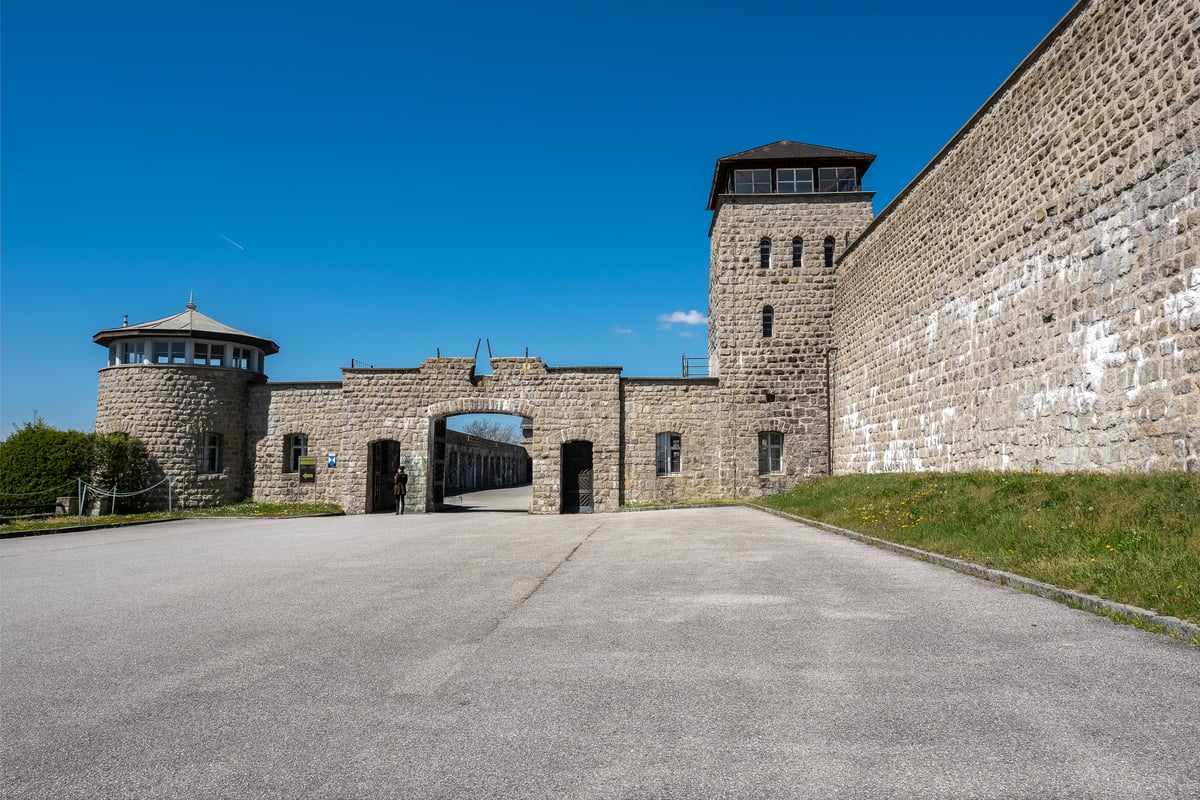
Mauthausen Memorial
Mauthausen was a Category III Nazi concentration camp, the designation reserved for prisoners deemed beyond rehabilitation and therefore marked for the harshest treatment and certain death. Between 1938 and 1945, more than 190,000 people were imprisoned here; at least 90,000 were killed.
Salzwelten Altaussee
The Altaussee salt mine carries a specific historical weight that sets it apart from the other Salzwelten show mines: in 1945, it was the hiding place for thousands of artworks looted by the Nazis from across occupied Europe, including works by Jan van Eyck, Michelangelo, and Vermeer.
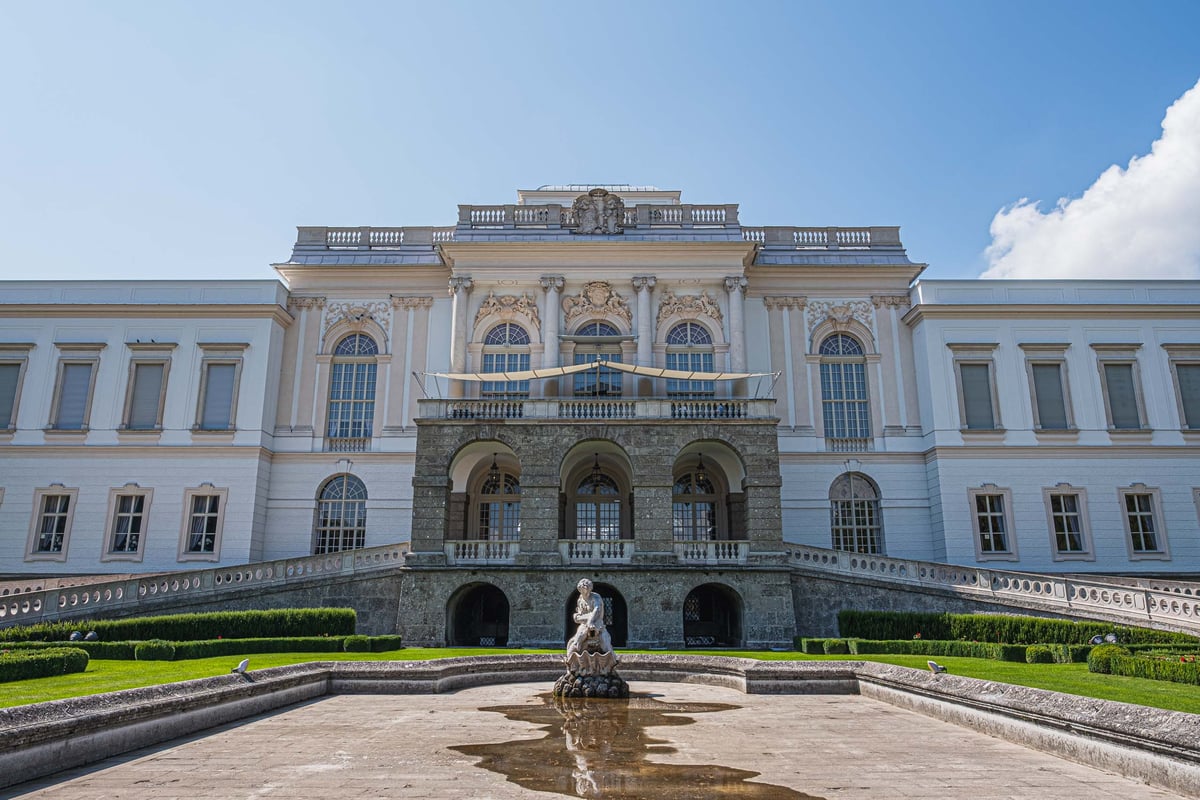
Schloss Klessheim
Baroque palace designed by Johann Bernhard Fischer von Erlach for Johann Ernst von Thun. Served as summer residence, hosted Emperor Franz Joseph I and Adolf Hitler. Today houses Casino Salzburg and hosts events. The formal gardens are fine late baroque landscape design.
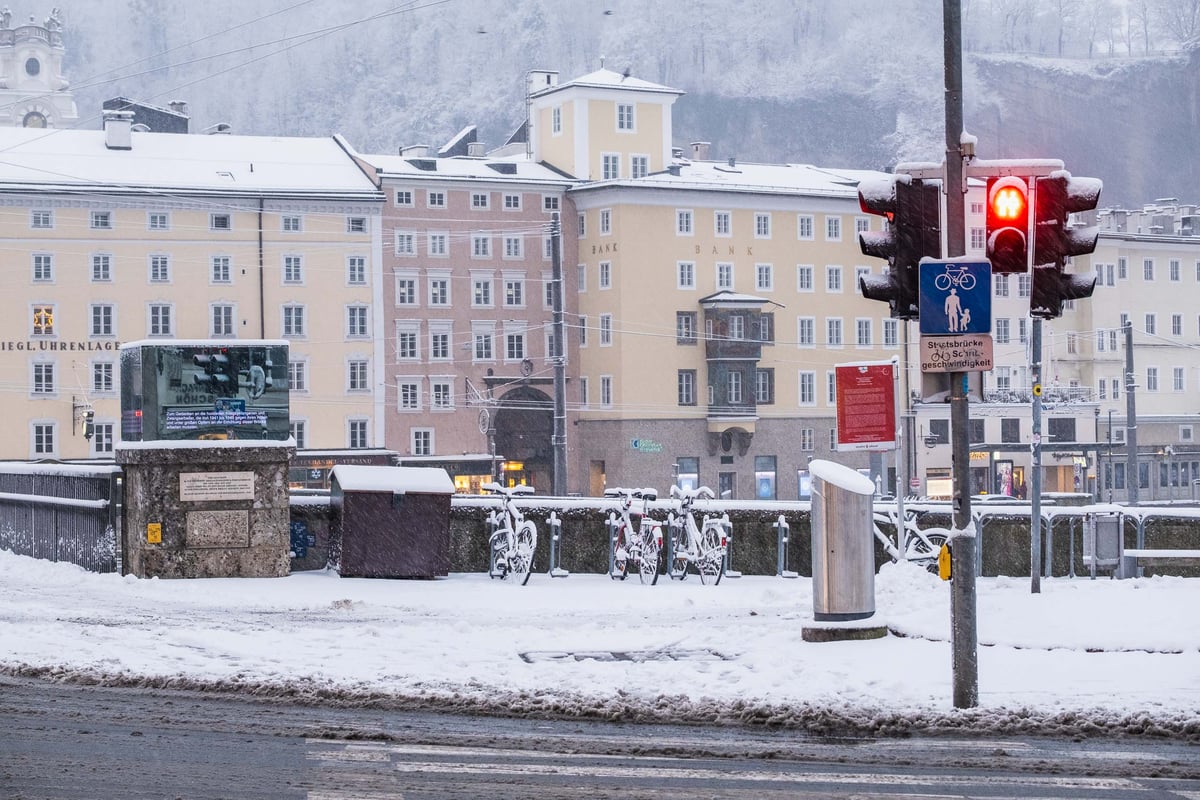
Staatsbrücke
The main bridge crossing the Salzach, connecting the Altstadt to the Neustadt/Linzer Gasse area. The busiest pedestrian and traffic crossing in central Salzburg. Current bridge dates to 1938.
Stefan Zweig Centre Salzburg
A dedicated research institute, museum, and event space celebrating Stefan Zweig, one of the most widely translated writers of the 20th century and a figure closely associated with Salzburg. Housed in the Palais Kieselburg at Schwarzstraße 26.
The records
People tagged World War II
Anton Faistauer
painter1887 - 1930
Salzburg-born Expressionist whose frescoes for the Grosses Festspielhaus entrance hall (1926) were destroyed by the Nazis as "degenerate art" and later reconstructed. A close friend of Egon Schiele and Oskar Kokoschka. Died at 42.
Arturo Toscanini
conductor1867 - 1957
The conductor who made Salzburg the unquestioned summit of the musical world. Toscanini conducted at the Salzburg Festival from 1934 to 1937. He reportedly called Salzburg "the most perfect musical event in the world." When Austria was annexed by Nazi Germany in 1938, he refused to return.
Brigitte Kowanz
artist1957 - 2022
Austrian light and neon artist whose Beyond Recall (2011) on the Staatsbrucke confronts visitors crossing Salzburg's main bridge with four neon cubes addressing the Nazi period and the imperative of remembrance.
Bruno Walter
conductor1876 - 1962
A devoted disciple of Gustav Mahler and one of the foundational conductors of the Salzburg Festival. Walter gave the world premieres of Mahler's Das Lied von der Erde and the Ninth Symphony. Alongside Arturo Toscanini and Furtwangler, he formed the triumvirate that defined the young Festival's artistic identity. Forced to flee after the 1938 Anschluss.
Carl Zuckmayer
writer1896 - 1977
Major German playwright who lived on a farm near Henndorf am Wallersee in the Salzburg Flachgau from the early 1930s until 1938. When the Nazis annexed Austria, Zuckmayer fled. His autobiography Als war's ein Stuck von mir (A Part of Myself) is acclaimed.
Friedrich Welz
entrepreneur1903 - 1980
Salzburg art dealer who founded Galerie Welz, still operating on Sigmund-Haffner-Gasse. A close associate of Oskar Kokoschka. His record is shadowed by documented involvement in the acquisition of artworks from Jewish owners under duress following the 1938 Anschluss.
Georg von Trapp
official1880 - 1947
The real Captain von Trapp. Austro-Hungarian naval commander who lived in Salzburg at Villa Trapp in Aigen. His family's flight from Austria after the 1938 Anschluss is the story behind The Sound of Music. The family eventually settled in Stowe, Vermont.
Lotte Lehmann
singer1888 - 1976
One of the greatest sopranos of the 20th century and one of the most significant personalities in Salzburg Festival history. Richard Strauss wrote several roles with her voice in mind. She fled the Nazi regime in 1938 and founded the Music Academy of the West in Santa Barbara. She also played a documented role in launching the Trapp Family Singers.
Marko Feingold
official1913 - 2019
One of the last living survivors of the Nazi concentration camps and longest-serving president of the Jewish community in Salzburg. Survived Auschwitz, Neuengamme, Dachau, and Buchenwald. A pedestrian bridge over the Salzach, the Marko Feingold Steg, was renamed in his honour after his death. He died in Salzburg aged 106.
Max Reinhardt
director1873 - 1943
Theatre director of extraordinary vision and co-founder of the Salzburg Festival. Reinhardt purchased Schloss Leopoldskron in 1918, which later inspired the Von Trapp villa in The Sound of Music. He staged the first Jedermann on Domplatz in 1920. Jewish, he fled the Nazis in 1938 and died in New York exile in 1943.
Stefan Zweig
writer1881 - 1942
One of the most widely translated German-language authors of the 20th century. Zweig lived at Kapuzinerberg 5, Salzburg, from 1919 to 1934. From this house on the forested hill above the right bank, he wrote his celebrated memoir Die Welt von Gestern (The World of Yesterday).
Wilhelm Furtwängler
conductor1886 - 1954
One of the supreme conductors of the 20th century, and perhaps the most controversial. Furtwangler's decision to remain in Germany during the Nazi period made him a figure of perpetual moral debate. His post-war Salzburg Festival performances in the early 1950s are among the most legendary in recording history.