Snapshot
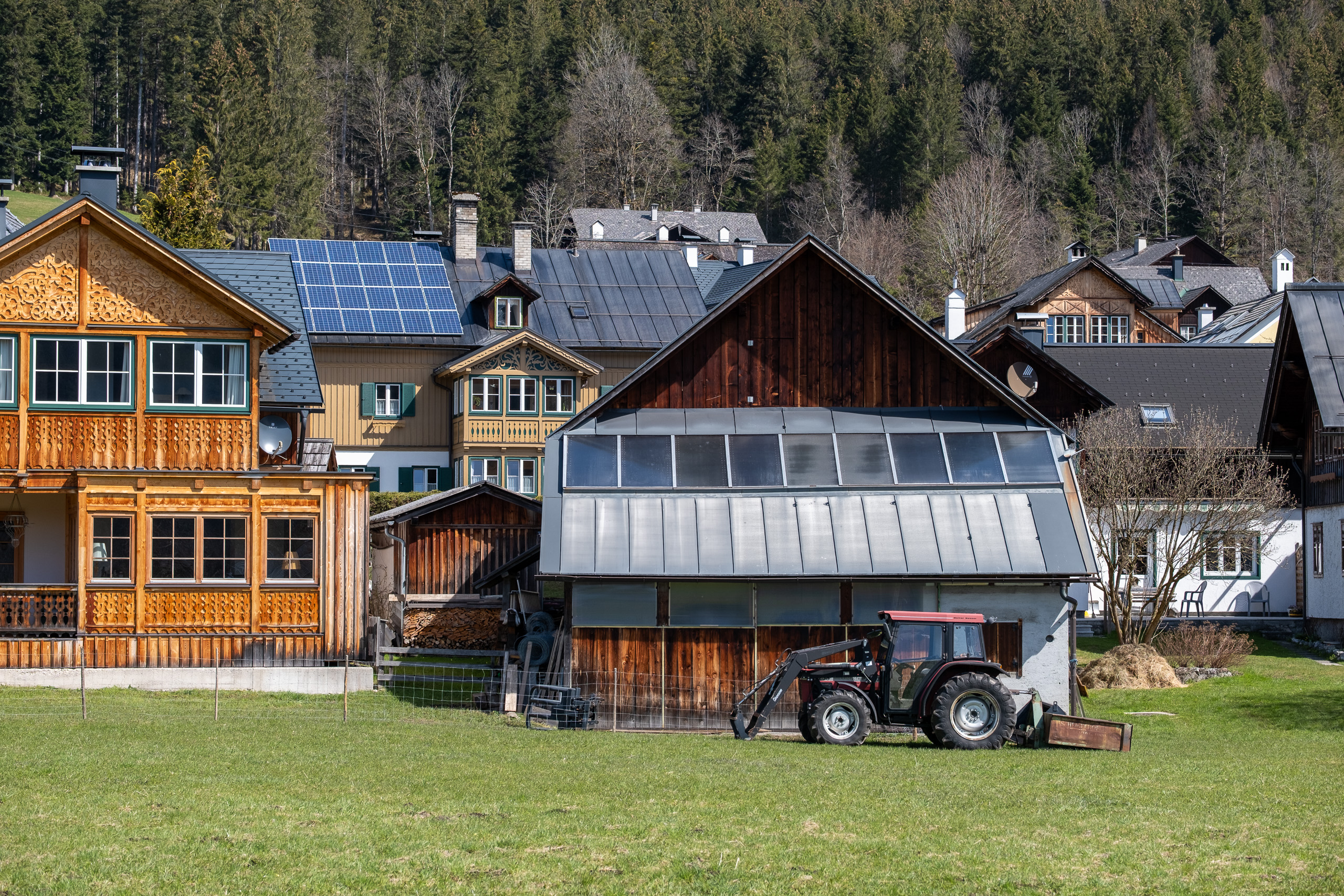
A small Styrian village on one of the most beautiful lakes in the Salzkammergut, Alt-Aussee holds one of the most dramatic WWII stories in the Austrian Alps: Nazi authorities hid over 6,500 looted masterpieces inside its working salt mine, and local miners chose to save them rather than follow orders to detonate the tunnels.
The Story
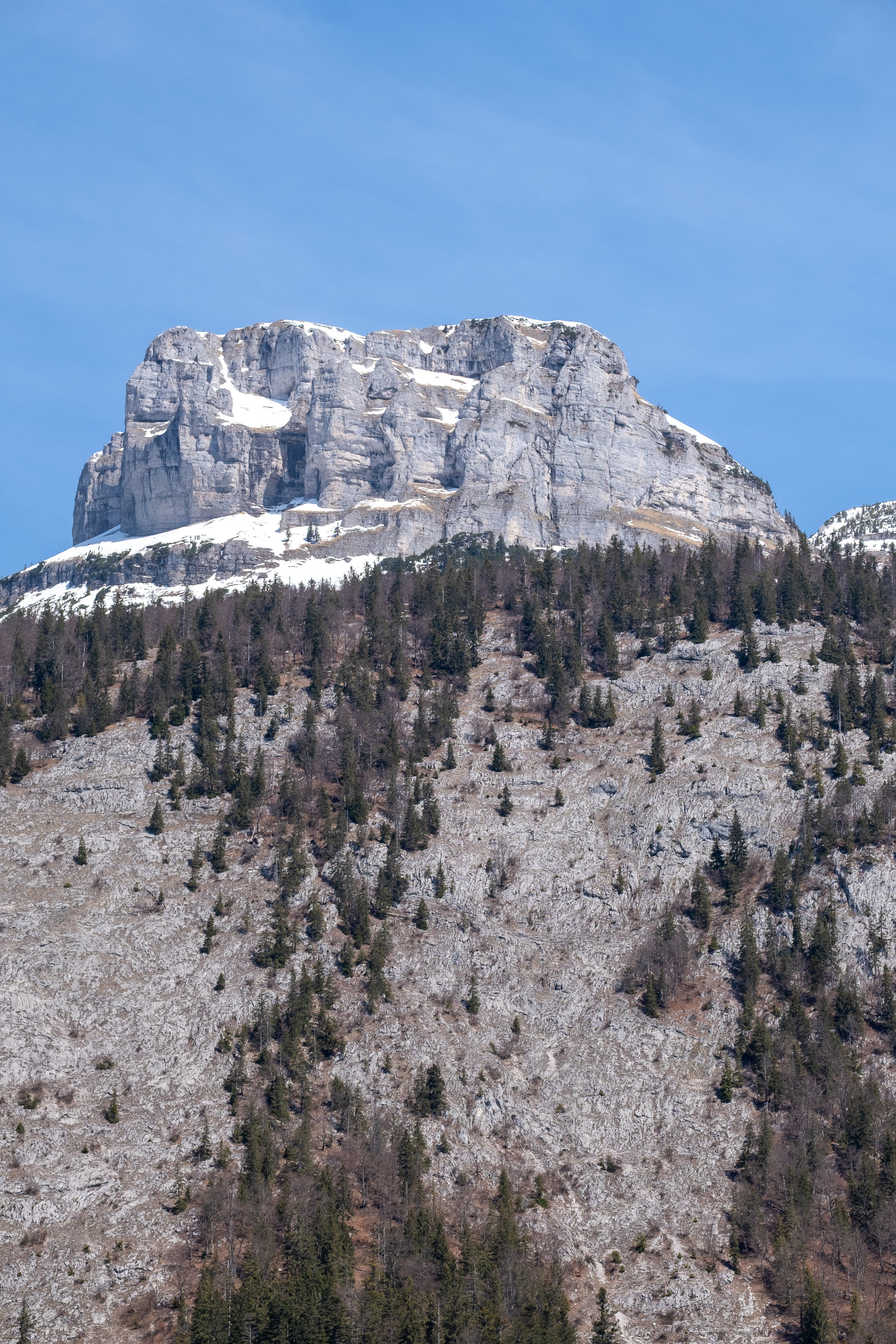
The Altaussee salt mine has operated continuously since at least the 12th century, when Rein Abbey controlled the brine wells on the lake’s southern shore. Duke Leopold VI seized the rights in 1211, and extraction gradually expanded into the mountain. By the 20th century, the mine had become Austria’s largest active salt operation, still producing around 550,000 tonnes annually. Its steady 12°C temperature and high humidity made it, in the eyes of Nazi planners, the ideal storage vault. Between 1943 and 1945, over 6,500 looted works were packed into wooden crates and moved into the tunnels, among them Michelangelo’s Madonna of Bruges, Jan van Eyck’s Ghent Altarpiece, and multiple Vermeer paintings, all destined for Hitler’s planned Führermuseum in Linz that was never built.
In the final weeks of the war, SS officers ordered the mine sealed and destroyed with the art inside. The salt miners refused. They removed the fuses, hid the explosives, and held the tunnels until American troops arrived. The “Fortune of Art” exhibition inside the mine now tells this story and includes the Barbara Chapel, carved from salt in 1935, still lit with candles. The mine remains a working operation and a live tourist site simultaneously, an unusual combination that the Salzkammergut carries with some frequency.
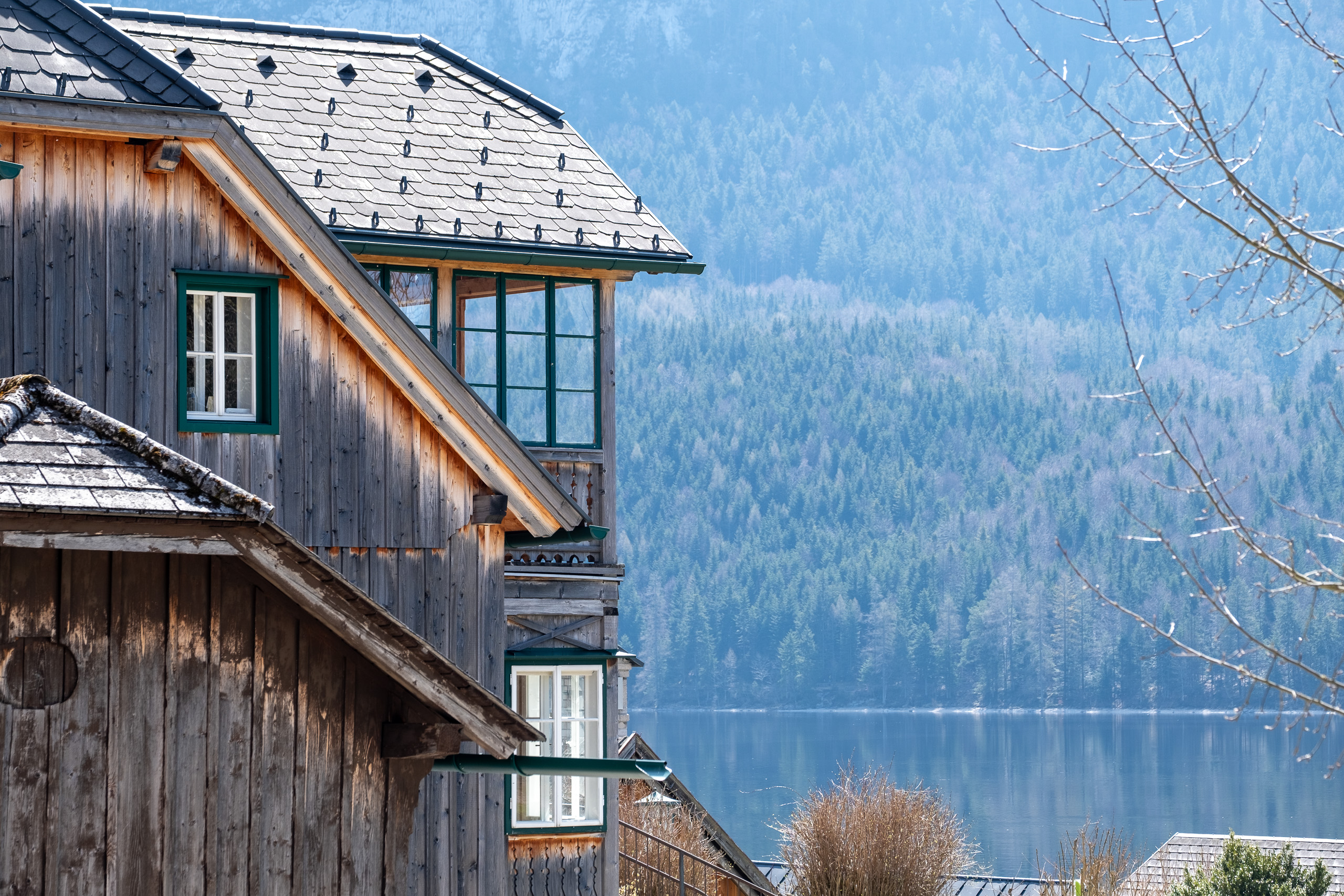
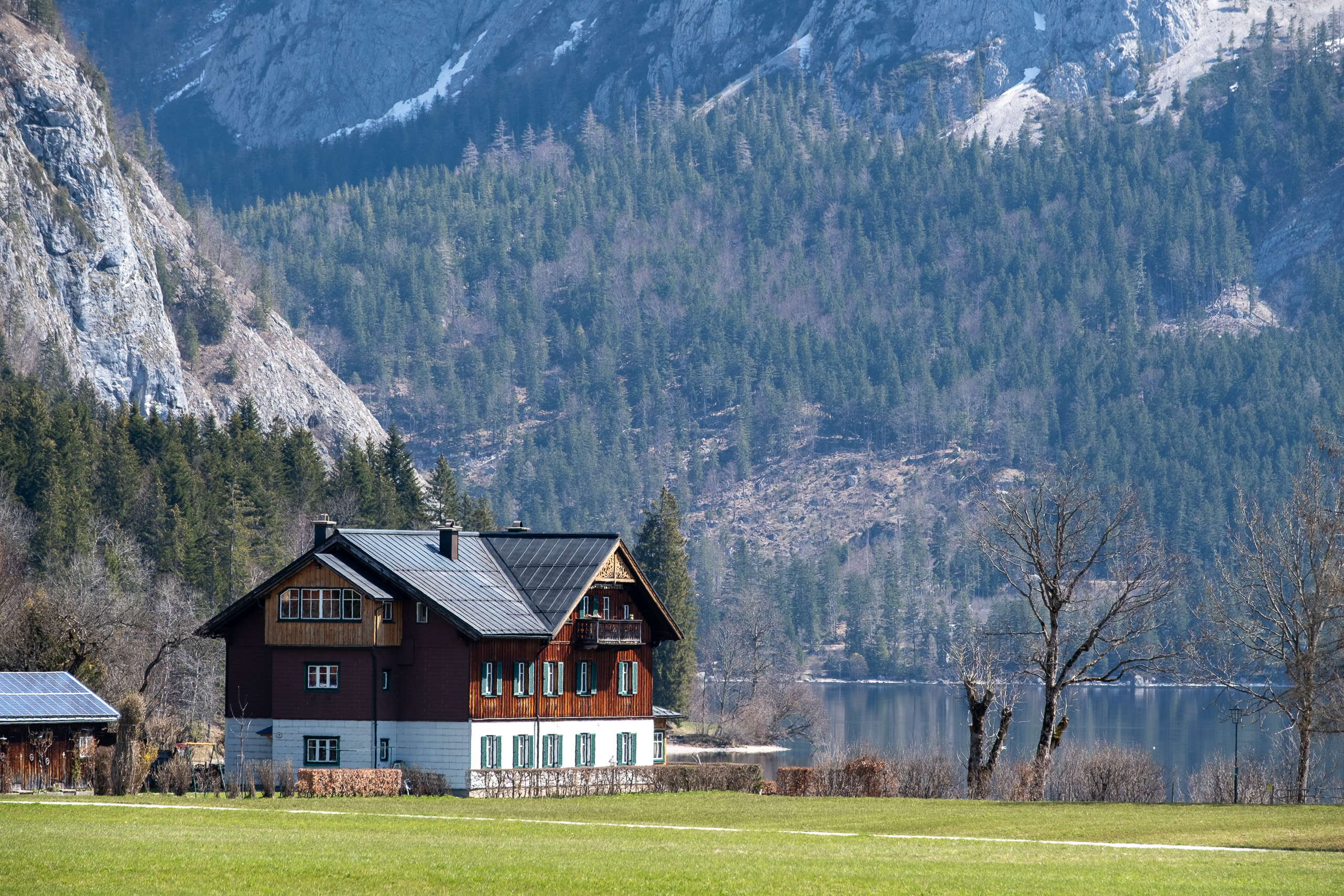
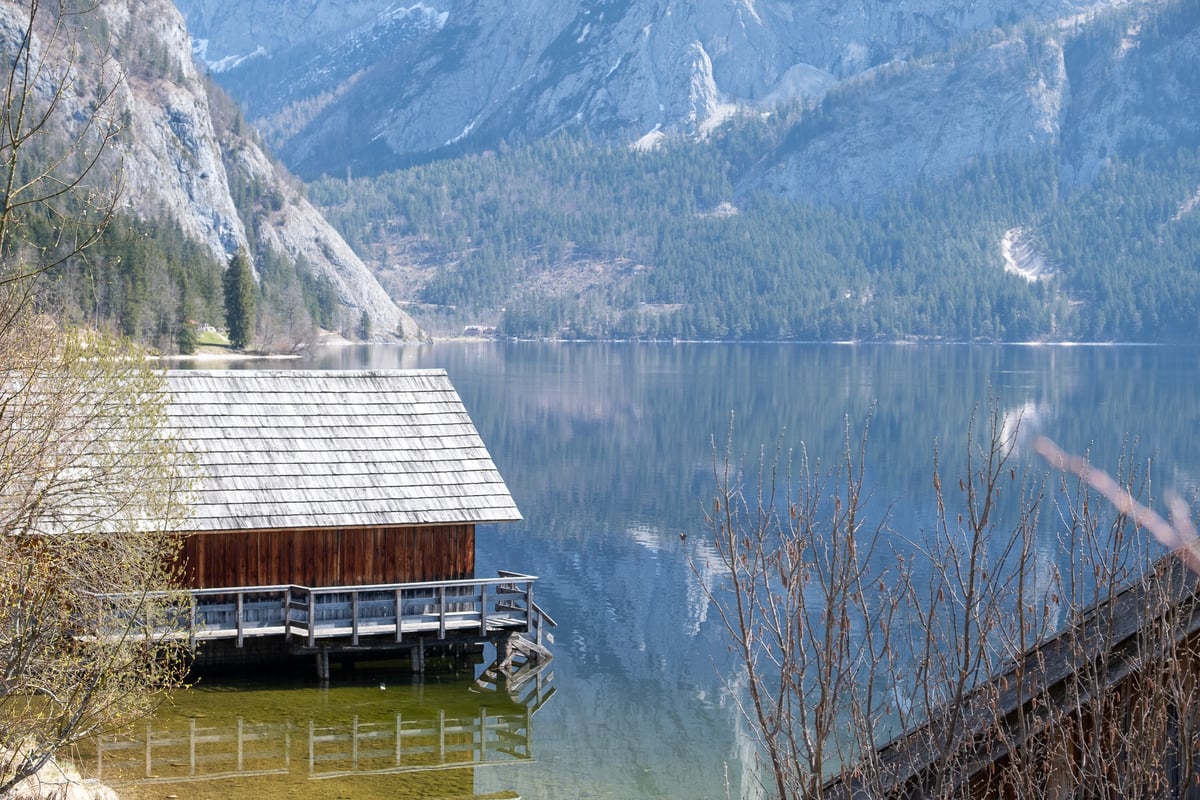
Separate from the mine, the Altausseer See itself is one of the most visually striking lakes in the entire region, its water clarity producing a turquoise tone that photographs cannot quite capture. The 7.5 km lakeside loop (Seerundweg) stays largely below 60 metres of elevation gain and takes about two and a half hours at a relaxed pace. Actor Klaus Maria Brandauer was born here, and the village attracted intellectual summer visitors including Theodor Herzl and Hugo von Hofmannsthal during earlier centuries.
Planning
Alt-Aussee is in Styria, roughly 90 km east of Salzburg, about an hour and 15 minutes by car. There is no direct train; the nearest rail connection is Bad Aussee, then a short bus ride. Salt mine tours run daily with guided sessions of around 90 minutes; book ahead in summer. The lakeside loop is free and accessible year-round. Combine naturally with Bad Aussee and Hallstatt for a full Salzkammergut day. The Daffodil Festival in late April or early May draws large crowds if timing aligns. Summer weekends fill the lake road; an early start is worthwhile.