
Topic
Salt History
27 entries tagged Salt History on Introducing Salzburg.
Altausseer See
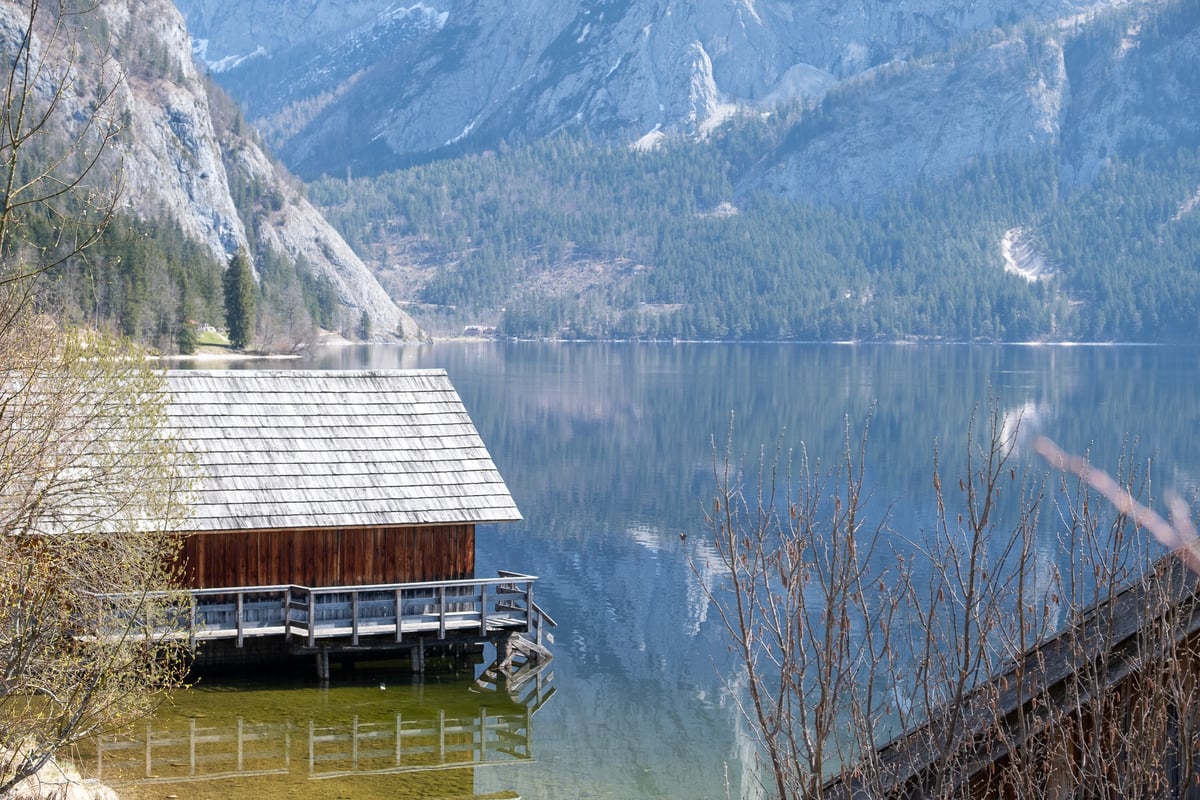
The lake above Alt-Aussee in the Styrian Salzkammergut. Fed by glacial meltwater from the surrounding Totes Gebirge, it is considered one of the most visually intact lakes in the region, with exceptional water clarity and a distinctive turquoise-blue tone. The 7.5 km lakeside loop (Seerundweg) is one of the better flat walking circuits in the area.
Berchtesgaden & Eagles Nest Tour
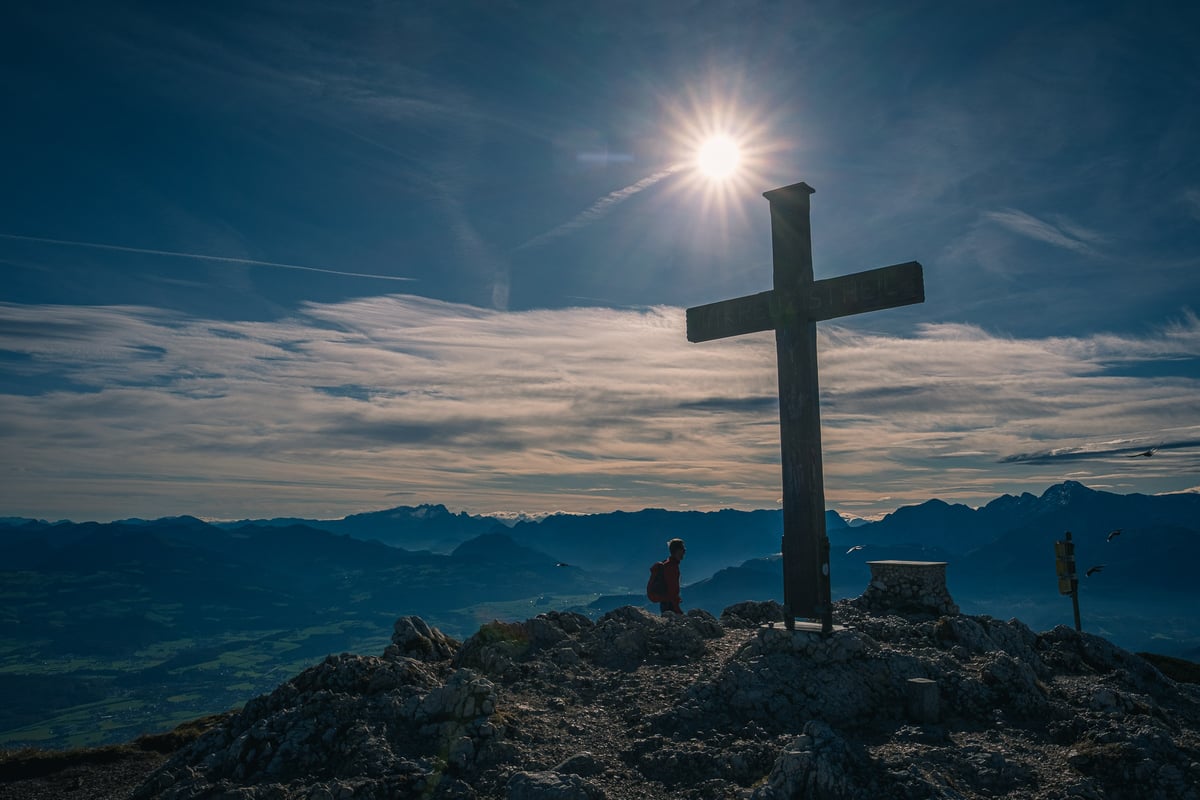
Full-day excursion to Berchtesgaden and Eagle's Nest (May-Oct). ~45 min to Berchtesgaden. Dokumentationszentrum Obersalzberg for WWII context. Salt mine as wet-weather/winter alternative. Panorama Tours Salzburg and Bobs Special Tours.
Burg Golling
Founded 12th century
Burg Golling stands above the village of Golling an der Salzach in the Tennengau, at the southern end of the Salzach gorge where the river cuts through the Hagengebirge limestone.
Gollinger Wasserfall
A 76-meter waterfall in a forested gorge near Golling, one of the most accessible waterfall walks near Salzburg. A short trail (20 minutes) leads to viewing platforms at the base and middle of the falls. Less crowded than Krimml and reachable as a half-day trip from Salzburg.
Hallstatt Museum
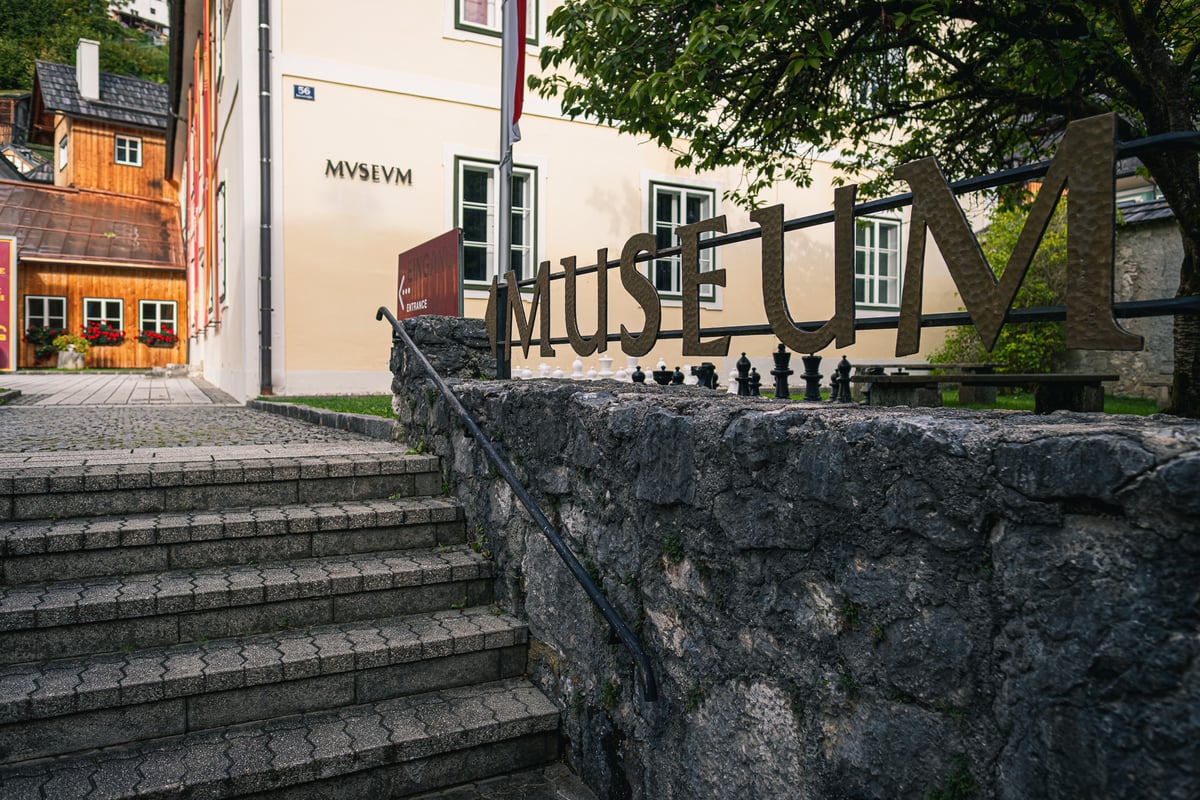
The Hallstatt Museum, officially the Welterbemuseum Hallstatt (World Heritage Museum), holds the finds from one of the most important prehistoric archaeological sites in Central Europe.
Hallstatt Skywalk & Rudolfsturm
A viewing platform at 360 meters above the village, reached via the Salzbergbahn funicular. The Welterbeblick (World Heritage View) platform extends over the cliff edge with views down to the lake and across to the Dachstein. Combined ticket with the salt mine.
Hallstatt Tour from Salzburg
Guided excursion to Hallstatt. ~90 minutes each way. ~3 hours in the village. Hallstatt Skywalk, Hallstatt Museum, salt mine optional. Year-round. Panorama Tours Salzburg and Bobs Special Tours. Morning departures preferable in summer.
Hallstätter See
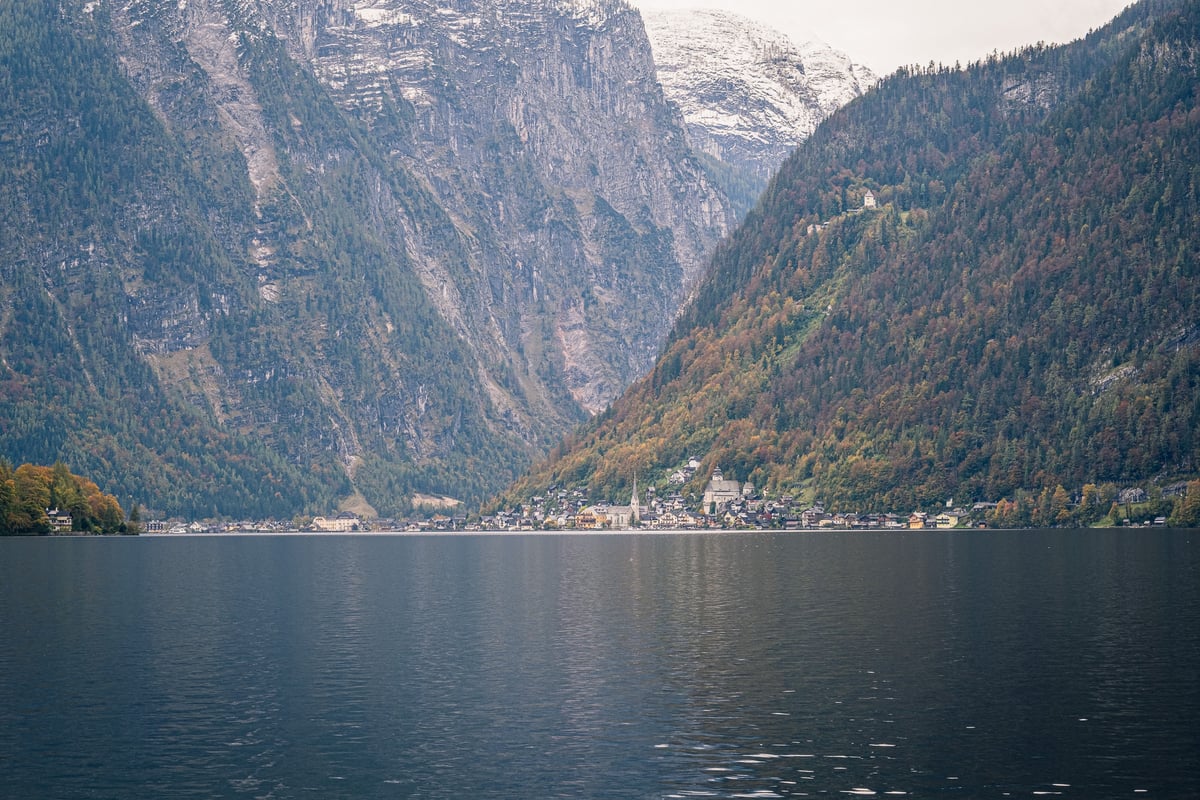
The Hallstattersee is the lake that Hallstatt village sits on, 8.5 kilometers long and over 125 meters deep, cold and clear in a steep-walled valley that receives limited direct sunlight.
Keltenmuseum Hallein
Baroque (building); Iron Age (collection)
Most Salzburg day-trippers stop at the salt mine and never make it to the museum fifteen minutes away that explains why the mine existed in the first place.
Salt Mine Tour from Salzburg
Salt mining is the foundation of Salzburg's existence. Tours focus on Salzbergwerk Berchtesgaden (most accessible), Salzwelten Hallein (Austrian, Celtic history), Salzwelten Hallstatt (oldest, Bronze Age), Salzwelten Altaussee (WWII art-looting story). Wooden slides, underground salt lakes, raft crossings. Half-day addition to broader excursions.
Salzach River
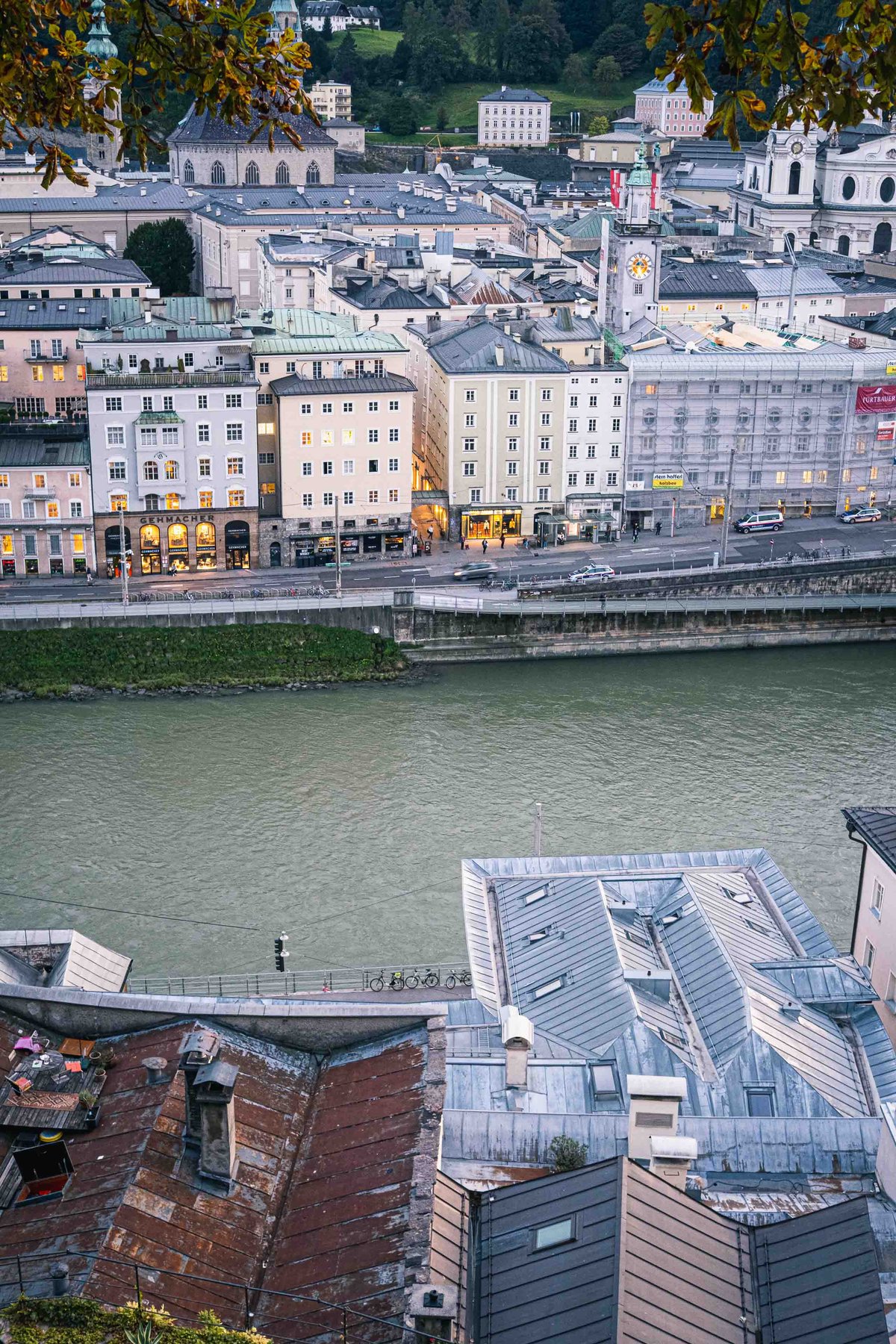
The Salzach divides Salzburg in two: the Altstadt (old city) on the left bank, the Neustadt and its Baroque quarter on the right. The name means "salt river," literally, and the word is not decorative.
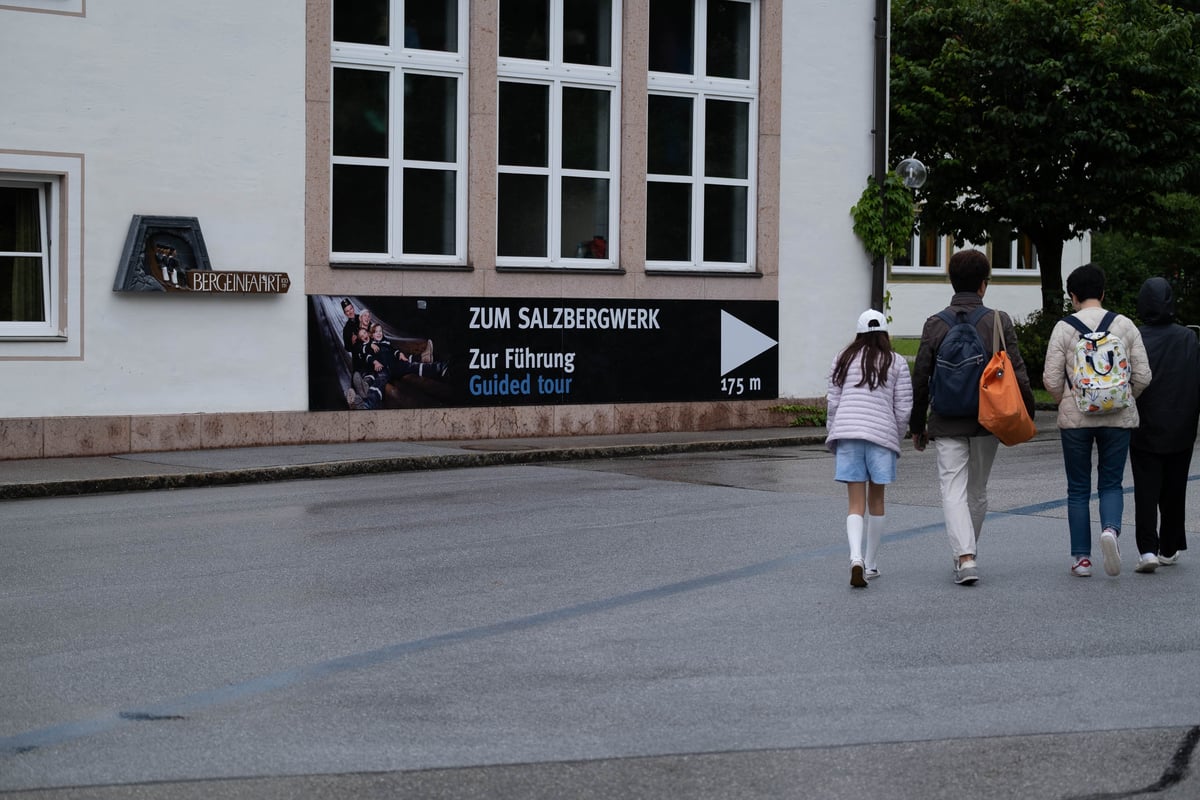
Salzbergwerk Berchtesgaden
Salt has been extracted from this mountain above Berchtesgaden since 1517, making it one of the oldest continuously operating mines in central Europe.
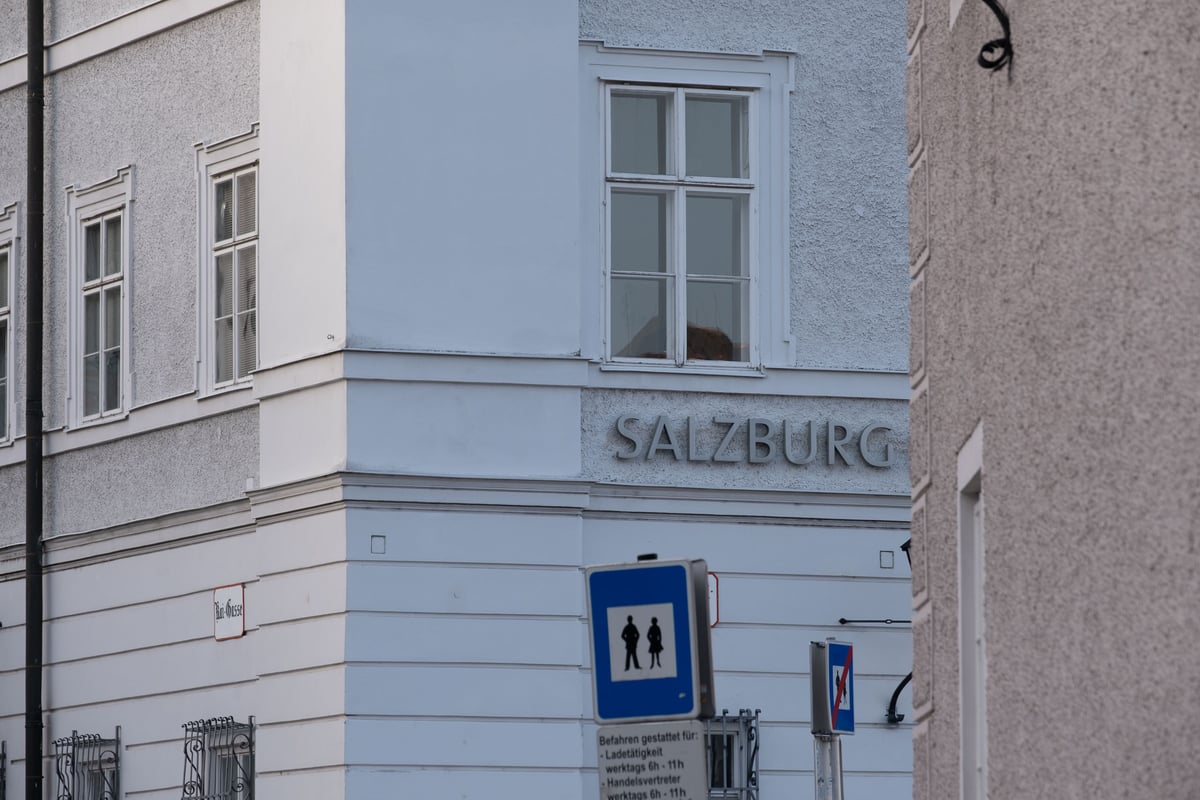
Salzburg Museum
The Salzburg Museum is closed for full renovation until approximately spring 2027. It is Salzburg's main museum of city history and culture, housed in the Neue Residenz on Mozartplatz. Permanent exhibitions trace the city from prehistoric salt trading through the Prince-Archbishop era to modernity.
Salzwelten Altaussee
The Altaussee salt mine carries a specific historical weight that sets it apart from the other Salzwelten show mines: in 1945, it was the hiding place for thousands of artworks looted by the Nazis from across occupied Europe, including works by Jan van Eyck, Michelangelo, and Vermeer.
Salzwelten Hallein
The Hallein salt mine on the Dürrnberg plateau above town has been in operation since roughly 600 BC, and at one point it was the economic engine that made the entire Salzach valley worth controlling.
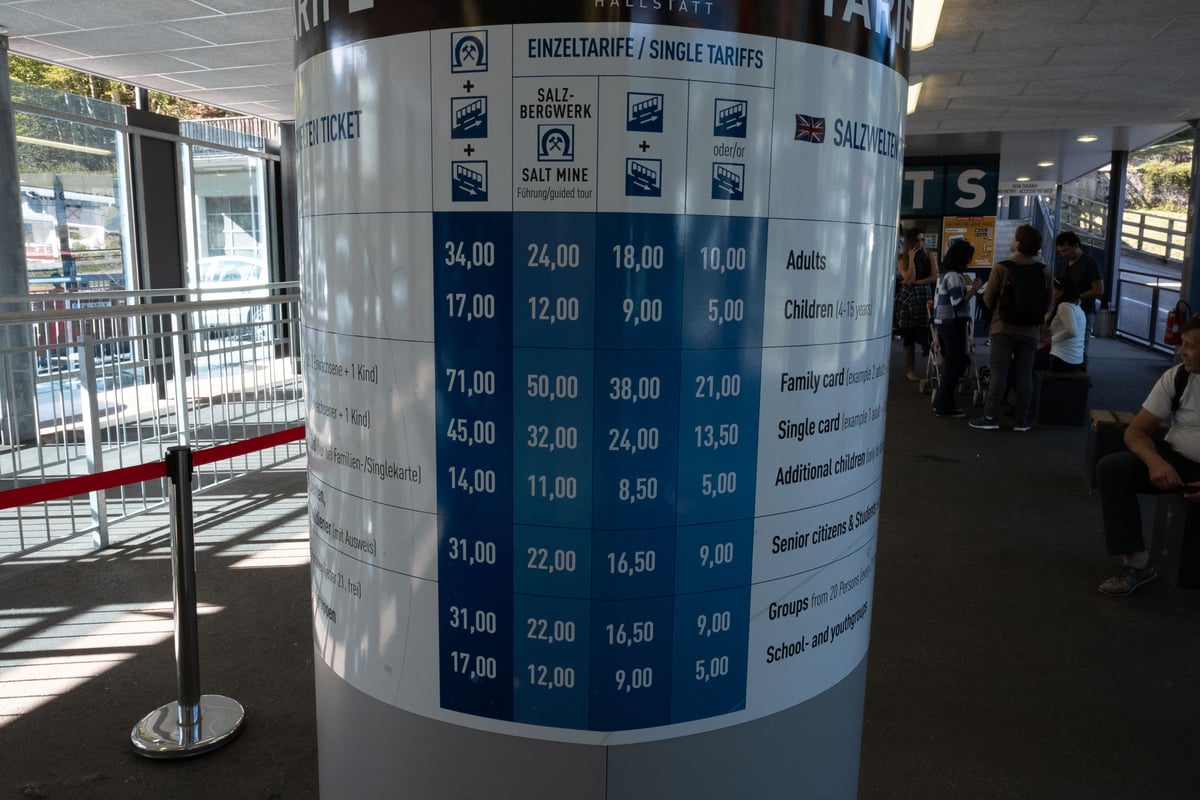
Salzwelten Hallstatt
Archaeologists have found evidence of salt extraction in the mountain above Hallstatt going back roughly 7,000 years, which makes this either the world's oldest or one of the oldest documented salt mines depending on how you count.
The records
People tagged Salt History
Paracelsus
physician1493 - 1541
Revolutionary physician, alchemist, and philosopher who spent his final years in Salzburg and is buried at St. Sebastian's Cemetery. He worked at the salt mines of Bad Durrnberg and practised at a medieval bathhouse on the site that later became the Kajetanerkirche. His grave remains a place of pilgrimage.