
Region / Austria
Salzkammergut
30 places12 destinations within1 experience
Snapshot
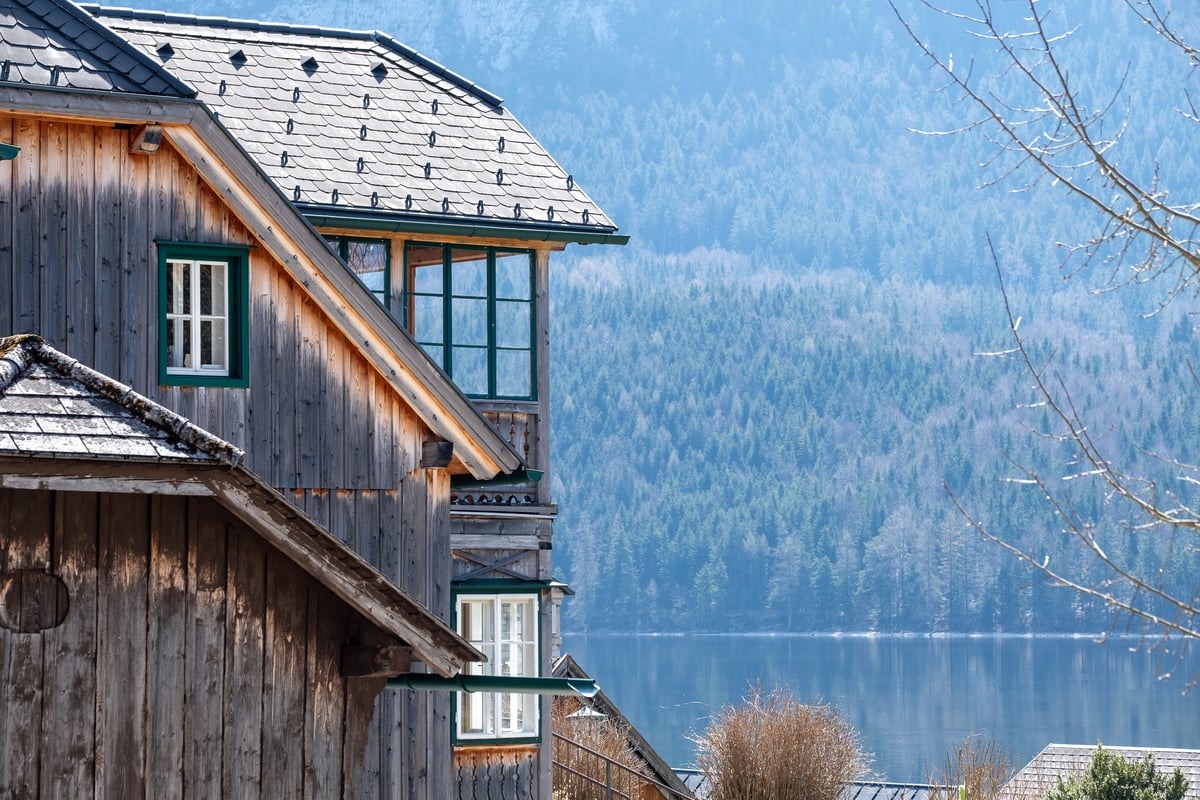
The Salzkammergut is the alpine lake district that begins almost at the eastern edge of Salzburg and spreads across three Austrian states. Seventy-six lakes, the Dachstein massif, salt mines going back 7,000 years, and the landscape that served as the Habsburg imperial summer playground. Hallstatt is the famous one, and it is famous for good reason, but it is also extremely crowded. The rest of the region is large, varied, and considerably less visited.
The Story
Salt explains the Salzkammergut more than any other single fact. The mine at Hallstatt has been worked since at least the Bronze Age, and the Iron Age mining operation there was sophisticated enough to support a trading network that reached across the Danube and gave its name to an entire European archaeological period: the Hallstatt culture (approximately 800 to 450 BC). The objects pulled from these mines and the graves around them are now in the Natural History Museum in Vienna and museums in Hallstatt itself. The “white gold” made whoever controlled it enormously powerful, and the Habsburgs understood this: the name Salzkammergut literally means the salt estate of the imperial chamber.
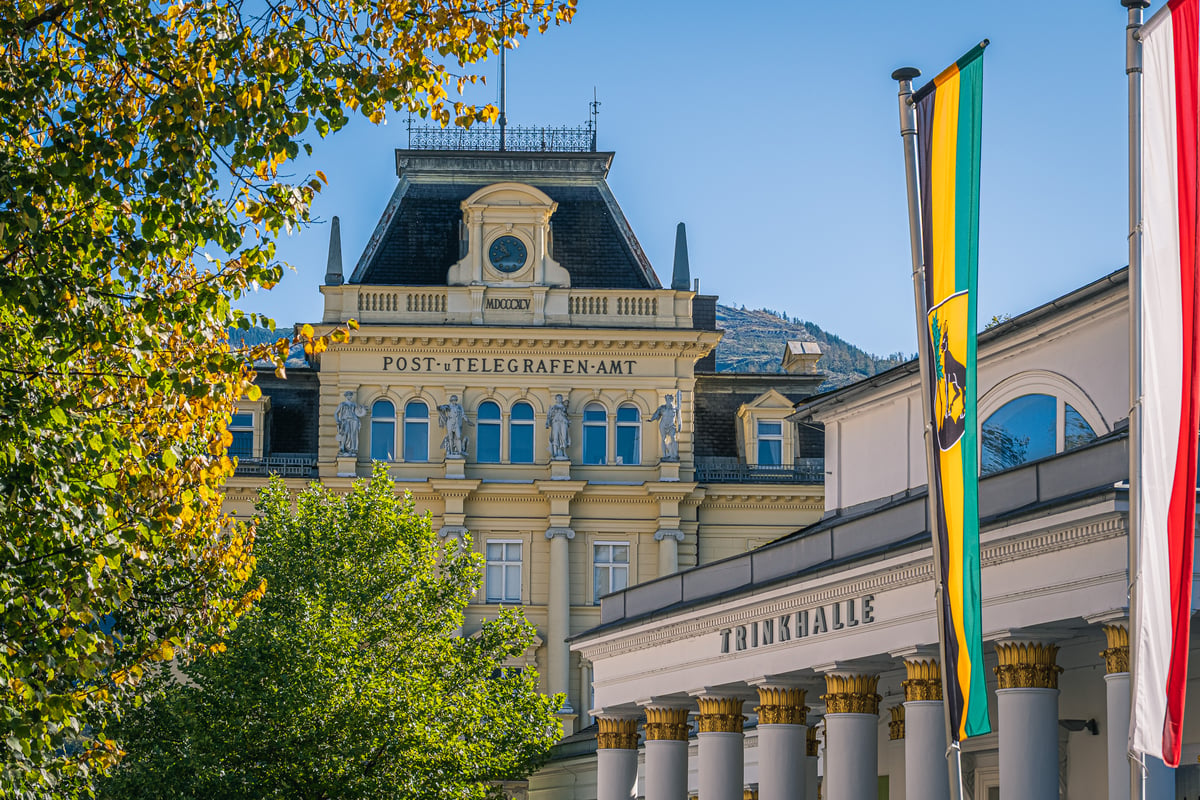
Bad Ischl is where the Habsburgs spent their summers. Emperor Franz Joseph I arrived each year from 1849 until he died in 1916, and the town still holds the architecture and atmosphere of an imperial resort in a way that is quite different from the tourist-facing reconstruction you find in some places. The Kaiservilla is open for visits. The town’s cafes, the Zauner pastry shop especially, have been operating in the same format for well over a century.
Hallstatt is extraordinary and worth seeing, but the practical reality is 10,000 visitors per day in a village of 770 people. The narrow main street becomes impassable. The viewpoint at the lake fills with selfie sticks. If the goal is the scenery, a morning visit in shoulder season, or arriving by boat from the opposite shore rather than by bus from the road, changes the experience considerably. The salt mine above the village is genuinely interesting and far less crowded than the village itself.
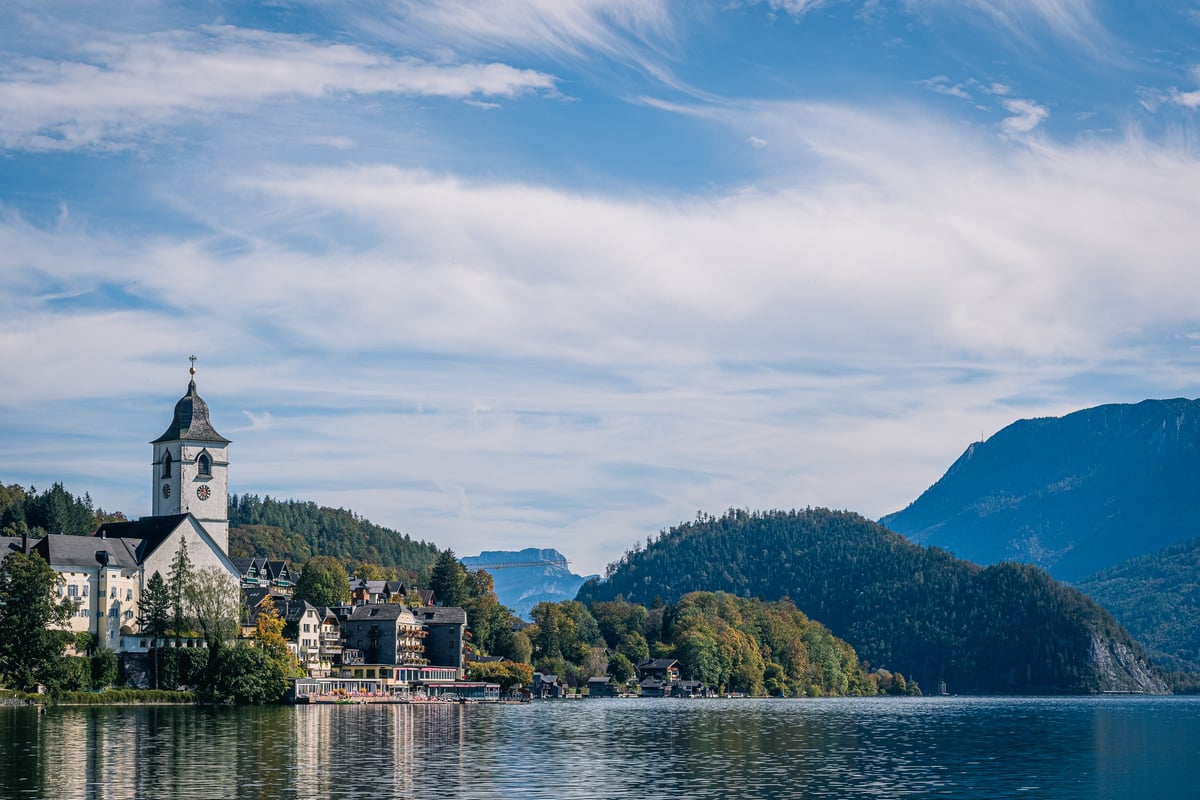
The lakes that most Salzburg visitors reach on a day trip are the Wolfgangsee, the Mondsee, and the Attersee. St. Wolfgang on the Wolfgangsee is where the White Horse Inn is set and where a famous Gothic winged altarpiece by Michael Pacher (1481) is kept in the parish church. Mondsee is 30 minutes from Salzburg and has the abbey church where the wedding scene in The Sound of Music was filmed. The Attersee is the largest entirely Austrian lake and is popular for sailing; it is also where Gustav Klimt spent many of his summers and where he painted the lake landscapes now in major collections.
Planning
The western Salzkammergut is the natural day-trip territory from Salzburg. Mondsee is 30 minutes east by car (or accessible by bus). The Wolfgangsee and St. Wolfgang are 45 to 60 minutes. Hallstatt is around 75 minutes; Bad Ischl is 80 minutes. None of these require overnight stays for a day excursion, though the region rewards longer visits. For Hallstatt specifically, early morning or late afternoon in spring or autumn avoids the worst crowds. The Salzkammergut Card covers admission at many sites across the region from May to October and can reduce costs for multi-site visits. The Dachstein massif, accessible from Hallstatt or from Obertraun, adds a high-alpine dimension for those who want to go beyond the lakes.
Go deeper
Destinations within Salzkammergut
One level down the canonical map. Every card is a direct child of this destination.
- village
village town - town
- town
village village - village
- town
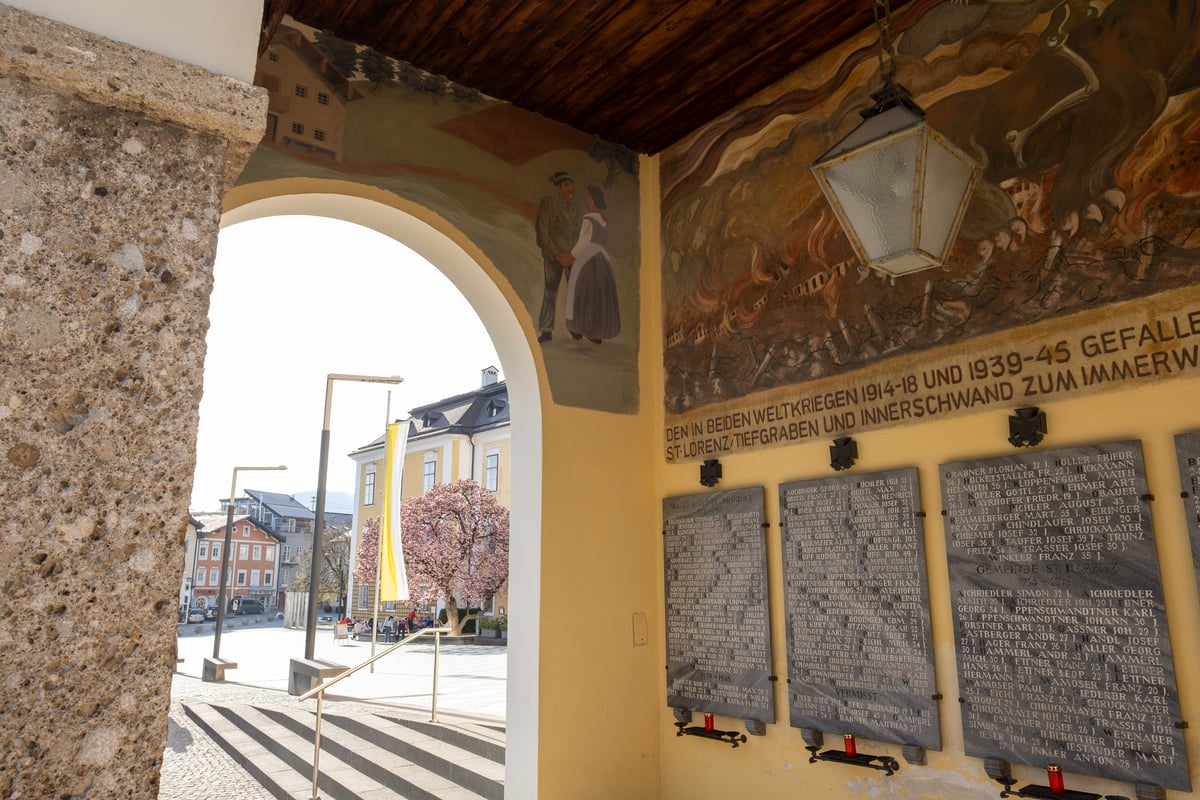
- village
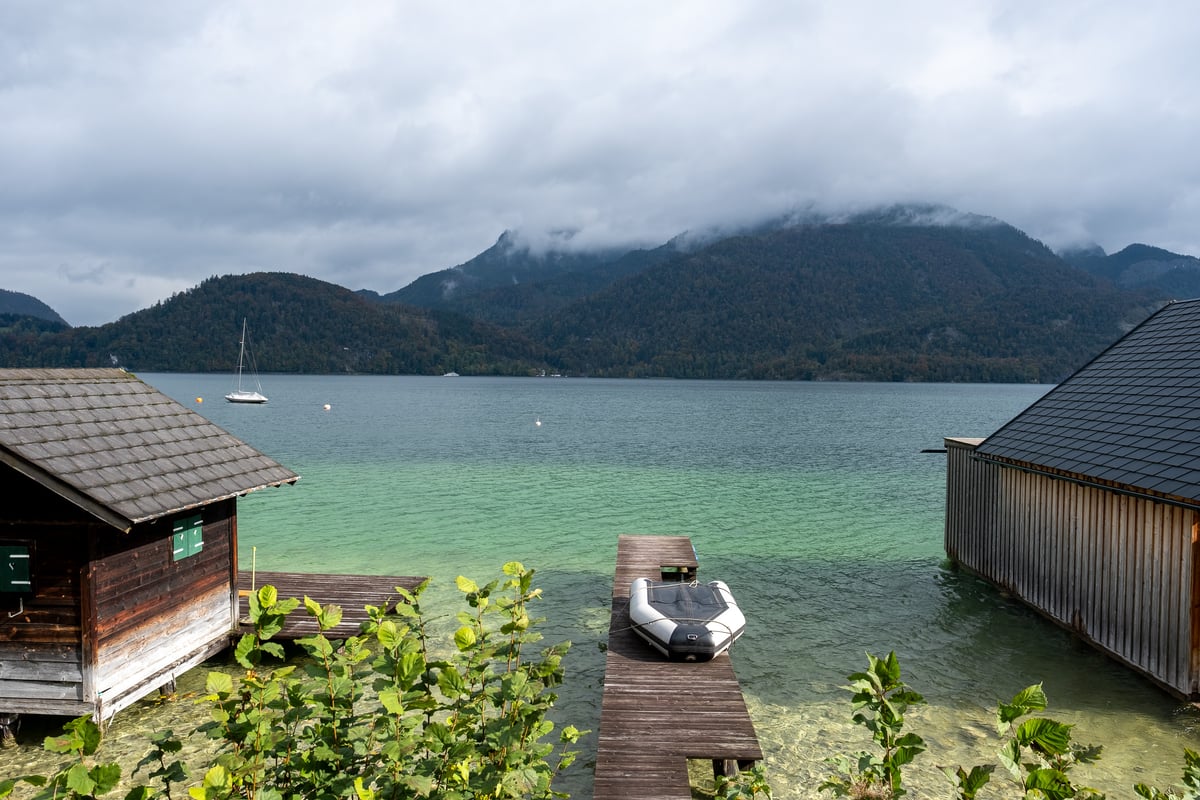
- village
village
Things to do
Experiences in Salzkammergut
Tours, concerts, markets and walks based in Salzkammergut. All of them, not a selection.
Wolfgangsee Day Circuit
The classic Salzkammergut day circuit from Salzburg: bus to St Gilgen (45 minutes), ferry across Wolfgangsee to St. Wolfgang, Schafbergbahn rack railway to the summit at 1,783 m with a panorama over 13 lakes, ferry back, bus to Salzburg. Full day. Salzburg AG operates both the ferry and the railway. The pilgrimage church in St.
Passing through
Tours that visit Salzkammergut
Based somewhere else, but they come here. Each one names this destination or one of its places on its own route.
Hallstatt Tour from Salzburg
Guided excursion to Hallstatt. ~90 minutes each way. ~3 hours in the village. Hallstatt Skywalk, Hallstatt Museum, salt mine optional. Year-round. Panorama Tours Salzburg and Bobs Special Tours. Morning departures preferable in summer.
Salt Mine Tour from Salzburg
Salt mining is the foundation of Salzburg's existence. Tours focus on Salzbergwerk Berchtesgaden (most accessible), Salzwelten Hallein (Austrian, Celtic history), Salzwelten Hallstatt (oldest, Bronze Age), Salzwelten Altaussee (WWII art-looting story). Wooden slides, underground salt lakes, raft crossings. Half-day addition to broader excursions.
Salzburg Card
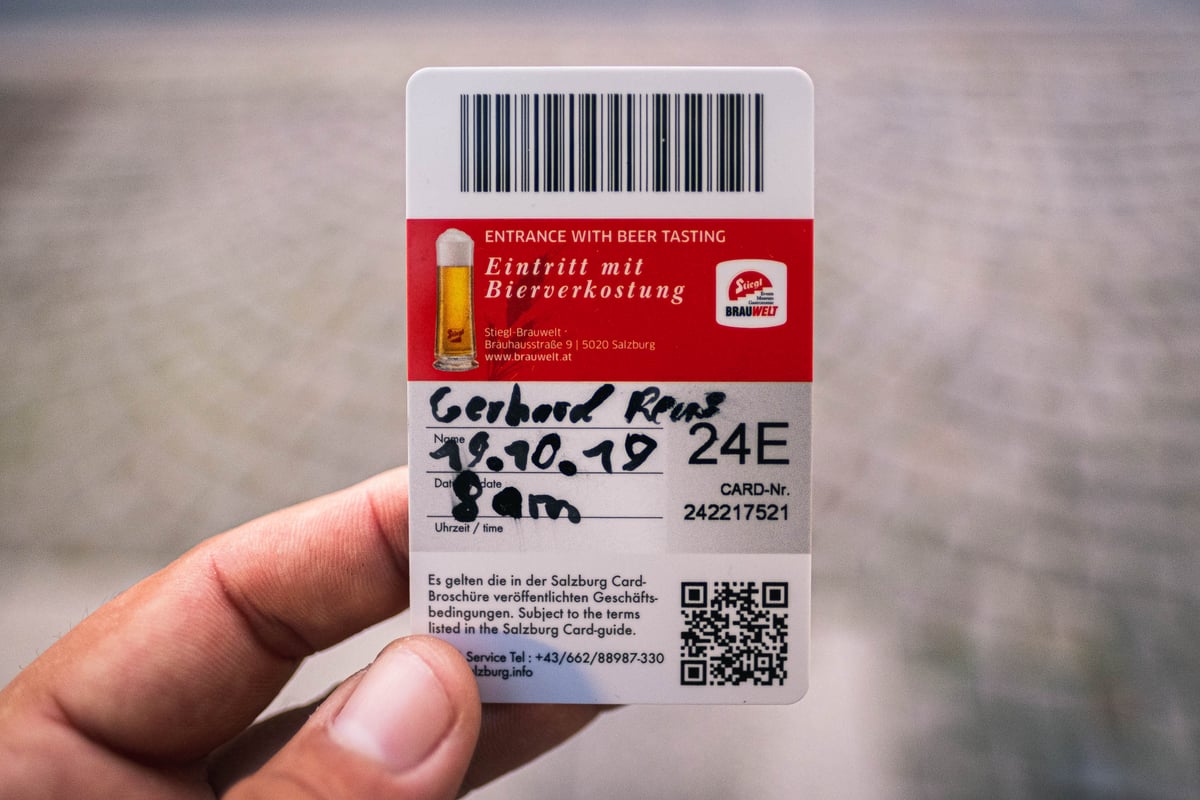
Visitor pass: free entry to most major attractions + free public transport. 24/48/72-hour versions. Covers Hohensalzburg Fortress, Salzburg Museum, Haus der Natur, DomQuartier, Hellbrunn Palace, cable cars. Note: the Salzburg Museum is closed for renovation until approximately spring 2027, so it does not count toward the card's value until it reopens.
Sleep
Places to stay in Salzkammergut
Every hotel, guesthouse, hostel and inn documented inside Salzkammergut. A directory, not a booking site.
Hotel Schafbergspitze
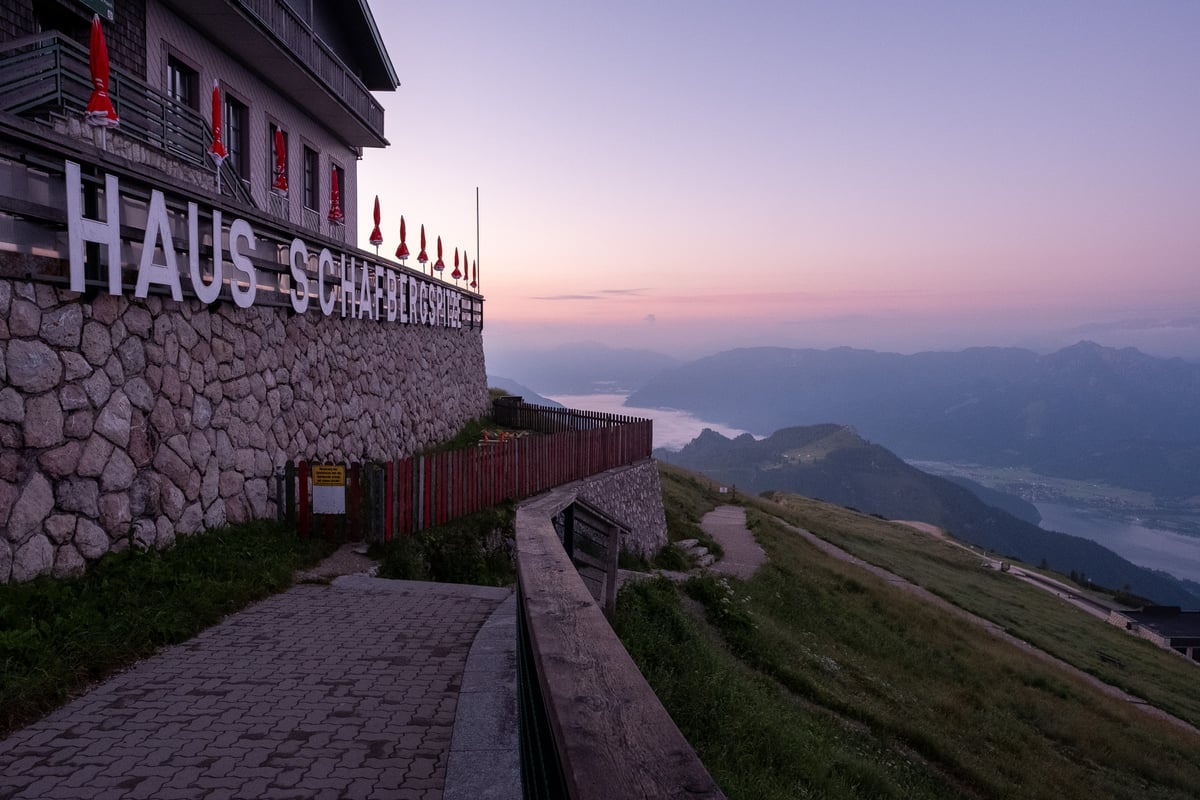
Historic mountain hotel at the summit of the Schafberg (1,783 m). Accessible only by Schafbergbahn or on foot. Sunrise views over the Salzkammergut lakes in near-total solitude. One of the most atmospheric places to sleep in the region.
Seehotel Grüner Baum
One of the most photographed hotel positions in Austria: directly on Hallstatt's famous waterfront. UNESCO village rising behind, Hallstatter See in front. Staying overnight gives the village at its most magical: quiet mornings when the coach crowds have gone.
Weißes Rössl
The most famous inn in the Salzkammergut, on the Wolfgangsee at St. Wolfgang. Documented since the 14th century. World fame through Benatzky's 1930 operetta Im weißen Rößl. Still operating as hotel and restaurant.
Where to eat
Where to eat and drink in Salzkammergut
Every restaurant, cafe, bar and stand documented inside Salzkammergut, A to Z.
Konditorei Zauner
Established 1832
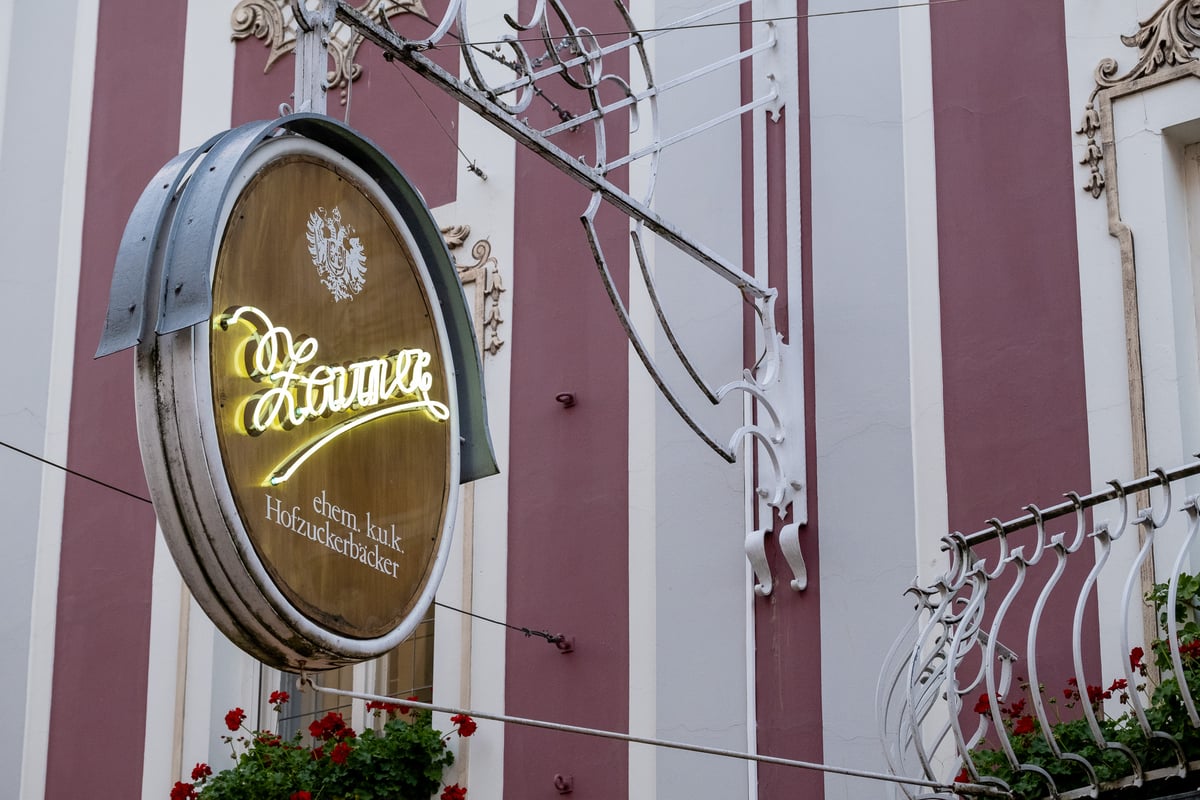
The imperial court confectionery, operating since 1832. Zauner is to Bad Ischl what Demel is to Vienna. The Zaunerstollen (a chocolate-nougat pastry) is the signature creation. The Esplanade location on the Traun river terrace is the one to visit. An architectural and cultural landmark beyond its role as a pastry shop.
Seehotel Grüner Baum
One of the most photographed hotel positions in Austria: directly on Hallstatt's famous waterfront. UNESCO village rising behind, Hallstatter See in front. Staying overnight gives the village at its most magical: quiet mornings when the coach crowds have gone.
Weißes Rössl
The most famous inn in the Salzkammergut, on the Wolfgangsee at St. Wolfgang. Documented since the 14th century. World fame through Benatzky's 1930 operetta Im weißen Rößl. Still operating as hotel and restaurant.
In Salzkammergut
Explore 30 places
Altausseer See
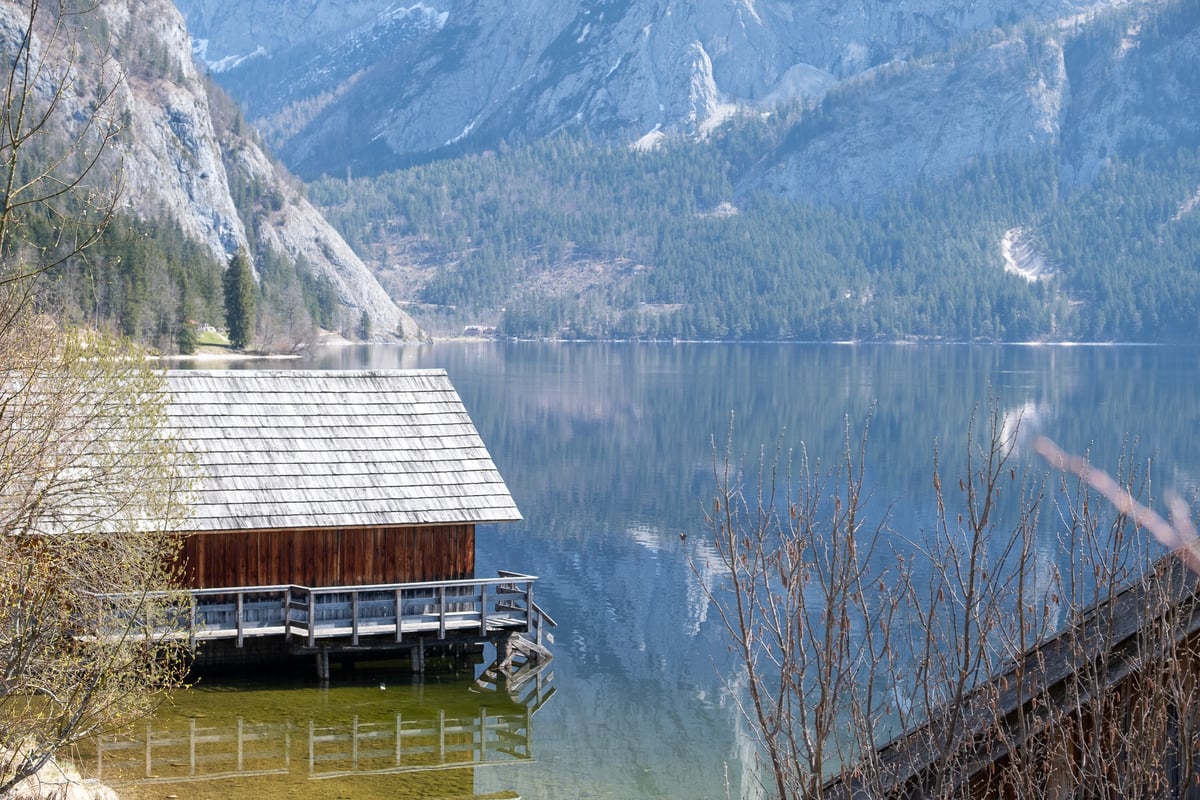
The lake above Alt-Aussee in the Styrian Salzkammergut. Fed by glacial meltwater from the surrounding Totes Gebirge, it is considered one of the most visually intact lakes in the region, with exceptional water clarity and a distinctive turquoise-blue tone. The 7.5 km lakeside loop (Seerundweg) is one of the better flat walking circuits in the area.
Attersee
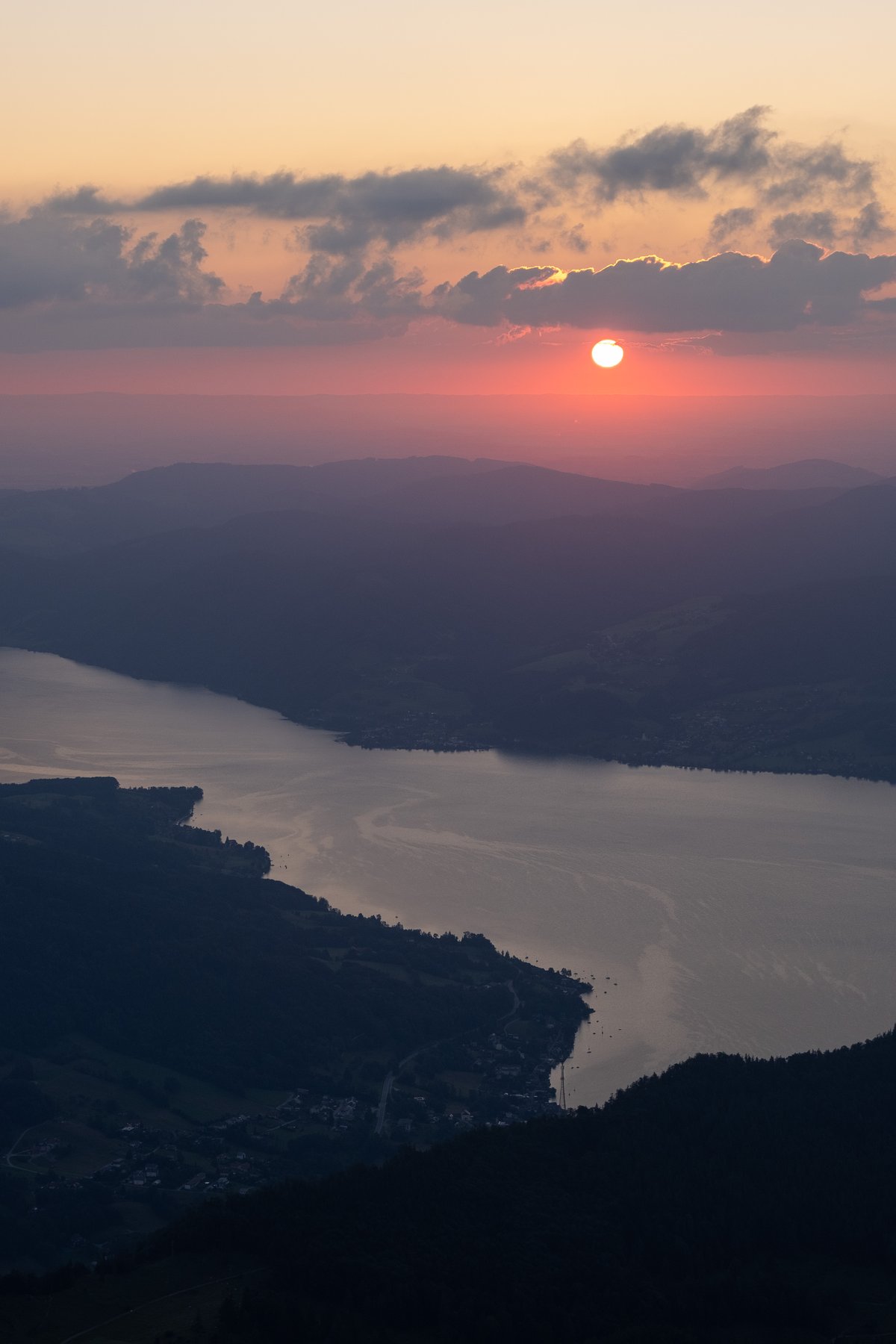
Gustav Klimt spent summers at the Attersee from 1900 to 1916, producing a series of landscape paintings that documented the lake from specific points along its shores.
Basilika Mondsee
Founded 748 AD
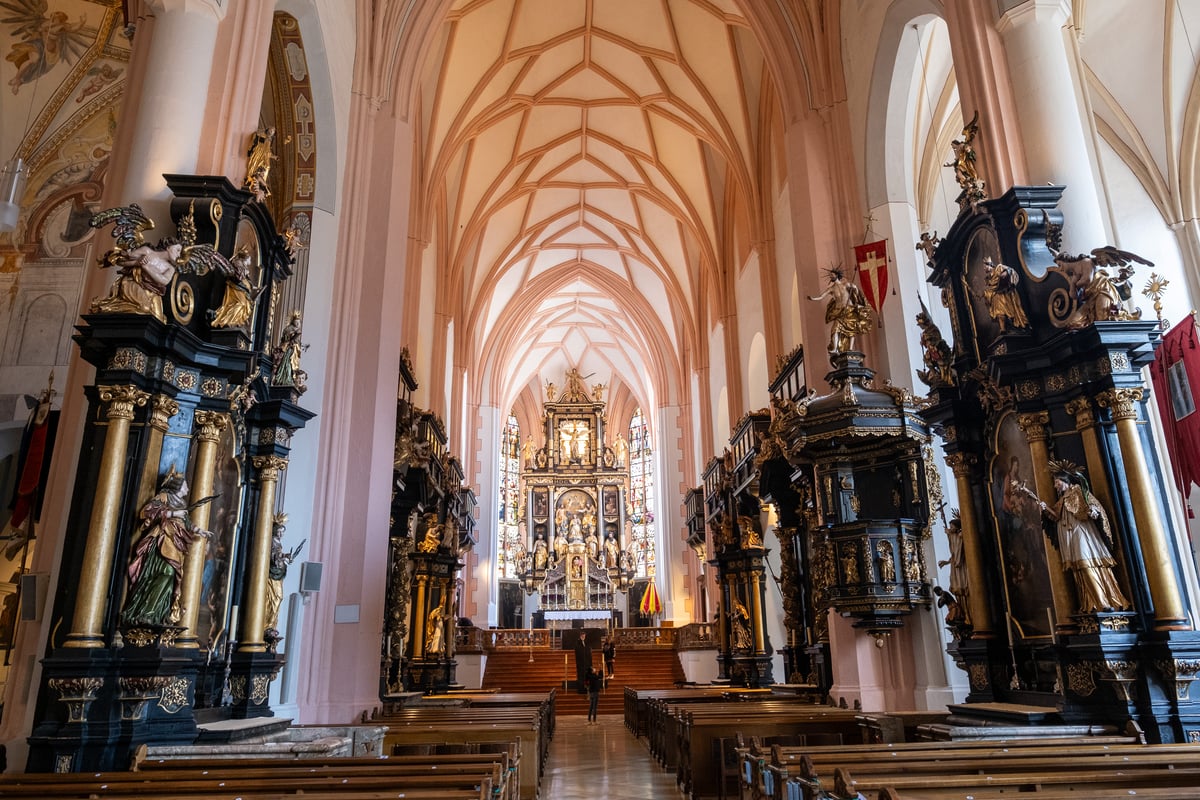
Most people arrive at the Basilika Mondsee because of The Sound of Music: the wedding scene in the 1965 film was shot in this church, and the Marktplatz in Mondsee village now has a small museum devoted to the film. The basilica is genuinely worth visiting for reasons that have nothing to do with Hollywood.
Dachstein
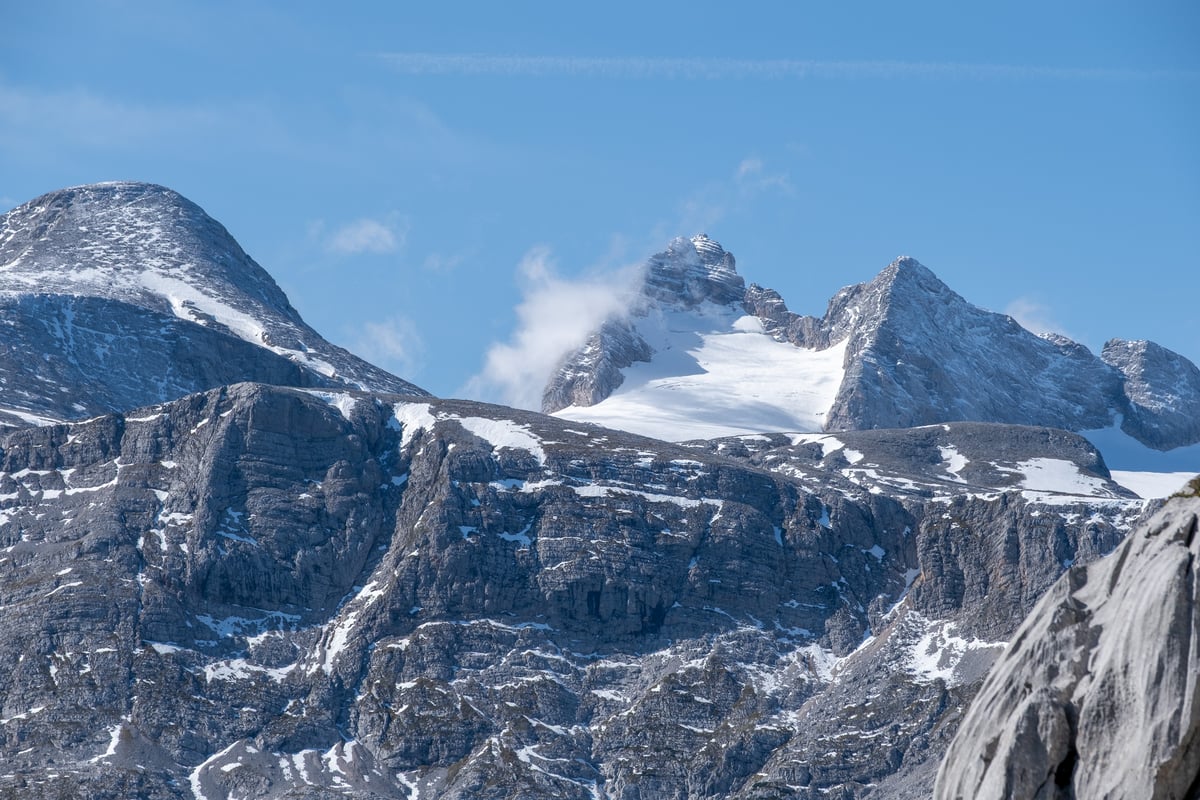
The limestone massif on the tripoint of Salzburg, Upper Austria, and Styria. Rising to 2,995 m. Ice caves, glacier, and the famous "Five Fingers" viewing platform cantilevered over a 400 m drop above Hallstatt.
Dachstein Giant Ice Cave
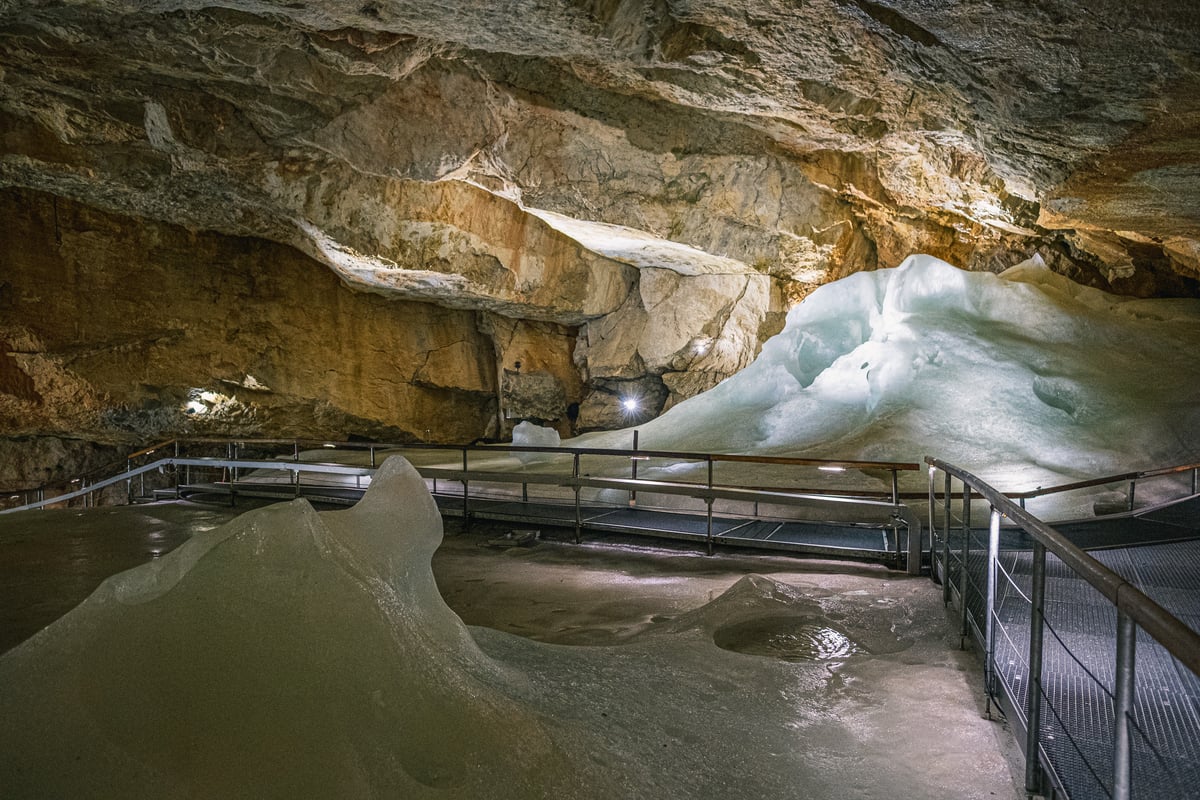
Vast permanently frozen chambers within the Dachstein massif, accessible from the cable car above Obertraun. Cathedral-like ice formations. UNESCO World Heritage. Not to be confused with Eisriesenwelt at Werfen.
Dachstein Krippenstein
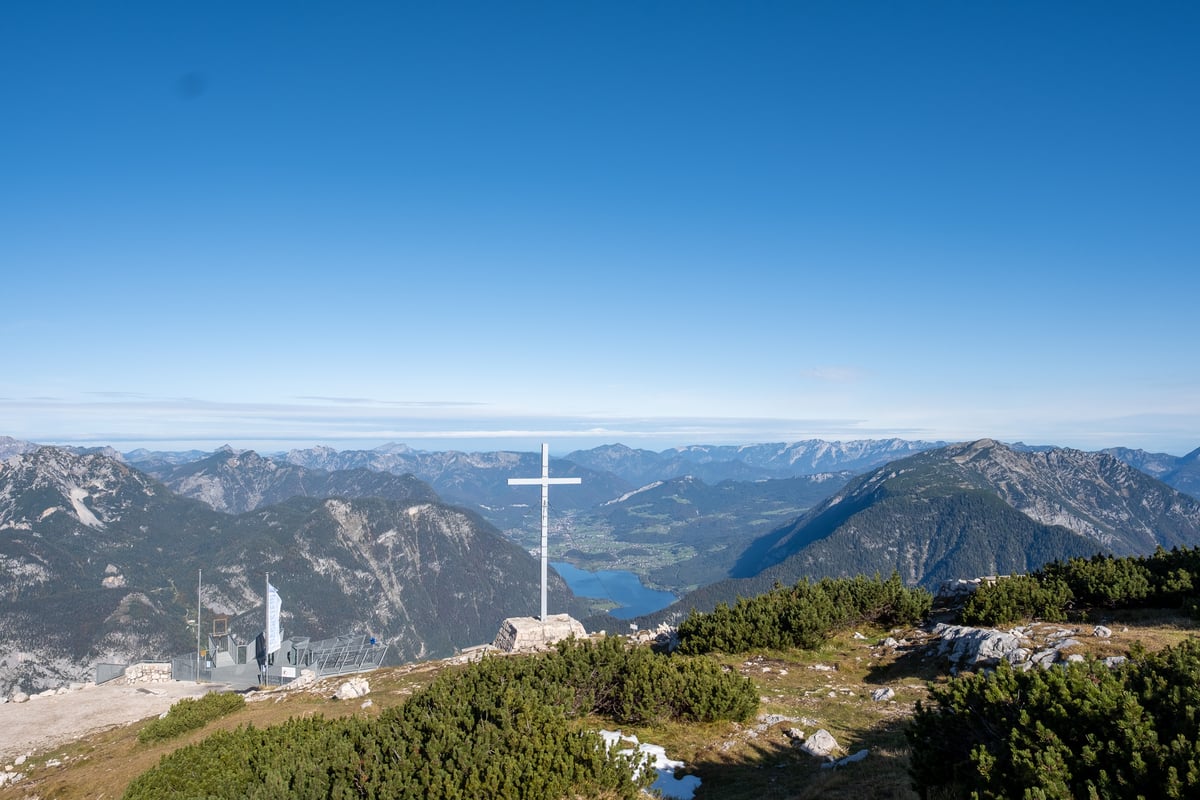
The Dachstein Krippenstein cable car lifts visitors from Obertraun, at the shore of the Hallstättersee, to the summit plateau at 2,108 meters.
Eurotherme Bad Ischl
A high-end thermal spa and wellness resort in Bad Ischl, directly opposite the train station. Bad Ischl became a thermal resort in the early 19th century; Emperor Franz Joseph I used the town as his summer residence for nearly seven decades.
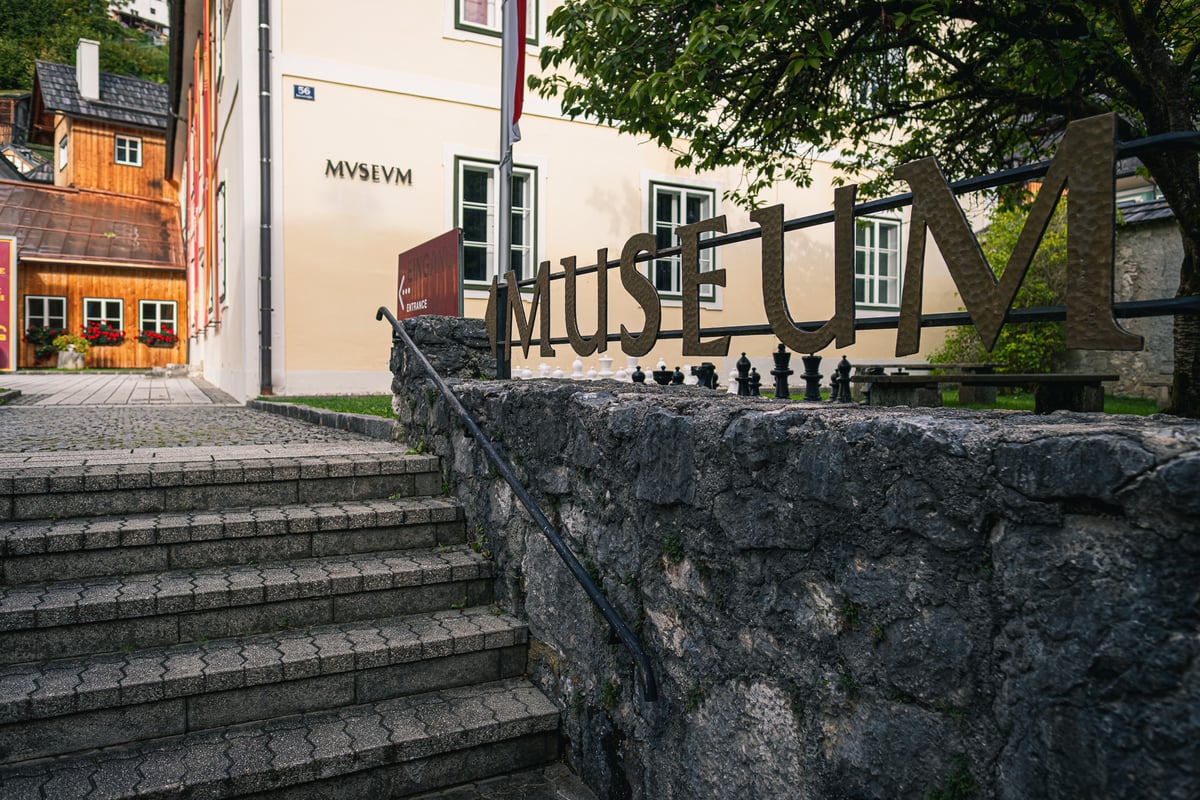
Hallstatt Museum
The Hallstatt Museum, officially the Welterbemuseum Hallstatt (World Heritage Museum), holds the finds from one of the most important prehistoric archaeological sites in Central Europe.
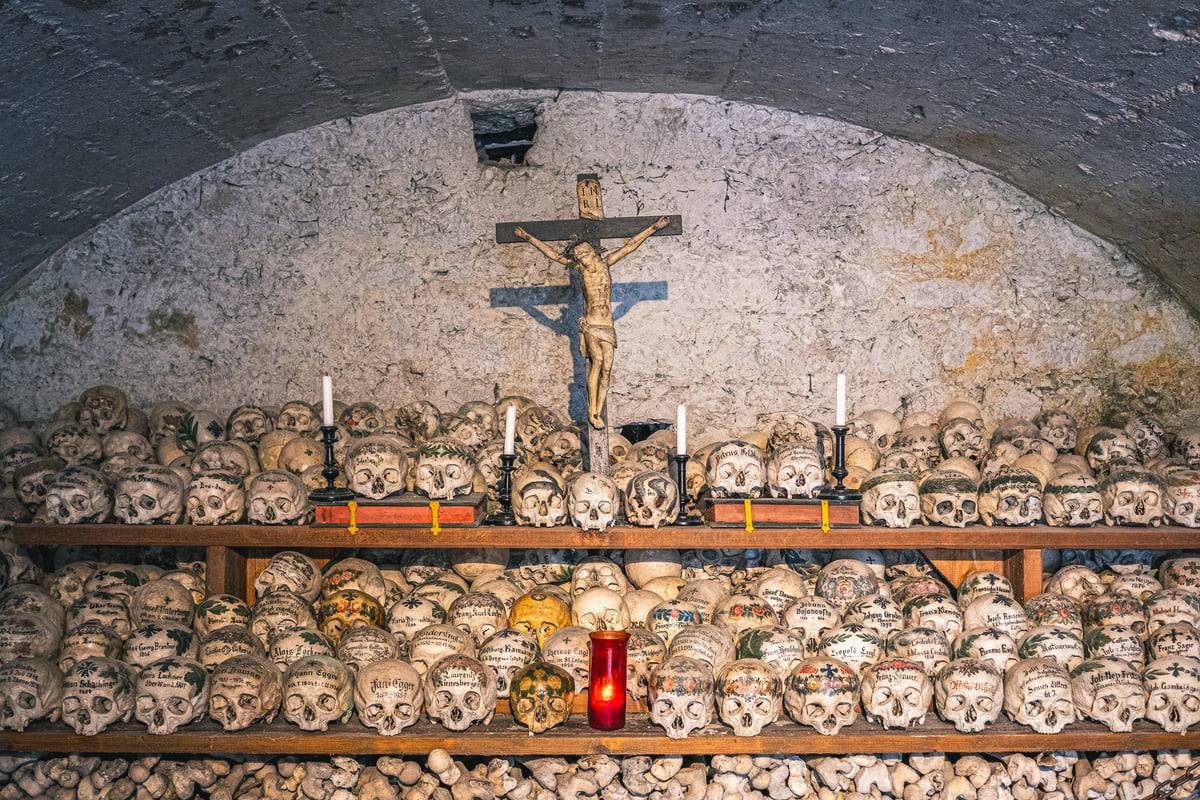
Hallstatt Parish Cemetery & Beinhaus
The Hallstatt charnel house holds over 1,200 skulls, most of them painted with floral patterns, names, and death dates by relatives who wanted to keep their dead identifiable after the bones were exhumed from the overcrowded churchyard. The practice continued into the 20th century. The most recent skull is dated 1995. This is not a horror attraction.
Hallstatt Skywalk & Rudolfsturm
A viewing platform at 360 meters above the village, reached via the Salzbergbahn funicular. The Welterbeblick (World Heritage View) platform extends over the cliff edge with views down to the lake and across to the Dachstein. Combined ticket with the salt mine.
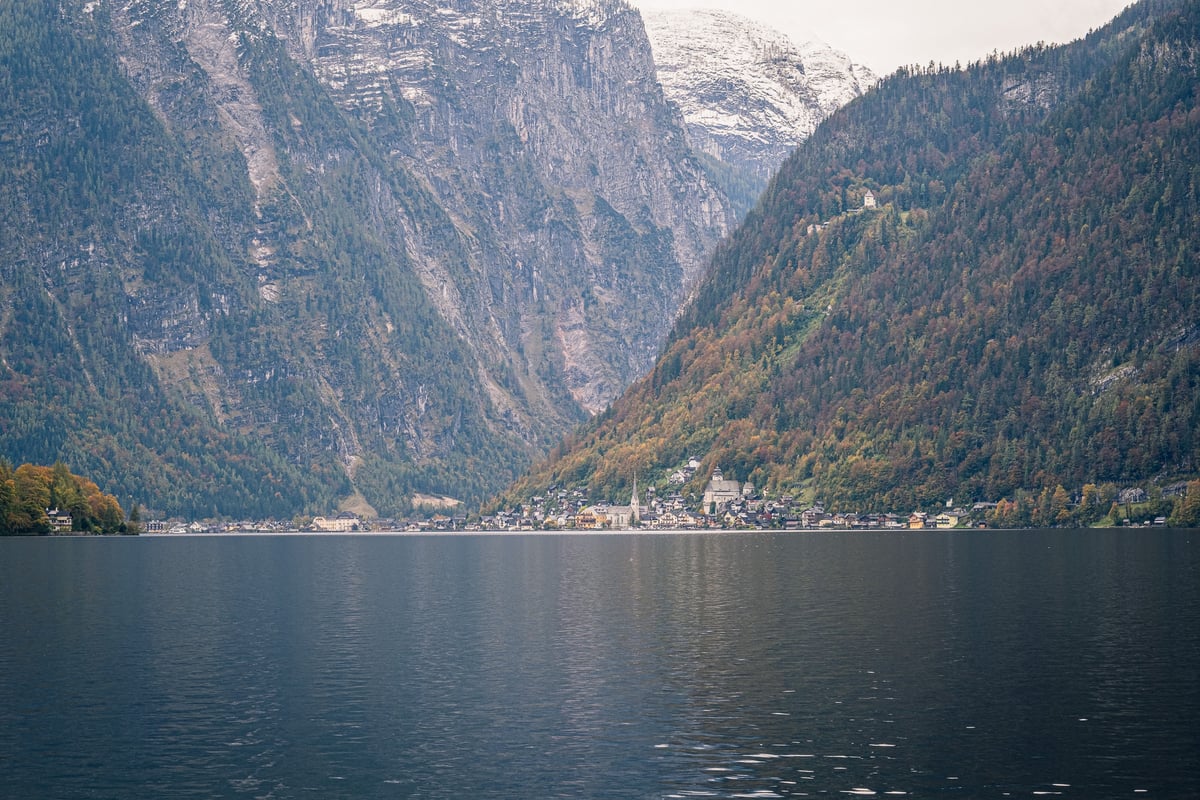
Hallstätter See
The Hallstattersee is the lake that Hallstatt village sits on, 8.5 kilometers long and over 125 meters deep, cold and clear in a steep-walled valley that receives limited direct sunlight.
Hotel Schafbergspitze
Historic mountain hotel at the summit of the Schafberg (1,783 m). Accessible only by Schafbergbahn or on foot. Sunrise views over the Salzkammergut lakes in near-total solitude. One of the most atmospheric places to sleep in the region.
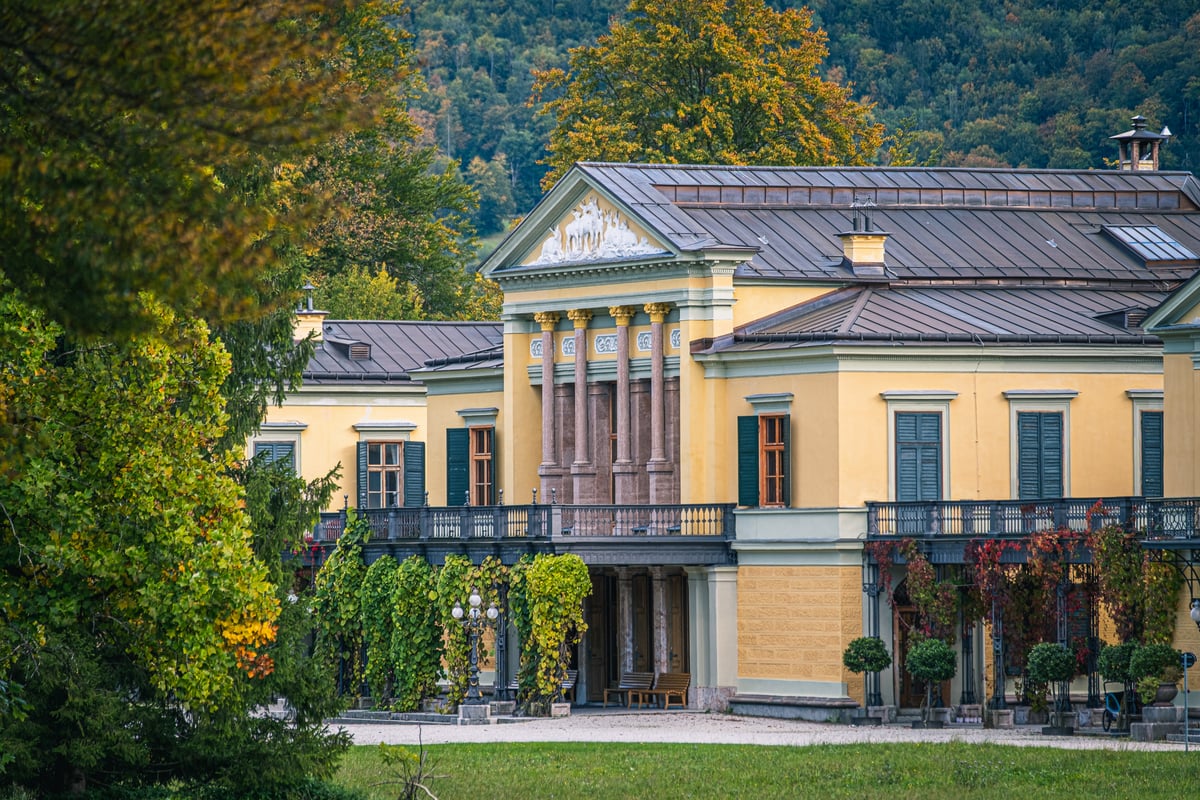
Kaiservilla
The summer residence of Emperor Franz Joseph I and Empress Elisabeth Sisi. The place Franz Joseph described as "heaven on earth." He signed the declaration of war against Serbia here on 28 July 1914. The villa is partly still owned by Habsburg descendants. The park and guided tours are open to visitors.
Katrinseilbahn
The Katrinseilbahn is the cable car from Bad Ischl to the Katrin summit at 1,544 meters, the most accessible high-altitude viewpoint in the central Salzkammergut.
Konditorei Zauner
Established 1832
The imperial court confectionery, operating since 1832. Zauner is to Bad Ischl what Demel is to Vienna. The Zaunerstollen (a chocolate-nougat pastry) is the signature creation. The Esplanade location on the Traun river terrace is the one to visit. An architectural and cultural landmark beyond its role as a pastry shop.
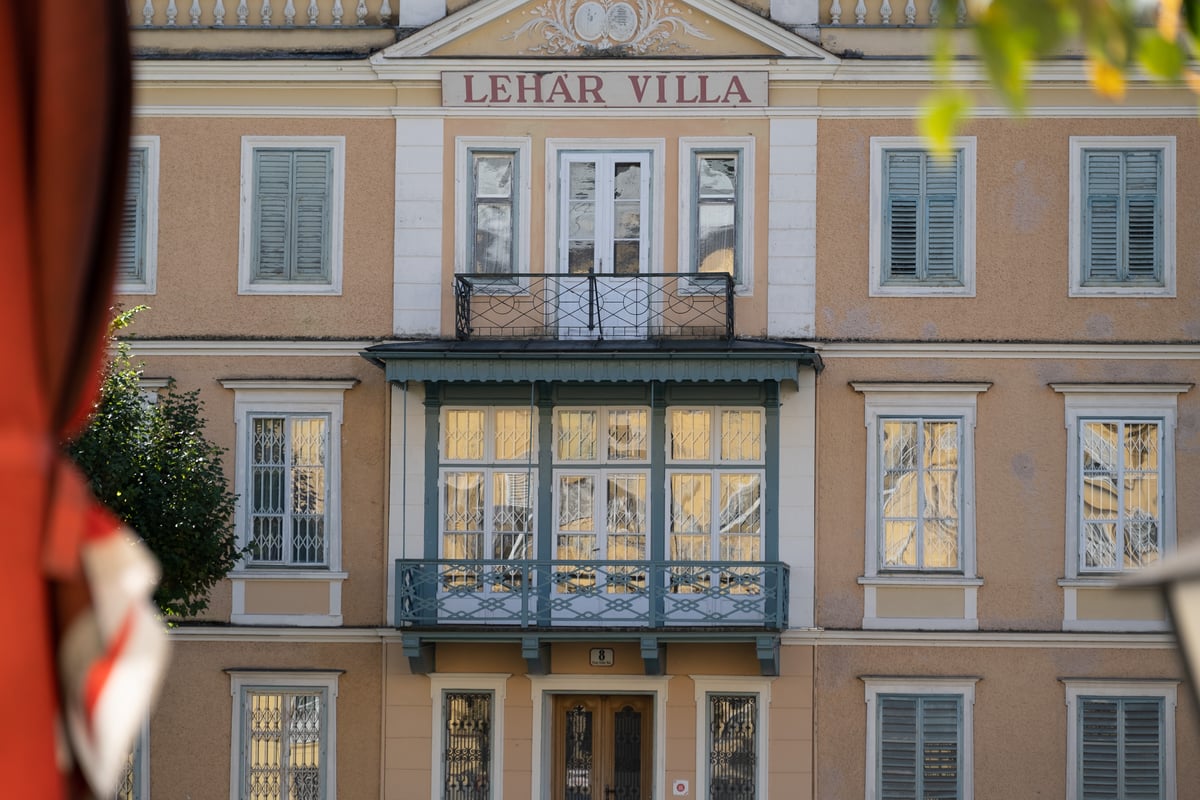
Lehárvilla Bad Ischl
The villa where Franz Lehar lived and died in 1948, preserved as a museum. Lehár spent his summers in Bad Ischl and composed many operettas here, including revisions to The Merry Widow.
No places match those filters
Try removing a filter or searching for a broader term.
Follow a route
Curated routes through Salzkammergut
Ordered walks with a stop-by-stop plan. Each one passes through this destination.
The Sound of Music on Day Trips
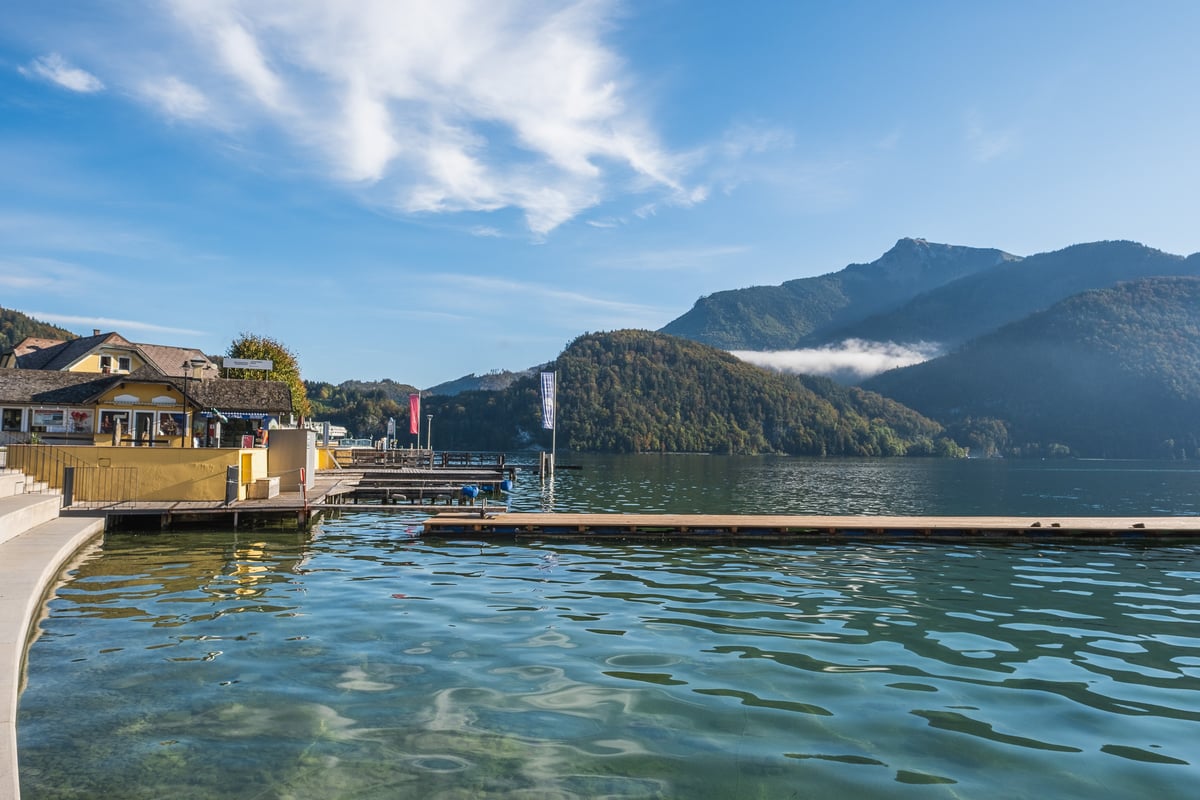
The lakes from the opening flight, the church where Maria marries the Captain, and the Do-Re-Mi picnic meadow. Two days out of Salzburg: three stops east in the lake district, easiest by car, and two south in Werfen, forty minutes by train.
Longer reads
Stories around Salzkammergut
Blog stories that share a topic with this destination, newest first.
Habsburg
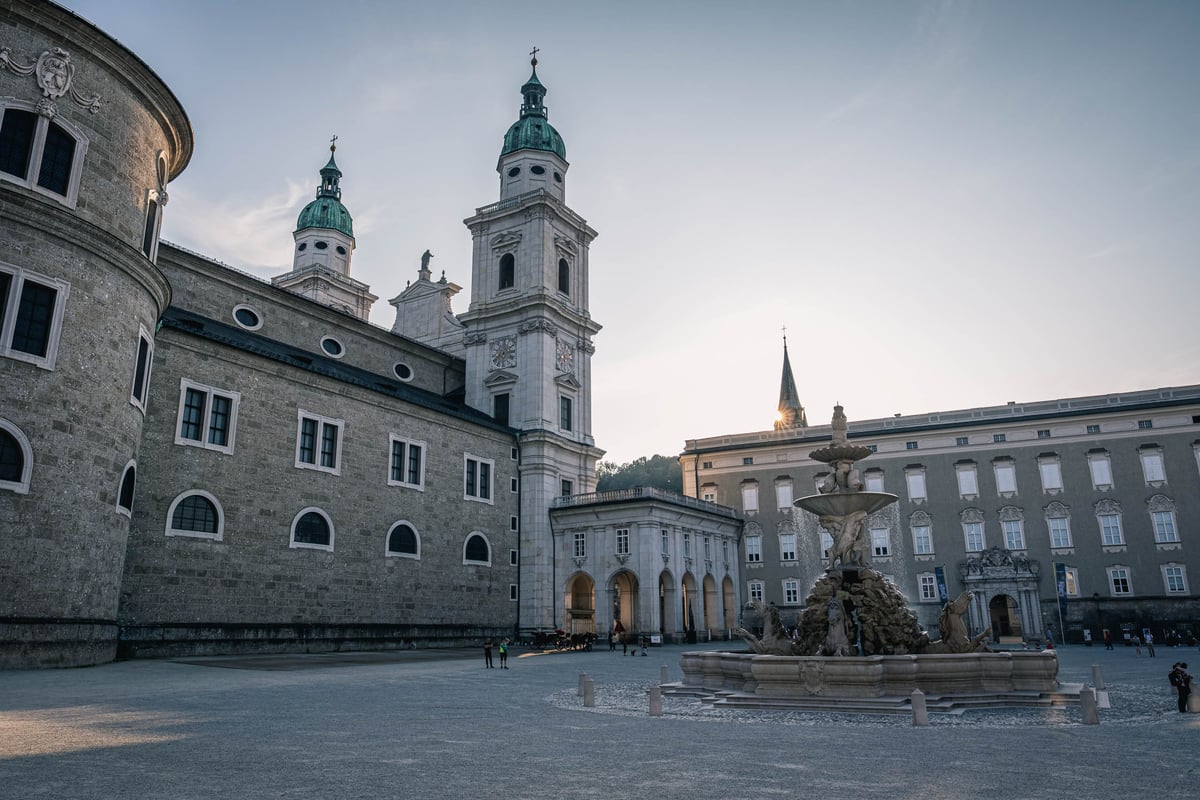
The Prince-Archbishops: How Salzburg Ruled Itself for 1000 Years
Salzburg was not part of Austria for most of its history. That single fact explains nearly everything about the way the city looks, why it feels different from Vienna, and why there is a fortress on the hill.