
Spa Hotel Haus Hirt
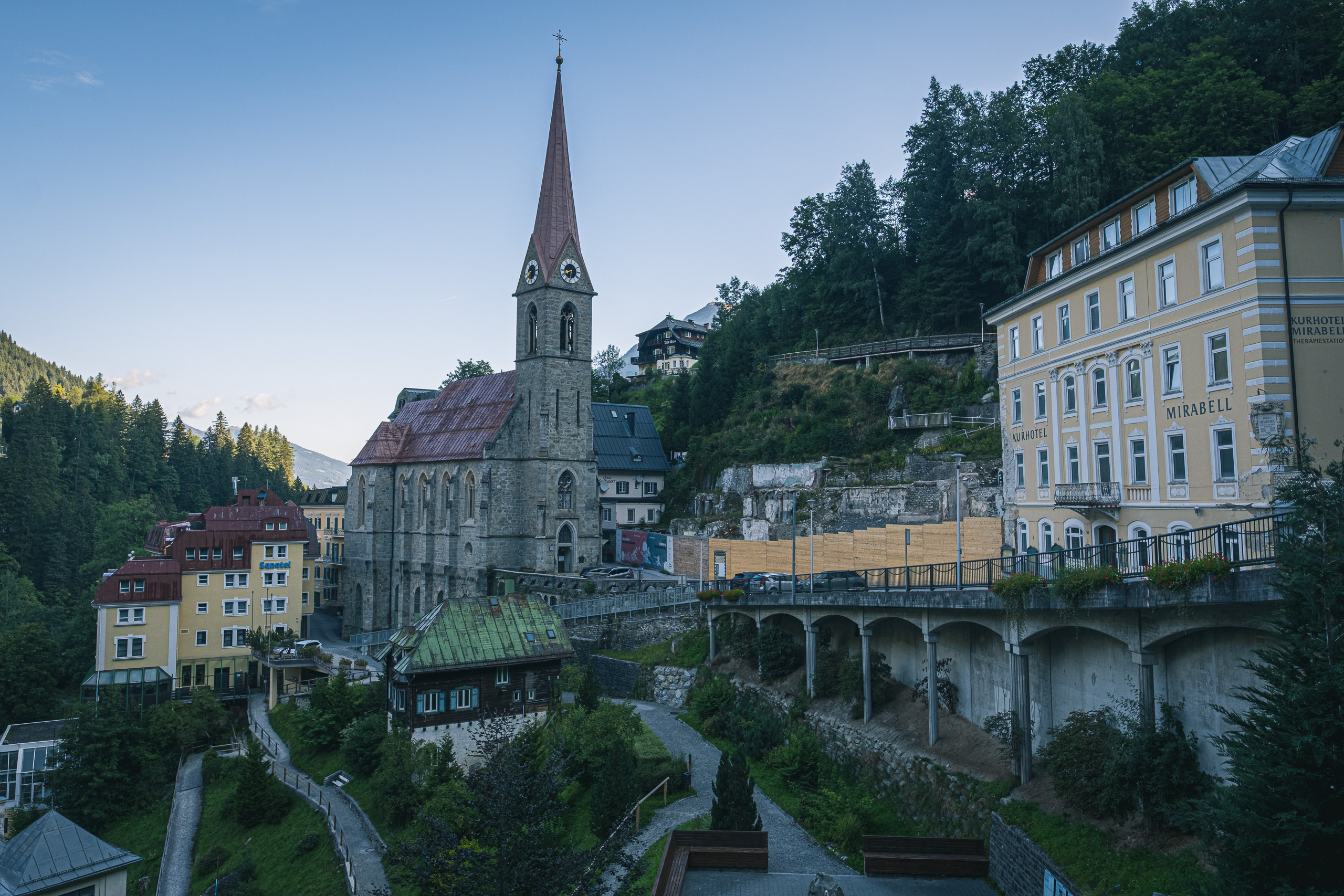
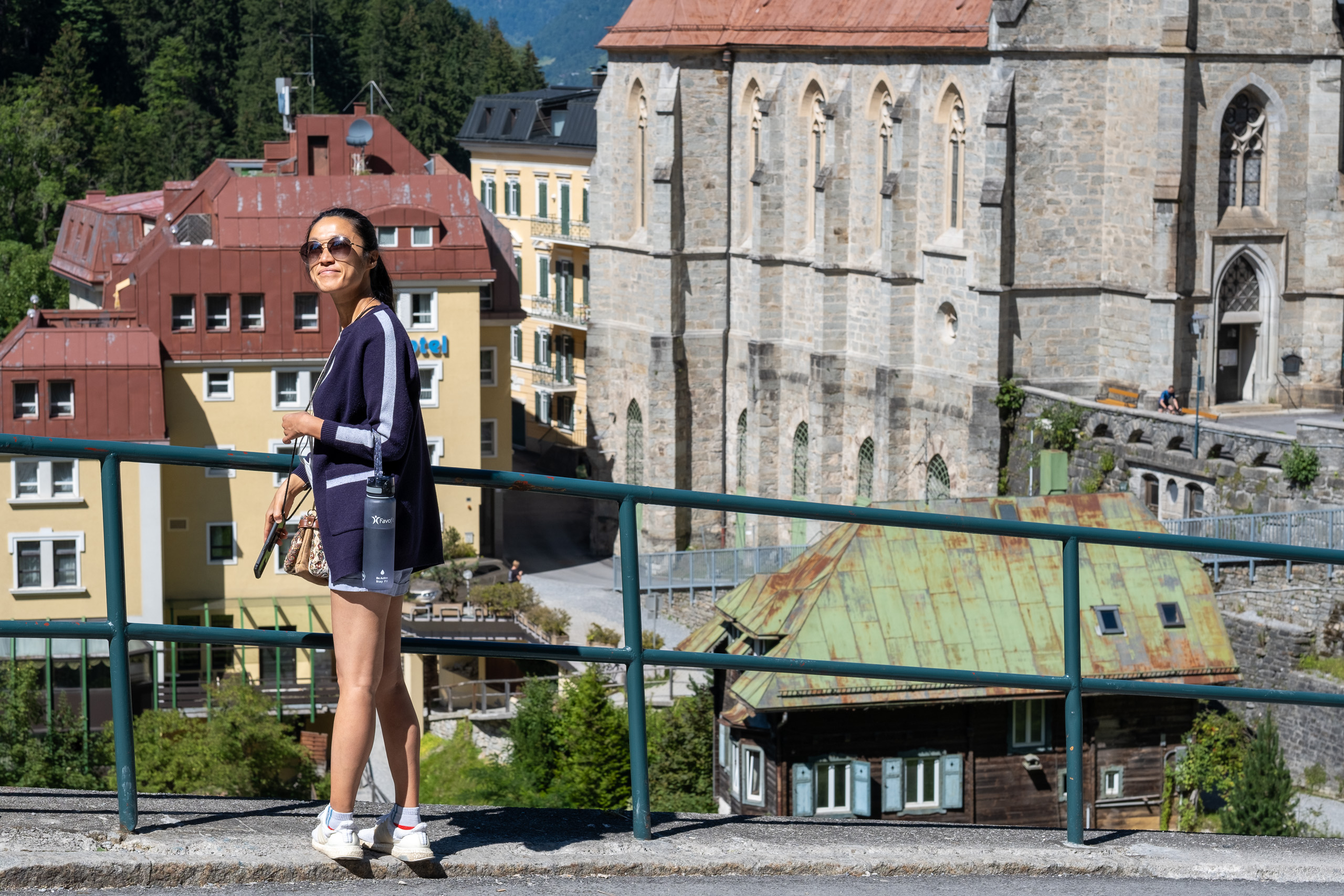
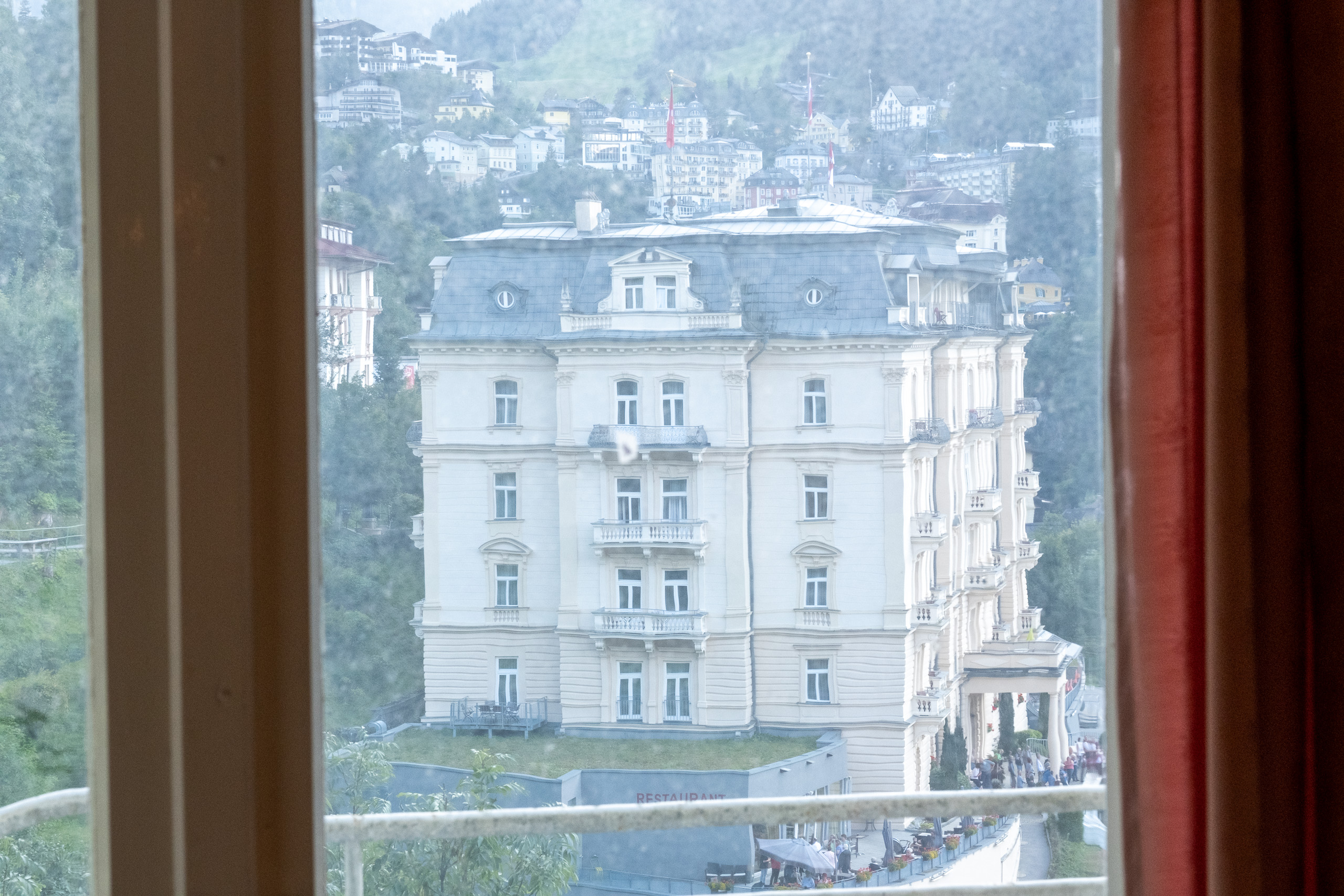
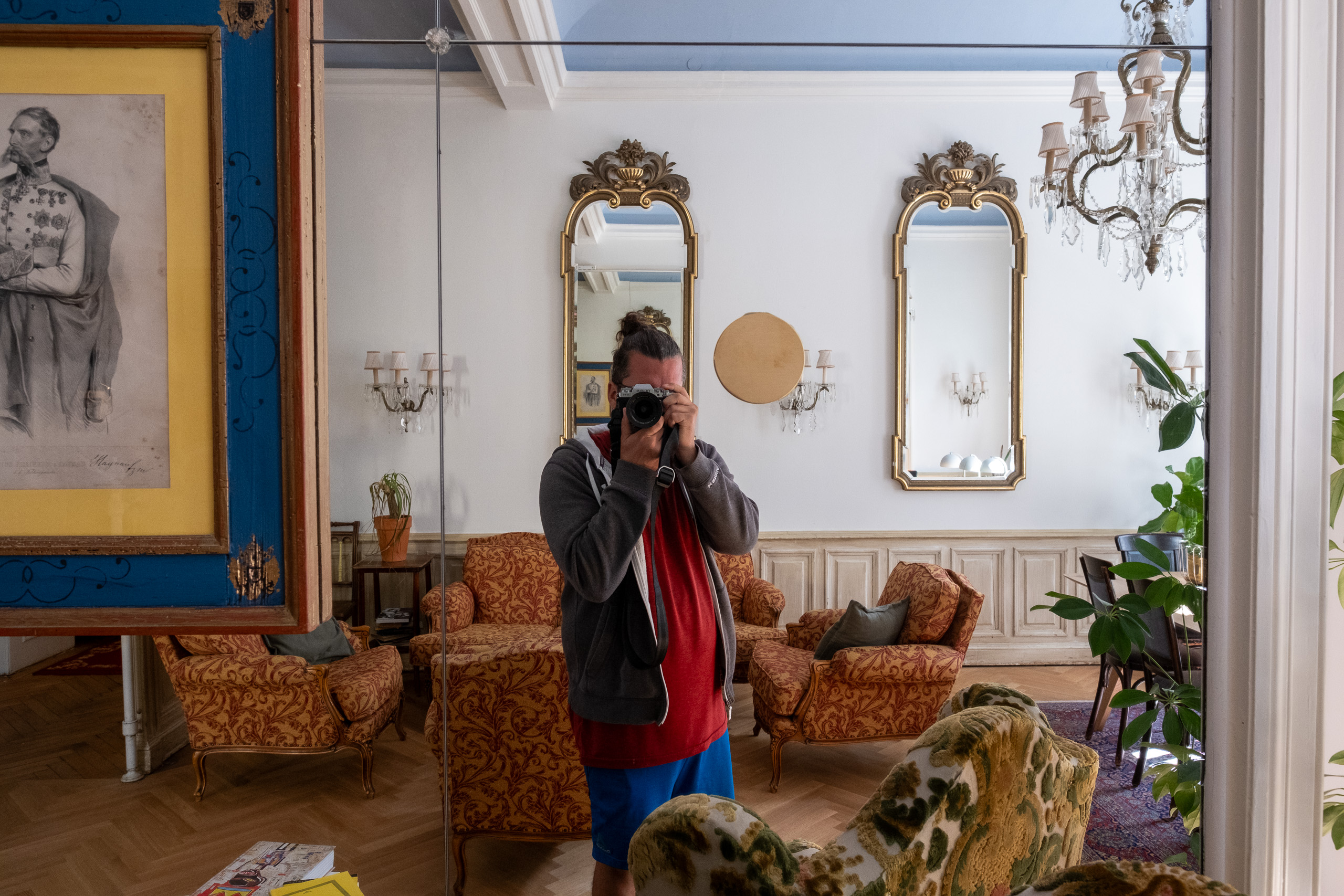
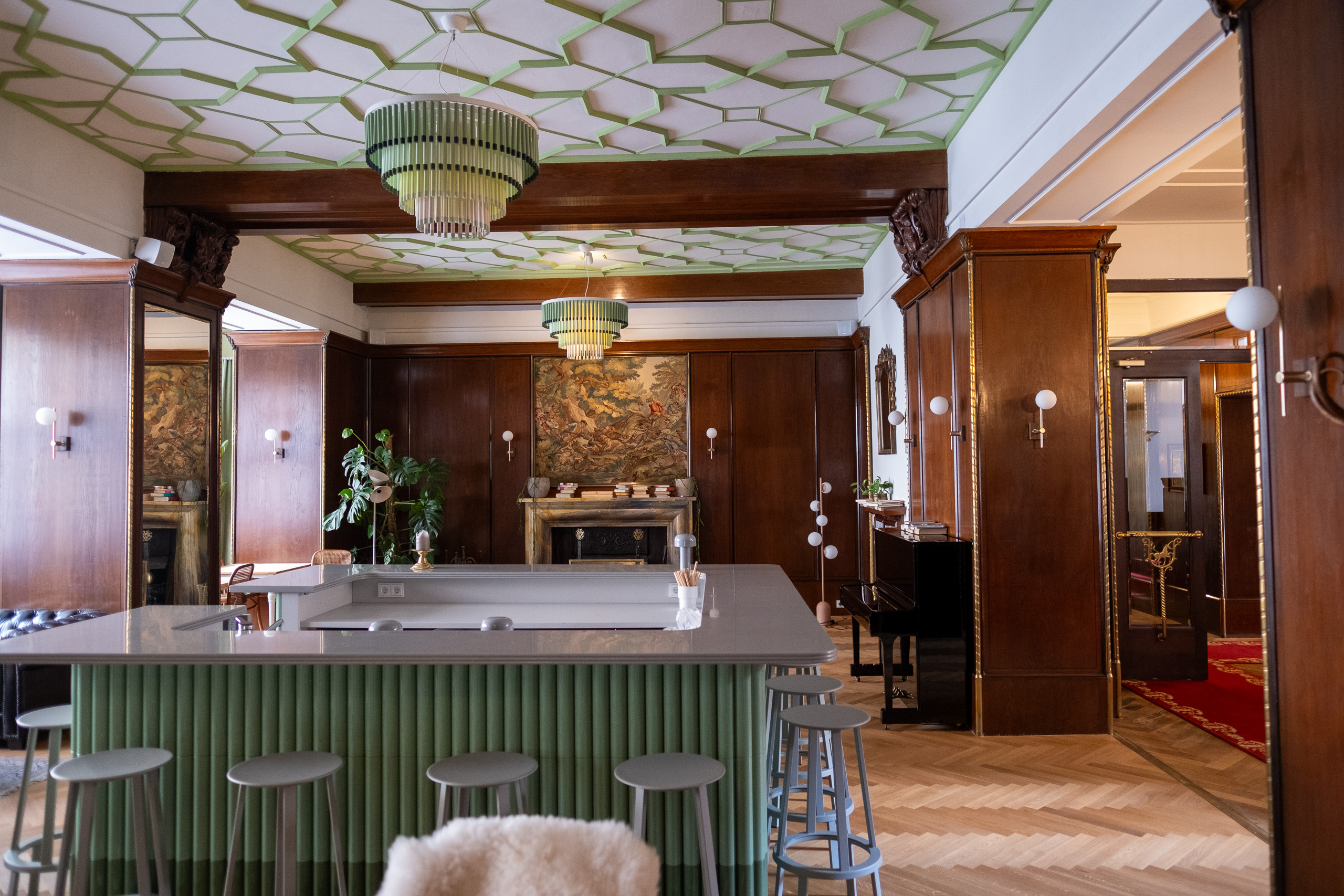
A family-run boutique spa hotel in Bad Gastein, in a Belle Époque building. A counterpoint to the grander imperial hotels. Bad Gastein's waterfall, thermal waters, and faded grandeur without the impersonal scale of a resort.
Town / Austria
3 places
Belle Époque spa town in the Gastein Valley, 90 minutes south of Salzburg. The Gasteiner Wasserfalle runs through the centre of town past the facades of grand hotels. Emperor Franz Joseph I, Empress Elisabeth Sisi, and Bismarck all came here. The Gasteiner Heilstollen radon therapy mine is a genuinely unusual wellness experience. Ski area above town.
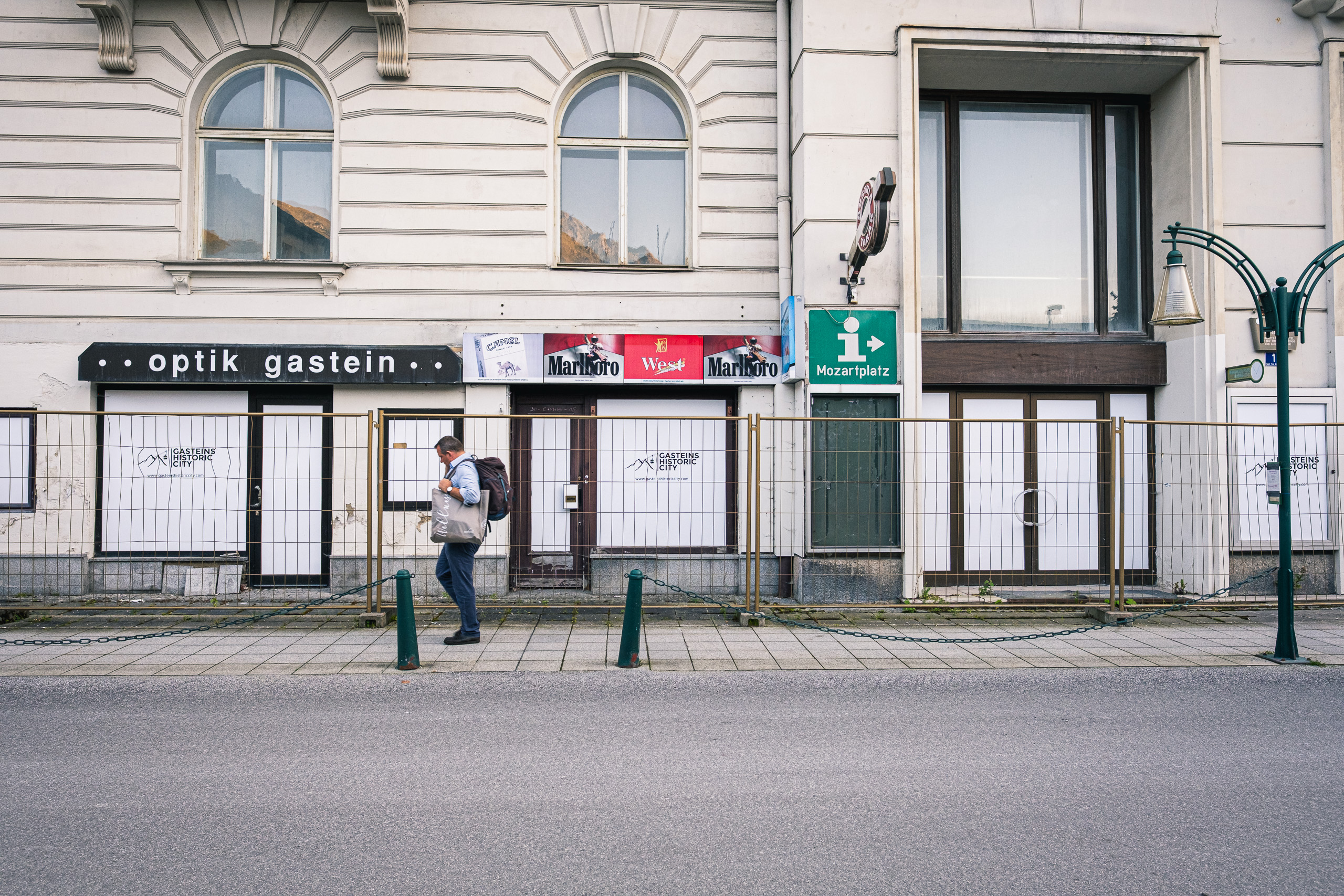
Bad Gastein started as a mining settlement, then discovered something more valuable than silver: the thermal springs rising from the mountain ran hot, mineral-rich, and radon-laden. By the 19th century the Habsburg court had turned the gorge into one of the most celebrated spa resorts in Europe. Emperor Franz Joseph I was a regular; so was Empress Sisi. The waterfall that rips through the centre of town was never a drawback. It became the stage set that made the place legendary.
The architecture that went up in that era clings to the rock in improbable ways: Art Nouveau facades propped against the cliff, hotels stacked above each other along the gorge. It is not a pastoral Alpine village. It is theatrical, slightly defiant, and genuinely beautiful.
The Gasteiner Heilstollen adds something found almost nowhere else: a warm, humid underground tunnel where the radon concentration in the air is used therapeutically. Sessions are 20-30 minutes, guided, and require a medical assessment. It has been used since the 1940s for rheumatic and inflammatory conditions, and is still taken seriously by Austrian health insurance.
The skiing is real, not merely incidental. Stubnerkogel and Graukogel rise directly above town, and the Gastein ski region connects to one of the larger ski circuits in the eastern Alps.
The current cultural moment in Bad Gastein, with galleries, renovation projects, and a growing design-conscious visitor base, has given the faded grandeur a second reading. A UNESCO World Heritage candidature is underway.
About 90 minutes by train or car from Salzburg, south via the A10. Trains run on the main Salzburg-Villach line with direct service to Bad Gastein station. The town is compact and walkable once there. The Gasteiner Heilstollen is at Böckstein, a short bus ride further up the valley; book in advance. Ski passes cover the full Gastein circuit. The town works as a day trip from Salzburg but rewards an overnight stay, particularly in winter.
Sleep
A family-run boutique spa hotel in Bad Gastein, in a Belle Époque building. A counterpoint to the grander imperial hotels. Bad Gastein's waterfall, thermal waters, and faded grandeur without the impersonal scale of a resort.
Mapped places
Every card is assigned directly to this destination or one of its canonical child destinations.
A radon healing gallery 2.5 km inside the Radhausberg mountain, where patients lie on beds in warm, humid tunnels for therapeutic sessions. The microclimate (37-41 degrees, high humidity, natural radon) is used to treat rheumatic and respiratory conditions. The Heilstollen is the single most distinctive thing about Bad Gastein beyond the waterfall.
The defining spectacle of Bad Gastein: 341 metres cascading through the centre of the Belle Époque spa town, past grand hotels and bridges. Raw alpine force meets 19th-century imperial architecture. Unlike anything else in Europe.
A family-run boutique spa hotel in Bad Gastein, in a Belle Époque building. A counterpoint to the grander imperial hotels. Bad Gastein's waterfall, thermal waters, and faded grandeur without the impersonal scale of a resort.
Longer reads
Blog stories that share a topic with this destination, newest first.
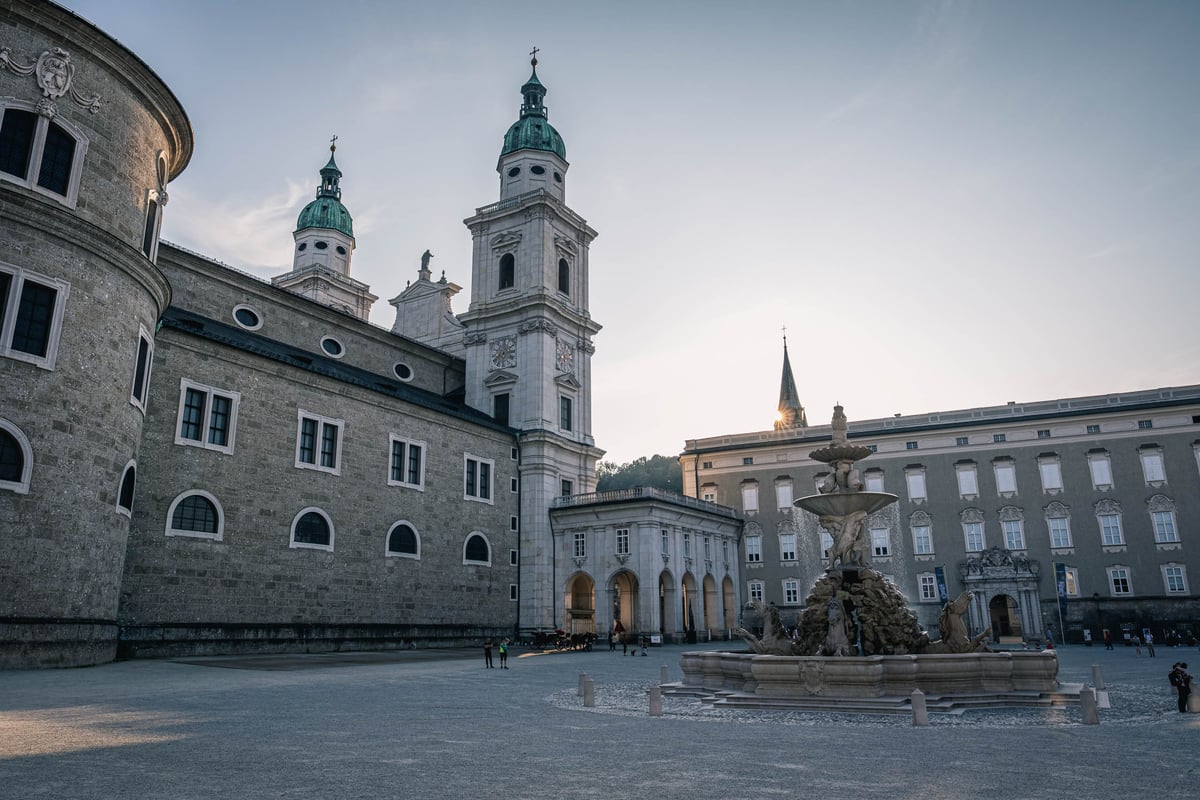
Salzburg was not part of Austria for most of its history. That single fact explains nearly everything about the way the city looks, why it feels different from Vienna, and why there is a fortress on the hill.