Snapshot
Between 1926 and 1934, Clemens Krauss turned the Salzburg Festival from an ambitious young event into the most prestigious music festival in the world. He did it by programming boldly, attracting the greatest artists, and forging one of the most productive partnerships in operatic history with Richard Strauss.
The Story
Krauss came to Salzburg in 1926 as a thirty-three-year-old Austrian conductor already drawing attention at the Vienna State Opera. The Salzburg Festival was only six years old, and the question of what it would become remained genuinely open. Krauss answered it. As Artistic Director through 1934, he shaped a programming vision that placed music at the centre, built around the Vienna Philharmonic’s summer residency, and drew international stars who made the alpine city the agreed summit of the musical world.
His friendship with Richard Strauss was the creative engine. When Hofmannsthal died in 1929, leaving Strauss without a librettist, it was Krauss who stepped in, not merely as a conductor but as a co-author. The result was Capriccio (1942), Strauss’s final opera, which Krauss also conducted at its Munich premiere. When Arturo Toscanini chose Salzburg as his European showcase in the early 1930s, it was partly because Krauss had built something worth choosing.
Krauss’s wartime record is complicated. He never joined the Nazi Party but corresponded with Hitler and took posts vacated by conductors who refused to collaborate. Post-war tribunals acquitted him. He returned to conducting, and in 1952 led the world premiere of Die Liebe der Danae at the Salzburg Festival, the opera Strauss had withheld from the public. He died two years later in Mexico City, mid-tour, at sixty-one.
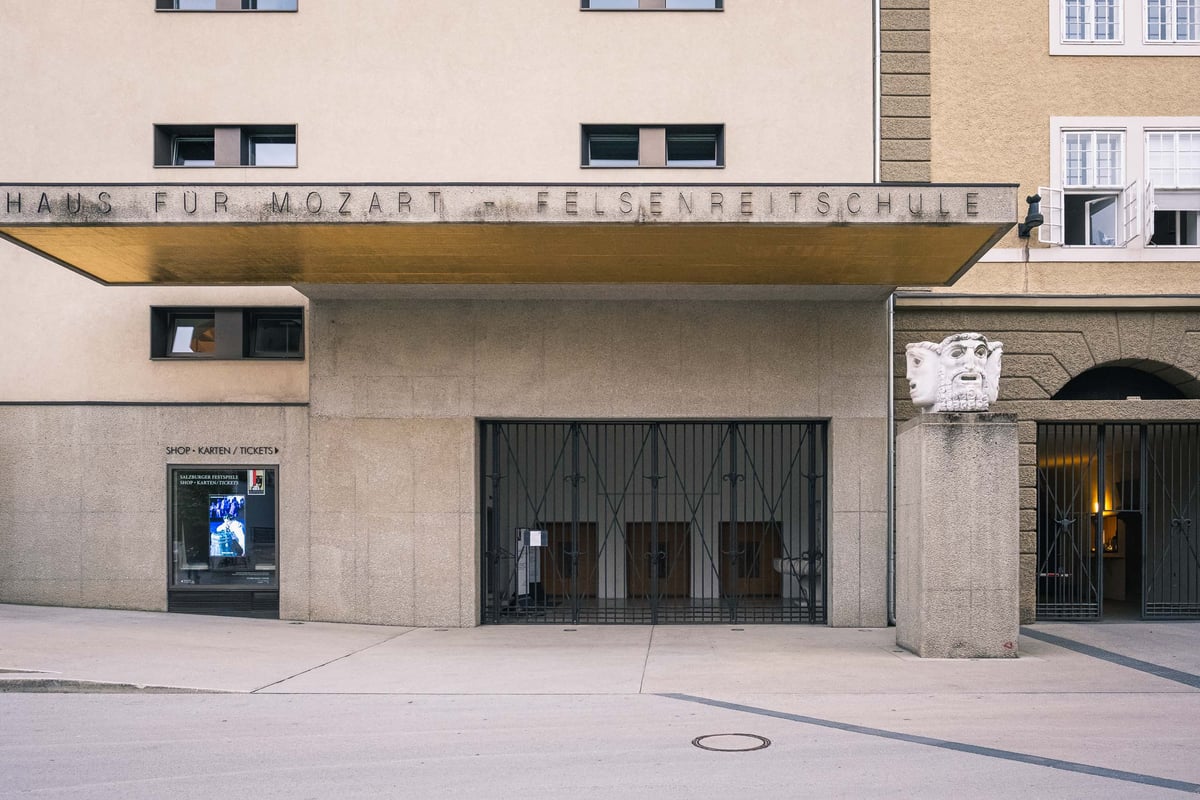
The Salzburg Festival he shaped in its first decade remains the institutional template. Every summer that it fills the Grosses Festspielhaus and Felsenreitschule with the world’s leading artists, it is running on infrastructure Krauss built.