
Archbishop

Archbishop Franz Anton von Harrach

2 October 1665, Vienna, Austria - 18 July 1727, Salzburg

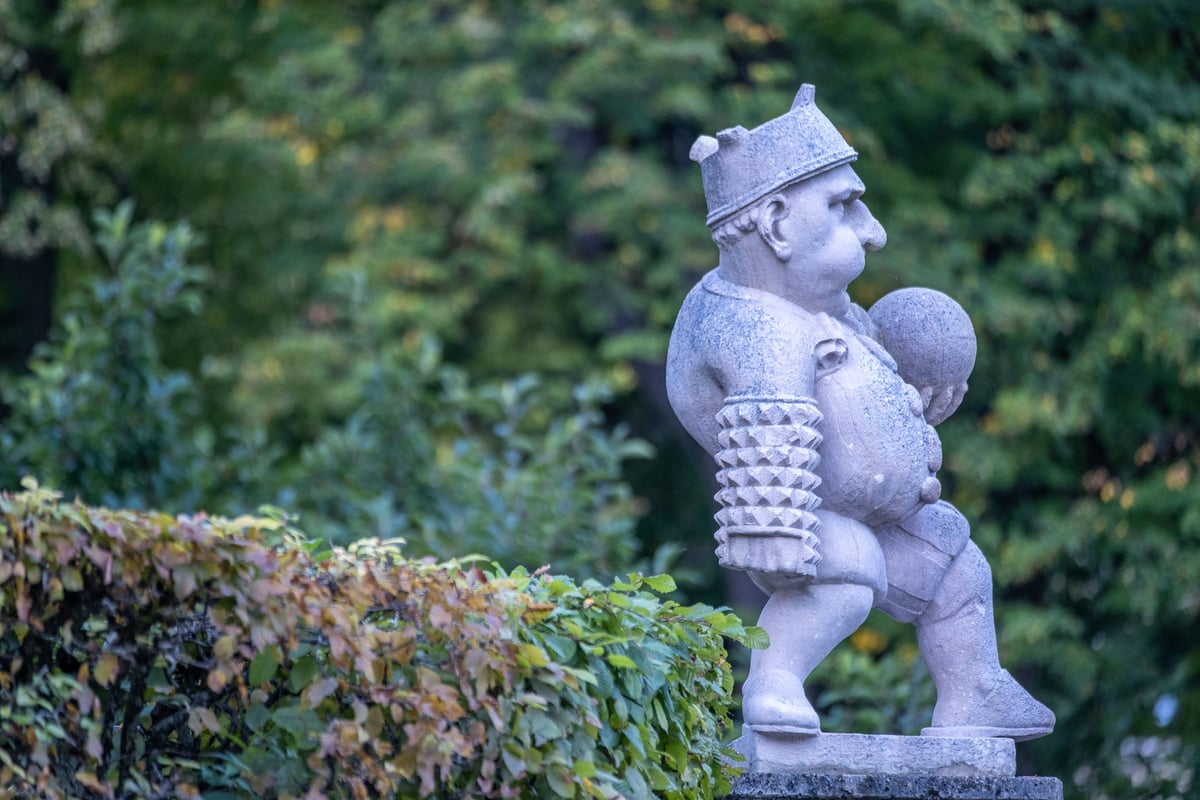
The archbishop who gave Salzburg its dwarves. Harrach’s most lasting and peculiar contribution is the Zwerglgarten (Dwarf Garden) within the grounds of Mirabell Palace, commissioned around 1715-1725. The walled garden contains 28 marble dwarf figures that remain one of Salzburg’s most quietly fascinating attractions.

Under Harrach (1709-1727), Salzburg’s baroque programme, begun under Wolf Dietrich von Raitenau, advanced through Markus Sittikus, Paris Lodron, and Johann Ernst von Thun, reached its settled, final form. His archiepiscopate represents the last golden decade of the independent Prince-Archbishopric before the pressures of the 18th century began to erode its autonomy.

On the map

Harrach's Salzburg

The 2 places on this page, where they actually stand.

Locations

Places in the story

These places and destinations are authored on this person entity.
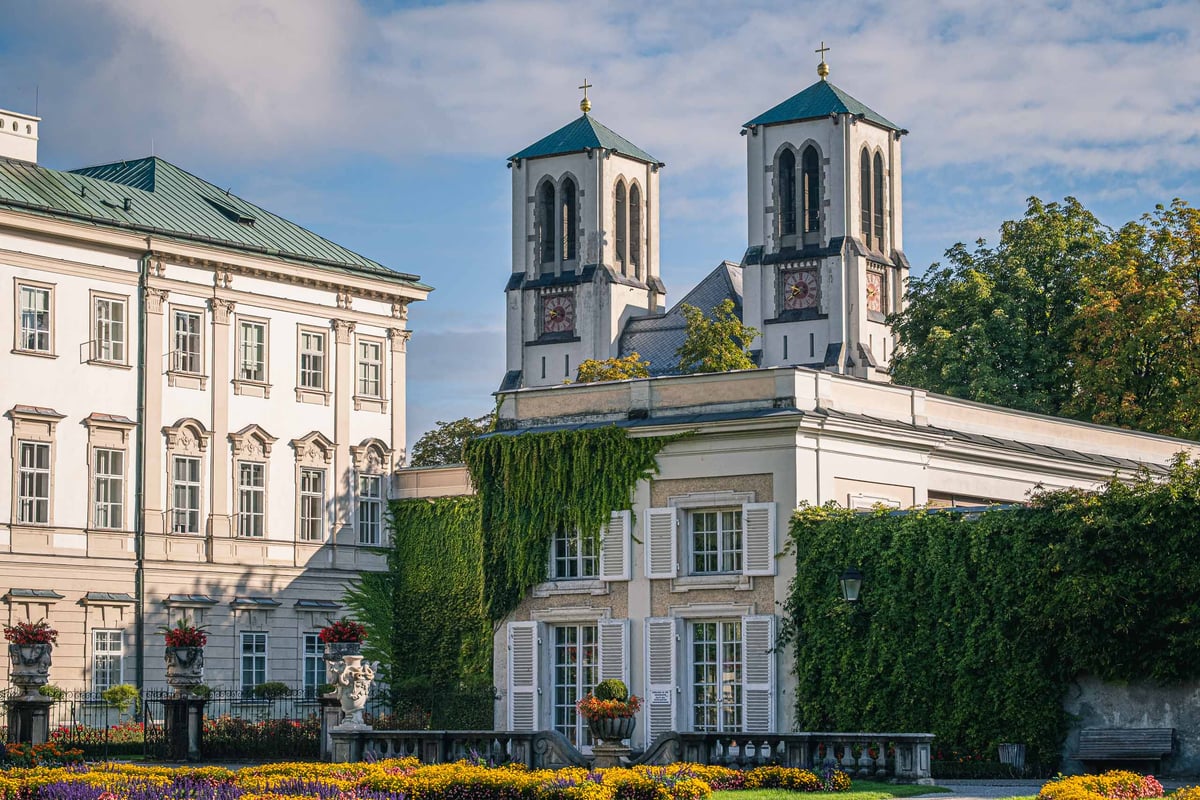
  • Mirabell Palace

    Built 1606

    Built in 1606 by Wolf Dietrich von Raitenau as "Altenau," a palace for his mistress Salome Alt. Renamed "Mirabell" by Markus Sittikus. The current baroque building is largely the work of Johann Lukas von Hildebrandt (1721). Today it serves as Salzburg's city hall. The Marble Hall is one of the finest baroque rooms in Austria.
    Salzburgfree
  • Zwerglgarten (Dwarf Garden)

    A small walled garden within the Mirabell grounds displaying the surviving marble dwarf figures, carved around 1690 by Ottavio Mosto, Bernhard Michael Mandl and others. 28 originally, 17 today. Simultaneously grotesque, humorous, and oddly moving. Tucked behind the main garden, easily missed, and all the more rewarding for that.

    Salzburgfree