Snapshot
Markus Sittikus was Prince-Archbishop of Salzburg from 1612 to 1619. A cousin of Wolf Dietrich von Raitenau, he deposed his predecessor with Bavarian military support and then spent his seven-year reign building. Hellbrunn Palace, the Hellbrunner Allee, the Steintheater Hellbrunn, and the cornerstone of the Salzburg Cathedral all date to his archiepiscopate. He died before seeing any of them finished.
The Story
The Hohenems family gave Salzburg two archbishops, and the results could not have been more different. Wolf Dietrich von Raitenau spent three decades in office building a baroque city, then lost everything in a coup he helped invite by alienating his Bavarian neighbours. Markus Sittikus was the coup. He arrived in 1612 backed by Bavarian troops, locked Wolf Dietrich in the fortress, and took the archbishopric.
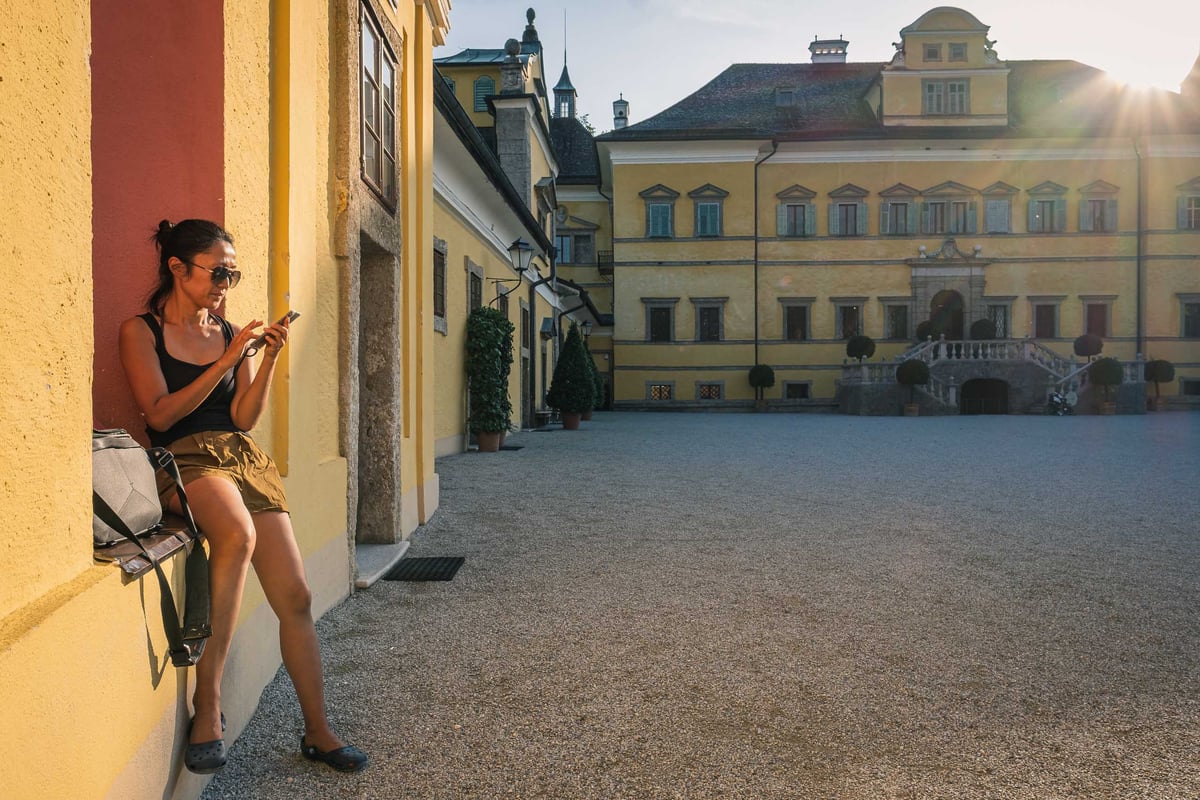
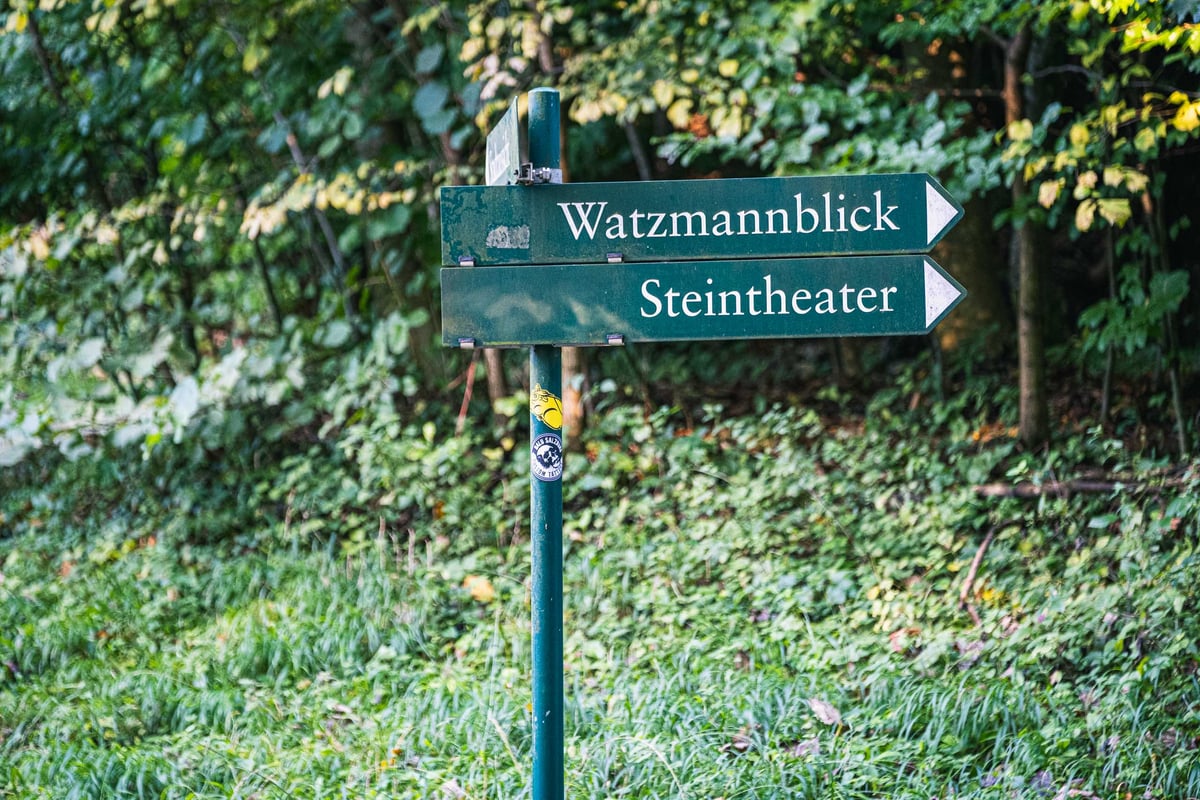
He had seven years, and he used them the way rulers who sense their time is short sometimes do. The Hellbrunn complex south of the city was commissioned in 1613, built with Italian speed, and finished by 1615. The palace was never a home. It was a stage. The trick fountains, the water-powered automata, the rock-cut stone theatre behind the gardens: all of it was built for entertainment, for showing what money and Italian taste could do in an Austrian mountain city. The first opera staged north of the Alps was performed on that stone theatre.
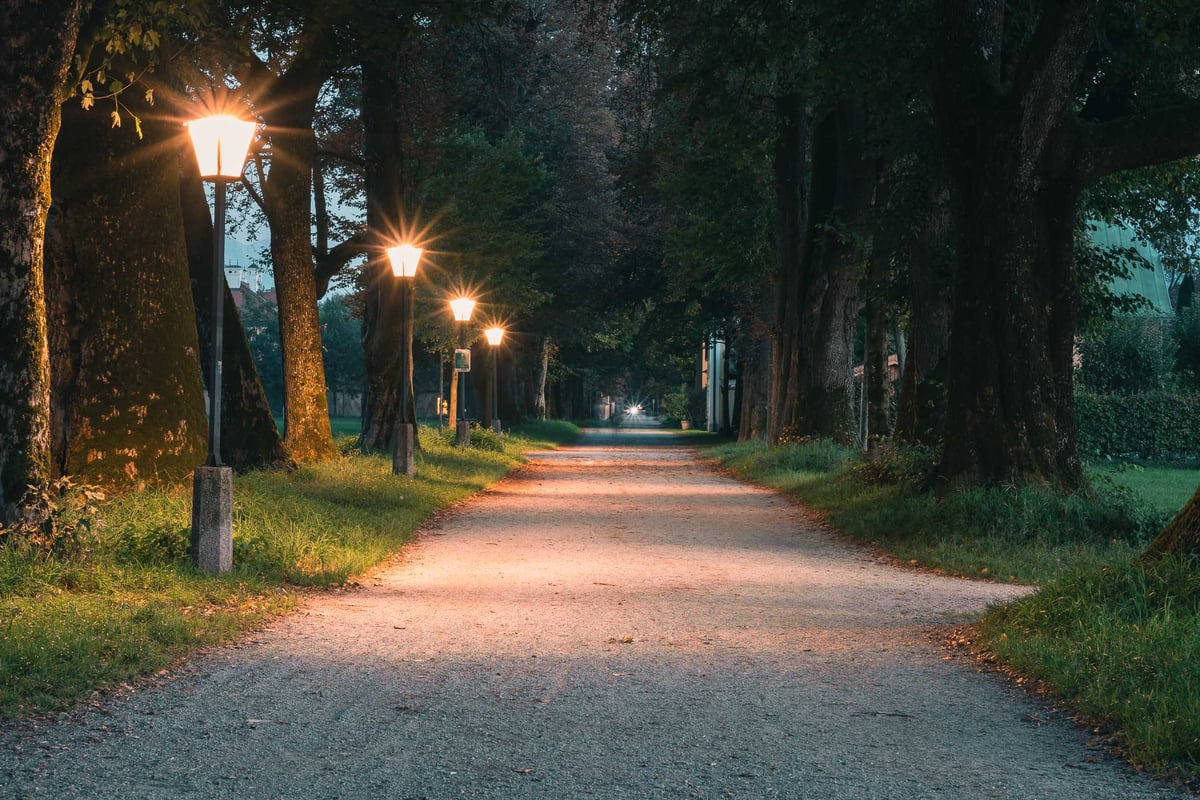
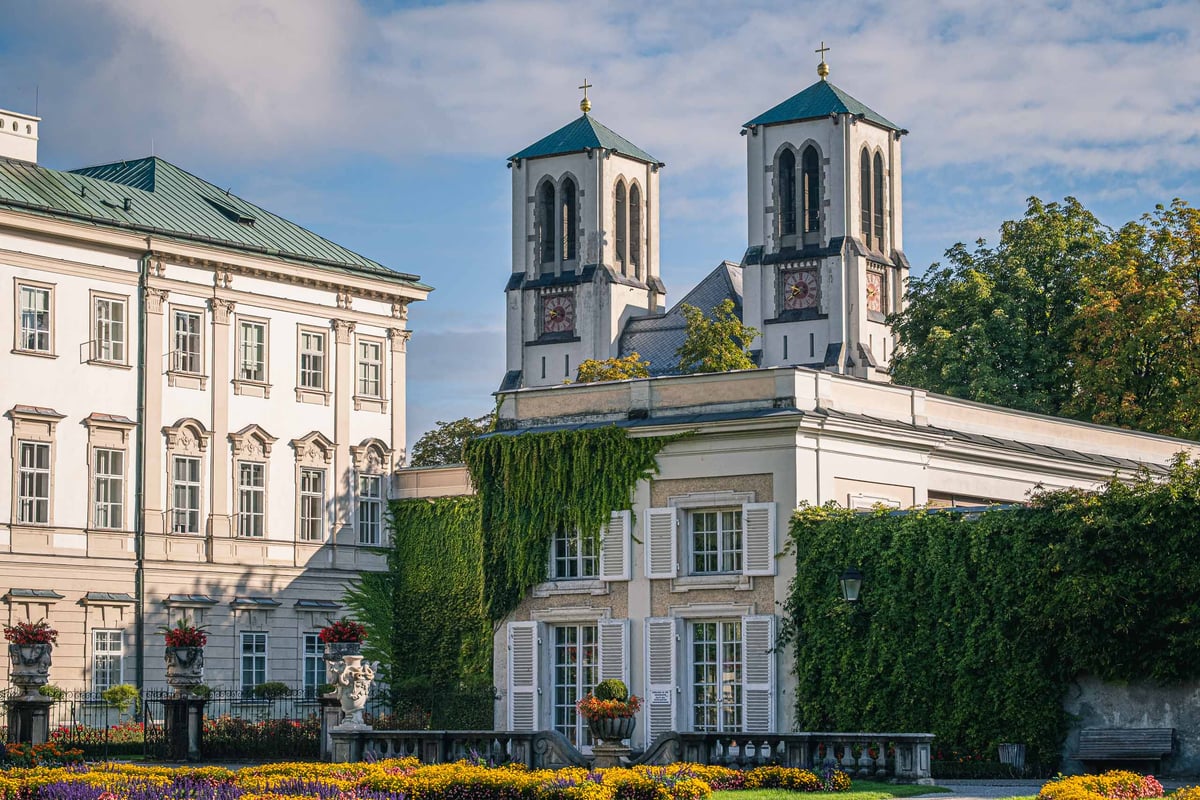
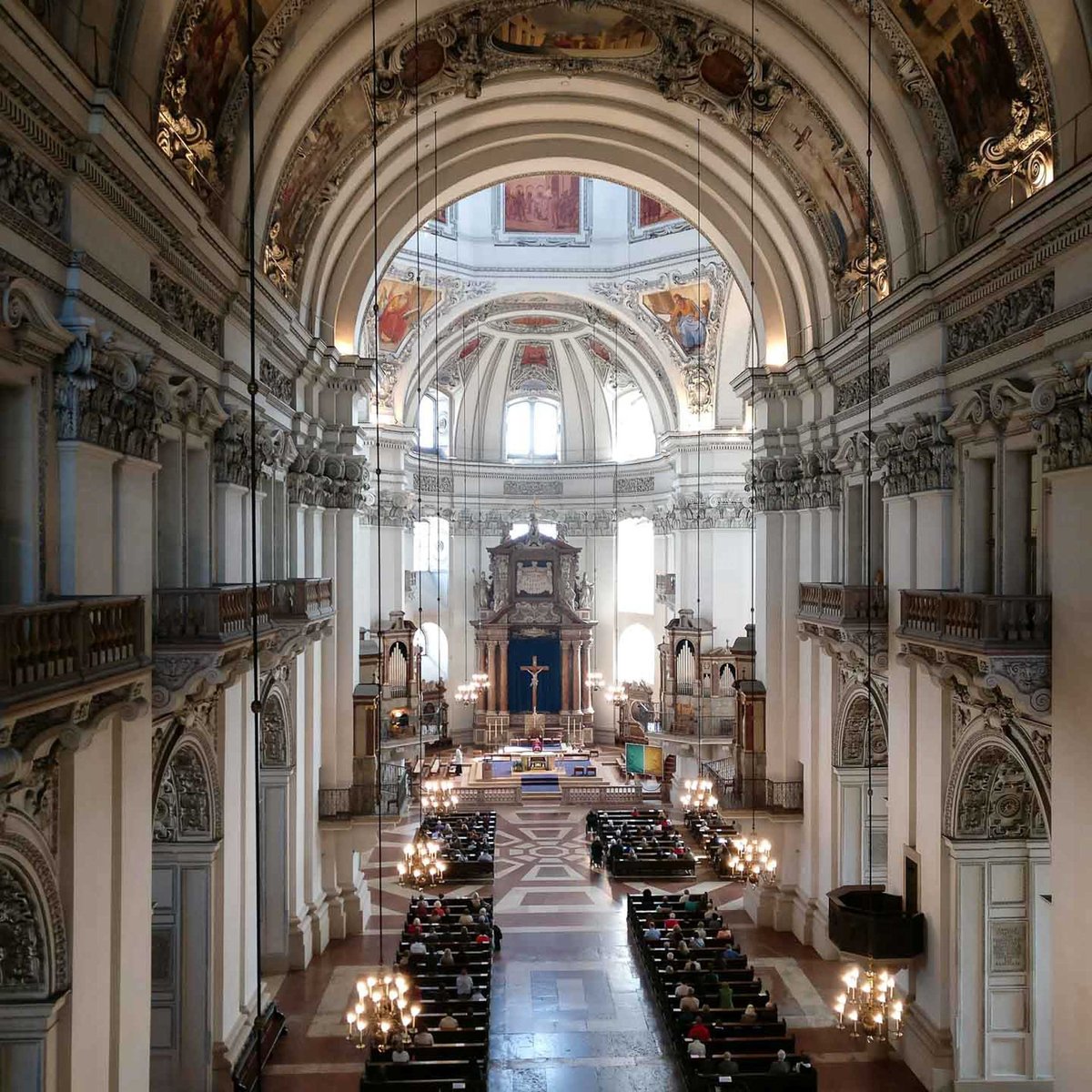
The Hellbrunner Allee, the 4 km processional avenue connecting the city to Hellbrunn, was planted in the same years and still survives. He renamed Wolf Dietrich’s “Altenau” across the river to Mirabell, erasing its origin as a palace built for a mistress and recasting it as dignified episcopal property. And the cornerstone of the Salzburg Cathedral was laid on his instruction in 1614, though he did not live to see it consecrated.
He died in 1619. Paris Lodron, who succeeded him, consecrated the cathedral in 1628 and kept Salzburg neutral through the worst war in Central European history. Markus Sittikus started the cathedral, planted the avenue, and built the pleasure garden that still soaks visitors every summer. The Salzburg that tourists see today rests substantially on those seven years.