Snapshot
Wolf Dietrich von Raitenau ruled Salzburg from 1587 to 1611 and transformed it from a medieval city into a baroque capital. The streets, squares, and palaces visitors walk through today are, in large part, the city he imagined.
The Story
Wolf Dietrich came to power at 28, backed by a network of papal connections his mother Helene von Hohenems had cultivated through her Medici ties. His vision was blunt: make Salzburg the “Rome of the North.” He had studied at the Collegium Germanicum in Rome, absorbed Italian Renaissance planning, and returned north with an ambition that had nowhere modest to land.
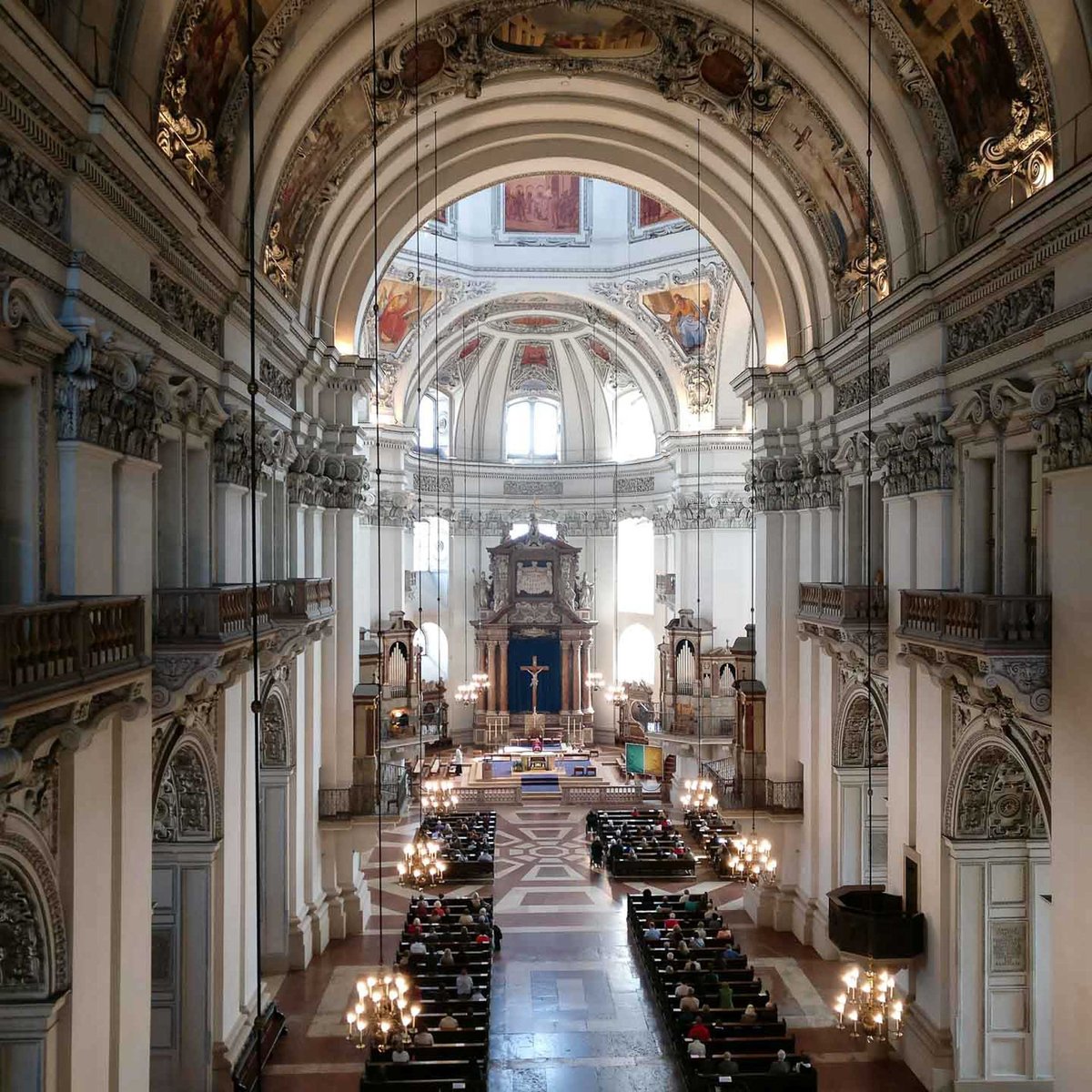
When a fire tore through the old Romanesque cathedral on 11 December 1598, Wolf Dietrich saw an opportunity. He ordered the surviving shell demolished, over the objections of locals, and commissioned architect Vincenzo Scamozzi to design something grander. He also cleared 55 burgher houses to create Residenzplatz, the open baroque square that still frames the city. The new Salzburg Cathedral was not finished in his lifetime. His cousin Markus Sittikus completed it under architect Santino Solari, and Paris Lodron consecrated it in 1628. But the decision was Wolf Dietrich’s.
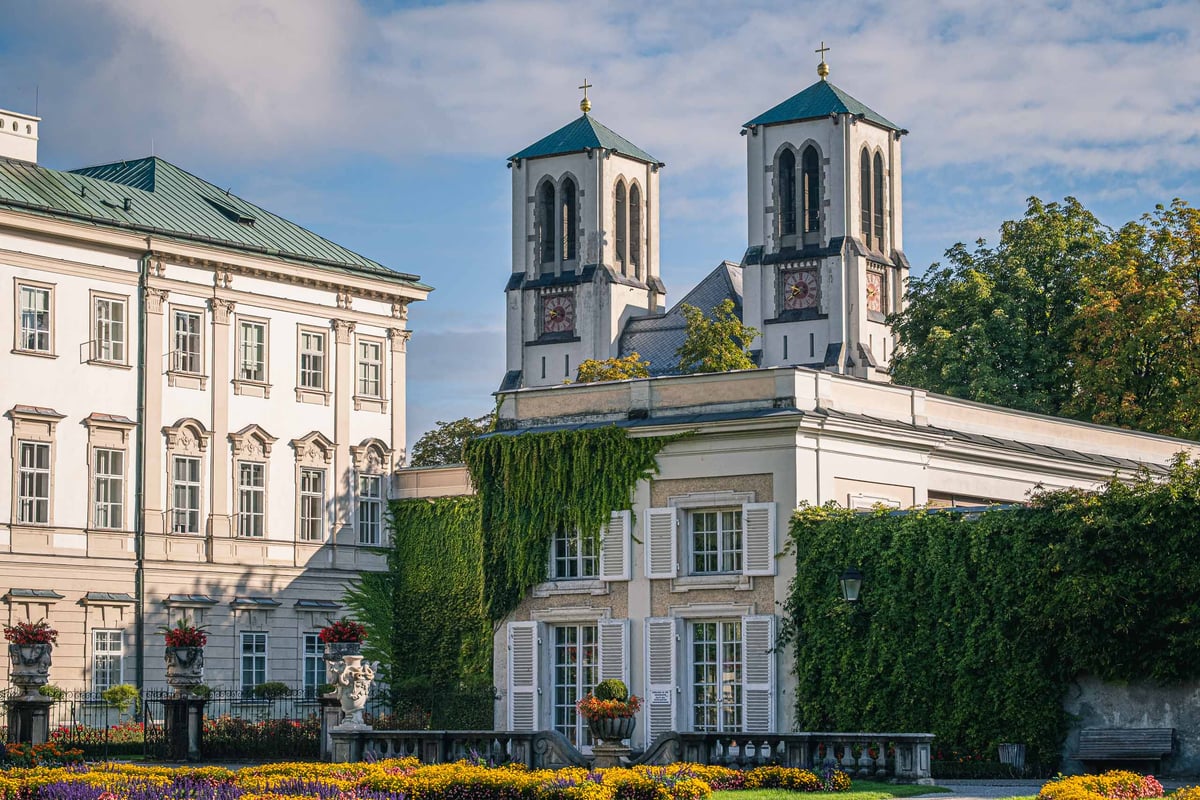
In 1606 he built a palace on the north bank of the Salzach for Salome Alt, the merchant’s daughter who had been his partner since 1593 and the mother of his 15 children. He called it Altenau. Rome refused his petition for a marriage dispensation, so they remained unofficial, but he granted her the noble title “von Altenau” in 1600 and had Emperor Rudolf II confirm it in 1609. After his fall, Salome fled to Upper Austria and reportedly passed secret notes to him inside the fortress in pastries. She outlived him by sixteen years, dying in 1633 at age 94.
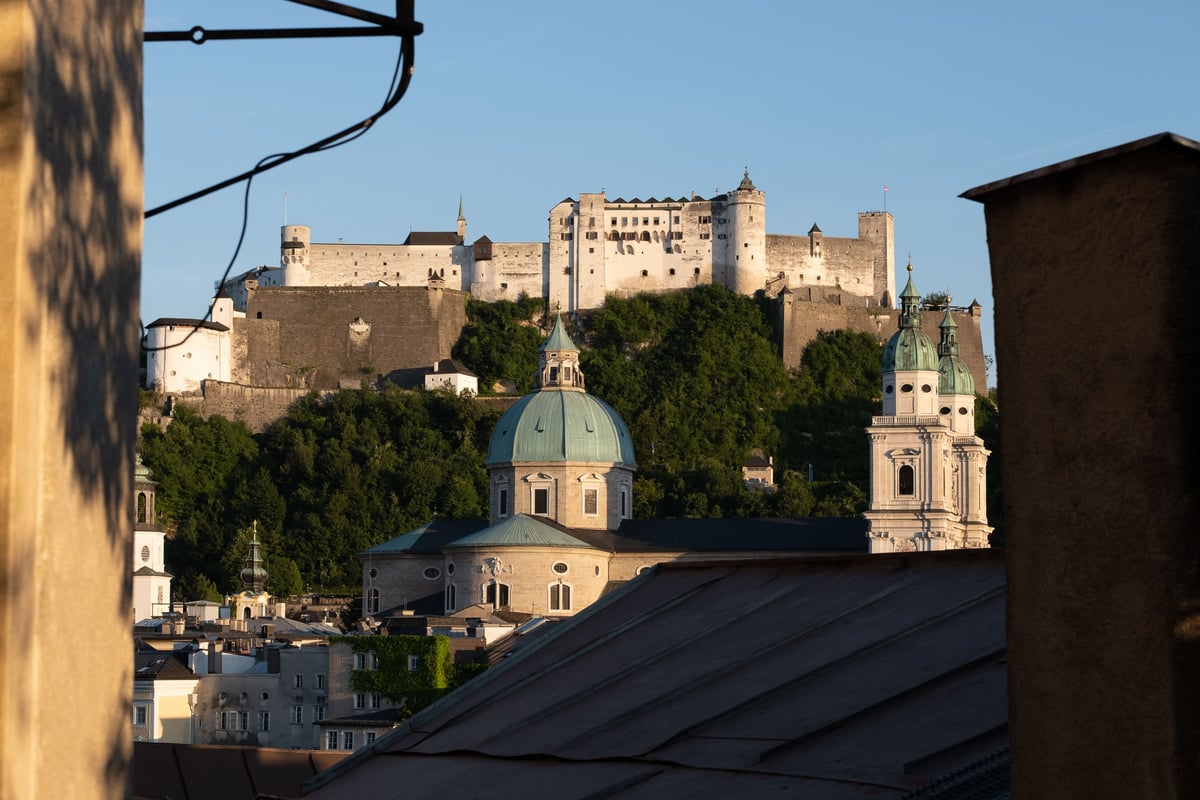
Wolf Dietrich’s downfall came from a salt-trade dispute with Bavaria. When negotiations collapsed, Duke Maximilian I sent 10,000 troops and Wolf Dietrich had no allies to call on. He fled on 23 October 1611 and was captured and imprisoned in Hohensalzburg Fortress, the very castle that towered over the city he had rebuilt. He died there on 16 January 1617. His mausoleum stands at Sebastiansfriedhof, a short walk from the palace he built for Salome. Markus Sittikus renamed that palace Mirabell.