Snapshot
Paris Lodron ruled Salzburg for 34 years during the Thirty Years’ War and kept the city untouched while the rest of Central Europe burned. He founded the university, consecrated the cathedral, and built the walls that still ring the old town.
The Story
Paris Lodron was elected archbishop in 1619, the same year the Thirty Years’ War began to consume Germany and Bohemia. He had been dean of the cathedral chapter under his predecessor Markus Sittikus, who had already planted the seed of Salzburg’s neutrality by refusing to join the Catholic League. Lodron inherited that stance and held it for three decades.
Keeping Salzburg neutral was not passive. Lodron negotiated a compact with the Bavarian duke, kept foreign garrisons out of Hohensalzburg Fortress, and managed the constant pressure of Habsburg imperial demands while shielding his city from the economic ruin that stripped neighboring territories. When the war finally ended in 1648, Salzburg’s population and buildings were intact. No other major Central European city could say the same. The title “Vater des Vaterlandes,” Father of the Fatherland, was not hyperbole.
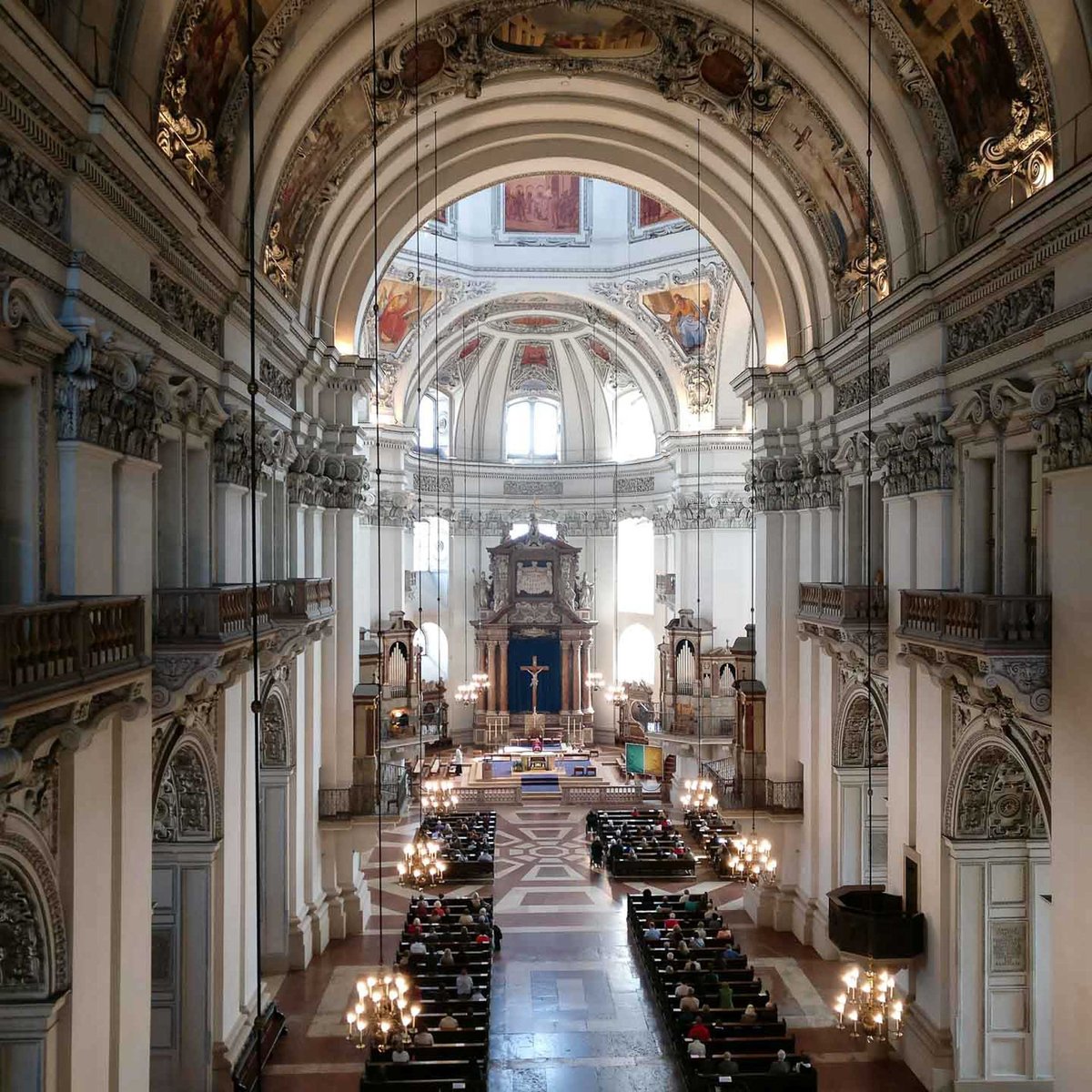
The peace gave him the stability to build. He founded the University of Salzburg in 1622, securing imperial confirmation from Ferdinand II on 8 October 1622. The institution still carries his name. In 1628 he presided over the consecration of Salzburg Cathedral, the moment that completed thirty years of baroque ambition begun by Wolf Dietrich von Raitenau and carried forward by Markus Sittikus. Twelve choirs sang Bernardi’s Te Deum from the marble galleries. The city’s defining landmark was finally complete.
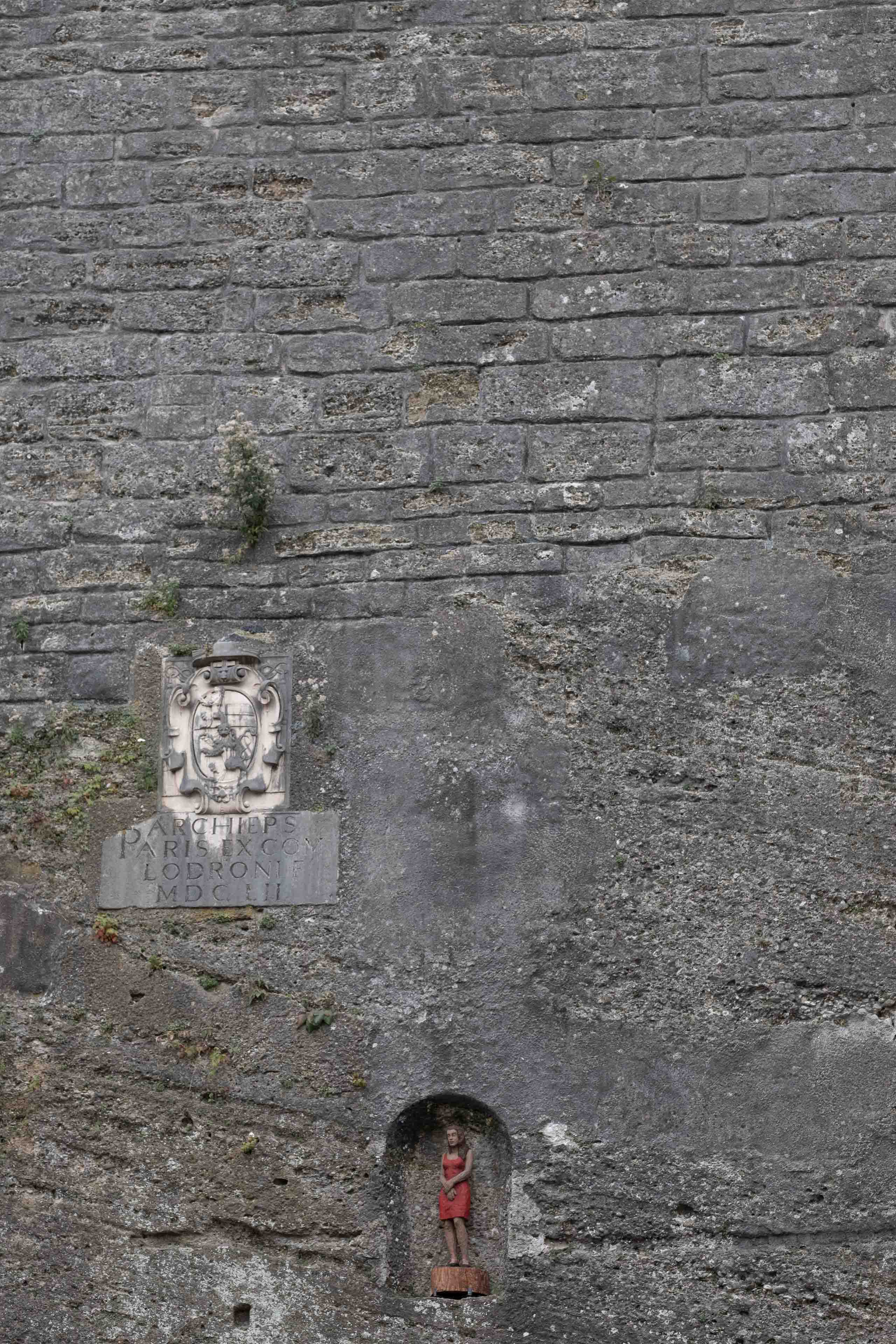
Lodron also commissioned the fortifications that still frame the northern edge of the old city: five large bastions around the Neustadt district, built in the early 1630s. They were never tested in battle. He died in Salzburg in December 1653, having outlasted the war, the cathedral’s completion, and every crisis that might have ended the city’s baroque century before it reached its peak.