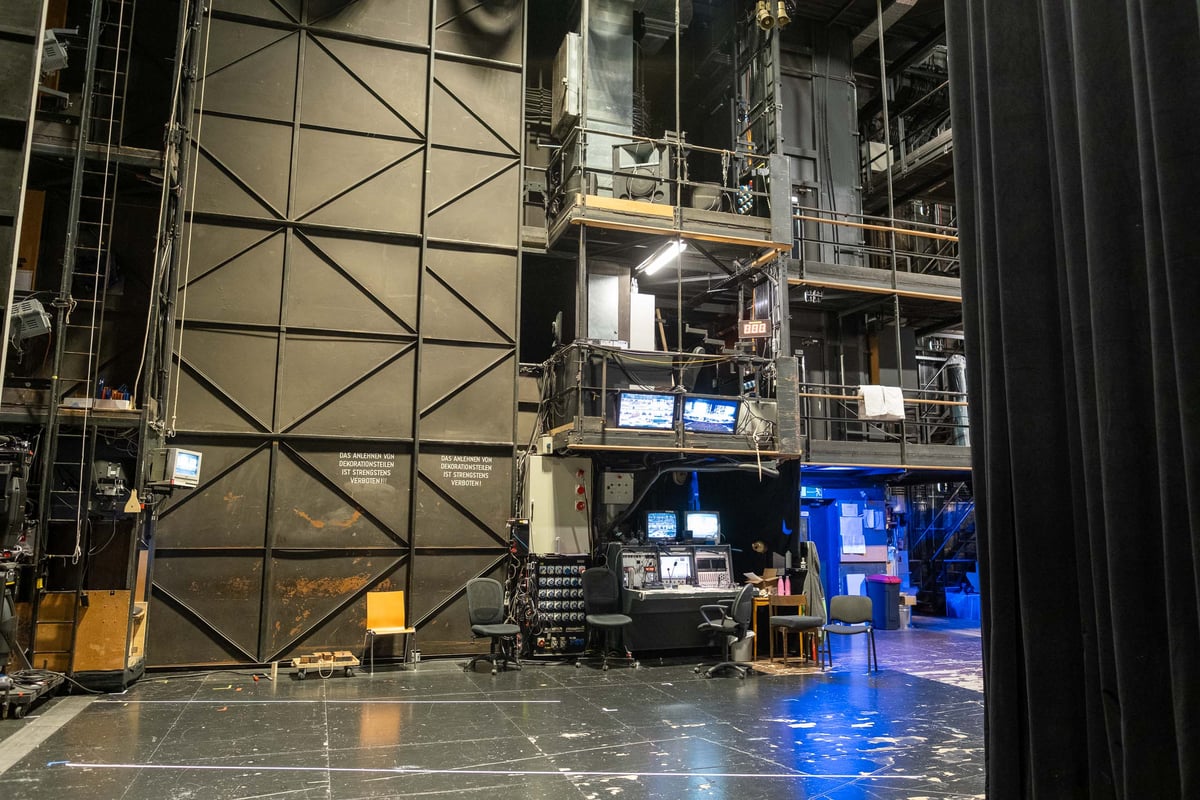
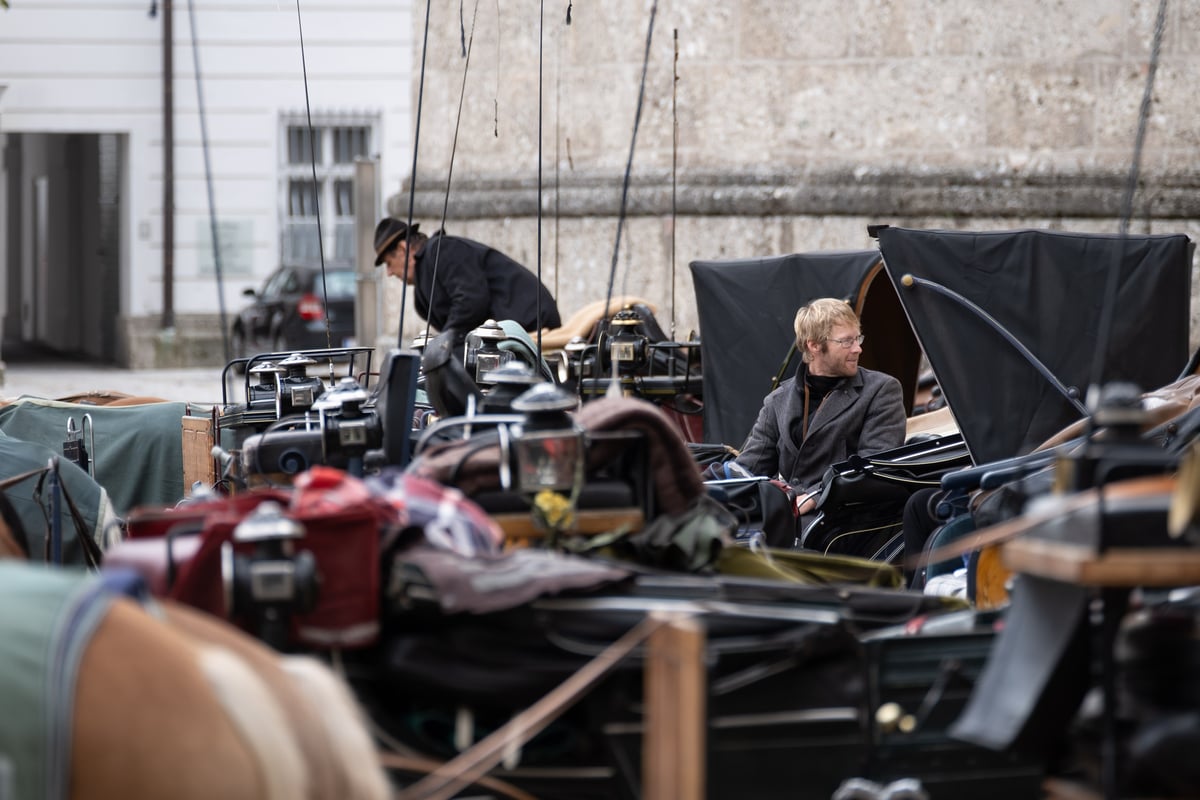
Domplatz
The square directly in front of the Salzburg Cathedral, flanked by the Cathedral arches and the DomQuartier buildings. Site of the famous annual Jedermann performance during the Salzburg Festival.
Conductor
27 May 1863, Vienna - 3 September 1931, Edlach an der Rax, Lower Austria
Franz Schalk is the least famous of the five founders of the Salzburg Festival, which is not the same as being the least important. As long-serving director of the Vienna State Opera and a pupil of Bruckner, he brought the institutional credibility and the conducting authority that turned a founding vision into a working summer festival.
When the Salzburg Festival held its first season in 1920, opening with Reinhardt’s production of Jedermann on Domplatz, it needed more than theatrical genius and literary prestige. It needed conductors who could command the Vienna Philharmonic, opera directors who understood what a summer festival required, and institutional allies who would ensure the right orchestras showed up. Schalk provided all of that.
He was a student of Anton Bruckner at the Vienna Conservatory, which placed him in the direct line of the Viennese tradition. By the time the Festival was founded, he was already director of the Vienna State Opera, a post he had held since 1918, and where he had co-directed alongside Strauss and conducted the world premiere of Die Frau ohne Schatten in 1919. His co-founding role gave the Festival immediate institutional weight.
On 15 August 1922 he conducted the first orchestral concert at the Festival, presenting Mozart at the Mozarteum and establishing the Vienna Philharmonic’s summer residency that continues to this day. He returned repeatedly through the decade, programming Mozart galas and symphonic evenings that cemented the Festival’s reputation for musical excellence alongside its theatrical premieres.
He also edited Bruckner’s symphonies, a contribution that later attracted criticism for its liberties with the original scores. His legacy is complicated in that respect. But in Salzburg, his name belongs alongside the other four founders. The Festival he helped build is still running.
On the map
The 2 places on this page, where they actually stand.
Locations
Completed 1960
The Grosses Festspielhaus (Large Festival Hall) opened in 1960 as a major expansion of Salzburg's Festspielhaus complex, carved in large part from the Moenchsberg cliff face to achieve its 2,179-seat auditorium. Architect Clemens Holzmeister cut the main stage directly into the rock, creating one of the widest stages in the world at 100 meters.
Organizations
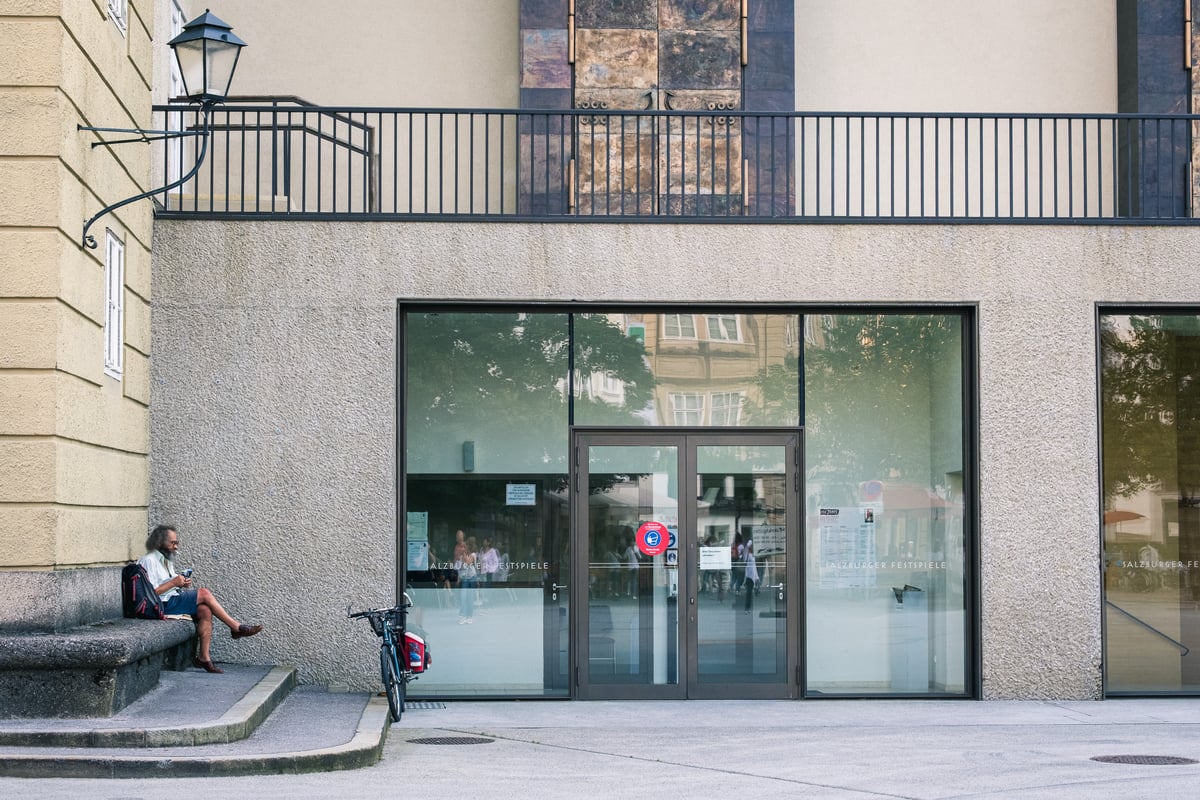
One of the world's most prestigious performing arts festivals. Held annually late July to end of August. Founded 1920 by Hugo von Hofmannsthal, Max Reinhardt, Richard Strauss, Franz Schalk, and Alfred Roller. Inaugural event: Jedermann on Domplatz. Herbert von Karajan defined the postwar era. Opera, drama, concerts.