Snapshot
Hugo von Hofmannsthal’s morality play about wealth, death, and salvation, performed on Domplatz almost every summer since 1920. The Cathedral is the backdrop. The square is the auditorium. When Death calls, his voice echoes from the towers above. It is the oldest continuously running open-air theatrical tradition in the German-speaking world.
The Story
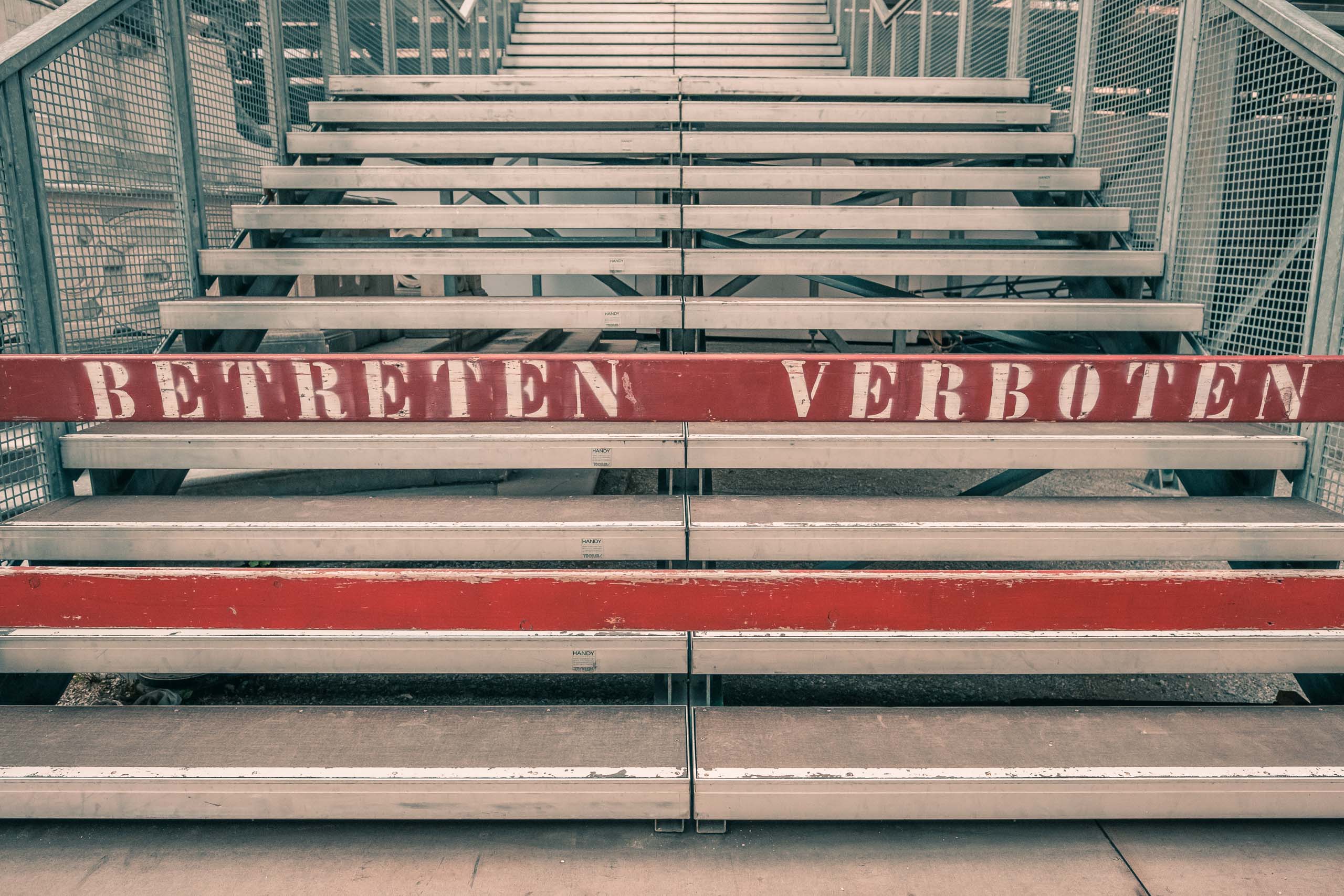
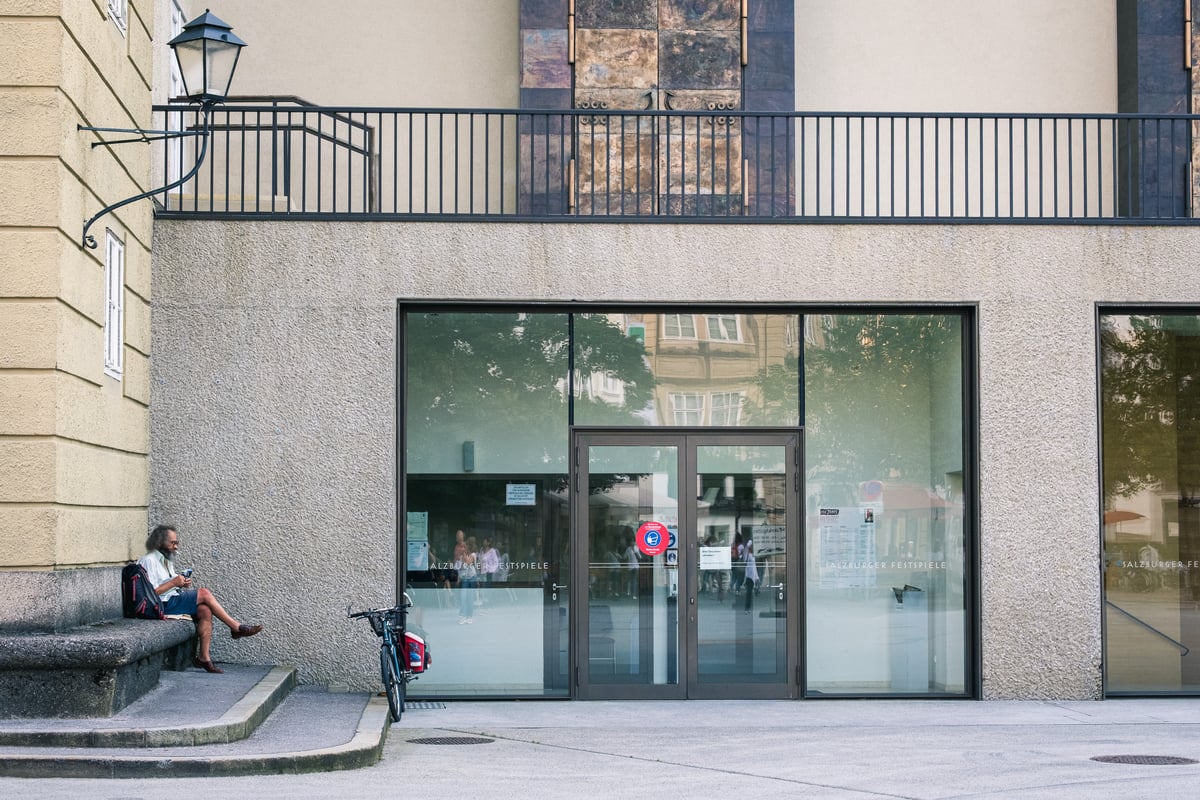
Max Reinhardt chose Domplatz for the first production of Jedermann in 1920 because he understood what the space could do. The Cathedral facade, the surrounding baroque palaces, the towers, and the open sky together form a theatrical environment that no stage designer could build from scratch. The Salzburg Festival was founded around this insight: that the city itself was the stage.
Jedermann is a medieval allegory. A wealthy man lives without concern for his soul until Death arrives to call him. The play is in German, but the story is so elemental and the staging so overwhelming that visitors without German regularly describe experiencing it as fully. When the voice of Death calls from offstage and multiple answering voices echo back from different points around the square and from the rooftops, the effect is particular and not reproducible anywhere else.
The production has changed with each era: different casts, different directors, different interpretations of the central role. What stays constant is the square, the facade, and the city as co-performer. Several performances per week in July and August during the Salzburg Festival. The Felsenreitschule is the fallback venue when rain cancels the outdoor show.
Visiting
Book through the Salzburg Festival website; tickets sell out well in advance for popular dates. July to August only. Outdoor in Domplatz: dress for weather variability. Bring a programme for context if German is not your language. If rain cancels the outdoor performance, a transfer to the Felsenreitschule is announced before the performance begins.