Snapshot
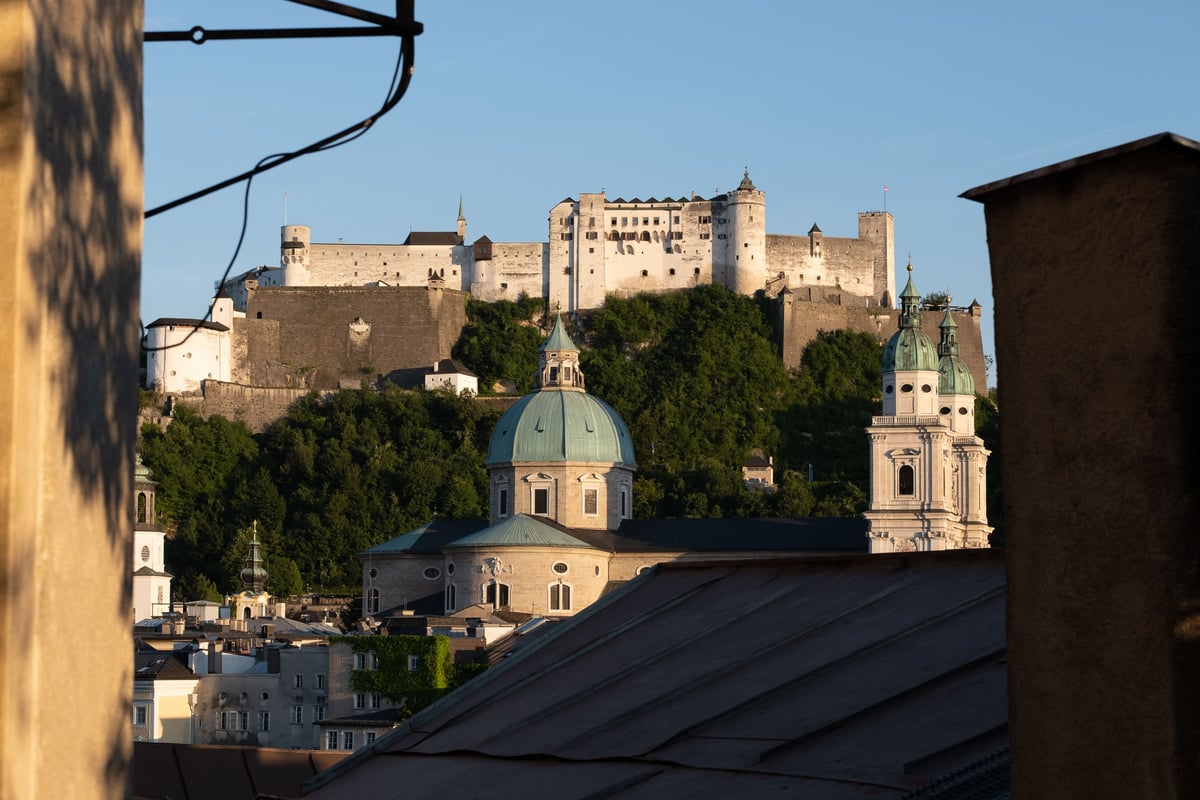
Leonhard von Keutschach ruled Salzburg from 1495 to 1519 and turned Hohensalzburg Fortress from a military stronghold into one of the best-preserved Gothic palace complexes north of the Alps. The lavish interiors visitors see today are his work.
The Story
Keutschach came from a minor Carinthian noble family near Keutschacher See and spent his early career as an Augustinian canon before rising to Dompropst of Salzburg in 1490. When he was elected archbishop in 1495, he inherited a fortress that Gebhard von Helfenstein had founded and subsequent archbishops had enlarged, but which was still primarily defensive. Keutschach had different ambitions.
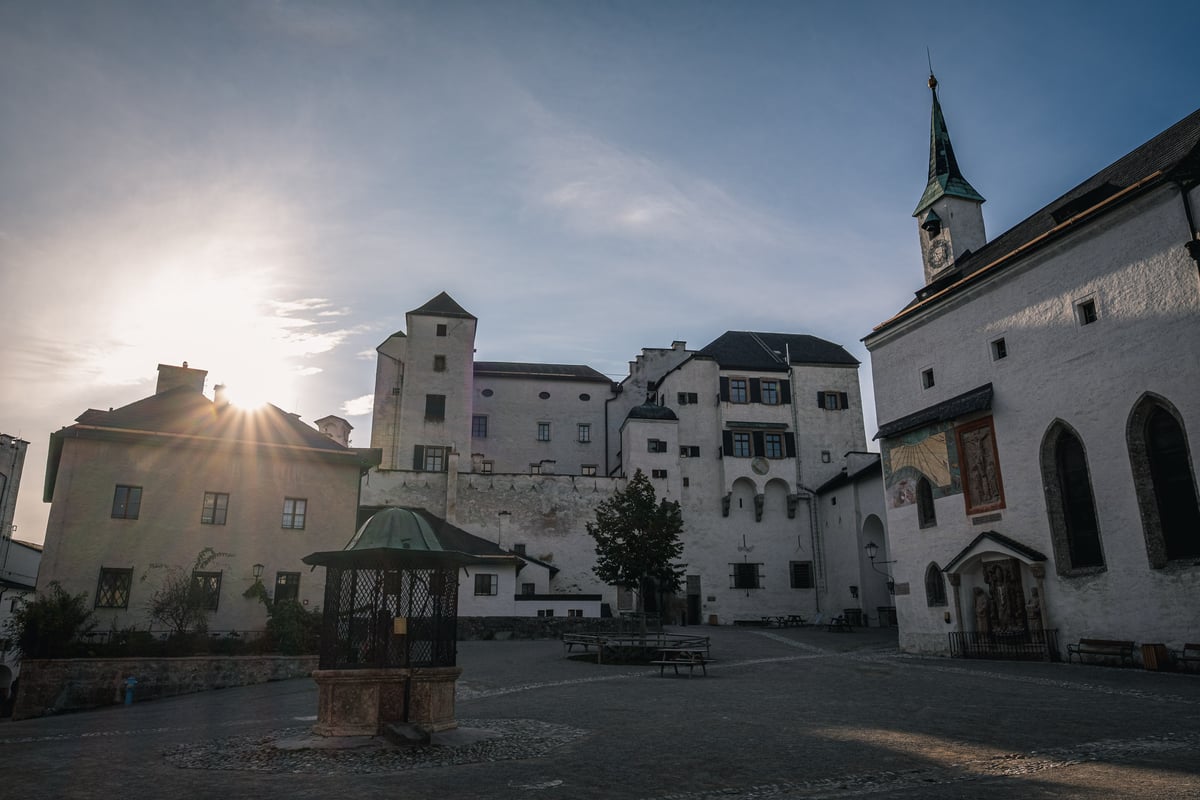
Over his 24-year reign, he systematically rebuilt the interior of Hohensalzburg Fortress as a princely residence worthy of a sovereign ruler. The Goldene Stube (Golden Room) with its star-pattern gilded coffered ceiling, the Furstenzimmer (Prince’s Chambers), and the carved late-Gothic woodwork throughout the state apartments are all his commissions. In 1502 he commissioned the Salzburg Bull organ, one of the oldest working organs in the world, which still plays from the fortress tower each summer noon. That same year he completed the fortified St. George’s Chapel inside the fortress walls.
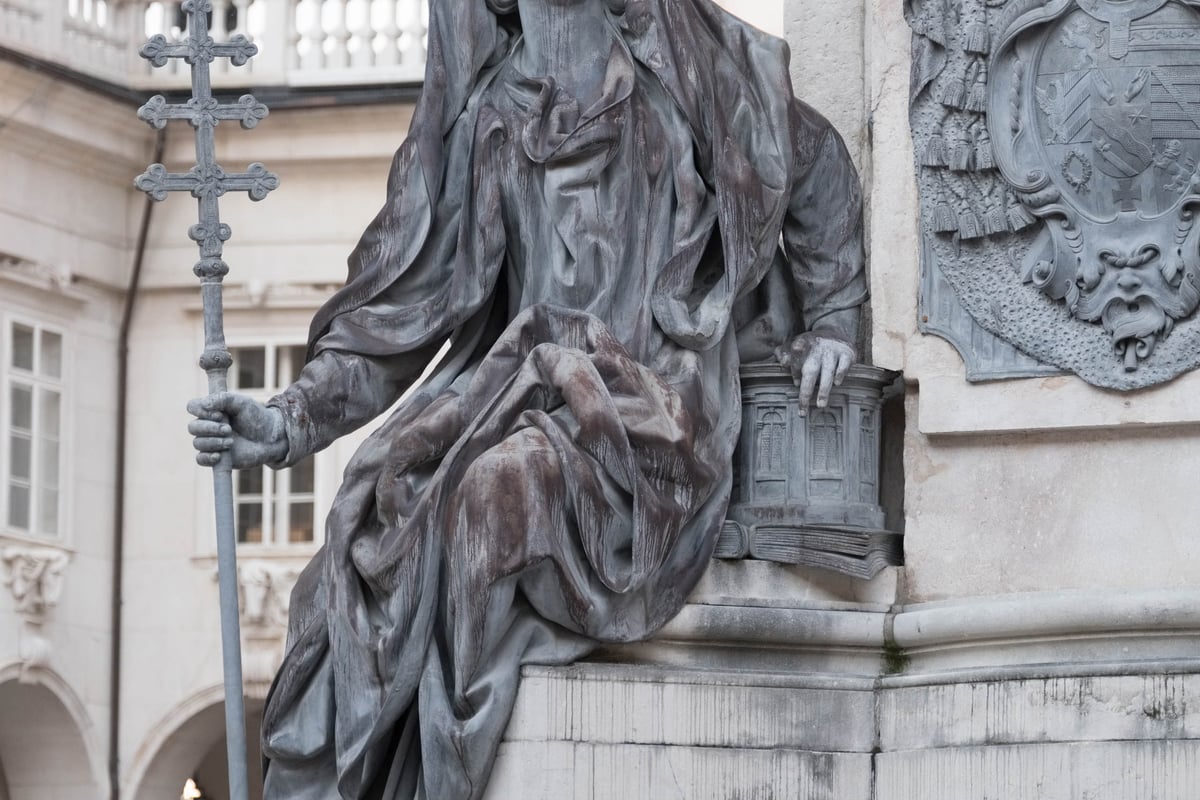
His personal heraldic symbol, three white turnips on a black field, appears carved at least 58 times throughout the fortress. On archways, on decorative panels, pressed into the Rübentaler coins he minted to stabilize the regional economy. A local legend holds that his uncle once threw a turnip at him as a boy and told him never to return; Keutschach kept the vegetable as his emblem anyway. Whether the story is true or a later embellishment hardly matters. If you visit the fortress and notice a strange root vegetable carved into the stone, that is Keutschach.
He also funded the wealth that made it all possible, expanding gold and silver mining in the Gasteiner and Rauris valleys and building the Radstadter Tauern Pass road to secure trade routes north. The revenue paid for everything. He used it ruthlessly: in 1498 he expelled Salzburg’s Jewish community and seized their property, and in 1511 he invited the mayor and city councillors to a lavish banquet and had them arrested, stripping Salzburg of civic autonomy for generations.