
Royal Figure

Napoleon Bonaparte

15 August 1769, Ajaccio, Corsica - 5 May 1821, Saint Helena

The man who ended 1,200 years of ecclesiastical rule. Napoleon’s armies occupied Salzburg in 1800 and again in 1809. The political consequences of the Napoleonic era were permanent: the 1803 Reichsdeputationshauptschluss (Imperial Recess) secularised Salzburg and transferred it first to Ferdinand of Tuscany, then briefly to Bavaria (1806-1809), before it became permanently part of Austria in 1816 after Napoleon’s final defeat.

The French period erased Salzburg’s status as an independent ecclesiastical state forever. The prince-archbishopric that had governed the city since the days of Saint Rupert, that had built Salzburg Cathedral, Hohensalzburg Fortress, and the Residenz, ceased to exist.

On the map

Bonaparte's Salzburg

The 2 places on this page, where they actually stand.

Locations

Places in the story

These places and destinations are authored on this person entity.
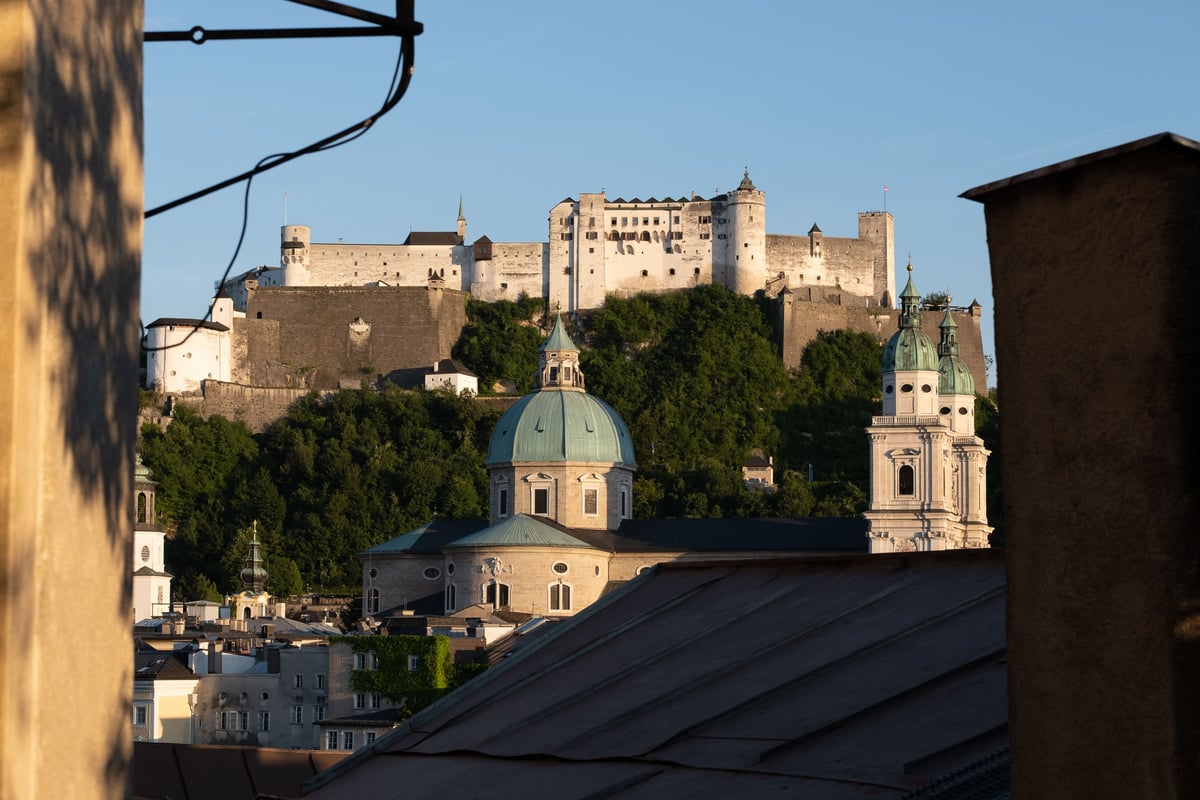
  • Hohensalzburg Fortress

    Founded 1077

    One of the largest and best-preserved medieval castle fortresses in Europe, perched on Festungsberg hill above Salzburg's Altstadt. Founded in 1077 by Gebhard von Helfenstein, transformed into a princely residence by Leonhard von Keutschach, and never conquered. The defining landmark of Salzburg's skyline.
    Salzburgpaid
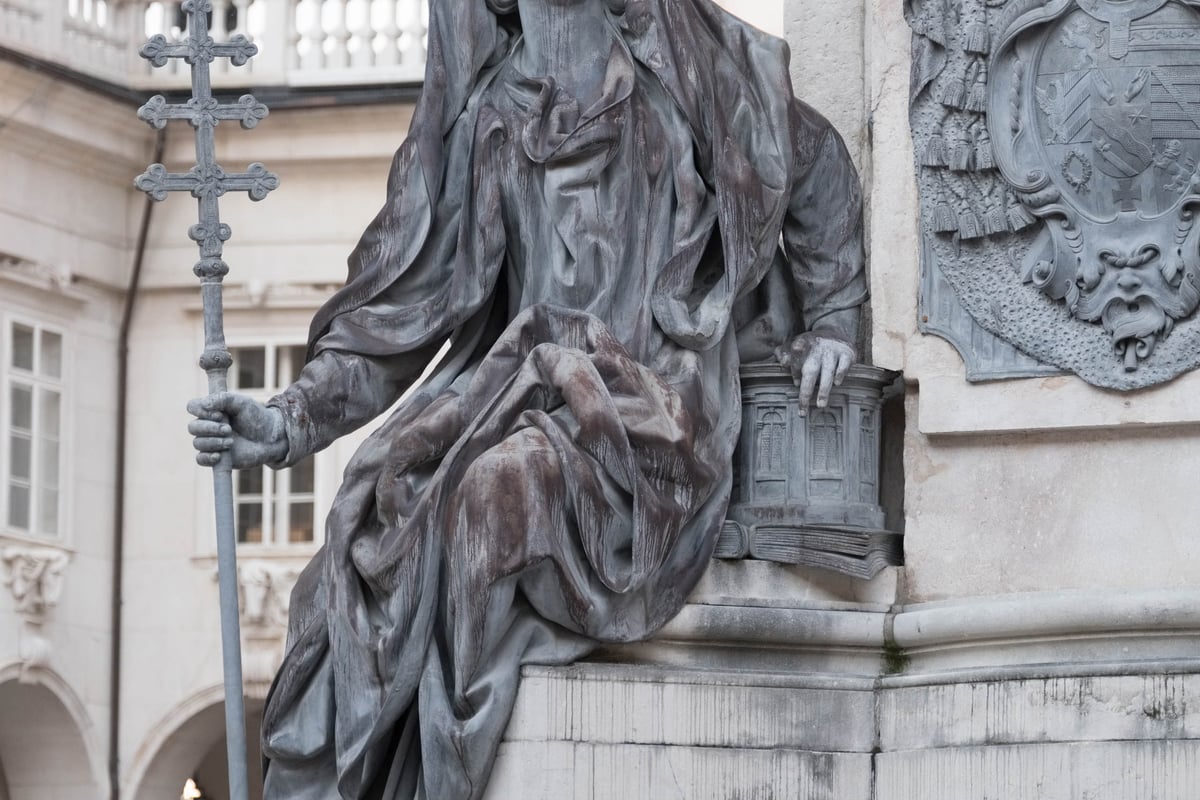
  • Residenz

    Baroque

    The official palace and seat of power of the Prince-Archbishops for over 200 years. Wolf Dietrich von Raitenau rebuilt it in grand baroque style. Wolfgang Amadeus Mozart performed for the Archbishop in these very rooms. Troger's frescoes look down from the state rooms. Today the Prunkraume and Residenzgalerie are open to visitors. Directly on Residenzplatz.

    Salzburgpaid