Snapshot
Frankish bishop from Worms, born c. 650. Invited to the Salzburg region by Bavarian duke Theodo around 696 AD. Founded Stift St. Peter (c. 696) and Nonnberg Abbey (c. 715). Named the settlement “Salzburg.” Consecrated the site of Salzburg Cathedral. Patron saint of the city and state of Salzburg. Feast day 24 September. Died c. 718.
The Story
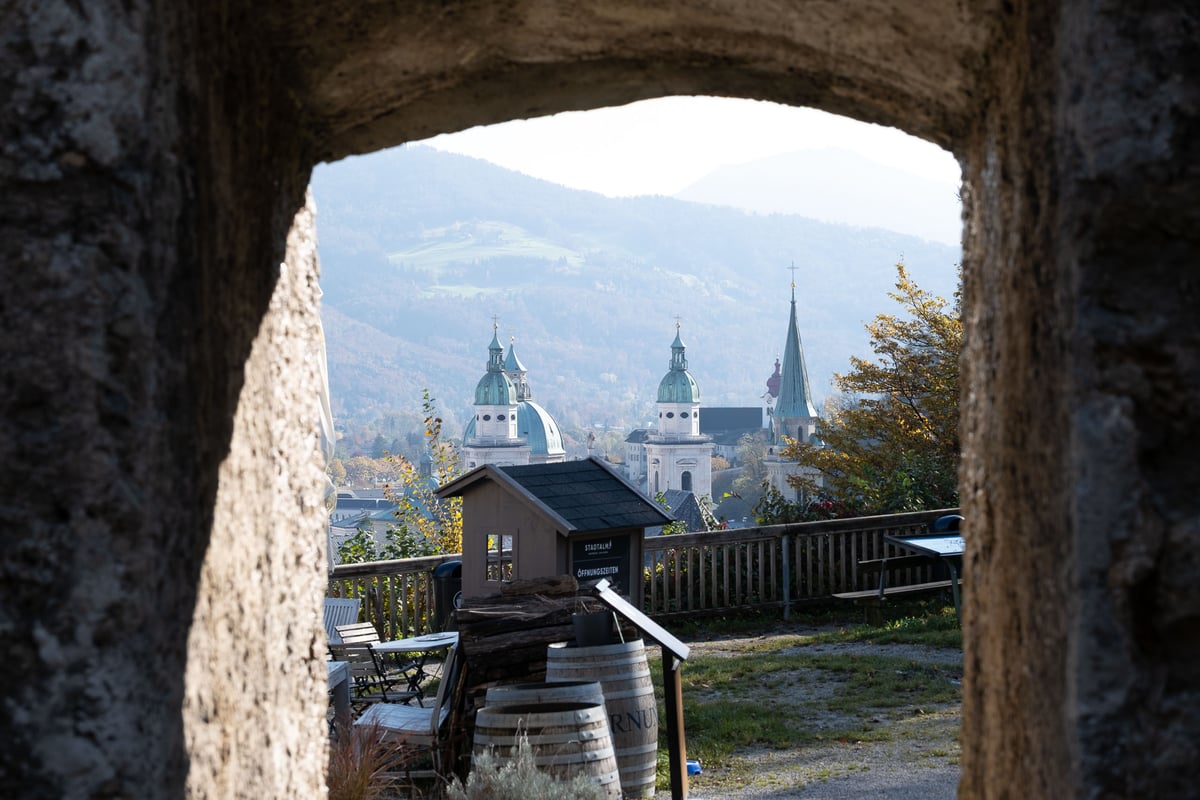
The name Salzburg comes from Rupert. Before he arrived, the Roman settlement on the Salzach was called Juvavum. Around 696 AD, this Frankish bishop from Worms was invited to the region by Theodo, the duke of Bavaria, who wanted a churchman to help establish Christian order in a territory still loosely organised after the Roman withdrawal. Rupert obliged with a thoroughness that shaped the city for the next thirteen centuries.
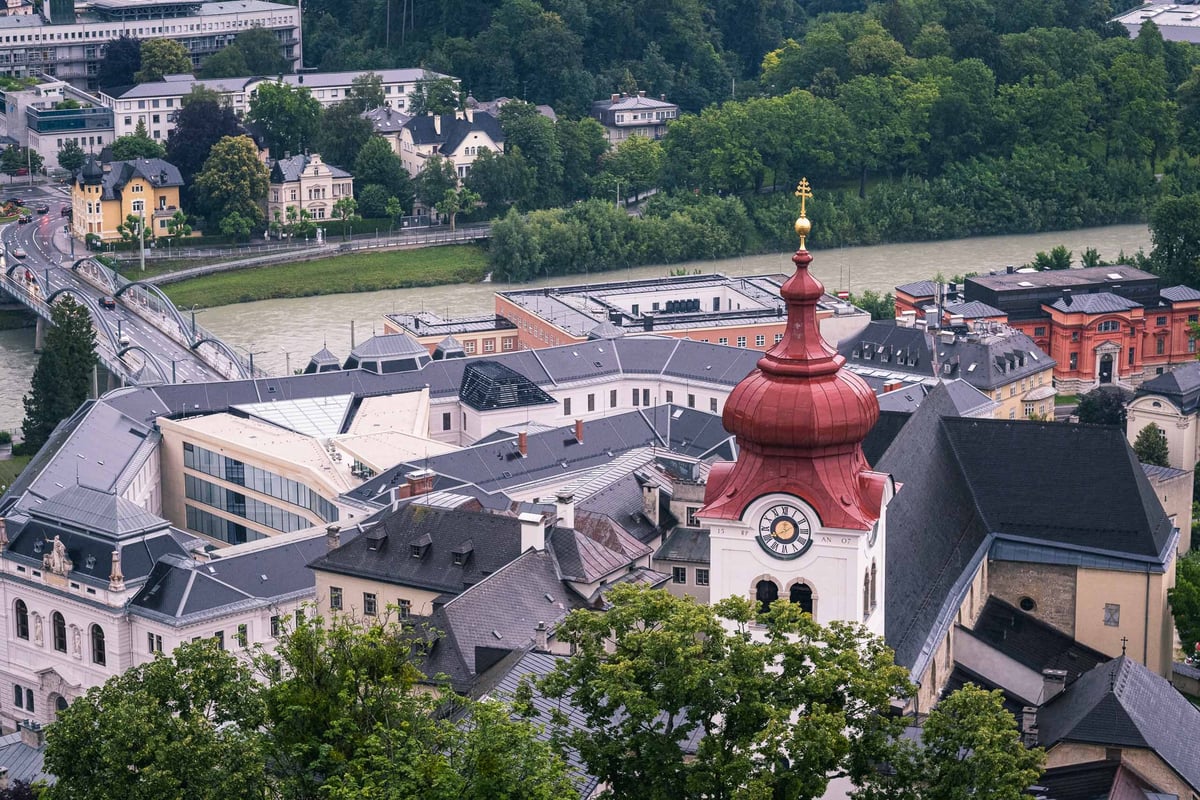
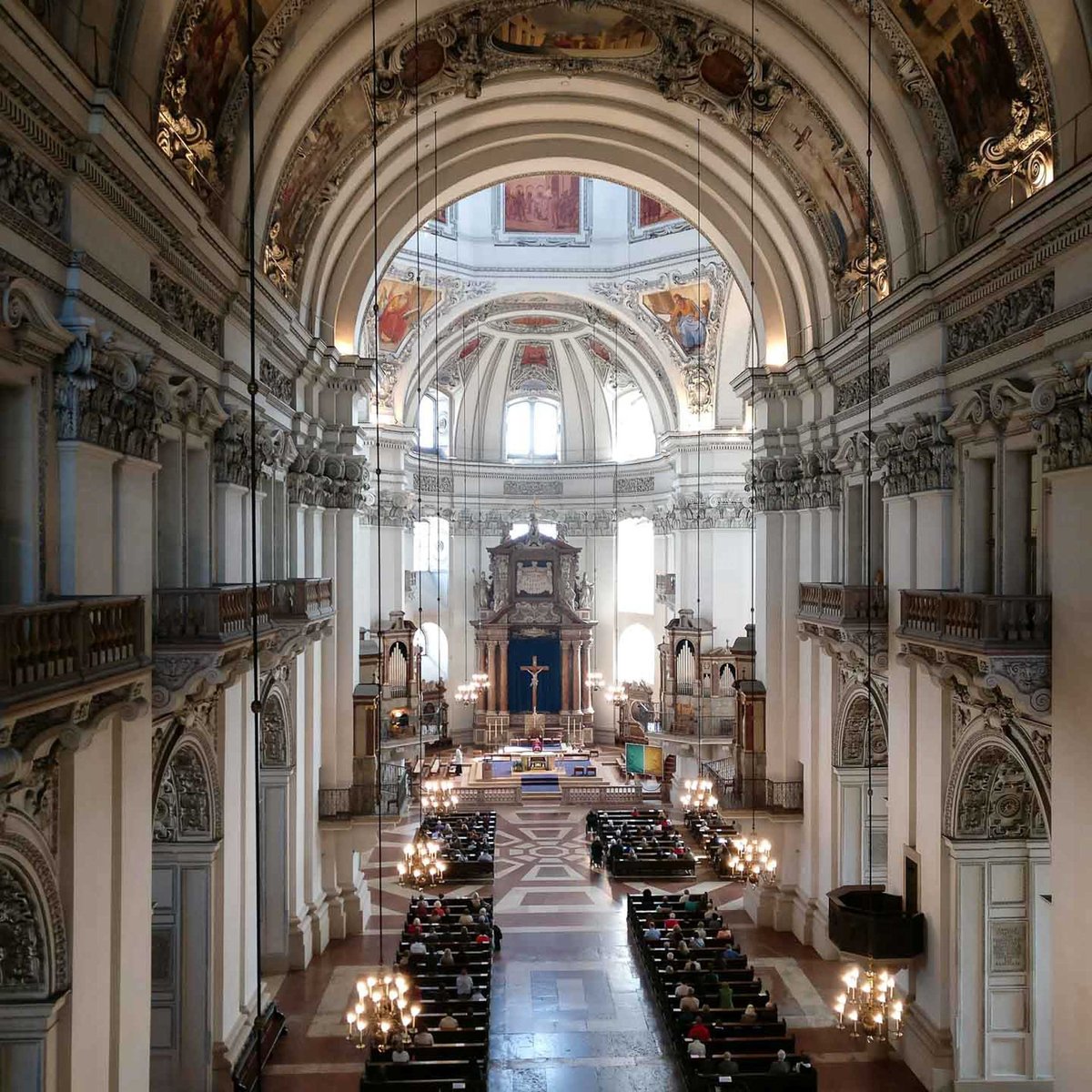
He founded Stift St. Peter on the slopes of the Festungsberg, establishing what would become the oldest continuously operating monastery in the German-speaking world. He founded Nonnberg Abbey for his niece Saint Erentrudis, creating the institution that would also become the oldest continuously operating nunnery in the German-speaking world, the same abbey where Maria von Trapp spent her years as a postulant over a thousand years later. He consecrated the ground on which Salzburg Cathedral would eventually be built.
He named the place Salzburg: salt fortress. The salt trade from the Hallein mines was already ancient by his time, and Rupert understood that the wealth of the region ran on salt. The name stuck.
The exact dates are uncertain. The historical record from the early 8th century is thin, and later hagiographic accounts filled gaps with legend. What remains documented is the institutional reality: two foundations that have operated without interruption since the 7th and 8th centuries, a cathedral site that has been the city’s religious centre ever since, and a name that has never changed.
Every September, the Rupertikirtag fills Residenzplatz and the surrounding Altstadt squares to mark his feast day. It is one of the few major Salzburg events oriented primarily toward residents rather than visitors, folk music and market stalls rather than festival-week ticket prices.