Snapshot
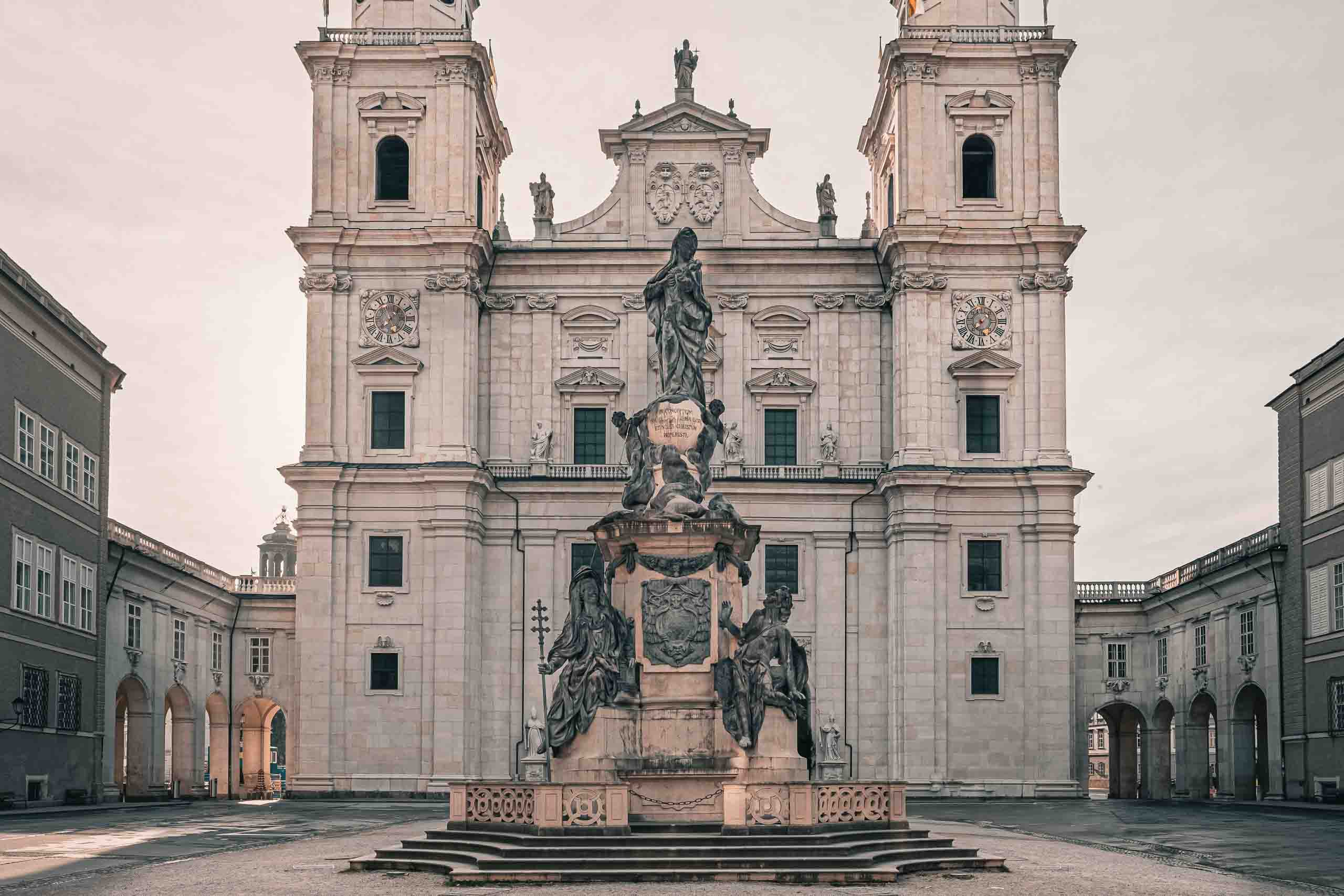
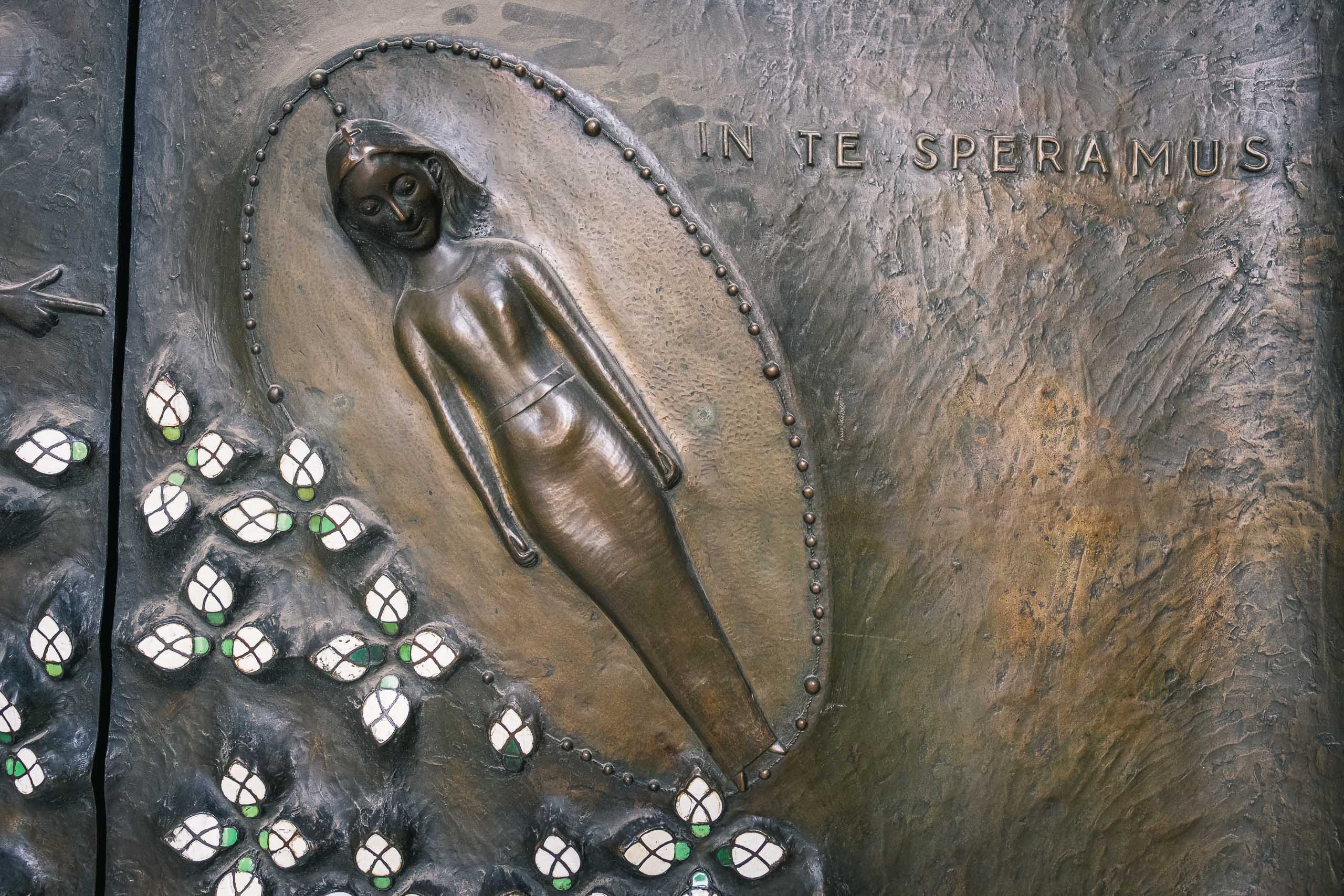
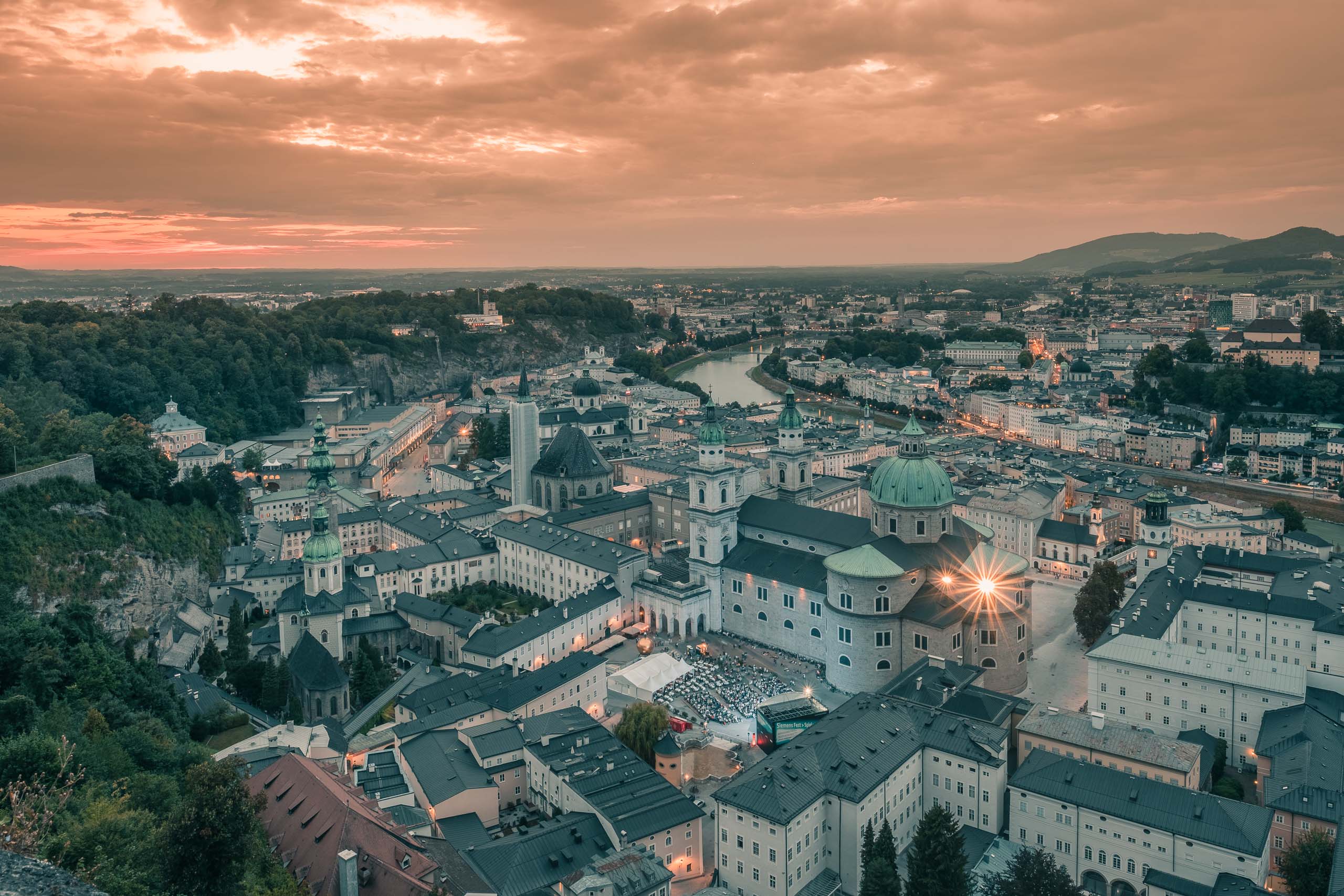
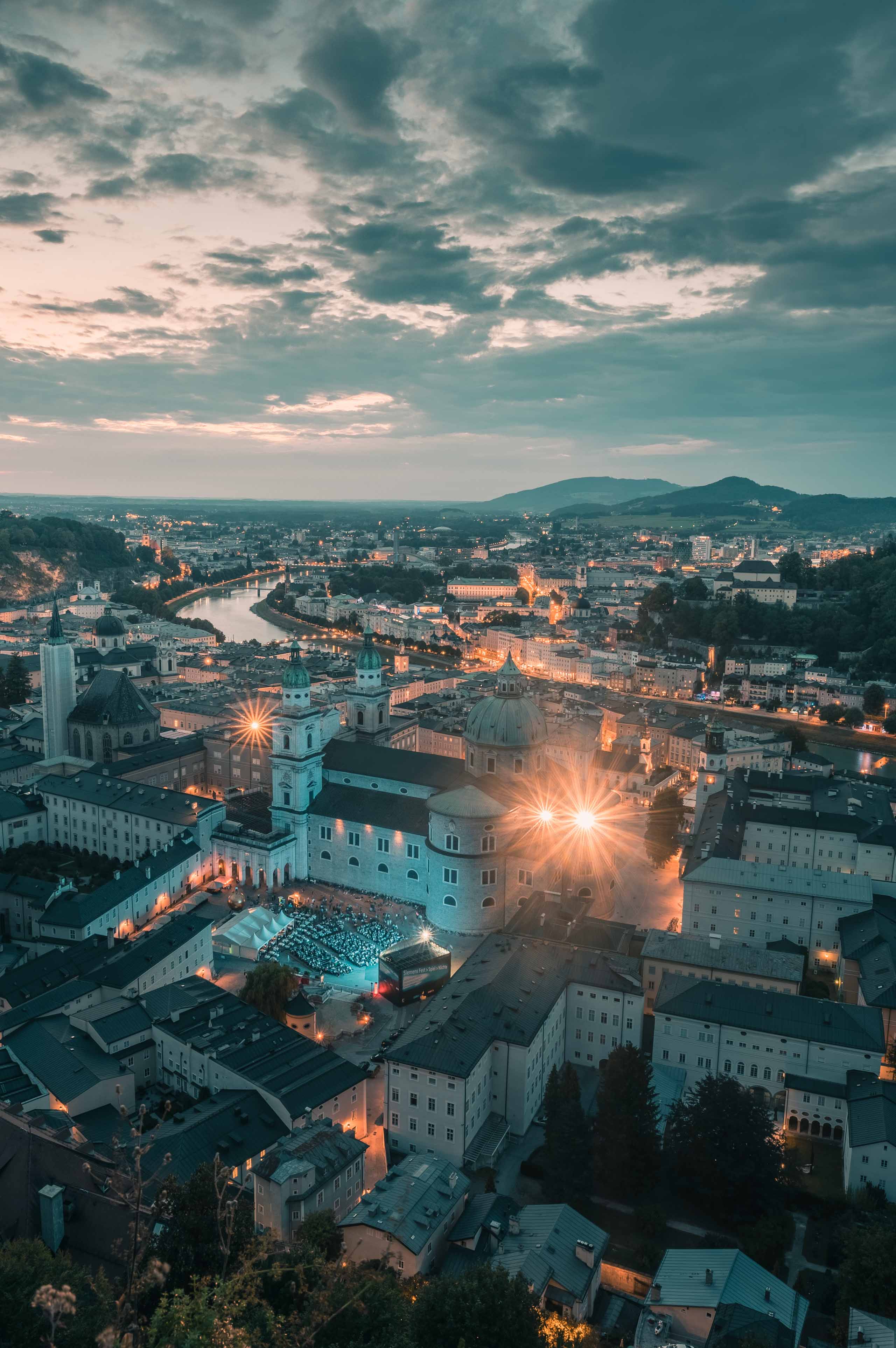
The first early Baroque church built north of the Alps, Salzburg Cathedral carries three consecration dates on its iron gates, 774, 1628, and 1959, because it has been destroyed and rebuilt twice. Wolfgang Amadeus Mozart was baptised inside on 28 January 1756, and later held the post of court organist here.
The Story
The site has been sacred since Saint Virgil of Salzburg consecrated the first cathedral here in 774, on what had been Roman ground. An 1167 fire forced a Romanesque rebuilding. That structure stood until 1598, when another fire gutted it. Wolf Dietrich von Raitenau decided not to repair the ruins. His ambition was a cathedral larger than anything north of the Alps, and he cleared roughly 55 houses around the site to achieve it. He hired Venetian architect Vincenzo Scamozzi to draw up plans. He did not live to see them realised: political rivals deposed him and he died a prisoner in the Hohensalzburg Fortress.
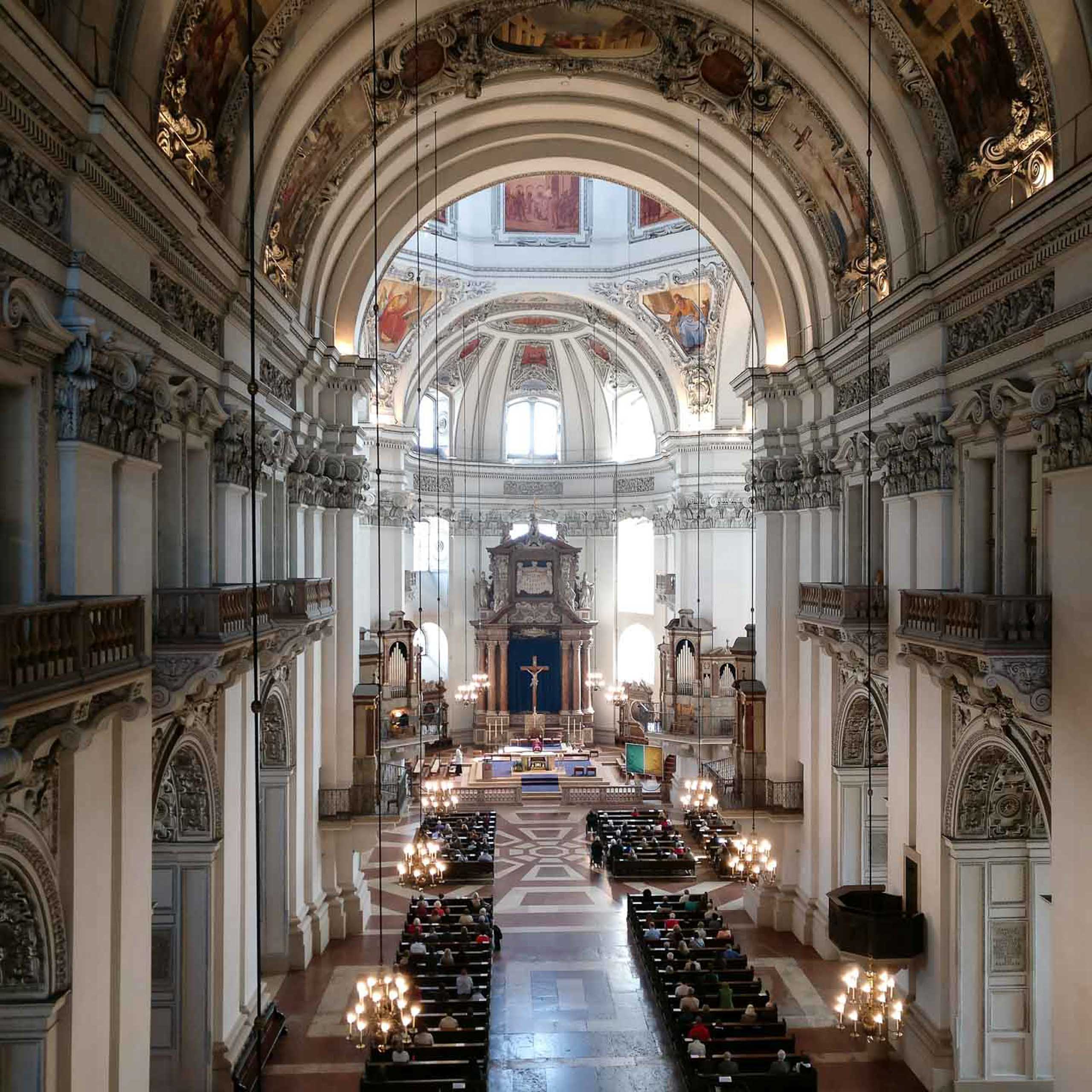
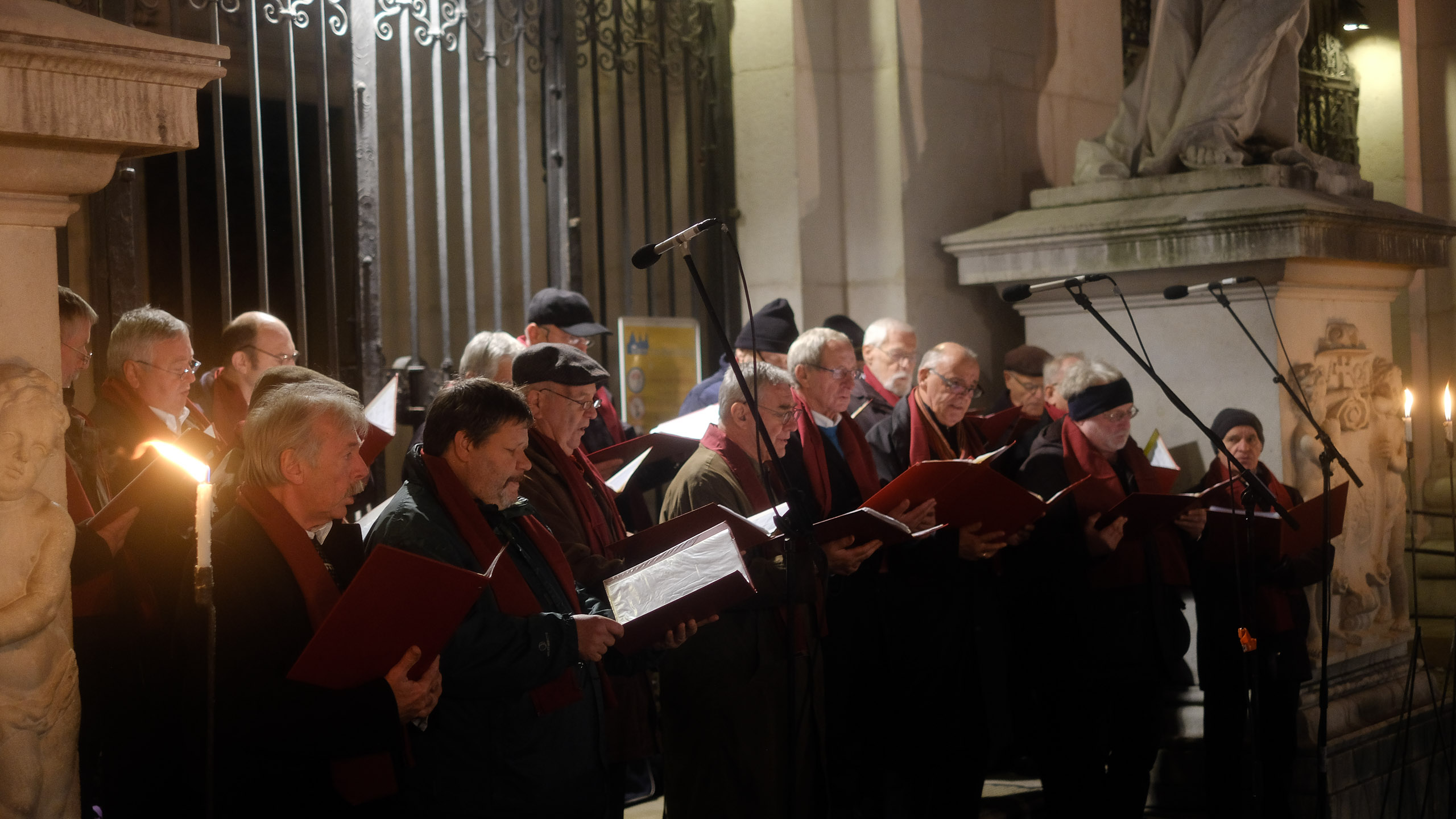
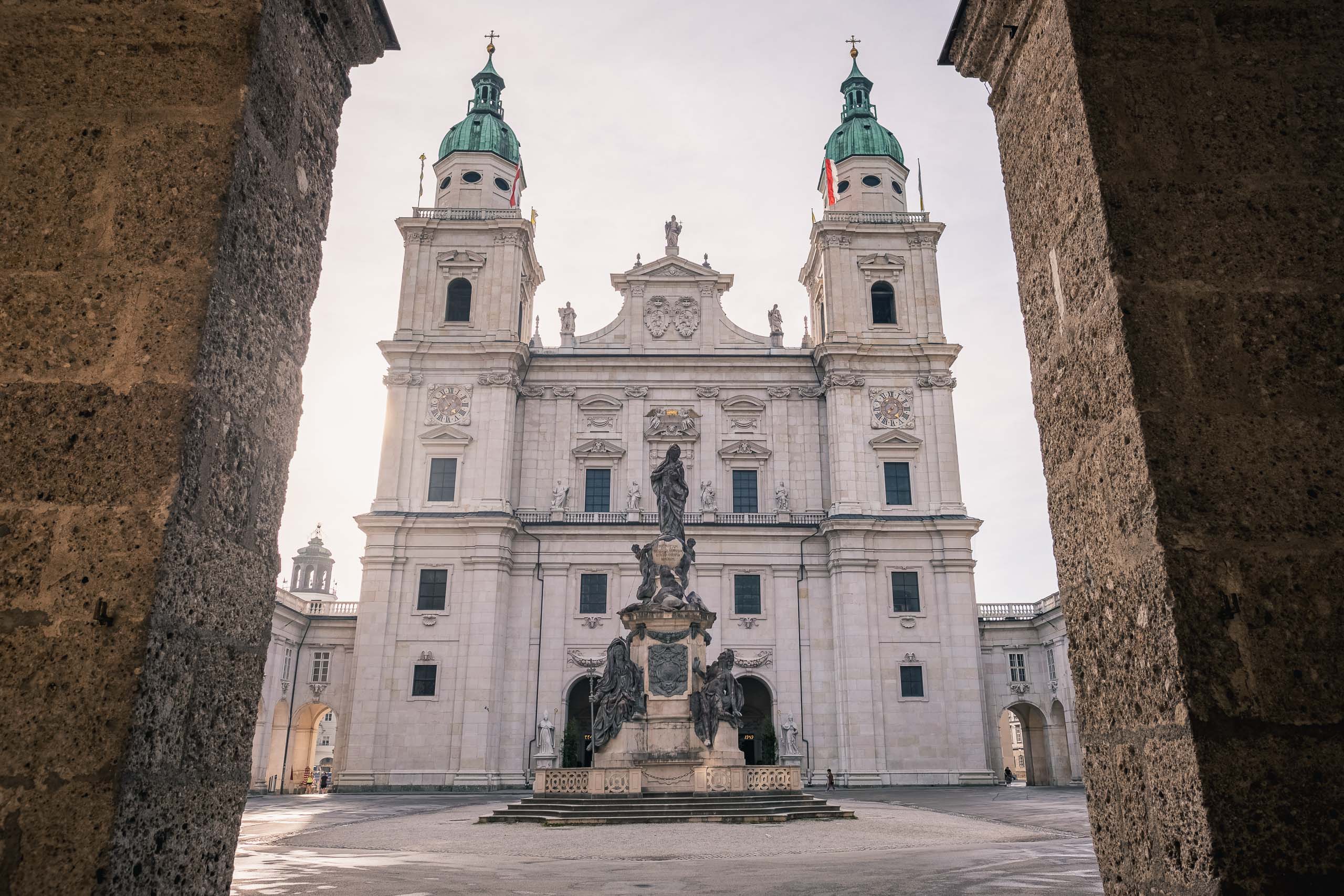
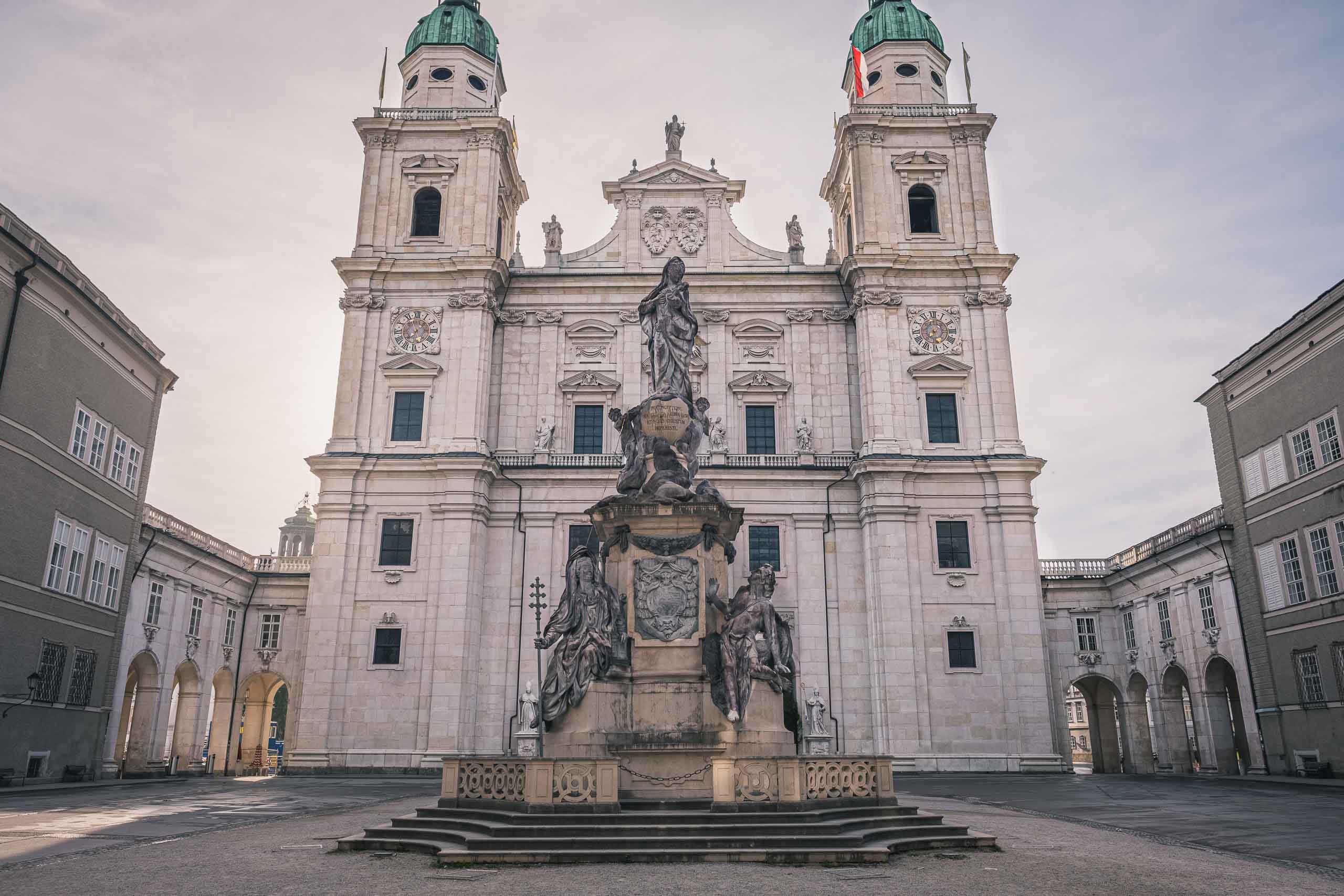
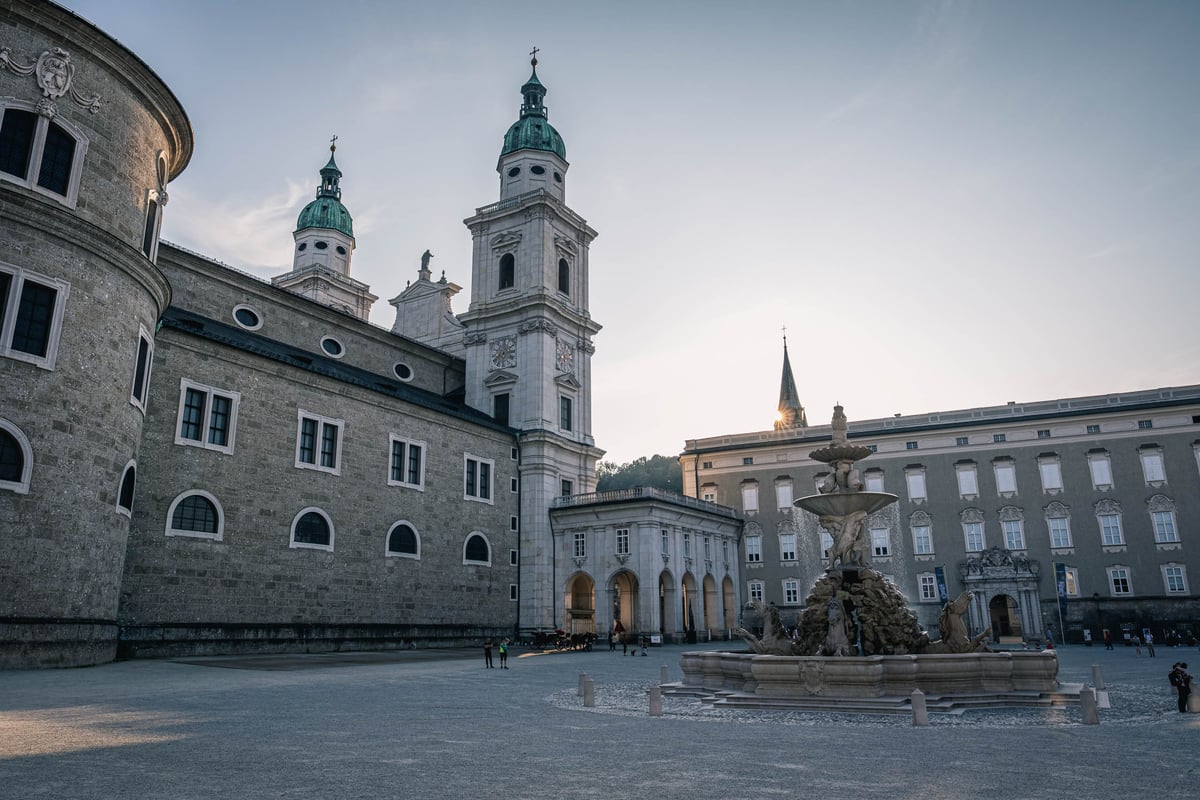
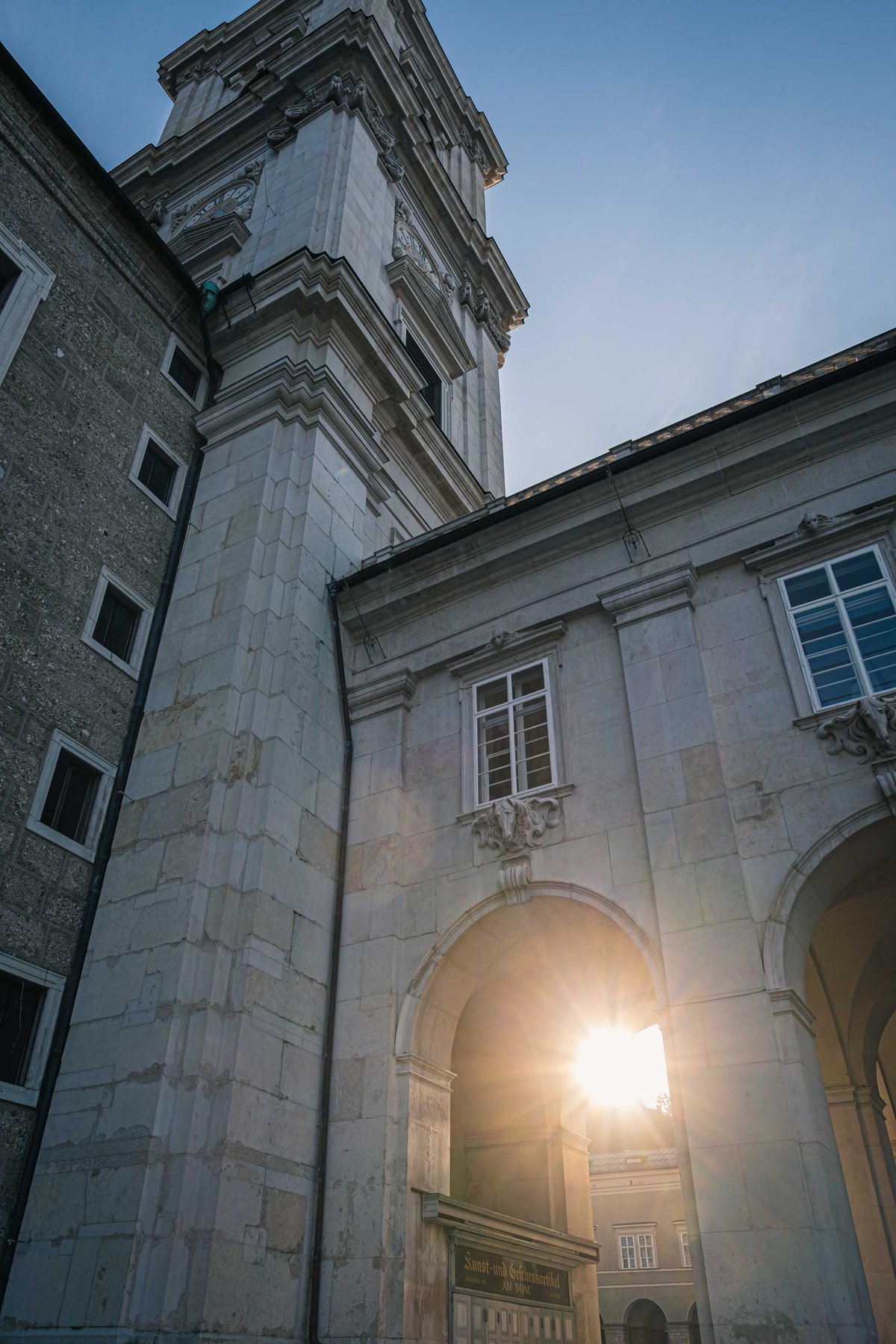
His successor, Markus Sittikus, inherited the project, laid the cornerstone in 1614, and replaced Scamozzi with Santino Solari, a Swiss architect from Ticino who had already worked on the Salzburg fortifications. Solari scaled back the grandeur into something more disciplined: a Latin cross plan, white stucco walls, an oval crossing beneath a green copper dome, and a marble façade flanked by twin towers rising 81 meters. The style was Italian Baroque brought north, the first example of its kind in the German-speaking world. A third archbishop, Paris Lodron, guided the cathedral through completion during the Thirty Years’ War and consecrated it on 25 September 1628, with twelve choirs performing a Te Deum by Stefano Bernardi, and Saint Rupert’s relics carried through the city streets.
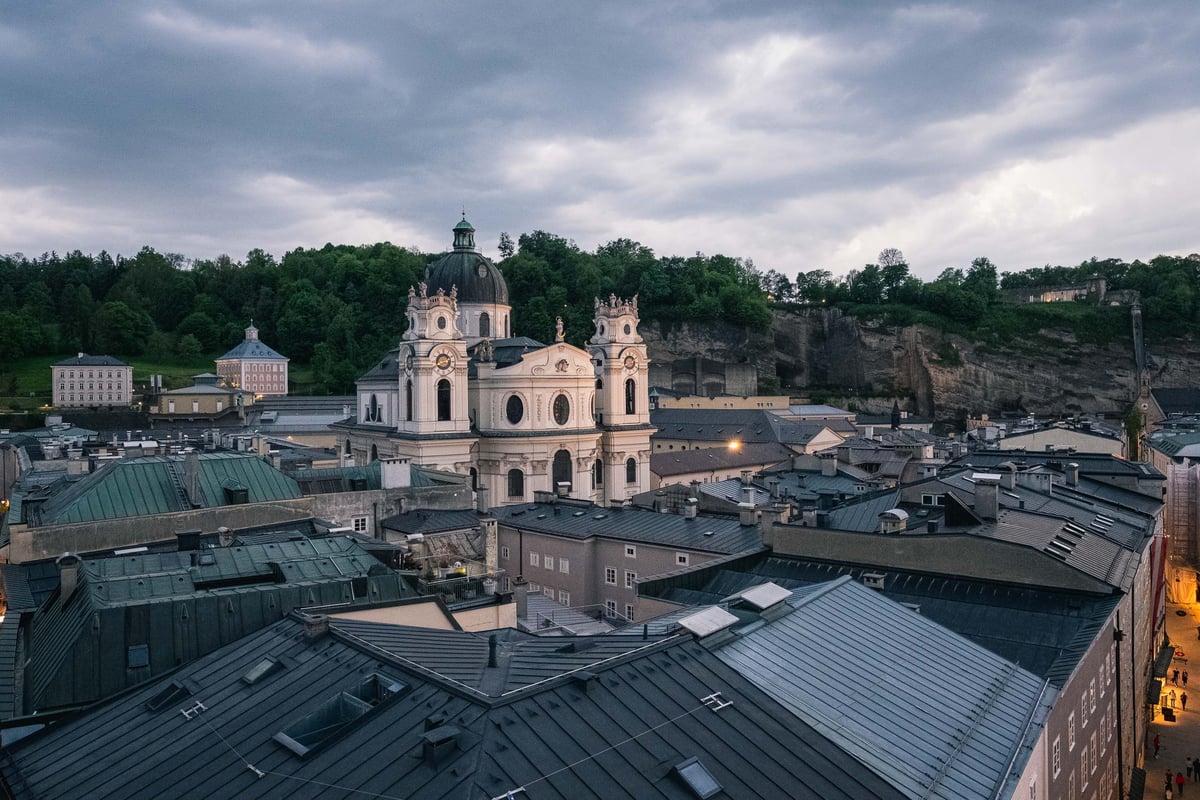
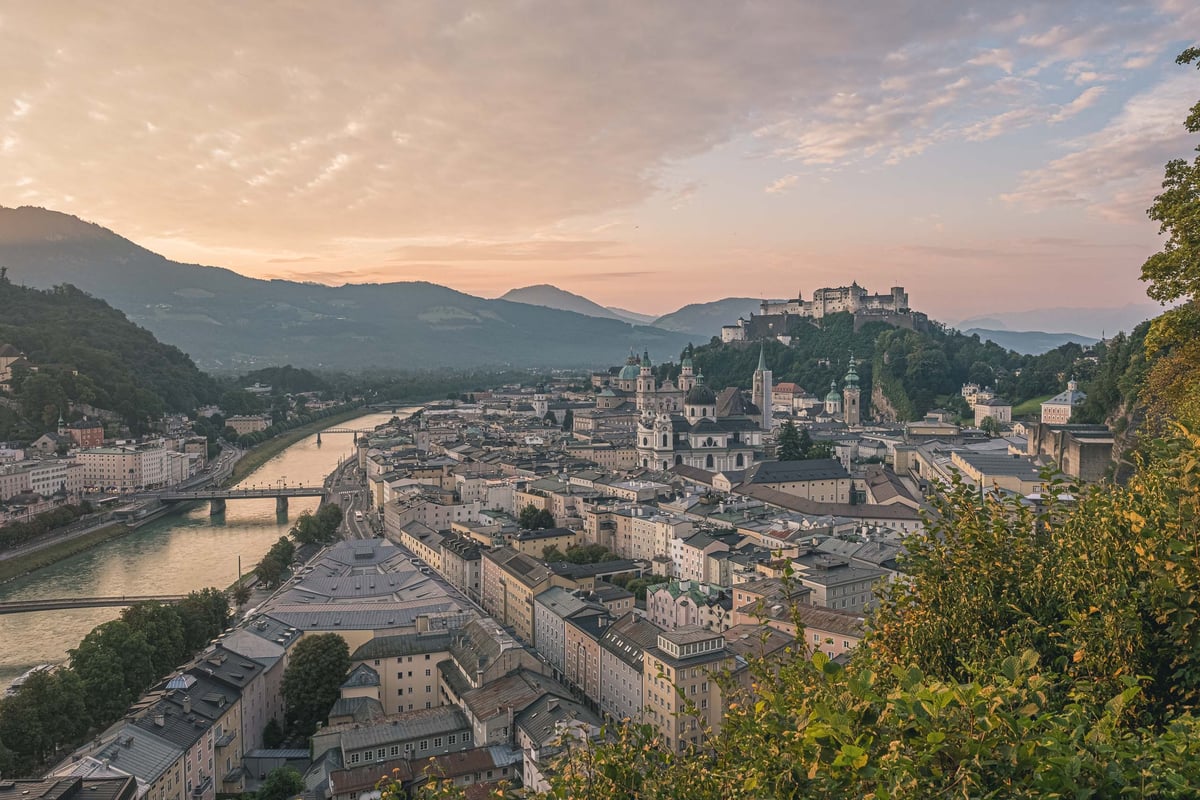
Wolfgang Amadeus Mozart was born in the city in 1756 and baptised at the font inside this cathedral on 28 January of that year. He went on to serve as court organist here for years, performing on instruments that remain in the building. The cathedral now holds five independent organs, more than any other church north of the Alps. The ceiling paintings are by Johann Michael Rottmayr, the leading Austrian Baroque painter of his generation. The DomQuartier museum circuit connects the cathedral directly to the Residenz and the Archiepiscopal State Rooms via a sequence of exhibition rooms, making this the architectural and cultural core of the Altstadt.
On 16 October 1944, a bomb struck the central dome and destroyed it. The post-war reconstruction took until 1959, when the cathedral was reconsecrated for the third time. The iron gates at the main entrance still show all three dates: 774, 1628, 1959. Beneath the cathedral, the crypt opened after the 1959 restoration now houses Boltanski’s Vanitas installation alongside the graves of archbishops and the relics of Saints Rupert and Virgil.
Visiting
Plan 45 to 60 minutes for the cathedral itself. Entry to the main space is free; a EUR 5 preservation fee applies for some areas, and visitors under 18 enter free. The Cathedral Museum and the DomQuartier circuit require a separate ticket (EUR 15 for the full DomQuartier combination; closed Tuesdays). The cathedral is on Domplatz, reachable from Residenzplatz on one side and Kapitelplatz on the other. For a half-day route, combine the cathedral with the DomQuartier, then walk through to Stift St. Peter. The baptismal font where Mozart was christened is inside, in the left aisle near the entrance. The Vanitas crypt beneath the cathedral is included in the visit and is easy to miss if you stay on the main floor.