Snapshot
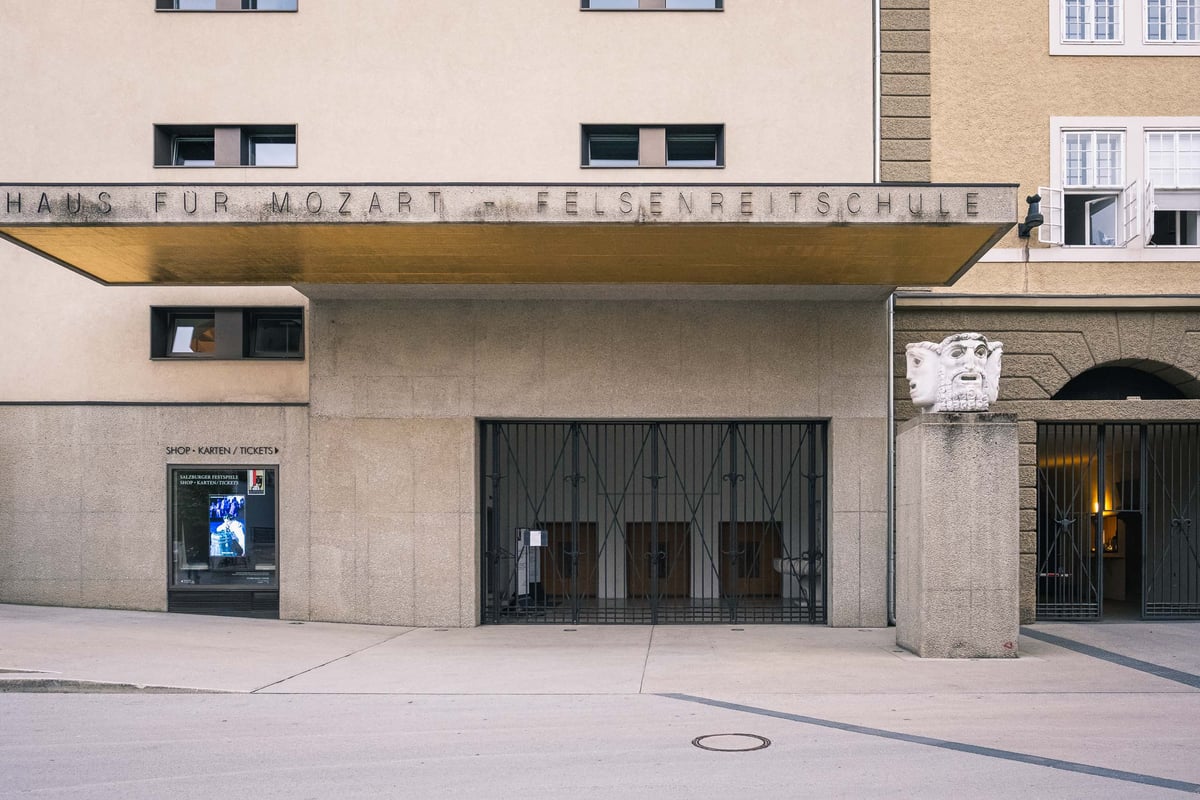
Wilhelm Furtwangler was among the supreme conductors of the 20th century, and among the most morally contested. He stayed in Germany through the Nazi period while others fled, and his post-war return to the Salzburg Festival in the early 1950s produced some of the most celebrated recordings in classical music history.
The Story
Wilhelm Furtwangler was born in Berlin in 1886 and built his career as the principal conductor of the Berlin Philharmonic, a post he held through the Weimar years and into the Nazi period. His interpretive style was the opposite of metronomic precision: he shaped phrases with extreme flexibility, breathed with the music in a way that made performances feel discovered rather than planned, and drew from the Berlin Philharmonic a sound that recordings of the era capture imperfectly but still convey.
When the Nazis came to power in 1933, Furtwangler made a decision that would shadow the rest of his life. He stayed. Toscanini refused to conduct at Bayreuth and Salzburg. Bruno Walter, Jewish and facing direct threat, emigrated. Furtwangler remained, conducting state concerts and arguing, sometimes publicly, with Nazi authorities over specific acts of cultural policy. He claimed that his presence protected musicians, including Jewish ones, and there is partial evidence for individual acts of intervention. The evidence is not enough to settle the question, and it has never been settled.
He was denazified after the war and returned to conducting. His post-war Salzburg Festival appearances in the early 1950s, particularly his Beethoven and Brahms programs, are now among the most discussed recordings in classical music. He died in 1954. The recordings remain in circulation, and the arguments about what he did and what he should have done continue.