
Kapuzinerberg Circuit
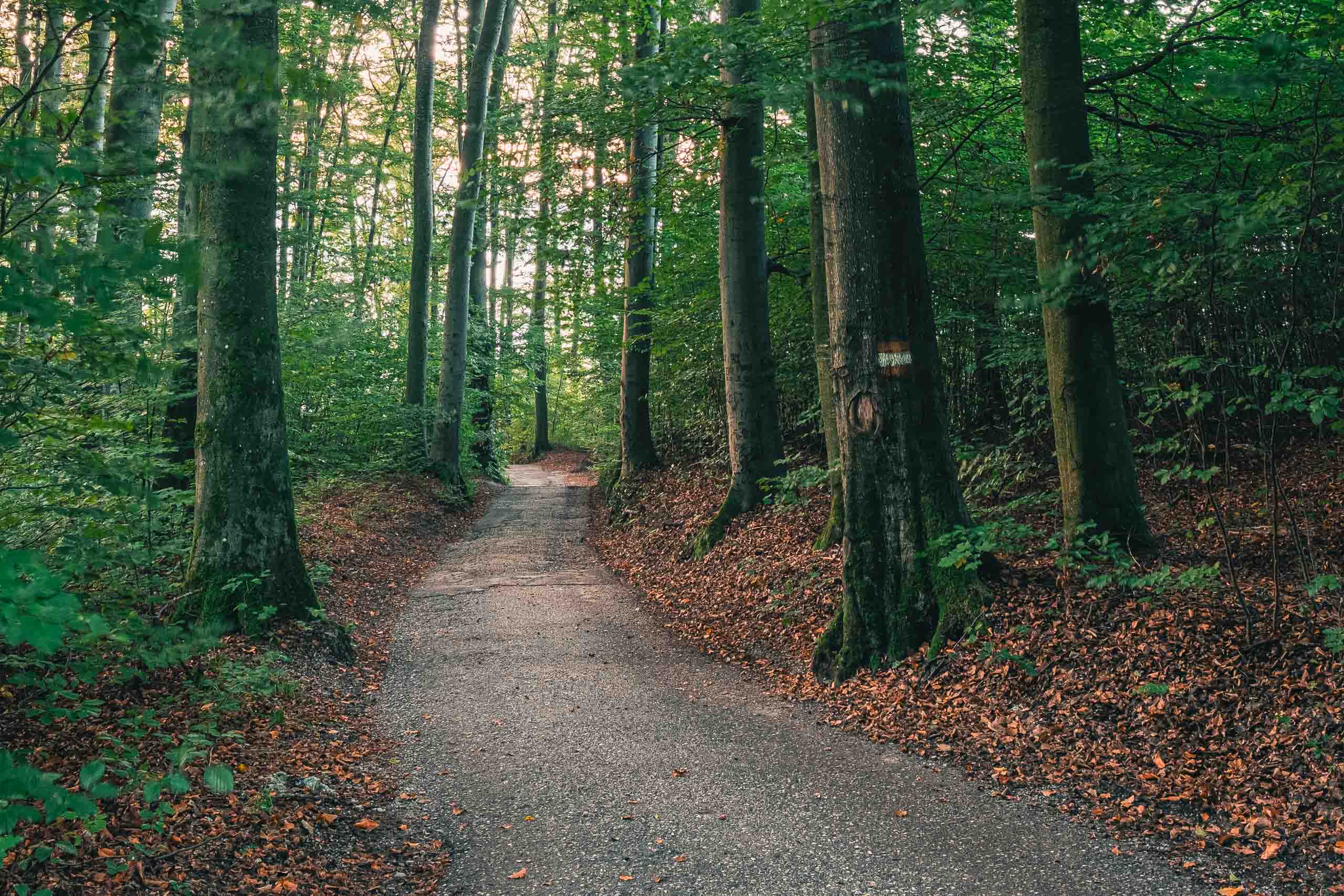
Self-guided circuit of Salzburg's right-bank hill. Linzer Gasse trailhead through woodland to viewpoints, monastery, and Franziskischlossl beer garden. 2 hours with stops. Quieter and more local than the Mönchsberg.
Mountain
Forested limestone hill on the east bank of the Salzach. Summit 636 m. Free, always open. Much quieter than the Mönchsberg.
The hill takes its name from the Capuchin Monastery at its summit, built between 1599 and 1602 by Archbishop Wolf Dietrich von Raitenau on the ruins of a medieval watchtower called Trompeterschlössl. The monks answer directly to the Pope rather than the local bishop, a jurisdictional quirk that helped them survive French occupation in 1800 and Bavarian control in 1813. Six monks still live there.
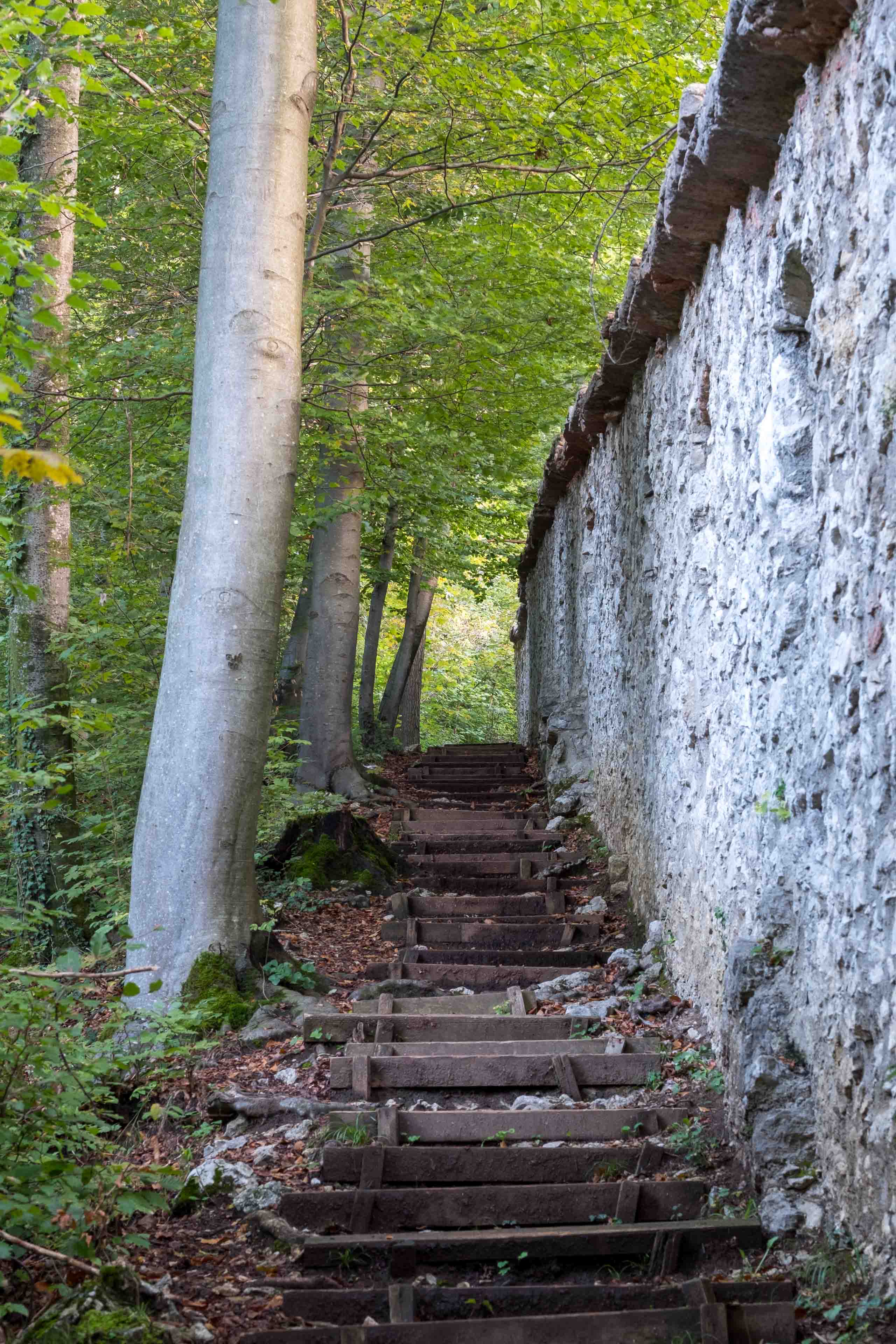
Halfway up, the Hettwer Bastei is one of Salzburg’s best-preserved Baroque fortifications: an artillery bastion added in 1629 by Archbishop Paris Lodron during the Thirty Years’ War, its walls still intact and walkable. The Stations of the Cross lining the ascent from Linzer Gasse date from 1736 to 1744.
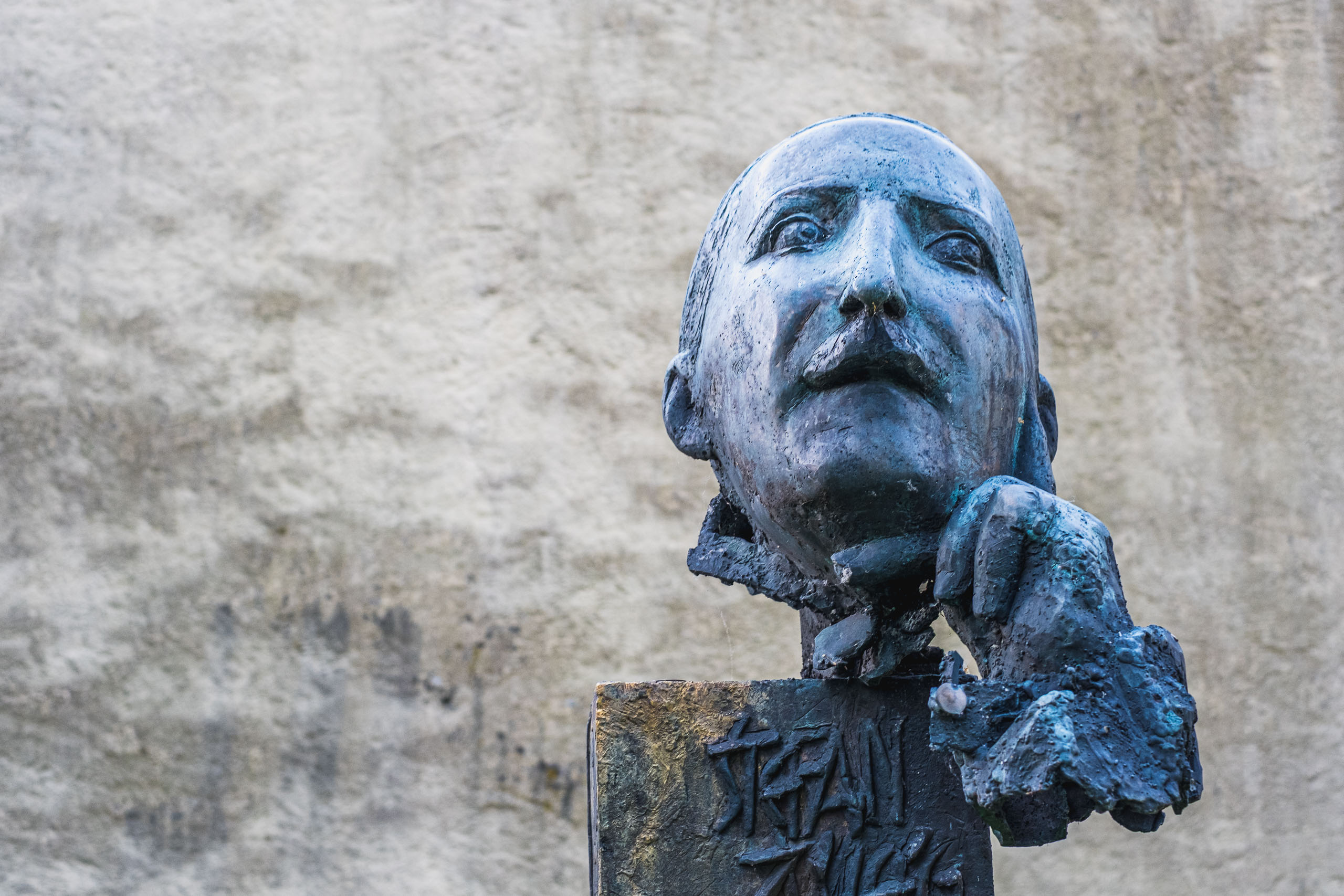
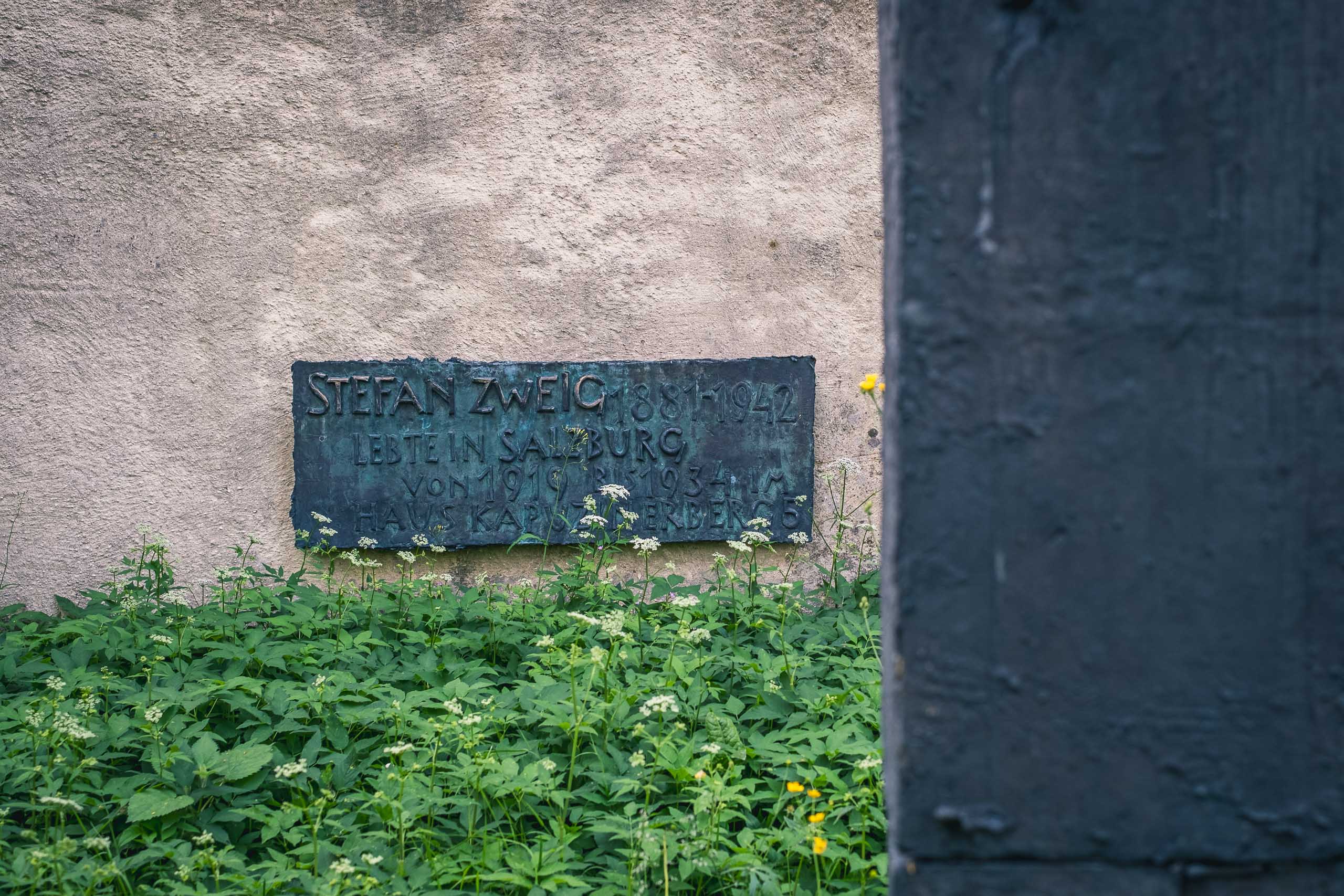
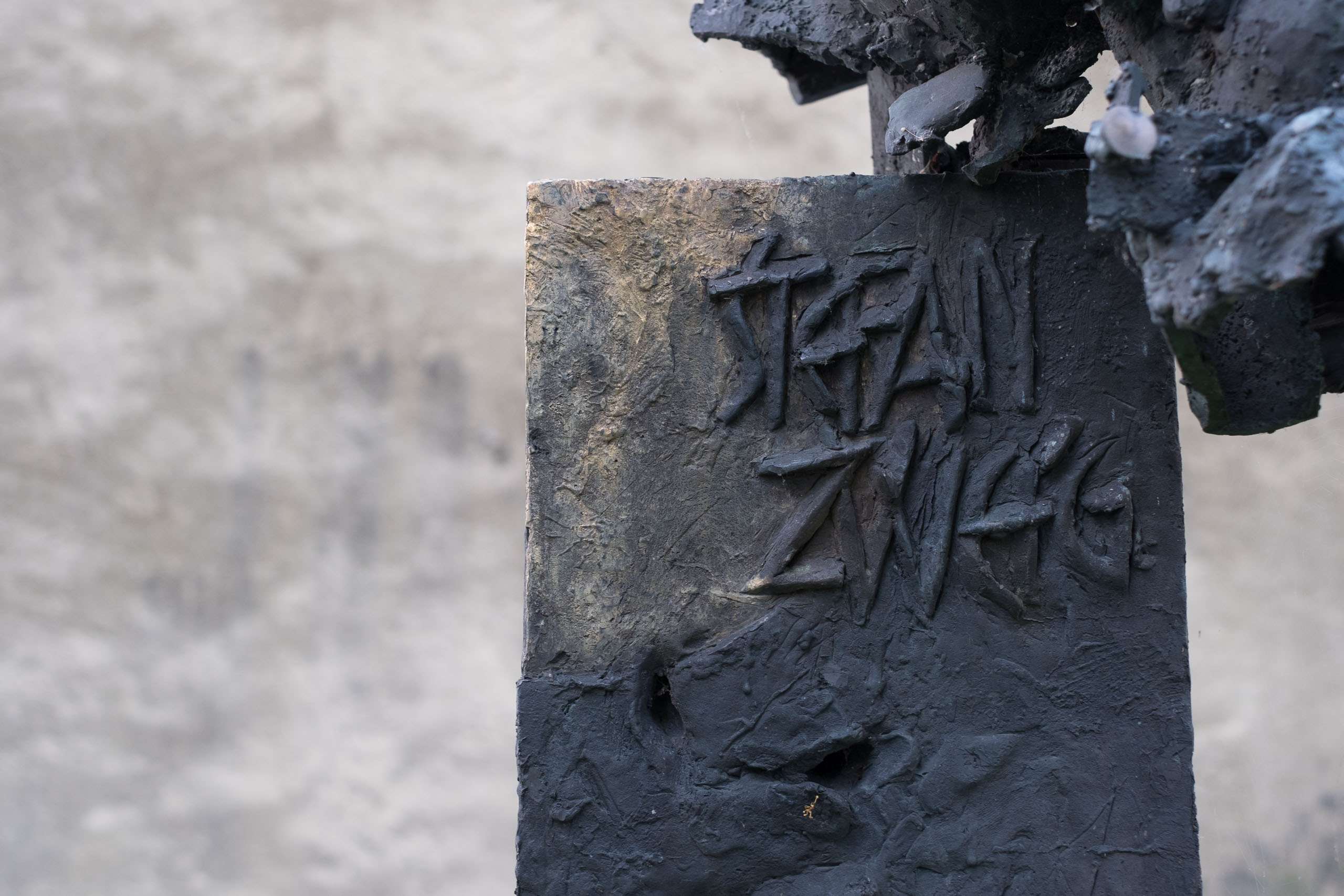
Stefan Zweig lived at Kapuzinerberg 5 from 1919 to 1934, writing much of his most celebrated work there. His circle included Bruno Walter, Arturo Toscanini, Hugo von Hofmannsthal, and Thomas Mann. A bronze bust and a Stolperstein mark the site.
The Franziskischlossl at the northern end started as a 17th-century defensive tower and became a restaurant in 1849. It is seasonal and weather-dependent.
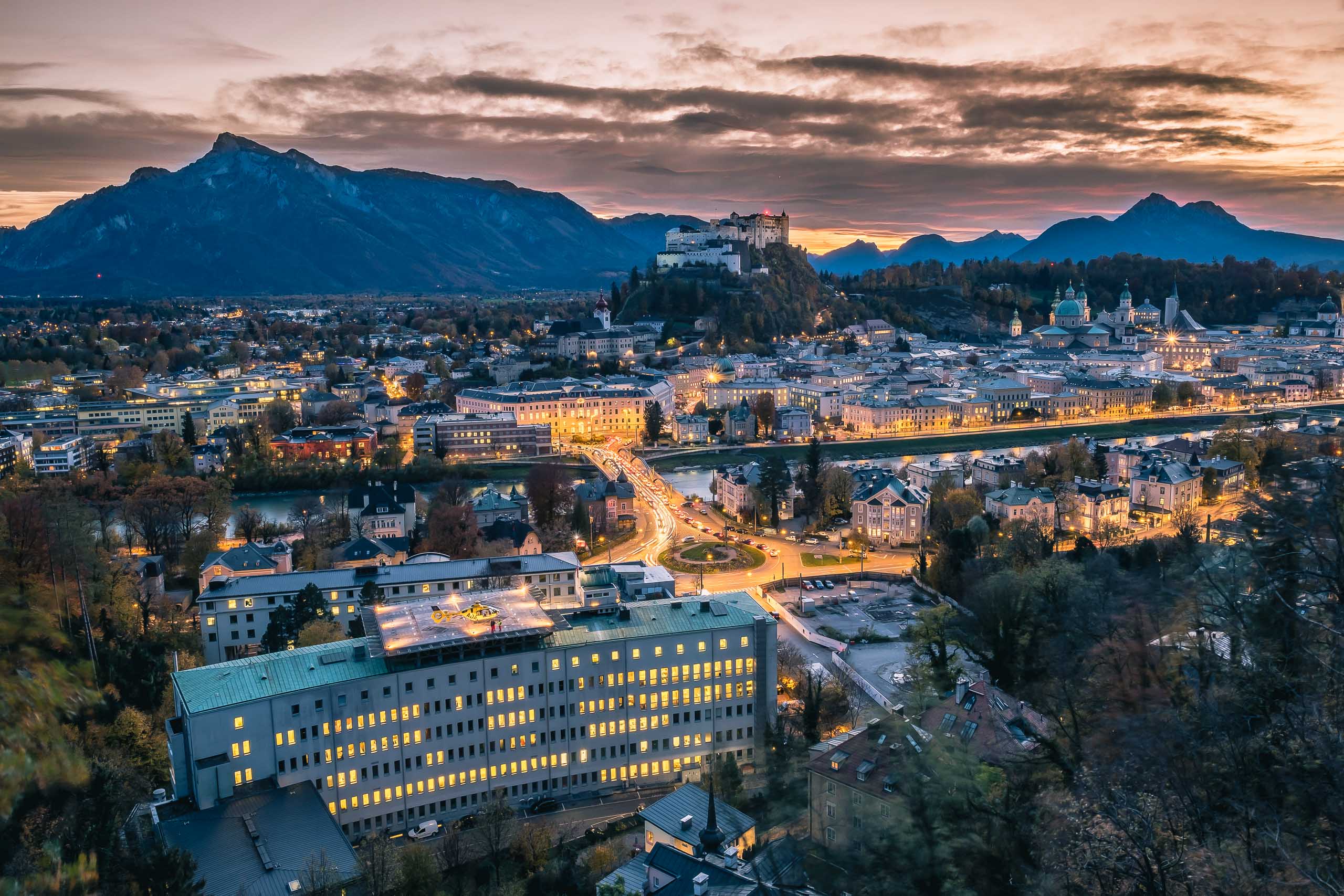
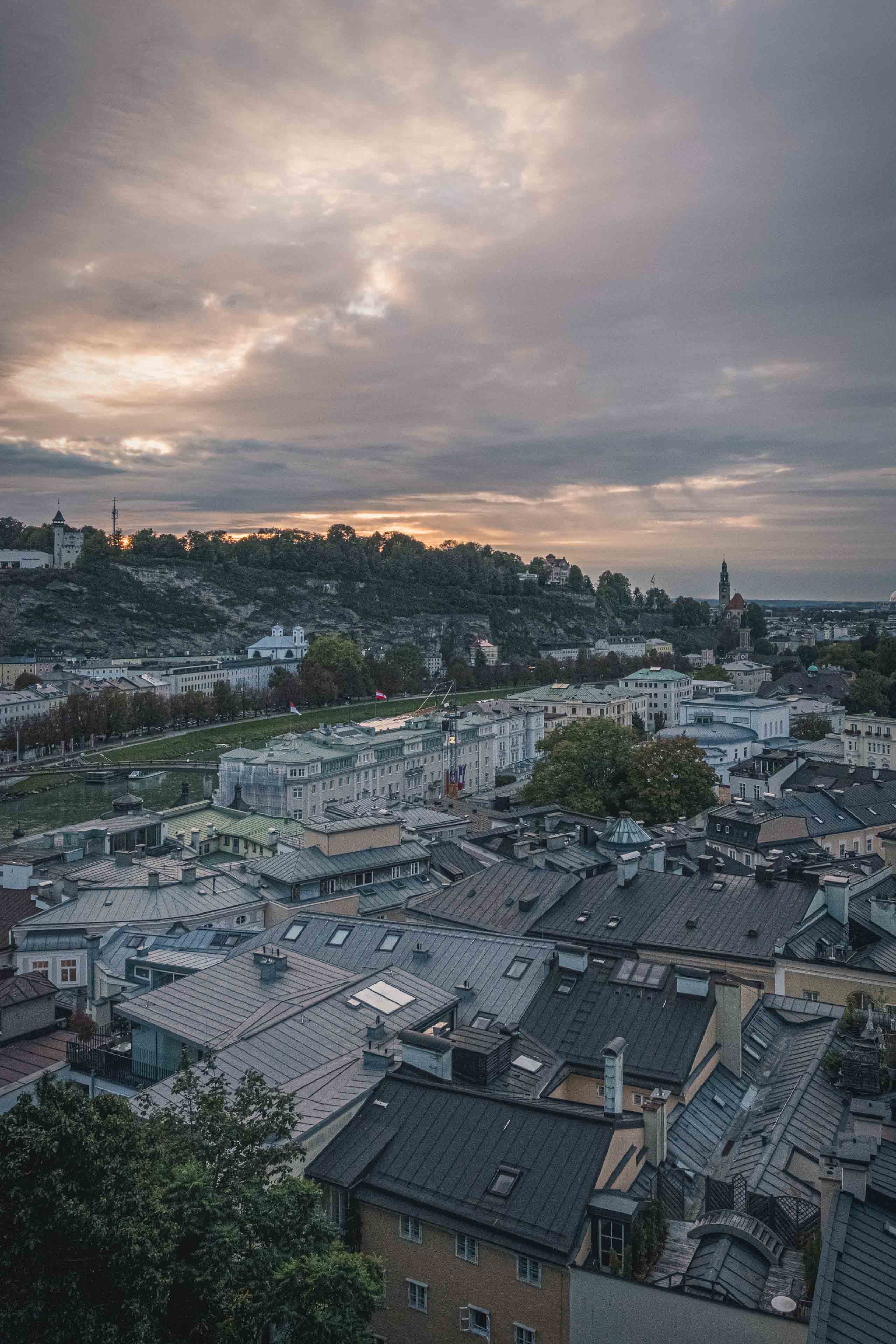
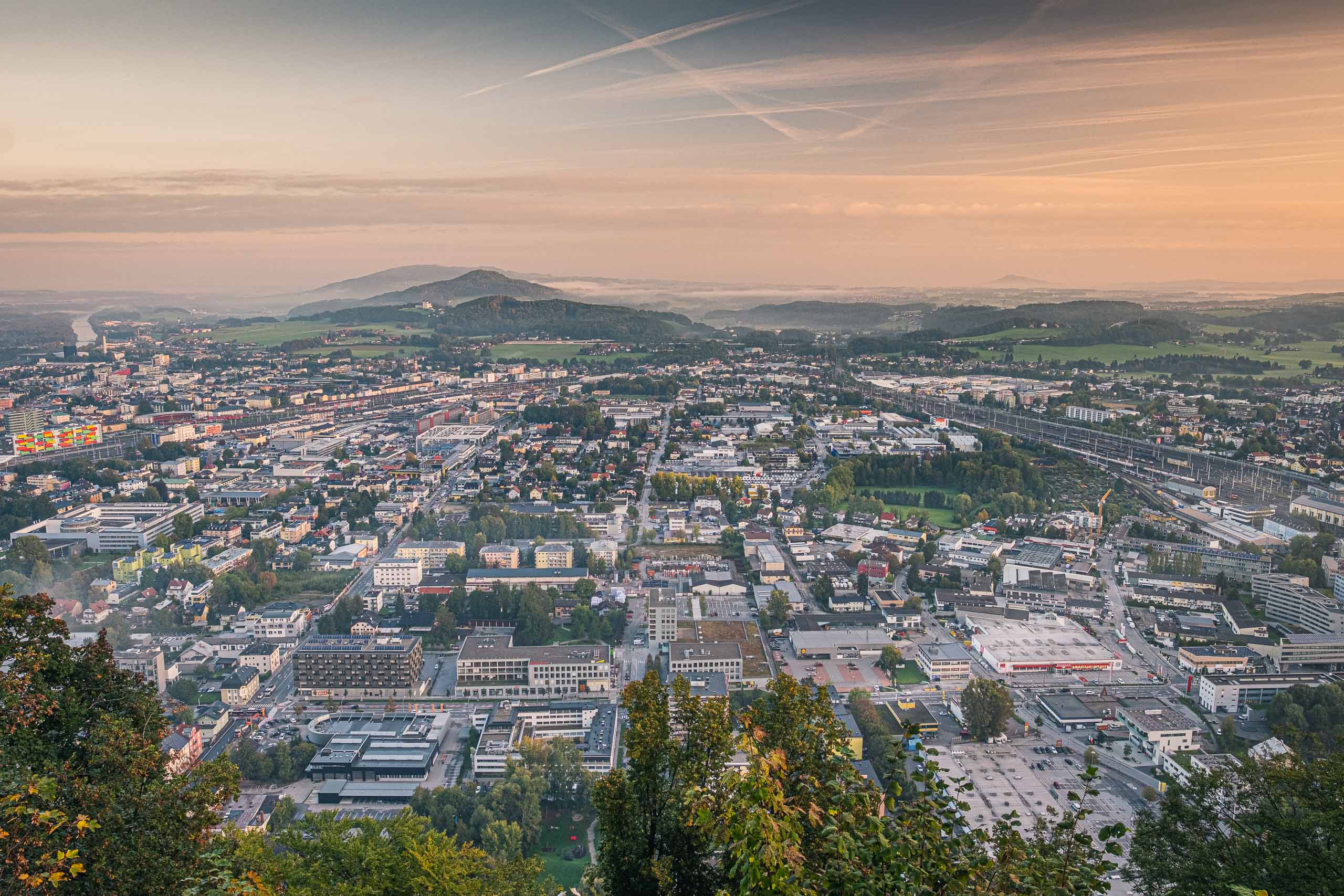
The hilltop path looking south offers one of the definitive views of the Altstadt and the fortress from the north bank: no crowds, no entry barriers, no fee.
Do it here
These experiences include this place in their authored route.
Self-guided circuit of Salzburg's right-bank hill. Linzer Gasse trailhead through woodland to viewpoints, monastery, and Franziskischlossl beer garden. 2 hours with stops. Quieter and more local than the Mönchsberg.
People
scientist1769 - 1859
One of the last great polymaths. Humboldt passed through Salzburg in 1797, climbed the Kapuzinerberg, and was so moved by the panorama that the Humboldtterrasse viewpoint is named in his memory. One of the few visitors to have a place in the city permanently named after them.
writer1881 - 1942
One of the most widely translated German-language authors of the 20th century. Zweig lived at Kapuzinerberg 5, Salzburg, from 1919 to 1934. From this house on the forested hill above the right bank, he wrote his celebrated memoir Die Welt von Gestern (The World of Yesterday).