
Kapuzinerberg Circuit
Self-guided circuit of Salzburg's right-bank hill. Linzer Gasse trailhead through woodland to viewpoints, monastery, and Franziskischlossl beer garden. 2 hours with stops. Quieter and more local than the Mönchsberg.
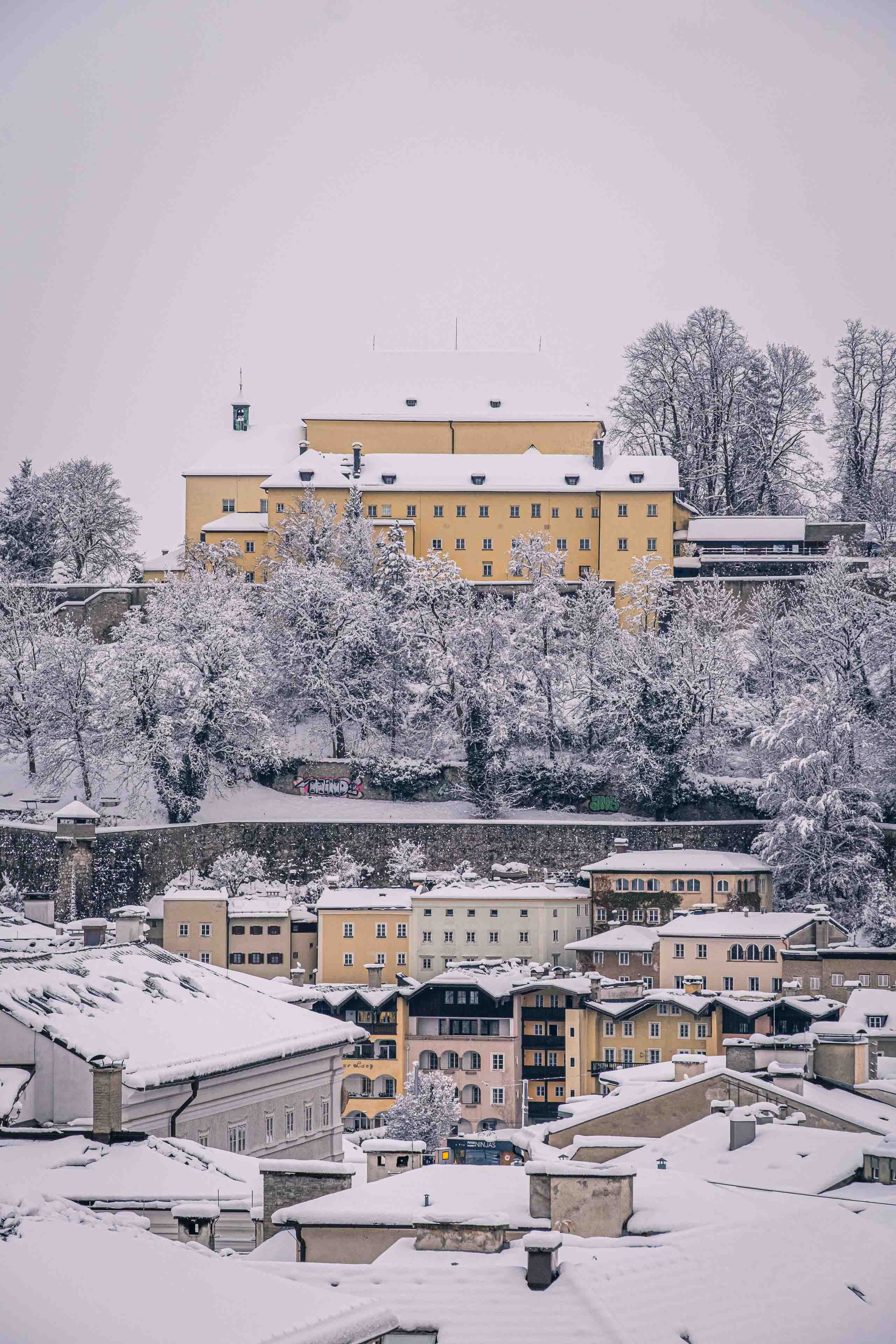
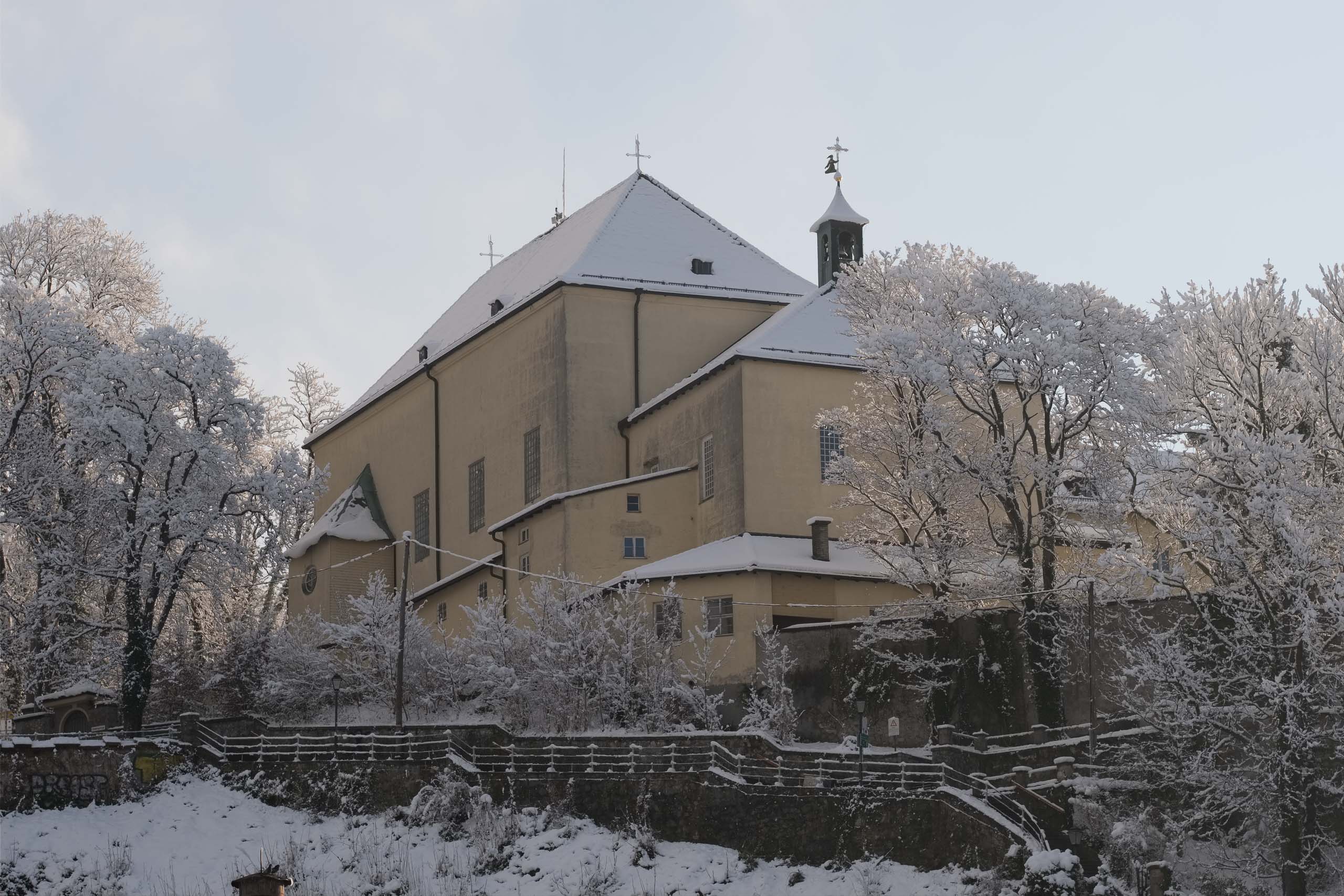
The Capuchin monastery on the Kapuzinerberg, founded 1599-1602 by Wolf Dietrich von Raitenau as part of his Counter-Reformation programme. The building that gives the hill its name, and the best place in Salzburg to see the Altstadt as it looked in the 17th century.
Wolf Dietrich von Raitenau invited the Capuchins to Salzburg in 1594 and commissioned the monastery on the Kapuzinerberg between 1599 and 1602. The hill had been occupied for centuries before that: a medieval watchtower called the Trompeterschlössl once guarded the city’s northern flank, and a fragment of its wall still stands against the north side of the church.
The Capuchin rule forbids the ornamental ambition that drove Wolf Dietrich’s other projects. The archbishop was simultaneously raising grand Baroque churches in the Altstadt below. The monastery church on the hill above has whitewashed walls, no gold, no theatrical altarpieces. The austerity was not a concession but a point of doctrine.
The path up from Linzer Gasse passes through the Felix Gate, built in 1632 under Archbishop Paris Lodron, and climbs past six small Baroque chapels housing Passion scenes, built between 1736 and 1744. The walk takes about 20 minutes and gains roughly 60 metres.
At the summit, the view down into the Altstadt is one of the most clarifying in the city. The Salzach curves below, the spires and domes sit exactly where Wolf Dietrich placed them, and Hohensalzburg Fortress anchors the far side. The city has not changed much from this angle since the 17th century.
The portal incorporates a late-Gothic oak door salvaged from the old Salzburg Cathedral when that building was demolished in the early 1600s. Stefan Zweig lived in a house on the hill below the monastery for many years and wrote about the city visible from its paths.
The monastery remains active. The church is open to visitors; the monastic buildings are not.
Do it here
These experiences include this place in their authored route.
Self-guided circuit of Salzburg's right-bank hill. Linzer Gasse trailhead through woodland to viewpoints, monastery, and Franziskischlossl beer garden. 2 hours with stops. Quieter and more local than the Mönchsberg.
People
archbishop1559 - 1617
The most transformative Archbishop in Salzburg's history. Wolf Dietrich demolished the old Romanesque cathedral, created Mirabell Palace, rebuilt the Residenz, and began reshaping the city along Italian baroque lines. Deposed and imprisoned in Hohensalzburg Fortress until his death.
Curated routes
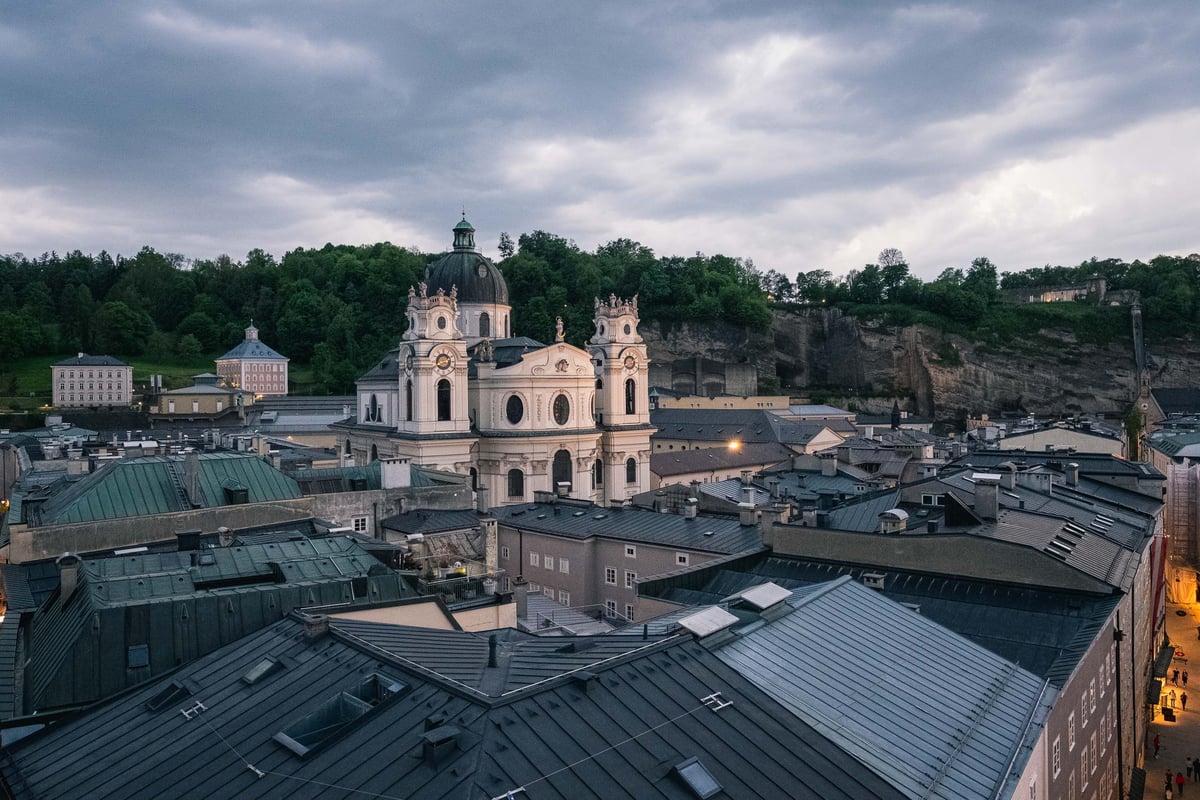
The old town is about 1.5 square kilometres and has 22 churches. This is the order I would walk them, from Holy Trinity on Makartplatz across both banks and up two city mountains to St. Sebastian. Three to four hours, and you see every corner of the old town on the way.
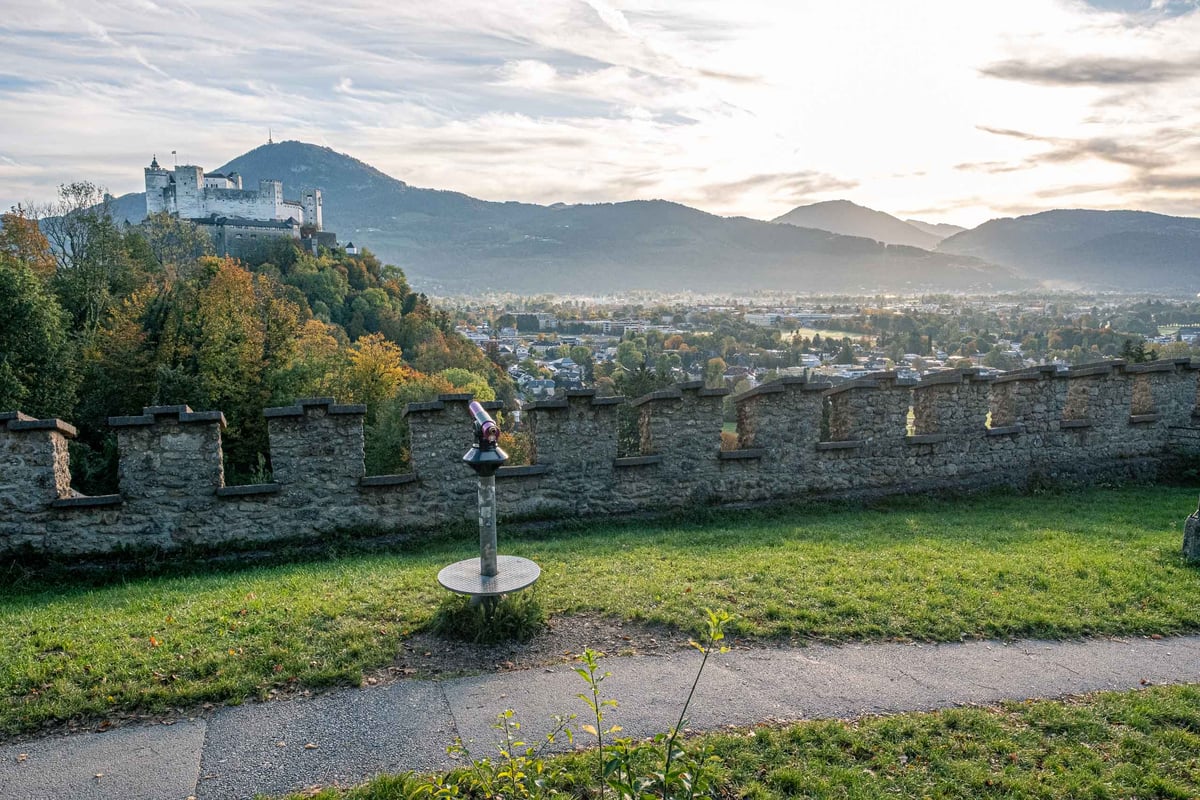
Both city mountains in one walk: the Mönchsberg from Mülln past its viewpoints to the fortress and Nonnberg, down through the old town and over the Mozartsteg, then up the Imbergstiege and round the Kapuzinerberg, the one that feels like a real mountain.