Snapshot
Julie Andrews played Maria von Trapp in Robert Wise’s 1965 film The Sound of Music, shot largely on location in and around Salzburg. More than any other single event, that performance is responsible for Salzburg’s position as one of the world’s most visited cities.
The Story
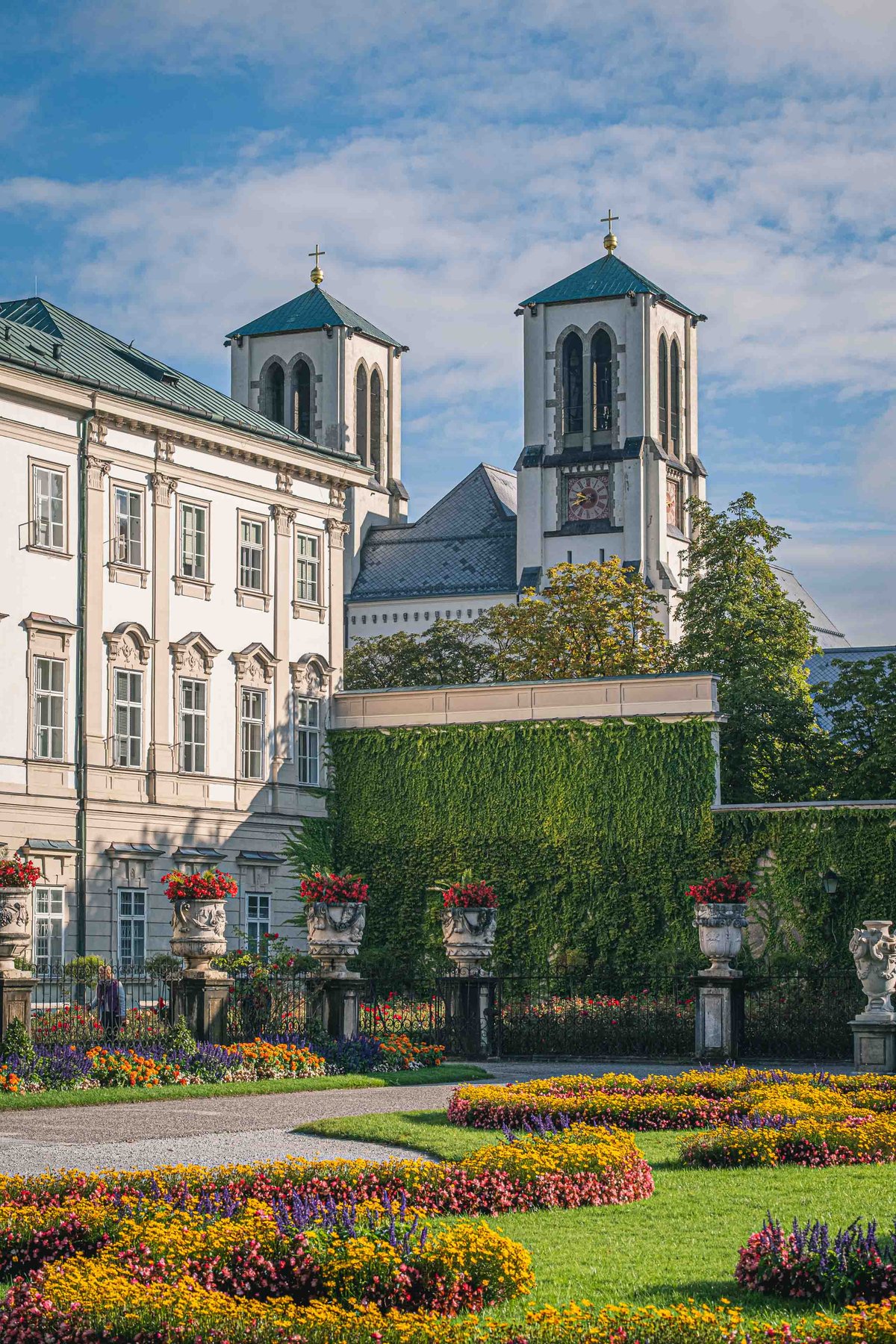
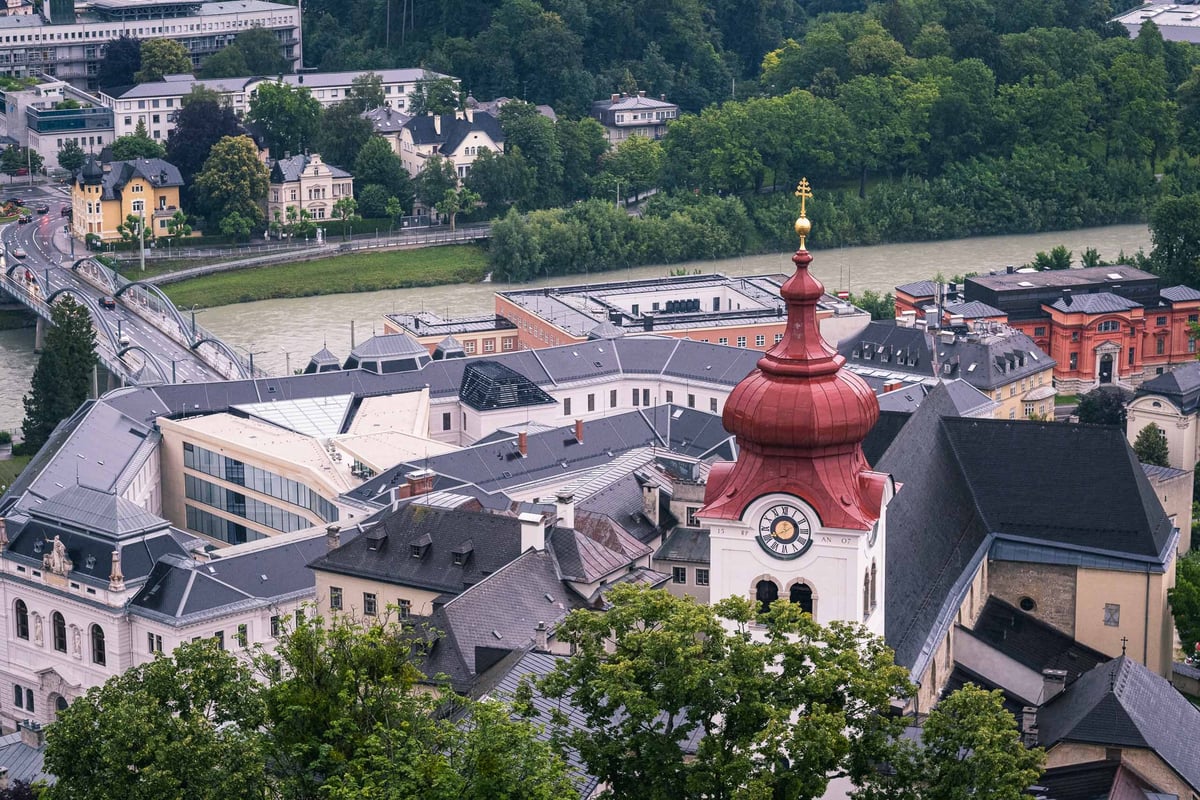
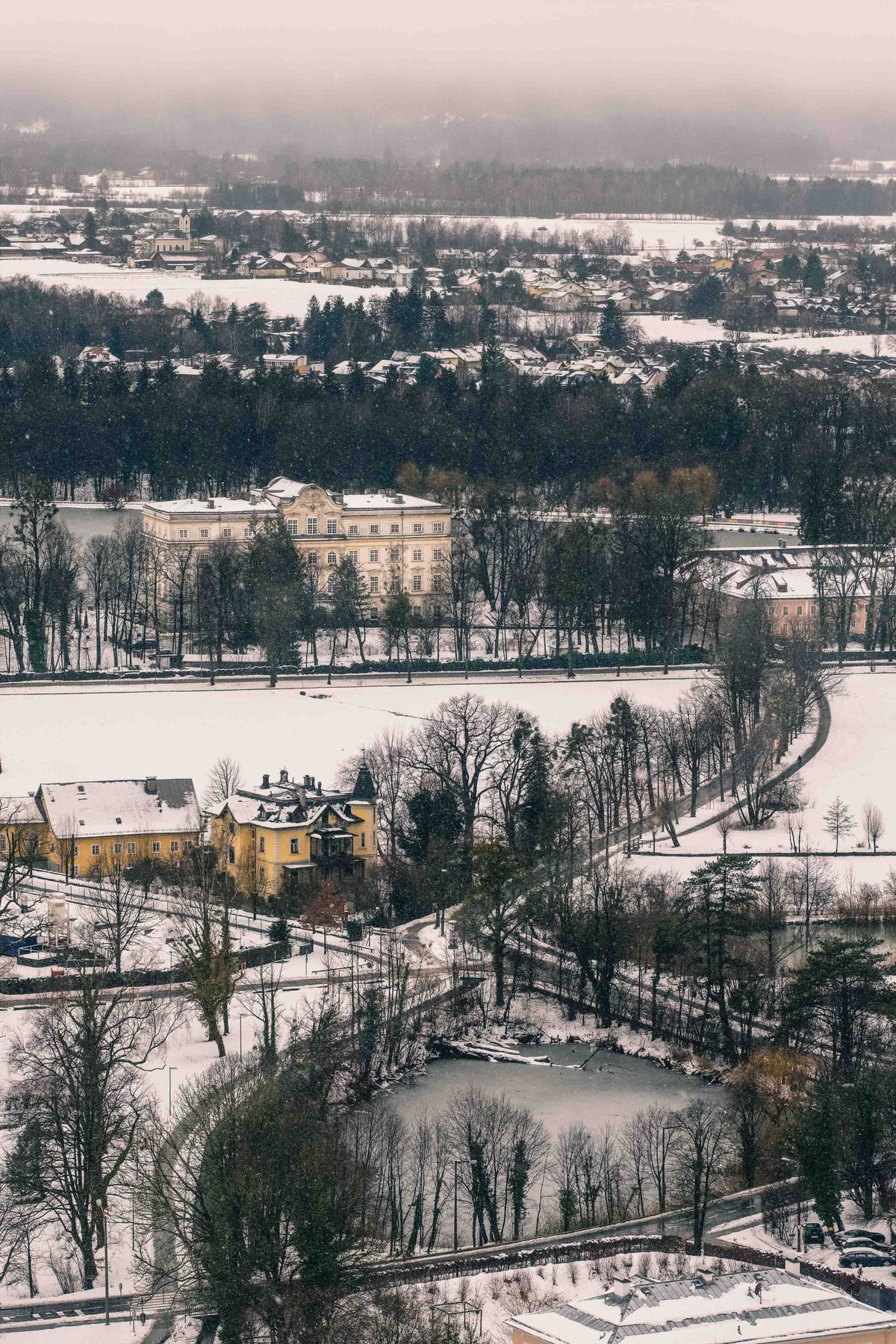
The film was shot across Salzburg and its surroundings in the summer of 1964. Mirabell Gardens hosted the “Do-Re-Mi” sequence, with the Pegasus Fountain and the famous garden steps. Nonnberg Abbey provided the convent exteriors. The grounds of Schloss Leopoldskron became the von Trapp family’s lakeside home. Domplatz and the church at Mondsee appeared in key scenes. Andrews filmed the opening sequence on a meadow near the Untersberg, arms outstretched: it became one of the most recognised images in the history of cinema.
Andrews brought exceptional discipline and a four-octave voice to the role. She had trained rigorously in musical theatre, appearing in My Fair Lady and Camelot on Broadway before the film. Colleagues describe her as someone who stayed to coach nervous cast members after a seven-hour shoot, and who spent weeks perfecting a guitar chord so that Maria’s hands looked authentic on camera. The result was a performance that felt lived-in rather than performed.
The film’s success reshaped Salzburg’s identity permanently. The city had long been known for Mozart and the Salzburg Festival, but The Sound of Music gave it a second identity at a far larger scale. Visitor numbers climbed sharply in the years following the 1965 release; by some estimates the city now receives well over four million visitors a year, a figure that would have been unimaginable before the film. Andrews herself acknowledged the connection in later years, though she noted with characteristic dryness that Austrians themselves were largely indifferent to the movie.
In 1997, vocal cord surgery damaged her voice beyond repair. She was made a Dame Commander of the Order of the British Empire in 2000. She has remained active as an actress, author, and producer, but it is the Salzburg sequences that define her place in cultural memory.