Mozart's Birthplace
Baroque
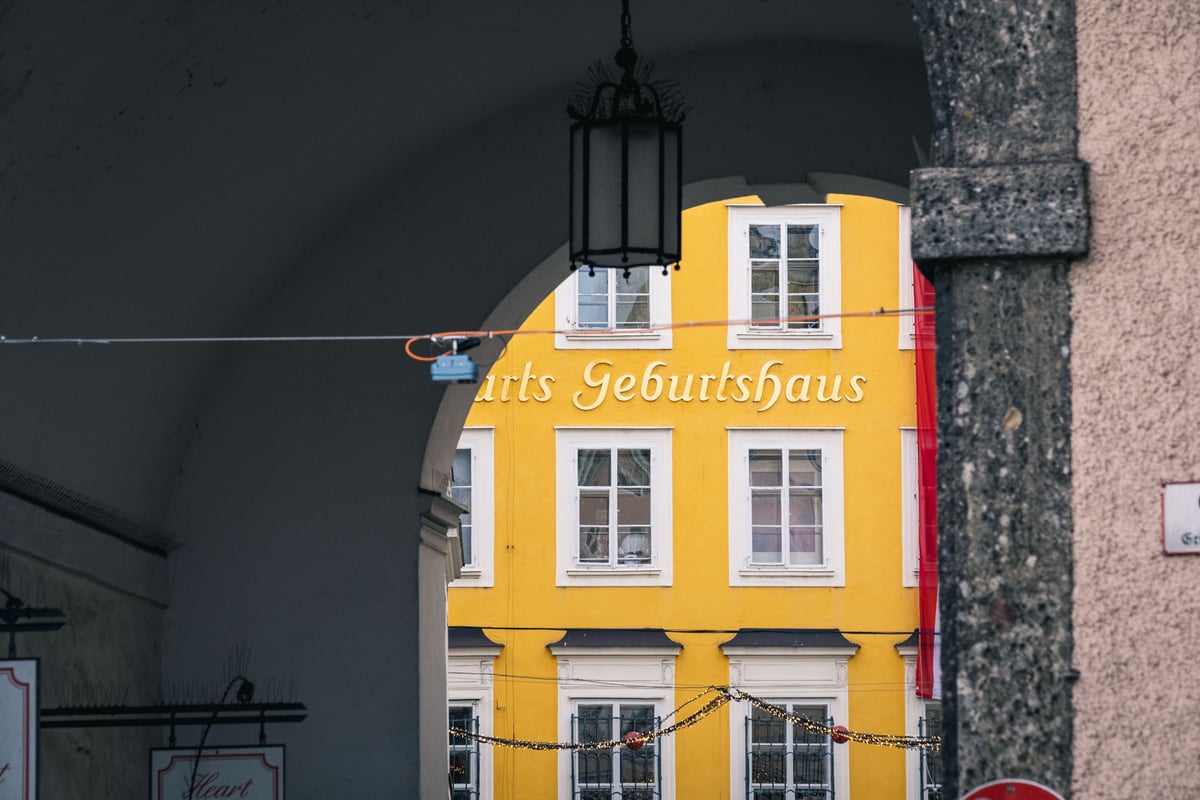
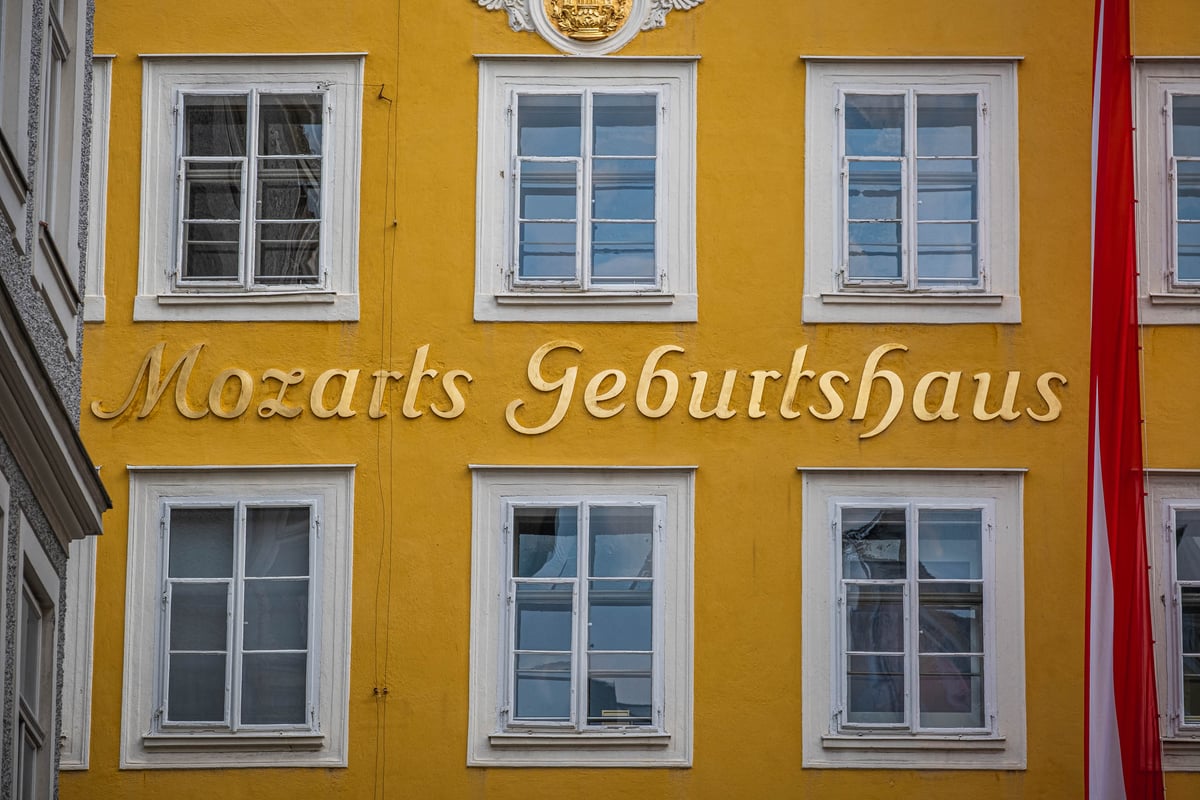
The third floor of Getreidegasse 9 is where Wolfgang Amadeus Mozart was born on 27 January 1756, and where he spent the first seventeen years of his life.
Musician
30 July 1751, Salzburg - 29 October 1829, Salzburg
Nannerl Mozart was the family’s first prodigy. History spent two centuries forgetting that.
Maria Anna Mozart, known all her life as Nannerl, was born on 30 July 1751 at Getreidegasse 9 in Salzburg, the same house that would later make her brother famous. Leopold Mozart began her formal keyboard lessons when she was seven. By the time Wolfgang was old enough to stand on a stage, Nannerl was already a seasoned performer. On their first major tour, promoters listed her name above his. Leopold wrote to friends that she was among the most skilled players in Europe.
For three years, from 1763 to 1766, the Mozart family toured the courts of Europe together. Nannerl and Wolfgang performed before Empress Maria Theresa in Vienna, played at Versailles during Christmas 1763, and crossed the Channel to London. Audiences heard two prodigies. Leopold presented them as equals. When the family fell seriously ill in Holland in 1765, both children nearly died of fever. They recovered and continued. It was the last chapter of her public life.
Around the time Nannerl turned 18, Leopold withdrew her from performing. The calculus was practical and brutal: public appearance on a stage was incompatible with a respectable marriage, and a respectable marriage was, in Leopold’s framework, the only future available to his daughter. She stayed in Salzburg, teaching. Wolfgang continued to tour.
On 23 August 1784, she married Johann Baptist Franz von Berchtold zu Sonnenburg, a twice-widowed magistrate with five stepchildren, and moved to St. Gilgen on the Wolfgangsee. The village was not entirely unfamiliar: her maternal grandmother had come from there. She played her fortepiano for three hours a day in a small domestic space, transcribed music from memory, and referred to herself in letters as a “dilettante.” That word was not false modesty. It was a formal acknowledgment that she had been reclassified. After Berchtold died in 1801, she returned to Salzburg and spent her final years as the city’s most respected keyboard teacher.
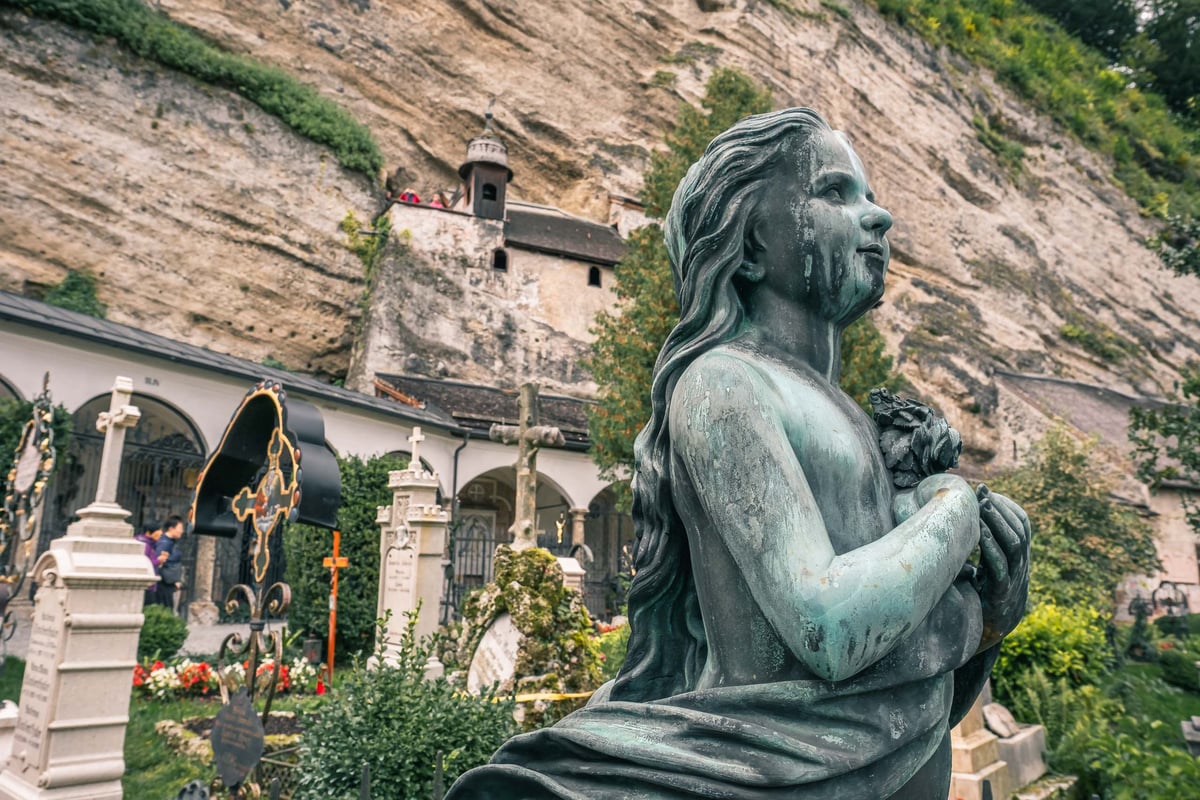
She went blind in old age. She died on 29 October 1829, 38 years after Wolfgang. She is buried at Petersfriedhof, a short walk from Mozart’s Birthplace where her story began. The Nannerl Notenbuch, the teaching manuscript Leopold Mozart compiled for her in 1759, survives at the Mozarteum. It is one of the few physical traces of a musical life the historical record largely chose not to keep.
On the map
The 3 places on this page, where they actually stand.
Locations
Baroque
The third floor of Getreidegasse 9 is where Wolfgang Amadeus Mozart was born on 27 January 1756, and where he spent the first seventeen years of his life.
1773
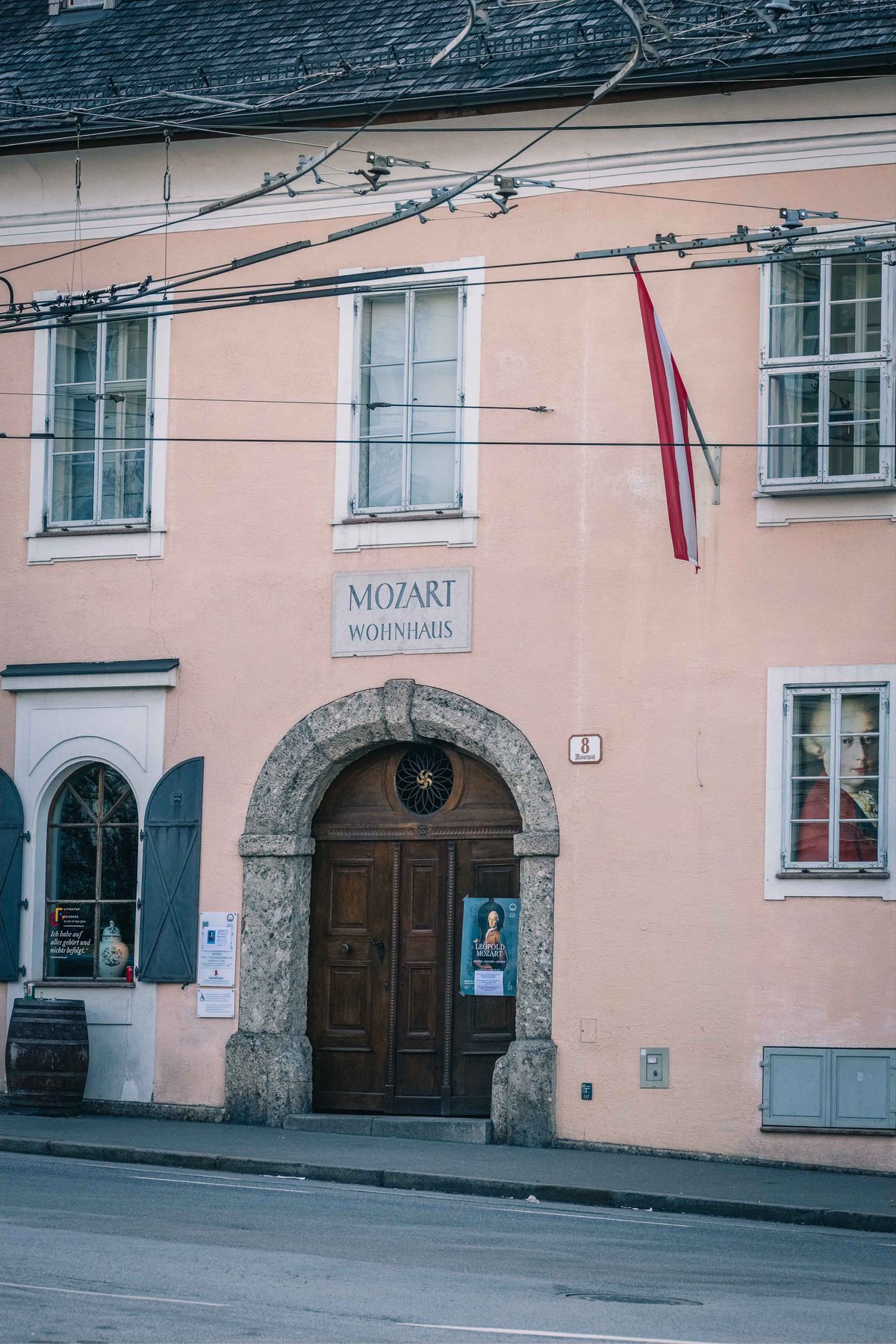
The larger apartment on Makartplatz where the Mozart family moved in 1773. Leopold Mozart lived here until his death in 1787. Wolfgang Amadeus Mozart lived here until his permanent departure for Vienna in 1781.
St. Peter's Cemetery in Salzburg has been continuously used since around 700 AD, making it one of the oldest Christian cemeteries in the German-speaking world. The graves press up against the cliff face of the Mönchsberg, where early Christian catacombs are carved directly into the rock.
Read more
The longer pieces where this comes up.
Maria Anna Mozart was four and a half years older than her brother and just as talented. As a child, she toured the royal courts of Europe alongside Wolfgang, performing for kings and emperors. The audiences could not tell which sibling was more gifted. Some thought she was better.