Story
Nannerl: The Mozart Nobody Talks About
Published March 25, 2026 · Updated July 25, 2026
Maria Anna Mozart was four and a half years older than her brother and just as talented. As a child, she toured the royal courts of Europe alongside Wolfgang, performing for kings and emperors. The audiences could not tell which sibling was more gifted. Some thought she was better.
Then she turned eighteen, and the world decided she was a woman. Her performing career ended. Her brother became the most famous composer in history. She spent the rest of her life in Salzburg and St. Gilgen, teaching piano to other people’s children.
Everyone calls her Nannerl. The family nickname. Not Maria Anna. Not the prodigy. The sister.
The Child Who Was Equal
Leopold Mozart recognized both children’s talent early. He began teaching Nannerl the keyboard when she was seven. Wolfgang, three years old, watched and learned. When Leopold started touring them, it was Nannerl who was the main attraction. She was older, more polished, and already performing at a level that astonished professional musicians.
The family left Salzburg in 1762. Munich first, then Vienna, then Paris, then London. The children performed together at the court of Empress Maria Theresa, for Louis XV at Versailles, for George III in London. Reviews praised both. A London newspaper described Nannerl as “a master of her instrument.” She was eleven.
For five years, the siblings traveled and performed as equals. The posters and programs named both. The audiences applauded both.
The Rule That Changed Everything
In the 18th century, it was acceptable for a girl to perform in public as a child prodigy. It was not acceptable for an adult woman to do the same. Convention drew the line at roughly sixteen to eighteen. After that, a woman’s place was domestic. Performance was for men.
Nannerl hit that boundary. Leopold stopped including her on tours. Wolfgang continued. The letters from this period show a shift: Leopold’s attention and investment pivoted entirely to his son. Nannerl stayed home in Salzburg, teaching keyboard students for income.
She was not mediocre. She was not outgrown. She was a woman in the 18th century. That was enough.
Unlike her brother, Nannerl always obeyed her father. She did not rebel. She did not leave Salzburg. She accepted the arranged marriage Leopold chose for her.
St. Gilgen
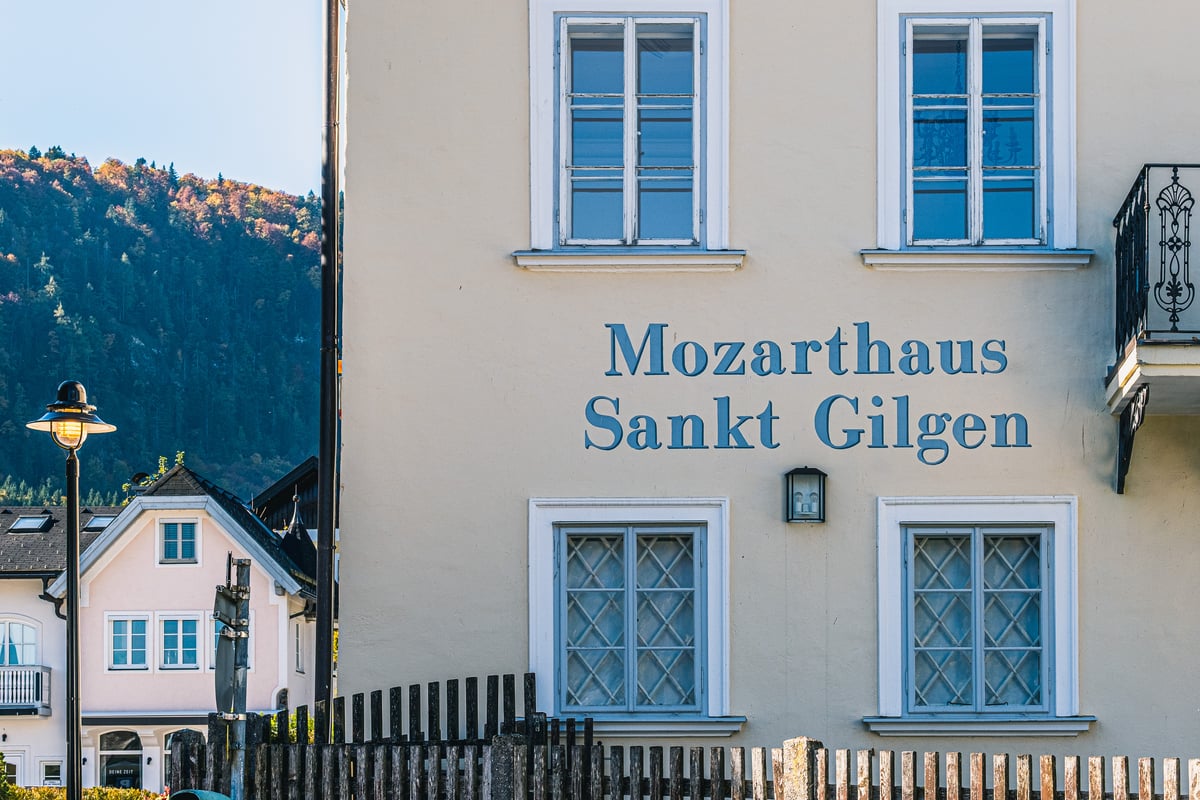
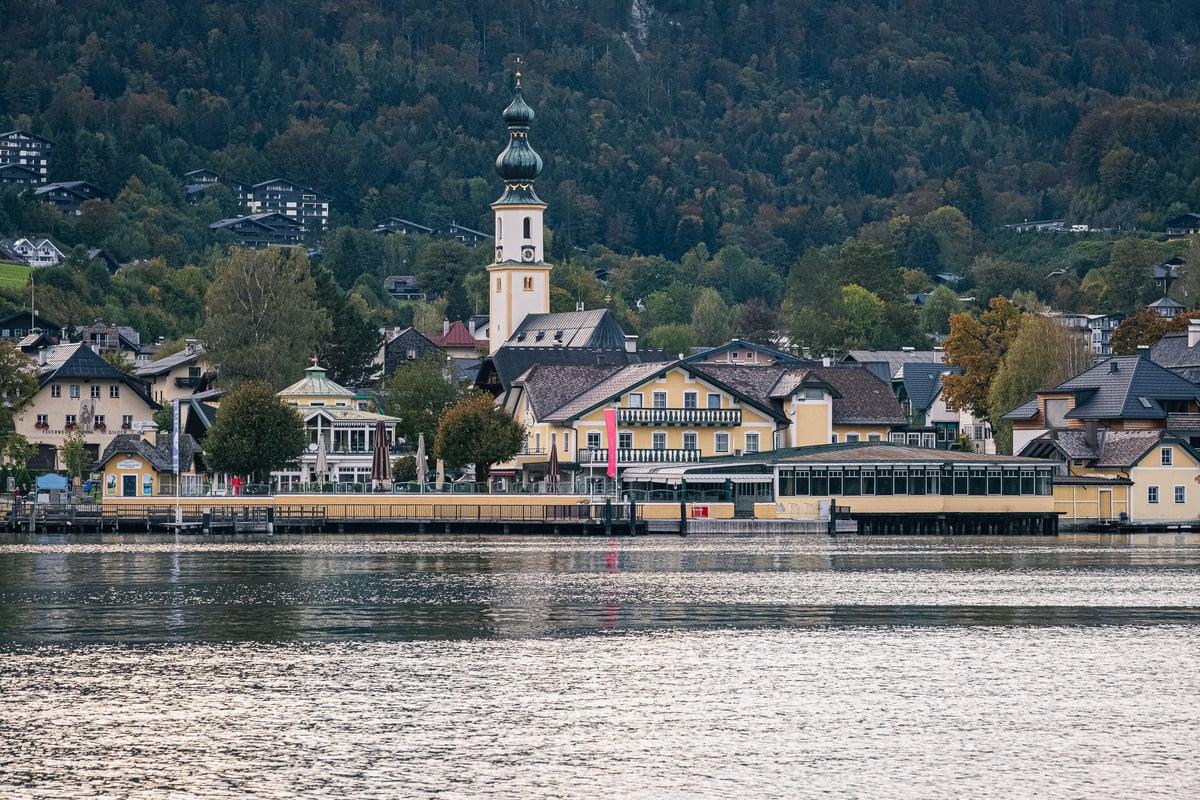
In 1784, at thirty-three, Nannerl married Johann Baptist von Berchtold zu Sonnenburg, a magistrate in St. Gilgen on the Wolfgangsee. He was a widower with five children. She moved to the small lakeside village where her grandfather had built a house, the same grandfather whose construction debts left Mozart’s mother in childhood poverty.
The Mozart House St. Gilgen is still there. Mozart’s mother was born in the village. Nannerl lived there for seventeen years. Mozart himself never visited. Not once. Despite his mother being born there, his sister living there, and his grandfather and brother-in-law being buried in the churchyard.
Nannerl had three children. One survived to adulthood. That line also eventually ended. The Mozart bloodline is extinct through both siblings.
After Wolfgang
Mozart died in Vienna in December 1791. Nannerl outlived him by nearly thirty-eight years. She returned to Salzburg after her husband’s death and spent her final decades in the city where she had grown up. She went blind in her last years.
Constanze Mozart, Wolfgang’s widow, also returned to Salzburg. The two women lived in the same small city for decades. They were not close. The relationship between Nannerl and Constanze is one of the quieter tensions in the Mozart story, visible mainly in what they did not do together.
Constanze remarried, organized concerts of Wolfgang’s music, sold his manuscripts, managed his legacy, and laid the groundwork for what became the Stiftung Mozarteum. She controlled the narrative. Nannerl did not.
The Separate Graves
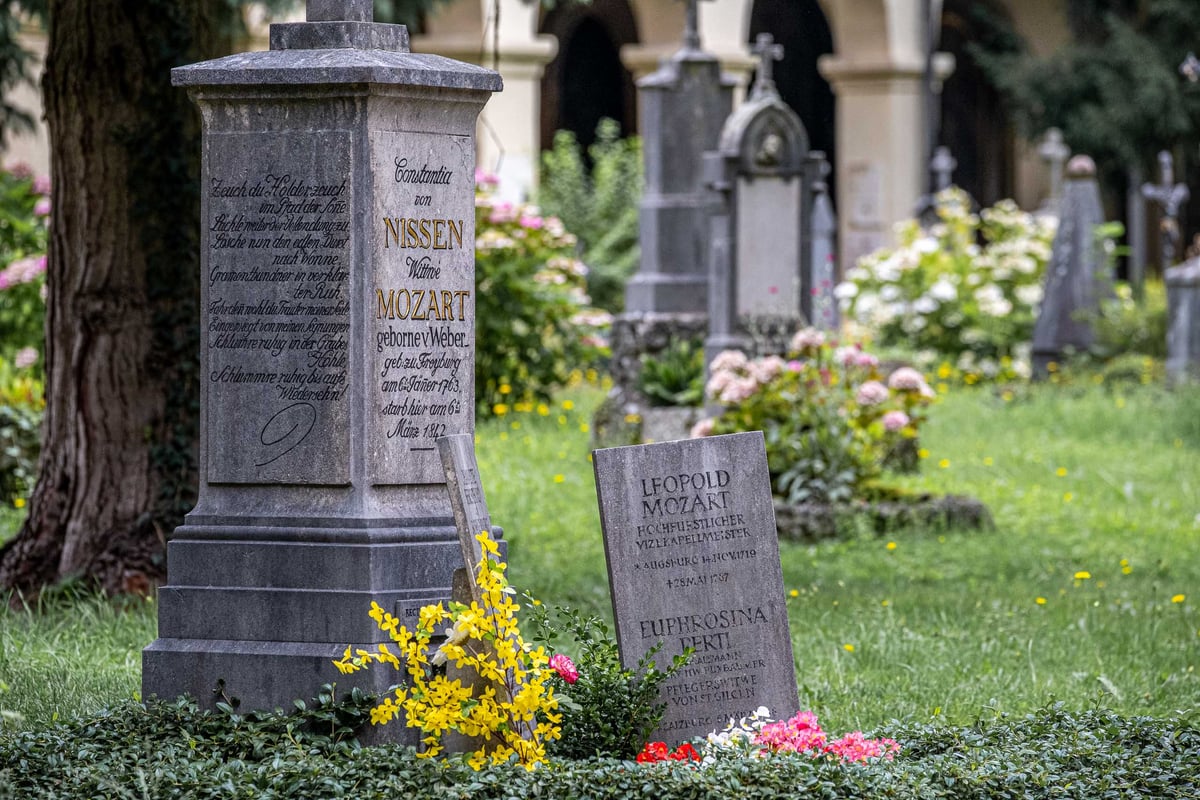
Nannerl died in 1829 and is buried at Petersfriedhof, the cemetery at Stift St. Peter. Leopold, Constanze, and the rest of the Mozart family are buried across the river at Sebastiansfriedhof.
She is the only member of the immediate Mozart family not in the family grave. Malicious tongues claim she chose St. Peter’s because she did not want to share a burial place with Constanze.
Whether that is true or spiteful gossip, the result is visible. The sisters-in-law are separated in death by the entire width of the old town. Nannerl at St. Peter’s, against the Monchsberg cliff, in one of the most beautiful cemeteries in Salzburg. Constanze at Sebastiansfriedhof, in the family plot where the DNA tests later showed none of the occupants are actually related to each other.
What Nannerl’s Story Tells You
It tells you what the 18th century did to talented women. It tells you what obedience cost. It tells you what the Mozart brand leaves out.
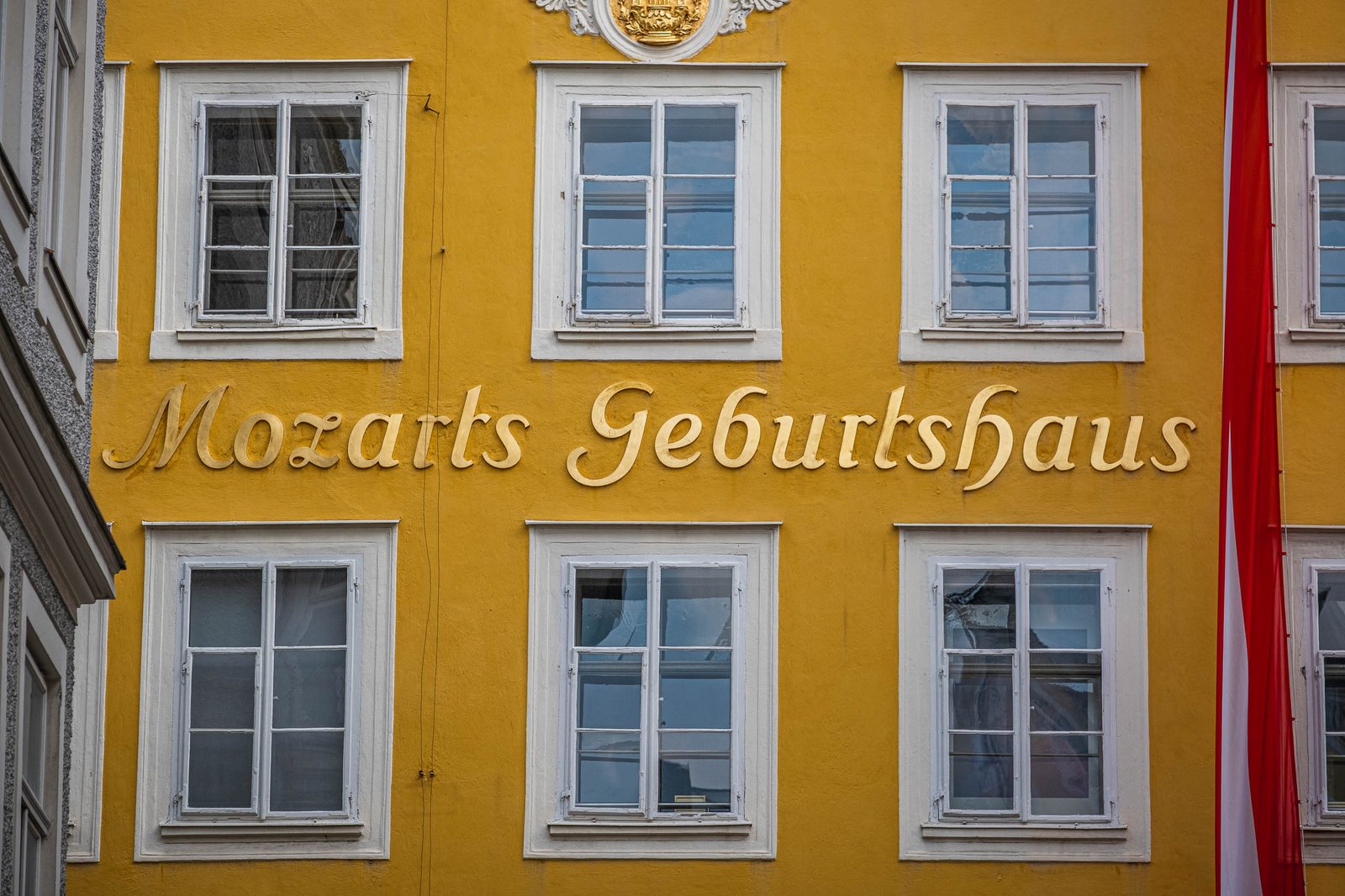
The Birthplace museum mentions her. The Residence museum has materials about the family. But no building in Salzburg carries her name. No square, no bridge, no concert hall. Wolfgang has the plaza, the bridge, the university, the opera house, and the chocolate. Nannerl has a grave at St. Peter’s.
Next time you visit Petersfriedhof, look for her. She is there, in the cemetery that tourists photograph without knowing what they are looking at. One of the most gifted musicians of the 18th century, buried quietly while her brother’s name covers every surface of the city he left behind.